Best Exercises for a German Shepherd
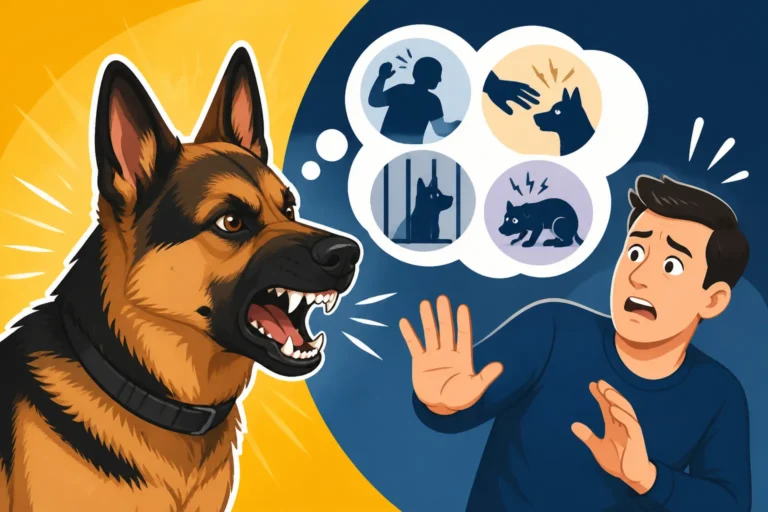
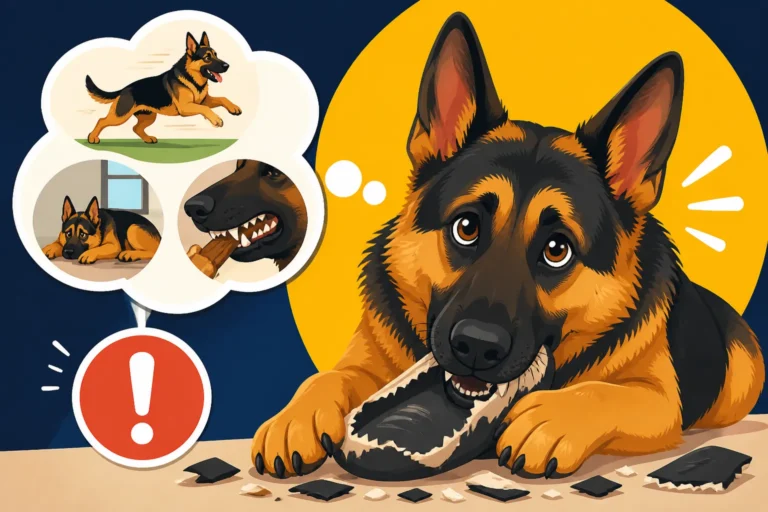
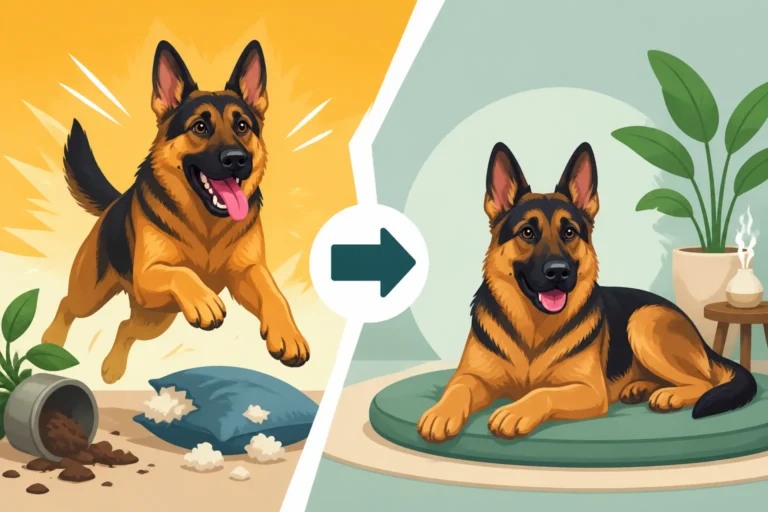
It can be incredibly frustrating to have a German Shepherd bouncing off the walls, digging up the yard, or chewing everything in sight, only to realize they might not be getting enough appropriate exercise. These highly intelligent and energetic dogs need more than just a quick walk around the block; they thrive on a varied routine that challenges both their bodies and minds. This comprehensive guide will walk you through the best types of exercises for your German Shepherd, ensuring they stay happy, healthy, and well-behaved, no matter their age or energy level.
Understanding Your German Shepherd's Innate Drive for Activity
German Shepherds were originally bred for herding sheep, a job that demanded incredible stamina, agility, and keen intelligence. They spent their days actively working, running, thinking, and reacting to their environment. This isn't just some historical fun fact; it's ingrained in their DNA and profoundly impacts their needs even as modern-day companions. When we fail to provide outlets for these natural instincts, problems often arise.
Imagine trying to keep a high-performance sports car in a garage its whole life. It might look pretty, but it’s not fulfilling its purpose, and eventually, parts might start to rust or seize up. Our German Shepherds are much the same. They possess a powerful drive to move, to learn, and to have a job, even if that "job" is just being a well-adjusted family dog. A lack of proper physical exercise can lead to obesity, joint problems, and a general decline in physical health over time. But it's not just about the body. A bored German Shepherd with pent-up energy is a recipe for destructive behavior, excessive barking, and even anxiety or aggression. It’s a vicious cycle that can leave both you and your dog feeling stressed and misunderstood.
Tailoring Exercise to Your German Shepherd's Age and Stage
One of the biggest mistakes owners make is treating all German Shepherds as if they have the same exercise needs, regardless of age. What's perfect for a boisterous young adult can be detrimental to a growing puppy or a senior dog. Understanding these nuances is key to preventing injuries and fostering long-term health.
Puppyhood: Nurturing Growth Plates and Minds
German Shepherd puppies are bundles of boundless energy, but their developing bodies are incredibly fragile. Their growth plates – areas of cartilage at the ends of long bones – are still open and highly susceptible to damage from excessive or high-impact exercise. This is a crucial period where you can set the stage for a lifetime of good joint health, or inadvertently cause problems like hip and elbow dysplasia later on. For more on preventing these issues, you might want to read about How to Prevent Hip Dysplasia in German Shepherds.
During puppyhood, short, frequent bursts of play are far superior to long, strenuous activities. Think supervised playtime with toys, short walks on soft surfaces (like grass), and plenty of mental stimulation. A good rule of thumb is 5 minutes of structured exercise per month of age, twice a day, up to about 6 months. So, a 3-month-old puppy would get 15 minutes of activity, twice daily. Avoid long-distance running, jumping from heights, or repetitive motions like endless ball fetching, especially on hard surfaces. Puppy obedience classes are fantastic for combining mental challenge with gentle physical activity, and they also help with crucial German Shepherd Puppy Training Guide elements like socialization. Focus on building confidence, body awareness, and a strong bond, rather than pushing physical limits.
Adolescence and Adulthood: Channeling Peak Energy
Once your German Shepherd has finished growing, typically between 18 and 24 months, their exercise needs will hit their peak. This is when their incredible stamina and strength truly shine, and they require consistent, challenging outlets for their energy. If you're wondering How Much Exercise Does an Adult German Shepherd Need, the answer is usually quite a lot!
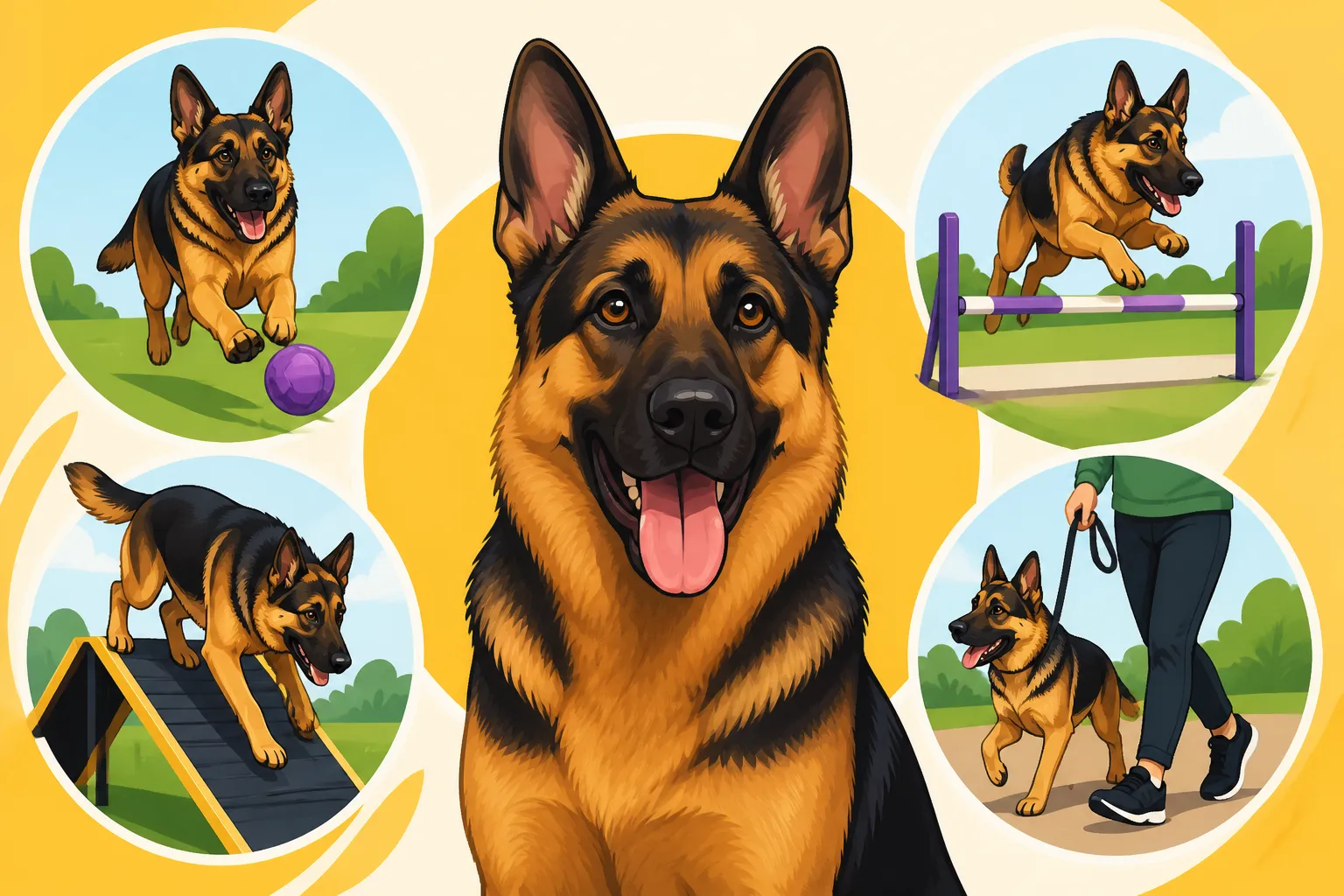
A healthy adult German Shepherd can typically handle 1-2 hours of vigorous exercise daily, often broken into two sessions. This isn't just a walk; it means activities that get their heart rate up, challenge their muscles, and engage their minds. We'll dive into specific types of activities next, but think running, hiking, swimming, and complex training sessions. It's during this phase that many German Shepherds excel in dog sports like agility, obedience, or even Schutzhund/IGP, which combines tracking, obedience, and protection work. These activities tap into their inherent working dog nature, providing unparalleled physical and mental fulfillment. Without proper outlets, this energy can manifest in undesirable ways, making your otherwise wonderful companion a destructive force of nature inside your home.
Senior Years: Gentle Movement and Comfort
As your German Shepherd enters their golden years, typically around 7-8 years old, their exercise needs will naturally shift again. They might slow down, show signs of arthritis, or have less stamina. This doesn't mean they should stop exercising entirely; in fact, gentle, consistent movement is crucial for maintaining muscle mass, joint flexibility, and overall quality of life. Understanding German Shepherd Senior Care Guide is vital at this stage.
Focus on shorter, more frequent walks on soft terrain, swimming (which is low-impact and great for joints), and gentle playtime. Pay close attention to their cues: if they're lagging behind, limping, or reluctant to move, it's time to stop. Consider adding joint supplements, like those found on Amazon, to support their comfort. Regular vet check-ups become even more important to monitor for conditions like arthritis and adjust their exercise routine accordingly. Mental stimulation, through puzzle toys or gentle training sessions, remains incredibly important to keep their minds sharp and engaged. The goal is to keep them moving comfortably and happily, preserving their joy in activity without causing pain or injury.
Optimal Exercise Types for Physical and Mental Well-being
To truly satisfy a German Shepherd, you need a diverse exercise regimen that goes beyond just physical exertion. Their brilliant minds need as much of a workout as their powerful bodies.
High-Intensity Physical Activities
These are the activities that burn off that boundless energy and keep their cardiovascular system healthy.
- Running and Jogging: If you're a runner, a German Shepherd can be an incredible companion. They have excellent stamina and love to run alongside their person. Start slow and build up distance, especially if they're new to the activity. Always ensure the temperature isn't too hot, and bring plenty of water. A comfortable, well-fitting harness is essential, and make sure you've mastered How to Leash Train a German Shepherd before hitting the trails together.
- Hiking: German Shepherds are fantastic hiking partners. The varied terrain and new scents offer both physical challenge and rich mental stimulation. This is a wonderful way to explore the outdoors together. Remember to check for ticks afterward and ensure they are wearing appropriate identification.
- Swimming: For many German Shepherds, swimming is a fantastic low-impact exercise. It's great for their joints and a wonderful way to cool down in warmer weather. Not all German Shepherds are natural swimmers, so introduce them slowly and always supervise them. A dog life vest, readily available on Amazon, can provide extra confidence and safety.
- Agility and Dog Sports: If you're looking for structured, intense exercise, agility, flyball, or dock diving are excellent choices. These sports not only provide a phenomenal physical workout but also demand intense focus and problem-solving, engaging their intellect like few other activities can.
Engaging Mental Stimulation Activities
A tired body isn't enough; a German Shepherd needs a tired brain too. Mental exercise can often be as exhausting as physical activity. Check out Best Mental Stimulation for German Shepherds for even more ideas.
- Obedience Training and Advanced Commands: Consistent obedience training isn't just about good manners; it's a mental workout. Teaching new tricks or refining existing commands like "stay" or "heel" requires concentration and problem-solving. Consider online courses or even in-person classes like those offered by BAXTER & Bella, which can teach you how to engage your dog's mind effectively. Practicing German Shepherd Obedience Training Basics regularly will make a huge difference.
- Puzzle Toys and Treat Dispensers: These are a lifesaver for rainy days or when you need your dog to settle down. Toys that require manipulation to release treats challenge their problem-solving skills and keep them occupied for extended periods. KONG toys, snufflemats, and various interactive feeders are excellent examples.
- Scent Work and Nose Games: German Shepherds have an incredible sense of smell. Harness this by hiding treats around the house or yard and encouraging them to find them. You can even get involved in formal scent work classes. This activity is naturally calming and immensely satisfying for them.
- "Find It" Games: A simple game of "find it" with a favorite toy can be surprisingly engaging. Start by letting them watch you hide it, then increase the difficulty. This builds their retrieving skills and mental focus. For teaching a reliable recall, which is essential for off-leash play, practicing "come" games is vital, as discussed in How to Teach a German Shepherd to Come.
Combining Physical and Mental Exercise
The sweet spot for German Shepherds is often a combination of both.
- Interactive Play: Fetch, tug-of-war, and flirt pole play are fantastic ways to burn energy while also engaging their minds. These games allow you to control the intensity and duration. Remember to teach a clear "drop it" command during tug to maintain control and prevent resource guarding.
- Structured Walks with Training Elements: A walk doesn't have to be mindless. Incorporate short bursts of obedience commands, practice heeling, or stop for a few "sits" and "stays." This turns a simple walk into a more enriching experience. Varying your routes also provides new sights, sounds, and smells for mental stimulation.
Building a Consistent Exercise Routine
Consistency is far more important than intensity when it comes to exercising your German Shepherd. A sporadic routine can confuse your dog and make it harder for them to manage their energy levels.
Scheduling Your Day
Try to establish a predictable schedule for your German Shepherd’s exercise. This helps them understand what to expect and can reduce anxiety or hyperactivity. For example, a morning power walk or run, a midday play session or training, and an evening leisurely walk can work well. If your schedule varies, consider a dog walker or doggy daycare for those busier days.
| Activity Type | Puppy (2-6 months) | Adolescent (6-18 months) | Adult (18m-7yrs) | Senior (7+ years) |
|---|---|---|---|---|
| Duration (Daily) | 30-60 min (short bursts) | 60-90 min (moderate intensity) | 90-120+ min (high intensity) | 30-60 min (gentle, frequent) |
| Frequency | Multiple short sessions | 2-3 sessions | 2-3 sessions | 3-4 gentle sessions |
| Physical Focus | Gentle play, exploring | Running, hiking, structured play | Running, hiking, swimming, sports | Gentle walks, swimming, stretching |
| Mental Focus | Basic obedience, puzzle toys | Advanced training, scent work | Advanced training, dog sports, work | Puzzle toys, gentle training, scent |
| Key Consideration | Protect growth plates | Build stamina, prevent boredom | Maximize output, prevent injury | Maintain mobility, manage pain |
Equipment Essentials
Having the right gear makes a huge difference. A sturdy, comfortable harness (like a padded no-pull harness), a reliable leash, high-quality durable toys, and a good supply of training treats are fundamental. Investing in items like a long line for safe off-leash practice, or a cooling vest for summer hikes (both easily found on Amazon), can also enhance your dog's exercise experience.
Listening to Your Dog's Cues
Even with a schedule, it’s vital to be observant. Your German Shepherd can’t tell you in words if they’re tired, sore, or simply not feeling an activity. Look for signs like lagging behind, excessive panting (beyond normal exertion), limping, reluctance to play, or changes in gait. If you notice any of these, it's time to ease up or consult your vet. Over-exercising can lead to injuries, especially in a breed prone to orthopedic issues. If you have concerns about joint health, remember to look into German Shepherd Joint Health Supplements and discuss prevention strategies with your vet.
Avoiding Over-exercise and Potential Injuries
While German Shepherds need a lot of exercise, there's a fine line between adequate activity and over-exertion, which can lead to injuries or exacerbate underlying health conditions. This is especially true for puppies and senior dogs, but even adult dogs can be pushed too hard.
Recognizing the Signs of Over-exertion
It's easy to get caught up in the fun of play, but German Shepherds are stoic and might not always show discomfort until it's significant. Watch for:
- Excessive panting or drooling: Beyond what's normal for the activity level.
- Lagging behind or stopping: A sudden decrease in enthusiasm or pace.
- Stiffness or limping: Especially noticeable after resting, or the next day.
- Reluctance to move: Hesitation to jump, climb, or even stand up.
- Changes in gait: A subtle alteration in how they walk or run.
- Heatstroke signs: If exercising in warm weather, watch for bright red gums, vomiting, diarrhea, mental dullness, or collapse. This is an emergency.
If you observe any of these signs, stop the activity immediately, offer water, and allow your dog to rest. If symptoms persist or worsen, contact your veterinarian.
Preventing Common Exercise-Related Injuries
German Shepherds are prone to certain orthopedic conditions, and improper exercise can worsen them. Understanding German Shepherd Hip Dysplasia Explained and German Shepherd Elbow Dysplasia: Symptoms and Treatment is crucial for all owners.
- Warm-up and Cool-down: Just like human athletes, dogs benefit from a gentle warm-up before intense activity and a cool-down afterward. A 5-10 minute leash walk at the beginning and end of a session can help prepare muscles and prevent stiffness.
- Varying Surfaces: Avoid prolonged running or jumping on hard surfaces like concrete, which can be tough on joints. Incorporate softer surfaces like grass, dirt trails, or even sand when possible.
- Appropriate Footwear (for you!): Your dog doesn't wear shoes, but you do! Make sure you have proper footwear to prevent slips and falls that could inadvertently injure your dog on the leash.
- Nutrition and Supplements: A high-quality diet provides the building blocks for strong muscles and healthy joints. For some German Shepherds, especially those with early signs of joint issues or senior dogs, your vet might recommend specific joint supplements to support cartilage health.
- Weight Management: Keeping your German Shepherd at a healthy weight is one of the most impactful things you can do to prevent joint issues. Every extra pound puts additional stress on their skeletal system. If you're concerned about weight, explore resources on German Shepherd Weight and Obesity Risks.
By being mindful of your German Shepherd's individual needs, providing a balanced mix of physical and mental challenges, and watching for signs of fatigue, you can ensure they enjoy a long, active, and fulfilling life by your side. Remember, a happy German Shepherd is a well-exercised German Shepherd!
Disclaimer
The information provided in this article is for general informational purposes only and is not a substitute for professional veterinary advice, diagnosis, or treatment. Always seek the advice of your veterinarian or other qualified health provider with any questions you may have regarding a medical condition or the health and welfare of your pet.