Why Does My German Shepherd Have Separation Anxiety Issues
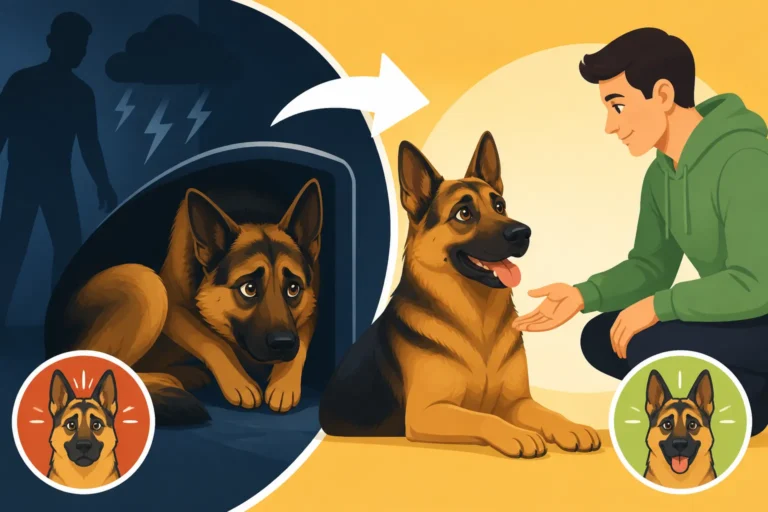
It’s absolutely heartbreaking to see your usually confident and composed German Shepherd turn into a bundle of nerves the moment you pick up your keys. That frantic pacing, the sad eyes, the desperate barks as you walk out the door – it’s a clear sign something is deeply unsettling for them. This guide aims to peel back the layers of separation anxiety in German Shepherds, helping you understand why your beloved companion struggles when left alone, so you can start finding meaningful ways to help them cope.
Understanding the Root Causes of German Shepherd Separation Anxiety
German Shepherds are incredible dogs, known for their unwavering loyalty, intelligence, and protective instincts. These very qualities, which make them such cherished family members and capable working dogs, can also make them predisposed to developing separation anxiety. It's not just "bad behavior"; it's a genuine panic response rooted in their deep bond with their human family.
The Breed's Innate Tendency for Bonding
German Shepherds were bred for herding and guarding, roles that inherently require a strong connection and constant communication with their human handlers. This historical context has shaped their genetics to create dogs that thrive on companionship and purpose. They are, at their core, pack animals, and you are their pack leader. When their pack leader leaves, it can trigger an instinctual fear of being alone and vulnerable.
Imagine a German Shepherd in their natural state, herding sheep or protecting a homestead. Their entire world revolves around vigilance and partnership. Suddenly, that partner disappears, and they're left in a quiet house, unable to perform their "duties" or protect their territory alongside you. This isn't just boredom; it's a profound sense of unease and a disruption of their natural instincts, leading to a state of heightened anxiety. This deep need for connection means that for some German Shepherds, even short periods of solitude can feel like an eternity.
Early Life Experiences and Trauma
A German Shepherd's early experiences play a colossal role in shaping their emotional resilience. Puppies who are separated from their littermates or mother too early, or who don't receive adequate socialization during their critical developmental window, can grow up with a heightened sense of insecurity. This insecurity can manifest as clinginess and distress when faced with solitude later in life. A puppy who was constantly cradled and never allowed to self-soothe in a safe, confined space might struggle immensely when suddenly expected to be alone.
For rescue German Shepherds, the impact of past trauma, such as abandonment or multiple home changes, is often a major contributor. They may have learned that being left alone means being left forever, leading to a deep-seated fear of history repeating itself. Even if they're now in a loving home, those old wounds can surface, causing intense panic when their new family departs. Their past experiences have taught them that being alone equals danger or loss, and it takes immense patience and specific training to rewire those core beliefs.
Owner Behavior and Unintentional Reinforcement
Sometimes, we, as loving German Shepherd owners, can inadvertently contribute to separation anxiety without even realizing it. Our emotions and routines before and after departures can send powerful signals to our dogs. Overly dramatic goodbyes, where we shower them with affection, sorrowful tones, or excessive apologies, can inadvertently heighten their anxiety, confirming that leaving is indeed a big, sad event. Similarly, overly enthusiastic greetings upon return can reinforce the idea that your absence was a major crisis, validating their distress.
Inconsistent routines can also be a significant issue. If one day your German Shepherd is left alone for eight hours, and the next day you work from home, they may never establish a clear expectation of when you'll be gone and for how long. This unpredictability can fuel their anxiety. Our dogs are creatures of habit, and a predictable schedule, coupled with calm departures and arrivals, helps them understand that your leaving is a normal, temporary part of the day, not a catastrophe.
Common Triggers for Separation Anxiety in German Shepherds
Separation anxiety isn't always a constant state; it can often be triggered or exacerbated by specific events or changes in a German Shepherd's life. Understanding these triggers is key to addressing the problem proactively.
Changes in Routine or Environment
German Shepherds thrive on predictability. They are intelligent and observant, quickly learning the rhythms of your household. Any significant shift in this routine can throw them off balance and trigger anxiety. Moving to a new house, for instance, can be highly unsettling. The familiar smells, sights, and sounds of their old territory are gone, replaced by new, potentially overwhelming stimuli. This displacement can make them feel insecure and amplify their reliance on your presence for comfort.
Similarly, changes in your daily schedule, like a new job with longer hours, a change in shifts, or even the loss of a family member (human or pet), can be major triggers. If your German Shepherd was used to you being home all day and suddenly you're gone for extended periods, they might struggle to adapt. The sudden absence breaks their established expectation of your presence, leading to confusion and anxiety about why things have changed. Even seemingly small changes can loom large in their minds, causing them to worry.
Previous Experiences of Abandonment or Neglect
This trigger is particularly poignant for German Shepherds adopted from shelters or rescues. Many of these dogs have heartbreaking pasts, having been abandoned, rehomed multiple times, or neglected to varying degrees. For them, being left alone isn't just inconvenient; it can be a terrifying callback to a time when they truly were left behind. Their fear is not just perceived; it's a deeply ingrained memory of actual loss and insecurity.
A rescue German Shepherd might have learned that when humans leave, they don't always come back. This can lead to hyper-attachment and extreme distress when faced with any separation, no matter how brief. It's a survival instinct that has been maladapted to a loving home environment. Healing these wounds requires immense patience, consistent positive reinforcement, and a concerted effort to build trust and demonstrate reliability, reassuring them that they are safe and loved and that you will always return.
Lack of Proper Crate Training or Alone Time Acclimation
While many German Shepherds can learn to love their crates as safe dens, a lack of proper, positive crate training can actually contribute to separation anxiety. If a crate is introduced abruptly, used as punishment, or if the dog is simply locked in it without adequate preparation for alone time, it can become a source of fear and confinement rather than comfort. Instead of a safe haven, it becomes a symbol of being trapped and abandoned.
Beyond the crate, a lack of gradual acclimation to being alone is a critical factor. Many well-meaning owners spend every waking moment with their new German Shepherd puppy or adult dog, especially in the initial weeks. While this bonding time is crucial, it's equally important to teach them that brief periods of solitude are normal and safe. Without slowly building up their tolerance for alone time, starting with just a few minutes and gradually increasing, dogs can become overly reliant on constant companionship, making any solo time feel like an unbearable challenge. Programs like BAXTER & Bella often emphasize early, positive exposure to alone time to prevent these issues from developing.
Recognizing the Specific Signs of German Shepherd Separation Anxiety
It's one thing to suspect your German Shepherd has separation anxiety, and another to clearly identify the signs. Their behaviors are often more than just a naughty outburst; they are genuine expressions of distress and panic. Understanding these manifestations helps confirm the diagnosis and guides the approach to intervention.
Destructive Behaviors
One of the most common and frustrating signs of separation anxiety is destructive behavior, particularly targeting exits or items heavily imbued with your scent. You might come home to chewed doorframes, scratched walls near the front door, or damaged window sills. This isn't out of spite; it's often a desperate attempt to escape and find you, or a way to cope with overwhelming stress. The dog is literally trying to "dig" or "chew" their way out of their perceived predicament.
Beyond exit points, German Shepherds suffering from separation anxiety might also destroy furniture, bedding, or personal items that smell strongly of their owner. A classic example is a dog tearing apart a couch cushion or shredding a blanket left on the bed. They may be attempting to create a nest with your scent, or simply channeling their anxiety into a physical outlet. Investing in durable chew toys or puzzle feeders from retailers like Amazon can sometimes help redirect this energy, but it's a management tool, not a cure for the underlying anxiety.
Vocalizations and House Soiling
Excessive vocalization is another hallmark of separation anxiety. This can include incessant barking, howling, or whining that starts shortly after you leave and continues for much of your absence. Neighbors often become the first to alert owners to this issue. The German Shepherd isn't just making noise; they are often genuinely calling out for their "pack" to return, expressing their profound distress and loneliness. These vocalizations are not just a nuisance; they are a cry for help.
House soiling, meaning urinating or defecating indoors, is a particularly upsetting sign, especially in a German Shepherd who is otherwise reliably house-trained. It's crucial to understand that this is rarely a deliberate act of defiance. Instead, it's an involuntary physical manifestation of extreme stress. When a dog is panicking, their bodily functions can go awry. This can be exacerbated by the fact that many anxious dogs also refuse to eliminate when you are present, holding it until they are alone and overwhelmed, leading to accidents. If your German Shepherd has excellent potty habits when you're home but frequently has accidents when alone, separation anxiety should be high on your list of suspects.
Pacing, Drooling, and Other Stress Signals
Beyond the more overt destructive acts and vocalizations, German Shepherds experiencing separation anxiety often exhibit subtle (and sometimes not-so-subtle) physical signs of stress. Pacing is a common one, where they walk back and forth along a consistent path, often near doors or windows, unable to settle. This restless movement indicates high arousal and an inability to relax. They're constantly in motion, searching for a way to alleviate their internal turmoil.
Excessive drooling, sometimes to the point of leaving puddles or wet spots on the floor, is another physical sign of acute anxiety. Some dogs also pant excessively, even in a cool environment. These physiological responses are similar to a human panic attack, where the body reacts intensely to perceived danger. Other signs might include self-harm (like obsessive licking or chewing at their paws or tail), refusal to eat treats or toys left for them, or even attempts to escape from crates or enclosures, sometimes causing injury. If you notice your German Shepherd exhibiting any of these behaviors when you're not around, especially after checking with your vet for any underlying medical causes, it's time to seriously consider that you're dealing with separation anxiety.
Diagnostic Approaches and Ruling Out Other Issues
Before diving headfirst into training protocols for separation anxiety, it's absolutely crucial to take a step back and ensure you're addressing the right problem. Many other conditions can mimic separation anxiety, and misdiagnosis can lead to ineffective, or even harmful, interventions.
Consulting Your Veterinarian
The very first and most important step when you suspect separation anxiety is to schedule a comprehensive check-up with your veterinarian. This can feel counterintuitive when you think it's a "behavioral" issue, but many medical conditions can present with similar symptoms. For instance, house soiling could be a sign of a urinary tract infection, kidney disease, or even diabetes. Increased vocalization or restlessness might stem from pain, a neurological issue, or even cognitive dysfunction in older German Shepherds.
Your vet will conduct a thorough physical examination, potentially recommend blood tests, urine analysis, or other diagnostics to rule out any underlying health problems. It's impossible to effectively address a behavioral issue if there's an untreated medical condition contributing to your dog's distress. Think of it this way: if your German Shepherd is in pain, they're far more likely to be anxious and unable to settle, regardless of whether you're home or not. Getting a clean bill of health is the foundational step, ensuring you're not missing something critical. Knowing How to Tell If a German Shepherd Is in Pain can also help you recognize subtle medical issues.
Behavioral Assessment by a Professional
Once your veterinarian has confirmed there are no medical reasons for your German Shepherd's distress, the next vital step is to seek a professional behavioral assessment. This typically means consulting a Certified Professional Dog Trainer (CPDT-KA), a Certified Separation Anxiety Trainer (CSAT), or a Veterinary Behaviorist (Dip ACVB). These professionals specialize in understanding canine behavior and can differentiate true separation anxiety from other behavioral issues like barrier frustration, boredom, or resource guarding.
A qualified professional will conduct an in-depth interview with you, asking about your German Shepherd's history, daily routine, the specific behaviors you observe, and your interactions. They might also ask you to record your dog's behavior when you're away using a camera, which provides invaluable objective data that you might miss otherwise. This assessment helps pinpoint the exact nature of the problem, identify triggers, and rule out other related issues such as general anxiety or phobias, which might require different intervention strategies. For complex cases, especially those with severe panic attacks, a veterinary behaviorist can prescribe medication to help your German Shepherd cope while behavioral modification is implemented.
Keeping a Detailed Log of Your Dog's Behavior
While waiting for professional appointments, one of the most helpful things you can do is start keeping a detailed log of your German Shepherd's behavior. This isn't just about noting what happens, but when, where, and under what circumstances. For example, when does the barking start? Is it immediately after you leave, or 15 minutes later? Does the destruction always happen at the front door, or is it more generalized?
Your log should include:
- Date and Time: When you left and when you returned.
- Duration of Absence: How long your German Shepherd was alone.
- Your Pre-Departure Routine: What did you do before leaving (e.g., fed, walked, gave a toy)?
- Your Post-Return Observations: What did you find upon returning (e.g., chewed items, urine/feces, vocalizations heard)?
- Dog's State Upon Return: Was your dog frantic, quiet, excited?
- Environmental Factors: Was there a thunderstorm? Were construction noises outside?
This detailed information will be invaluable for your vet and behaviorist. It provides a clearer picture of the severity, triggers, and patterns of your German Shepherd's anxiety, enabling a more accurate diagnosis and a tailored treatment plan. It also helps track progress once you begin interventions, allowing you to see what's working and what might need adjustment. When you're dealing with German Shepherd Behavior Problems and Solutions, thorough documentation is always your best friend.
| Sign of Separation Anxiety | Description | Potential Contributing Factors |
|---|---|---|
| Destructive Chewing/Digging | Focus on exits (doors, windows) or items with owner's scent (bedding, furniture). | Escape attempts, stress relief, extreme boredom from lack of mental stimulation. |
| Excessive Vocalization | Constant barking, howling, whining when alone. | Seeking contact, expressing panic, deep loneliness. |
| House Soiling | Urinating or defecating indoors by a previously trained dog. | Involuntary stress response, inability to hold it due to panic. |
| Pacing/Restlessness | Persistent walking back and forth, inability to settle. | High anxiety, inability to relax, searching for owner. |
| Excessive Drooling/Panting | Physical signs of acute stress, similar to a panic attack. | Physiological response to extreme fear and anxiety. |
| Refusal to Eat | Not touching food or treats left when alone. | Too stressed to eat, loss of appetite due to anxiety. |
Addressing separation anxiety in German Shepherds is a marathon, not a sprint. It requires patience, consistency, and often, professional guidance. Remember, your German Shepherd isn't doing this to spite you; they are genuinely suffering. By understanding the underlying reasons and meticulously observing their behavior, you're taking the first crucial steps toward helping them find peace when you're not around. This foundation is essential before you can move onto specific strategies like How to Stop German Shepherd Separation Anxiety or effective How to Crate Train a German Shepherd techniques. Early training, as detailed in a good German Shepherd Puppy Training Guide, is also vital for prevention. Providing ample German Shepherd Exercise Requirements and How to Mentally Stimulate a German Shepherd Indoors can help manage general anxiety levels, which can contribute to separation issues. If you've got an older German Shepherd, knowing How to Train an Adult German Shepherd with patience and positive reinforcement is key.
Disclaimer
The information provided in this guide is for general informational purposes only and is not a substitute for professional veterinary advice, diagnosis, or treatment. Always seek the advice of your veterinarian or other qualified animal health provider with any questions you may have regarding a medical condition or behavior issue.