Why Does My German Shepherd Have Aggression Issues
It's incredibly disheartening and often quite scary when your beloved German Shepherd, a breed known for its loyalty and protective nature, starts exhibiting aggression. You might find yourself wondering what went wrong, feeling frustrated, or even a little bit helpless. This guide is here to shed light on the complex reasons behind aggression issues in German Shepherds, helping you understand the underlying causes and equipping you with actionable steps to address them effectively, so you can rebuild confidence and enjoy a peaceful relationship with your canine companion.
Understanding German Shepherd Temperament and Aggression
German Shepherds are magnificent dogs, renowned for their intelligence, courage, and unwavering devotion. They were bred for herding and protection, which means they naturally possess strong instincts that, if not properly channeled, can sometimes manifest as aggression. It’s crucial to differentiate between these innate traits and problematic aggressive behaviors that can disrupt your daily life and endanger others.
Natural Protective Instincts vs. Problematic Aggression
A German Shepherd's protective nature is one of its most defining and admired characteristics. They are guardians by design, often forming a strong bond with their families and exhibiting a natural wariness towards strangers. This inherent drive to protect can be a wonderful asset, making them excellent watchdogs and loyal companions. However, this instinct becomes problematic when it escalates beyond appropriate boundaries, leading to unwarranted growling, snapping, lunging, or biting. A dog that is truly aggressive isn't simply being "protective"; they're exhibiting an uncontrolled, fear-based, or territorial response that requires immediate attention. It's about finding the balance where their protective instincts serve their family without becoming a liability.
Common Forms of Aggression in German Shepherds
Aggression isn't a single behavior; it's a spectrum of related issues, each with its own nuances and triggers. Understanding the different forms can help you pinpoint what your German Shepherd might be experiencing. One common type is fear aggression, where a dog lashes out because they feel threatened or cornered. This often stems from a lack of socialization or a past traumatic experience. You might see this when a stranger approaches too quickly or when they're in an unfamiliar environment.
Another prevalent form is resource guarding, which occurs when a dog becomes aggressive to protect valuable items like food, toys, or even a specific person or space. This isn't about being mean; it's often a deep-seated instinct to preserve perceived necessities. Then there's territorial aggression, where a German Shepherd becomes aggressive towards perceived intruders on their property, be it people, other dogs, or even postal workers. Less common but equally serious can be dog-on-dog aggression or predatory aggression, though the latter is typically focused on smaller prey animals rather than people. Identifying the type of aggression is the first step toward effective intervention.
Root Causes of Aggression Issues
Delving into the reasons why your German Shepherd is displaying aggression is like being a detective. It's rarely a single, simple cause but often a combination of factors. Understanding these roots is essential for crafting a successful plan to help your dog.
Lack of Early Socialization and Training
One of the most significant contributors to aggression in German Shepherds is inadequate early socialization. The critical socialization window for puppies is typically between 3 and 16 weeks of age. During this time, puppies need to be exposed safely and positively to a wide variety of people, sounds, sights, places, and other friendly, vaccinated dogs. If this period is missed or neglected, a German Shepherd puppy may grow up to be fearful or anxious in new situations, leading to fear-based aggression. They simply haven't learned how to appropriately respond to the world around them.
Beyond socialization, consistent and positive training is paramount. Without clear boundaries, leadership, and an understanding of appropriate behavior, a German Shepherd can become confused or feel the need to take matters into their own paws. This can sometimes lead to what appears to be dominance aggression, though modern behavioral science often reinterprets this as a lack of confidence, poor communication, or learned behaviors from inconsistent handling. Formal training programs, even online ones like those offered by BAXTER & Bella, can provide crucial guidance on building a strong, respectful relationship based on trust and clear communication. A well-trained German Shepherd is often a confident and well-adjusted dog, less prone to resorting to aggression out of uncertainty.
Fear, Anxiety, and Trauma
Many aggressive displays, especially in German Shepherds, are rooted in fear or anxiety. A dog that feels cornered, threatened, or anticipates a negative experience might lash out as a defense mechanism. This can stem from a lack of early socialization, as mentioned, but also from specific traumatic events. Perhaps your dog was startled by a loud noise as a puppy, or had a negative encounter with another dog or person. These single events can leave a lasting impression, leading to a conditioned fear response that manifests as aggression.
Separation anxiety can also contribute, where a dog becomes stressed when left alone, sometimes resulting in destructive behaviors or even aggression when owners return or when they feel their anxiety isn't being managed. It’s important to remember that a fearful or anxious German Shepherd isn’t trying to be “bad”; they’re often signaling distress. Recognizing the body language cues that precede an aggressive outburst – such as lip licking, yawning, stiff posture, or whale eye – can help you intervene before the situation escalates. Addressing the underlying fear or anxiety through desensitization, counter-conditioning, and sometimes medication in conjunction with a vet can be critical. You can learn more about how to identify distress signals in our guide on How to Tell If a German Shepherd Is in Pain.
Genetic Predisposition and Health Factors
While environment and training play huge roles, we cannot entirely discount genetics. Certain lines of German Shepherds may have a genetic predisposition towards stronger prey drive, higher reactivity, or even specific neurological conditions that can impact behavior. A reputable breeder will screen for temperament in their breeding dogs, but it's not a foolproof guarantee. It's a factor that's often beyond an owner's control, but awareness can help set realistic expectations and guide intervention strategies.
Furthermore, underlying health issues can be a significant, yet often overlooked, cause of sudden or increased aggression. A dog in pain, discomfort, or suffering from a neurological condition might lash out because they feel vulnerable, irritable, or simply aren't feeling themselves. Conditions like arthritis, dental pain, thyroid imbalances, brain tumors, or even severe allergies can manifest as behavioral changes, including aggression. This is why a thorough veterinary check-up is always the first step when a German Shepherd suddenly develops aggression. Our guide on German Shepherd Health Problems Guide offers a deeper dive into common health concerns.
Resource Guarding and Territoriality
These are two instinctual behaviors that, while natural, can escalate into problematic aggression without proper management. Resource guarding is when your German Shepherd protects items they perceive as valuable – their food bowl, a favorite toy, a specific sleeping spot, or even a person they've bonded with. They might growl, snarl, snap, or even bite if someone approaches their guarded item. This isn't about "dominance" over you; it's often a learned behavior from previous scarcity or a strong genetic predisposition. Teaching your dog that approaching their resources leads to good things (like extra treats) rather than removal can help mitigate this.
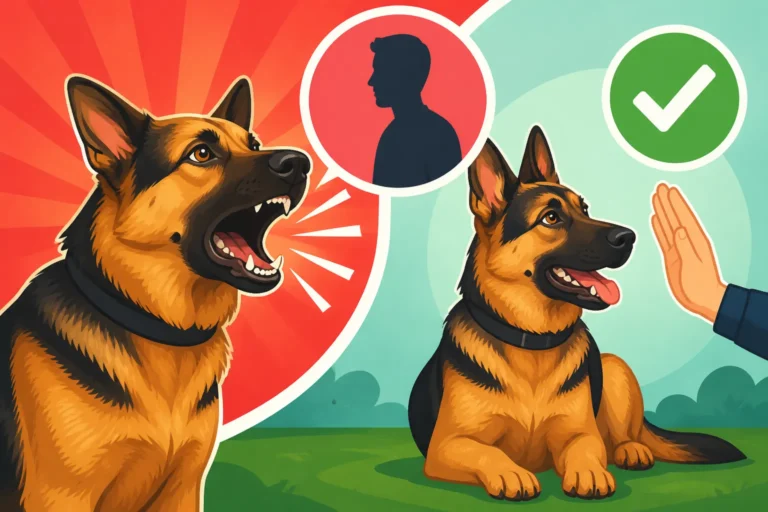
Territoriality, on the other hand, is all about protecting their perceived domain – your home, yard, or even the car. German Shepherds, with their strong protective instincts, can be particularly prone to this. They may bark excessively, lunge at the fence, or show aggression towards strangers approaching the house. While some degree of territorial behavior is normal for a guardian breed, excessive or uncontrolled territorial aggression needs to be managed to prevent harm to visitors or passersby. Managing visual access (e.g., privacy fencing), managing greetings, and consistent training are key.
Identifying the Signs and Seeking Professional Help
Recognizing the subtle cues that precede a full-blown aggressive display can be life-saving. Many owners miss these early signals, only reacting when the situation has already escalated. Knowing when and how to seek professional help is equally vital.
Early Warning Signs to Watch For
Dogs communicate constantly, and aggression is almost always preceded by a series of escalating body language signals. Unfortunately, many people either don't know what to look for or misinterpret these signs. Early warning signs can be subtle: a stiffening of the body, a fixed stare, lip licking, yawning, whale eye (where the whites of their eyes are visible), a tucked tail, or ears flattened back. As the tension increases, you might see a low growl, a snarl showing teeth, snapping at the air, or even a quick lunge without making contact.
It's important to differentiate between a dog that is playing roughly and one that is genuinely distressed or aggressive. Play bows, loose bouncy body language, and taking turns being "on top" or "chasing" are signs of healthy play. A truly aggressive dog will often have a tense, stiff body, may avoid eye contact, or stare intensely. If you notice your German Shepherd exhibiting any of these signs consistently, especially in specific situations, it's a red flag that needs attention. Observing these cues allows you to intervene and de-escalate before an incident occurs, preventing harm and helping your dog feel safer.
When to Consult a Professional Trainer or Behaviorist
If you're noticing any form of aggression in your German Shepherd, the absolute best course of action is to seek professional help. This isn't a problem to "tough out" or try to fix with advice from online forums alone. Aggression is complex and can be dangerous if mishandled. A certified professional dog trainer, especially one specializing in behavior modification, or a veterinary behaviorist, has the expertise to correctly diagnose the type and root cause of the aggression. They can develop a tailored behavior modification plan that is safe and effective for both you and your dog.
Look for trainers who use positive reinforcement methods and are certified by reputable organizations (e.g., CCPDT, KPA-CTP). Avoid anyone who recommends punishment-based techniques, as these can often exacerbate aggression and damage your relationship with your dog. A good behaviorist will observe your dog, ask detailed questions about their history, and help you understand the triggers and motivations behind the behavior. They might suggest tools available on Amazon, like specific harnesses for better control or interactive puzzle toys to provide mental stimulation, both of which can be part of a comprehensive management plan. The sooner you get professional help, the better the chances of successful rehabilitation.
Veterinary Check-ups and Medical Exclusions
Before embarking on any behavioral modification program, it is imperative to schedule a comprehensive veterinary check-up for your German Shepherd. As mentioned, pain, discomfort, or underlying medical conditions can be significant drivers of sudden or worsening aggression. Your vet will perform a thorough physical examination, potentially recommend blood work to check for metabolic issues like thyroid disease, and might suggest imaging (X-rays, MRI) if a neurological issue or orthopedic pain is suspected. For instance, severe conditions like German Shepherd Hip Dysplasia Explained or other chronic pain can make a dog irritable and prone to snapping.
If a medical cause is found, addressing it medically might significantly reduce or even eliminate the aggressive behavior. For example, pain medication for arthritis, hormone therapy for thyroid issues, or even dietary changes for allergies could resolve the problem. Only after ruling out all potential medical causes should you proceed with a purely behavioral approach. This ensures you're treating the actual problem, not just masking symptoms.
Practical Steps to Address Aggression
Once you've identified the type of aggression, understood its potential causes, and consulted with professionals, it's time to put a practical plan into action. This involves consistent effort, patience, and a commitment to your German Shepherd's well-being.
Consistent Training and Structure
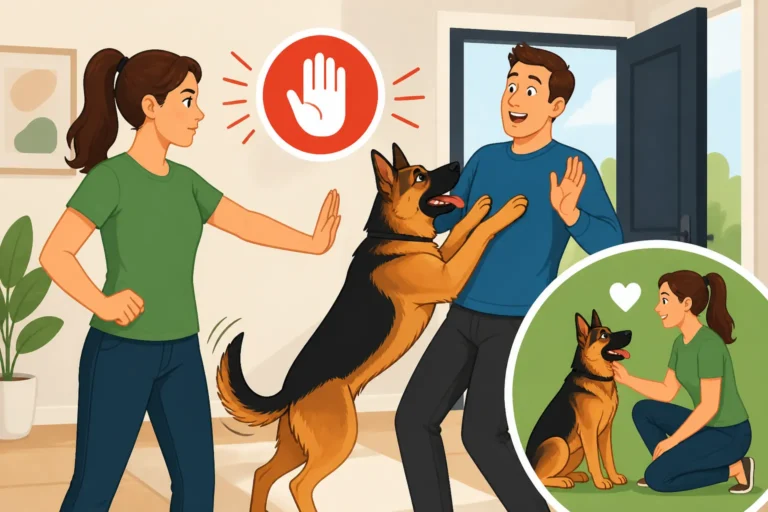
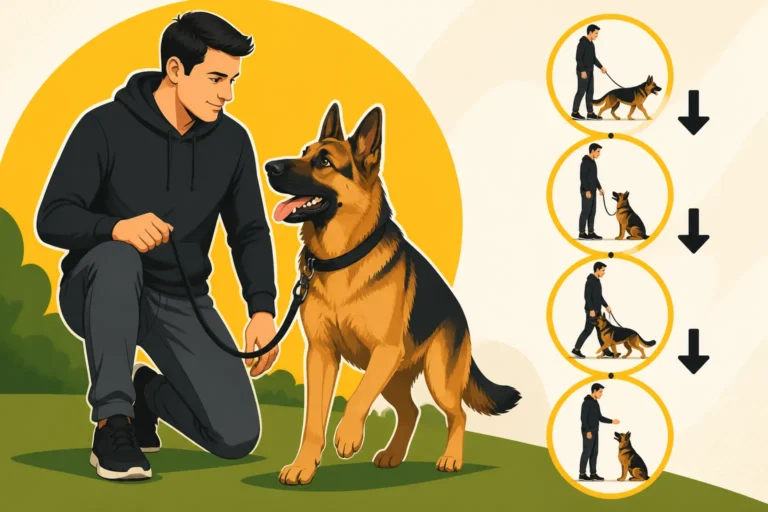
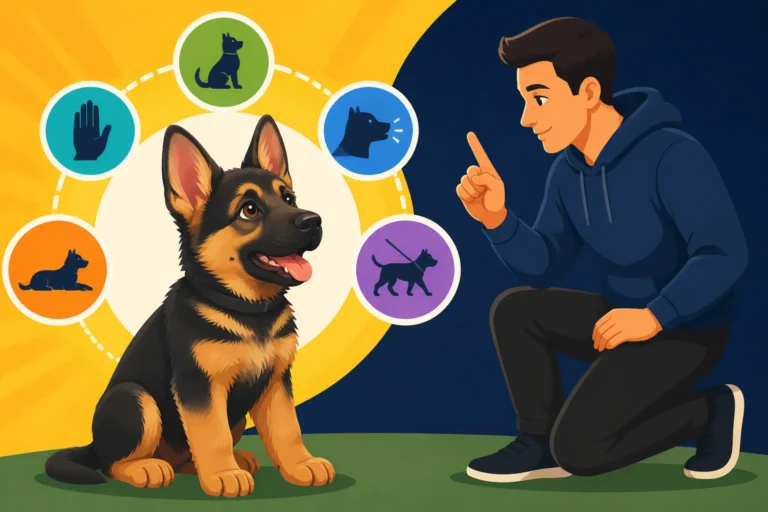
The foundation of managing aggression in German Shepherds lies in consistent, positive reinforcement training and providing a clear, predictable structure in their daily lives. Dogs thrive on routine and clear expectations. This means everyone in the household needs to be on the same page regarding rules, commands, and how to interact with the dog. Inconsistency can lead to confusion and increased anxiety, which can fuel aggressive tendencies. Reinforce basic obedience commands like "sit," "stay," "come," and "leave it" in a variety of environments. These commands not only build your dog's confidence but also provide you with tools to manage potentially difficult situations safely.
For example, if your German Shepherd exhibits leash reactivity, a strong "look at me" command can redirect their attention away from triggers. Or, if resource guarding is an issue, consistent "trade" exercises where you offer a higher-value treat for a guarded item can teach them that giving up their possession leads to something better. Remember, training isn't about asserting "dominance"; it's about building a trusting relationship where your dog looks to you for guidance and feels secure. Utilizing structured online programs or working with a local trainer can provide invaluable guidance on how to maintain this consistency effectively. Our article on German Shepherd Obedience Training Basics provides an excellent starting point.
Safe Socialization Strategies
For German Shepherds with aggression issues, especially fear-based or dog-on-dog aggression, safe and controlled socialization is critical. This is not about throwing your dog into a dog park and hoping for the best – that can be incredibly dangerous and counterproductive. Instead, it involves carefully orchestrated exposures to triggers, always ensuring your dog feels safe and in control. This process is called desensitization and counter-conditioning.
For a dog reactive to other dogs, this might mean starting with walks far away from other dogs, where your German Shepherd notices them but doesn't react. As soon as they see another dog without reacting, reward them heavily with high-value treats. Gradually, you can decrease the distance over many sessions, always staying below their "threshold" for reaction. This changes their emotional response from fear/aggression to a positive association (other dog = treats). Group classes with a professional trainer can also provide structured environments for these exposures. Always prioritize quality over quantity when it comes to socialization, and never force your German Shepherd into situations where they are clearly uncomfortable. Consider reading How to Socialize an Adult German Shepherd for more in-depth advice.
Environmental Management and Enrichment
Managing your German Shepherd's environment is a vital component of addressing aggression. This means proactively preventing situations that trigger aggressive responses. If your dog is territorial at the window, consider privacy film or curtains. If they guard their food bowl, feed them in a quiet, undisturbed area. If they're reactive on walks, choose less busy routes or walk during off-peak hours. These management strategies aren't fixes, but they reduce opportunities for your dog to practice aggressive behaviors, giving you space to work on underlying issues through training.
Beyond management, providing adequate mental and physical enrichment is crucial. A bored or under-stimulated German Shepherd is more likely to develop behavioral issues, including aggression. They are highly intelligent and need jobs to do. This could mean puzzle toys (many great options on Amazon), engaging in scent work, practicing new tricks, or enjoying structured play sessions. Sufficient exercise is also key; a well-exercised dog is often a calmer dog. Ensure they're getting appropriate physical activity without over-exertion, especially if they are still growing or have joint issues. Our article German Shepherd Exercise Requirements delves into this topic further.
Summary of Aggression Types and Management Approaches
To help organize your thoughts on potential aggression issues, here's a quick overview of common types and initial management ideas. Remember, this is a starting point, and professional guidance is always recommended.
| Type of Aggression | Typical Triggers | Initial Management Strategies |
|---|---|---|
| Fear Aggression | Strangers, loud noises, unfamiliar environments, quick movements | Desensitization & counter-conditioning, creating safe spaces, avoiding known triggers, building confidence via positive training |
| Resource Guarding | Food, toys, specific resting spots, people | "Trade-up" exercises, feeding in isolation, positive reinforcement for approaching resources, "leave it" command |
| Territorial Aggression | Mail carriers, visitors, other dogs outside the home, strangers on property | Managing visual access (curtains, opaque fences), controlled introductions, "place" command for visitors, reducing opportunities for reactive barking |
| Leash Reactivity | Other dogs, people, bikes, cars while on leash | Distance training, "look at me" command, high-value rewards for calm behavior, avoiding direct confrontation with triggers |
| Dog-on-Dog Aggression | Other dogs (on or off leash), specific breeds, same-sex dogs | Controlled parallel walks, neutral dog introductions, individual play with known calm dogs, professional group classes |
| Pain/Medical Aggression | Being touched in certain areas, attempts to move, sudden onset of aggression | Immediate veterinary check-up to rule out medical causes, pain management, gentle handling, respecting personal space |
This table is designed to provide a quick reference. Each type of aggression requires a nuanced approach, and understanding the root cause is paramount for long-term success.
Disclaimer
The information provided in this article is for general informational purposes only and is not a substitute for professional veterinary advice, diagnosis, or treatment. Always seek the advice of your veterinarian or other qualified animal health provider with any questions you may have regarding a medical condition or behavioral issue. Never disregard professional veterinary advice or delay in seeking it because of something you have read in this article.