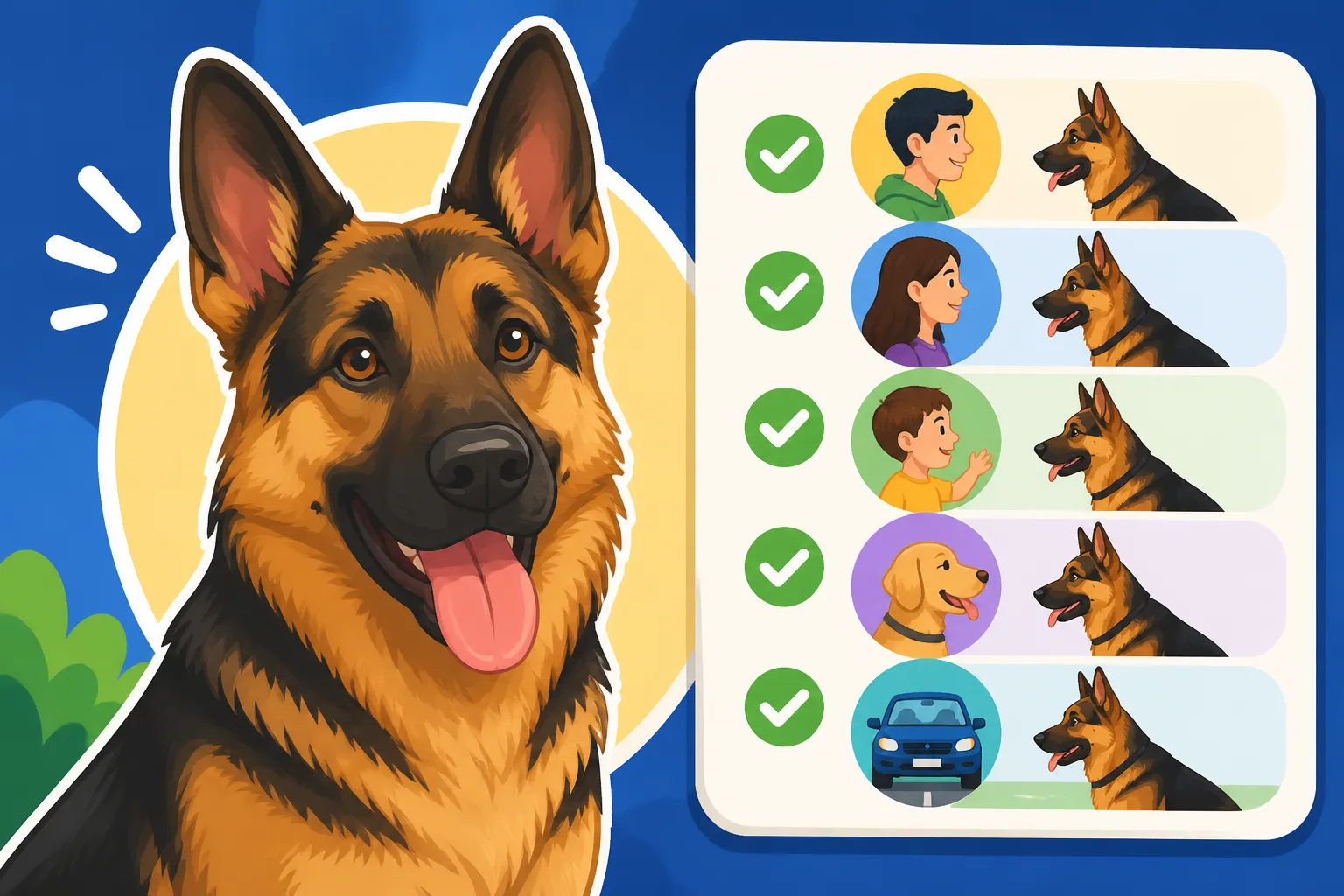
German Shepherd Socialization Checklist
Bringing home a German Shepherd puppy is an incredibly exciting time, but it often comes with a secret anxiety: how do you ensure this intelligent, powerful breed grows into a calm, confident, and well-adjusted adult? Many new owners worry about their GSD developing fear-based behaviors, reactivity, or becoming overly protective, especially if they’ve heard stories or had previous experiences with poorly socialized dogs. This comprehensive guide will walk you through a practical, step-by-step German Shepherd socialization checklist, helping you navigate the crucial early weeks and beyond to build a solid foundation for a lifetime of good behavior and a happy, balanced companion.
Understanding German Shepherd Socialization Needs
German Shepherds are magnificent dogs – loyal, intelligent, and often very protective. These very traits, while desirable, are precisely why proper socialization isn't just a good idea, it's absolutely essential. Without it, those natural instincts can quickly turn into problem behaviors, leading to a dog who is fearful, reactive, or even aggressive towards strangers, other animals, or unfamiliar environments. It's a heavy burden for both the dog and the owner, and honestly, it's preventable with the right approach.
Why Socialization is Non-Negotiable for German Shepherds
Imagine bringing home a young German Shepherd puppy, full of potential, sharp as a tack, and with a keen sense of observation. Their brains are like sponges, soaking up every experience, sound, and scent. If those experiences are limited or consistently negative during their formative months, their world view becomes very narrow and often fearful. A German Shepherd isn't a small lap dog who can easily be scooped up and removed from an uncomfortable situation; they are large, powerful animals with a strong presence. Their confidence, or lack thereof, impacts everyone around them.
Proper socialization teaches them that the world is a safe place, full of interesting (and not threatening) new things. It helps them differentiate between a real threat and a perceived one, which is vital for a breed with such strong protective instincts. Without this foundation, you might find yourself with a dog that lunges at every passing jogger or barks incessantly at the delivery person, not because they're "bad," but because they haven't learned how to process these common stimuli calmly and appropriately.
The Risks of Poor Socialization in the Breed
The consequences of insufficient socialization in a German Shepherd can range from inconvenient to truly dangerous. At best, you might have a shy dog who retreats from new people or situations, making vet visits or trips to the park a stressful ordeal. You'll constantly be managing their anxiety, which can be heartbreaking to witness. At worst, an undersocialized German Shepherd can develop severe fear-aggression, reactivity towards other dogs, or resource guarding issues.
Think about a German Shepherd who hasn't been exposed to children. Their natural herding instinct might make them nip at a running child's heels, or their fear of the unknown might make them snap. Similarly, a lack of exposure to different types of people – men with beards, people wearing hats, individuals using wheelchairs – can lead to suspicion and fear, manifesting as barking, growling, or lunging. These behaviors aren't just frustrating; they carry a significant risk of injury to others and can severely limit your dog's quality of life and your ability to enjoy them in public. This is why addressing potential German Shepherd Behavior Problems and Solutions early is so important.
Defining "Well-Socialized" for a German Shepherd
A well-socialized German Shepherd isn't necessarily a dog who wants to be best friends with everyone and everything they encounter. Instead, a well-socialized German Shepherd is one who can remain calm, confident, and neutral in a wide variety of situations. They should be able to walk past other dogs on a leash without reacting, ignore a child's sudden scream in a park, or calmly greet a new person entering your home.
This means they have learned to trust their environment and your guidance. They might not jump for joy at the sight of a passing skateboarder, but they won't bark hysterically or try to chase them. They accept novel experiences without fear or aggression. They understand body language, both canine and human, and can respond appropriately. It's about resilience and adaptability, not boundless extroversion. This balanced temperament is the hallmark of a truly well-adjusted German Shepherd, making them a joy to live with and a great ambassador for the breed.
The Critical Windows of Socialization for Your GSD Puppy
The journey of socialization isn't a single event; it's a process that has incredibly crucial windows of opportunity. Missing these can make later training much harder, if not impossible. Understanding when these windows are open and what your puppy needs during each phase is key to setting them up for success.
Early Puppyhood: The Foundation Phase (3-12 Weeks)
This period, often called the "critical socialization period," is absolutely paramount for German Shepherds. From around 3 weeks to 12-16 weeks of age, a puppy's brain is highly receptive to new experiences and forms lasting impressions about the world. Every positive interaction during this time helps build a resilient, confident adult. If you've just brought home your 8-week-old GSD puppy, you're right in the sweet spot!
During these precious weeks, your puppy should be exposed to as many novel, positive experiences as possible. This means introducing them to different surfaces (grass, concrete, carpet, tile), various sounds (traffic, vacuum cleaners, doorbells, children playing), different types of people (men, women, children, people with hats, glasses, or mobility aids), and other vaccinated, healthy dogs. The key here is positive exposure. Every new experience should be paired with high-value treats and praise, ensuring your puppy associates novelty with good things. Keep interactions short, sweet, and never force your puppy into a situation they find scary. If they show signs of stress (tail tucked, yawning, lip licking), calmly remove them and try a less intense version of the exposure another time. This early groundwork helps prevent common issues like German Shepherd Puppy Biting: What to Do by teaching appropriate play and interaction.
The Fear Period and Adolescent Challenges (12 Weeks to 6 Months)
Just when you think your puppy is invincible, you might hit a "fear period." German Shepherds, like many breeds, can experience one or more of these phases, typically around 8-11 weeks and again between 4-6 months. During a fear period, a previously confident puppy might suddenly become wary or scared of things they once ignored. A new object, a loud noise, or even a person they know might elicit a sudden fright response.
It's vital during these times not to coddle or unintentionally reinforce the fear. Instead, remain calm, act as if nothing is amiss, and gently guide your puppy through the experience with positive reinforcement. Avoid forcing them to "face their fears," as this can be counterproductive and traumatic. This phase also marks the onset of adolescence, where your GSD puppy starts to assert independence, test boundaries, and their hormones begin to develop. Continued, consistent socialization and training are crucial to navigate this potentially challenging time, reinforcing all the good habits you've already started. You might notice an increase in energy, making it a good time to review German Shepherd Exercise Requirements.
Beyond Six Months: Reinforcement and New Experiences
Even after your German Shepherd has passed their puppy stages, socialization isn't over. While the critical window closes, dogs continue to learn and adapt throughout their lives. For adolescent and adult German Shepherds, socialization shifts from broad exposure to consistent reinforcement and carefully planned new experiences. This means continuing to take them to different places, introducing them to new people and appropriate dogs, and keeping up with their training.
An adult GSD still benefits from positive exposure to novel stimuli. Maybe it's a trip to a new hiking trail, a visit to a different dog park, or meeting a new family member. The goal remains the same: ensuring they remain comfortable and confident in the world around them. For a German Shepherd, whose instincts lean towards vigilance, ongoing, positive experiences help prevent them from becoming stagnant or developing anxieties later in life. Remember, a well-adjusted adult GSD is the result of continuous effort.
Building a Comprehensive Socialization Plan
Socialization isn't just about throwing your puppy into a crowd and hoping for the best. It requires a thoughtful, structured approach, especially for a breed like the German Shepherd. A well-thought-out plan ensures your puppy has consistently positive experiences that build confidence rather than fear.
Creating a Structured Schedule
Think of your socialization plan as a checklist, much like a child's learning curriculum. It shouldn't be overwhelming, but it needs to cover a wide range of experiences over time. Start by listing categories: people, other dogs, other animals, places, sounds, and objects. Then, break those down into specifics. For example, under "people," you might list: "men with hats," "children playing," "people on bicycles," "people of different ethnicities," "elderly people." Under "places": "park," "pet store," "busy street," "quiet trail," "friend's house."
Here’s a sample weekly checklist to help you get started. Remember to always pair these experiences with high-value treats and praise to create positive associations.
| Category | Exposure Examples (Weekly) | Positive Reinforcement Examples | Notes |
|---|---|---|---|
| People | 2-3 new adults (different appearances), 1-2 new children (supervised), people walking/jogging | Treats, verbal praise ("Good boy/girl!"), gentle petting when calm | Ensure interactions are calm and controlled. Avoid overwhelming. Allow GSD to approach on their terms. If they hesitate, increase distance and reward for simply looking at the person. |
| Other Dogs | 1-2 friendly, vaccinated, appropriate adult dogs (one-on-one), puppy class (if vaccinated) | Treats for calm greetings, play session (if appropriate), verbal praise | Supervise closely. Avoid dog parks until fully vaccinated and mature. Focus on calm, polite greetings. Retreat if either dog shows discomfort. |
| Sounds | City traffic, vacuum cleaner, doorbell, crying baby (from a distance), loud music | Treats, engage in play, soothing voice, Kong/chew toy | Introduce sounds gradually and at low volume. Increase intensity slowly over time. Pair with something fun or relaxing. |
| Places | Different walking routes, pet-friendly store, vet clinic (for a happy visit), friend's yard | Treats, verbal praise for calm exploration | Always keep experiences positive. Short, positive visits are better than long, stressful ones. Focus on sniffing and exploring, not just sitting still. |
| Objects | Umbrella opening/closing, bicycle, stroller, skateboard (from a distance), crutches | Treats for calm observation, gentle exposure (if safe) | Start at a distance where your GSD is comfortable. Reward for curiosity or indifference. Avoid sudden movements that might startle them. |
| Surfaces/Textures | Gravel, grass, carpet, tile, linoleum, hardwood, grates (briefly) | Treats for walking calmly on different surfaces, praise | Ensure no sharp or dangerous surfaces. Make it a fun exploration, not a test. |
Keep these exposures short and positive, ending before your puppy gets overwhelmed. The goal isn't just exposure, but positive exposure.
Positive Reinforcement Techniques
Positive reinforcement is your best friend when socializing a German Shepherd. This means rewarding desired behaviors (like calm curiosity or ignoring a distraction) with something your puppy loves – high-value treats (think boiled chicken, cheese, or high-quality commercial treats), verbal praise, or a favorite toy. The moment your GSD puppy looks at a new person without barking, or stands calmly as a loud truck passes by, that's your moment to reward.
Avoid punishment or scolding during socialization, as this can create negative associations with new experiences and exacerbate fear. If your puppy is showing fear, gently remove them from the situation and try a less intense version. The idea is to build confidence, and confidence comes from successful, positive experiences, not from being forced into uncomfortable situations. Learning How to Train a German Shepherd Without Treats can be useful for advanced training, but for initial socialization, treats are often invaluable.
Tools and Resources to Aid Socialization
You don't have to go it alone! There are fantastic tools and resources to help you through the socialization journey.
- Puppy Classes: These are invaluable. They offer a safe, controlled environment for your German Shepherd puppy to interact with other puppies and people, learn basic obedience, and be exposed to new sights and sounds under the guidance of a professional. Ensure the class emphasizes positive reinforcement and good management.
- High-Value Treats: As mentioned, these are essential. Experiment to find what your GSD values most.
- Long Line: A 15-30 foot long training leash is great for allowing safe exploration in new environments while maintaining control. You can find many options on Amazon.
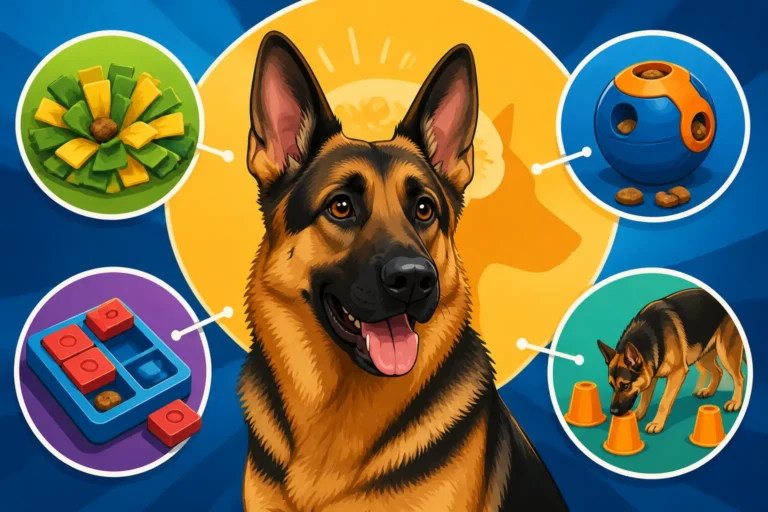
- Puzzle Toys and Chew Toys: These can be great for distraction in novel environments or to help your GSD settle.
- Online Training Programs: For those who can't attend in-person classes or want supplemental guidance, online platforms like BAXTER & Bella offer structured curricula and expert support, which can be invaluable. These programs often provide step-by-step videos and advice on navigating socialization challenges from the comfort of your home.
- Trusted Adult Dogs: If you have friends with calm, vaccinated, and well-socialized adult dogs, these can be incredible mentors for your puppy. Ensure the interactions are always supervised and positive.
Remember to prioritize your German Shepherd's health with a proper German Shepherd Vaccination Schedule before extensive outings.
Specific Socialization Experiences and How to Approach Them
Effective socialization goes beyond just "meeting people and dogs." It's about careful, managed exposure to a vast array of situations, ensuring your German Shepherd develops a robust understanding of the world.
Introducing Your GSD to People of All Ages and Types
This is where many German Shepherd owners feel the most pressure, especially given the breed's protective nature. The goal is for your GSD to be polite and accepting of strangers, not necessarily to love every person they meet.
- Diverse Adults: Arrange for your puppy to meet a wide variety of adults. Think about people with different genders, heights, weights, skin colors, and clothing styles (hats, glasses, uniforms, bulky coats). Ask friends or family members to help. Have them approach calmly, speak in a gentle voice, and offer a treat from you (initially) or from them (once your puppy is comfortable). Avoid having people rush towards your GSD or make loud, sudden noises.
- Children: This is critical. German Shepherds are often great family dogs, but proper introductions to children of all ages are key. Start with calm, dog-savvy children who understand how to interact gently. Supervise every single interaction closely. Teach children to offer a treat with an open, flat hand and to avoid sudden movements or grabbing. Explain to your GSD puppy that children are not playmates for roughhousing. Expose them to the sounds of children playing (screaming, running) from a distance, rewarding calm responses. Never leave a GSD, especially a puppy, unsupervised with young children.
- People with Unique Gaits/Aids: Introduce your GSD to people using wheelchairs, walkers, canes, or crutches. These can look and sound unusual to a dog. Start at a distance, reward calm observation, and slowly decrease the distance as your puppy shows comfort. Similarly, people with umbrellas, large bags, or unusual hats should be introduced in a controlled, positive manner.
Safe Interactions with Other Dogs and Animals
While a German Shepherd might bond intensely with their human family, they also need to learn to coexist peacefully with other canines and even other species.
- Other Dogs: Start with carefully selected, known adult dogs who are calm, friendly, and have good manners. These "mentor dogs" can teach your puppy appropriate social cues. Puppy classes are excellent for structured, safe play with other puppies of similar size and temperament. Avoid crowded, chaotic dog parks until your GSD is older, fully vaccinated, and has solid recall and leash manners. Focus on polite sniff-and-greet interactions rather than free-for-all play. Reward calm, respectful interactions.
- Other Animals: If you have a cat, rabbit, or other small pet, introduce them slowly and under strict supervision. Keep initial interactions brief and positive, always rewarding calm behavior. For outdoor encounters, reward your GSD for ignoring squirrels, birds, or deer during walks. Remember that German Shepherds have a strong prey drive, so managing this instinct during socialization is essential. A solid "leave it" command is your friend here. Understanding German Shepherd Prey Drive Explained can help manage these interactions.
Exposing Your GSD to Diverse Environments and Sounds
The world is full of sights and sounds, and your German Shepherd needs to learn that most of them are benign, not threats.
- Environments: Take your German Shepherd puppy to various public places (once fully vaccinated): a quiet park, a bustling pet supply store, a hardware store (if pet-friendly), a coffee shop patio, a busy street corner (observing from a distance), different neighborhoods. The goal is exposure to different sights, smells, sounds, and ground textures. Keep these trips short and positive, rewarding calm curiosity. Let them sniff and explore.
- Sounds: Desensitize your GSD to common household and outdoor noises. Play recordings of thunderstorms, fireworks, crying babies, or city traffic at a low volume while your puppy is engaged in a fun activity (eating, playing with a favorite toy). Gradually increase the volume over days or weeks. This controlled exposure helps prevent the development of noise phobias. Everyday noises like vacuum cleaners, blenders, or doorbells should also be part of routine exposure, always paired with positive experiences. This proactive approach can prevent issues like German Shepherd Separation Anxiety Solutions down the line if they learn to cope with normal household sounds.
Troubleshooting Common Socialization Challenges
Even with the best intentions and a solid plan, you might encounter bumps in the road. German Shepherds are complex animals, and it’s completely normal for challenges to arise. The key is to address them calmly and consistently.
Dealing with Fear and Reactivity
It's heartbreaking to see your German Shepherd suddenly become fearful of something new or react negatively to a trigger. Fear and reactivity often manifest as barking, lunging, growling, or attempting to flee.
- Identify the Trigger: Pinpoint exactly what your GSD is reacting to. Is it people with hats? Other dogs on leash? Skateboards? Loud trucks? Understanding the specific trigger is the first step.
- Distance is Your Friend: The moment your GSD shows signs of fear or arousal, you're too close to the trigger. Increase the distance until your dog is below their "threshold" – the point where they can notice the trigger but not react.
- Positive Association: At this comfortable distance, reward your dog heavily (with high-value treats) every single time they look at the trigger calmly. The goal is to change their emotional response from "scary" to "treats happen when that thing is there." This is called "counter-conditioning."
- Controlled Exposure: Gradually, over many sessions, you can slowly decrease the distance to the trigger, always staying below their threshold and rewarding calm behavior. If your dog reacts, you've moved too quickly; increase the distance again.
- Professional Help: If fear or reactivity is severe or escalating, do not hesitate to seek help from a certified professional dog trainer or veterinary behaviorist. They can provide tailored guidance and ensure you're using safe, effective methods. It's often better to seek help sooner rather than later to prevent these behaviors from becoming ingrained. Learning How to Fix German Shepherd Leash Reactivity is a common concern that can be effectively managed with professional guidance.
Managing Over-Excitement and Pushiness
Some German Shepherds, especially puppies and adolescents, can be overly excited or pushy in their interactions, jumping on people, nipping, or being overly boisterous with other dogs. This isn't fear; it's often a lack of manners and impulse control.
- Teach Impulse Control: Implement exercises like "sit to greet," "wait," and "leave it." Practice these regularly in low-distraction environments before trying them in more stimulating situations.
- Reward Calmness: Actively reward your GSD for being calm. If they jump on a guest, turn your back and ignore them. Only engage and reward them when all four paws are on the floor. If they get overly excited when greeting another dog, calmly remove them from the situation and try again when they are more settled.
- Leash Management: Use a sturdy leash and collar or a front-clip harness to help manage over-excitement on walks. Practice walking calmly past distractions, rewarding loose-leash walking and attention to you.
- Appropriate Play: Provide plenty of appropriate outlets for their energy, such as fetch, flirt poles, or structured training sessions. Redirect inappropriate play (like nipping at hands) to toys. Consistent application of German Shepherd Obedience Training Basics will be invaluable here.
Recognizing and Addressing Guarding or Protective Instincts
German Shepherds are naturally protective, which is one of their defining traits. However, this needs to be managed so it doesn't cross over into inappropriate guarding of resources (food, toys, space, or even people) or aggression towards perceived threats.
- Resource Guarding Prevention: As a puppy, regularly practice "trade-ups" with toys and food. Gently take their bowl away while they're eating (for a few seconds, then return it with an extra treat), or trade a favorite toy for an even higher-value treat. This teaches them that humans approaching their resources means good things, not theft.
- Controlled Greetings: When guests arrive, manage your GSD. Have them on a leash or in a crate initially, rewarding calm behavior. Allow greetings only when your dog is settled. If they show signs of guarding you or a specific area, redirect them to a "place" command or another room.
- Socialization is Key: A well-socialized GSD is less likely to view every stranger as a threat. Their protective instincts are tempered by the understanding that most people and situations are benign.
- Professional Intervention: If you see any signs of aggression related to guarding, seek professional help immediately. A qualified trainer or behaviorist can help you safely and effectively address these complex behaviors. Attempting to "dominate" a guarding GSD can backfire and escalate the problem. Understanding German Shepherd Guarding Behavior Explained will shed more light on these tendencies.
Continuing Socialization Throughout Your German Shepherd's Life
Many people think socialization is just for puppies. While the early months are undeniably critical, it’s a lifelong endeavor, especially for a German Shepherd. Their intelligence and innate protective instincts mean they benefit from continuous engagement and exposure to keep their minds sharp and their temperament balanced.
Maintaining Skills in Adulthood
Just like us, if dogs don't use it, they lose it. An adult German Shepherd who was perfectly socialized as a puppy but then lives an isolated life might slowly regress. They might become wary of strangers or other dogs, or develop anxieties about unfamiliar places.
- Regular Outings: Continue taking your adult German Shepherd to a variety of places. This doesn't mean daily trips to the dog park, but regular walks in different neighborhoods, visits to pet-friendly stores, or trips to the vet for positive, non-procedure-related visits (if your vet allows "happy visits").
- Meet New People and Dogs: Safely introduce them to new, friendly people and appropriate, well-behaved dogs. Even one or two positive new encounters each month can help reinforce their social skills.
- Continue Training: Ongoing obedience and advanced training classes provide mental stimulation and opportunities for social interaction in a structured environment. Plus, it strengthens your bond and communication. This is also a good time to revisit topics like German Shepherd Exercise and Grooming Routine to ensure they're getting the right amount of activity and care.
Addressing Setbacks or New Fears
Life happens, and sometimes even a well-socialized adult German Shepherd can develop a new fear or experience a setback. Maybe a traumatic experience at the vet, an encounter with an aggressive dog, or a particularly frightening thunderstorm.
- Acknowledge and Re-socialize: If your GSD develops a new fear, acknowledge it without coddling. Then, use the same positive reinforcement and counter-conditioning techniques you used in puppyhood, starting at a distance where they are comfortable.
- Patience is Key: It might take longer to address new fears in an adult dog than in a puppy, so patience and consistency are paramount. Don't rush the process.
- Vet Check-up: Rule out any underlying medical issues. Sometimes, pain or discomfort can manifest as a sudden change in behavior or new fears. For example, joint pain from conditions like German Shepherd Hip Dysplasia Explained could make them more reactive.
- Professional Guidance: If a new fear or behavioral issue is significant or impacting your dog's quality of life, consult a professional.
The Role of Advanced Training and Activities
For a highly intelligent and driven breed like the German Shepherd, advanced training and engaging activities are fantastic ways to maintain socialization and mental well-being.
- Canine Sports: Agility, obedience trials, tracking, or even protection sports like IGP (formerly Schutzhund) provide structure, mental challenge, and social interaction. These activities channel their natural drives into productive outlets and expose them to new environments and people in a controlled manner. Take a look at How to Do IGP Training with a German Shepherd for more information.
- Therapy Dog Work: If your GSD has an exceptional temperament, becoming a certified therapy dog offers incredible opportunities for ongoing socialization in diverse environments, from hospitals to schools, helping others while reinforcing their calm demeanor.
- Exploration and Adventures: Simply exploring new hiking trails, visiting different dog-friendly beaches, or taking road trips expands their world and keeps them adaptable. New smells, sights, and sounds, when experienced positively, contribute to a well-rounded and confident adult.
Continuing to nurture your German Shepherd's social intelligence throughout their life is one of the greatest gifts you can give them. It ensures they remain a happy, confident, and integrated member of your family and society.
Disclaimer
This guide offers general information and recommendations for German Shepherd socialization. Every dog is an individual, and results may vary. Always consult with a qualified veterinarian or certified professional dog trainer for personalized advice regarding your dog's specific health and behavioral needs.