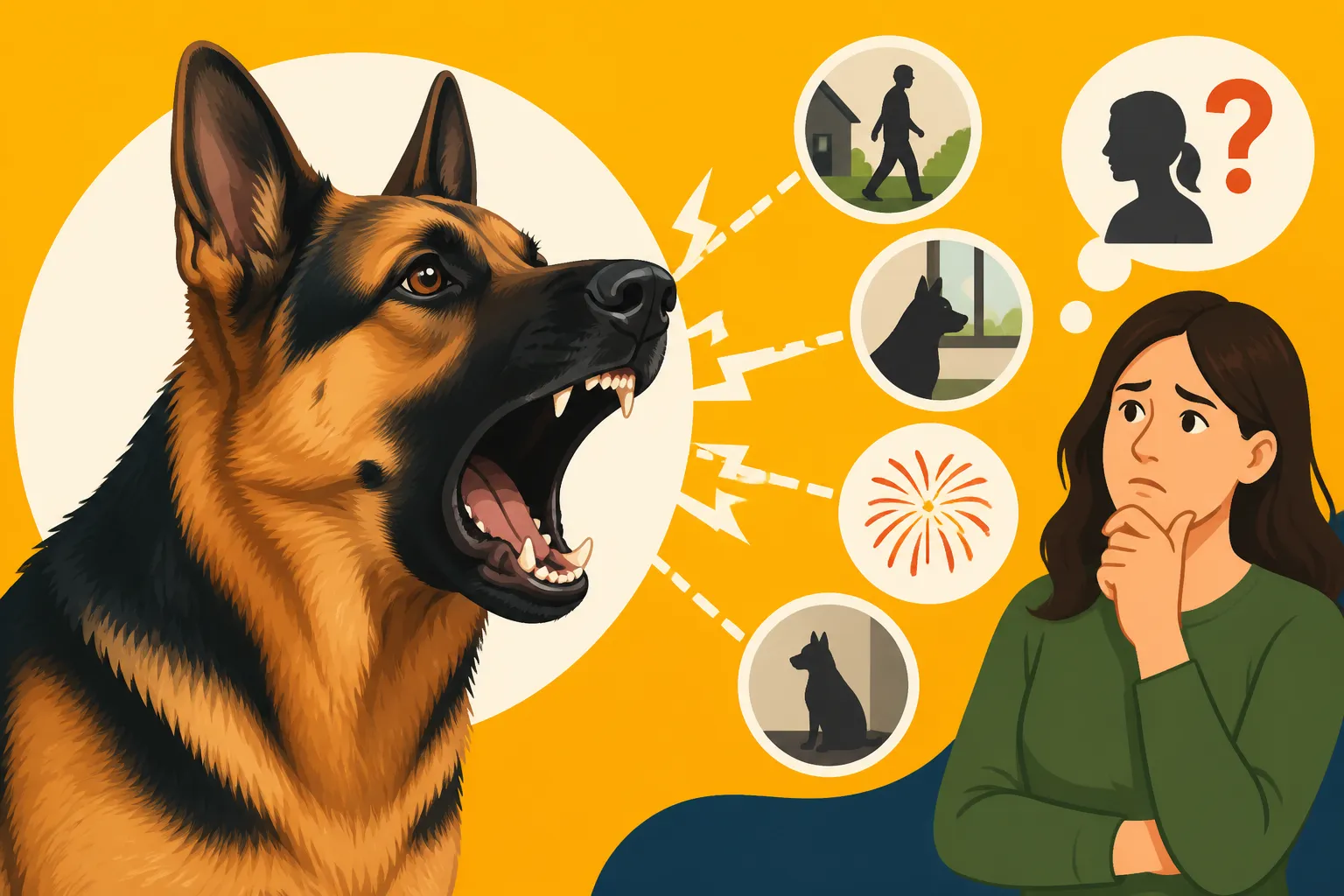
Why Does My German Shepherd Have Excessive Barking Issues
It's incredibly frustrating when your beloved German Shepherd seems to bark at everything and nothing, often leaving you feeling frazzled, embarrassed, or just plain exhausted. This excessive barking isn't just annoying; it can be a sign that your dog is experiencing stress, boredom, or a lack of understanding regarding their boundaries. This comprehensive guide will delve deep into the common reasons why German Shepherds develop excessive barking habits and, more importantly, equip you with actionable strategies to bring peace back to your home.
Understanding the German Shepherd Barking Language
Before we can even begin to tackle excessive barking, it's crucial to understand that barking is a completely natural form of communication for dogs, especially for a vocal breed like the German Shepherd. They don't just bark to annoy you; they're trying to tell you something. Learning to decipher these barks is the first step toward addressing the root cause.
The Instinctual Nature of Barking
German Shepherds, with their strong guarding instincts and high intelligence, are naturally predisposed to be quite vocal. Their ancestors and working counterparts use barks for various purposes: to alert the pack to intruders, to communicate their location, or to express excitement during a hunt. When your German Shepherd barks, they might be tapping into these ancient instincts, even if the "intruder" is just a squirrel outside the window or the "pack" is simply you walking into the kitchen. It's their way of interacting with their world, and trying to suppress all barking can be detrimental to their well-being. The challenge lies in guiding this natural behavior into appropriate channels, rather than stifling it entirely. Understanding their innate tendencies is a cornerstone of effective training.
Differentiating Normal vs. Excessive Barking
So, when does natural communication cross the line into excessive barking? The key is context, duration, and intensity. A few barks when the doorbell rings? Perfectly normal. Ten minutes of non-stop barking at a leaf blowing by? That's likely excessive. Normal barking is usually short-lived, has a clear trigger (even if you don't immediately see it), and ceases once the stimulus is gone or acknowledged. Excessive barking, on the other hand, often seems to lack a clear purpose, can be prolonged, difficult to interrupt, and happens frequently throughout the day or night. It often indicates an underlying issue that needs to be addressed, whether it's anxiety, boredom, or a learned behavior that's gone awry. Paying close attention to the specific circumstances surrounding the barking can give you huge clues about its cause.
Common Triggers for Excessive Barking in German Shepherds
German Shepherds are incredibly sensitive and intelligent dogs, and their barking often stems from a variety of triggers, both external and internal. Identifying these triggers is paramount to finding the right solution.
Environmental Stimuli and External Factors
Our German Shepherds are highly attuned to their environment, and many external factors can set off a barking spree. Think about what's happening around your dog when they start barking. Is it the mail carrier approaching, a new dog walking by your yard, or simply people passing on the sidewalk? These are often "alert" barks, where your German Shepherd sees themselves as the protector of their territory, even if it's just a small patch of grass. Loud noises, unfamiliar smells, or even the subtle shift in light when a car drives by can be perceived as a threat or something that demands their attention. Sometimes, it's a chain reaction: one dog barks, and suddenly every dog on the block joins in, including yours. Managing these external triggers often involves desensitization and counter-conditioning, teaching your dog a different, calmer response.
Internal States: Anxiety, Boredom, and Frustration
Beyond external stimuli, many barking issues originate from your German Shepherd's internal world. German Shepherds thrive on mental and physical engagement, and a lack of either can manifest as excessive barking.
- Boredom: An understimulated German Shepherd is a common culprit. If they're not getting enough exercise or mental puzzles, they might bark out of sheer boredom, seeking any form of attention or stimulation. Imagine being confined to a small space with nothing to do all day – you'd probably start making noise too! This kind of barking might be accompanied by destructive chewing or digging. This highlights the importance of providing ample mental stimulation to keep their brilliant minds engaged.
- Anxiety: Separation anxiety is a particularly prevalent issue in German Shepherds and often expresses itself through persistent barking when left alone. This isn't about being defiant; it's genuine distress. Other forms of anxiety, like generalized anxiety or fear of specific noises (thunder, fireworks), can also trigger relentless barking. Recognizing the signs of separation anxiety is crucial for addressing this deeply rooted issue.
- Frustration: Sometimes, a German Shepherd barks out of sheer frustration. This could be frustration from being unable to reach something they want, like a toy stuck under the couch, or the frustration of not being able to greet a person or dog they see from a distance. Leash reactivity, where a German Shepherd barks aggressively at other dogs or people while on a walk, is often rooted in frustration rather than true aggression. They want to engage or investigate, but the leash prevents them, leading to an outburst of barking.
Health Issues and Age-Related Changes
While not always the first thing we consider, excessive barking can sometimes be a red flag for underlying health problems or age-related changes. Just like people, dogs can become more vocal when they're in pain, disoriented, or experiencing cognitive decline.
- Pain or Discomfort: A German Shepherd in discomfort might bark more than usual, especially when moving or being touched. This could be due to anything from arthritis or a joint injury (common in the breed, like hip dysplasia) to dental pain or an internal ailment. If the barking is new, persistent, and not clearly linked to external triggers, a vet visit is essential to rule out medical causes.
- Cognitive Dysfunction Syndrome (CDS): As German Shepherds age, some may develop Canine Cognitive Dysfunction, similar to Alzheimer's in humans. This can lead to disorientation, altered sleep-wake cycles, and increased vocalization, including barking and howling, often at night. They might seem confused, stare blankly, or forget familiar routines. This is a common aspect of senior care that many owners face.
- Hearing or Vision Loss: Dogs with declining senses may bark more because they are easily startled or can't perceive their environment as clearly, leading to anxiety or confusion. A shadow or an unexpected sound might trigger a bark that wouldn't have happened when their senses were sharper.
Strategies to Address and Manage Barking Issues
Once you've pinpointed the likely cause of your German Shepherd's excessive barking, you can start implementing targeted strategies. Remember, consistency is key, and patience is a virtue when working with any behavioral issue.
Consistent Training and Behavior Modification
Training is absolutely foundational for addressing barking issues. It's not about silencing your dog, but teaching them appropriate ways to communicate and respond to triggers.
- "Quiet" Command: Teaching a "Quiet" command is invaluable. Start by letting your dog bark a few times at a known trigger (e.g., someone knocking lightly on the door). Then, show them a treat, say "Quiet," and when they stop barking, even for a second, immediately reward them. Gradually increase the time they need to be quiet before getting the reward. This teaches them that silence pays off.
- Desensitization and Counter-Conditioning: For environmental triggers, you need to change your dog's emotional response. If they bark at people walking past the window, start by having a friend walk by at a distance where your dog notices but doesn't bark. As soon as your dog looks, give them a high-value treat. Repeat, gradually decreasing the distance. The goal is for them to associate the trigger with good things (treats!) instead of alarm.
- Redirection: When your German Shepherd starts barking inappropriately, redirect their attention to an acceptable behavior. For example, if they're barking at the doorbell, teach them to go to their mat when it rings, and reward them there. This gives them an alternative, calm behavior to perform. Online training programs, such as those offered by BAXTER & Bella, can provide structured guidance for these kinds of commands and counter-conditioning techniques.
- Appropriate Tools: Consider using tools that can help with redirection and management. A head halter or a no-pull harness can give you better control on walks if leash reactivity is an issue. For managing excessive barking when you're not around, a pet camera with two-way audio can allow you to intervene remotely. For those particularly stubborn cases, some owners find anti-bark collars (like citronella spray collars) helpful, but these should always be used as a last resort and with extreme caution, focusing on interruption rather than punishment. They're best explored with guidance from a professional. You can find a wide range of these training aids on platforms like Amazon.
Enrichment, Exercise, and Mental Stimulation
A tired German Shepherd is a good German Shepherd, and a mentally stimulated one is even better. Many barking problems stem from pent-up energy or boredom.
- Adequate Physical Exercise: German Shepherds are high-energy dogs. They need significant daily exercise to stay happy and healthy. This isn't just a quick walk around the block! Think vigorous activities like long hikes, running, fetching, or even swimming. A German Shepherd that hasn't had its physical needs met is far more likely to bark out of frustration or excess energy. Ensuring they meet their exercise requirements can dramatically reduce unwanted vocalizations.
- Mental Engagement: Physical exercise isn't enough; their intelligent minds also need a workout. Puzzle toys, KONGs stuffed with treats, scent work games, or even just regular training sessions to practice commands can provide invaluable mental stimulation. Rotating toys, hiding treats for them to find, or enrolling in a class like agility or obedience can prevent boredom barking. This is especially true for young dogs learning to navigate their world, as detailed in our guide.
- Structured Playtime: Dedicated, structured playtimes where you interact with your dog using appropriate toys (like flirt poles or durable fetch toys) can also burn off energy and reinforce your bond, giving them positive outlets for their energy and attention.
Professional Help and When to Seek It
Sometimes, despite your best efforts, excessive barking can persist or even worsen. This is when calling in the cavalry (a qualified professional) is absolutely the right move.
- Certified Professional Dog Trainer (CPDT-KA): A good trainer can observe your German Shepherd's behavior in person, identify subtle triggers you might have missed, and teach you specific techniques tailored to your dog's individual needs. They can guide you through complex desensitization protocols and help you implement a consistent training plan. Look for trainers who use positive reinforcement methods.
- Veterinary Behaviorist (Dip ACVB): For severe cases, especially those linked to anxiety, aggression, or deep-seated fear, a veterinary behaviorist is the ultimate expert. These are veterinarians with specialized training in animal behavior, who can prescribe medication if necessary, in conjunction with a behavior modification plan. They can differentiate between purely behavioral issues and those with a medical or neurological component. If your German Shepherd's barking is accompanied by other concerning behavior problems, a behaviorist is often the best course of action.
- Online Resources and Classes: For those without immediate access to in-person trainers or as a supplement to professional guidance, online platforms offer a wealth of information. Many websites and even services like BAXTER & Bella provide virtual consultations and detailed training modules that can walk you through steps to address barking, separation anxiety, and other common issues.
Preventing Future Barking Problems
An ounce of prevention is worth a pound of cure, especially with German Shepherds. Laying a strong foundation in their early years and maintaining a stable environment can significantly reduce the likelihood of excessive barking issues developing.
Early Socialization and Exposure
One of the most critical things you can do for your German Shepherd puppy is to ensure they receive extensive and positive socialization. Exposing them to a wide variety of sights, sounds, people, and other friendly, vaccinated dogs from a young age helps them develop into confident, well-adjusted adults who are less likely to react fearfully or excessively to new stimuli.
- Puppy Classes: Enrollment in a reputable puppy class is an excellent way to introduce your German Shepherd to new experiences in a safe, controlled environment. These classes not only teach basic obedience but also provide crucial socialization opportunities. They learn to interact appropriately with other dogs and people, reducing the chances of alert barking due to fear or uncertainty later on.
- Positive Experiences: Take your puppy to different parks (once fully vaccinated, of course), introduce them to various types of people (kids, people in hats, people with umbrellas), and let them hear different sounds (traffic, sirens, construction noises) in a positive way, always paired with treats and praise. The goal is for them to see the world as a generally safe and interesting place, rather than a collection of potential threats. Our guide on socializing a German Shepherd delves into this process in much more detail.
Creating a Calm and Predictable Environment
Dogs thrive on routine and predictability. A chaotic or inconsistent environment can lead to stress, which often manifests as barking.
- Consistent Routine: Establish a consistent daily schedule for feeding, walks, playtime, and potty breaks. This predictability reduces anxiety and helps your German Shepherd understand what to expect, minimizing stress-induced barking.
- Designated Quiet Space: Ensure your German Shepherd has a comfortable, quiet den or crate where they can retreat and feel safe. This space should be free from constant commotion and serve as their sanctuary. Training them to settle in their crate can be a lifesaver for reducing separation anxiety or simply encouraging quiet time.
- Manage Windows and Doors: If your German Shepherd is a "window watcher" and barks at everything passing by, consider using privacy film on windows, or simply closing curtains or blinds during peak trigger times. Limiting their ability to see triggers can reduce the impulse to bark. For dogs with a strong territorial instinct, it's best not to encourage constant surveillance from prime viewing spots.
- "Go To Bed" or "Place" Commands: Teaching a solid "go to bed" or "place" command is incredibly useful for managing barking when guests arrive or during other exciting events. It gives your dog a job and a calm place to be, instead of feeling overwhelmed and resorting to barking. Consistent positive reinforcement for quiet behavior will reinforce these habits over time. Remember, the goal is to teach your German Shepherd how to exist calmly in their environment, which is a core tenet of training a German Shepherd effectively.
| Bark Type | Common Causes | Potential Solutions |
|---|---|---|
| Alert/Warning | Intruders (mail carrier, delivery), new sights/sounds | Desensitization, "Quiet" command, window management, redirection to a calm place |
| Attention-Seeking | Wants play, food, petting, to go outside | Ignore barking, reward quiet behavior, teach alternative ways to ask (e.g., sit) |
| Boredom/Excess Energy | Lack of physical or mental stimulation | Increase exercise, puzzle toys, training sessions, structured playtime |
| Anxiety/Fear | Separation anxiety, phobias (thunder), new situations | Counter-conditioning, safe space, professional behaviorist, medication (if needed) |
| Frustration | Leash reactivity, inability to reach something | Desensitization, redirection, professional trainer, management tools (e.g., harness) |
| Excitement/Greeting | Guests arriving, owner returning home | "Sit" or "Place" command for greetings, calm entrance routine |
| Pain/Illness | Undiagnosed medical condition, cognitive decline | Veterinary check-up, pain management, support for senior dogs |
Disclaimer
The information provided in this guide is for general informational purposes only and does not constitute professional veterinary or behavioral advice. Always consult with a qualified veterinarian or certified professional dog trainer for any health or behavior concerns regarding your German Shepherd.