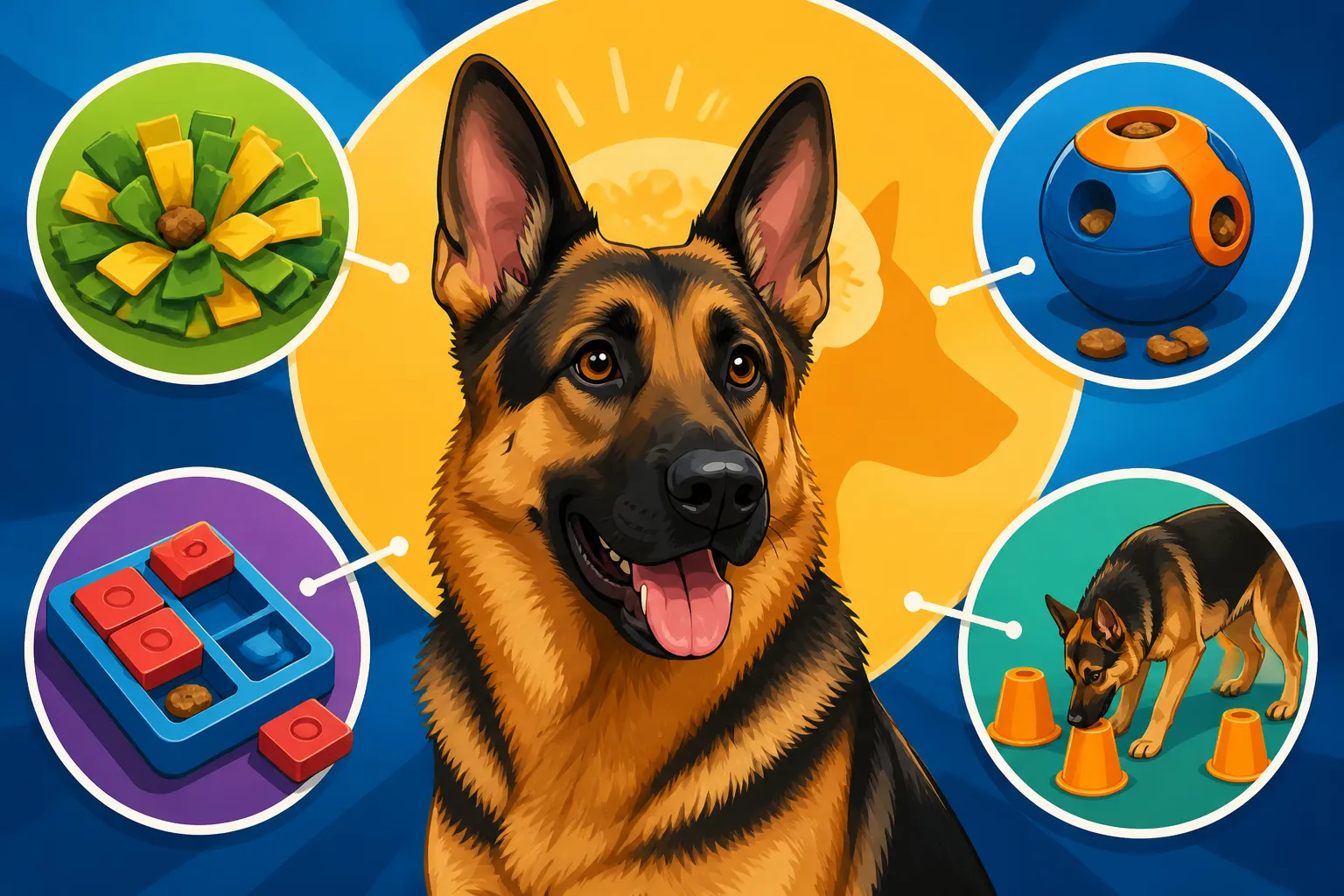
Best Mental Stimulation for German Shepherds
It's a common dilemma for German Shepherd owners: you’ve walked them, played fetch for what feels like hours, and yet they still seem to have boundless energy and an insatiable desire to do something. This isn't just about physical exercise; it’s about their brilliant minds needing a real workout too. A bored German Shepherd can quickly become a destructive, anxious, or even overly vocal German Shepherd, leaving you wondering how to keep such an intelligent dog engaged. This guide is here to walk you through the very best ways to provide mental stimulation for your German Shepherd, transforming that restless energy into focused, happy engagement.
Why Mental Stimulation is Crucial for German Shepherds
German Shepherds aren't just big, strong dogs; they are incredibly intelligent, driven, and historically bred for demanding work. Ignoring their mental needs is like asking a Rhodes Scholar to spend all day watching paint dry – it's a recipe for frustration and, eventually, trouble. Understanding this fundamental aspect of their nature is the first step towards a harmonious relationship.
Understanding Their Innate Intelligence and Drive
German Shepherds consistently rank among the most intelligent dog breeds, often listed in the top three alongside Border Collies and Poodles. They possess an incredible capacity for learning, problem-solving, and retaining complex commands. This isn't just a fun fact; it's a critical component of their well-being. Their ancestry as herding and protection dogs means they thrive on having a "job" to do, whether it's managing a flock of sheep or guarding a perimeter. Even as beloved family pets, this inherent drive doesn't disappear. It simply needs redirection and an outlet.
Think about it: a German Shepherd's mind is a powerful engine, and if it's not given fuel and a direction, it will inevitably idle rough or misfire. Without engaging tasks, their intelligence can lead to them inventing their own "jobs," which often manifest as behaviors we find problematic, such as excessive barking, digging up the yard, or chewing through furniture. They are constantly observing, processing, and trying to understand their environment, and when they don't have productive ways to channel this mental energy, it can become incredibly frustrating for both the dog and the owner. Providing appropriate mental challenges is less about entertaining them and more about fulfilling a fundamental biological need.
The Dangers of Boredom and Lack of Engagement
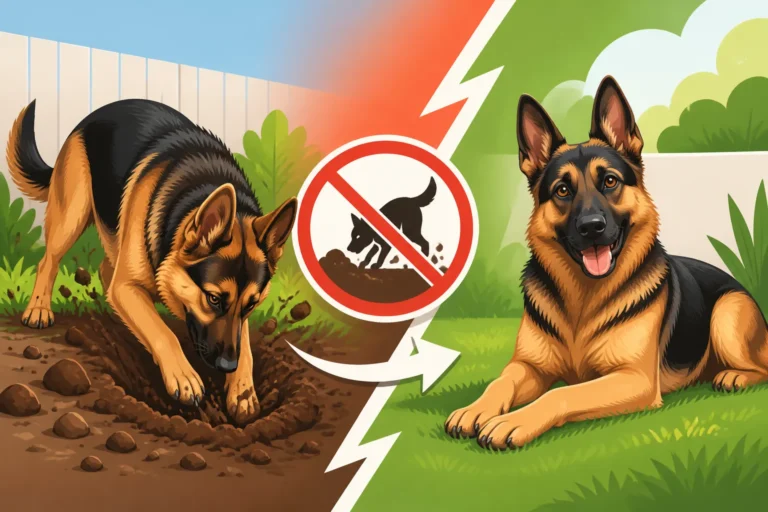
The consequences of a mentally under-stimulated German Shepherd can be profound and detrimental to their overall health and your household's peace. A German Shepherd prone to German Shepherd Behavior Problems and Solutions often stems from chronic boredom. Picture this: your dog is left alone for hours with nothing but a few chew toys. Their keen senses and sharp mind are underutilized, leading to a build-up of mental energy that has no positive outlet. This can easily result in destructive chewing as they try to "solve" the mystery of how to destroy your couch, or digging craters in your garden because that's a stimulating activity for them.
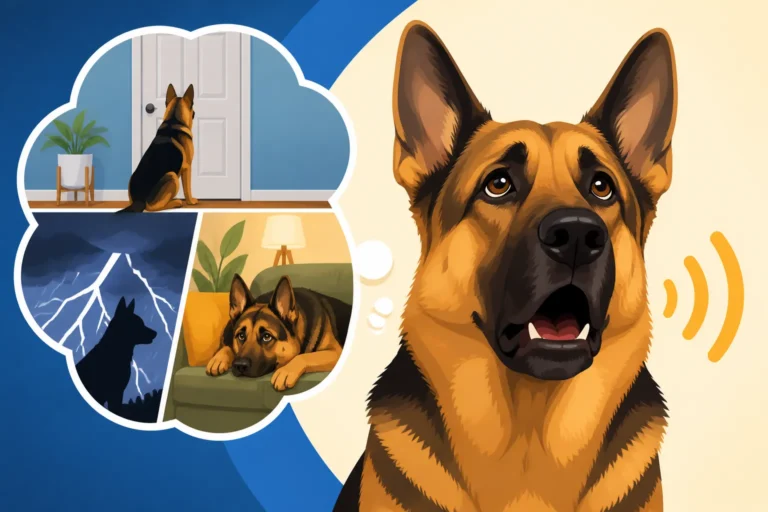
Beyond destruction, boredom can trigger or exacerbate anxiety. Many German Shepherds develop German Shepherd Separation Anxiety Solutions because they haven't learned to occupy themselves constructively when alone, and their minds are racing with worry and under-stimulation. They might engage in compulsive behaviors like excessive licking, pacing, or even self-mutilation. Furthermore, a bored German Shepherd is more likely to develop reactivity or even aggression towards strangers or other dogs, simply because they haven't been taught how to manage their environment and impulses in a healthy, mentally engaging way. It's truly astonishing how much good behavior can be cultivated just by consistently challenging their amazing brains.
Types of Mental Stimulation Activities
When it comes to engaging your German Shepherd's mind, the possibilities are vast, extending far beyond a simple game of fetch. The key is variety and tapping into their natural instincts for problem-solving, sniffing, and learning.
Puzzle Toys and Interactive Feeders
These are fantastic tools for encouraging independent problem-solving and making meal times or treat dispensing an engaging mental exercise. Instead of just scarfing down their food in a few minutes, your German Shepherd has to work for it, using their nose, paws, and brain. There's a huge range available, from simple slow-feeder bowls that make eating a bit harder, to complex puzzle toys that require multiple steps to release a treat.
Consider toys like the Kong Wobbler, which dispenses kibble as your dog nudges and rolls it around, or more advanced models like the Nina Ottosson puzzle toys, which feature sliding parts, liftable blocks, and spinning components that challenge your dog to figure out the sequence. You can find a fantastic selection of these on platforms like Amazon, offering everything from beginner-friendly options to master-level challenges. These aren't just "toys" in the traditional sense; they're vital tools for cognitive development and keeping that active German Shepherd mind sharp. They teach patience, perseverance, and often reduce the speed at which your dog eats, which can even help prevent issues like bloat.
Scent Work and Nose Games
Perhaps one of the most natural and rewarding forms of mental stimulation for German Shepherds is scent work. Their noses are incredibly powerful, housing hundreds of millions of olfactory receptors compared to our mere 6 million. Engaging this superpower is not only incredibly enriching but also surprisingly tiring for them. It taps into their primal hunting and tracking instincts, providing a focused, low-impact activity that can be done almost anywhere.
Start simple: "Find It" is a classic. While your dog watches, hide a high-value treat in an obvious spot, then release them with the command "find it!" As they get the hang of it, gradually increase the difficulty by hiding treats in less obvious places, behind furniture, under towels, or even in different rooms. You can progress to using a snuffle mat, which is a fabric mat with many folds and pockets designed to hide kibble or small treats, forcing your dog to sniff them out. For more advanced training, consider enrolling in a local nose work class or exploring resources that teach formal scent detection. This kind of focused mental effort is truly one of the Best Mental Stimulation for German Shepherds, providing an unparalleled sense of purpose and satisfaction for your dog.
Obedience and Advanced Training
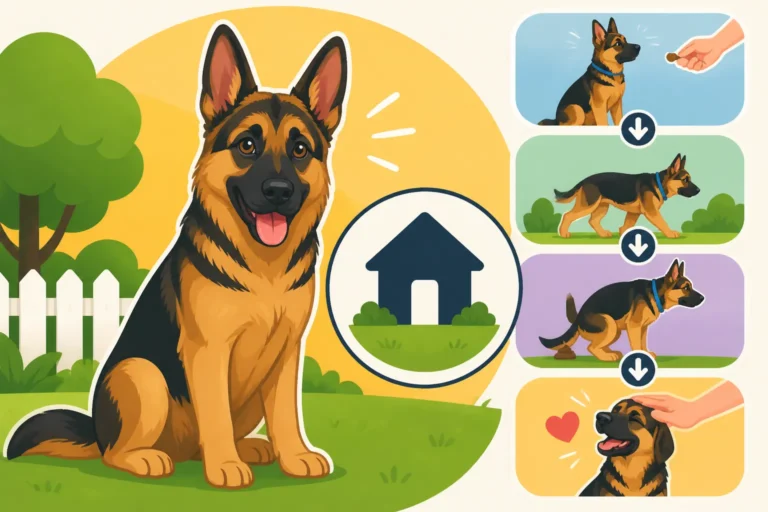
Never underestimate the power of consistent training as a form of mental stimulation. German Shepherd Obedience Training Basics is not just about having a well-behaved dog; it's a dynamic, ongoing dialogue between you and your German Shepherd that keeps their mind actively engaged. Every training session, whether it's a refresher on "sit" and "stay" or learning a new trick, requires focus, memory, and problem-solving.
Beyond the basics, German Shepherds excel at advanced obedience, agility, and even specialized tasks. Think about teaching them complex trick chains, like "spin, bow, then retrieve the leash," or working towards competitive obedience titles. These activities demand sustained concentration and intellectual effort. If you're struggling to find direction, online training programs can be incredibly helpful. For example, the BAXTER & Bella online puppy school offers comprehensive training modules that emphasize mental engagement through positive reinforcement, making it easy to integrate structured learning into your daily routine. Even teaching them practical skills, like how to open and close a cupboard or How to Teach a German Shepherd to Come reliably in distracting environments, provides immense mental satisfaction and strengthens your bond. Remember, a mentally challenged German Shepherd is often a happier, calmer German Shepherd.
Incorporating Mental Challenges into Daily Routine
Making mental stimulation a consistent part of your German Shepherd's life doesn't have to be a monumental task. It's about integrating small, thoughtful challenges throughout their day, rather than seeing it as a separate, once-a-week event. Consistency is key to keeping their minds sharp and preventing boredom from setting in.
Structured Play Sessions
While physical exercise like running and fetching is vital, structured play sessions elevate playtime into a mental workout. Instead of just throwing a ball repeatedly, introduce rules and variations. For example, play "go get it, then drop it here," making them retrieve an item and bring it to a specific spot before you reward them. This teaches impulse control and reinforces commands within a fun context. Incorporate elements of hide-and-seek with their favorite toys; tell them to "stay" while you hide the toy, then release them with "find your toy!"
These structured games are especially good for young dogs and puppies, where consistent training helps manage their boundless energy. You can also vary the location, taking toys to a local park or a friend's yard, which adds the mental stimulation of a new environment to the physical activity. This type of play isn't just about burning energy; it's about engaging their brains to anticipate, follow instructions, and solve mini-challenges, which can be just as tiring as a long run. Regular, intentional play sessions can significantly contribute to a well-rounded and mentally healthy German Shepherd.
Enrichment During Meal Times
Meal times are a prime opportunity for mental enrichment, often overlooked by owners who simply put down a bowl of kibble. As mentioned earlier, interactive feeders and puzzle toys are excellent, but you can also get creative with how you present their regular Best Food for German Shepherds. Instead of one big meal in a bowl, divide it into smaller portions and hide them around the house for your dog to "hunt." This mimics their natural foraging behavior and makes eating a rewarding mental game.
Another idea is to use an empty cardboard box or paper bag, toss in some kibble, and loosely crinkle some newspaper around it. Your German Shepherd will have to figure out how to get to the food, using their nose and paws. For a cooler treat, freeze some wet dog food or peanut butter (ensure it's xylitol-free) inside a Kong toy. This provides a long-lasting, mentally engaging challenge that keeps them focused for a significant period. By turning meal times into brain games, you're tapping into their instinctual drive to work for food, providing consistent, low-effort mental stimulation every single day.
Regular Outings and New Experiences
Exposure to novel environments and experiences is a powerful form of mental stimulation that broadens your German Shepherd's world and keeps their brain actively processing new information. This doesn't necessarily mean epic adventures every day, but rather intentional efforts to break the routine. Instead of the same old walk around the block, explore a new hiking trail, visit a different park, or even take a stroll through a pet-friendly store. The new sights, sounds, smells, and textures will engage all of their senses.
Even something as simple as driving to a new neighborhood and walking a few blocks can be highly stimulating. Let them sniff and explore. Enroll them in a local dog-friendly event or a training class in a new environment, like an outdoor obedience course or an agility trial preparation class. For younger dogs, regular positive exposure to different environments is a crucial part of How to Socialize a German Shepherd, building their confidence and problem-solving skills in various situations. The mental effort required to process new stimuli is incredibly beneficial and contributes to a more adaptable, well-adjusted dog.
DIY Mental Stimulation Ideas
You don't need expensive gadgets or professional trainers to give your German Shepherd the mental workout they need. Many of the most effective and enjoyable mental stimulation activities can be created or adapted using everyday items you already have at home. This is great for those days when you're on a budget or simply want to get creative.
Homemade Puzzle Creations
With a little ingenuity, you can turn household items into engaging puzzle toys. A simple toilet paper or paper towel roll can be transformed: fold in one end, drop in a few pieces of kibble, then fold in the other end. Your German Shepherd will enjoy tearing and nudging it to get the treats out. You can even combine a few of these into a shoebox for a more complex challenge. Just be sure to supervise your dog to ensure they don't ingest large pieces of cardboard.
Another easy DIY puzzle is the "muffin tin game." Take a muffin tin, place a treat in each cup, then cover each treat with a tennis ball or other sturdy toy. Your German Shepherd will need to lift or move each ball to get to the prize, requiring dexterity and problem-solving. These homemade puzzles are fantastic because they're easily replaceable and can be scaled in difficulty. They're a brilliant way to encourage your dog to use their brain to solve a tangible problem, preventing boredom from setting in with repetitive activities.
Simple Hide-and-Seek Games
Hide-and-seek isn't just for kids; it's a fantastic mental game for German Shepherds that reinforces their recall, teaches patience, and uses their amazing sense of smell. Start in a familiar indoor environment. Tell your dog to "stay" (or have someone hold them), then go hide in an easy spot, like behind a door or under a blanket. Call their name enthusiastically with your chosen recall command (e.g., "Max, come!") and offer a high-value treat and praise when they find you.
As they get better, make your hiding spots more challenging – a different room, tucked away behind furniture, or even outside in a safe, enclosed yard. This game not only provides great mental stimulation by requiring them to use their nose and ears but also strengthens their bond with you and builds a super reliable recall. It’s a low-impact, high-reward activity that engages their natural seeking behaviors and is particularly effective for dogs who need more German Shepherd Exercise Requirements than just physical exertion.
Learning New Tricks and Commands
Teaching your German Shepherd new tricks or refining existing commands is perhaps one of the most powerful and versatile forms of mental stimulation. It’s a direct application of their high intelligence and strong desire to please. Start with simple tricks like "shake a paw," "roll over," or "play dead." Break down each trick into small, achievable steps and reward them heavily for each successful attempt. This positive reinforcement approach makes learning fun and boosts their confidence.
Once they've mastered individual tricks, you can string them together into sequences. For example, "sit, stay, then roll over." This requires even more cognitive effort as they have to remember the order of commands. For more advanced learners, consider teaching them practical tasks, like fetching specific items (e.g., "get your leash," "find my keys") or helping you with chores, which they often love to do. Engaging in these kinds of regular, short training sessions, perhaps 10-15 minutes a few times a day, is an excellent way to provide ongoing German Shepherd Intelligence and Trainability and maintain that crucial mental edge throughout their lives. You'll be amazed at how quickly they pick up new things and how much joy they get from learning with you.
Overcoming Common Challenges in Mental Enrichment
Even with the best intentions, providing consistent mental stimulation for your German Shepherd can present its own set of challenges. Whether it's dealing with an overly enthusiastic learner or adapting activities for different life stages, a proactive approach can ensure these vital enrichment efforts remain positive and effective.
Dealing with Over-Excitement and Frustration
It's not uncommon for intelligent dogs like German Shepherds to become overly excited or even frustrated when faced with a new mental challenge, especially with puzzle toys or complex training exercises. They might bark, whine, or try to aggressively chew the puzzle rather than solving it. This usually indicates that the challenge is too difficult, or they haven't learned the appropriate way to approach it.
The key here is to simplify. If a puzzle toy is too hard, start with it completely open or with only one step required to get the treat. Gradually increase the difficulty as your dog understands the basic concept. For training, break commands down into even smaller steps (known as "shaping"). If your dog is getting frustrated, take a break, offer an easy, familiar command they can succeed at, and end on a positive note. Use a calm, reassuring tone and avoid getting frustrated yourself, as your dog will pick up on your emotions. Patience is vital. Remember, the goal is to build confidence and enjoyment in problem-solving, not to create stress. If needed, a short, calm walk to de-stress before returning to the mental task can also work wonders.
Adapting Activities for Different Ages and Energy Levels
A German Shepherd's mental needs evolve throughout their life. What stimulates a rambunctious puppy might bore a senior dog, and what challenges a young adult might overwhelm an older one. Tailoring activities to their specific age and energy level is essential for continued engagement.
For German Shepherd puppies, mental stimulation often involves basic German Shepherd Puppy Training Guide, like learning their name, potty training, and short bursts of puzzle play. Their attention spans are short, so keep sessions brief, fun, and highly rewarding. As they enter adolescence, their mental capacity grows, and they thrive on more complex challenges, longer training sessions, and advanced scent work. This is an excellent time to introduce them to German Shepherd Training Timeline by Age for more structured learning. For senior German Shepherds, while their physical energy may wane, their minds still crave engagement. Low-impact scent games, gentler puzzle toys, and reviewing familiar commands are perfect. These activities keep their cognitive functions sharp without putting strain on their joints. The goal is always to provide an appropriate level of challenge that keeps them interested and prevents boredom, regardless of their stage of life.
The Long-Term Benefits of a Mentally Stimulated German Shepherd
Investing time and effort into your German Shepherd's mental well-being pays dividends that extend far beyond simply having a "well-behaved" dog. The benefits ripple through every aspect of their life, fostering a deeper connection with you and contributing significantly to their overall health and happiness.
Enhanced Bond and Behavior
When you consistently engage your German Shepherd's mind, you're not just giving them a task; you're building a stronger relationship. The time spent training, playing puzzle games, or exploring new places together fosters trust, mutual understanding, and a powerful bond. Your German Shepherd learns to look to you for guidance, direction, and enjoyment, which strengthens their loyalty and responsiveness. They become a partner in activities rather than just a companion.
This enhanced bond naturally translates into better behavior. A mentally fulfilled German Shepherd is typically calmer, less prone to destructive habits, and more receptive to your commands. They learn self-control and develop coping mechanisms for boredom or anxiety. You'll likely notice fewer instances of common issues like excessive barking, nipping, or pulling on the leash, simply because their core needs for mental engagement are being met. It’s a virtuous cycle: the more you engage their mind, the better their behavior, and the more rewarding your shared life becomes.
Promoting Overall Health and Well-being
Mental stimulation is often overlooked as a component of overall canine health, but it's just as vital as physical exercise and a balanced diet. A dog whose mind is regularly challenged is less likely to suffer from stress-related health issues. For instance, chronic boredom and anxiety can weaken the immune system and exacerbate existing conditions. By providing mental outlets, you help reduce cortisol levels and promote a more balanced physiological state.
Furthermore, mental exercise keeps cognitive functions sharp, particularly as German Shepherds age. Just like humans, dogs benefit from brain games to maintain memory, problem-solving skills, and adaptability. This can contribute to a more graceful aging process and potentially delay the onset of age-related cognitive decline. The joy and satisfaction a German Shepherd derives from successfully completing a mental challenge also contribute to their emotional well-being, leading to a happier, more confident, and well-adjusted companion. Ultimately, a mentally stimulated German Shepherd isn't just a happy dog; they're a healthier, more resilient member of your family, ready to tackle life's adventures by your side.
Disclaimer
This article is for general informational purposes only and does not constitute professional advice. Laws, prices and regulations vary by location and change over time. Consult a qualified professional for guidance on your specific situation.