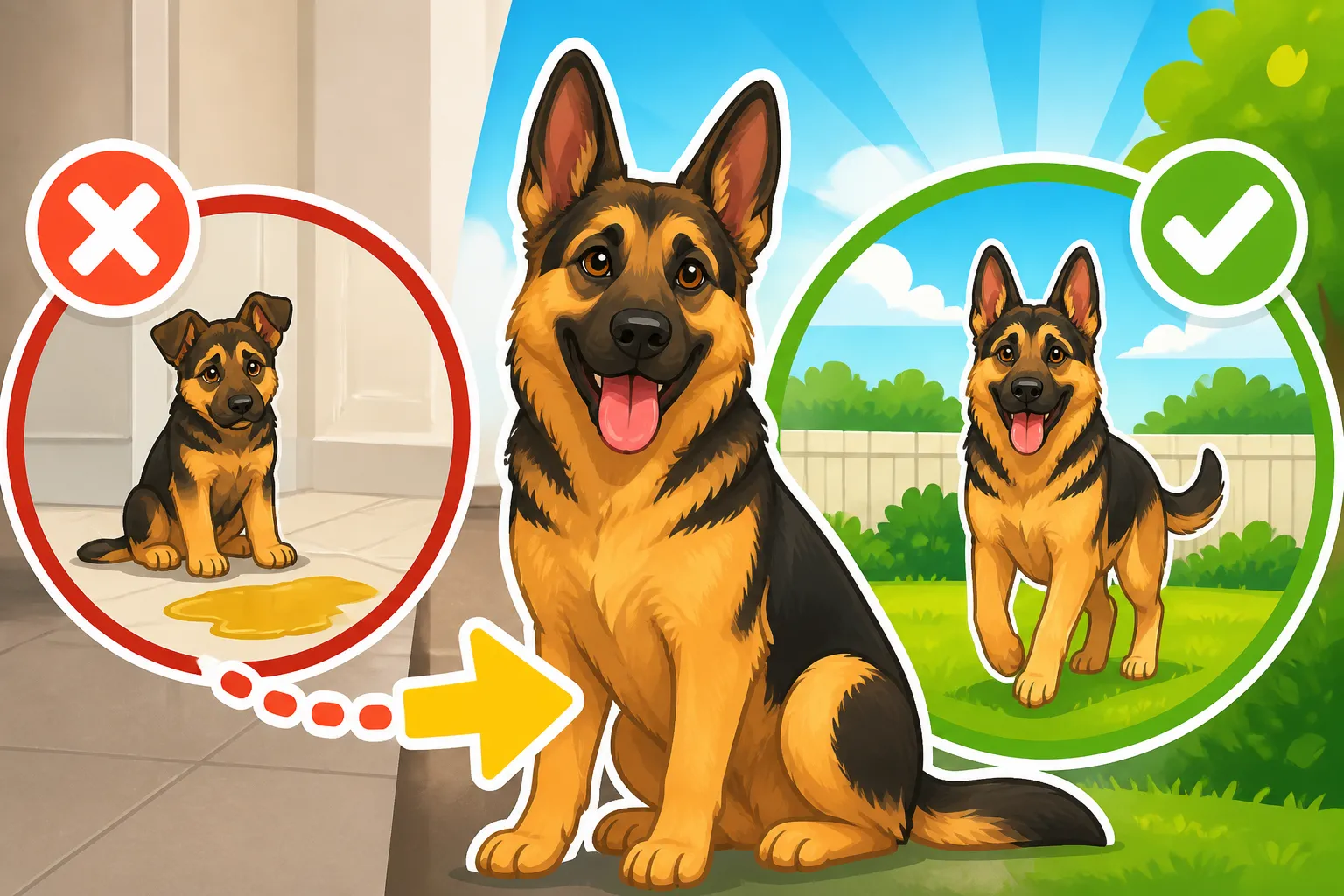
How to Housebreak a German Shepherd Fast
Cleaning up puddles and messes inside your home can feel incredibly frustrating, especially when you're trying your best to teach your intelligent German Shepherd where they should go. It’s a common struggle for many new German Shepherd owners, making you wonder if you’ll ever have a truly house-trained companion. This comprehensive guide will walk you through a proven, step-by-step method to housebreak your German Shepherd efficiently, helping you establish good habits quickly and avoid common pitfalls.
Understanding Your German Shepherd's Natural Instincts for Potty Training
Before we dive into the "how-to," it's crucial to understand a bit about your German Shepherd's natural inclinations. They are highly intelligent animals with strong instincts that, when leveraged correctly, can make housebreaking much smoother and faster. It’s not about fighting their nature, but working with it.
The Importance of Den Instinct
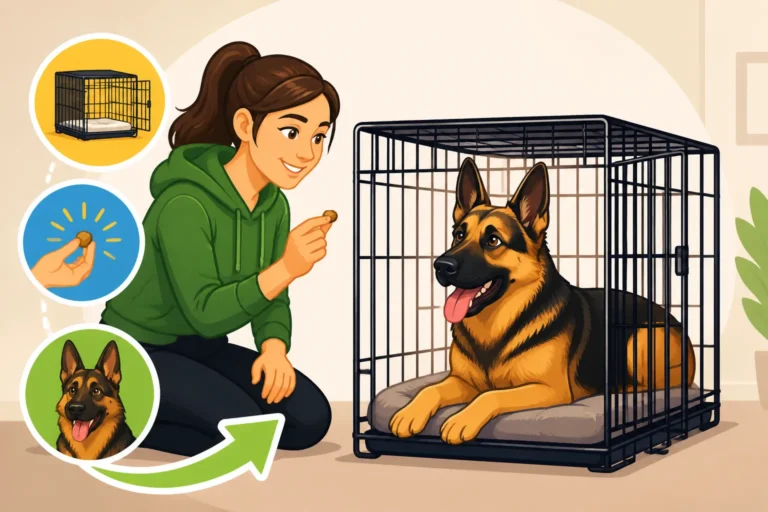
One of the most powerful instincts your German Shepherd possesses is the "den instinct." In the wild, canids keep their den clean, instinctively avoiding soiling the area where they sleep and eat. This instinct is a cornerstone of effective housebreaking, particularly when it comes to crate training. Your German Shepherd views their crate as their personal den, a safe and clean space.
When you utilize a properly sized crate, your German Shepherd will naturally try to hold their bladder and bowels rather than mess up their sleeping area. This isn't just about convenience for you; it's about respecting their innate desire for cleanliness. Understanding this natural aversion to soiling their den is key to making the crate a powerful tool in your housebreaking arsenal. It teaches them to "hold it" and gives you the opportunity to take them outside where they should relieve themselves.
Communication and Scent Marking
German Shepherds, like all dogs, communicate extensively through scent. When a dog eliminates, they leave behind scent markers that signal their presence and can encourage future elimination in the same spot. This is why thorough cleaning of indoor accidents is absolutely critical. If even a faint scent remains, your German Shepherd might interpret it as an acceptable "potty spot," making housebreaking much more challenging.
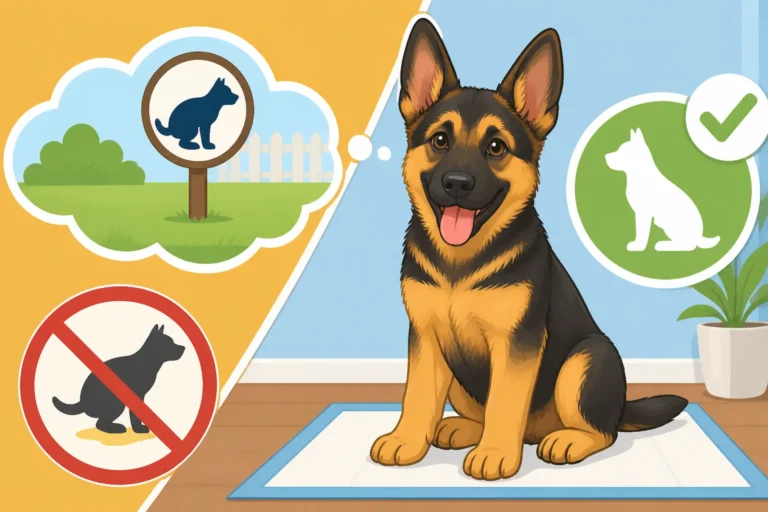
Conversely, establishing a consistent outdoor potty spot leverages this instinct positively. By repeatedly taking your dog to the same area to relieve themselves, they begin to associate that specific spot with going potty. The accumulated scent from their previous successful trips reinforces that this is the place to do their business. Consistency in location, combined with proper cleanup indoors, helps your German Shepherd understand the clear distinction between indoor and outdoor elimination areas.
Essential Tools and Setup for Quick Housebreaking Success
Having the right tools and preparing your home environment are just as important as the training methods themselves. A well-prepared setup minimizes accidents and maximizes opportunities for your German Shepherd to succeed, which in turn accelerates the learning process.
The Indispensable Crate
A crate isn't just a cage; it's a vital training aid that taps into your German Shepherd's den instinct. For housebreaking, the crate should be just large enough for your German Shepherd to stand up, turn around, and lie down comfortably. If it’s too large, they might use one end as a sleeping area and the other as a bathroom, defeating the purpose. Many crates available on sites like Amazon come with dividers, allowing you to adjust the size as your puppy grows, which is incredibly useful for maintaining the right fit.
The crate serves several purposes: it prevents accidents when you can't actively supervise your German Shepherd, teaches them bladder control, and provides a safe, comfortable space. Remember, a puppy's bladder capacity is limited; a good rule of thumb is that they can usually hold it for approximately one hour per month of age, plus one (e.g., a 3-month-old puppy can hold it for about 4 hours). Never leave a young puppy in a crate for longer than they can reasonably hold it, as this can lead to accidents and frustration, undermining the entire training process. For a deeper dive into making the crate a positive experience, check out our guide on How to Crate Train a German Shepherd.
Leashes, Collars, and Outdoor Spaces
When housebreaking, every trip outside needs to be intentional and focused. A well-fitting collar or harness and a sturdy leash are non-negotiable. These tools ensure that you have control and can guide your German Shepherd directly to their designated potty spot without distractions. Avoid retractable leashes during this crucial stage, as they offer too much freedom and can teach your dog to pull. A standard 6-foot leash works best.
Choosing a consistent outdoor potty spot is equally important. This could be a specific patch of grass in your yard or a quiet area during walks. The consistency helps your German Shepherd associate that particular location with relieving themselves. Always take them directly to this spot, wait patiently, and avoid engaging in play until after they've done their business. This teaches them that going outside initially means business, then pleasure.
Cleaning Supplies for Accidents
No matter how diligent you are, accidents will happen. It’s part of the process, and how you clean them up makes a significant difference. Standard household cleaners might mask the odor for humans, but your German Shepherd’s superior sense of smell will still detect residual urine or fecal scent, signaling to them that it's an acceptable spot to go again.
This is why enzymatic cleaners are an absolute must-have. These specialized cleaners break down the uric acid crystals in urine, completely eliminating the odor at a molecular level. Products like Nature's Miracle or Rocco & Roxie are highly recommended and widely available on platforms like Amazon. Always have them on hand. When an accident occurs, blot up as much of the mess as possible, then douse the area with the enzymatic cleaner, letting it soak according to the product's instructions. This step is critical to prevent your German Shepherd from returning to the same spot indoors.
The Step-by-Step "Fast" Housebreaking Method
"Fast" housebreaking isn't about magic; it's about extreme consistency, vigilance, and clear communication. By following these steps meticulously, you'll set your German Shepherd up for rapid success. This method minimizes opportunities for accidents and maximizes opportunities for correct behavior.
Establishing a Consistent Schedule
Consistency is the single most important factor in fast housebreaking. Your German Shepherd thrives on routine, and a predictable schedule helps them understand when and where they are expected to relieve themselves. Here's a typical schedule to consider, especially for puppies, which you'll need to adapt as they grow:
- First thing in the morning: As soon as they wake up, before anything else, head outside.
- After every nap: Immediately after your German Shepherd wakes from sleep, take them out.
- After every meal: Within 5-15 minutes of eating, go outside. Our German Shepherd Puppy Feeding Schedule guide can help align this.
- After every drink: Especially if they've had a lot of water, take them out soon after.
- After vigorous play or training sessions: Excitement can stimulate the bladder and bowels.
- Before bedtime: One last trip outside before settling in for the night.
- Every 2-4 hours throughout the day: Even if they haven't just eaten or woken up, take young puppies out regularly.
Stick to this schedule religiously. Don't skip a trip, even if you think they won't need to go. Every successful trip outside reinforces the correct behavior. When you take them out, go directly to their designated potty spot, wait patiently, and avoid distractions.
Supervised Freedom and Immediate Outdoor Trips
During the housebreaking process, your German Shepherd should never have unsupervised freedom in your home. This is where most accidents happen, simply because owners aren't watching for the subtle signs that their dog needs to go. Think of it like a baby: you wouldn't let a toddler wander freely without knowing where they might get into trouble.
There are a few ways to ensure constant supervision:
- The "Umbilical Cord" Method: Keep your German Shepherd tethered to you with a short leash whenever they are out of their crate. This way, you'll immediately notice any pacing, sniffing, or squatting signs that indicate they need to relieve themselves.
- Crate When Unsupervised: If you can't actively watch your German Shepherd, even for a few minutes (e.g., you need to answer the door, cook, or step away), put them in their crate. This prevents accidents and reinforces their bladder control.
- Designated Playpen: A small, puppy-proofed playpen can offer a bit more space than a crate while still containing them in a safe area, but requires constant attention to signs they need to go.
The moment you see your German Shepherd showing signs of needing to go (sniffing around, circling, looking anxious, heading for a specific spot), immediately interrupt them (a sharp clap or "Ah-ah!") and rush them outside to their designated potty spot. Don't scold them if an accident is already happening; simply get them out. The goal is to prevent the indoor accident and redirect the behavior to the correct location.
Positive Reinforcement: Rewards and Praise
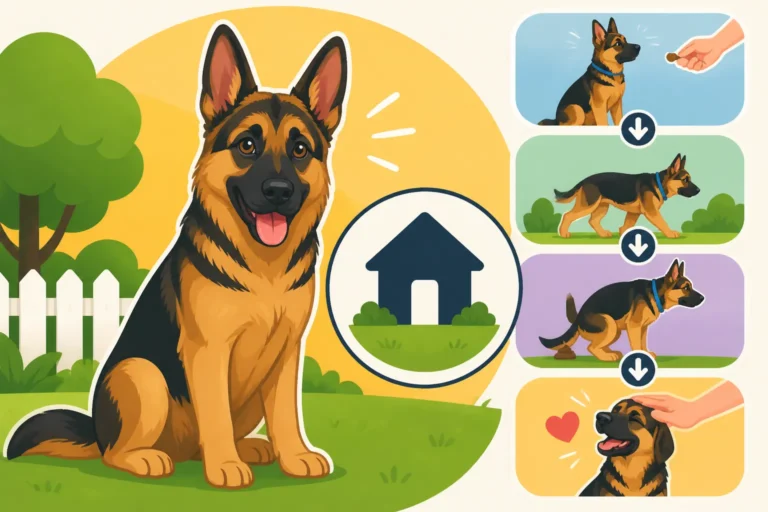
This is where the magic happens and your German Shepherd learns quickly what you want them to do. The instant your German Shepherd finishes relieving themselves in the correct outdoor spot, unleash a cascade of praise and a high-value treat. The timing here is crucial: it must happen within 1-3 seconds of them finishing. Any longer, and they might not connect the reward with the act of going potty.
Use enthusiastic verbal praise ("Good potty! Yes!"), give a delicious treat (something they only get for successful potty breaks), and then, and only then, can you allow a few minutes of play or exploration as a further reward. The reward system needs to be consistently applied. If you sometimes reward and sometimes don't, your German Shepherd will get confused. Programs like BAXTER & Bella often emphasize this kind of immediate and clear positive reinforcement for successful outcomes in all aspects of training, including housebreaking. This positive association makes them eager to perform the desired behavior again.
Troubleshooting Common Housebreaking Hurdles
Even with the best intentions and a solid plan, bumps in the road are normal. Don't get discouraged! Understanding common issues and how to address them quickly will keep you on the fast track to a fully house-trained German Shepherd.
Accidents Indoors: What Went Wrong?
Indoor accidents, despite your best efforts, are the most common setback. When they happen, it’s not because your German Shepherd is "stubborn" or "doing it on purpose." It's almost always due to one of these reasons:
- Insufficient Potty Breaks: You might not be taking them out frequently enough. Young puppies need to go out a lot. Review your schedule and increase the frequency, especially after waking, eating, and playing.
- Too Much Unsupervised Freedom: This is perhaps the biggest culprit. If your German Shepherd had an accident indoors, it's highly likely they were out of their crate or playpen and out of your direct sight and supervision. Go back to the umbilical cord method or crate use whenever you can't actively watch them.
- Incomplete Cleanup: As discussed, if the enzymatic cleaner wasn't used correctly or thoroughly, your German Shepherd might still detect the old scent and be drawn back to that spot. Re-clean the area with a high-quality enzymatic cleaner.
- Inconsistent Schedule: If your potty schedule varies wildly day-to-day, your German Shepherd can't learn to anticipate when to hold it. Re-establish a strict, predictable routine.
- Distractions Outdoors: If your dog gets too distracted by sights, sounds, or people outside and doesn't actually relieve themselves, they're likely to have an accident once back inside. Make outdoor potty breaks strictly business first, then fun.
The key is to proactively prevent accidents. Every accident is a setback because it reinforces the wrong behavior. If you're finding yourself asking, "Why Is My German Shepherd Not Potty Trained Yet?", chances are one of these issues is at play.
"Holding It" in the Crate, Then Pottying Outside
Sometimes, a German Shepherd will successfully hold it in their crate, but then as soon as they are let out, they immediately have an accident before even making it outside. This can be incredibly frustrating because it feels like they know they need to go, but just can't make it to the right spot. This usually happens for a few reasons:
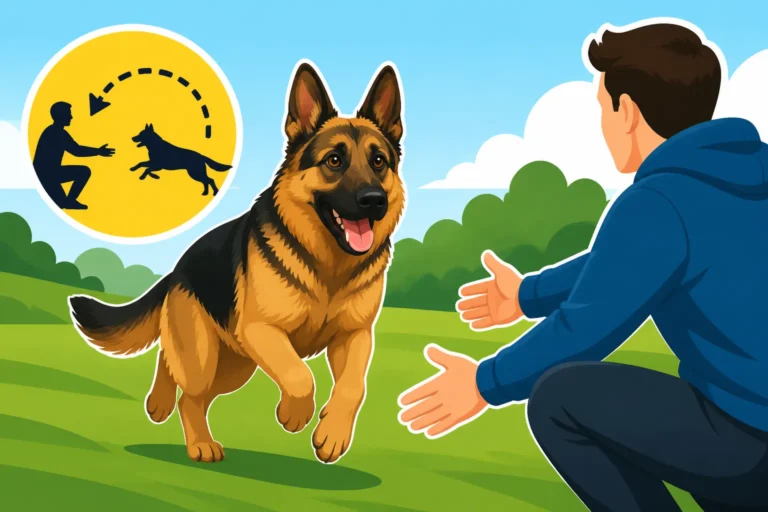
- Not a Direct Route: When you take your German Shepherd out of the crate, it needs to be an immediate, direct trip outside. No meandering, no stopping to greet family members, no letting them sniff around the house. Pick them up (if they're small enough) or leash them quickly and carry/lead them straight out the door.
- Too Much Excitement: Being let out of the crate can be exciting! This excitement can stimulate the bladder. Keep the exit calm and focused on the task at hand. Don't make a big fuss when you open the crate door.
- Insufficient Bladder Control: For very young puppies, their bladder control is still developing. They might genuinely struggle to hold it once the "pressure" is on after being released. Continue with very frequent potty breaks and celebrate every success.
The solution is to make the transition from crate to outdoor potty spot as seamless and quick as possible. Leash them while they're still in the crate if needed, and make a beeline for the door.
Submissive or Excitement Urination
Some German Shepherds, especially puppies, might urinate when they are overly excited (e.g., when you come home, during boisterous play) or when they feel submissive or fearful. This isn't a housebreaking problem in the traditional sense; it's an emotional response.
- Excitement Urination: Keep greetings low-key. Instead of getting down on their level and initiating an excited interaction the moment you walk in, ignore them for the first few minutes until they calm down. Then, calmly greet them. If it happens during play, take breaks and calm them down before resuming. Immediately take them outside if you see signs of excitement leading to urination.
- Submissive Urination: This often happens when a dog feels intimidated, perhaps by loud voices, direct eye contact, or hovering over them. To help, avoid direct eye contact, speak in a soft voice, and approach them calmly and from the side. You might also try letting them approach you rather than you approaching them, especially if they are shy. Building confidence through positive training can also help reduce submissive behaviors. Remember, scolding will only make submissive urination worse, as it increases their fear.
It's important to distinguish these behaviors from a typical "accident" because the approach to managing them is different. It's about managing their emotional state rather than solely focusing on bladder control.
Advanced Tips for Sustained Potty Training
Once your German Shepherd is consistently going potty outside and you haven't had an accident in weeks, it's time to gradually transition them towards more independence while reinforcing their good habits.
Gradual Increase in Freedom
The goal of housebreaking is not to keep your German Shepherd in a crate or on a leash tethered to you forever. Once they have demonstrated consistent reliability for several weeks (e.g., 4-6 weeks without any indoor accidents), you can start to gradually increase their freedom.
Begin by allowing them short periods of unsupervised time in a confined, easy-to-clean area, like the kitchen or a designated puppy-proofed room, immediately after they've just had a successful potty break outside. Watch them like a hawk during these times. If they show any signs of needing to go or you see them getting into trouble, it's back to basics with the crate or tether. Slowly extend these periods of freedom and expand the areas they can access, always ensuring they have just been outside and are supervised whenever possible. This process is about building trust and proving their reliability over time.
Dealing with Regression
Just when you think you've got it all figured out, your German Shepherd might have an unexpected accident indoors. This is called regression, and it's a completely normal part of dog training, often happening during adolescence or after a significant change. Don't panic, and definitely don't punish them.
Regression can be triggered by:
- Stress or Changes: A new schedule, a move, a new pet, or even construction noise can stress a German Shepherd and disrupt their routine.
- Underlying Medical Issues: Sometimes, a sudden onset of accidents can signal a urinary tract infection (UTI), kidney problems, or other health concerns. Always consult your vet to rule out medical causes, especially if the accidents are sudden and frequent. Our guide on German Shepherd Health Problems Guide covers many potential issues.
- Lack of Reinforcement: As your German Shepherd gets older, you might naturally reduce praise and treats for pottying outside. However, continue to reward them, even if with less intensity, to keep the positive association strong.
- Too Much Freedom, Too Soon: You might have increased their unsupervised time before they were truly ready.
When regression occurs, simply go back to the basics: increased frequency of potty breaks, strict supervision (crate or tether), and consistent positive reinforcement. Treat them like a young puppy for a week or two until their reliability returns, then gradually reintroduce freedom.
Transitioning to Adult Potty Habits
As your German Shepherd matures, their bladder and bowel control will improve significantly. An adult German Shepherd typically needs to go out 3-5 times a day, depending on their diet, hydration, and activity level. Many adult dogs can hold it overnight for 8-10 hours, and for several hours during the workday.
However, maintain a routine. While less frequent, consistency is still important. Regular walks that include potty breaks will help maintain their house-training while also providing much-needed exercise and mental stimulation. Continue to take them out first thing in the morning and last thing at night. If you notice any changes in their potty habits or an increase in accidents after they've been reliably house-trained, always consider a vet visit first to rule out any health issues. A healthy, well-trained German Shepherd is a joy to live with.
Sample German Shepherd Potty Training Schedule
This table provides a typical daily schedule for a young German Shepherd puppy (8-16 weeks old) during the initial housebreaking phase. Remember, consistency is key! Adjust based on your puppy's individual needs, age, and signs.
| Time | Activity | Notes |
|---|---|---|
| 6:00 AM | Wake Up & Immediate Potty Break | Leash and take straight outside. Reward heavily for success. |
| 6:15 AM – 7:00 AM | Breakfast & Play/Training (Supervised) | Supervise closely. |
| 7:00 AM | Potty Break | After eating and playing, they'll likely need to go. |
| 7:15 AM – 8:30 AM | Crate Time (or Supervised Quiet Time) | Prevents accidents. If quiet time, keep them tethered or in a playpen with constant supervision. |
| 8:30 AM | Potty Break | After waking from a nap or a period of confinement. |
| 8:45 AM – 12:00 PM | Play/Training/Nap (Rotate Crate/Supervised) | Keep active supervision during play. More crate time for naps. Take out every 2-3 hours regardless. |
| 12:00 PM | Potty Break | Mid-day break. |
| 12:15 PM – 1:00 PM | Lunch & Play/Training (Supervised) | Supervise closely. |
| 1:00 PM | Potty Break | After eating and playing. |
| 1:15 PM – 4:00 PM | Crate Time (or Supervised Quiet Time) | Good for longer nap. Again, take out every 2-3 hours if awake. |
| 4:00 PM | Potty Break | After waking. |
| 4:15 PM – 5:30 PM | Play/Training (Supervised) | More active time. |
| 5:30 PM | Potty Break | Before dinner. |
| 6:00 PM – 6:45 PM | Dinner & Quiet Play (Supervised) | Supervise closely. |
| 6:45 PM | Potty Break | After eating. |
| 7:00 PM – 9:00 PM | Family Time/Relaxation (Crate/Tethered) | Ensure close supervision or use crate. Take out every 1-2 hours. |
| 9:00 PM | Final Potty Break | Leash and take straight outside. |
| 9:15 PM | Crate for the Night | Ideally, no more food or water after 8 PM to prevent overnight accidents. |
Disclaimer
The information provided in this article is for general informational purposes only and is not a substitute for professional veterinary advice. Always consult with a qualified veterinarian or certified dog trainer for any health or behavior concerns regarding your German Shepherd.