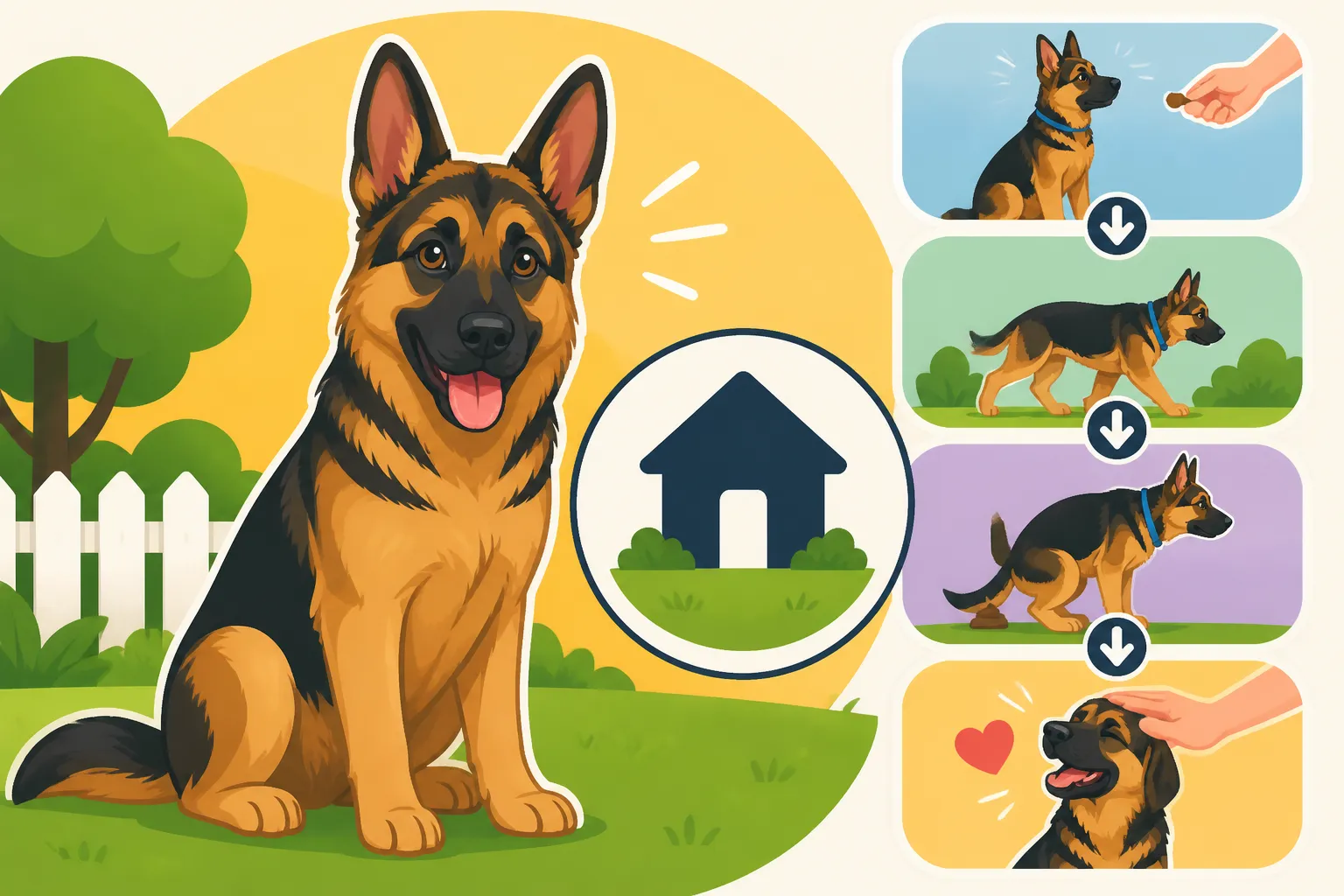
German Shepherd Potty Training: Step-by-Step
Bringing a German Shepherd puppy home is an exciting time, but let's be honest, the idea of constant accidents on your new rug can quickly overshadow the joy. Potty training a German Shepherd puppy can feel like an uphill battle at first, fraught with exasperation and endless cleaning. But fear not, because with a clear understanding of their needs, the right tools, and a consistent, step-by-step approach, you can navigate this challenge successfully and set your furry family member up for a lifetime of good habits.
Setting the Stage: Understanding Your German Shepherd Puppy's Needs
Before we even talk about specific techniques, it's crucial to understand that your German Shepherd puppy isn't trying to spite you with those puddles on the floor. They simply haven't learned the "rules" of your home yet. Their tiny bladders can only hold so much, and their instincts tell them to relieve themselves whenever the urge strikes. Your job is to gently guide them to the right place and make it a positive experience.
German Shepherd Puppy Development and Potty Habits
German Shepherd puppies, like all young dogs, develop rapidly. At 8 to 12 weeks, their bladders are small, and they have very little control. This means frequent potty breaks are non-negotiable. As they grow, their bladder capacity increases, and they gain better control, making the training process a bit smoother. Consistency during these early weeks is paramount. Think of it as building a strong foundation for a skyscraper – you wouldn't cut corners on the foundation, and you shouldn't cut corners on your puppy's early training.
Moreover, German Shepherds are intelligent and eager to please their human companions. This works in your favor! They thrive on routine and clear communication. If you establish a predictable schedule and use consistent commands and rewards, your German Shepherd will pick up on what you want remarkably quickly. They want to understand their role in the "pack," and showing them where to go potty is a fundamental part of that understanding. For a broader overview of starting off right, consider diving into our comprehensive guide on German Shepherd Puppy Training Guide.
The Importance of a Consistent Schedule
Dogs, especially German Shepherds, are creatures of habit. A predictable schedule helps them anticipate when and where they'll have the opportunity to relieve themselves. This isn't just about potty breaks; it extends to feeding times, playtimes, and sleep. When their day is structured, they feel more secure and are better able to learn. Without a schedule, your puppy is left guessing, which inevitably leads to accidents.
It’s often said that if you stick to a schedule like clockwork, your puppy will too. This involves waking up at the same time, feeding at the same time, and having designated potty breaks following every meal, play session, and nap. The more consistent you are, the faster your puppy will understand the pattern and integrate it into their daily life. Remember, this isn't just about preventing accidents; it's about building trust and communication with your new companion.
Gathering Your Gear: The Essential Potty Training Toolkit
You wouldn't start a home renovation project without the right tools, and potty training is no different. Having the necessary supplies on hand will make the process much smoother, more hygienic, and ultimately, more successful.
Crate, Leash, and Collar
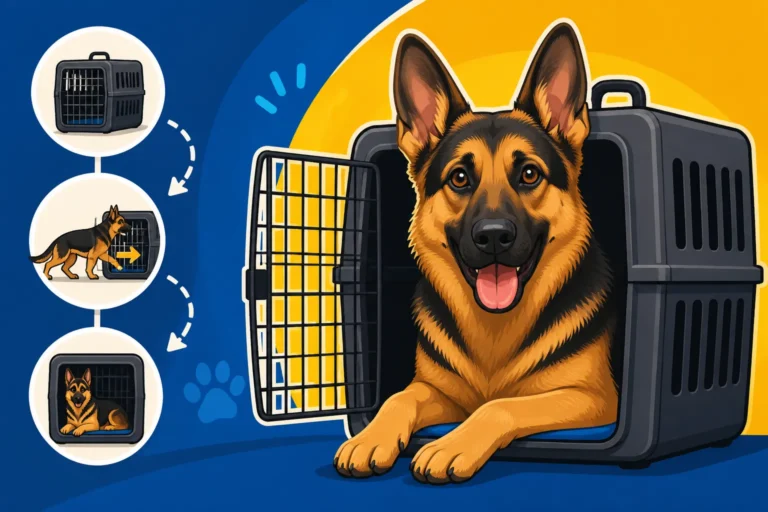
A properly sized crate is arguably the most valuable tool in your potty training arsenal. German Shepherds are naturally clean animals and generally won't soil their sleeping area unless they absolutely cannot hold it. This instinct is what makes crate training so effective for potty training. The crate should be just large enough for your puppy to stand up, turn around, and lie down comfortably, but not so large that they can designate a "potty corner" away from their sleeping spot. Many crates come with dividers, allowing you to adjust the size as your puppy grows. For detailed guidance on this, our article on How to Crate Train a German Shepherd offers invaluable advice.
A leash and collar (or harness) are also essential. You’ll use these to take your puppy directly to their designated potty spot outside. This prevents them from wandering off to play and forgetting why they're out there. It also allows you to stay close and offer immediate praise when they do their business in the right place.
High-Value Treats and Enzymatic Cleaner
When your German Shepherd puppy potties in the correct spot, you want to make it an incredibly rewarding experience. Small, soft, high-value treats are perfect for this. Think of something extra delicious that they only get for successful potty breaks. This helps them associate the act of going outside to potty with something wonderful. Don't be shy with the praise either – a happy, excited voice and a good head scratch go a long way!
Accidents will happen; it's part of the process. That's where a good enzymatic cleaner comes in. Unlike regular cleaners that just mask the odor, enzymatic cleaners break down the uric acid crystals in urine, eliminating the smell completely. This is critical because if your puppy can still smell their previous accident, they're more likely to repeat it in the same spot. Brands like Rocco & Roxie Supply Co. or Nature's Miracle are often highly recommended and readily available on platforms like Amazon. Having a large bottle on hand from day one will save you a lot of stress.
Puppy Pads and Designated Potty Spot Considerations
While some trainers advocate against puppy pads (as they can teach a puppy it's okay to go inside), they can be useful in specific situations, such as for very young puppies, during inclement weather, or if you live in an apartment without immediate outdoor access. If you do use them, place them in a consistent, easily accessible spot, and gradually move them closer to the door, eventually moving them outside entirely. The goal is always to transition to outdoor elimination.
It’s also helpful to choose a specific outdoor potty spot for your German Shepherd. Taking them to the same area consistently helps them associate that location with relieving themselves. Over time, the scent they leave behind (even if you clean up thoroughly) will act as an additional cue for them.
The Daily Grind: A Step-by-Step Potty Training Routine
Consistency, patience, and positive reinforcement are the cornerstones of successful German Shepherd potty training. This isn't a race; it's a marathon. Here's a routine you can adapt for your household.
Establishing a Consistent Feeding and Potty Schedule
The most effective way to regulate your puppy’s potty habits is to regulate their feeding schedule. Free-feeding (leaving food out all day) makes it nearly impossible to predict when your puppy will need to go. Instead, feed your German Shepherd puppy 2-3 times a day at set intervals. Remove any uneaten food after 15-20 minutes. This structured approach to mealtime directly impacts their elimination schedule. For specific guidelines, our article on German Shepherd Puppy Feeding Schedule provides excellent resources.
Sample Daily Potty Training Schedule (Adjust for puppy's age and needs):
| Time | Activity | Potty Break? | Notes |
|---|---|---|---|
| 6:30 AM | Wake Up, Immediate Potty Break | Yes | First thing in the morning is crucial. |
| 6:45 AM | Breakfast | No | Feed in the crate or a designated feeding area. |
| 7:00 AM | Potty Break after Eating | Yes | Often need to go shortly after eating/drinking. |
| 7:15 – 8:00 AM | Playtime/Training Session | No | Supervised play, watch for signs they need to go. |
| 8:00 AM | Potty Break | Yes | After play, before crating. |
| 8:00 – 12:00 PM | Crate Time (or supervised nap if home) | No | Puppy can hold it longer in the crate. |
| 12:00 PM | Potty Break after Crate | Yes | Immediately outside. |
| 12:15 PM | Lunch | No | |
| 12:30 PM | Potty Break after Eating | Yes | |
| 12:45 – 2:00 PM | Playtime/Quiet time | No | Frequent checks, especially if playing actively. |
| 2:00 PM | Potty Break | Yes | Mid-afternoon. |
| 2:00 – 5:00 PM | Crate Time (or supervised nap) | No | |
| 5:00 PM | Potty Break after Crate | Yes | |
| 5:15 PM | Dinner | No | |
| 5:30 PM | Potty Break after Eating | Yes | |
| 5:45 – 8:00 PM | Playtime/Family Time | No | Last big play session, another break during this time if needed. |
| 8:00 PM | Potty Break | Yes | Before evening wind-down. |
| 9:30 PM | Last Potty Break before Bed | Yes | Crucial for a good night's sleep. |
| 10:00 PM | Bedtime in Crate | No | |
| Overnight | One or two additional potty breaks as needed for very young puppies | Yes | Set an alarm if your puppy is under 12-14 weeks. |
Executing the Potty Break Ritual
Every time you take your German Shepherd puppy out for a potty break, follow these steps:
- Leash Up: Even in a fenced yard, use the leash. This keeps your puppy focused and prevents them from getting distracted by squirrels or interesting smells.
- Go to the Spot: Take them directly to their designated potty area. Avoid playtime until they've done their business.
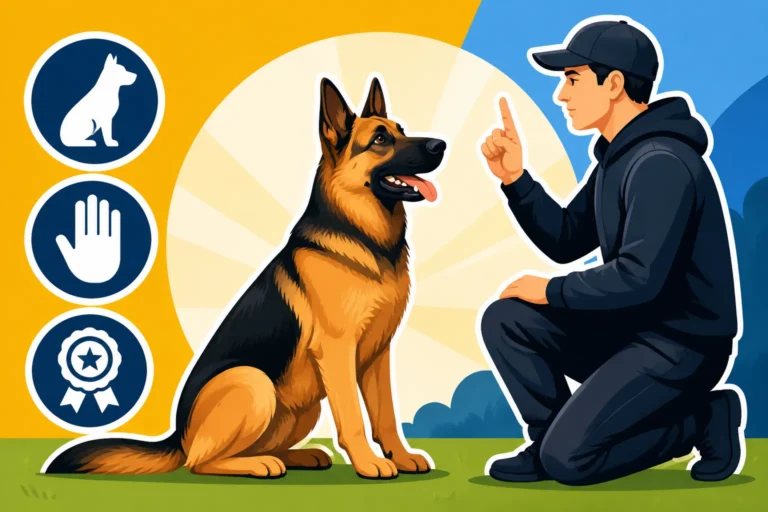
- Use a Command: As they start to squat or lift a leg, use a consistent, calm command like "Go Potty" or "Hurry Up." This helps them associate the command with the action.
- Praise and Reward: The instant they finish, praise them enthusiastically ("Good Potty!") and give them that high-value treat. This immediate positive reinforcement is key.
- Playtime (Optional): Once they’ve pottied successfully, you can allow for a short supervised play session in the yard as an additional reward, reinforcing that going potty quickly leads to fun.
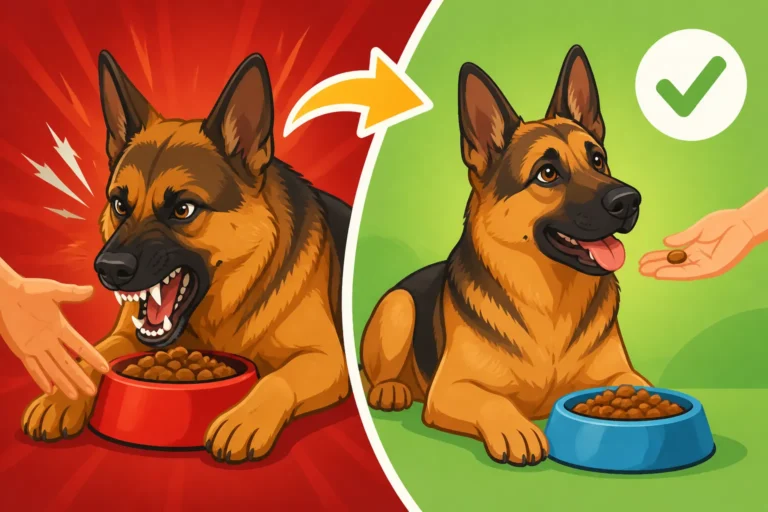
Always supervise your puppy, especially during play or free time in the house. Watch for signs they need to go, such as sniffing around intently, circling, or suddenly stopping play. When you see these signs, calmly and quickly take them outside. If you notice them eliminating inside, avoid scolding or punishing them. A loud noise or angry reaction might scare them, teaching them to hide their accidents from you rather than learning where to go. Instead, interrupt them with a clap or a sharp "Ah-ah!", scoop them up, and rush them outside to their designated spot. If they finish outside, praise and reward. If not, bring them back inside and try again in 10-15 minutes.
Remember, every successful potty break is a step forward, and every accident is a learning opportunity for both you and your German Shepherd puppy. This consistent approach builds a strong foundation for future behaviors, as outlined in our discussions on German Shepherd Obedience Training Basics.
When Things Go Wrong: Troubleshooting Potty Training Challenges
Potty training isn't always a smooth, linear progression. There will be setbacks, frustrations, and moments when you wonder if your German Shepherd will ever "get it." It's important to approach these challenges with patience and an investigative mindset, rather than anger.
Identifying the Root Cause of Accidents
If your German Shepherd puppy is having frequent accidents, the first step is to figure out why. Is it a scheduling issue, a communication breakdown, or something else entirely?
- Schedule Adjustments: Are your potty breaks frequent enough? Very young puppies (under 12 weeks) might need to go out every 30-60 minutes when awake. Are you taking them out immediately after waking, eating, and playing? Review your schedule and tighten it up.
- Supervision Lapses: Are you giving your puppy too much freedom too soon? If they're not fully potty trained, they shouldn't be unsupervised in the house. This is where tethering them to you or using a playpen or a properly sized crate (as discussed in German Shepherd Crate Training: Step-by-Step) becomes incredibly important.
- Cleaning Issues: Are you using an enzymatic cleaner every time? If not, residual odors might be attracting your puppy back to old accident spots.
- Medical Issues: Sometimes, frequent accidents can be a sign of a urinary tract infection (UTI) or other health concerns. If your puppy suddenly starts having many accidents after being largely successful, or if they seem to be straining, drinking excessively, or showing discomfort, a vet visit is in order. It's always a good idea to monitor your German Shepherd's overall German Shepherd Health Problems Guide and consult with your vet about any unusual symptoms.
- Submissive or Excitement Urination: Some puppies may urinate when overly excited (e.g., when you first come home) or when they feel submissive (e.g., being scolded). This isn't a potty training problem in the traditional sense; it's a behavioral one. For excitement urination, greet your puppy calmly and take them straight outside. For submissive urination, avoid harsh scolding and focus on building their confidence.
Addressing Common Potty Training Hurdles
Let’s tackle some specific scenarios:
- "My puppy potties inside right after we come in from a potty break!" This is a common and incredibly frustrating scenario. It often means your puppy wasn't truly empty outside. Ensure you give them ample time (5-10 minutes) in their designated spot. Walk a small circle with them, don't just stand there. Use your potty command repeatedly. If they don't go, bring them inside and immediately put them back in their crate for 10-15 minutes, then try again. Repeat this cycle until they succeed outside. Don't reward them with playtime inside until they've successfully eliminated outside.
- "My puppy holds it in the crate all night but still has accidents during the day." This indicates they understand not to soil their sleeping area, which is great! The issue is likely a lack of supervision or insufficient potty breaks during the day. Re-evaluate your daytime schedule and ensure you are taking them out frequently enough, especially after sleep, food, and play.
- "My puppy won't potty outside when it's raining/cold/snowing." German Shepherds can be sensitive to weather. Make the outdoor experience as comfortable as possible. Consider a small rain jacket or a designated covered area. Take them out frequently and don't linger. Praise and reward heavily when they do go. Their comfort level will improve with consistent positive experiences.
If you find yourself truly stuck, don't hesitate to seek professional help. Many excellent online training programs, such as BAXTER & Bella, offer comprehensive guidance and support for all stages of puppy training, including potty training, that can provide personalized advice. These resources can be a lifeline for overwhelmed new owners.
Transitioning to Outdoor Independence
The ultimate goal of potty training is to have a German Shepherd who reliably potties outside without constant supervision or strict scheduling. This transition happens gradually as your puppy matures.
Gradually Increasing Freedom Indoors
Once your German Shepherd puppy has gone several weeks (usually 4-8) without any indoor accidents, you can start to gradually increase their freedom. Instead of constant tethering, allow them short periods of unsupervised time in a confined, puppy-proofed area. Keep their crate accessible as a safe den.
Continue with your regular feeding and potty schedule, even if they seem to be holding it longer. Slowly extend the time between potty breaks. For example, if they've been going every 2 hours, try 2.5 hours, then 3. Always keep an eye out for those pre-potty signals, and if you see them, take your puppy out immediately. If they have an accident during this increased freedom, don't get discouraged! It just means you increased freedom a little too quickly. Go back to more structured supervision for a bit longer, and then try again. This process is often part of the broader journey of German Shepherd Behavior Problems and Solutions as you teach them house manners.
Reinforcing Good Habits Long-Term
Potty training isn't just for puppies; it's about establishing a lifelong habit. Even as an adult, maintain a consistent routine for your German Shepherd, especially regarding feeding times. Continue to take them out regularly. While you might not need to praise with a treat every single time they go outside as an adult, occasional verbal praise is always appreciated.
Remember that unexpected changes in routine (like a new schedule or travel) can sometimes cause temporary setbacks, even in adult dogs. Be patient and return to the basic potty training principles if needed. Moving to a new home, for instance, might require a brief refresher course where you treat your adult dog like a puppy for a few days, going out frequently and praising heavily. The goal is a confident, well-adjusted German Shepherd who knows exactly where to do their business, making life more pleasant for everyone in the family.
Disclaimer
This article is for general informational purposes only and does not constitute professional advice. Laws, prices and regulations vary by location and change over time. Consult a qualified professional for guidance on your specific situation.