How to Do Potty Training with a German Shepherd
Potty training a German Shepherd puppy can feel like an endless cycle of cleaning up puddles and questioning your life choices, especially when you're dealing with a breed known for its intelligence yet sometimes surprising stubbornness. It’s frustrating when you think you’ve got it figured out, only to step in a fresh mess right after a long walk outside. But don't despair! This comprehensive guide will walk you through proven strategies to successfully potty train your German Shepherd, turning those frustrating accidents into a distant memory.
Understanding Your German Shepherd's Potty Habits
Before you can effectively teach your German Shepherd where to go, it helps to understand their natural inclinations and how they communicate their needs. This isn't just about setting rules; it's about understanding the unique canine communication system your furry friend is trying to use.
The Natural Instincts of a German Shepherd
German Shepherds, like most dogs, have an inherent desire to keep their den clean. This means they naturally prefer not to soil the area where they eat and sleep. This instinct is your biggest ally in potty training, and it’s why crate training is such an effective tool. A well-sized crate leverages this natural cleanliness, encouraging them to hold their bladder and bowels until they are taken outside. It's a fundamental aspect that makes training less of a battle against nature and more of a guiding hand.
Beyond their denning instinct, puppies also tend to relieve themselves shortly after waking up, eating, drinking, or playing. This is a predictable pattern across many breeds, but it's particularly important to tune into with a German Shepherd puppy who might be growing rapidly and consuming more food and water. Ignoring these natural windows of opportunity is often where most accidents happen indoors, simply because we're not anticipating their physiological needs. Understanding these biological rhythms is the first step toward building a successful routine.
Recognizing Potty Cues
Your German Shepherd will almost certainly try to tell you they need to go out, but sometimes their signals are subtle, especially in younger puppies. Common cues include sniffing around frantically, circling, whining, pacing near the door, or suddenly interrupting their play to stand still with a focused, almost anxious look. Some might even begin to crouch slightly or even start heading towards a secluded corner of the house.
It's crucial to observe your dog closely, particularly during those peak potty times. Every German Shepherd is an individual, and while one might scratch at the door, another might give a soft whine that's easily missed amidst household noise. By paying close attention in the initial weeks, you'll learn your particular dog's unique signals, allowing you to preempt accidents before they happen. Early recognition of these cues can save you a lot of clean-up time and build confidence in your pup.
The Importance of a Schedule
Consistency is king when it comes to potty training, and a strict schedule removes much of the guesswork for both you and your German Shepherd. Puppies thrive on predictability, and knowing when they will get their next opportunity to go outside reduces anxiety and helps them regulate their bodily functions. A reliable schedule helps to reinforce positive habits and speeds up the training process significantly.
For a young German Shepherd puppy, this means frequent trips outside – often every 1-2 hours initially, plus immediately after waking up, eating, drinking, and playing. As they get older, their bladder control will improve, and you can gradually extend the time between trips. Establishing a consistent feeding schedule is also critical, as food intake directly influences when they'll need to go to the bathroom. For more in-depth guidance on this, you might find our article on German Shepherd Puppy Feeding Schedule extremely helpful.
Essential Supplies for Potty Training Success
Having the right tools on hand can make a world of difference in your potty training journey. It reduces stress, helps manage accidents, and reinforces positive behaviors more effectively. Don't underestimate the power of preparation!
Crates and Pens
A properly sized crate is arguably the most valuable tool for potty training your German Shepherd. As mentioned, it leverages their natural instinct to keep their sleeping area clean. The crate should be just large enough for your German Shepherd to stand up, turn around, and lie down comfortably. If it’s too large, they might use one end as a bathroom and the other as a bed, defeating the purpose. Many crates come with a divider so you can adjust the size as your puppy grows. For a detailed guide on how to introduce and utilize this tool effectively, check out our insights on How to Crate Train a German Shepherd.
Beyond the crate, an exercise pen (or "ex-pen") can be incredibly useful, especially for those times when you can't supervise your puppy 100% but don't want to confine them to a small crate for too long. An ex-pen gives them a bit more room to play and move, but still keeps them in a designated, safe, and easily cleanable area. You can find excellent, durable pens for large breeds on platforms like Amazon, often made from heavy-duty metal wire that can stand up to a growing German Shepherd's energy.
Cleaning Supplies for Accidents
Accidents will happen – it's an unavoidable part of the potty training process. The key is to clean them up thoroughly and quickly to prevent your German Shepherd from being attracted back to the same spot by residual odors. Regular household cleaners often aren't enough, as dogs have a much stronger sense of smell than humans.
You'll need an enzymatic cleaner designed specifically for pet stains and odors. These cleaners break down the uric acid crystals in urine, completely neutralizing the smell and eliminating the "potty spot" signal for your dog. Keep a bottle easily accessible, along with paper towels and maybe even a small carpet cleaner if you have a lot of rugs. Prompt and effective cleanup not only maintains hygiene but also prevents the perpetuation of undesirable habits.
Rewards and Motivation
Positive reinforcement is the most effective way to train a German Shepherd. They are intelligent and eager to please, and when they understand that going potty outside leads to good things, they’ll be much more motivated to do it. High-value treats are your best friend here – something irresistible like small pieces of cooked chicken, cheese, or specialized training treats. The treat should be small enough to be eaten quickly so as not to distract them too much from the task at hand.
Verbal praise, enthusiastic petting, and even a quick game of fetch with a favorite toy can also serve as powerful motivators. The timing is crucial: the reward needs to be given immediately after they finish going potty outside, within seconds. This immediate association helps your German Shepherd connect the act of relieving themselves outdoors with the positive consequence. Consider exploring training platforms like BAXTER & Bella, which emphasize positive reinforcement methods that align perfectly with this approach.
The Step-by-Step Potty Training Process
Potty training is a marathon, not a sprint, but with a clear, consistent approach, you’ll see steady progress. Let's break down the process into actionable steps.
Establishing a Routine
This is the bedrock of successful potty training. From the moment your German Shepherd puppy wakes up, your routine should kick in. Take them out immediately. After they eat or drink, take them out. After a play session, take them out. Before bedtime, take them out. And, of course, regular scheduled trips throughout the day, even if they haven’t given obvious cues. A good rule of thumb for puppies is that they can generally hold their bladder for about one hour per month of age, plus one. So, a 3-month-old puppy might hold it for around 4 hours. However, always err on the side of more frequent trips.
Create a written schedule and stick to it religiously. Involve everyone in the household so that the routine is consistent, no matter who is supervising the dog. This predictability helps your German Shepherd's body learn to anticipate when and where they should relieve themselves. Skipping a scheduled potty break, even just once, can set back progress by confusing your puppy.
Taking Them Out Frequently
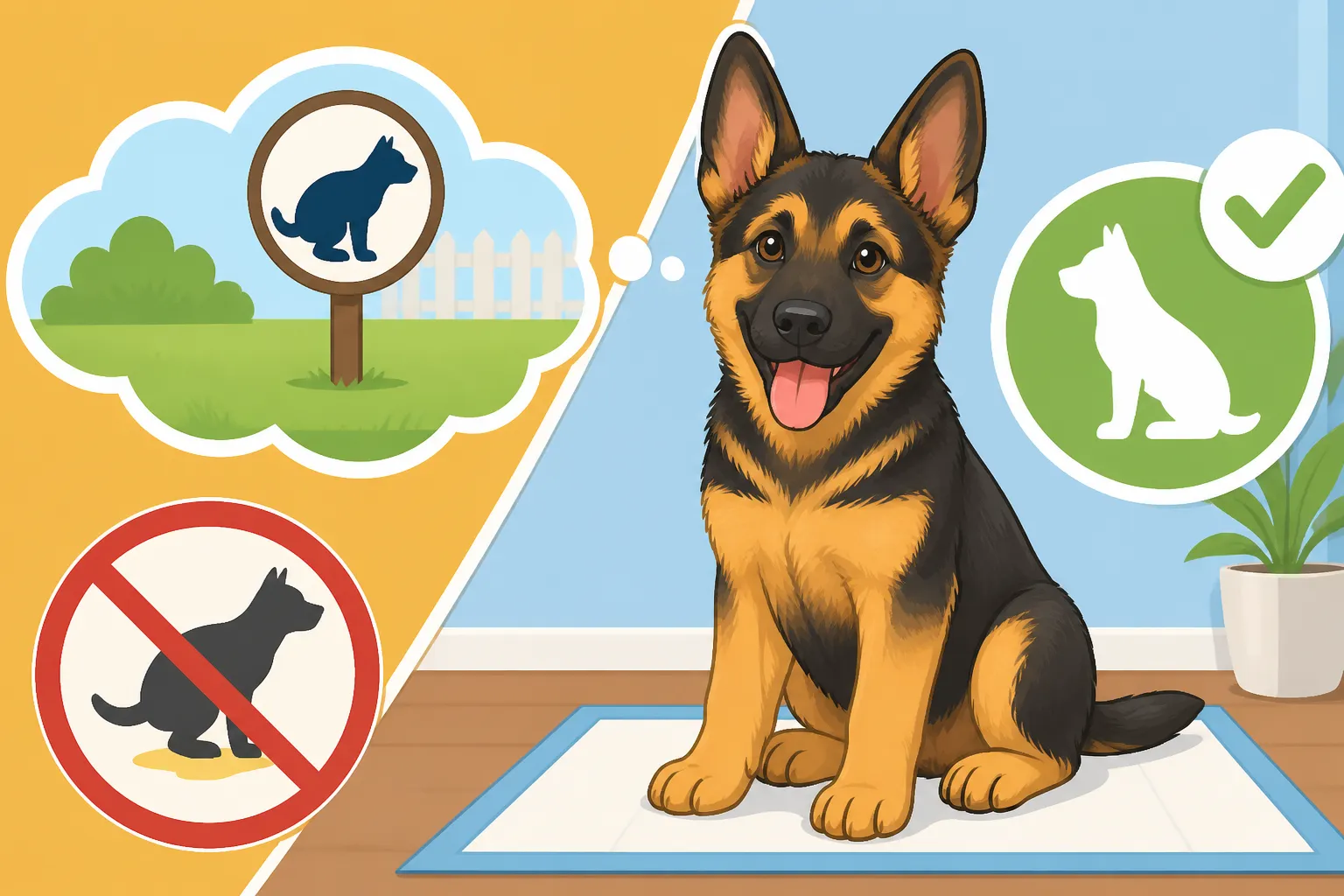
When you take your German Shepherd out for a potty break, make it a dedicated trip. Avoid letting them play and get distracted right away. Take them to a specific "potty spot" in your yard. This helps them associate that particular area with relieving themselves. Use a consistent verbal cue, like "go potty" or "do your business," every single time. This command helps them understand what you expect when you’re out there.
Stay with them until they’ve done their business. Don't just open the door and let them wander; active supervision is key. Once they finish, praise them enthusiastically and give them that high-value treat immediately. Then, and only then, can you allow a short play session in the yard as an additional reward, making the entire experience positive and reinforcing the desired behavior. If you’re struggling with an energetic pup, knowing How Much Exercise Does a German Shepherd Need can help you schedule their energy outlets around potty breaks.
Rewarding Good Behavior
We can’t stress this enough: rewards are paramount. When your German Shepherd successfully potties outside, make a big deal about it! Give them that tasty treat, offer lavish praise ("Good potty!"), and perhaps a quick, happy petting session. This immediate positive reinforcement creates a strong association in their mind: "Pottying outside equals good things!"
The reward needs to be instant and sincere. If you wait until you get back inside to give the treat, your German Shepherd won't connect the reward to the act of going potty outdoors. Consistency in rewarding means every successful outdoor potty break gets the same enthusiastic response, which helps solidify the habit quickly. This is also a crucial part of German Shepherd Basic Commands Every Owner Should Teach because it builds a foundation of trust and understanding.
Handling Accidents Gracefully
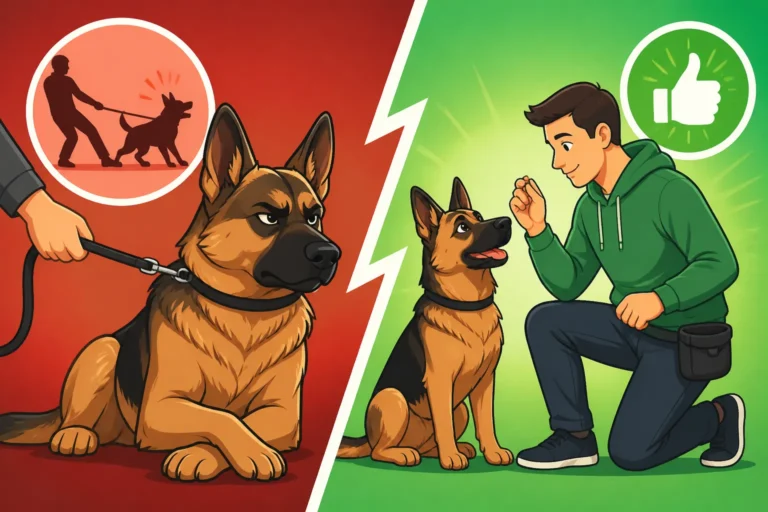
Accidents will inevitably happen, especially in the early stages. The most important thing is how you react. Never scold, punish, or rub your dog's nose in an accident. German Shepherds are sensitive, and punishment after the fact will only teach them to fear you or to hide their accidents, making them less likely to let you know when they need to go. If you catch them in the act, a sharp but not scary sound (like "Ah-ah!" or a clap) can interrupt them. Immediately pick them up and rush them outside to their designated potty spot to finish. If they do, reward them like crazy.
If you discover an accident after the fact, simply clean it up thoroughly with an enzymatic cleaner and move on. Don't make a fuss. Remember, they don't connect a mess discovered later with your displeasure. The goal is to prevent future accidents by refining your routine and supervision, not by punishing past mistakes. Every accident is a learning opportunity for you to refine your observation and timing.
Common Potty Training Challenges and Solutions
Even with the best intentions and a solid routine, you might hit a few bumps in the road. German Shepherds can be quirky, and sometimes their challenges require a bit more specific attention.
Submissive or Excitement Urination
Some German Shepherds, particularly puppies or more sensitive individuals, might urinate when they are excited, nervous, or trying to show submission. This isn't a potty training issue in the traditional sense; it's an involuntary response. For submissive urination, which often occurs when a dog feels threatened or overly intimidated, try to minimize direct eye contact, avoid looming over them, and approach them calmly and from the side. Allow them to approach you on their terms.
Excitement urination, on the other hand, often happens during enthusiastic greetings. To manage this, keep greetings low-key. When you arrive home, ignore your dog for a few minutes until they calm down, then calmly take them outside for a potty break before engaging in play or affection. Avoid overly stimulating situations right after they drink water. This will help them develop better bladder control during moments of high emotion.
Regression in Older Puppies or Adults
You thought you had it all figured out, and suddenly your perfectly potty-trained German Shepherd puppy starts having accidents again! This regression can be incredibly frustrating. First, rule out any medical issues. A sudden change in potty habits, especially if accompanied by other symptoms like excessive thirst, lethargy, or changes in stool consistency, warrants a vet visit. Issues like a urinary tract infection or even German Shepherd Pancreatitis: Symptoms and Treatment can impact bladder control.
If medically cleared, consider recent changes in their environment or routine. Did you move? Is there a new person or pet in the house? Have their feeding or exercise schedules changed? Stress or a break in routine can trigger regression. Go back to basics: reinforce the strict schedule, frequent potty breaks, and lavish rewards for outdoor success. Sometimes, teenage German Shepherds, much like human teenagers, test boundaries and need a refresher course in their manners. Our German Shepherd Senior Care Guide also touches on similar issues for older dogs experiencing age-related bladder control changes.
Refusal to Potty Outside
Sometimes, a German Shepherd might refuse to potty outside, especially if the weather is bad (rain, snow, extreme cold/heat), or if they are distracted. If your dog holds it during their outdoor trip only to relieve themselves the moment they get back inside, you're not alone in this frustration. The key is to be more persistent than they are.
Stay outside longer. Walk them around the potty spot calmly, offering your verbal cue periodically. Don't engage in play until they’ve gone. If they still don't go after a reasonable amount of time (say, 15-20 minutes), bring them back inside and immediately put them in their crate or exercise pen for 15-20 minutes. Then, take them back outside and repeat the process. This cycle teaches them that coming inside doesn't mean playtime, but another chance to go potty. Eventually, they'll get the message that the easiest way to get back to fun activities is to do their business outside.
Advanced Tips for a Potty-Trained German Shepherd
Once your German Shepherd has the basics down, you can introduce more advanced techniques to solidify their training and make communication even clearer.
Bell Training
Bell training is a fantastic way to give your German Shepherd a clear, unambiguous way to tell you they need to go outside. It’s simple to teach and incredibly effective. Start by hanging a set of bells (available on Amazon, or even a few old Christmas bells) on the doorknob of the door you use for potty breaks, low enough for your dog to reach easily with their nose or paw.
Every time you take your German Shepherd out to potty, gently tap their paw or nose against the bells, say "bells," and then immediately take them out. When they potty outside, reward them. They will quickly associate the sound of the bells with going outside. Soon, they will start ringing the bells themselves when they need to go, giving you a clear signal. Be patient; some dogs pick it up in a few days, others take a few weeks. The key is absolute consistency.
Overnight Potty Management
Managing potty breaks overnight is a significant hurdle for many German Shepherd owners, especially with young puppies. The primary strategy here is the crate. Ensure your puppy's crate is appropriately sized so they won't want to soil it. Make sure they get a final potty break right before bedtime, even if it means waking them up from a nap for a quick trip outside. Then, immediately into the crate they go.
For young puppies, you might need one or two scheduled potty breaks during the night. Set an alarm and take them out without much fanfare or play – just a quick trip to their potty spot, praise for success, and then back to the crate. As they get older and develop better bladder control, you can gradually extend the time between these overnight trips. This is a critical period for developing their ability to hold it for longer stretches, which is why a strict schedule, as discussed in German Shepherd Puppy Training Guide, is so vital.
Consistency Across Family Members
Potty training isn't a solo endeavor; it requires a united front from everyone in the household. If one person adheres strictly to the schedule and rules, but another occasionally lets the dog out to play before they potty or doesn't use the same verbal cues, it can confuse your German Shepherd and prolong the training process. Every family member needs to be on the same page regarding the schedule, the potty spot, the verbal cues, and the reward system.
Hold a family meeting to discuss the potty training plan and assign responsibilities. Children, especially, need clear instructions on how to interact during potty breaks and what to do if they spot an accident. This collective effort ensures your German Shepherd receives consistent messages, helping them learn faster and with less stress. Remember, consistency builds trust and clear understanding, which is the foundation of any good relationship with your canine companion.
| Potty Training Element | Best Practice | Why it Works |
|---|---|---|
| Crate Usage | Appropriately sized, never for punishment. | Leverages natural instinct to keep den clean; aids bladder control development. |
| Schedule | Strict, frequent trips (esp. after waking, eating, playing). | Establishes predictability, helps regulate bodily functions, prevents accidents. |
| Potty Spot | Consistent outdoor location. | Helps dog associate a specific area with relieving themselves. |
| Verbal Cue | "Go Potty," "Do Business" – consistent phrasing. | Helps dog understand your expectation when taken outside. |
| Rewards | High-value treats & enthusiastic praise immediately. | Creates strong positive association with outdoor pottying. |
| Accident Handling | Clean with enzymatic cleaner; no punishment. | Eliminates residual odor markers; prevents fear/hiding behavior. |
| Supervision | Constant when not crated/penned; active during potty breaks. | Allows for cue recognition, immediate intervention for accidents, and prompt rewards. |
| Bell Training | Hang bells at door, tap dog's nose/paw before going out. | Gives dog a clear way to communicate their need to go out. |
Disclaimer
The information provided in this guide is for general informational purposes only and does not constitute professional veterinary advice. Always consult with a qualified veterinarian or certified professional dog trainer for any health concerns or before implementing any new training techniques for your German Shepherd. Individual results may vary.