German Shepherd Puppy Training Schedule by Week
Bringing home a German Shepherd puppy is an exhilarating experience, but let's be honest, it can also feel utterly overwhelming. Suddenly, you're responsible for a tiny, energetic fluffball that seems to have boundless curiosity and a bladder the size of a thimble. Trying to figure out where to even begin with training, what to teach when, and how to stay sane through the nipping and potty accidents is a common struggle for every new GSD parent. This comprehensive guide is here to cut through the confusion, offering you a clear, week-by-week training schedule designed specifically for your German Shepherd puppy, helping you build a strong foundation for a well-behaved, confident companion.
The Foundation: Understanding German Shepherd Puppy Development Stages
Before we dive into specific training tasks, it’s really helpful to understand the different developmental stages your German Shepherd puppy will go through. Knowing what to expect at each phase helps you tailor your training methods and manage your expectations, which, trust me, will save you a lot of headaches and frustration. You wouldn't expect a toddler to ace calculus, right? The same goes for puppies; their brains and bodies develop on a timeline.
Early Critical Periods and Their Impact
Your German Shepherd puppy's brain is like a sponge during these early weeks, soaking up everything. Even before they come home to you, the experiences they have (or don't have) can shape their future temperament and willingness to learn.
The neonatal period (birth to about two weeks) and the transitional period (weeks two to three) are mostly about physical development. During these times, puppies are entirely dependent on their mother. Gentle handling by the breeder, even at this super early stage, can introduce them to human touch. While you won't be actively training during these weeks, the foundations for a calm, well-adjusted adult are being laid through careful breeding and early care. A responsible breeder will ensure these critical early weeks are handled with care, providing a safe and stimulating environment that sets the stage for future learning and resilience.
The Crucial Socialization Window: Weeks 3-12
This is perhaps the most vital period for any German Shepherd puppy, truly shaping their personality and how they interact with the world. From about three weeks until twelve weeks, puppies are most open to new experiences and least fearful. This is the prime time to introduce them to a wide variety of sights, sounds, people, places, and other friendly, vaccinated dogs.
Think of it this way: every positive experience your puppy has during this window is like adding a sturdy brick to their confidence wall. If they only meet one type of person or never leave your backyard, that wall will have gaps, leading to potential fear or reactivity later on. Exposing them gently to vacuum cleaners, car rides, children, different surfaces, and even various types of hats or glasses can make a huge difference. However, it’s absolutely critical that these exposures are positive and not overwhelming. You want to avoid any scary or traumatic experiences, as these can create lasting negative associations. Remember, it's not just about exposure, but controlled, positive exposure.
The Juvenile and Adolescent Phases: Weeks 12-24 and Beyond
After the intense socialization window, your German Shepherd puppy enters the juvenile phase (roughly 12 to 24 weeks), which is like their pre-teen years. They're growing rapidly, gaining confidence, and testing boundaries. This is when you'll really see their unique personality shine – and perhaps a bit of stubbornness! They might start to challenge commands they once knew perfectly, or act like they've forgotten everything you've taught them.
This phase is all about consistency and continued practice. It's not the time to back off training; in fact, it's when you need to double down on reinforcement. Their bodies are developing quickly, so it’s also a time to be mindful of How Much Exercise Is Too Much for a Puppy to protect their growing joints. The adolescent phase can last up to two years for a large breed like a German Shepherd. This is their "teenage" period, marked by growth spurts, a second fear period, and often a surge in independence and boundary-pushing. If you're wondering How to Handle German Shepherd Teenage Phase, know that patience and clear expectations are your best friends. Keep training fun, varied, and challenging to keep them engaged, but always prioritize building a strong, trusting relationship.
Week-by-Week Training Blueprint: Early Weeks (8-16)
The moment your German Shepherd puppy steps paw into your home, the real work (and fun!) begins. These initial weeks are all about building trust, establishing routines, and laying the groundwork for basic obedience.
The First Week Home: Building Trust and Routine (Week 8)
Bringing a new puppy home is a massive transition for them. They’ve just been separated from their littermates and mother, and everything is new and potentially scary. Your primary goal this first week is to make them feel safe, secure, and loved. This isn't the time for intensive obedience drills, but rather for gentle introductions and routine building.
Start with establishing a consistent schedule for feeding, potty breaks, play, and sleep. This predictability helps your puppy feel secure and makes potty training significantly easier. Immediately begin How to Potty Train a German Shepherd Puppy by taking them out frequently – every 30-60 minutes, after waking up, after eating, and before bed. Praise and reward immediately when they go outside. Accidents will happen; clean them up without scolding, as scolding only teaches them to hide their accidents, not to go outside. Crate training should also start on day one. A crate isn't a punishment; it's a safe den for your puppy. Introduce it positively with treats and toys. Our guide on How to Crate Train a German Shepherd has a step-by-step approach to make this process smooth. Keep interactions positive, calm, and focus on building that initial bond.
Building Basic Manners: Name, Sit, Down, Leash (Weeks 9-12)
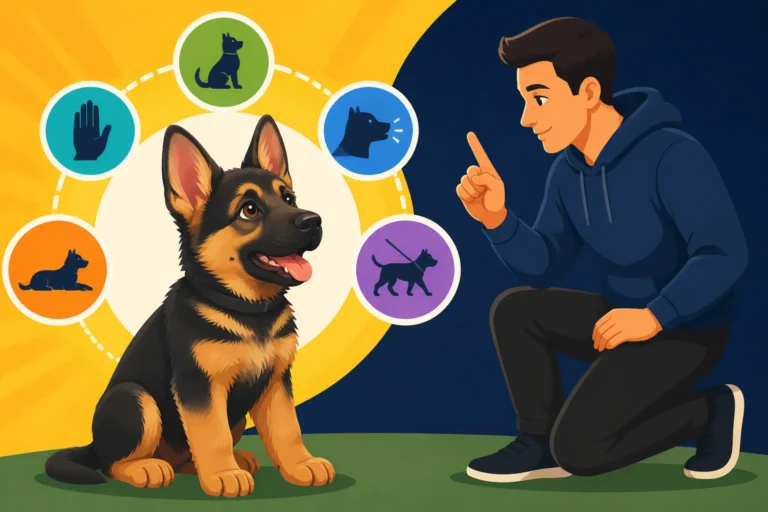
Once your puppy is starting to settle into a routine and feels more comfortable in their new home, you can begin introducing basic commands. Keep training sessions short, frequent (5-10 minutes, several times a day), and fun.
Week 9-10: Focus on their name and "Sit."
- Name Recognition: Say their name in a happy tone, and when they look at you, immediately reward them with a small, high-value treat. Repeat this dozens of times a day in various environments. This teaches them that their name means "pay attention to me!"
- "Sit": Lure them into a sit position by holding a treat above their head and slowly moving it towards their tail. As their bottom touches the ground, say "Sit!" and immediately reward. Practice in short bursts.
- Leash Introduction: Get them used to wearing a light collar and leash for short periods, first indoors, then in the yard. Make it a positive experience with treats. Don't worry about walking yet, just getting comfortable with the equipment. This is a great precursor to How to Leash Train a German Shepherd Puppy.
Week 11-12: Introduce "Down" and reinforce "Sit."
- "Down": Once "Sit" is solid, you can teach "Down." Lure them from a sit position by holding a treat to their nose and then sweeping it down to the floor and slightly forward, encouraging them to lie down. As they do, say "Down!" and reward.
- Come/Recall: Begin practicing "Come" in a secure, distraction-free environment. Start by kneeling a short distance away, saying "Puppy, come!" in an excited voice, and immediately rewarding them with a treat and praise when they reach you. Make it the most exciting thing in the world! This is a skill that saves lives, so consistent practice, as detailed in How to Teach a German Shepherd to Come, is paramount.
- Bite Inhibition: German Shepherd puppies are notoriously mouthy. German Shepherd Puppy Biting: What to Do is a key training area. When your puppy bites too hard during play, yelp loudly ("Ow!"), withdraw your hand, and stop playing for a few seconds. This teaches them that hard bites end the fun. Redirect to appropriate chew toys.
Expanding Horizons and Social Skills (Weeks 13-16)
This period builds on the basics and focuses heavily on expanding your puppy's world in a safe, structured way. Their critical socialization window is closing, so these weeks are vital for consolidating positive experiences.
Week 13-14: Continue refining all basic commands. Increase the duration of "Sit" and "Down" before rewarding. Introduce short walks around your neighborhood, continuing to make the leash a positive experience. Focus on loose-leash walking principles from day one. Enroll in a puppy kindergarten class if you haven't already. These classes provide controlled socialization opportunities with other puppies and people, and professional guidance. For great online resources, consider platforms like BAXTER & Bella, which offer comprehensive puppy training programs and support, which can be invaluable for navigating this stage.
Week 15-16: Introduce the "Stay" command, starting with very short durations and no distractions, then gradually increasing both. Practice "Come" in slightly more distracting environments (e.g., in the park on a long line). Continue frequent, positive socialization outings. Take your puppy to pet-friendly stores (like Lowe's or Petco), quiet parks, or friends' houses. The goal is positive exposure to new sights, sounds, and smells without overwhelming them. A robust German Shepherd Socialization Checklist can help ensure you cover all your bases. Remember to make every interaction positive and rewarding with treats and praise.
| Age Range (Weeks) | Key Training Focus | Essential Skills | Socialization Goals |
|---|---|---|---|
| 8-10 | Foundation, Trust, Routine | Potty training, Crate training, Name recognition | Gentle handling, Household sounds |
| 11-12 | Basic Obedience, Leash Intro | Sit, Down, Come (indoor), Leash comfort | Puppy class, Family & friends |
| 13-16 | Expanding Skills, Controlled Exposure | Stay, Loose-leash walking, Bite inhibition | Public spaces (safe), Varied surfaces |
| 17-26+ | Proofing, Impulse Control, Adolescent | Advanced commands, Stay (duration/distance), Leave It | Continued exposure, Dog park etiquette (with caution) |
Week-by-Week Training Blueprint: Adolescent Weeks (17-26+)
Your German Shepherd puppy is growing fast, both physically and mentally. These are often the "teenage" months where they might test boundaries and display more independence. Your training needs to adapt to this new stage.
Navigating the "Teenage" Phase: Consistency and Proofing (Weeks 17-22)
Just like human teenagers, GSD adolescents can be a handful. They might suddenly "forget" commands they knew perfectly, or they might become more easily distracted by their surroundings. This is a completely normal part of their development, but it requires your unwavering consistency.
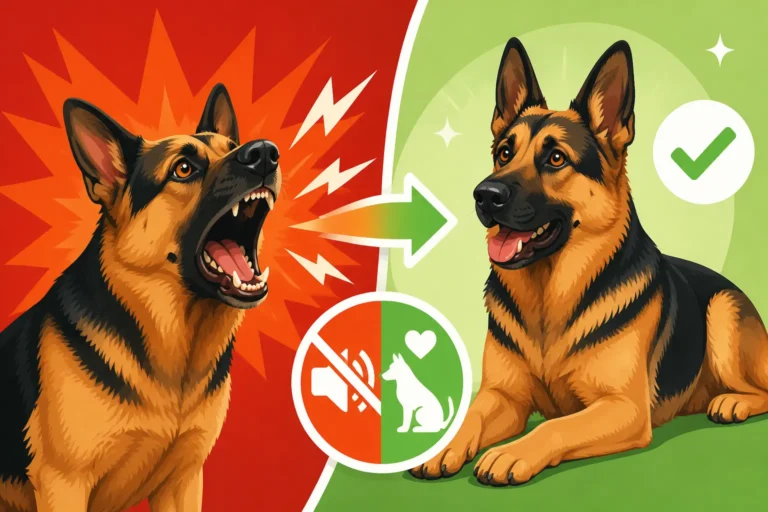
This period is less about teaching entirely new commands and more about "proofing" the commands they already know. Proofing means practicing commands in increasingly distracting environments, with longer durations, and at greater distances. For example, your "Sit" command might be perfect in your living room, but can they "Sit" and "Stay" when a squirrel runs by in the park? That's proofing. Start small: practice "Sit" near a mild distraction, then a moderate one, then a stronger one. Always set your puppy up for success, and only increase the challenge gradually. If they fail, go back a step to an easier scenario. This is also a critical time to reinforce good manners and address any emerging problem behaviors like jumping or excessive barking. Continuing with structured classes, or even working with a professional trainer, can be incredibly beneficial during this phase.
Advanced Skills and Impulse Control (Weeks 23-26+)
As your German Shepherd matures, their ability to focus and control impulses will improve with consistent training. Now is the time to build on that foundation and introduce more complex behaviors and solidify their good habits in the real world.
"Leave It" and "Drop It": These are indispensable commands, especially for a curious German Shepherd who might try to chew on anything they find.
- "Leave It": Start by placing a low-value treat on the floor and covering it with your hand. When your puppy shows interest, say "Leave It." The moment they look away from the treat (even for a second), mark the behavior with a verbal "Yes!" and reward them with a different, high-value treat from your other hand. Gradually uncover the treat on the floor, working up to where they can resist the temptation to pick it up even when it's exposed.
- "Drop It": If your puppy has something in their mouth they shouldn't, offer a high-value treat right near their nose. The instant they open their mouth to take your treat, say "Drop It!" and praise them. Once they take your treat, gently remove the item they had. Never chase or snatch, as this can make them guard items.
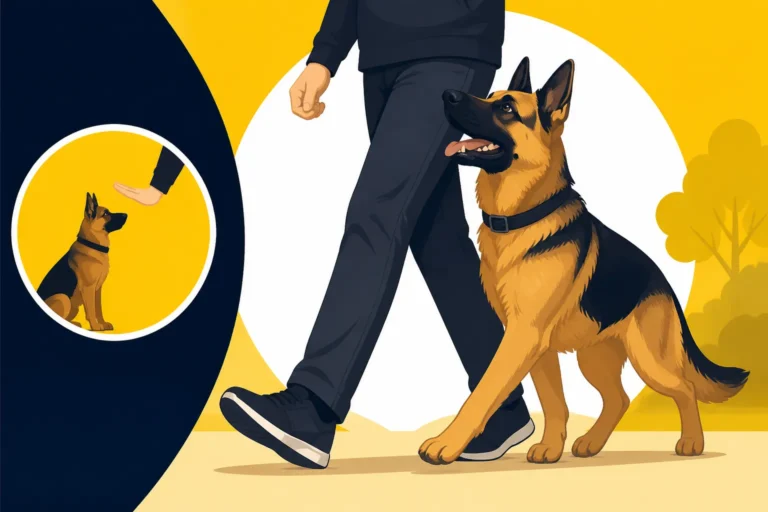
Public Manners and Advanced Leash Work: Your GSD should be a well-mannered companion in public. Continue working on How to Leash Train a German Shepherd Puppy by practicing walking politely past other dogs, people, and distractions. This means teaching them to focus on you even when exciting things are happening around them. Incorporate short stints of "heel" walking, where they stay right by your side, but also allow them sniffing time – it's great mental enrichment! Consider advanced obedience classes or even exploring dog sports like agility or IGP to channel their intelligence and energy productively. Engaging their minds with activities that align with Best Mental Stimulation for German Shepherds is key to a happy, well-adjusted GSD.
Key Principles for Successful German Shepherd Puppy Training
Successfully training a German Shepherd isn't just about following a schedule; it's about adopting a philosophy and consistently applying key principles. These dogs are incredibly smart, loyal, and capable, but they thrive on clear communication and fair leadership.
Consistency, Patience, and Positive Reinforcement
These three pillars are non-negotiable for German Shepherd training. Without them, you're building on shaky ground, and your puppy will quickly become confused or disengaged.
- Consistency: This means everyone in the household must be on the same page with commands, rules, and expectations. If one person allows jumping and another doesn't, your puppy will be confused about what the rules actually are. Use the same command words and hand signals every time. Stick to your routines for feeding, potty breaks, and training sessions. This predictability helps your German Shepherd understand what's expected of them and builds a sense of security. Imagine if the traffic laws changed every day – it would be chaos! Dogs thrive on consistency.
- Patience: German Shepherds are smart, but they are not robots. They are puppies, and they will make mistakes. They will have off days. There will be frustrating moments, especially during teething or the "teenage" phase when they seem to forget everything. Yelling, getting angry, or punishing them will only damage your bond and make them fearful or shut down. Take a deep breath, walk away for a moment if you need to, and then approach the situation with a calm, clear mind. Celebrate small successes and understand that training is a journey, not a race.
- Positive Reinforcement: This is the most effective and humane way to train a German Shepherd. It means rewarding desired behaviors, so your puppy is more likely to repeat them. Use high-value treats (small pieces of cooked chicken, cheese, or hot dogs), enthusiastic verbal praise ("Good boy!"), and engaging play. Avoid punishment-based methods, which can create fear, anxiety, and aggression in a breed as sensitive and intelligent as the German Shepherd. Instead of correcting bad behavior, focus on teaching and rewarding the alternative good behavior. For instance, instead of scolding for jumping, reward them for keeping all four paws on the floor when greeting. This approach fosters a trusting relationship and makes training enjoyable for both of you.
The Importance of Socialization and Exposure
We touched on socialization earlier, but it truly cannot be overemphasized for a German Shepherd. This breed has natural guarding instincts, and if not properly socialized, they can become overly protective or fearful, leading to reactivity or aggression.
Socialization isn't just about meeting other dogs; it's about exposing your puppy to a vast array of people, environments, sounds, and experiences in a positive and controlled manner. This means supervised interactions with friendly, vaccinated dogs of different sizes and breeds, meeting diverse people (men with beards, children, people in hats, people with canes, etc.), visiting various locations (parks, pet stores, quiet cafes, busy streets – from a distance at first), and experiencing different surfaces (grass, pavement, gravel, stairs). The key is to make every new experience neutral or positive. If your puppy seems overwhelmed, create distance, let them observe from afar, and reward calm behavior. Never force an interaction. A well-socialized German Shepherd is confident, adaptable, and less likely to react negatively to novel situations, making them a joy to live with and take out into the world. You want to make sure your German Shepherd Puppy Training Guide includes this crucial element.
Managing Energy and Mental Stimulation
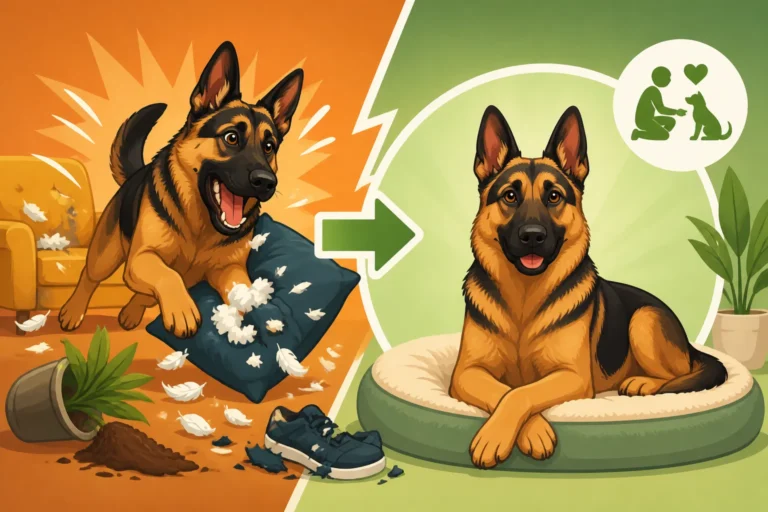
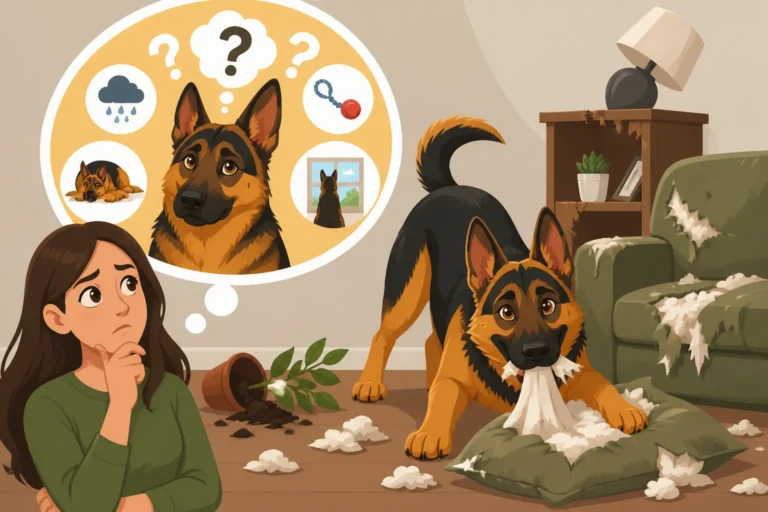
German Shepherds are a highly active and intelligent breed. They weren't bred to be couch potatoes! Neglecting their physical and mental exercise needs is a surefire way to encounter behavioral problems like destructive chewing, excessive barking, or hyperactivity.
- Physical Exercise: Your puppy's exercise needs will increase as they grow, but it's crucial to balance this with protecting their developing joints. For young puppies, short, frequent play sessions and short walks are better than long, strenuous runs. As they mature, they'll need more structured exercise like brisk walks, hiking, or off-leash play in a secure area. Our guide on German Shepherd Exercise Requirements details the appropriate levels for different ages. Always consult your vet about exercise limits, especially during their first year.
- Mental Stimulation: This is just as important, if not more so, than physical exercise. A bored German Shepherd will find their own (often destructive) entertainment. Incorporate daily mental challenges such as:
- Puzzle Toys: Toys that dispense treats when manipulated are fantastic. Brands like KONG and Nina Ottosson offer a wide range of options readily available on platforms like Amazon.
- Training Sessions: Even short training bursts are mentally tiring. Learning new commands, practicing old ones in new places, or doing trick training engages their brain.
- Scent Work: Hiding treats around the house or yard for them to find uses their incredible nose and is incredibly satisfying for them.
- Chewing: Provide appropriate, durable chew toys. Chewing is a natural, stress-relieving activity for dogs.
By providing ample physical activity combined with consistent mental challenges, you'll have a tired, happy, and well-behaved German Shepherd who is much more receptive to learning.
Disclaimer
This guide offers general advice for German Shepherd puppy training. Every puppy is an individual, and their development and learning pace may vary. Always consult with a qualified veterinarian or certified professional dog trainer for personalized advice regarding your puppy's specific needs, health, and any behavioral concerns.