How to Do Recall Training with a German Shepherd
One of the most heart-stopping moments for any German Shepherd owner is calling their dog and watching them completely ignore you, trotting off to investigate something far more interesting. It’s frustrating, sometimes embarrassing, and potentially dangerous, especially if you’re near a busy road or unknown territory. Building a rock-solid recall isn't just about obedience; it's about safety, trust, and the freedom to enjoy off-leash adventures together. This comprehensive guide will walk you through everything you need to know, from understanding your GSD's motivations to troubleshooting common issues, ensuring your furry best friend comes running back to you every single time.
Understanding the German Shepherd Mindset for Recall
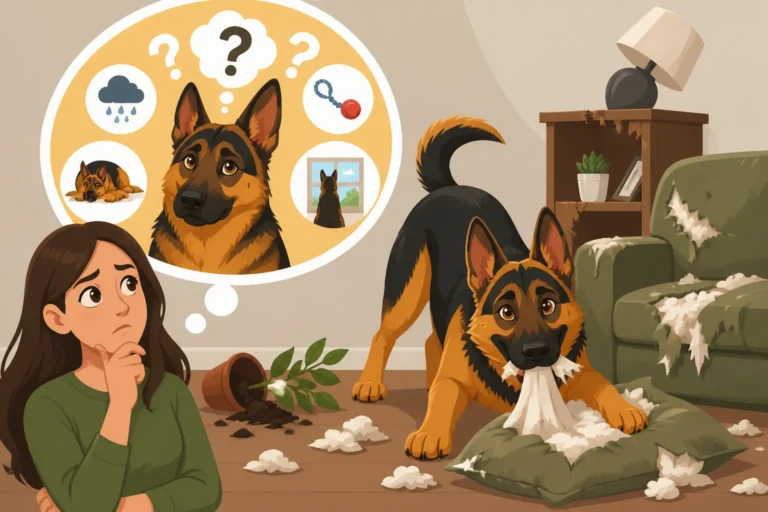
German Shepherds are incredibly intelligent and capable dogs, but their instincts and strong drives can sometimes make recall a particular challenge. It’s not that they don't love you or want to come back; often, it's just that the world offers so many tantalizing distractions. To truly master recall, we need to understand what makes these magnificent dogs tick.
Their Instinctual Drives
German Shepherds were originally bred for herding and protection, roles that require a keen sense of awareness, independence, and a strong prey drive. When your German Shepherd spots a squirrel, a rabbit, or even another dog playing in the distance, that ancient instinct to chase or investigate kicks in. This drive can be incredibly powerful, often overriding any previously learned command, especially if the reward for coming back isn't perceived as equally valuable. Understanding these inherent traits helps us frame our training approach. We're not fighting their nature, but rather channeling it and providing a more compelling alternative.
German Shepherds also have a natural inquisitiveness. They love to explore, sniff every new scent, and survey their surroundings. This desire to investigate can easily pull their attention away from you. A weak recall often stems from your dog valuing the environmental stimulation more than the act of returning to you. Our job is to shift that balance, making you the most exciting and rewarding part of their environment. For more on their natural inclinations, check out our guide on Understanding German Shepherd Behavior.
The Importance of Motivation
For a German Shepherd to reliably return when called, the act of coming back must be consistently more rewarding than whatever they might be distracted by. This isn't about bribing; it's about motivation and positive reinforcement. If they're having the time of their life sniffing a fascinating patch of grass, a half-hearted "come" with a bland piece of kibble isn't going to cut it.
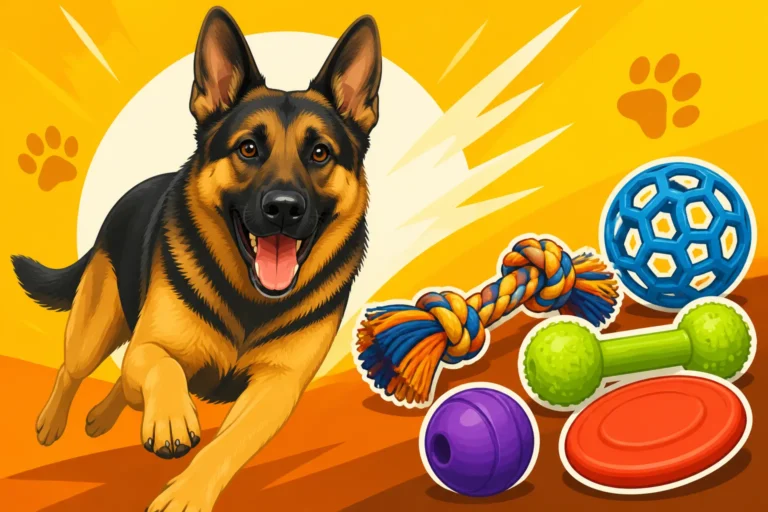
You need to become the source of incredible things. Think high-value treats – small pieces of cooked chicken, cheese, or even their favorite squeaky toy. The reward should be irresistible. The better the reward, the stronger the motivation to disengage from distractions and return to you. Over time, as the recall becomes a strong habit, the reward can be varied, but in the initial stages and when proofing, go for gold every time. This foundational understanding is crucial before diving into the actual training.
Laying the Foundation: Pre-Recall Steps
Before you even start practicing the "come" command, there are several crucial foundational steps that will set your German Shepherd up for success. Skipping these can lead to frustration and an unreliable recall down the line. Think of it as building a house – you need a solid foundation first.
Building Connection and Engagement
A strong recall is built on a strong relationship. Your German Shepherd needs to see you as the most interesting and rewarding presence in their world. This isn't just about feeding them; it’s about engaging with them daily through play, training, and positive interactions. Spend quality time playing fetch, tug-of-war, or engaging in interactive games in the yard. These activities build a bond and teach your dog that being with you is fun and exciting.
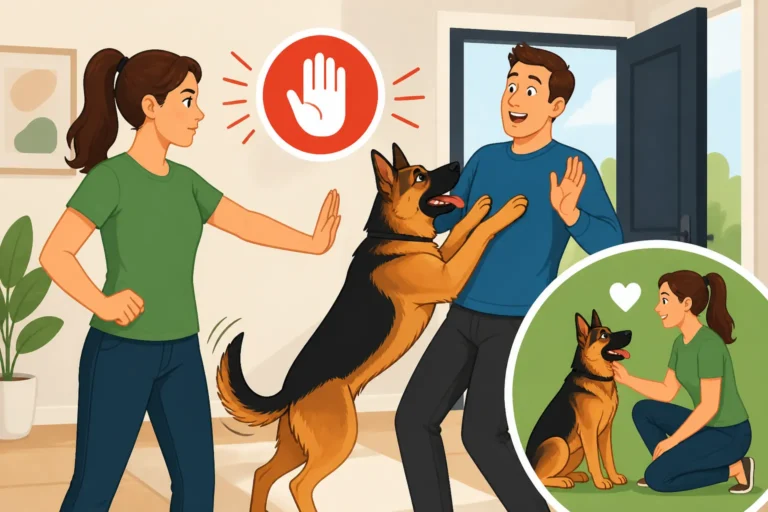
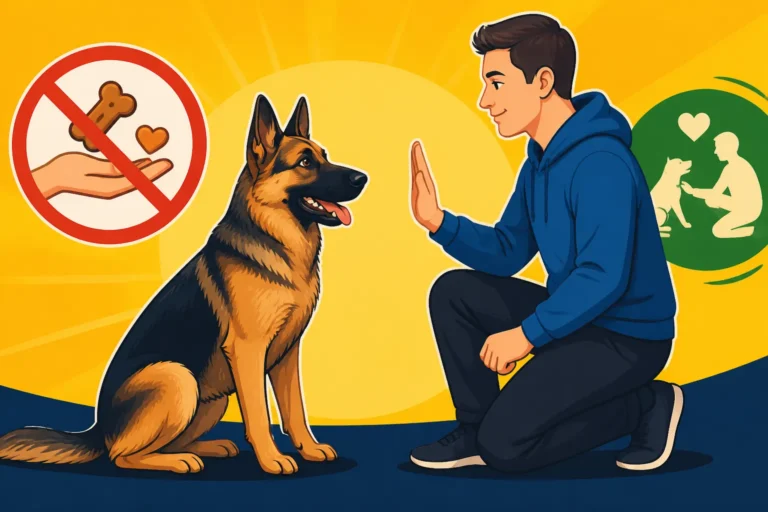
Working on basic obedience commands like "sit," "stay," and "watch me" in a calm environment also reinforces this connection. When your German Shepherd voluntarily offers you attention and responsiveness, you're halfway to a good recall. If they're constantly looking to you for guidance and interaction, they're far more likely to respond when you call them. Consider exploring comprehensive resources like the online puppy school offered by BAXTER & Bella, which emphasizes building a strong foundation of engagement.
Introducing the Recall Cue and High-Value Rewards
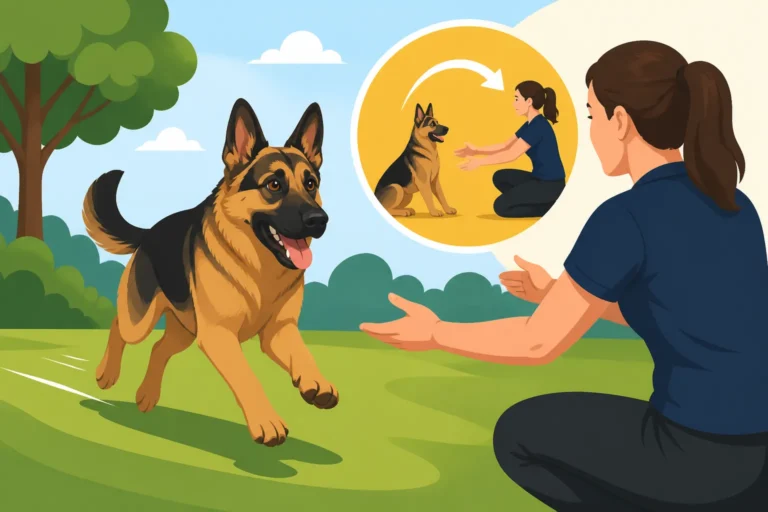
Choose a consistent recall cue that you will only use for recall. "Come" is classic, but you could also use "here," "kome hier," or even a whistle. The key is consistency. Introduce this cue in a low-distraction environment, like your living room or a fenced yard. Start by standing a short distance from your German Shepherd. Say your recall cue in an excited, happy voice, and immediately encourage them to come to you. As soon as they take a step towards you, praise them enthusiastically ("Good come!") and offer a jackpot-level, high-value treat or a quick game of tug.
Repeat this many times a day in short, fun sessions. Never use your recall cue in a negative context (e.g., to scold them, or to call them for something they dislike, like nail trims). The cue should always predict something wonderful. Gradually increase the distance, always ensuring success and lavish rewards. This initial phase is about creating a powerful positive association with the recall cue, making it feel like the best game ever.
| Treat Type | Example Treats | Motivation Level | Use Case |
|---|---|---|---|
| High-Value | Cooked chicken, cheese, hot dogs, liverwurst | Extremely High | Initial recall training, high-distraction areas |
| Medium-Value | Store-bought soft training treats, freeze-dried meat | Medium | Everyday reinforcement, low-distraction practice |
| Low-Value | Regular kibble, plain biscuits | Low | Lure training, basic obedience (non-recall) |
It’s easy to grab a bag of generic training treats, but for critical commands like recall, investing in truly high-value options makes all the difference. You can find excellent options on platforms like Amazon, from premium freeze-dried options to various soft, chewy training treats specifically designed to grab a dog's attention.
Practicing with a Long Line
Once your German Shepherd understands the basic concept in a low-distraction area, it's time to introduce a long line. This is a crucial safety tool that allows you to practice recall in more open environments while preventing your dog from truly running off. A long line should be 15-30 feet in length and attached to a well-fitting harness, never directly to their collar, as this could injure their neck if they hit the end of the line.
Start in a quiet, fenced park or a large open field with minimal distractions. Let your German Shepherd explore, but keep hold of the end of the long line. When they are focused on something else but not overly engrossed, give your recall cue in an excited voice. If they hesitate, gently reel them in while continuing to praise. As they approach, enthusiastically reward them with treats and praise. Release them to play again immediately, making the return a brief, positive interruption, not the end of their fun. The long line gives you control, confidence, and allows you to always ensure a successful "come." It's an indispensable tool for preventing your German Shepherd from learning that they can ignore you. You can find durable long lines on Amazon, often in various materials like nylon or biothane.
The Core of Recall Training: Step-by-Step Drills
With the foundations laid, it's time to dive into the practical drills that will solidify your German Shepherd's recall response. Consistency, positivity, and gradual progression are your best friends here.
The "Puppy Ping-Pong" Game
This game is fantastic for building a fun, enthusiastic recall, especially for younger German Shepherds or dogs new to recall training. You'll need at least two people, preferably more, and a safe, enclosed space like a large room or a fenced yard. Each person should have a pocket full of high-value treats and be ready to make themselves exciting.
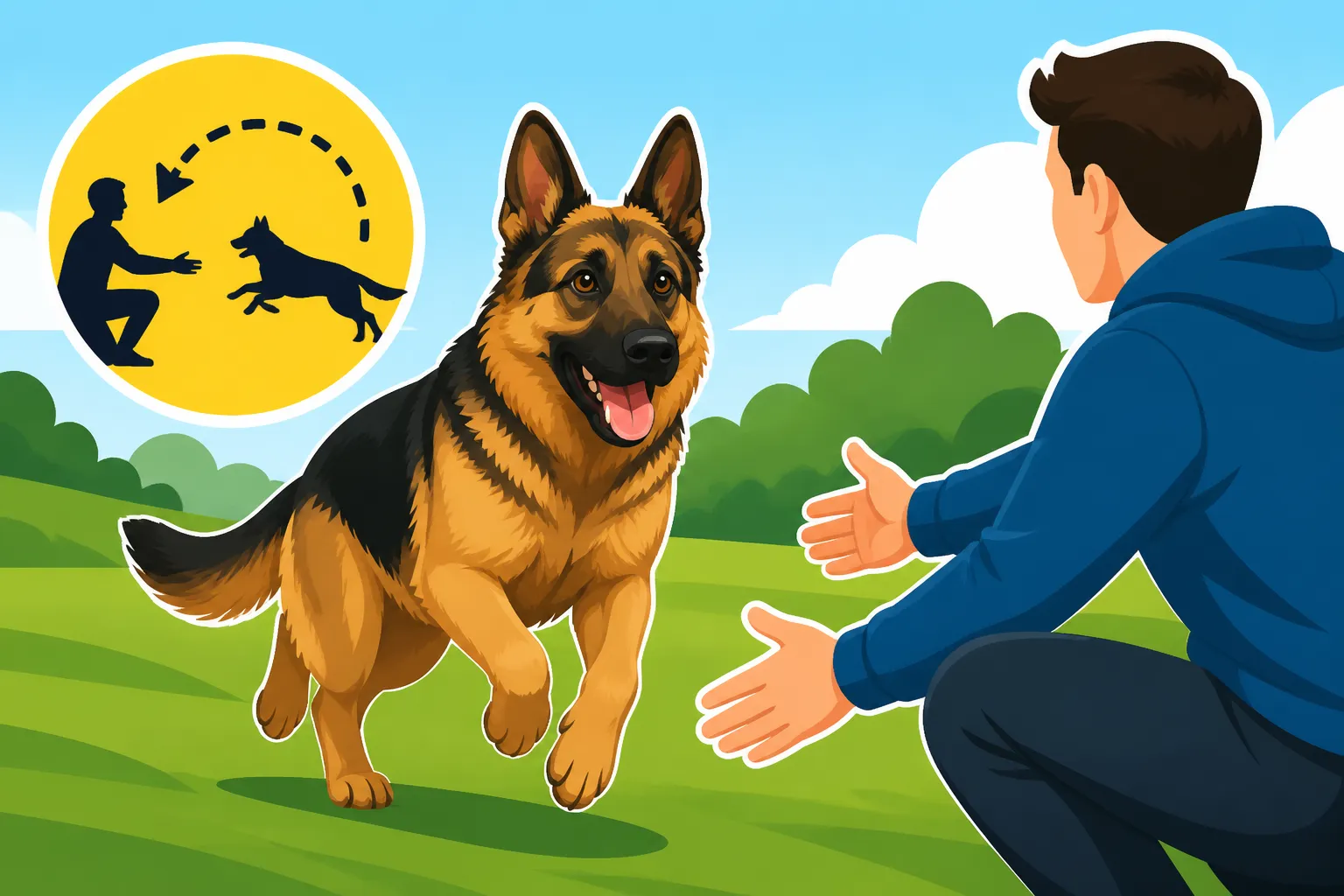
Start by having two people stand about 10-15 feet apart. One person calls the dog ("[Recall Cue]!") in an excited voice. As the dog runs to them, they get a jackpot reward (multiple treats, vigorous praise, maybe a quick tug game). Then, the other person calls the dog, and the same enthusiastic reward process happens. The dog "ping-pongs" between people, always experiencing an incredibly positive outcome for coming when called. This teaches them that coming to people is the absolute best thing ever. Gradually increase the distance between people as your German Shepherd's recall confidence grows. This game also helps prevent your dog from developing a "single person" recall, ensuring they'll come to anyone in the family.
Hide-and-Seek Recall
This game reinforces the idea that you are the most exciting thing to find. It teaches your German Shepherd to pay attention to your location and come find you, even when they can't see you. Start in a familiar, low-distraction environment. When your dog is distracted or busy sniffing, quietly hide behind a tree, a bush, or a car. Wait a moment. When your dog notices you're gone, they'll likely start looking for you. As soon as they seem to realize you're missing, call them in your excited recall voice.
When they find you, throw a party! Tons of praise, treats, and maybe a quick chase game to celebrate their success. The goal is for them to feel the excitement of discovering you and the huge reward that follows. Over time, you can make your hiding spots more challenging and use this in areas with more cover. This drill builds strong focus on the handler and an anticipation of finding something wonderful when called. This is a crucial step towards teaching your German Shepherd to "check in" with you regularly, even without a direct command.
Incorporating Movement and Play
Recall shouldn't just be about standing still and offering a treat. German Shepherds thrive on movement and interactive play. Integrate movement into your recall practice. Instead of just calling your dog to a standstill, call them, then turn and run a few steps away from them as they approach. This taps into their natural chase drive and makes coming to you even more engaging.
You can also incorporate a quick game of fetch or tug after they come when called. For example, call your dog, reward them profusely when they reach you, then immediately throw a ball for them or initiate a short game of tug. This teaches them that coming to you doesn't mean the end of fun; it can actually be the start of even more fun. This makes recall a dynamic, exciting interaction rather than a simple transaction. The online dog training program from BAXTER & Bella often incorporates such play-based techniques, which are excellent for active breeds like German Shepherds.
Proofing Your Recall: Adding Distractions and Distance
Once your German Shepherd has a reliable recall in low-distraction environments, it's time to systematically "proof" the command. This means practicing in increasingly challenging situations to ensure they respond reliably no matter what the world throws at them. This is where most owners falter, expecting their dog to generalize a skill without focused practice.
Gradually Introducing Distractions
Start by adding mild distractions, like having another person quietly walk by at a distance, or a favorite toy lying on the ground. Keep your dog on a long line initially. Call your German Shepherd when the distraction is present but not overwhelming. If they come, reward them with an even bigger jackpot! If they hesitate, gently reel them in with the long line while repeating the cue and praising. Always aim for success.
Slowly increase the intensity and proximity of distractions:
- Visual Distractions: People walking, children playing, bicycles, other dogs at a distance.
- Auditory Distractions: Nearby traffic, distant sirens, other dogs barking.
- Scent Distractions: A field with interesting smells, a path where other animals have recently passed.
Always remember the "3 D's" of dog training: Distraction, Distance, Duration. When you increase one, decrease the others. For example, if you introduce a strong distraction, reduce the distance you're calling them from. Don't expect your German Shepherd to instantly ignore a running deer the first time you take them off-leash in a forest. It takes methodical, consistent practice.
Increasing Distance and Complexity
Once distractions are being handled well, begin to systematically increase the distance you call your German Shepherd from. Start with 10 feet, then 20, then 30, and so on, still using your long line for safety. Practice calling them from behind objects where they can't see you initially, forcing them to use their ears and nose.
Vary the environments:
- Different Parks: Each park has unique smells, sounds, and visual stimuli.
- Trails: Practice on nature trails with varying terrain and cover.
- Urban Environments: Introduce them to the sights and sounds of a quiet urban area, then gradually busier ones.
The goal is to practice recall in so many different scenarios that your German Shepherd learns the cue means "come no matter what," not just "come when it's quiet in the backyard." Always have your high-value rewards ready, and make the experience positive. Remember that German Shepherd Exercise Requirements are high, so these training sessions can double as their daily mental and physical stimulation.
The Emergency Recall
This is a specific, separate cue reserved only for dire situations when you absolutely need your German Shepherd to come back immediately. It should be a word or sound you don't use regularly, like "CODE RED!" or a specific whistle blast. This cue should be practiced rarely, and when used, it should always result in the most incredible, over-the-top reward imaginable – a full plate of chicken, a five-minute game with their absolute favorite toy.
The idea is that this cue carries such immense value that it can cut through any distraction. Because it's used so infrequently and with such high stakes, its power remains intact. Never overuse it, and never use it for mundane recalls. Think of it as your dog's personal "bat signal" – when they hear it, they know something truly epic awaits them.
Troubleshooting Common Recall Problems
Even with the best intentions and consistent training, you might run into some bumps in the road. German Shepherds are smart, and sometimes their cleverness can lead to frustrating recall behaviors. Let's address some common issues.
The "Selective Hearing" German Shepherd
Ah, the classic "selective hearing." Your German Shepherd hears you just fine when the treat bag crinkles, but suddenly goes deaf when you call them from across the park. This usually boils down to two things: a history of inconsistent rewards or you've pushed them too far, too fast, in distracting environments.
Solutions:
- Re-evaluate Rewards: Are your rewards truly high-value enough? For a strong distraction, you need an even stronger motivator. Small pieces of cooked steak or cheese might be necessary initially.
- Go Back to Basics: If the recall is breaking down, don't be afraid to return to a low-distraction environment and practice with a long line. Rebuild their confidence and the association that "come" equals amazing things.
- Increase Your Excitement: Make yourself more engaging. Get down low, clap your hands, use an excited, high-pitched voice. Sometimes, you need to be more interesting than the environment.
- "Hot Potato" Recall: If your dog is lingering just out of reach, don't chase them. That turns it into a game for them. Instead, crouch down and pretend to find something incredibly interesting on the ground. Often, their curiosity will bring them closer. When they approach, praise and reward.
Remember, a German Shepherd needs to know that coming back is always worth it. If they learn they can ignore you sometimes without consequence, that behavior will quickly solidify. Building a good recall is part of German Shepherd Obedience Training Basics.
Bolting After Prey or Other Dogs
This is a huge challenge for German Shepherds with high prey drive or strong social instincts. Seeing a squirrel, rabbit, or another dog can trigger an almost uncontrollable urge to chase. While you can't eliminate their natural instincts, you can teach them to override them with a strong recall.
Solutions:
- Proximity Control: Start practicing recall when the distraction is very far away – so far that your dog notices it but isn't yet fully fixated. Call them, reward them, and then release them. The goal is to reward them for choosing you over the distraction.
- Redirection: When you see a potential distraction, immediately get your German Shepherd's attention with a sound or a quick command ("watch me"). When they look at you, reward them and then call them for recall before they can bolt. This teaches them to check in with you when something exciting appears.
- Long Line for Safety: This cannot be stressed enough. Never practice recall with a known bolter off-leash in an unsecure area. The long line is your insurance policy. It allows you to prevent them from practicing the undesirable behavior of chasing.
- "Look at That" Game: Point out the distraction (e.g., "Look, a squirrel!") and reward your dog for looking at it and then looking back at you. This helps them acknowledge the distraction without becoming entirely consumed by it.
Understanding German Shepherd Behavior Problems and Solutions can offer further insights into managing these powerful drives.
Avoiding the "End of Fun" Association
Many dogs learn that "come" means "the fun is over" (e.g., going home, getting leashed up, leaving the dog park). This is a common reason for reluctance. You need to break this association.
Solutions:
- Random Recalls for No Reason: Call your German Shepherd, reward them, then immediately release them back to play. Do this often throughout your walks and park visits. This teaches them that coming when called doesn't always mean the end of fun; sometimes it just means a quick check-in and an amazing reward.
- Vary the Routine: Don't always call them to put the leash on. Sometimes call them, reward them, and then put the leash on for a few minutes of walking around the park before letting them off again. This creates unpredictability and prevents the "leash means leaving" thought.
- Make Leashing Positive: When it is time to leave, make the leashing process a positive one. Offer a special treat or a calming pet as you attach the leash.
By ensuring recall is a game, an opportunity for a super reward, and often a brief interruption rather than a definitive end, your German Shepherd will be much more enthusiastic about coming back to you.
Maintaining a Reliable Recall for Life
Training a reliable recall is an ongoing process, not a one-and-done task. Just like any skill, it needs to be maintained and refreshed throughout your German Shepherd's life to remain sharp and dependable.
Consistent Reinforcement
Even when your German Shepherd has a seemingly perfect recall, never stop rewarding them. You don't need a jackpot every time, but consistent positive reinforcement, whether it's praise, a quick pat, a low-value treat, or a toss of a ball, keeps the behavior strong. Think of it like a bank account: every positive interaction adds to the value of the recall.
Vary your rewards to keep things interesting. Sometimes it's food, sometimes it's a toy, sometimes it's just enthusiastic praise and a quick belly rub. The key is that coming to you is always a pleasant experience. Neglecting reinforcement can slowly erode the strength of the command, especially when tempting distractions arise. Remember that German Shepherd Basic Commands Every Owner Should Teach includes recall, and consistent practice is key for all of them.
Practice in Various Environments
Don't limit your recall practice to the same park or the same walking route. The more varied the environments where your German Shepherd successfully performs recall, the more resilient the behavior will be. Take them to new parks, different trails, even quiet outdoor shopping areas if appropriate. Each new location presents unique sights, sounds, and smells that serve as fresh distractions to proof your training.
Remember to follow the "3 D's" principle: when practicing in a completely new, highly stimulating environment, start with shorter distances and easier distractions. You might even want to use your long line again for the first few sessions in a novel place, just to ensure success and build confidence. This constant exposure to new challenges keeps their recall skills adaptable and robust.
Advanced Recall Games
To keep recall training engaging and fun, introduce advanced games:
- Directional Recall: Teach your German Shepherd to come to you from different angles or to run past you to a specific spot.
- Emergency Stop: While not strictly recall, teaching a "down" or "stay" at a distance can be a life-saving supplement if recall fails.
- Recall from Play: Practice calling your dog away from a high-value game with another dog or a person. This is one of the ultimate tests of recall strength. Start with short interruptions, rewarding lavishly, and immediately releasing them back to play.
These advanced exercises not only solidify the basic recall but also build incredible responsiveness and focus on you, even amidst high-level stimulation. This also acts as fantastic Best Mental Stimulation for German Shepherds.
The Role of Professional Guidance
While this guide provides a comprehensive framework, there are times when professional help can be invaluable. Training a German Shepherd, especially one with strong drives or specific behavioral challenges, can sometimes require an expert eye.
When to Seek a Trainer
If you're consistently struggling with your German Shepherd's recall, or if you're feeling overwhelmed, don't hesitate to seek out a professional dog trainer. A good trainer can observe your interactions, identify subtle cues you might be missing, and offer personalized strategies tailored to your dog's specific temperament and challenges. They can also help you understand underlying issues that might be impacting recall, such as fear, anxiety, or an overabundance of energy that hasn't been properly channeled.
Look for trainers who use positive reinforcement methods and have experience with large, working breeds like German Shepherds. Group classes can be excellent for practicing recall in a controlled, distracting environment, while private sessions offer more individualized attention. Sometimes, just a few sessions with an experienced professional can make all the difference in achieving that reliable recall you're striving for. For some initial guidance, resources like the BAXTER & Bella online dog training program can provide structure and support before or alongside in-person training.
Online Resources and Courses
Beyond in-person trainers, there's a wealth of online resources that can supplement your training efforts. Websites like BAXTER & Bella offer structured online puppy and dog training programs that cover recall and many other essential commands. These programs often include video tutorials, printable guides, and access to trainers for specific questions, allowing you to learn at your own pace from the comfort of your home.
Many platforms also offer individual courses specifically on recall. While not a substitute for hands-on, personalized guidance from a local professional for severe issues, these resources can provide excellent foundational knowledge, new techniques, and fresh perspectives to enhance your training repertoire. When choosing online resources, look for those with positive reviews, clear methodologies, and content created by certified professional dog trainers.
Final Thoughts on Building a Bulletproof Recall
Achieving a truly reliable recall with your German Shepherd is one of the most rewarding accomplishments in dog ownership. It fosters a deeper bond of trust, offers your dog greater freedom, and provides immense peace of mind. It’s a journey that requires patience, consistency, and an unwavering commitment to positive reinforcement.
Remember, every "come" should be a celebration. Make yourself the source of all good things, use those high-value rewards, and practice, practice, practice in varied environments. With dedication, your magnificent German Shepherd will learn that no matter how exciting the world around them might be, coming back to you is always the best choice, every single time. Keep working on those skills, and soon you'll be enjoying worry-free adventures with your best friend.
Disclaimer
This article is intended for informational purposes only and does not constitute professional veterinary advice. Always consult with a qualified veterinarian or certified professional dog trainer for any health concerns or before implementing significant changes to your dog's training regimen.