Homemade Food for German Shepherds
It's incredibly frustrating, isn't it, when you're standing in the pet food aisle, squinting at ingredient lists that read like a chemistry textbook, and wondering if you're truly giving your beloved German Shepherd the best? Many of us want to nourish our dogs with food we understand, made from ingredients we trust, especially when dealing with sensitivities or just aiming for peak health. This comprehensive guide will walk you through everything you need to know about preparing balanced, nutritious homemade food for your German Shepherd, from essential nutrients to practical preparation tips, helping you navigate this often-overwhelming journey with confidence.
Why Many German Shepherd Owners Turn to Homemade Diets
The decision to prepare homemade food for your German Shepherd often stems from a deep desire to have more control over what goes into their bowl. It's a journey many dedicated owners embark on, usually after grappling with concerns about commercial pet foods or trying to address specific health issues. The motivations are strong and deeply personal, reflecting the profound bond we share with our canine companions.
Concerns About Commercial Pet Foods
For years, we've been told that commercial kibble is the complete and balanced solution for our dogs. Yet, a closer look at many conventional dog foods can raise some serious red flags for concerned pet parents. You might see ingredients you don't recognize, by-products, artificial colors, flavors, and preservatives that make you wonder about their long-term effects on your German Shepherd's health. The processing methods themselves, often involving high heat, can strip ingredients of vital nutrients, leaving behind a less-than-optimal product that then requires synthetic supplementation. This lack of transparency and the perceived lower quality of ingredients can be a major driving force for owners seeking alternatives. For those wrestling with digestive issues or puzzling allergies, the idea of eliminating unknown variables from their dog's diet becomes incredibly appealing.
Addressing Specific Health Needs and Allergies
One of the most compelling reasons to switch to a homemade diet is the ability to tailor meals precisely to your German Shepherd's individual health requirements. German Shepherds, like many large breeds, can be prone to certain health challenges such as German Shepherd Allergies: Symptoms and Treatment, sensitive stomachs, and various other digestive issues. When your dog is constantly scratching, dealing with chronic ear infections, or experiencing bouts of diarrhea, a highly controlled homemade diet allows you to systematically remove potential allergens and irritants. You can select novel protein sources, avoid common fillers like corn or soy, and ensure every ingredient is fresh and easily digestible. This level of customization is simply not possible with off-the-shelf kibble, even premium brands. It offers a lifeline for dogs who haven't thrived on commercial options, providing a path to better health and comfort.
Desire for Fresher, More Natural Ingredients
Let's face it: there's an inherent appeal to fresh food, not just for us, but for our dogs too. The thought of feeding your German Shepherd real, whole ingredients like lean meats, fresh vegetables, and fruits, prepared in your own kitchen, can be incredibly satisfying. You know where the chicken came from, you picked out the freshest sweet potatoes, and you can see and smell the quality of every component. This stands in stark contrast to dry kibble, which, by its very nature, is processed and often sits in bags for extended periods. The "fresh food" movement in human nutrition has naturally extended to our pets, with many owners believing that a diet closer to nature is inherently healthier. This isn't just about avoiding bad ingredients, but actively seeking out nutrient-dense, bioavailable foods that can contribute to a shiny coat, healthy energy levels, and overall vitality, helping you learn How to Keep a German Shepherd Healthy.
Essential Nutritional Components for German Shepherds
Crafting homemade meals for your German Shepherd isn't just about throwing a few ingredients together; it's a science. German Shepherds are active, intelligent, and substantial dogs with specific nutritional needs that must be met to support their powerful physique and overall health. Understanding the key macronutrients and micronutrients is paramount to ensuring their diet is truly balanced and beneficial.
Protein: The Building Block
Protein is the cornerstone of any healthy German Shepherd diet. These magnificent dogs need high-quality protein to build and maintain strong muscles, support their immune system, and facilitate numerous bodily functions. Without adequate protein, you'll notice muscle wastage, lethargy, and a dull coat.
Choosing High-Quality Protein Sources
When preparing homemade meals, aim for lean, animal-based protein sources. Excellent choices include:
- Chicken and Turkey: These are often go-to options, particularly the breast or thigh meat, which are relatively lean and widely available. Make sure to remove skin and bones.
- Beef: Lean cuts like sirloin, round, or ground beef with a lower fat percentage (e.g., 90/10) are great. Organ meats like liver and heart are also powerhouses of protein and essential nutrients, but should be fed in moderation due to their richness.
- Fish: Cooked, deboned fish like salmon, cod, or sardines (packed in water with no salt) provide not only protein but also valuable omega-3 fatty acids. Just be cautious of mercury content in larger fish.
- Lamb: Another great option for dogs, especially those with sensitivities to more common proteins.
It's crucial to ensure that all meat is cooked thoroughly to eliminate harmful bacteria like Salmonella or E. coli. While some proponents advocate for a raw diet, it comes with significant risks regarding bacterial contamination and nutritional imbalance if not expertly managed. For the average owner, cooked meats are the safest and most reliable option for providing essential protein. Remember that variety can be beneficial, offering a wider spectrum of amino acids.
The Importance of Amino Acids
Protein is made up of amino acids, some of which are "essential," meaning your German Shepherd cannot produce them on their own and must obtain them through their diet. A diet rich in various high-quality protein sources ensures your dog receives a complete profile of these essential amino acids. These amino acids are vital for everything from muscle repair after a vigorous play session to producing enzymes and hormones necessary for digestion and metabolism. For a German Shepherd puppy, adequate protein intake is particularly critical for proper growth and development, helping to support their rapid growth phases.
Fats: Energy and Essential Fatty Acids
Fats often get a bad rap, but for dogs, they are a vital source of concentrated energy, aid in the absorption of fat-soluble vitamins (A, D, E, K), and provide essential fatty acids that are critical for skin, coat, and cognitive health. Not all fats are created equal, however.
Healthy Fat Sources for German Shepherds
Focus on incorporating healthy fats into your German Shepherd's homemade diet. These include:
- Animal Fats: The natural fats found in your chosen lean meats are a good starting point. Cooked poultry fat (without skin) can also be used in moderation.
- Fish Oil: High-quality fish oil (like salmon oil or sardine oil) is an excellent source of EPA and DHA, two crucial omega-3 fatty acids. These are anti-inflammatory and support brain, joint, and heart health.
- Flaxseed Oil: A plant-based omega-3 source, though the ALA in flaxseed oil needs to be converted by the dog's body, which isn't as efficient as direct EPA/DHA from fish oil.
- Eggs: Cooked whole eggs provide a good mix of protein and healthy fats, along with numerous vitamins and minerals.
Be mindful of the quantity of fat, as too much can lead to weight gain or digestive upset, especially for dogs prone to conditions like pancreatitis. A moderate amount of healthy fats is key to providing sustained energy for your active German Shepherd and keeping their coat lustrous.
Omega-3 and Omega-6 Fatty Acid Balance
Maintaining a proper balance between omega-3 and omega-6 fatty acids is crucial. While omega-6s are typically abundant in many meats and vegetable oils, omega-3s are often less common in standard diets. An imbalance, particularly an excess of omega-6s without sufficient omega-3s, can promote inflammation in the body. Supplementing with a good quality fish oil, easily found on platforms like Chewy, can help achieve this balance, supporting healthy skin, a shiny coat, and reducing inflammatory responses that might exacerbate conditions like German Shepherd Arthritis: Symptoms and Treatment.
Carbohydrates: Energy and Fiber
Carbohydrates are a primary energy source for your German Shepherd and also provide essential fiber for digestive health. However, the type and quality of carbohydrates are critical. Avoid highly processed grains and opt for complex, digestible sources.
Digestible Carbohydrate Choices
Good carbohydrate sources for homemade dog food include:
- Sweet Potatoes: A fantastic complex carbohydrate, rich in vitamins A and C, and fiber. They are generally well-tolerated and provide sustained energy.
- Pumpkin: Canned pure pumpkin (not pie filling) is excellent for digestive health due to its high fiber content and can help with both constipation and diarrhea.
- Brown Rice: Cooked thoroughly, brown rice offers complex carbohydrates and some fiber.
- Quinoa: A complete protein and a good source of fiber, quinoa can be a healthy addition.
- Oats: Plain, cooked oatmeal can be a good, gentle carbohydrate source, particularly for sensitive stomachs.
Always cook grains and starchy vegetables thoroughly to make them digestible for dogs. Raw starches can be difficult for their digestive systems to break down.
Fiber for Digestive Health
Dietary fiber, largely provided by carbohydrates, plays a crucial role in your German Shepherd's digestive system. It helps regulate bowel movements, feeds beneficial gut bacteria, and can contribute to a feeling of fullness, which is important for managing German Shepherd Weight and Obesity Risks. Vegetables like green beans, carrots, and peas also contribute valuable fiber, along with essential vitamins and minerals. Ensuring sufficient fiber can help prevent common issues like constipation or loose stools, leading to a happier, healthier gut.
Vitamins and Minerals: The Micronutrient Powerhouses
While protein, fats, and carbs provide the bulk of energy and building blocks, vitamins and minerals are the unsung heroes, facilitating countless biochemical reactions necessary for life. Without them, even the best homemade diet can lead to severe deficiencies.
Essential Vitamins and Their Sources
Dogs need a range of vitamins for optimal health:
- Vitamin A: Important for vision, immune function, and skin. Found in liver, carrots, sweet potatoes.
- B Vitamins (B1, B2, B3, B5, B6, B9, B12): Crucial for metabolism, nerve function, and red blood cell production. Abundant in meats (especially organ meats), eggs, and some green vegetables.
- Vitamin D: Essential for calcium absorption and bone health. Found in fatty fish, egg yolks, and fortified foods.
- Vitamin E: A powerful antioxidant, supporting immune health and skin. Found in leafy greens, vegetable oils (in moderation), and nuts (avoid toxic nuts).
- Vitamin K: Necessary for blood clotting. Found in leafy green vegetables.
Relying solely on food to meet all vitamin requirements can be tricky, which is why a high-quality, canine-specific vitamin and mineral supplement is almost always recommended for homemade diets.
Key Minerals and How to Include Them
Just as critical as vitamins, minerals play diverse roles:
- Calcium and Phosphorus: Absolutely essential for strong bones and teeth, especially in growing German Shepherd puppies. The ratio of calcium to phosphorus is vital (ideally 1.2:1 to 1.5:1). Bone meal (food grade) or eggshell powder can provide calcium.
- Zinc: Important for immune function, skin, and coat health. Found in red meat, poultry, and eggs.
- Iron: Crucial for red blood cell formation and oxygen transport. Abundant in red meat and liver.
- Magnesium and Potassium: Electrolytes important for nerve and muscle function. Found in leafy greens, bananas, and whole grains.
Achieving the correct balance of vitamins and minerals, particularly calcium and phosphorus, is the most challenging aspect of homemade diets. A general vitamin/mineral supplement formulated for dogs, specifically designed to complement homemade feeding, is practically non-negotiable to prevent serious long-term health issues. Always consult with a veterinary nutritionist to ensure your chosen supplement adequately fills any gaps.
Risks and Challenges of Homemade Diets
While the allure of providing fresh, tailored meals for your German Shepherd is strong, it's crucial to approach homemade diets with a clear understanding of the potential pitfalls. This isn't a task to be taken lightly; serious health consequences can arise from improperly balanced or prepared meals.
Nutritional Deficiencies and Imbalances
This is, without a doubt, the single biggest risk associated with homemade diets. It's incredibly difficult for even well-intentioned owners to formulate a diet that provides all the necessary nutrients in the correct proportions without expert guidance. Dogs have different nutritional requirements than humans, and their needs change based on age, activity level, and health status.
Common Deficiencies to Watch For
Without careful planning, homemade diets can easily be deficient in critical nutrients. Calcium and phosphorus are frequently imbalanced, leading to skeletal issues over time, which is particularly concerning for a large breed like the German Shepherd already prone to orthopedic problems like German Shepherd Hip Dysplasia Explained. Other common deficiencies include:
- Trace Minerals: Zinc, copper, iodine, and selenium are often overlooked but vital for immune function, thyroid health, and metabolism.
- Fat-Soluble Vitamins: Vitamins A, D, and E can be insufficient if fat sources are limited or the wrong types are used. Vitamin D deficiency, for instance, can impact bone health even if calcium intake seems adequate.
- Certain B Vitamins: While meat provides many B vitamins, a complete spectrum might be missing without varied organ meats or supplementation.
The consequences of long-term nutritional deficiencies can be severe, ranging from weakened bones, poor coat quality, and reduced immune function to serious organ damage and developmental problems in puppies. It’s not about just adding "healthy" ingredients; it’s about the precise ratios and availability of all essential nutrients.
The Critical Role of a Veterinary Nutritionist
Given the complexity of canine nutrition, consulting with a board-certified veterinary nutritionist is not just recommended, it's virtually essential when committing to a long-term homemade diet. These specialists have advanced training in animal nutrition and can formulate a personalized diet plan specifically for your German Shepherd, taking into account their age, weight, activity level, and any existing health conditions. They can help you:
- Analyze existing recipes: They can review what you're currently feeding and identify any deficiencies or excesses.
- Create balanced recipes: They can design recipes that meet all AAFCO guidelines (or similar local standards) for complete and balanced nutrition.
- Recommend appropriate supplements: They can advise on specific vitamin and mineral supplements to fill any dietary gaps.
Relying on generic online recipes or your own best guess is a recipe for disaster in the long run. A single consultation, while an initial investment, can save you significant veterinary bills and heartache down the road, ensuring your German Shepherd receives truly balanced nutrition.
Time and Cost Commitment
Preparing all your dog's meals from scratch is a significant commitment of both time and money. It's not as simple as scooping kibble from a bag, and the cost can quickly add up, especially for a large, active breed.
Daily Preparation and Meal Planning
The reality of homemade feeding means daily cooking or large batch cooking sessions. You'll spend time:
- Shopping for ingredients: This often involves frequent trips to the grocery store or butcher, seeking out fresh, high-quality meats, vegetables, and other components. You might even consider specialty pet food suppliers for unique ingredients or bulk purchases.
- Preparing ingredients: Washing, chopping, cooking, and measuring each component takes time. You might be cooking separate meals for your dog while also preparing your own, adding to your kitchen duties.
- Storing meals: Proper storage is crucial to prevent spoilage and bacterial growth. This often means needing ample refrigerator and freezer space for pre-portioned meals.
This daily or weekly routine can be overwhelming for busy individuals. While batch cooking can help streamline the process, it still requires dedicated time and effort. Many people underestimate this aspect and find themselves burning out quickly.
Budgeting for Quality Ingredients and Supplements
The cost of feeding a German Shepherd a homemade diet can be considerably higher than commercial kibble, even premium brands. You're buying human-grade ingredients, which are inherently more expensive than the rendered ingredients often found in kibble.
Consider the following expenses:
- Proteins: Meat is typically the most expensive component. For a large German Shepherd, consuming several pounds of meat weekly, this cost quickly escalates.
- Vegetables and Grains: While less expensive than meat, these still add up, especially if you're buying organic or specialty varieties.
- Supplements: A high-quality, veterinarian-recommended vitamin and mineral supplement can be a significant recurring cost, but it's non-negotiable for nutritional completeness.
- Consultation Fees: The cost of consulting a veterinary nutritionist, while an investment, is another financial consideration.
Owners often try to cut corners on ingredients or supplements to save money, which unfortunately leads straight back to the risk of nutritional deficiencies. If you're considering homemade, prepare for a notable increase in your monthly pet budget compared to even a high-quality dry food like Purina Pro Plan for German Shepherds: Review. However, if the peace of mind and potential health benefits are worth it to you, it can be a rewarding endeavor.
Food Safety Concerns
Handling raw ingredients and preparing food for your dog also brings important food safety considerations, both for your dog and for your household.
Safe Handling and Storage of Ingredients
Just like with human food, improper handling of raw meats can lead to bacterial contamination. Bacteria such as Salmonella and E. coli can be present in raw meat and can cause illness in both dogs and humans. To mitigate these risks:
- Wash hands thoroughly: Always wash your hands with soap and hot water before and after handling raw meat.
- Sanitize surfaces: Clean all cutting boards, utensils, and countertops that come into contact with raw meat.
- Separate raw from cooked: Use separate cutting boards and utensils for raw meat and other ingredients, or clean them thoroughly between uses.
- Cook thoroughly: Ensure all meats are cooked to appropriate internal temperatures to kill pathogens.
- Refrigerate promptly: Store cooked homemade meals in airtight containers in the refrigerator for no more than 3-4 days. Freeze any portions you won't use within that timeframe.
Cross-contamination is a serious concern, especially in households with young children, elderly individuals, or those with compromised immune systems. Practicing meticulous hygiene is crucial.
Risks of Bacterial Contamination
Even if your dog doesn't show symptoms of illness from consuming contaminated food, they can still shed bacteria, posing a risk to human family members through contact with their saliva, feces, or even just pet surfaces. The Centers for Disease Control and Prevention (CDC) often advises caution regarding raw pet food due to these risks. While the risk might be lower with cooked homemade diets, improper handling during preparation can still introduce pathogens. Therefore, strict adherence to food safety protocols is non-negotiable to protect both your German Shepherd and your family.
Building a Balanced Homemade Meal Plan for Your German Shepherd
Once you understand the 'why' and the 'what' of homemade feeding, the next step is putting it into practice. Crafting a balanced, appealing, and safe meal plan for your German Shepherd involves careful consideration of ingredients, ratios, and preparation techniques. This is where your love for your German Shepherd truly translates into nutritious meals.
General Guidelines for Ingredient Ratios
While precise ratios should ideally come from a veterinary nutritionist, general guidelines can help you get started on the right path for adult German Shepherds. These are rough starting points and will vary based on your dog's specific needs, activity level, and health.
Sample Macronutrient Breakdown
A commonly recommended starting point for an adult German Shepherd's homemade diet is:
- Protein: Roughly 40-50% of the total meal. This should be a high-quality, lean animal protein.
- Carbohydrates: About 20-30% of the meal, consisting of complex, digestible sources.
- Fats: Approximately 10-20% of the meal, including healthy animal fats and supplemental oils.
- Vegetables/Fruits: The remaining 10-15%, providing fiber, vitamins, and antioxidants.
This breakdown ensures a solid foundation of muscle-building protein, sustained energy from carbohydrates and fats, and crucial micronutrients from fresh produce. Remember, these are percentages by weight or volume, not caloric percentages, which would differ due to the varying caloric density of ingredients.
Table: Sample Daily Food Components for an Adult German Shepherd (Approx. 70 lbs)
| Component | Example Ingredients | Approximate Daily Amount (cooked) | Purpose |
|---|---|---|---|
| Protein (40-50%) | Lean Ground Beef, Cooked Chicken Breast/Thigh, Turkey | 1.5 – 2 cups | Muscle maintenance, overall health |
| Carbohydrate (20-30%) | Cooked Sweet Potato, Brown Rice, Quinoa | 0.75 – 1 cup | Energy, fiber |
| Healthy Fats (10-20%) | Fish Oil (supplement), Egg Yolk, Small amount of animal fat | 1-2 tbsp (oil), 1-2 yolks/day | Energy, skin/coat, vitamin absorption |
| Vegetables/Fruits (10-15%) | Cooked Green Beans, Carrots, Spinach, Blueberries | 0.5 – 0.75 cup | Vitamins, minerals, antioxidants, fiber |
| Calcium Source | Eggshell Powder or Bone Meal (food grade) | 0.5 – 1 tsp (adjust to calcium needs) | Bone health, proper calcium:phosphorus ratio |
| Multivitamin/Mineral Supplement | Canine-specific, vet-approved | As directed by product/vet | Fills nutritional gaps |
Note: These are approximations. Actual needs will vary. Always consult a vet or nutritionist.
Sample Homemade Recipes
Let's look at some practical recipes that you can adapt for your German Shepherd. The key is balance and variety over time, not necessarily in every single meal.
Chicken and Sweet Potato Delight
This is a popular and often well-tolerated combination for many dogs.
Ingredients:
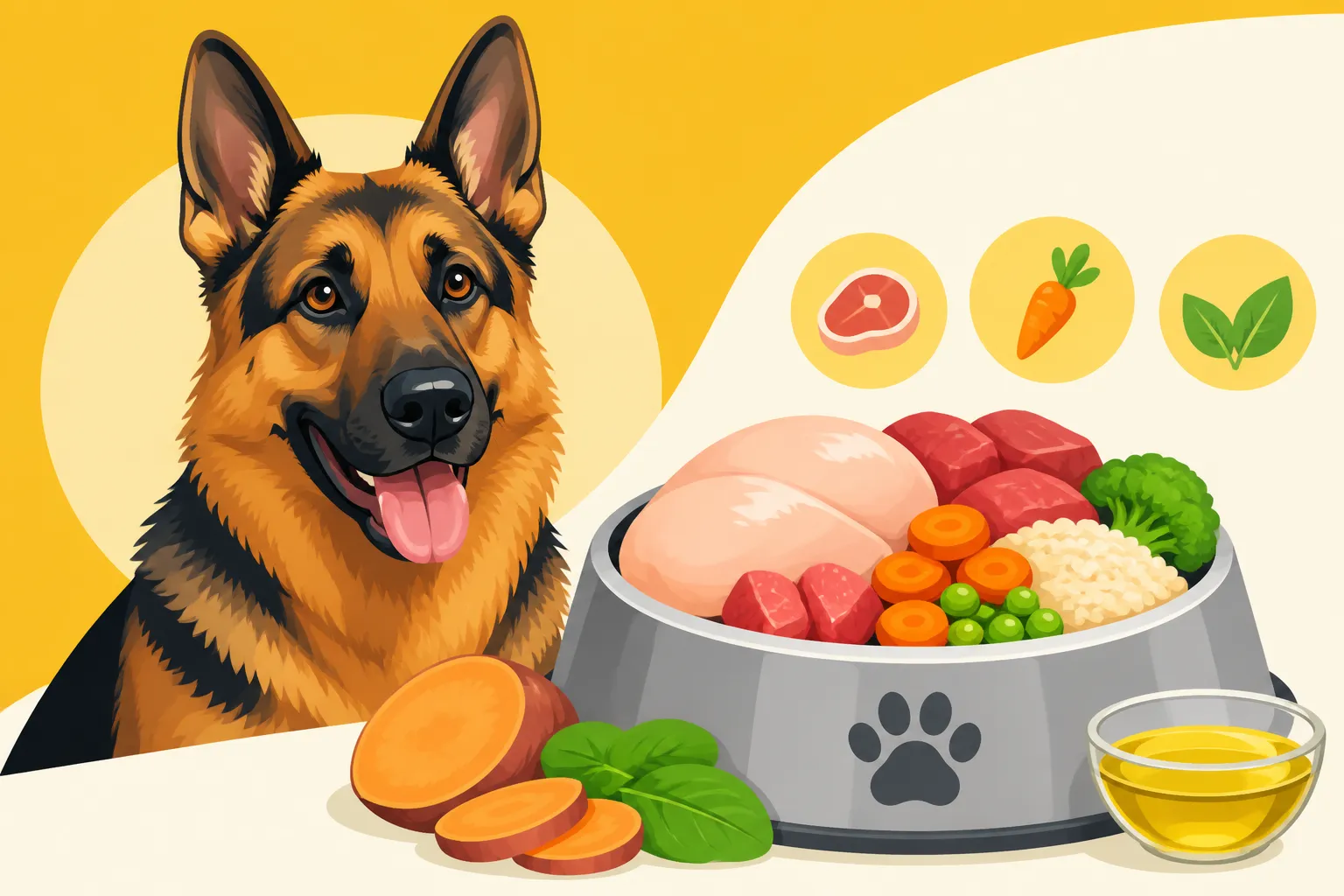
- 2 lbs boneless, skinless chicken breast or thigh, cooked and shredded/ground
- 2 large sweet potatoes, peeled and cooked until very soft, mashed
- 1 cup cooked green beans, chopped
- 1/2 cup cooked carrots, diced
- 1/4 cup chicken liver, finely chopped and cooked
- 1-2 tablespoons fish oil (added after cooking)
- Canine multivitamin/mineral supplement (as directed)
- Calcium supplement (e.g., eggshell powder), as directed by your vet
Instructions:
- Cook the chicken thoroughly until no pink remains. You can boil, bake, or pan-fry (without oil/seasoning). Shred or chop finely.
- Boil or steam sweet potatoes until very soft. Mash them well.
- Steam or boil green beans and carrots until tender-crisp.
- Gently cook the chicken liver.
- In a large bowl, combine the cooked chicken, mashed sweet potato, green beans, carrots, and cooked liver. Mix thoroughly.
- Once cooled, stir in the fish oil, canine multivitamin, and calcium supplement.
- Portion into daily meals appropriate for your German Shepherd's caloric needs. Store in the refrigerator for up to 3 days or freeze for longer storage.
This recipe provides a good base of lean protein, complex carbohydrates, and essential fiber. For German Shepherd puppies, the consistency might need to be even finer, and the German Shepherd Puppy Feeding Schedule will be different.
Beef and Rice with Veggies
Another versatile recipe that can be adapted.
Ingredients:
- 2 lbs lean ground beef (e.g., 90/10), cooked
- 1.5 cups brown rice, cooked according to package directions
- 1 cup chopped spinach, lightly steamed
- 1/2 cup peas, lightly steamed
- 1/4 cup beef heart or kidney, finely chopped and cooked
- 1-2 tablespoons flaxseed oil (added after cooking)
- Canine multivitamin/mineral supplement (as directed)
- Calcium supplement (e.g., bone meal), as directed by your vet
Instructions:
- Cook the ground beef thoroughly, crumbling it as it cooks. Drain off any excess fat.
- Cook brown rice.
- Lightly steam spinach and peas.
- Cook the beef organ meat.
- Combine cooked beef, rice, spinach, peas, and organ meat in a large bowl. Mix well.
- Once cooled, stir in the flaxseed oil, canine multivitamin, and calcium supplement.
- Portion and store as described above.
Remember, these recipes are examples. Variety is good, but any changes should still adhere to the general nutritional guidelines and ideally, be approved by your veterinary nutritionist. Consider referencing a general German Shepherd Feeding Guide for portion sizing based on age and activity.
Essential Supplements for Homemade Diets
Even with the most meticulously planned homemade recipes, it is extremely challenging to consistently meet all the micronutrient needs of a German Shepherd without supplementation.
Comprehensive Vitamin and Mineral Supplements
A high-quality, broad-spectrum canine vitamin and mineral supplement is non-negotiable for virtually all homemade diets. These supplements are designed to provide the missing vitamins and minerals that might be insufficient in home-prepared foods. Look for supplements that:
- Are specifically formulated for dogs.
- Contain a balanced array of vitamins (A, D, E, K, B-complex) and minerals (calcium, phosphorus, zinc, iron, selenium, iodine, etc.).
- Are recommended by your veterinary nutritionist or a trusted veterinarian.
Avoid using human supplements, as the dosages and forms of nutrients are often inappropriate for dogs and can even be toxic in high amounts. Brands like Balance IT or Dr. Harvey's often offer formulations specifically designed for homemade diets.
Omega Fatty Acid Supplements
While some fish oil is included in the sample recipes, many German Shepherds benefit from additional omega-3 fatty acid supplementation, especially if they have skin issues, allergies, or joint problems. High-quality fish oil (salmon oil, sardine oil, krill oil) provides EPA and DHA, powerful anti-inflammatory agents.
Look for:
- Purity and potency: Choose supplements tested for heavy metals and other contaminants.
- Appropriate dosage: Follow the manufacturer's recommendations or your vet's advice.
You can often find these specialized supplements easily on major online retailers like Amazon or dedicated pet supply stores like Chewy. These can play a crucial role in maintaining a healthy coat and mitigating inflammation, a common concern in German Shepherds as they age.
Sourcing Ingredients and Safe Preparation
The success of a homemade diet for your German Shepherd hinges not only on what you feed them but also on the quality of your ingredients and how safely you prepare them. Skimping on these aspects can undermine your efforts and even pose health risks.
Choosing High-Quality, Dog-Safe Ingredients
Just because an ingredient is "human-grade" doesn't automatically make it suitable or beneficial for your German Shepherd. Always prioritize fresh, wholesome options, and be aware of common toxins.
Where to Purchase Ingredients
- Local Grocery Stores: These are your primary source for fresh meats, vegetables, and some fruits. Look for lean cuts of meat and seasonal produce.
- Butcher Shops: Often a great source for fresh, high-quality meats, including organ meats (liver, heart, kidney) which are vital for a complete homemade diet. You might be able to buy in bulk, which can be more cost-effective.
- Farmer's Markets: Excellent for fresh, local, and often organic produce. Talk to the vendors about their growing practices.
- Online Retailers: For specialized supplements, bulk ingredients, or unique protein sources, online pet supply stores like Chewy are fantastic resources. You can also find high-quality supplements and some pantry staples on Amazon.
- Subscription Services: Some services, like Ollie, offer pre-portioned, human-grade fresh dog food delivered to your door. While not fully "homemade" in the sense of you cooking it, they provide a convenient, nutritionally balanced fresh option that many owners appreciate for its quality ingredients and ease of use, if you decide the full homemade route is too much.
Always prioritize fresh, whole foods. Avoid pre-seasoned meats, canned vegetables with added salt, or fruits in syrup. The simpler, the better.
Understanding Dog-Safe vs. Toxic Foods
It's critical to know which human foods are dangerous for dogs. A comprehensive list is too long for this guide, but some absolute no-gos include:
- Onions, Garlic, Leeks, Chives: All members of the Allium family are toxic and can cause red blood cell damage.
- Grapes and Raisins: Can cause acute kidney failure.
- Xylitol: A sugar substitute found in many sugar-free products (gum, candies, peanut butter) – extremely toxic and can cause rapid insulin release and liver failure.
- Chocolate: Contains theobromine, which is toxic to dogs.
- Avocado: Contains persin, which can be toxic to dogs, especially in larger amounts, and the pit is a choking hazard.
- Macadamia Nuts: Can cause weakness, vomiting, tremors, and hyperthermia.
- Cooked Bones: Cooked bones become brittle and can splinter, causing internal injuries or obstructions. Raw bones, while some advocate for them, carry their own risks and are not recommended for beginners.
Always err on the side of caution. If you're unsure about an ingredient, don't include it. A quick search can often confirm safety, or better yet, consult your vet.
Proper Preparation and Storage Techniques
Food hygiene and correct storage are paramount to prevent spoilage and bacterial contamination.
Cooking Methods for Dog Food
- Boiling/Steaming: These are excellent methods for cooking meats and vegetables as they don't require added fats and retain many nutrients. Ensure meats are cooked through.
- Baking/Roasting: Meats can be baked without seasoning or oils. This is a good option for larger batches.
- Grinding: Some owners prefer to grind raw or lightly cooked meat and vegetables together, especially for smaller dogs or those with dental issues. If grinding raw meat, exercise extreme caution regarding hygiene.
The goal is to cook ingredients to kill pathogens without overcooking and losing too many nutrients. For meats, an internal temperature of at least 165°F (74°C) is generally recommended.
Safe Storage and Freezing Practices
- Refrigeration: Cooked homemade dog food can be stored in airtight containers in the refrigerator for 3-4 days. Label containers with the date to keep track.
- Freezing: For longer storage, freeze individual portions in freezer-safe containers or bags. This is incredibly helpful for batch cooking. Frozen meals are typically good for up to 2-3 months.
- Thawing: Thaw frozen portions in the refrigerator overnight. Do not thaw at room temperature, as this can encourage bacterial growth.
- Portioning: Having pre-portioned meals ready makes daily feeding quick and easy. This is where those meal prep containers come in handy.
Good food safety practices extend beyond the kitchen. Always clean your German Shepherd's food bowl after each meal, especially with fresh food, to prevent bacterial buildup. This is a critical step in overall German Shepherd Dental Care Explained as well.
Transitioning Your German Shepherd to a Homemade Diet
Deciding to switch your German Shepherd to a homemade diet is a significant step, and the transition process itself requires patience and care. Rushing the process can lead to digestive upset, which is uncomfortable for your dog and frustrating for you.
Gradual Introduction Methods
The golden rule of changing any dog's diet is to do it gradually. This allows your German Shepherd's digestive system to adjust to the new ingredients and different macronutrient profiles without undue stress.
The 7-Day Transition Plan
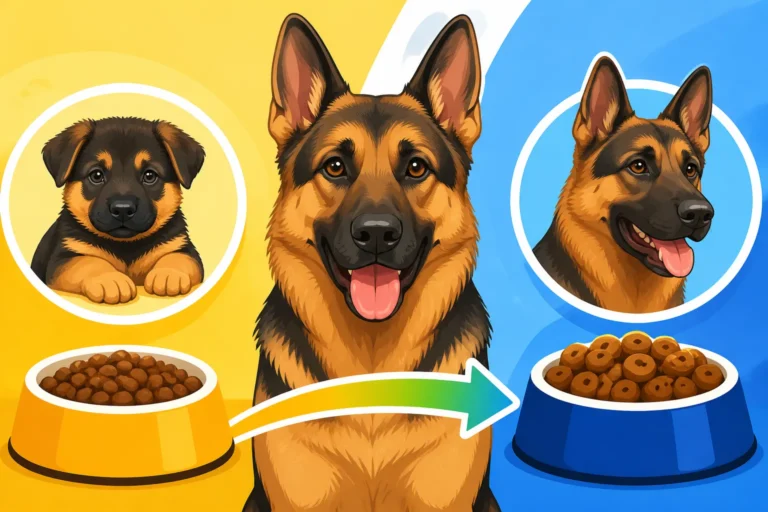
A common and effective method is to gradually introduce the new food over 7-10 days:
- Days 1-2: Replace about 25% of your German Shepherd's current food with the new homemade food. The other 75% remains their old food.
- Days 3-4: Increase the homemade portion to 50% and decrease the old food to 50%.
- Days 5-6: Move to 75% homemade food and 25% old food.
- Day 7 onwards: If your dog is tolerating the new diet well, you can now feed 100% homemade food.
During this period, closely monitor your German Shepherd for any signs of digestive upset, such as diarrhea, vomiting, gas, or loss of appetite. If you notice any issues, slow down the transition further, holding at the current ratio for a few extra days until symptoms subside. Some dogs may need an even slower transition over two weeks or more. This gentle approach is especially important if your German Shepherd has a German Shepherd Sensitive Stomach Solutions.
What to Watch For During Transition
Throughout the transition, pay close attention to several indicators of your dog's adjustment:
- Stool Consistency: This is your primary indicator. Ideally, stools should remain firm and well-formed. Loose stools or diarrhea are signs that you need to slow down or consult your vet.
- Appetite and Energy Levels: Your German Shepherd should continue to eat with enthusiasm and maintain their usual energy levels. A sudden decrease in appetite or lethargy could indicate a problem.
- Vomiting or Excessive Gas: These are clear signs of digestive upset and warrant slowing the transition or pausing to consult your veterinarian.
- Itching or Skin Changes: While a homemade diet often helps with allergies, new ingredients could potentially trigger a reaction in sensitive dogs. Monitor for increased scratching, redness, or hot spots.
Keeping a small journal during the transition can be helpful, noting daily food ratios and any observations about your German Shepherd's health.
Long-Term Monitoring and Adjustments
Switching to homemade food isn't a "set it and forget it" solution. Your German Shepherd's needs will change over time, and your diet plan should evolve with them.
Regular Vet Check-ups and Bloodwork
Even with a perfectly balanced recipe from a veterinary nutritionist, regular veterinary check-ups are more important than ever. Your vet can monitor your German Shepherd's overall health, weight, and condition. Biannual bloodwork, including a full chemistry panel and complete blood count, is highly recommended to detect any subtle nutritional imbalances before they become significant health problems. Your vet can assess organ function and nutrient levels, providing crucial feedback on the efficacy of your homemade diet. For instance, they might suggest testing for specific deficiencies based on your dog's age and clinical signs. Understanding German Shepherd Bloodwork: What to Test can empower you to have informed discussions with your vet.
Adjusting the Diet for Age and Activity Level
A growing German Shepherd puppy has vastly different caloric and nutrient requirements than a sedentary senior German Shepherd.
- Puppies: Growing German Shepherds need higher protein and fat, and a precisely balanced calcium-to-phosphorus ratio to support healthy bone development and avoid orthopedic issues. Over-supplementing calcium, for example, can be just as detrimental as under-supplementing.
- Adults: Active adults will need more calories than less active companions. Adjust protein and fat levels to maintain an ideal body condition.
- Seniors: Older German Shepherds often benefit from slightly lower caloric intake to prevent weight gain, potentially higher quality protein for muscle maintenance, and increased omega-3s for joint and cognitive health. Their digestive efficiency might also change, necessitating easier-to-digest ingredients. You might find our guide on German Shepherd Senior Diet Adjustments particularly helpful.
Throughout your German Shepherd's life, you'll need to periodically reassess their diet with your veterinary nutritionist to ensure it continues to meet their evolving needs. This commitment to ongoing adjustment is key to the long-term success of a homemade feeding plan.
Disclaimer
The information provided in this guide is for informational purposes only and is not a substitute for professional veterinary advice. Always consult with a qualified veterinarian or a board-certified veterinary nutritionist before making significant changes to your German Shepherd's diet, especially when preparing homemade meals, to ensure complete and balanced nutrition and address any specific health concerns.