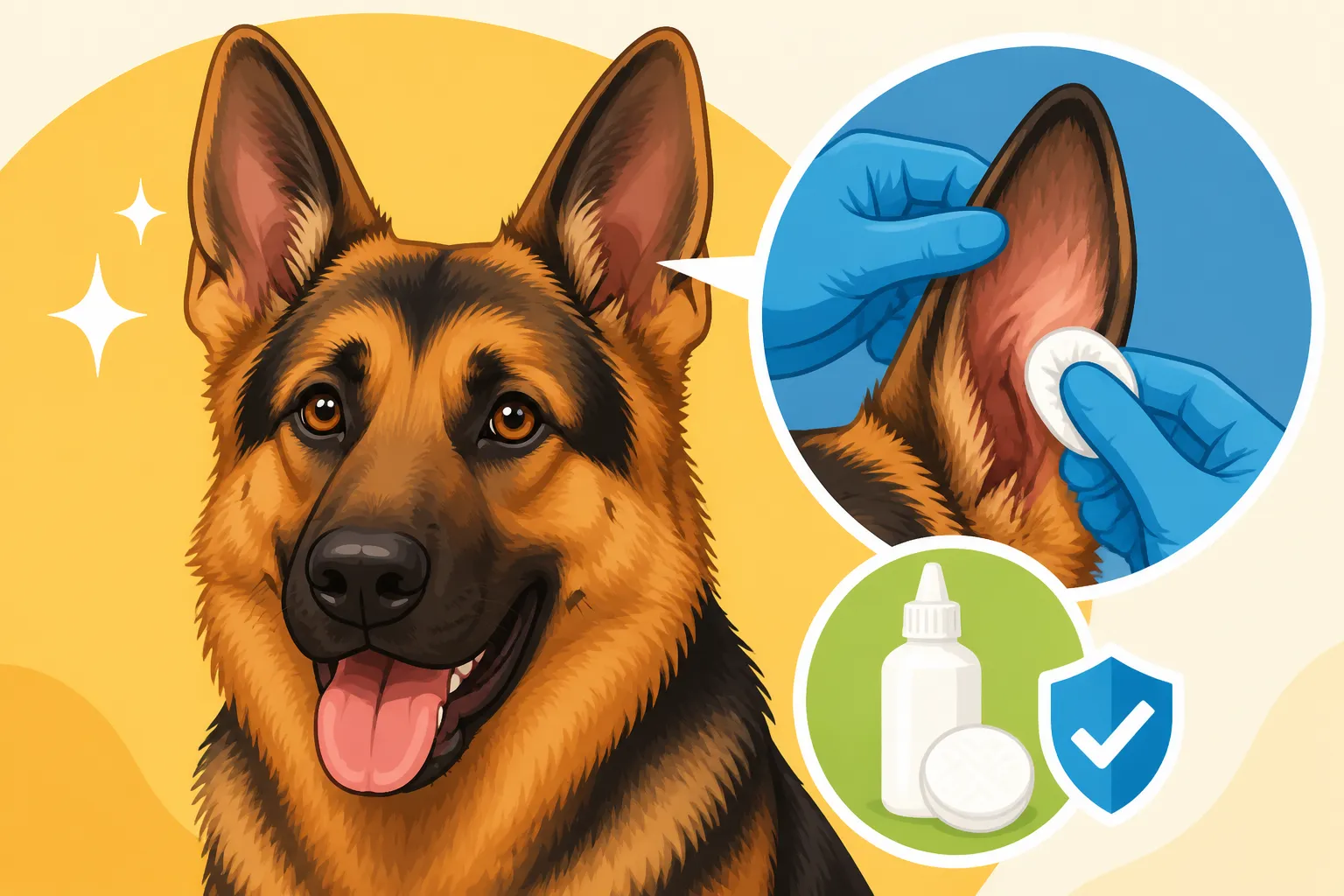
How to Clean German Shepherd Ears Properly
One common concern for German Shepherd owners is dealing with those magnificent, upright ears. While impressive, they can sometimes become a breeding ground for dirt, moisture, and even infections if not properly cared for. It's a frustrating reality when you notice your beloved companion scratching, shaking their head, or showing discomfort. This comprehensive guide will walk you through everything you need to know about how to clean German Shepherd ears properly, ensuring your dog stays healthy and happy.
Understanding German Shepherd Ear Anatomy and Why Cleaning is Crucial
German Shepherds have distinct, erect ears that, unlike the floppy ears of some other breeds, generally allow for better air circulation. However, even with this advantage, their ears are not immune to issues. The deep canal can still trap debris, excess wax, and moisture, especially after swimming or humid weather. Understanding the unique structure and common vulnerabilities is the first step in effective preventative care.
The ear canal of a dog is L-shaped, much deeper and more convoluted than a human's. This design is excellent for capturing sounds but also creates nooks and crannies where foreign bodies, yeast, and bacteria can hide and multiply. Without regular, proper cleaning, this environment can quickly turn into a problem area, leading to pain and discomfort for your German Shepherd. Ignoring these early signs of irritation can escalate minor issues into full-blown infections, which are not only painful for your dog but also costly and time-consuming to treat. Regular maintenance is a small investment of time that pays off big in your dog's long-term health and well-being.
Gathering Your German Shepherd Ear Cleaning Supplies
Before you even think about approaching your German Shepherd with an ear cleaner, it's crucial to have all your supplies ready. Rushing or scrambling for items can make your dog anxious and less cooperative. A calm, prepared approach is key to a stress-free experience for both of you. Think of it like preparing for a mini spa day for your pup – everything in its place, ready to go.
Essential Tools for a Safe and Effective Clean
You don't need a professional grooming kit to clean your German Shepherd's ears, but having the right tools makes a huge difference. Here’s a checklist of what you'll need:
- Veterinarian-Approved Ear Cleaning Solution: This is the most critical item. Never use harsh chemicals, rubbing alcohol, or hydrogen peroxide, as these can irritate or damage the delicate ear tissues. Your vet can recommend a good, gentle solution specifically designed for canine ears. Some popular brands found at places like Chewy or Amazon include Zymox, Virbac Epi-Otic, or more natural options with witch hazel or aloe.
- Cotton Balls or Soft Gauze Pads: These are for wiping away debris and excess cleaner. Avoid cotton swabs (Q-tips) for inside the ear canal, as they can push debris further in or damage the eardrum. Save cotton swabs only for cleaning the outer folds of the ear, if necessary.
- Towels: Keep a few old towels handy. One can be used to lay under your dog, especially if they’re prone to shaking their head during or after the process. Another can be used for drying.
- Treats: Positive reinforcement is vital! Have plenty of your German Shepherd's favorite treats ready to reward them for their cooperation.
- Gloves (Optional): If you prefer not to get ear solution or debris on your hands, disposable gloves can be helpful.
Choosing the Right Ear Cleaning Solution
The market is flooded with ear cleaning solutions, and it can feel overwhelming to pick the right one. The best approach is always to consult your veterinarian. They can recommend a product based on your dog's specific needs, especially if your German Shepherd has a history of allergies or ear infections. Many solutions are formulated to break down wax, dry the ear canal (important for preventing yeast growth), and have antiseptic properties.
When selecting a solution, look for ingredients like salicylic acid, lactic acid, or ceramides, which can help maintain healthy ear flora and moisturize the skin. Avoid solutions with alcohol or strong fragrances if your dog has sensitive skin. Brands like Virbac Epi-Otic Advanced Ear Cleanser are often recommended by vets for routine cleaning and are readily available from online retailers like Chewy or your local pet supply store. For dogs with chronic issues, your vet might suggest a medicated cleanser, perhaps one from Zymox, which is known for its enzyme-based formula. Always read the label and follow the instructions provided with the product and by your vet.
A Step-by-Step Guide to Cleaning Your German Shepherd's Ears
Now that you've got all your supplies, it's time for the actual cleaning. Remember, patience and a gentle touch are your best friends here. Your German Shepherd can sense your anxiety, so stay calm and reassuring. Make this a positive experience, and future cleanings will be much easier.
Preparing Your Dog and the Environment
Before you begin, choose a quiet, well-lit area where you and your dog can be comfortable. A bathroom or kitchen with easy-to-clean surfaces is often ideal. If your dog is prone to shaking their head vigorously, doing it outdoors might save your furniture from a spray of ear cleaner!
Start by giving your German Shepherd some calm affection and a few treats. Get them used to having their ears handled. Gently lift their ear flap and look inside. Check for any redness, swelling, unusual discharge, or a foul odor. If you notice any of these signs, especially a strong, yeasty smell or pus-like discharge, stop and consult your veterinarian, as your dog might already have an infection that requires medical treatment. You don't want to irritate an already sore ear. This is also a good time to consider whether your dog might be suffering from German Shepherd Allergies: Symptoms and Treatment, as allergies often manifest as ear problems.
The Actual Cleaning Process
Once you've assessed the ear and your dog is calm, you can begin the cleaning:
- Positioning: Gently hold your German Shepherd's head steady. With one hand, hold the ear flap up to expose the ear canal.
- Applying Solution: Carefully insert the tip of the ear cleaner bottle into the uppermost part of the ear canal – do not force it down deep. Squeeze a generous amount of the cleaning solution into the ear canal until it's visibly full.
- Massaging: Lower the ear flap and gently massage the base of the ear for 20-30 seconds. You should hear a squishing sound, which means the solution is working its way down into the L-shaped canal, breaking up wax and debris. Your dog might lean into this or try to shake their head – keep a firm but gentle hold.
- Allowing the Shake: Let go of your dog's head and allow them to shake it vigorously. This is a natural and important part of the process, as it helps dislodge debris and move the solution out of the canal. Stand back to avoid getting splattered!
- Wiping Away: After the head shake, take a fresh cotton ball or gauze pad and gently wipe away any visible wax, debris, and excess solution from the outer ear and the entrance of the ear canal. Remember, only clean as far as your finger can reach comfortably. Never insert anything into the ear canal itself. If you're wondering how this fits into overall grooming, remember that ear cleaning is a crucial part of a complete German Shepherd Grooming Tools You Need routine.
- Repeat (if necessary): If the first cotton ball comes out very dirty, you can repeat the process with a fresh application of solution until the cotton comes out relatively clean.
- Reward: Immediately praise your German Shepherd lavishly and give them those delicious treats! Positive reinforcement helps them associate ear cleaning with good things.
What to Do After Cleaning
After you’ve successfully cleaned both ears, it’s a good idea to let your German Shepherd dry off completely before letting them play or go outside. The ear canal needs to be dry to prevent yeast or bacteria from thriving. Keep an eye on their ears for a day or two afterward. If you notice any increased redness, sensitivity, or discharge, it’s time for a vet visit.
This routine cleaning can significantly reduce the risk of German Shepherd Ear Infections: Prevention and contributes to their overall health. Remember, consistency is key!
Common German Shepherd Ear Problems and When to Seek Vet Care
Even with the most diligent cleaning routine, German Shepherds can still develop ear problems. It's crucial to be vigilant and know when a home cleaning isn't enough and professional medical attention is needed. Catching issues early can prevent them from becoming severe and more challenging to treat. This is part of the broader commitment to understanding German Shepherd Health Problems Guide.
Recognizing Signs of Infection
An infected ear will often present with very clear symptoms that go beyond just a little dirt or wax. Pay close attention if your German Shepherd displays any of the following:
- Excessive scratching or rubbing: Your dog might paw at their ear, rub their head along furniture or the ground, or shake their head far more than usual.
- Redness and swelling: The inside of the ear flap or the opening of the ear canal may appear red, inflamed, or swollen.
- Foul odor: A strong, unpleasant smell emanating from the ear is a classic sign of bacterial or yeast infection. It often smells yeasty or cheesy.
- Discharge: Look for dark brown, yellow, or greenish discharge. This could be waxy, crusty, or even pus-like. The type of discharge can sometimes hint at the type of infection (yeast often produces dark, greasy discharge; bacteria can produce yellow/green pus).
- Pain or sensitivity: Your dog might cry out, growl, or recoil when you try to touch their ear. They may hold their head tilted to one side. This indicates discomfort and pain.
- Hair loss around the ear: Constant scratching can lead to hair loss around the affected ear due to irritation and trauma.
These symptoms are a clear signal that something more serious than routine grime is going on. Ignoring them can lead to deeper infections, hearing loss, or even vestibular disease in severe cases. You'll want to address this quickly, as an ear infection can be incredibly painful for your dog, much like How to Tell If a German Shepherd Is in Pain from other conditions.
When Professional Help is Essential
While routine cleaning is a cornerstone of preventative care, it’s vital to understand its limitations. If you observe any of the infection signs listed above, or if your German Shepherd's ears don't seem to improve after a day or two of gentle cleaning (and only if the signs are mild), it's time to call your veterinarian.
Your vet has the tools and expertise to properly diagnose the issue. They can examine the ear canal with an otoscope, collect samples of discharge for microscopic analysis (to identify bacteria, yeast, or mites), and prescribe the appropriate medication. This might include oral antibiotics, antifungal medications, or medicated ear drops. Attempting to treat an infection at home with over-the-counter remedies without a proper diagnosis can be ineffective and potentially worsen the condition or cause further resistance to medication. Regular check-ups, which include ear examinations, are an important part of How to Keep a German Shepherd Healthy. Remember that prompt vet care might involve costs, so being aware of typical German Shepherd Vet Costs Per Year can help you plan.
Preventing Future Ear Issues in Your German Shepherd
An ounce of prevention is truly worth a pound of cure when it comes to German Shepherd ear health. By establishing good habits and being proactive, you can significantly reduce the likelihood of your dog suffering from painful and recurring ear problems. It's all about creating an environment where their ears can thrive, rather than struggle.
Establishing a Routine
Consistency is paramount. Just like you brush your dog's coat or tend to their teeth, ear cleaning should become a regular part of their grooming schedule.
- Frequency: For most German Shepherds without a history of ear issues, cleaning their ears every 2-4 weeks is sufficient. If your dog is prone to ear infections, swims frequently, or lives in a humid environment, you might need to increase the frequency to once a week or every ten days. Always consult your vet for a personalized recommendation.
- Post-Swim Care: After your German Shepherd has been swimming, it's particularly important to dry their ears thoroughly. Excess moisture creates a warm, damp environment perfect for bacterial and yeast growth. Use a soft towel or cotton ball to gently absorb any water from the outer ear and the visible parts of the canal. A drying ear solution (specifically formulated to help evaporate moisture) can also be beneficial in these situations.
- Regular Inspections: Make it a habit to visually inspect your German Shepherd's ears a few times a week, perhaps during cuddle time or after a walk. Look for any changes, odd smells, or excess wax. Early detection allows for early intervention, often preventing minor irritation from turning into a full-blown infection.
Diet and Environmental Factors
Beyond direct cleaning, other aspects of your German Shepherd's life can influence their ear health.
- Diet: Sometimes, chronic ear infections can be a symptom of underlying food allergies. If your German Shepherd experiences recurrent ear issues, alongside other symptoms like itchy skin or gastrointestinal upset, discuss a potential food trial with your vet. Switching to a limited ingredient diet or a hydrolyzed protein diet under veterinary guidance can sometimes resolve these chronic problems. Brands like Ollie, known for fresh, customized dog food, or specialized prescription diets available through your vet, might be explored in such cases.
- Environmental Allergies: Just like humans, dogs can suffer from environmental allergies (pollen, dust mites, mold). These allergies often manifest as itchy skin and ears. If your dog has seasonal ear problems, it might be worth investigating environmental triggers with your vet. Strategies could include regular bathing with hypoallergenic shampoos, air purifiers in the home, or allergy medication.
- Hair Removal (Caution!): Some German Shepherds, particularly those with thicker coats or older dogs, might develop excessive hair growth deep inside the ear canal. While this can sometimes trap debris, indiscriminately plucking ear hair can actually cause microscopic trauma, leading to inflammation and infection. Never pluck ear hair without explicit instructions from your veterinarian or a professional groomer. They can assess if it's necessary and perform it safely. In many cases, it's better to leave the hair alone.
- Underlying Health Conditions: Certain health issues can predispose German Shepherds to ear problems. For example, hypothyroidism or autoimmune diseases can sometimes affect skin and ear health. If ear infections are persistent and other causes have been ruled out, your vet may recommend further diagnostic testing, such as German Shepherd Bloodwork: What to Test, to check for systemic conditions.
By integrating these preventative measures into your German Shepherd Care and Nutrition routine, you'll be well on your way to maintaining clean, healthy ears for your beloved German Shepherd, preventing discomfort and ensuring they remain a happy, active member of your family.
Ear Cleaning Solutions and Tools Comparison
Choosing the right products can make a big difference in the effectiveness and ease of your German Shepherd's ear cleaning routine. Here's a brief comparison of common types of ear cleaning solutions and tools.
| Feature | Salicylic Acid/Lactic Acid Solutions | Witch Hazel/Aloe Solutions | Enzymatic Solutions (e.g., Zymox) | Cotton Balls/Gauze Pads | Ear Wipes |
|---|---|---|---|---|---|
| Primary Benefit | Wax breakdown, drying, antiseptic | Gentle, soothing, natural | Antiseptic, anti-yeast, anti-bacterial | External wiping, debris removal | Quick, superficial clean |
| Use Case | Routine maintenance, some infections | Sensitive ears, mild irritation | Active infections (often vet-recommended) | Applying solution, drying | Light cleaning, travel |
| Key Ingredients | Salicylic Acid, Lactic Acid, Ceramides | Witch Hazel, Aloe Vera, Chamomile | Hydrocortisone, Lactoferrin, Lysozyme | Cotton, non-woven fabric | Mild cleansers, moisturizers |
| Pros | Effective, widely available, affordable | Less irritating for very sensitive dogs | Highly effective against stubborn issues, can reduce need for antibiotics | Soft, absorbent, disposable | Convenient, pre-moistened |
| Cons | Can be irritating if overused or for very sensitive skin | May not be strong enough for heavy wax or infections | Can be more expensive, specific instructions for use | Can be messy, not for internal use | Not for deep cleaning, can dry out if left open |
| Availability | Pet stores, vet clinics, Chewy, Amazon | Pet stores, natural product stores | Vet clinics, Chewy, Amazon | Drugstores, supermarkets, Amazon | Pet stores, Amazon |
Disclaimer
The information provided in this article is for general informational purposes only and is not a substitute for professional veterinary advice. Always consult with a qualified veterinarian regarding your German Shepherd's specific health concerns, ear issues, and before starting any new treatment or cleaning regimen.