Best Shampoo for a German Shepherd
It’s a common frustration for German Shepherd owners: you bathe your majestic companion, hoping for a clean, lustrous coat, only to be met with dullness, persistent itching, or even flakiness a few days later. Choosing the right shampoo isn't just about suds and scent; it's about understanding the unique needs of their magnificent double coat and sensitive skin. This comprehensive guide will walk you through everything you need to know to select the absolute best shampoo for your German Shepherd, ensuring they stay healthy, comfortable, and looking their absolute best.
Understanding Your German Shepherd's Unique Coat and Skin
Before we even think about specific shampoo brands, it’s absolutely crucial to grasp what makes a German Shepherd’s coat and skin so distinct. Unlike many other breeds, German Shepherds are blessed with a dense, double coat that serves multiple purposes – protection from elements, temperature regulation, and defense against minor abrasions. This unique physiology means they require a grooming approach that caters specifically to these characteristics. If you don't consider these factors, even the most expensive "all-purpose" dog shampoo might do more harm than good, leading to issues like dryness, irritation, or exacerbating their natural shedding cycles.
The Intricacies of the Double Coat
A German Shepherd's coat is a marvel of natural engineering, consisting of two distinct layers: a coarse, dense outer coat and a softer, woollier undercoat. The outer coat, often called the guard coat, is designed to be water-resistant and protect against dirt and debris. It's tough and provides the first line of defense. Beneath this lies the undercoat, a thick, downy layer that provides insulation, keeping them warm in winter and cool in summer. This undercoat is also responsible for the infamous "blowing coat" seasons, where they shed enormous amounts of fluff.
Because of this dual-layer system, a shampoo needs to be able to penetrate the dense outer coat to effectively clean the undercoat and reach the skin without stripping away essential oils. If a shampoo is too harsh, it can dry out both layers, leading to brittle fur and irritated skin. On the flip side, if it's too heavy or leaves too much residue, it can clog pores and interfere with the coat's natural ability to breathe and regulate temperature, which is essential for their overall well-being. Regular and proper grooming, including the right shampoo, is a key part of German Shepherd Coat and Skin Care and managing German Shepherd Shedding: How to Manage It.
Addressing Common Skin Sensitivities and Issues
German Shepherds, like many large breeds, can be prone to various skin sensitivities and conditions. Dry, itchy skin is a frequent complaint, often stemming from environmental allergies, nutritional deficiencies, or simply using the wrong products. You might notice them scratching more often, developing flaky patches, or even hot spots – localized inflamed skin lesions that can become quite painful if not addressed promptly. These skin issues are not just cosmetic; they can be a significant source of discomfort for your dog and, if left unchecked, can lead to secondary bacterial or yeast infections.
Using a harsh shampoo with irritants like strong sulfates or artificial fragrances can strip the skin of its natural protective barrier, making it more vulnerable to these problems. This is why a gentle, pH-balanced formula is paramount. Their skin pH is different from ours, meaning human shampoos are absolutely off-limits. Finding a shampoo that is soothing and moisturizing, rather than drying, is critical. For those dealing with specific German Shepherd Skin Problems and Fixes or wondering about German Shepherd Allergies: Symptoms and Treatment, shampoo selection plays a significant role in alleviation, though it’s just one piece of the puzzle. Sometimes, a change in diet, as discussed in German Shepherd Dry Skin: Diet Fixes or understanding German Shepherd Nutrition Essentials, might also be necessary to fully resolve skin issues.
Identifying Key Ingredients to Seek and Substances to Avoid
Navigating the dizzying array of dog shampoos can feel like a science experiment. You’re scanning labels, trying to decipher ingredients you can barely pronounce, all while wondering if you’re making the right choice for your beloved German Shepherd. The truth is, paying close attention to what goes into the bottle – and what stays out of it – is the most critical step in protecting their skin and coat.
Beneficial Ingredients for a Healthy Coat and Skin
When you're perusing the aisles or browsing online at places like Chewy, look for shampoos that boast natural, soothing, and moisturizing ingredients. These are the workhorses that will cleanse effectively without causing irritation, supporting both the coat’s health and the skin's integrity.
- Oatmeal: Colloidal oatmeal is a superstar for irritated, itchy skin. It forms a protective barrier, locking in moisture and easing discomfort. If your German Shepherd is prone to scratching, an oatmeal-based shampoo is often the first line of defense many vets recommend. It's gentle, soothing, and a fantastic natural anti-inflammatory.
- Aloe Vera: This plant extract is renowned for its healing and soothing properties. It helps reduce inflammation, moisturize dry skin, and can even promote minor wound healing. Shampoos with aloe vera can provide a refreshing and calming experience for a dog with sensitive skin.
- Essential Fatty Acids (Omega-3 and Omega-6): While often associated with diet, some shampoos incorporate these powerful emollients to support skin barrier function and reduce inflammation topically. They help maintain skin hydration and can contribute to a shinier, healthier coat.
- Natural Oils (Coconut Oil, Argan Oil, Jojoba Oil): These oils are fantastic natural moisturizers. Coconut oil, in particular, is celebrated for its antibacterial and antifungal properties, as well as its ability to penetrate and nourish hair shafts. Argan and Jojoba oils are lightweight but deeply hydrating, helping to restore shine and softness to the coat without leaving a greasy residue.
- Vitamin E: An antioxidant that can help protect skin cells from damage and support skin healing. It often works in conjunction with natural oils to provide comprehensive skin nourishment.
- Mild Surfactants: These are the cleaning agents, but not all are created equal. Look for plant-derived surfactants like those from coconut or palm, which are far gentler than harsh chemical sulfates. They create lather and lift dirt without stripping natural oils.
Harmful Ingredients to Steer Clear Of
Just as important as knowing what to look for is knowing what to avoid. Many common shampoo ingredients, while fine for human hair, can be detrimental to a dog’s sensitive skin and unique coat structure. Always read labels carefully, even when buying from reputable retailers like Amazon.
- Sulfates (Sodium Lauryl Sulfate – SLS, Sodium Laureth Sulfate – SLES): These are strong detergents that create a rich lather. While effective at cleaning, they are notorious for stripping natural oils from the skin and coat, leading to dryness, irritation, and exacerbating conditions like German Shepherd Itchy Skin: Causes and Fixes. They can also be irritating to eyes.
- Parabens: These are preservatives used to prevent bacterial growth in cosmetics. However, they have been linked to potential endocrine disruption and are best avoided in products applied to your dog's skin, especially over long periods.
- Phthalates: Often found in synthetic fragrances, phthalates are also endocrine disruptors and can be absorbed through the skin. Opt for fragrance-free or naturally scented shampoos.
- Artificial Fragrances and Dyes: While a "fresh linen" or "tropical breeze" scent might sound appealing to us, these artificial additives are common culprits for skin irritation and allergic reactions in dogs. Many dogs are sensitive to strong chemical smells. Similarly, artificial dyes offer no benefit and can sometimes cause irritation. Natural scents from essential oils (used sparingly and safely for dogs) or unscented formulas are always preferable.
- Formaldehyde Donors: Ingredients like DMDM Hydantoin, Imidazolidinyl Urea, and Quaternium-15 release formaldehyde, a known carcinogen and skin irritant. These are definitely on the "no-go" list.
- Alcohol: Denatured alcohols can be extremely drying to the skin and coat. While some mild, naturally derived alcohols might be used in very small amounts as emulsifiers, avoid shampoos where alcohol is a prominent ingredient.
By being diligent about reading ingredient lists, you can make informed choices that truly benefit your German Shepherd’s health and comfort.
Tailoring Shampoo Choices to Specific Needs
No two German Shepherds are exactly alike, and neither are their grooming needs. A young, healthy German Shepherd with a robust coat will likely benefit from a different shampoo than a senior dog battling allergies or one going through a major "blow coat" season. Understanding these nuanced differences allows you to choose a shampoo that acts as a targeted solution rather than a one-size-fits-all approach.
Deshedding Shampoos for Heavy Shedders
If you own a German Shepherd, you know shedding is practically a year-round event, punctuated by seasonal "blow outs" where it feels like you're literally excavating fur from your home. Deshedding shampoos are specifically formulated to help loosen the undercoat and facilitate its removal during bathing and subsequent brushing. These shampoos typically contain ingredients like omega fatty acids and moisturizers that help condition the hair follicles, making it easier for dead and loose hairs to release.
When using a deshedding shampoo, it’s often recommended to let it sit on the coat for a few minutes (as per product instructions) to allow the ingredients to work their magic. Paired with a thorough brushing during and after the bath, these shampoos can significantly reduce the amount of loose fur left behind, making your life and your vacuum's life a little easier. Brands often create complementary conditioners to use after the shampoo, which further helps in loosening the undercoat. While they won't stop shedding entirely (that's impossible!), they can make the process much more manageable. For more tips on managing their fur, check out How to Deshed a German Shepherd and invest in a good Best Brush for a German Shepherd Double Coat. Combining a good deshedding shampoo with regular grooming can go a long way in How to Reduce German Shepherd Shedding in the House.
Hypoallergenic and Sensitive Skin Formulas
For German Shepherds prone to allergies, dry skin, or general sensitivities, hypoallergenic or sensitive skin shampoos are a godsend. These formulas are typically fragrance-free, dye-free, and steer clear of harsh chemicals like sulfates and parabens. Instead, they lean heavily on soothing ingredients such as colloidal oatmeal, aloe vera, and often a very mild, pH-balanced cleansing base.
When your dog is constantly scratching, licking their paws, or develops red, inflamed patches, a sensitive skin shampoo can provide much-needed relief. It helps to calm the skin, reduce irritation, and re-establish the skin's natural barrier. Always opt for formulas that are specifically labeled "hypoallergenic" or "for sensitive skin," as these have usually undergone rigorous testing to ensure they are gentle. Remember, even with these gentle formulas, always do a patch test first if your dog has extreme sensitivities. For recurring skin issues, it's always wise to consult your vet, as shampoo is just one part of managing German Shepherd Allergies: Symptoms and Treatment.
Medicated Shampoos for Specific Conditions
Sometimes, your German Shepherd might need more than just a gentle cleanse. If they develop a bacterial skin infection, fungal issues (like ringworm or yeast overgrowth), or certain dermatological conditions, your veterinarian might prescribe a medicated shampoo. These aren't your everyday grooming products; they contain active pharmaceutical ingredients designed to treat specific problems.
Common active ingredients in medicated shampoos include:
- Chlorhexidine: An antiseptic and antibacterial agent, often used for treating bacterial skin infections (pyoderma).
- Miconazole: An antifungal agent, effective against yeast infections (Malassezia) and some fungal skin issues.
- Benzoyl Peroxide: Used for conditions like canine acne or folliculitis, as it helps to flush hair follicles.
- Selenium Sulfide: Often used to treat seborrhea (oily, flaky skin).
It's critical to only use medicated shampoos under the direct guidance of a veterinarian. They will diagnose the specific condition and instruct you on the correct frequency and duration of use. Misusing medicated shampoos can be ineffective or even harmful. Always follow your vet's instructions precisely, as these shampoos require specific contact times to be effective.
Brightening and Whitening Shampoos
For German Shepherds with lighter coats – think sables, creams, or even the distinctive white German Shepherds – maintaining a vibrant, stain-free appearance can be a goal. Brightening or whitening shampoos are designed to enhance the natural luminosity of lighter fur and reduce yellowing or dullness. These formulas typically contain optical brighteners or natural bluing agents that make white fur appear whiter and colors more vivid without using harsh bleaches.
Look for natural brighteners like blueberry extract or mild, non-staining bluing agents. Avoid anything that feels overly harsh or contains strong chemical bleaches, as these can irritate sensitive skin. These shampoos are generally safe for regular use, but always ensure they are dye-free and fragrance-free if your dog has any skin sensitivities. They can work wonders in keeping those lighter coats looking pristine.
Top Shampoo Recommendations and Application Tips
Now that we’ve delved deep into the "why" and "what" of German Shepherd shampoos, let's talk about some practical "hows." It’s not just about picking up a bottle; it's also about knowing how to use it effectively and which brands have built a reputation for quality and safety.
Recommended Brands and Products
When it comes to choosing a shampoo, there are numerous reputable brands available through retailers like Chewy and Amazon that cater specifically to the needs of large, double-coated breeds with varying skin sensitivities. Here are a few categories and examples that generally receive high marks from German Shepherd owners and veterinarians:
-
For General Cleansing and Maintenance:
- Earthbath Oatmeal & Aloe Shampoo: This is a classic for a reason. It's soap-free, paraben-free, sulfate-free, and dye-free. The oatmeal and aloe combo is fantastic for soothing dry, itchy skin and conditioning the coat. It's a great all-rounder for regular baths.
- Burt's Bees for Dogs Natural Oatmeal Shampoo: Another excellent choice for a gentle, natural cleanse. It leverages the power of colloidal oatmeal and honey to moisturize and soothe. Burt's Bees is widely available and a trusted name in natural pet care.
- TropiClean Oatmeal & Tea Tree Shampoo: This formula not only soothes with oatmeal but also uses tea tree oil (safely diluted for dogs) for its antiseptic properties, which can be beneficial for mildly irritated skin or to ward off minor issues.
-
For Deshedding:
- FURminator deShedding Ultra Premium Shampoo: This brand is synonymous with deshedding, and their shampoo is formulated to complement their brushes. It contains Omega 3 & 6 Fatty Acids, which help strengthen hair follicles and release the undercoat.
- Veterinary Formula Clinical Care Shed & Groom Shampoo: A more budget-friendly option that still delivers on deshedding promises. It includes lanolin and salicylic acid to exfoliate the skin and reduce shedding.
-
For Sensitive Skin/Allergies:
- HyLyt Hypoallergenic Shampoo: Often recommended by vets, this shampoo is incredibly gentle and free of harsh ingredients, making it ideal for dogs with severe allergies or very sensitive skin. It focuses on pure cleansing without irritation.
- Vet's Best Hypo-Allergenic Shampoo: This formula uses natural ingredients like aloe vera and vitamin E to provide a soothing, soap-free cleanse for dogs with sensitive skin.
-
For Medicated Needs (Vet-Recommended Only):
- Malaseb Medicated Shampoo: A powerful combination of Miconazole and Chlorhexidine, effective against bacterial and fungal infections. Strictly for use under veterinary guidance.
- Douxo S3 Pyo Antiseptic Antifungal Shampoo: Another popular vet-prescribed shampoo for skin infections, utilizing Chlorhexidine and Ophytrium to soothe and support the skin barrier.
When purchasing, always double-check the ingredient list on the actual product, as formulas can occasionally change. Reliable online sources like Chewy often provide detailed ingredient lists and customer reviews that can help guide your decision. While Ollie focuses on fresh food delivery, Chewy and Amazon are excellent platforms to source a wide variety of high-quality grooming products tailored to German Shepherds.
Best Practices for Bathing Your German Shepherd
Even with the perfect shampoo, your bathing technique can make all the difference. German Shepherds are large dogs with thick coats, so bathing them properly requires a bit of patience and strategy. Following these steps can help ensure a positive experience for both of you and maximize the benefits of your chosen shampoo. For a more exhaustive guide on the entire process, consider reading How to Groom a German Shepherd.
-
Preparation is Key:
- Brush Before Bathing: This is non-negotiable for a German Shepherd. A thorough pre-bath brushing with a good deshedding tool will remove a significant amount of loose hair and tangles, allowing the shampoo to penetrate more effectively and preventing matting when wet.
- Gather Supplies: Have your shampoo, conditioner (if using), towels, a non-slip mat for the tub, and cotton balls for ears ready before you start.
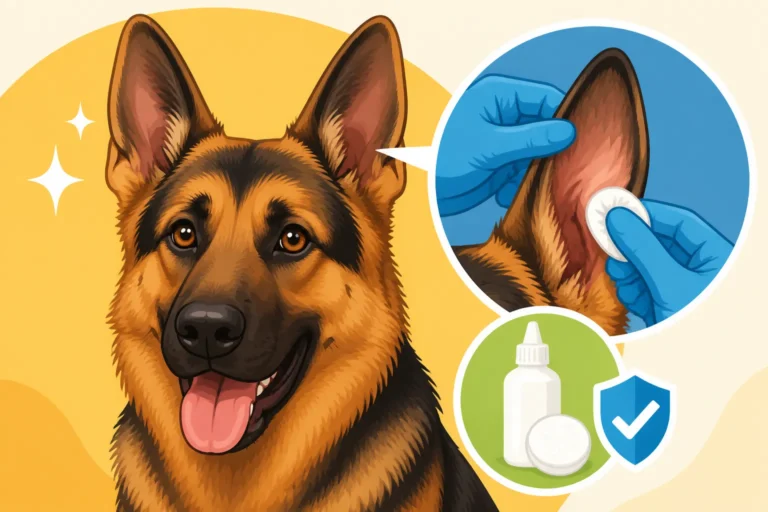
- Protect Ears: Place cotton balls gently in your dog's ears to prevent water from entering the ear canal, which can lead to ear infections. Remember to remove them afterwards!
-
Water Temperature and Wetting:
- Lukewarm Water: Use comfortable, lukewarm water. Too hot can be uncomfortable or even scald, too cold can be a shock.
- Thorough Wetting: This is crucial for a double-coated breed. Saturate their entire coat down to the skin. It can take a few minutes for the water to really soak through the dense outer layer and reach the undercoat. A spray nozzle works best for this.
-
Shampoo Application:
- Dilute Shampoo: Many concentrated dog shampoos can benefit from dilution. Mix a small amount of shampoo with water in a separate bottle or cup. This helps distribute it more evenly and makes rinsing easier.
- Apply and Lather: Start from the neck and work your way down to the tail, paying special attention to areas that get dirty, like paws, belly, and around the tail. Massage the shampoo deeply into the coat, ensuring it reaches the skin. Be gentle around the face and eyes, using a damp cloth for those areas instead of direct shampoo.
- Allow Contact Time: If your shampoo specifies a contact time (e.g., for deshedding or medicated formulas), follow it carefully.
-
Rinsing – The Most Important Step:
- Rinse, Rinse, Rinse!: This cannot be stressed enough. Shampoo residue left on the skin can cause irritation, itching, and dryness, effectively negating all your efforts. Rinse until you feel the coat is completely free of suds and the water runs clear. This can take longer than you think, especially with a German Shepherd's dense fur. Start from the head and work your way down.
- Check by Feel: Run your fingers through their coat. If it feels slick or slimy, there's still shampoo. It should feel clean and a bit squeaky.
-
Drying:
- Towel Dry Thoroughly: German Shepherds hold a lot of water. Use absorbent towels to remove as much moisture as possible.
- Air Dry or Forced Air Dryer: If weather permits and your dog is comfortable, air drying in a clean, warm environment is an option. However, a high-velocity forced air dryer (designed for dogs, not a human hairdryer which can be too hot) is ideal. It blasts water out of the undercoat, significantly reduces drying time, and helps prevent matting and hot spots. This is also a fantastic way to loosen and remove even more shedding hair. Avoid letting them air dry completely outdoors if it’s cold, as they can get chilled.
- Brush While Drying: Brushing your German Shepherd as they dry helps to detangle any fur, prevent matting, and further assist in the deshedding process.
Bathing frequency can also impact skin health. For most German Shepherds, bathing every 4-8 weeks is sufficient, or as needed if they get particularly dirty. Over-bathing, especially with harsh shampoos, can strip essential oils. For more on this, read How Often Should You Bathe a German Shepherd. By combining the right shampoo with proper bathing techniques, you’ll be well on your way to maintaining a healthy, gleaming coat for your German Shepherd.
Disclaimer
The information provided in this article is for general informational purposes only and does not constitute veterinary advice. Always consult with a qualified veterinarian for any health concerns or before making any changes to your German Shepherd's care routine, including shampoo selection, especially if they have existing skin conditions or allergies.