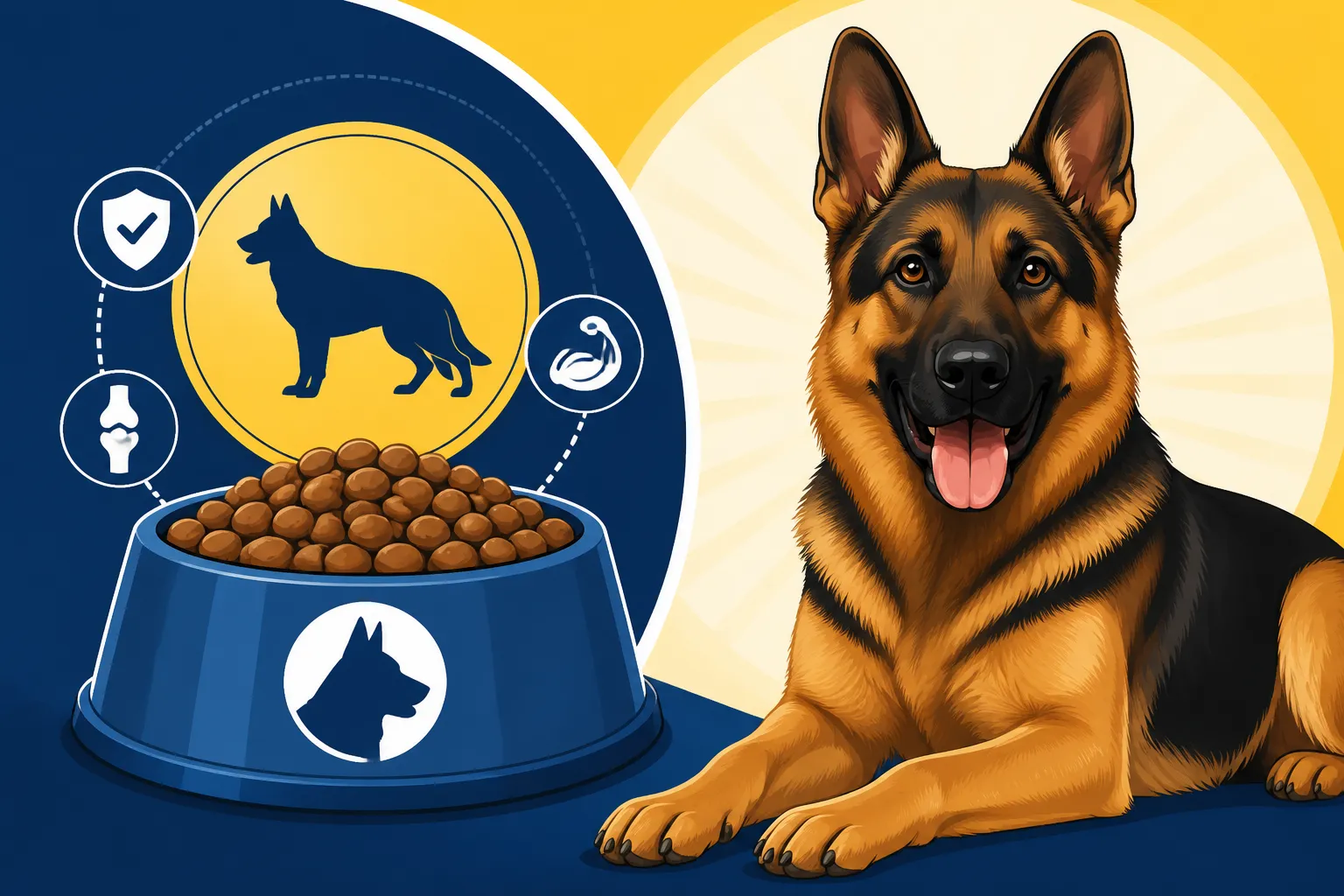
Best Large-Breed Food for German Shepherds
Choosing the right food for your magnificent German Shepherd can feel like navigating a nutritional jungle. With countless bags and brands touting "large breed formulas" and "premium ingredients," it’s easy to get overwhelmed and worry if you’re making the best choice for your furry family member’s long-term health and vitality. This comprehensive guide is here to cut through the noise, helping you understand precisely what your German Shepherd needs in their diet and how to pick the perfect large-breed food to keep them thriving.
Why Large Breed-Specific Food is Essential for German Shepherds
It's a common misconception that all dog food is created equal, or that a larger portion of "regular" dog food is sufficient for a big dog like a German Shepherd. However, these magnificent creatures have unique physiological needs that set them apart from smaller breeds, particularly during their rapid growth phases and throughout their adult lives. Failing to address these specific requirements can lead to serious health issues down the line, which is the last thing any loving German Shepherd owner wants.
Managing Growth Rate in Puppies
German Shepherd puppies grow at an astonishing rate. They go from tiny, fluffy bundles to impressive, large adolescents in a relatively short period. This rapid growth, while exciting to watch, puts immense stress on their developing bones and joints. Large breed puppy formulas are specifically designed to manage this growth, providing carefully controlled levels of calcium and phosphorus. Too much calcium, for instance, can cause bones to grow too quickly, leading to skeletal abnormalities like osteochondrosis dissecans (OCD) or worsening conditions such as hip and elbow dysplasia, which German Shepherds are already prone to.
These specialized formulas aim for a slower, more controlled growth rate, allowing their skeletal structure to mature properly without undue strain. Think of it like building a skyscraper – you don't rush the foundation. You lay it carefully and methodically to ensure stability. The right puppy food sets that crucial foundation for a healthy adult life, helping to potentially prevent issues that could lead to your German Shepherd Hip Dysplasia Explained or German Shepherd Elbow Dysplasia: Symptoms and Treatment.
Supporting Joint Health Through Adulthood
Even after their primary growth spurt, adult German Shepherds continue to benefit significantly from large breed-specific nutrition. Their sheer size and activity levels mean their joints are under constant pressure. Many large breed adult foods include supplements like glucosamine and chondroitin, which are crucial for maintaining cartilage health and supporting joint function. While these supplements aren't a cure-all, they can play a vital role in slowing down the progression of age-related joint issues and alleviating discomfort from conditions like arthritis.
Beyond specific supplements, the overall balance of nutrients in large breed food is designed to support a healthy weight, which is another critical factor in joint health. An overweight German Shepherd places exponentially more strain on their hips, elbows, and spine, exacerbating existing problems and increasing the risk of new ones. A diet tailored to their needs helps maintain an ideal body condition, which is a cornerstone of how to Keep a German Shepherd Healthy.
Key Nutritional Requirements for German Shepherds
Understanding the broad strokes of "large breed food" is one thing, but truly grasping the specific nutritional needs of your German Shepherd means delving into the macronutrients and micronutrients that fuel their powerful bodies and sharp minds. It’s about more than just calories; it’s about the quality and balance of every component.
Protein for Muscle Maintenance and Energy
Protein is paramount for German Shepherds, whether they're working line powerhouses or cherished family companions. As a large, muscular breed with high energy demands, they require a significant amount of high-quality protein to maintain lean muscle mass, support organ function, and provide sustained energy. A general guideline suggests adult German Shepherds thrive on diets with protein levels ranging from 22% to 28% on a dry matter basis, and often higher for very active or working dogs. For puppies, this can be even higher, sometimes up to 30%.
The source of that protein matters immensely. Look for identifiable animal proteins as the first few ingredients, such as chicken, beef, lamb, turkey, or fish. These provide a complete amino acid profile, which is essential for proper physiological function. Generic "meat meal" or excessive plant-based proteins might not offer the same bioavailability or completeness that a German Shepherd needs to truly flourish. Remember, your dog isn't just surviving; they should be thriving, with a strong, athletic build that speaks to a proper diet.
Fats for Energy, Skin, and Coat Health
Dietary fats often get a bad rap in human nutrition, but for dogs, especially active breeds like German Shepherds, they are a vital energy source and crucial for numerous bodily functions. Healthy fats provide a concentrated form of energy, which is essential for sustaining their high activity levels without consuming excessive volumes of food. Beyond energy, fats play a critical role in nutrient absorption, hormone production, and maintaining a healthy skin and coat.
Look for foods that contain healthy fat sources like chicken fat, fish oil (rich in Omega-3 fatty acids like EPA and DHA), flaxseed, or sunflower oil. A fat content of around 12% to 18% is generally suitable for adult German Shepherds, with puppies potentially needing slightly more. The Omega-3s, in particular, are fantastic for reducing inflammation, which can benefit joints, and also contribute to that lustrous German Shepherd coat and skin care everyone admires. These essential fatty acids are something you can also find in the Best Omega Supplements for German Shepherds.
Carbohydrates for Sustained Energy
While German Shepherds are carnivores, carbohydrates play an important role in providing sustained energy, especially for highly active dogs. Good quality carbohydrates like whole grains (brown rice, oats, barley) or certain vegetables (sweet potatoes, peas) offer digestible energy and fiber. Fiber is crucial for digestive health, promoting regular bowel movements, and helping to maintain a healthy gut microbiome.
The key is complex carbohydrates rather than simple sugars or excessive fillers. These complex carbs break down slowly, providing a steady release of glucose into the bloodstream, which helps prevent energy spikes and crashes. For dogs with sensitivities, some owners opt for grain-free formulas, but it's important to consult with your vet before making such a switch, as research on grain-free diets and potential links to dilated cardiomyopathy (DCM) is ongoing. A well-balanced large breed food will use carbohydrates wisely to round out the nutritional profile.
Understanding Dog Food Labels and Ingredients
Deciphering a dog food label can feel like reading a foreign language. The marketing claims jump out, but the actual ingredient list and nutritional analysis often leave owners scratching their heads. However, learning to read these labels is one of the most empowering steps you can take to ensure your German Shepherd is getting the best possible nutrition. It's not about being a nutritionist; it's about being an informed advocate for your dog's health.
Decoding the Ingredient List
The ingredient list on a dog food bag is, by law, organized by weight. This means the ingredients listed first are present in the largest amounts. For a German Shepherd, you want to see identifiable animal protein sources as the top one or two ingredients. Think "chicken meal," "deboned salmon," "beef," or "lamb." Phrases like "meat by-products" or "animal digest" are vague and can indicate lower quality or inconsistent sources, though not all by-products are inherently bad (e.g., organ meats are highly nutritious).
Beyond protein, look for sources of healthy fats and complex carbohydrates. Whole grains like brown rice, oats, or barley are good, as are vegetables like sweet potatoes or peas. Avoid foods with excessive fillers like corn, soy, or wheat, especially if they appear high on the list, as these often offer less nutritional value and can be common allergens for some dogs. Also, be wary of artificial colors, flavors, and preservatives. Natural preservatives like mixed tocopherols (Vitamin E) are preferable. A truly transparent brand will clearly list what's in their food.
The Guaranteed Analysis Explained
The "Guaranteed Analysis" section on a dog food label provides a breakdown of the minimum percentages of crude protein and crude fat, and the maximum percentages of crude fiber and moisture. While these numbers are helpful, they can also be a bit misleading because they are presented on an "as fed" basis, meaning they include the water content. To accurately compare the nutrient content of different foods, especially dry versus wet, you need to convert these to a "dry matter basis."
Here's a quick way to do it:
- Subtract the maximum moisture percentage from 100% to get the dry matter percentage.
- Divide the crude protein (or fat, or fiber) percentage by the dry matter percentage.
- Multiply by 100 to get the dry matter percentage for that nutrient.
For example, if a food has 10% moisture and 25% crude protein, the dry matter protein would be (25 / (100-10)) * 100 = 27.7%. This conversion allows for a more accurate comparison of the actual nutrient density. Don't forget to look at calcium and phosphorus levels, especially for puppies, to ensure they are within the appropriate range for large breeds (typically 1.0-1.5% calcium and 0.8-1.2% phosphorus on a dry matter basis). This level of detail is crucial when trying to follow a specific German Shepherd Feeding Guide.
Top Ingredients to Look For and Avoid
When you're standing in the pet food aisle or browsing online, the sheer volume of choices can make your head spin. But once you know what to actively seek out and what to steer clear of, the decision-making process becomes much clearer. Your German Shepherd deserves the best, and that means choosing ingredients that will fuel their active lifestyle and support their long-term health.
Power-Packed Ingredients Your German Shepherd Needs
For a strong, healthy German Shepherd, their diet should be built on a foundation of high-quality, digestible ingredients. Lean animal proteins are a must. Think deboned chicken, beef, lamb, or salmon. Chicken meal or lamb meal are also excellent, as the water has been removed, making them a concentrated source of protein. These provide the essential amino acids crucial for muscle development and repair.
Beyond protein, look for healthy fats, particularly those rich in Omega-3 and Omega-6 fatty acids. Fish oil, flaxseed, and even chicken fat are great sources that contribute to a shiny coat, healthy skin, and reduced inflammation, which is beneficial for joints. Complex carbohydrates from sources like sweet potatoes, brown rice, barley, or oats provide sustained energy and dietary fiber for digestive health. For additional joint support, ingredients like glucosamine and chondroitin sulfate are often added to large breed formulas. Prebiotics and probiotics are also fantastic for gut health, aiding digestion and nutrient absorption. Some excellent brands, including those found on platforms like Chewy, prioritize these kinds of ingredients.
Here’s a quick overview of what to prioritize:
| Nutrient Group | Key Ingredients to Seek | Benefits for German Shepherds |
|---|---|---|
| Protein | Deboned Chicken, Beef, Lamb, Salmon, Turkey; Chicken Meal, Lamb Meal, Fish Meal | Muscle maintenance, growth, repair, energy |
| Fats | Chicken Fat, Fish Oil (salmon, menhaden), Flaxseed, Sunflower Oil | Concentrated energy, skin & coat health, brain function, anti-inflammatory |
| Carbohydrates | Sweet Potatoes, Brown Rice, Barley, Oats, Peas, Lentils | Sustained energy, dietary fiber, digestive health |
| Vitamins & Minerals | Fruits (berries, apples), Vegetables (carrots, spinach, kale), Chelated Minerals | Immune support, overall health, antioxidant properties |
| Joint Support | Glucosamine, Chondroitin Sulfate | Cartilage health, joint lubrication, anti-inflammatory for mobility |
| Digestive Aids | Prebiotics (chicory root), Probiotics (Lactobacillus species) | Gut health, nutrient absorption, healthy stool |
Ingredients to Approach with Caution or Avoid
Just as important as knowing what to include is knowing what to avoid. Certain ingredients offer little nutritional value, can be common allergens, or might even be harmful in large quantities. First on the list are artificial colors, flavors, and preservatives. These are often added for human appeal rather than canine nutrition and can sometimes trigger sensitivities. Look for foods that use natural preservatives like Vitamin E (mixed tocopherols).
Generic "meat by-products" or "animal digest" are problematic due to their unknown source and variable quality. While specific organ meats (a type of by-product) can be nutritious, vague terms should raise a red flag. Excessive fillers like corn, soy, and wheat can be difficult for some German Shepherds to digest and are common allergens. Many German Shepherds struggle with food sensitivities, so paying close attention to these common culprits is part of understanding German Shepherd Allergies: Symptoms and Treatment. Finally, steer clear of foods containing high levels of sugar or corn syrup, as these contribute to weight gain and provide no beneficial nutrients. Remember, a German Shepherd's diet should be as clean and purposeful as possible.
Popular Large-Breed Dog Food Brands Reviewed
Navigating the multitude of brands available can be a daunting task. While I can't endorse one single "best" food for every German Shepherd (because every dog is an individual!), I can highlight some popular and reputable large-breed formulas that consistently meet high nutritional standards and are often recommended by veterinarians and experienced owners. These brands are widely accessible and offer quality options you can trust.
High-Quality Kibble Options
When it comes to dry kibble, several brands have earned a strong reputation for their large-breed formulas, specifically tailored to the unique needs of German Shepherds. These brands typically feature real meat as the first ingredient, balanced protein-to-fat ratios, and often include joint-supporting ingredients.
Purina Pro Plan Large Breed Puppy & Adult Formulas: Purina Pro Plan is a highly respected brand that often comes recommended by vets. Their Large Breed Puppy formula, for example, is crafted with DHA for brain development and essential nutrients for bone and joint health, managing that critical growth period we discussed earlier. For adults, their Large Breed Adult Chicken & Rice formula offers a robust protein content and includes glucosamine for joint support. Many owners find Purina Pro Plan for German Shepherds: Review to be very helpful. You can often find a wide variety of their products readily available on platforms like Amazon or Chewy.
Royal Canin German Shepherd Specific Formula: Royal Canin takes a very breed-specific approach, and their German Shepherd Adult dry dog food is a prime example. This formula is meticulously designed with the German Shepherd in mind, featuring a kibble shape that's easy for their long muzzles to pick up and chew, a blend of prebiotics to support sensitive digestion (a common trait in the breed), and specific nutrients to support healthy skin and coat. It also includes glucosamine and chondroitin for bone and joint health. If you're looking for something hyper-tailored, this is a strong contender, and a detailed Royal Canin German Shepherd for German Shepherds: Review can offer more insights.
Hill's Science Diet Large Breed Formulas: Hill's Science Diet also offers excellent large breed options, both for puppies and adults. Their formulas emphasize easy-to-digest ingredients and optimal levels of calcium and phosphorus for controlled bone growth in puppies. For adult German Shepherds, their Large Breed Chicken & Barley Recipe supports joint health with natural sources of glucosamine and chondroitin, along with L-Carnitine to help maintain a healthy weight and strong muscles. Owners often find these formulas to be very palatable for their dogs.
Fresh and Alternative Food Options
Beyond traditional kibble, the market for fresh dog food has really taken off, offering another excellent avenue for German Shepherd nutrition. These options often boast human-grade ingredients, minimal processing, and personalized meal plans, which can be fantastic for German Shepherds, especially those with sensitive stomachs or picky eaters.
Ollie Fresh Dog Food: Ollie is a popular fresh dog food delivery service that provides customized meal plans based on your dog's age, weight, activity level, and any dietary restrictions. Their recipes are made with human-grade ingredients and gently cooked to retain nutrients. For a large breed like a German Shepherd, this can be an excellent way to ensure they're getting highly digestible, nutritious meals without fillers or artificial additives. While it can be pricier than kibble, many owners report significant improvements in their dog's coat, energy levels, and digestive health. They offer several protein options, like beef, chicken, turkey, and lamb, which can be great for rotating proteins or finding a suitable option for a German Shepherd with allergies.
The Farmer's Dog: Similar to Ollie, The Farmer's Dog also delivers fresh, human-grade, personalized meals directly to your door. Their recipes are formulated by veterinary nutritionists and undergo rigorous testing. For a German Shepherd, these fresh food options provide a moisture-rich diet, which can aid in hydration and is often more appealing to dogs. The transparency of ingredients and the ability to customize portion sizes for an active, large breed can be a huge benefit for owners who want precise control over their dog's diet.
While fresh food options are fantastic, they do come with a higher price tag and require refrigerator or freezer space. However, for some German Shepherds, particularly those with chronic digestive issues or food sensitivities, the benefits can far outweigh the cost. You can learn more about different approaches to feeding in our German Shepherd Diet by Age and Weight guide.
Transitioning Your German Shepherd to a New Food
So you’ve done your research, picked out a fantastic new large-breed food, and you’re excited for your German Shepherd to start enjoying its benefits. But hold your horses! A sudden switch in diet can wreak havoc on your dog’s digestive system, leading to upset stomachs, vomiting, or diarrhea. German Shepherds, in particular, can have sensitive digestive tracts, so a gradual transition is absolutely key to preventing discomfort and ensuring a smooth adaptation to their new nutrition.
The Gradual Transition Method
The goal of a gradual transition is to slowly introduce the new food while phasing out the old, giving your German Shepherd's digestive system time to adjust to the new ingredients and nutrient profile. This process typically takes about 7 to 10 days, but some dogs might need a bit longer, especially if they have a particularly sensitive stomach. Always err on the side of caution and go slower if needed.
Here's a step-by-step guide:
- Days 1-2: Start by mixing about 25% new food with 75% old food. This slight change usually won't cause any upset, but it introduces the new flavors and textures.
- Days 3-4: Increase the ratio to 50% new food and 50% old food. At this point, keep a close eye on your German Shepherd’s stool and appetite. If everything looks good and they're eating well, you're on track.
- Days 5-6: Move to 75% new food and 25% old food. Your dog should be mostly adjusted now, and their digestive system should be handling the new food comfortably.
- Days 7-10: By now, you should be able to feed 100% new food. Continue to monitor for any digestive issues, but by this point, most German Shepherds will have successfully transitioned.
If at any point your German Shepherd experiences significant diarrhea, vomiting, or a loss of appetite, slow down the transition. Go back to the previous ratio that they tolerated well and hold there for an extra day or two before attempting to increase the new food again. Consistency is your friend here.
Monitoring for Digestive Issues
Throughout the transition period, and even afterward, it's vital to closely monitor your German Shepherd for any signs of digestive upset or adverse reactions. German Shepherds are unfortunately prone to certain gastrointestinal issues, so being observant is critical.
What to watch for:
- Changes in stool: Loose stools, diarrhea, excessive mucus, or blood in the stool are all red flags. A healthy German Shepherd's stool should be firm and well-formed.
- Vomiting: Occasional regurgitation can be normal, but persistent vomiting after meals or at other times indicates a problem.
- Loss of appetite: If your typically food-motivated German Shepherd suddenly turns up their nose at mealtime, something might be off.
- Excessive gas or bloating: While some gas is normal, persistent, foul-smelling gas or a distended abdomen could indicate a sensitivity or even more serious issues like German Shepherd Bloat: Signs and Prevention.
- Itching or skin irritation: Sometimes, a food allergy or sensitivity can manifest as skin issues rather than digestive upset. Excessive scratching, licking, or paw chewing could be a sign. This is particularly relevant when considering the Best Diet for a German Shepherd with Allergies.
If you notice any severe or persistent symptoms, don't hesitate to contact your veterinarian. They can provide guidance, rule out underlying health issues, or recommend specific dietary adjustments. Remember, this transition period is about ensuring comfort and health, not just quickly switching brands.
Special Dietary Considerations for German Shepherds
German Shepherds are a remarkable breed, but their specific genetics and predispositions mean that their dietary needs aren't always a one-size-fits-all situation. Beyond general large-breed requirements, certain life stages and health conditions call for tailored nutritional approaches. Being proactive and informed about these nuances can make a world of difference in your German Shepherd’s quality of life.
Age-Specific Nutrition: Puppies and Seniors
Just like humans, German Shepherds have different nutritional demands at various stages of their lives. A rapidly growing puppy has vastly different needs than a senior dog whose metabolism is slowing down.
Puppies: German Shepherd puppies need a specialized large-breed puppy formula to support their rapid but controlled growth. We’ve already touched on the importance of balanced calcium and phosphorus to prevent orthopedic issues. Beyond that, puppies need higher protein and fat content to fuel their incredible energy and development, as well as DHA for cognitive and vision development. Ensuring they get the right nutrition from the start is paramount, and following a German Shepherd Puppy Feeding Schedule is crucial. Overfeeding puppies can lead to excess weight and joint problems, so portion control is just as important as the food itself.
Seniors: As German Shepherds age, their activity levels typically decrease, and their metabolism slows. This often means they require fewer calories to prevent unwanted weight gain, which can exacerbate conditions like German Shepherd Arthritis in Senior Dogs. Senior formulas typically have reduced fat content but maintain high-quality protein to support muscle mass, as muscle wasting can occur in older dogs. Joint support ingredients like glucosamine and chondroitin become even more critical for aging joints. Some senior foods also include increased fiber for digestive regularity and antioxidants to support immune health. Adjusting to a German Shepherd Senior Diet Adjustments is a critical part of ensuring their comfort in their golden years.
Managing Allergies and Sensitivities
Unfortunately, German Shepherds are prone to allergies and food sensitivities, which can manifest in various ways, from skin irritations and ear infections to chronic digestive upset. Identifying and managing these can be a frustrating journey, but dietary adjustments are often a cornerstone of treatment.
If you suspect your German Shepherd has a food allergy, the gold standard for diagnosis is an elimination diet under veterinary guidance. This involves feeding a novel protein (one your dog has never eaten before, like venison, duck, or kangaroo) and a novel carbohydrate for several weeks, then slowly reintroducing previous ingredients to identify the culprit. Once the offending ingredient is identified, selecting a food that avoids it becomes your main goal.
Many brands offer limited ingredient diets (LIDs) or hypoallergenic formulas specifically designed for dogs with sensitivities. These typically feature a single, novel protein source and minimal other ingredients to reduce the chance of an allergic reaction. For German Shepherds with conditions like Exocrine Pancreatic Insufficiency (EPI), a common issue in the breed, a specific German Shepherd EPI Diet and Management involving highly digestible, low-fat food supplemented with pancreatic enzymes is necessary. Always work closely with your veterinarian to formulate the best dietary plan for allergies or specific health conditions.
Disclaimer
This guide is intended for informational purposes only and is not a substitute for professional veterinary advice. Every German Shepherd is unique, and dietary needs can vary based on age, activity level, health conditions, and individual sensitivities. Always consult with your veterinarian before making significant changes to your dog's diet, especially if they have existing health issues or are on medication.