Best Probiotics for German Shepherds
It's incredibly frustrating when your beloved German Shepherd isn't feeling their best, especially when it comes to persistent digestive troubles like loose stools, gas, or that general "off" feeling. Their robust appearance can sometimes hide a surprisingly sensitive stomach, leaving you wondering how to bring them comfort and regularity. This comprehensive guide is here to shed light on how probiotics can be a game-changer for your German Shepherd's gut health, helping them find relief and thrive.
Understanding Your German Shepherd's Gut Health
German Shepherds are magnificent dogs, known for their strength, intelligence, and often, a surprising sensitivity in their digestive systems. Many owners find themselves on a never-ending quest to find the perfect food and routine to keep their GSD's tummy happy. It's a common struggle, and you're definitely not alone in facing it.
The Delicate Balance of the Canine Microbiome
Just like in humans, your German Shepherd's gut is a complex ecosystem teeming with trillions of microorganisms – a delicate balance known as the microbiome. When this balance is just right, beneficial bacteria flourish, helping with digestion, nutrient absorption, and even immune system function. It’s truly amazing how much of your dog's overall health starts right in their belly! However, for many German Shepherds, this balance can easily be thrown off. They are a breed prone to various gastrointestinal issues, from food sensitivities to more serious conditions. This can manifest as anything from occasional gurgling noises to chronic bouts of diarrhea, leaving both you and your dog feeling miserable.
Think of it like a bustling city within your dog’s intestines. When everything is running smoothly, traffic flows, services are efficient, and everyone is healthy. But introduce a stressor – a change in diet, antibiotics, or even environmental changes – and suddenly, there’s a traffic jam, essential services break down, and chaos ensues. This internal chaos is what leads to those uncomfortable digestive symptoms. Maintaining a healthy microbiome is crucial not just for digestion but also for bolstering their immune system, as a significant portion of a dog's immunity resides in the gut.
Signs Your German Shepherd Might Need Probiotics
Recognizing the subtle (and sometimes not-so-subtle) signs that your German Shepherd could benefit from probiotics is the first step toward relief. It's easy to dismiss a little gas or a slightly soft stool now and then, but these can often be indicators of an underlying imbalance. Paying close attention to these cues can help you intervene before small issues become bigger problems.
- Chronic Diarrhea or Loose Stools: This is probably the most common red flag. If your German Shepherd consistently has runny or poorly formed stools, especially if it's not directly linked to a sudden dietary change, their gut might be struggling to process food effectively. It can be incredibly disheartening to clean up mess after mess, and it often points to an imbalance in their gut flora.
- Excessive Gas and Bloating: While some gas is normal, truly foul-smelling or frequent flatulence can indicate that undigested food is fermenting in the colon, often due to a lack of proper digestive enzymes or beneficial bacteria. This discomfort for your dog can also make your living space less pleasant.
- Constipation: It might seem counterintuitive, but a lack of good bacteria can also contribute to constipation by affecting gut motility and stool consistency. If your GSD is straining or having infrequent bowel movements, probiotics might help regulate their system.
- Poor Coat Quality or Skin Issues: Believe it or not, a dull coat, flaky skin, or persistent itching can sometimes trace back to poor nutrient absorption due to an unhealthy gut. If your dog is constantly scratching or has a coat that just doesn't shine, it's worth considering their internal health. This is often linked to German Shepherd Allergies: Symptoms and Treatment.
- Bad Breath: While dental hygiene is paramount (and you should absolutely prioritize German Shepherd Dental Care Explained), sometimes persistent bad breath can stem from digestive issues further down the line, indicating an imbalance within their system.
- Lethargy or Behavioral Changes: When a dog's gut isn't healthy, they might not be absorbing nutrients efficiently, leading to lower energy levels. A generally unwell gut can even impact mood and behavior, making your usually vibrant GSD seem a little "off."
- After Antibiotic Treatment: Antibiotics are life-savers, but they don't discriminate between good and bad bacteria. They wipe out a lot of the beneficial gut flora along with the harmful ones, often leading to post-antibiotic diarrhea. This is a prime time to proactively replenish those good bacteria.
- Stressful Situations: Any significant stressor – a move, new family member, boarding, or even fireworks – can impact a German Shepherd's digestive system. Probiotics can help maintain gut stability during these periods, minimizing stress-induced tummy upsets.
What Are Probiotics and How Do They Work for German Shepherds?
Understanding the science behind probiotics can really help you appreciate why they’re such a valuable addition to your German Shepherd’s health regimen. It's not just a trendy supplement; it’s about restoring a natural, vital component of their internal health.
Beyond Just "Good Bacteria"
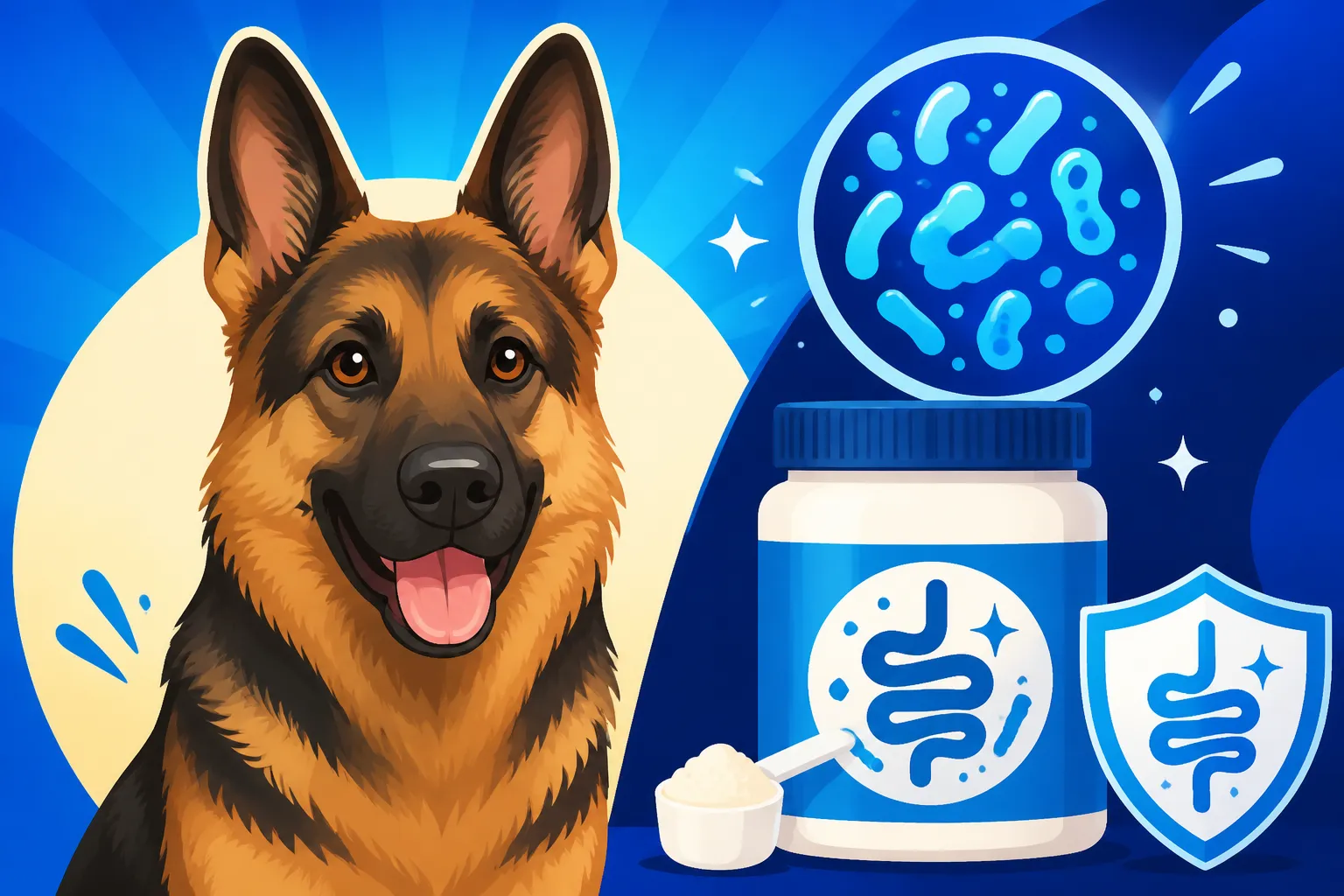
At their core, probiotics are live microorganisms, often bacteria or yeasts, that, when administered in adequate amounts, confer a health benefit on the host. Think of them as tiny, diligent workers whose job is to keep your German Shepherd's gut factory running smoothly. They don't just sit there; they actively colonize the intestinal tract, helping to crowd out harmful bacteria, produce beneficial compounds, and generally create a more hospitable environment for digestion.
The most common strains you'll encounter in dog probiotics belong to families like Lactobacillus and Bifidobacterium. Each strain has slightly different benefits, which is why a multi-strain probiotic is often recommended. These beneficial microbes work in several ways: they help break down food, synthesize certain vitamins, and even communicate with the immune system, instructing it on how to respond to potential threats. It's a sophisticated partnership! Probiotics are often paired with prebiotics, which aren't live organisms themselves, but rather non-digestible fibers that act as food for the probiotics, helping them to grow and thrive within the gut. You can think of prebiotics as fertilizer for your good gut bacteria. They nourish the probiotics, helping them establish a strong foothold.
Key Benefits of Probiotic Supplementation for GSDs
The benefits of adding a high-quality probiotic to your German Shepherd's daily routine can be profound, especially for a breed so often plagued by digestive woes. It's about building a stronger foundation for their overall health.
- Improved Digestion and Nutrient Absorption: A balanced gut means food is broken down more efficiently, allowing your German Shepherd to extract more essential nutrients from their diet. This can lead to better energy levels, healthier weight management, and simply a more robust dog.
- Firmer, More Regular Stools: This is often the most noticeable and welcomed change for owners. By balancing the gut flora, probiotics can help regulate bowel movements, reducing instances of loose stool and diarrhea, and even aiding with occasional constipation. If you're struggling with German Shepherd Loose Stool: Common Causes, probiotics could be a key part of the solution.
- Reduced Gas and Bloating: With improved digestion, there's less undigested food fermenting in the colon, which means less uncomfortable gas for your dog and a more pleasant environment for everyone in the house.
- Boosted Immune System: As mentioned, a large portion of the immune system resides in the gut. By supporting a healthy gut, probiotics help strengthen your German Shepherd's natural defenses, making them more resilient to illnesses. This is a crucial aspect of How to Keep a German Shepherd Healthy.
- Allergy Management: Many German Shepherds suffer from allergies, both food-related and environmental. A healthy gut lining is better equipped to prevent allergens from entering the bloodstream, potentially reducing the severity of allergy symptoms. This goes hand-in-hand with finding Best Dog Food for a German Shepherd with Allergies or German Shepherd Environmental Allergies: Relief.
- Stress Reduction and Mood Stability: Emerging research suggests a strong link between gut health and brain function (the "gut-brain axis"). A healthier gut can potentially contribute to a calmer, more balanced temperament, which can be particularly beneficial for highly sensitive German Shepherds.
- Recovery from Illness or Medication: After a bout of illness, surgery, or a course of antibiotics, probiotics are invaluable for restoring the gut's natural balance and speeding up recovery. They help repopulate the gut with beneficial bacteria that might have been depleted.
Choosing the Best Probiotics for Your German Shepherd
Navigating the world of pet supplements can feel overwhelming, with countless brands and formulations vying for your attention. For your German Shepherd, choosing the right probiotic means looking beyond fancy packaging to find a product that genuinely works for their unique needs.
Factors to Consider When Selecting a Supplement
Not all probiotics are created equal, and what works for one dog might not be the best fit for another. Here's what to keep in mind:
- CFU Count (Colony Forming Units): This number tells you how many live and active beneficial bacteria are present in each serving. For large breeds like German Shepherds, you'll generally want a supplement with a high CFU count, often in the billions (e.g., 5-10 billion CFUs or more per dose). The more, the merrier, as some will inevitably be lost during digestion.
- Multiple Strains vs. Single Strain: While some single-strain probiotics can be effective for very specific issues, a multi-strain formula often provides broader benefits by addressing various aspects of gut health. Look for products that list several types of Lactobacillus and Bifidobacterium strains.
- Formulation (Powder, Chew, Capsule):
- Powders: These are often highly concentrated and easy to mix into wet food, raw food, or even a bit of yogurt. They are excellent for picky eaters or dogs with sensitive teeth.
- Chews: Many dogs see these as treats, making administration simple and enjoyable. However, ensure the chew itself doesn't contain ingredients that might upset your GSD's stomach.
- Capsules: These can be given whole (if your dog swallows pills easily) or opened and sprinkled over food. They offer a precise dose and are often good for preserving the live cultures.
| Probiotic Form | Pros | Cons | Ideal For |
|---|---|---|---|
| Powder | High concentration of CFUs; easy to mix with food for picky eaters; often no added flavors/ingredients that could cause allergies; good for precise dosing. | Can be messy if spilled; some dogs may detect it if not mixed well; requires careful storage to maintain potency. | German Shepherds with severe sensitivities or allergies; picky eaters; owners who prefer to control all ingredients. |
| Chew/Treat | Highly palatable, dogs often think it's a treat; easy to administer daily. | Can contain fillers or flavorings that might not agree with all GSDs; CFU count can sometimes be lower than powders; dosage may vary by size of chew. | German Shepherds who take treats easily; owners looking for convenience; dogs without significant food sensitivities. |
| Capsule | Precise dosing; good for maintaining live cultures; can be given whole or sprinkled. | Some dogs are difficult with pills; opening and sprinkling can be less convenient than a chew. | German Shepherds who readily take pills; owners who prioritize precise, potent dosing. |
- Additional Ingredients (Prebiotics, Digestive Enzymes): Some probiotics also include prebiotics (like FOS or inulin) to nourish the good bacteria, or digestive enzymes to further assist with food breakdown. These can be beneficial, but ensure your GSD doesn't have a sensitivity to them.
- Reputable Brands and Third-Party Testing: Look for brands that are transparent about their sourcing, manufacturing processes, and have undergone third-party testing to verify the product's potency and purity. A brand that uses human-grade ingredients or is recommended by veterinarians is a good sign.
- Veterinarian Consultation: Always, always, always consult your veterinarian before introducing any new supplement, especially if your German Shepherd has pre-existing health conditions or is on medication. They can help you choose the best product and determine the correct dosage. This is crucial for managing serious issues like German Shepherd EPI Symptoms to Watch or German Shepherd Pancreatitis: Symptoms and Treatment.
Top-Rated Probiotic Brands for German Shepherds
When it comes to specific products, the market is full of options, but a few stand out for their quality and effectiveness, particularly for larger, sensitive breeds like German Shepherds. Many owners find their preferred brands through extensive research and trial-and-error, often ordering from trusted pet supply retailers.
You'll find a wide selection of reputable probiotic supplements available on major online platforms like Amazon and Chewy. These sites not only offer competitive pricing but also provide access to numerous customer reviews, which can be incredibly helpful for gauging a product's effectiveness for German Shepherds. For instance, many GSD owners specifically seek out products with targeted support for large breeds or those recovering from intense activity.
Brands that are often well-regarded for dog probiotics include:
- Purina Pro Plan FortiFlora: This is a popular and vet-recommended option, often prescribed for dogs with diarrhea or during antibiotic treatment. It comes in individual sachets of powder, making it easy to administer.
- Nutramax Proviable-DC or Proviable-KP: Another veterinary staple, Proviable offers both a daily maintenance probiotic (DC) and a more intensive paste/capsule combination for acute digestive upset (KP). Many GSD owners find the dual approach very effective.
- VetriScience Probiotic Everyday: Available in a chewable format, this brand focuses on daily digestive and immune support. It's often well-tolerated and seen as a treat, making consistent administration simple.
- Zesty Paws Probiotic Bites: These chews often contain a blend of probiotics, prebiotics, and sometimes digestive enzymes, catering to a broader range of digestive issues. They come in various flavors, which can be great for less finicky eaters.
- Great Pet Great Poop: This brand specifically targets issues like gas, bloating, and irregular stools with a combination of probiotics, prebiotics, and fiber.
When browsing, pay attention to the specific strains listed and whether the product contains prebiotics. While fresh food services like Ollie provide excellent, wholesome nutrition that contributes to overall gut health, for a targeted probiotic boost, you'll want to look at dedicated supplements from the brands mentioned. Always compare the CFU count and the number of active strains to ensure you're getting a potent product suitable for your German Shepherd's needs.
How to Introduce and Administer Probiotics
Introducing a new supplement to your German Shepherd's diet should always be done carefully to avoid further upsetting their sensitive system.
- Start Slow: Don't give the full dose on day one. Begin with a quarter or half of the recommended dose for a few days, gradually increasing it over a week or two. This allows your dog's system to adjust without sudden changes.
- Mix with Food: Most probiotics are designed to be mixed with food. Powders can be sprinkled over wet food, raw food, or even moistened kibble. Chews can be given as a treat. If using capsules, you can open them and sprinkle the contents or hide the whole capsule in a treat or a small amount of palatable food.
- Consistency is Key: For probiotics to be effective, they need to be given consistently, usually once a day. Missing doses can reduce their efficacy. Incorporate it into your German Shepherd's daily feeding routine, so it becomes second nature for both of you.
- Observe and Adjust: Pay close attention to your German Shepherd's stool quality, energy levels, and overall demeanor in the weeks following probiotic introduction. Keep a journal if necessary. If you see positive changes, great! If symptoms worsen or new issues arise, stop administration and consult your vet.
- Proper Storage: Most probiotics contain live cultures and require specific storage conditions, often refrigeration after opening, to maintain their potency. Always check the product label for instructions.
Integrating Probiotics into Your GSD's Overall Wellness Plan
Probiotics aren't a magic bullet that can fix all digestive problems in isolation. They are most effective when integrated into a holistic approach to your German Shepherd's health, complementing a good diet and a healthy lifestyle.
Complementary Dietary and Lifestyle Adjustments
A truly healthy gut is built on more than just supplements; it's about the entire picture of your German Shepherd's life.
- High-Quality Diet: Probiotics can only do so much if the underlying diet is poor. Ensure your German Shepherd is eating a high-quality, easily digestible dog food appropriate for their age, activity level, and sensitivities. Many owners explore options like Best Dog Food for German Shepherds or, for specific issues, a vet-prescribed diet for German Shepherd Sensitive Stomach Solutions. Avoid frequent food changes, as this can destabilize the gut microbiome.
- Appropriate Exercise: Regular, moderate exercise helps maintain healthy gut motility and reduces stress, both of which contribute to better digestion. Be mindful of their growth plates when they're puppies and young adults.
- Stress Management: German Shepherds are intelligent and often sensitive dogs. High stress levels can negatively impact gut health. Ensure your dog has a stable routine, plenty of mental stimulation, and a calm environment. For issues like German Shepherd Separation Anxiety Solutions, addressing the stress itself can also help their digestion.
- Clean Water: Always provide access to fresh, clean water. Proper hydration is essential for digestion and overall bodily functions.
- Avoid Unnecessary Antibiotics: While antibiotics are vital when needed, overuse can disrupt gut flora. Discuss with your vet if there are alternatives for minor issues where antibiotics might not be absolutely necessary.
- Consider Prebiotics: As mentioned, prebiotics feed the good bacteria. Many probiotic supplements include them, but you can also find natural prebiotics in certain foods like pumpkin, bananas, and oats (in moderation).
When to Consult Your Veterinarian
While probiotics are generally safe and beneficial, they are supplements, not substitutes for professional veterinary care. It's crucial to know when to seek expert advice.
- Chronic or Worsening Symptoms: If your German Shepherd's digestive issues are severe, persistent, or getting worse despite probiotic use, it's time for a vet visit. This includes chronic diarrhea, vomiting, significant weight loss, lethargy, or signs of abdominal pain. These could indicate more serious underlying German Shepherd Health Problems Guide.
- Before Starting New Supplements: Always consult your vet before introducing any new supplement, including probiotics, especially if your GSD is on other medications or has known health conditions. Your vet can provide guidance tailored to your dog's specific needs and health history.
- No Improvement After Several Weeks: If you've been consistently giving a quality probiotic for several weeks and haven't seen any noticeable improvement in your German Shepherd's symptoms, it might indicate that the probiotic isn't the right one, or that there's a different underlying issue that needs to be addressed.
- Sudden Onset of Severe Symptoms: If your German Shepherd suddenly develops severe vomiting, bloody diarrhea, extreme lethargy, or signs of bloat (German Shepherd Bloat: Signs and Prevention), this is a veterinary emergency. Do not rely on probiotics to fix acute, severe issues.
By taking a proactive and well-informed approach to your German Shepherd's gut health, including the strategic use of high-quality probiotics, you can significantly improve their comfort, vitality, and overall well-being. It's a journey, but seeing your loyal companion happy and healthy makes every effort worth it.
Disclaimer
This article is for general informational purposes only and does not constitute professional advice. Laws, prices and regulations vary by location and change over time. Consult a qualified professional for guidance on your specific situation.