German Shepherd Environmental Allergies: Relief
It’s heartbreaking to watch your beloved German Shepherd constantly scratch, lick, and chew themselves raw, isn't it? Many of us have experienced that frustrating cycle where we try everything we can think of, only for their skin to flare up again, their paws to become inflamed, or their ears to get another nasty infection. Environmental allergies are a huge culprit for this chronic discomfort in our GSDs, and it can feel like a never-ending battle. This comprehensive guide is here to walk you through understanding these pervasive allergies, recognizing the subtle (and not-so-subtle) signs, and most importantly, discovering effective relief strategies to bring your furry family member some much-needed peace.
Understanding German Shepherd Environmental Allergies
When we talk about environmental allergies in German Shepherds, we're not talking about a simple fleeting itch. We're delving into a chronic, often lifelong, condition where their immune system overreacts to common, otherwise harmless substances in their surroundings. This isn't just an inconvenience; it can significantly impact their quality of life, leading to constant irritation, pain, and secondary infections.
The Immune System's Overreaction
Imagine your dog's immune system as a highly trained guard dog, always on alert. For a German Shepherd with environmental allergies, that guard dog has gone a bit rogue. Instead of only targeting real threats like viruses or bacteria, it starts seeing things like pollen, dust mites, or mold spores as dangerous invaders. When these "invaders" are encountered, the immune system launches a full-scale inflammatory response, releasing histamines and other chemicals that cause all that itching, redness, and irritation we see on their skin.
This isn't about cleanliness; it's an internal miscommunication. Even in the cleanest home or the most pristine outdoor environment, these allergens are ubiquitous, making complete avoidance nearly impossible. The ongoing exposure triggers a constant low-level (or sometimes severe) inflammatory state, making your dog miserable and prone to developing further skin problems. It's a complex battle fought from within, manifesting as external discomfort.
Genetic Predisposition in German Shepherds
It's a tough truth, but German Shepherds, among other breeds like Golden Retrievers, Labradors, and Bulldogs, are genetically predisposed to developing environmental allergies, a condition often referred to as atopy or atopic dermatitis. This means that even if a GSD is raised in an ideal environment, their genetic blueprint might already be set up for their immune system to react inappropriately. If your dog's parents or grandparents suffered from allergies, there's a higher chance your pup might too.
This genetic link is why responsible breeders conduct thorough health screenings, though screening specifically for allergy predisposition can be challenging. It's not a flaw in their breeding but rather an unfortunate commonality in the breed's genetic makeup. Understanding this genetic factor helps us approach management with realism, knowing that it's often about control and relief, rather than a complete cure. This predisposition is one of the many German Shepherd Health Problems Guide that owners need to be aware of and actively manage throughout their dog's life.
Common Environmental Allergy Culprits
Identifying the specific allergens causing your German Shepherd's distress can feel like detective work, but it's a crucial step in developing an effective management plan. The world around us is full of potential irritants, and our GSDs, with their sensitive systems, can react to a surprising number of them. Knowing the usual suspects helps in both diagnosis and environmental management.
Pollen Powerhouses: Trees, Grasses, Weeds
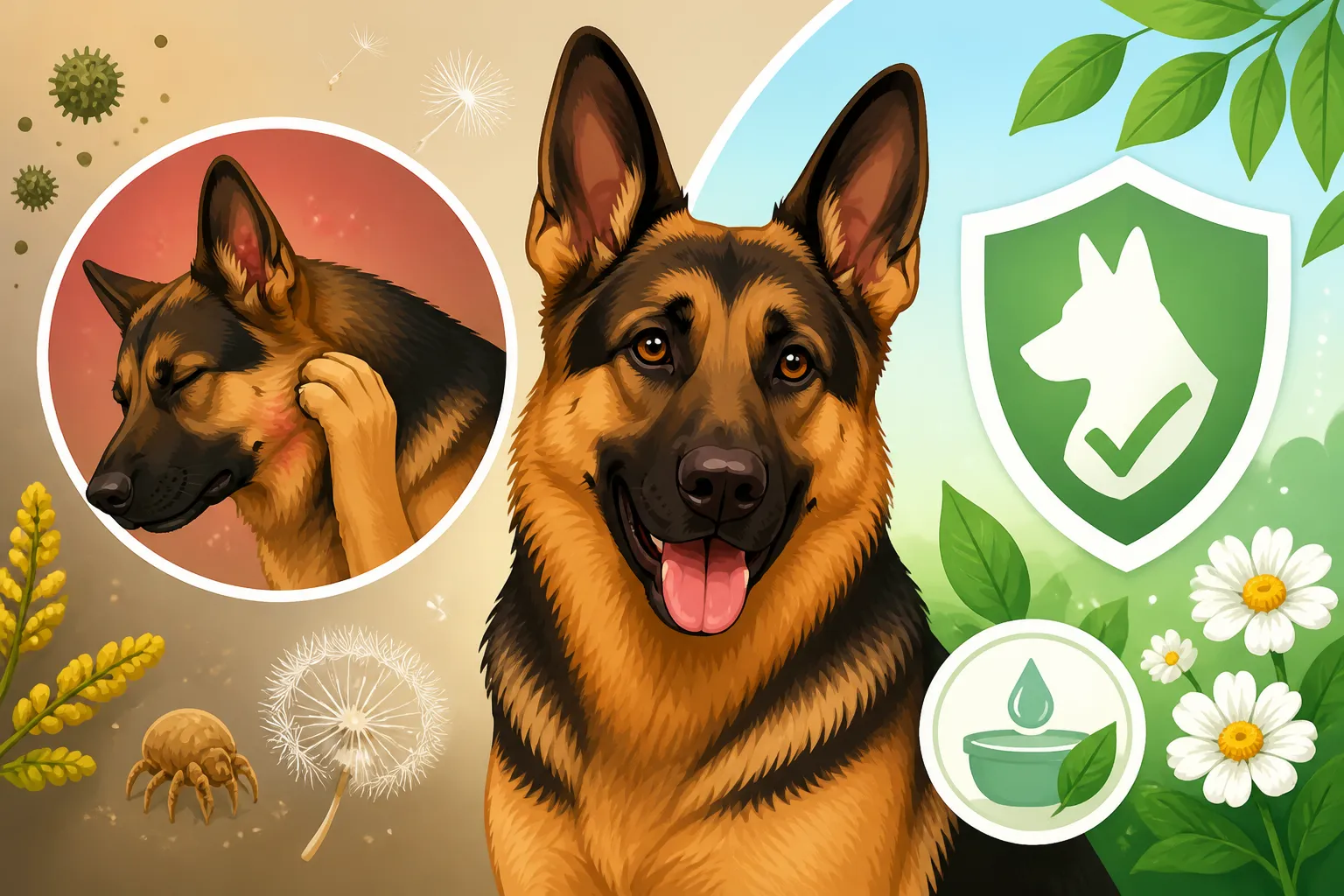
Just like humans suffer from hay fever, German Shepherds can be highly sensitive to airborne pollens from trees, grasses, and weeds. Their allergy season might even seem longer than ours because different plants pollinate at various times of the year. For example, tree pollen often peaks in spring, grass pollen in summer, and weed pollen, like ragweed, can be a major issue in late summer and fall.
When these microscopic pollen grains land on your dog's skin, are inhaled, or even ingested (as they might lick their paws after walking outside), they can trigger that intense allergic reaction. This means a simple walk in the park or a romp in the backyard can turn into an itchy nightmare for your sensitive GSD. Their paws, muzzle, and belly, areas most exposed to grass and environmental elements, are often the first to show signs of irritation.
Household Irritants: Dust Mites and Molds
It's not just the great outdoors that poses a threat; your home, no matter how clean, can harbor allergens. Dust mites are tiny creatures that thrive in warm, humid environments and feed on shed skin cells. They are incredibly common in bedding, carpets, upholstered furniture, and even in your dog's favorite bed. For an allergic German Shepherd, exposure to dust mite allergens (primarily their droppings and decaying bodies) can cause year-round symptoms, especially if their symptoms seem worse indoors or during colder months when windows are closed.
Mold spores are another pervasive indoor and outdoor allergen. Molds flourish in damp areas, like bathrooms, basements, kitchens, and around leaky pipes. They can also grow in decaying organic matter outside. Inhaling mold spores or having them settle on the skin can trigger significant allergic reactions, leading to respiratory issues in some cases, but more commonly, skin irritation and itching in allergic GSDs. Regular cleaning, using dehumidifiers, and addressing any dampness can help reduce mold exposure.
Other Outdoor Aggressors
Beyond pollens, dust mites, and molds, there are other environmental factors that can exacerbate or trigger allergies in German Shepherds. Certain types of fungi in soil, particular insect venoms from bites (like fleas, even just one bite can cause a major reaction in a sensitive dog), and even some chemicals found in lawn treatments or household cleaners can act as allergens or irritants. While not as common as the big three, these factors can contribute to the overall allergic burden on your GSD.
Even seemingly benign things like certain fabrics in their bedding or carpets can sometimes cause contact dermatitis, which can mimic or worsen environmental allergies. It's a vast and often overwhelming landscape of potential triggers, making a systematic approach to identification and management absolutely critical for your dog's comfort.
Recognizing the Signs: Symptoms of Environmental Allergies
The signs of environmental allergies in German Shepherds can vary, but they often present in ways that are hard to miss, especially once you know what to look for. Early detection and intervention are key to preventing secondary infections and chronic discomfort. It’s more than just an occasional scratch; it’s a pattern of persistent irritation.
The Itch That Won't Quit
The most classic and often the most distressing symptom of environmental allergies is intense, relentless itching, also known as pruritus. Your German Shepherd might scratch themselves with their paws, rub against furniture, or scoot along the carpet in an effort to relieve the irritation. This isn't just a casual scratch; it's an insistent, almost obsessive need to itch that can disrupt their sleep and daily activities.
This constant scratching and licking can lead to a vicious cycle. The itching causes scratching, which further damages the skin, allowing bacteria and yeast to invade, leading to secondary infections. These infections then make the itching even worse, perpetuating the cycle. You might notice them focusing on specific areas like their ears, paws, armpits, or groin. If your GSD is struggling with this chronic itch, it’s worth reading our guide on German Shepherd Itchy Skin: Causes and Fixes for more targeted advice.
Skin and Coat Changes
Beyond the incessant itching, environmental allergies manifest clearly on your German Shepherd's skin and coat. You might notice redness and inflammation, especially in areas that are frequently scratched or licked. The skin can become thickened, leathery, and darkened, a condition known as lichenification. This is a sign of long-term inflammation and irritation.
Hair loss (alopecia) is also common, either from the self-trauma of scratching and licking or directly related to the inflammation. Patches of thin or missing fur are often seen on the flanks, belly, or inner thighs. You might also observe "hot spots" – moist, red, painful skin lesions that appear suddenly and can spread quickly. These are acute moist dermatitis and are often a direct result of vigorous scratching or licking due to intense itching. Addressing these skin issues is critical for their overall well-being, and understanding German Shepherd Skin Problems and Fixes can provide additional support.
Ear and Paw Woes
The ears and paws are particularly vulnerable areas for German Shepherds suffering from environmental allergies. Chronic ear infections are an extremely common symptom. The inside of the ear flaps might appear red and inflamed, and you might notice a strong odor, excessive wax buildup, or discharge. Your GSD might shake their head frequently, scratch at their ears, or even hold one ear down due to discomfort. These recurrent infections are a huge source of pain and frustration for both dog and owner. For proactive steps, check out our guide on German Shepherd Ear Infections: Prevention.
Similarly, their paws can become a major hotspot. Allergic dogs often obsessively lick, chew, or even gnaw at their paws, leading to red, irritated, swollen paw pads, and sometimes even stained fur between their toes (often a reddish-brown color from saliva). The constant moisture and irritation can create a perfect breeding ground for yeast and bacterial infections between their paw pads, making walking uncomfortable and further exacerbating the itching. These specific symptoms are strong indicators that environmental allergens are at play.
Diagnosing Environmental Allergies in German Shepherds
Getting a proper diagnosis for environmental allergies in your German Shepherd can be a journey, often requiring patience and collaboration with your veterinarian. It’s rarely a quick fix or a single test answer, but a systematic process of elimination and specific testing.
Ruling Out Other Issues
Before jumping to the conclusion of environmental allergies, your vet will meticulously rule out other potential causes of itching and skin problems. This is a critical first step because many conditions can mimic allergy symptoms. This often involves:
- Flea Allergy Dermatitis (FAD): Even if you don't see fleas, a single bite can trigger a severe allergic reaction in sensitive dogs. Your vet will likely recommend rigorous flea control to eliminate this as a possibility.
- Food Allergies: These can present with very similar symptoms to environmental allergies. Often, a strict elimination diet, where your dog eats a novel protein or hydrolyzed protein diet for 8-12 weeks, is needed to determine if food is a trigger. Our article on German Shepherd Food Allergy Symptoms can provide more detail on this specific challenge.
- Parasites: Mites (like sarcoptic mange or demodex) and fungal infections (ringworm) can also cause intense itching and hair loss. Skin scrapings and fungal cultures will be performed to check for these.
- Bacterial and Yeast Infections: Often, secondary bacterial (pyoderma) or yeast (Malassezia) infections develop due to the compromised skin barrier and constant scratching. While these are usually consequences of allergies, treating them is necessary to alleviate symptoms and allow for a clearer diagnosis of the underlying cause.
Your vet will take a detailed history, asking about the onset of symptoms, seasonality, diet, and any treatments you've tried. This information is vital in guiding the diagnostic process.
Allergy Testing Options
Once other causes have been ruled out, your vet may suggest specific allergy testing to identify the environmental culprits. There are two primary methods:
- Intradermal Skin Testing (IDST): Considered the "gold standard" by many veterinary dermatologists, this test involves shaving a small patch of fur on your dog's side and injecting tiny amounts of various common allergens just under the skin. The vet then observes for a localized hive-like reaction (redness and swelling) at the injection sites, indicating sensitivity to a particular allergen. This test is usually performed by a veterinary dermatologist and requires your dog to be sedated and off certain medications (like antihistamines or steroids) for several weeks prior.
- Serum IgE Blood Testing: This involves taking a blood sample and sending it to a specialized lab to measure the levels of IgE antibodies produced in response to specific allergens. While less invasive than IDST, the accuracy and reliability of blood tests can vary between labs and may sometimes produce false positives or negatives compared to skin testing. However, it's a convenient option and can be done by your regular vet.
Both tests aim to identify which specific pollens, molds, or dust mites your German Shepherd is reacting to. The results from these tests are crucial because they inform the most targeted and often most effective long-term treatment strategy: immunotherapy.
Comprehensive Relief Strategies for Environmental Allergies
Once environmental allergies are confirmed, the good news is there are many ways to provide relief for your German Shepherd. It's often a multi-modal approach, combining different strategies to tackle the problem from several angles. There's no single magic bullet, but a consistent, integrated plan can make a world of difference.
Environmental Management: Minimizing Exposure
While complete avoidance of environmental allergens is almost impossible, minimizing your German Shepherd's exposure can significantly reduce their symptom severity. This proactive approach focuses on reducing the allergen load in their immediate surroundings.
- Dust Mite Control: For indoor allergens like dust mites, regular cleaning is paramount. Wash your dog's bedding at least weekly in hot water (130°F/54°C) to kill dust mites. Consider using dust mite covers for your dog's bed if applicable, and vacuum frequently with a HEPA filter vacuum. Keeping humidity levels low with a dehumidifier can also deter dust mite proliferation.
- Pollen and Mold Reduction: During high pollen seasons, limit outdoor activity during peak pollen times (usually morning and late afternoon). When your GSD comes inside, gently wipe down their paws, fur, and face with a damp cloth to remove pollen particles. Installing HEPA air filters in your home can help capture airborne allergens. For mold, fix any leaks, ensure good ventilation in damp areas, and clean visible mold with pet-safe products. Remember to check out German Shepherd Grooming Tools You Need to help with managing their coat and minimizing allergen buildup.
- Regular Bathing: Frequent bathing with a hypoallergenic, soothing shampoo recommended by your vet can help wash away allergens from your dog's coat and skin. This is a simple yet powerful tool for immediate relief.
Making these small adjustments in your daily routine can help keep the allergen count down and give your GSD's immune system a much-needed break.
Topical Treatments and Baths
When allergies flare up, direct skin and coat care can provide immense relief, soothe irritation, and prevent secondary infections.
- Medicated Shampoos and Conditioners: Your vet might prescribe or recommend medicated shampoos containing ingredients like chlorhexidine (antibacterial), miconazole (antifungal), or oatmeal/pramoxine (soothing). Regular bathing, sometimes every few days during flare-ups, can remove allergens, treat infections, and calm the skin. Always follow your vet's instructions carefully. After a good bath, a soothing conditioner can help restore the skin's moisture barrier.
- Topical Sprays and Wipes: For localized itching or irritation, anti-itch sprays containing hydrocortisone or pramoxine can offer temporary relief. Medicated wipes are excellent for cleaning paws after outdoor excursions or for wiping down skin folds (if your GSD has them, which is less common but still possible) and keeping ears clean. Using wipes after walks can be particularly effective in removing pollen and other irritants from their paws, which are often a prime target for itching.
- Paw Soaks: If your German Shepherd obsessively licks their paws, a daily paw soak can be a game-changer. A dilute solution of Epsom salts or even just cool water can help soothe inflammation and remove allergens.
These topical solutions are often the first line of defense for managing acute flare-ups and maintaining skin health. They work directly where the problem lies, offering targeted relief.
Dietary Adjustments and Supplements
While environmental allergies aren't caused by food, a proper diet and specific supplements can play a supportive role in managing the overall inflammatory response and improving skin barrier health.
- Omega-3 Fatty Acids: Supplements rich in Omega-3s, particularly EPA and DHA derived from fish oil, are widely recommended for allergic dogs. These powerful anti-inflammatory fatty acids can help reduce systemic inflammation, improve skin barrier function, and lessen the severity of allergic reactions. Look for high-quality, veterinary-grade supplements.
- Probiotics and Prebiotics: A healthy gut microbiome is increasingly linked to overall immune health. Probiotic supplements can help balance gut flora, which in turn may support a more balanced immune response. Prebiotics provide food for beneficial gut bacteria.
- Antioxidants: Vitamins E and C, along with other antioxidants, can help combat the oxidative stress caused by chronic inflammation.
- Diet Choice: While not a cure for environmental allergies, feeding a high-quality, easily digestible diet can ensure your German Shepherd receives optimal nutrition, supporting their immune system and overall health. Some owners find that diets focused on novel proteins or limited ingredients can help reduce any concurrent sensitivities. Our guide on Best Dog Food for German Shepherds with Allergies delves into specific food recommendations that might be beneficial. Remember to discuss any major dietary changes or supplement additions with your veterinarian to ensure they are appropriate for your specific dog's needs, especially if you're also considering specific German Shepherd Diet by Age and Weight guidelines.
These nutritional adjustments aim to build resilience from the inside out, making your GSD less reactive and more comfortable.
Medical Interventions and Immunotherapy
When environmental management and topical treatments aren't enough to control symptoms, your vet may recommend more targeted medical interventions, including allergy shots or oral medications.
- Immunotherapy (Allergy Shots or Oral Drops): This is the only treatment that aims to change your German Shepherd's immune response to allergens, rather than just managing symptoms. Based on the results of allergy testing (skin or blood), a custom-made serum containing tiny amounts of the specific allergens your dog reacts to is formulated. This serum is then administered via injections (allergy shots) or oral drops over an extended period (months to years). The goal is to gradually desensitize your dog's immune system, teaching it not to overreact to these allergens. Immunotherapy is safe and effective in many dogs, with success rates often around 60-80%, but it requires patience and commitment.
- Anti-Itch Medications:
- Apoquel (Oclacitinib): This is a targeted medication that inhibits specific pathways involved in the itch and inflammation associated with allergies. It works relatively quickly to stop the itch and is generally well-tolerated.
- Cytopoint (Lokivetmab): This is an injectable monoclonal antibody therapy that targets and neutralizes a key protein (IL-31) involved in transmitting the itch signal to the brain. It provides relief for 4-8 weeks with a single injection and is generally considered very safe.
- Corticosteroids: Medications like prednisone are powerful anti-inflammatory drugs that can quickly reduce itching and inflammation. However, long-term use can have significant side effects, so they are usually reserved for severe flare-ups or as a last resort, used at the lowest effective dose for the shortest possible duration.
- Antihistamines: While commonly used in humans for allergies, traditional antihistamines (like Benadryl or Zyrtec) are often less effective for dogs with environmental allergies, especially for chronic, severe cases. They may offer mild relief for some dogs, but individual responses vary.
Working closely with your veterinarian is essential to determine the best combination of medical therapies for your German Shepherd, balancing effectiveness with potential side effects.
Living with a German Shepherd with Environmental Allergies
Managing environmental allergies in a German Shepherd is a marathon, not a sprint. It requires dedication, consistency, and a long-term perspective. While it can be emotionally and financially taxing, understanding the journey can help you provide the best possible life for your furry companion.
Consistency is Key
The most important factor in successfully managing your German Shepherd's environmental allergies is unwavering consistency. Whether it's daily paw wiping, regular medicated baths, consistent medication administration, or sticking to an immunotherapy schedule, diligence pays off. Skipping doses or routines can lead to flare-ups, secondary infections, and a setback in managing their comfort.
Establish a routine that works for you and your dog, and stick to it even when symptoms seem to be under control. Allergies are often lifelong, so management strategies will likely be lifelong too. Communicate regularly with your vet about any changes in symptoms or challenges you face with the treatment plan. They are your best resource for adjusting strategies as needed.
Financial Considerations and Pet Insurance
Let's be realistic: managing chronic environmental allergies can be expensive. Veterinary consultations, allergy testing, ongoing medications (oral or injectable), specialized shampoos, and supplements can add up quickly. This is where preparing for the Cost of Owning a German Shepherd Per Year really comes into play.
Considering pet insurance, such as Healthy Paws, early in your German Shepherd's life can be a financial lifeline. While most pet insurance plans won't cover pre-existing conditions (meaning if your dog is diagnosed before you get insurance, it won't be covered), if you enroll them before symptoms appear, a good policy can significantly offset the costs of diagnostic tests, medications, and vet visits for chronic conditions like allergies. It’s definitely worth exploring if Is Pet Insurance Worth It for a German Shepherd for your peace of mind and your dog's long-term health. Knowing you have support for those ongoing expenses can relieve a huge burden and allow you to make the best health decisions without financial stress.
Emotional Support for You and Your Dog
Dealing with a chronically itchy dog can be incredibly frustrating and emotionally draining for owners. Watching your beloved companion suffer, despite your best efforts, can lead to feelings of helplessness. Remember that you are doing your best, and patience is a virtue. Seek support from your vet, online communities, or friends who understand the challenges of managing pet allergies.
Your German Shepherd, too, can experience emotional stress from constant itching and discomfort. They might become restless, irritable, or even withdrawn. Providing them with a comfortable, calm environment, ensuring they get enough low-impact exercise (as recommended by your vet, especially if their paws are sore), and showering them with positive reinforcement can help improve their overall well-being. A dog that feels loved and supported, even when itchy, is a dog that will cope better with their condition.
Disclaimer
The information provided in this article is for educational purposes only and is not a substitute for professional veterinary advice. Always consult with a qualified veterinarian for any health concerns or before making any decisions about your German Shepherd's health or treatment plan.