Do German Shepherds Need Haircuts
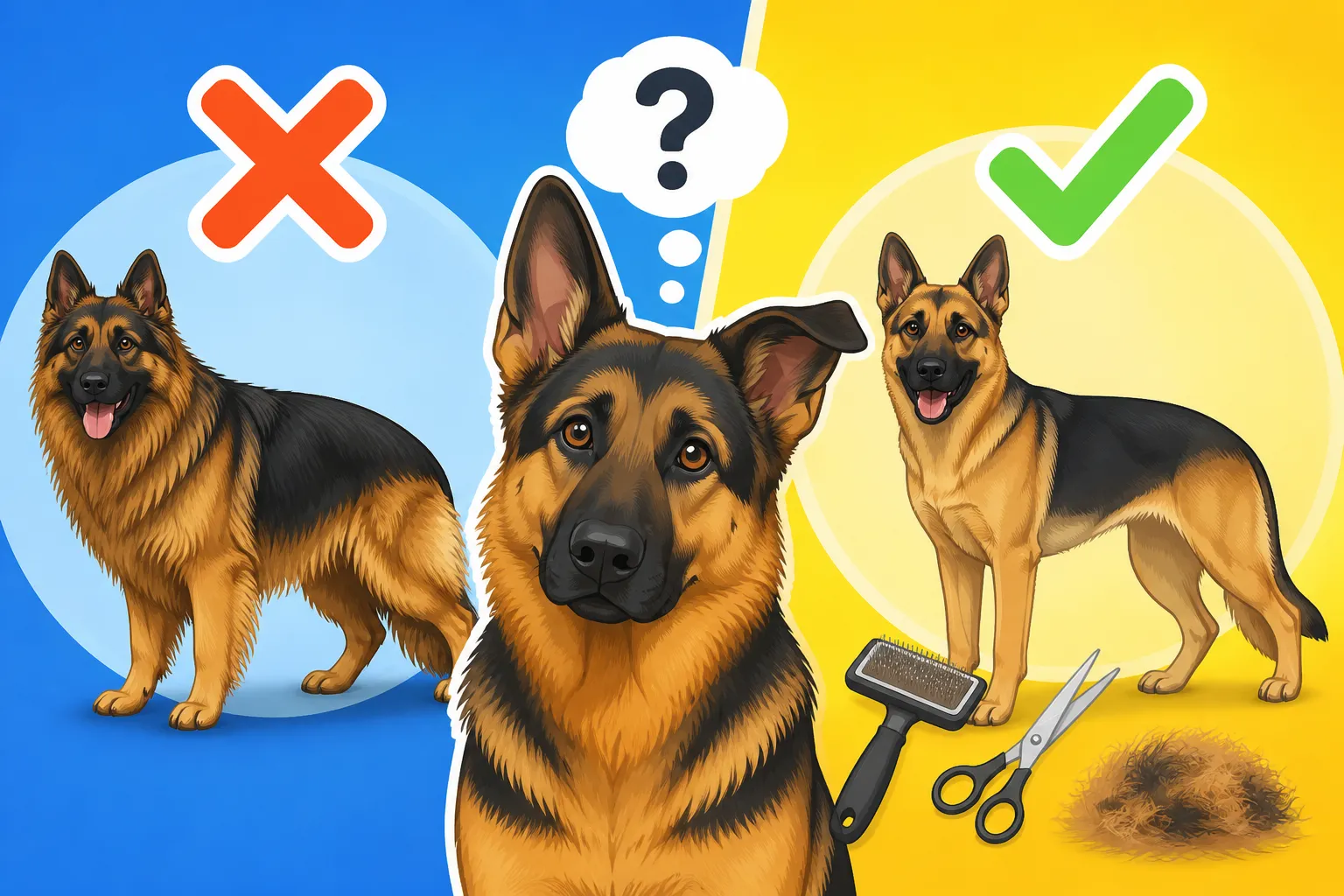
It's a question many German Shepherd owners grapple with, especially when the weather heats up or during the seemingly endless "shedding season": should I give my beloved German Shepherd a haircut? The urge to grab the clippers can be strong, thinking it might cool them down or reduce the mountains of fur coating your home. However, making that decision without truly understanding your German Shepherd's unique double coat can lead to more problems than solutions. This comprehensive guide will explain exactly why shaving your German Shepherd is almost always a bad idea, and what you should be doing instead to keep them comfortable and healthy.
Understanding the German Shepherd's Double Coat
Before we even consider a haircut, it's crucial to understand the magnificent engineering that is a German Shepherd's coat. Unlike many other breeds, German Shepherds are equipped with a specialized double coat designed to protect them in a multitude of environments and weather conditions. It’s not just fur; it’s a sophisticated natural climate control system and a protective barrier all rolled into one.
The Anatomy of a German Shepherd's Coat
Your German Shepherd's luxurious coat isn't uniform; it's composed of two distinct layers, each with its own vital function. This dual-layer system is what makes them so resilient and gives them that iconic look.
First, you have the undercoat. This layer consists of dense, soft, and woolly hairs that are incredibly effective at trapping air. Think of it like a down jacket; the trapped air acts as a fantastic insulator. In cold weather, this insulation keeps them warm by preventing body heat from escaping. Conversely, in hot weather, it works to keep them cool by preventing external heat from reaching their skin and allowing for air circulation close to the skin. This undercoat is what you typically find shedding in large clumps during seasonal "blow outs."
Second, there are the guard hairs, which form the outer layer of the coat. These hairs are longer, coarser, and have a somewhat slick texture. Their primary role is protection. They act as a waterproof and dirt-resistant shield, repelling moisture, preventing mud and debris from reaching the skin, and offering a physical barrier against insect bites and harmful UV rays. The guard hairs also contribute to the breed's distinct appearance, giving the German Shepherd its sleek, strong outline. Both layers work in tandem, much like the insulation and outer shell of a high-performance jacket, to keep your dog comfortable and safe.
How the Double Coat Protects Your German Shepherd
The protective qualities of a German Shepherd's double coat are truly remarkable, offering far more than just aesthetic appeal. It's a natural marvel that has evolved over centuries to ensure their survival and comfort.
In colder climates, that dense undercoat traps warm air close to the body, acting as a highly efficient thermal blanket. This prevents hypothermia and allows them to withstand frigid temperatures that would be dangerous for single-coated breeds. You've probably seen your German Shepherd happily playing in the snow, seemingly oblivious to the cold – that's their double coat doing its job! But here’s the part many owners misunderstand: this same coat is also incredibly effective in warm weather. The undercoat creates an insulating layer that prevents the sun's harsh rays from directly heating the skin. More importantly, it allows for air to circulate, creating a natural cooling effect through convection. When a breeze blows, it can move through the outer guard hairs and penetrate the undercoat, carrying away heat and helping your dog regulate their body temperature. Removing this natural insulation can actually make them hotter, not cooler, and far more susceptible to heatstroke. It's a common misconception that cutting off their fur will magically make them cooler, when in reality, it disrupts their built-in cooling system. For more detailed information on their well-being, read our guide on how to keep a German Shepherd healthy.
Beyond temperature regulation, the guard hairs offer a robust physical defense. They shield your dog's delicate skin from scratches, thorns, and other environmental hazards during their adventures. These strong outer hairs are also vital in protecting against sunburn, which can be a real risk for shaved dogs, especially those with lighter pigmentation. Furthermore, the double coat provides a barrier against annoying and potentially disease-carrying insects like mosquitoes and ticks. Without this natural armor, your German Shepherd becomes much more vulnerable to the elements and pests, leading to potential skin irritations or more serious health issues.
The Natural Shedding Cycle
Anyone who shares their home with a German Shepherd knows intimately about their shedding cycle. It's a natural, healthy process that's essential for maintaining the integrity and function of their double coat. German Shepherds typically experience two major "blow outs" per year, usually in spring and fall.
During the spring shed, your dog will rapidly shed their thick winter undercoat to make way for a lighter, thinner coat better suited for warmer temperatures. This is when you'll find tumbleweeds of fur rolling across your floors and sticking to every piece of furniture. It can feel overwhelming, like a never-ending blizzard of hair, and it's often the time owners consider shaving as a desperate measure. The fall shed is similar, but instead of shedding a heavy coat, they're shedding the lighter summer coat to grow in a denser, warmer one for winter. This preparatory phase ensures they are properly insulated before the cold weather truly sets in.
It's important to remember that this shedding isn't random; it's a physiological response to changes in daylight and temperature, and it’s how their body naturally adapts to the changing seasons. Even outside of these major shedding periods, German Shepherds will shed some hair year-round – they are not a low-shedding breed! This continuous, lighter shedding helps to remove dead hair and keep the coat healthy. Trying to stop this natural cycle by shaving is not only ineffective but can also disrupt the delicate balance of their coat's health and protective capabilities.
The Risks of Shaving a German Shepherd
While the idea of shaving your German Shepherd might seem like a quick fix for shedding or summer heat, the reality is that it poses significant risks to their health and comfort. Reputable groomers and veterinarians universally advise against it for double-coated breeds precisely because it interferes with their natural physiology.
Impaired Temperature Regulation
This is perhaps the most critical risk associated with shaving a German Shepherd. We've talked about how their double coat acts as a natural insulator, keeping them warm in winter and cool in summer. When you shave off this protective layer, you effectively dismantle their built-in air conditioning and heating system.
In hot weather, instead of allowing air to circulate and trap cooler air against the skin, shaving exposes their skin directly to the sun's harsh rays. This can lead to rapid overheating and significantly increases their risk of heatstroke, a life-threatening condition. It's a common, but dangerous, misconception that removing the hair helps them cool down. In fact, it often does the opposite, removing the barrier that prevents the sun from baking their skin. Think of it like a thermos: it keeps hot things hot and cold things cold. Your German Shepherd's coat works similarly. Without that insulation, their body has to work much harder to maintain a stable internal temperature, which is stressful and potentially dangerous. The intact double coat is designed to allow air to flow through it and evaporate moisture from the skin, a critical part of their natural cooling process. When shaved, this mechanism is severely hampered.
In colder temperatures, the problem is just as pronounced. Without the dense undercoat to trap warm air and the guard hairs to repel moisture, your German Shepherd will lose body heat much more rapidly. This makes them highly susceptible to hypothermia and discomfort, even in mild winter conditions that they would normally tolerate with ease. They'd need extra layers or prolonged indoor stays, which goes against their natural resilience.
Damaged Coat Regrowth and Texture Changes
Beyond immediate health risks, shaving can cause long-term damage to your German Shepherd's coat, leading to a phenomenon often dubbed "clipper alopecia" or "coat funk." This isn't just a cosmetic issue; it affects the functional integrity of their coat.
When the coat is shaved, the soft undercoat often grows back much faster and thicker than the coarser guard hairs. This leads to an imbalance in the coat structure. The newly dense undercoat can become matted more easily, making grooming a nightmare. Crucially, it further disrupts temperature regulation, as the overly thick undercoat traps heat even more effectively, but without the protective outer guard hairs to facilitate air circulation and repel moisture. This makes the dog even hotter in summer, and the woolly texture can hold moisture, potentially leading to skin infections.
The guard hairs, which are meant to provide protection and repel water, may not grow back correctly at all. They might come in patchy, thin, or with an altered texture that feels coarse or brittle. In some cases, especially after repeated shavings, the guard hairs may fail to grow back completely, leaving permanent bald spots or a perpetually fuzzy, uneven coat that no longer offers adequate protection. This change in texture also means the coat can become dull, lose its natural sheen, and collect dirt and debris more easily, requiring even more maintenance than before the shave. It's a vicious cycle that compromises both the appearance and health of your dog's skin and fur.
Increased Risk of Skin Problems and Sunburn
A German Shepherd's double coat is their first line of defense against the environment. When it's shaved, their skin becomes directly exposed and vulnerable to a host of problems they would normally be protected from.
One of the most immediate risks is sunburn. Just like humans, dogs can get sunburned, and a shaved German Shepherd is extremely susceptible to harmful UV radiation. Sunburn isn't just painful; it can lead to more serious conditions like skin cancer over time. Their skin is not designed to be exposed to direct sunlight, and without the natural shade and protection of their guard hairs, they are at high risk, especially if they enjoy spending time outdoors.
Beyond sunburn, the exposed skin is also far more prone to various skin irritations and infections. Without the protective barrier of the guard hairs, minor scratches, insect bites, or contact with irritants can easily become inflamed or infected. The disrupted coat regrowth can also lead to issues like hot spots, folliculitis (inflammation of hair follicles), and allergic reactions. If the undercoat grows back improperly and becomes matted, it can create a breeding ground for bacteria and yeast, leading to persistent skin problems. This can be a frustrating and uncomfortable experience for your dog, often requiring veterinary intervention and costly treatments. Our guide on German Shepherd Skin Problems and Fixes covers many common issues you might face.
Effective Alternatives to Haircuts for German Shepherds
Instead of resorting to a haircut that can harm your German Shepherd, there are highly effective and healthy methods to manage their coat, keep them comfortable, and reduce shedding. The key lies in understanding their natural coat cycle and working with it, not against it.
Regular Brushing and Deshedding Techniques
This is, without a doubt, the single most important thing you can do for your German Shepherd's coat health and to manage shedding. Regular, consistent brushing is far more effective and beneficial than any haircut could ever be. It might seem like a lot of work, but it's essential for maintaining their magnificent coat and keeping your home from becoming completely covered in fur.
The goal of brushing a German Shepherd is to remove the loose, dead undercoat without damaging the guard hairs. For this, you'll need the right tools. A high-quality undercoat rake or deshedding tool specifically designed for double-coated breeds is invaluable. Tools like the Furminator, when used correctly and sparingly, can be very effective at removing the loose undercoat. However, be cautious not to overdo it, as excessive use can damage the guard hairs. A good slicker brush is excellent for removing tangles and surface debris, and a pin brush can help stimulate circulation and distribute natural oils, enhancing the coat's shine.
During peak shedding seasons (spring and fall "blow outs"), you might need to brush your German Shepherd daily, or at least several times a week, for 30 minutes or more. Outside of these periods, a thorough brushing session 2-3 times a week is usually sufficient. Focus on working in sections, gently but firmly brushing down to the skin to pull out the dead undercoat. You'll be amazed at the amount of fur you can remove, which prevents matting, improves air circulation, and significantly reduces the hair left around your house. Regular brushing not only helps with shedding but also strengthens the bond between you and your dog. For a full breakdown, check out our guide on how to deshed a German Shepherd. Many of these specialized brushes and deshedding tools can be found on platforms like Chewy or Amazon.
Professional Grooming for Double-Coated Breeds
While daily brushing at home is crucial, sometimes a professional touch can make a world of difference, especially during intense shedding periods. Professional groomers who specialize in double-coated breeds offer services specifically designed to maintain the integrity of your German Shepherd's coat without shaving.
These services typically involve a deep bath with specialized shampoos and conditioners designed to loosen dead undercoat, followed by a high-velocity force dryer. This powerful dryer not only gets your dog thoroughly dry but also helps to literally "blow out" a massive amount of loose undercoat. This process is much more effective than home bathing and towel drying, as it can remove far more dead hair than brushing alone, leaving the coat healthier and lighter.
A reputable groomer will never shave a German Shepherd unless there's a medical necessity advised by a veterinarian (e.g., for surgery or severe matting that can't be brushed out). Instead, they will use deshedding tools and techniques that preserve the guard hairs and protect the undercoat. They can also provide expert advice on at-home care and suggest the best tools for your specific dog's coat type. While a professional grooming session might be an added expense, many owners find it incredibly worthwhile, especially to kickstart the deshedding process during seasonal changes. It helps to keep the coat in top condition, reduces shedding significantly, and ensures your dog is comfortable and well-maintained. If you're wondering about the overall costs, our article on German Shepherd Vet Costs Per Year might offer some perspective on budgeting for professional care.
Proper Bathing and Drying Practices
Bathing plays an important role in German Shepherd coat care, but it needs to be done correctly to avoid stripping natural oils or causing skin irritation. Just like with haircuts, there are right and wrong ways to approach your German Shepherd's bath time.
Firstly, don't over-bathe your German Shepherd. Too frequent bathing can strip their coat of essential natural oils, leading to dry skin, irritation, and even more shedding as their skin tries to compensate. Generally, bathing every 2-3 months or when they are visibly dirty is sufficient. Use a high-quality dog shampoo formulated for their skin type – ideally one that is gentle, pH-balanced, and free of harsh chemicals. Some owners find shampoos specifically designed for shedding or sensitive skin beneficial. You can find excellent options on Chewy or other pet supply retailers.
The drying process is just as crucial as the bath itself. Leaving a double-coated dog to air dry, especially in humid conditions, can lead to moisture getting trapped in the undercoat, creating a breeding ground for bacteria, yeast, and fungal infections. This is where a high-velocity dog dryer becomes invaluable, whether you own one yourself or rely on a professional groomer. If you're drying at home, ensure your dog is thoroughly dry down to the skin. Work in sections, using a towel to absorb as much water as possible before using a dryer on a cool or low-heat setting. Brush the coat as you dry to separate the hairs and ensure all layers are completely dry. Proper drying prevents skin issues, reduces odors, and helps loosen any remaining dead undercoat, making subsequent brushing sessions more effective. You can learn more about this in our guide on how often to bathe a German Shepherd.
Managing Shedding Year-Round
Living with a German Shepherd means accepting a certain level of shedding. It's an inherent part of the breed. However, you can significantly reduce the amount of loose hair in your home and maintain a healthy coat by implementing year-round management strategies that go beyond just brushing.
Nutritional Support for a Healthy Coat
What your German Shepherd eats directly impacts the health and condition of their coat. A well-balanced, high-quality diet provides the essential nutrients needed for strong hair follicles and a vibrant, less-shedding coat. Think of it this way: if the building blocks aren't there, the structure won't be either.
Look for dog foods with high-quality protein sources as the first ingredient, as protein is fundamental for hair growth. Additionally, diets rich in Omega-3 and Omega-6 fatty acids are particularly beneficial. These essential fatty acids, often derived from fish oil, flaxseed, or sunflower oil, play a crucial role in maintaining skin hydration and promoting a healthy, shiny coat while reducing excessive shedding. Many premium dog foods, such as those from Ollie or Purina Pro Plan, incorporate these fatty acids to support overall skin and coat health. If your dog's diet isn't providing enough, you might consider adding a fish oil supplement, but always consult your veterinarian before introducing any new supplements.
A diet lacking in essential vitamins and minerals can lead to a dry, brittle coat, increased shedding, and various skin issues. Ensuring your German Shepherd receives complete and balanced nutrition tailored to their age, activity level, and any specific health needs is paramount. This foundational care will show in their lustrous coat and robust health. Our guide on Best Dog Food for German Shepherds provides in-depth recommendations for choosing the right diet.
Environmental Management
Let's be realistic: even with perfect grooming and nutrition, a German Shepherd will shed. Managing the hair in your home is an ongoing battle, but with the right tools and habits, it becomes much more manageable. It’s not about stopping shedding, but about containing it.
Invest in a powerful vacuum cleaner designed for pet hair. Brands like Dyson Animal or Shark Rotator are often recommended by German Shepherd owners for their ability to pick up embedded fur from carpets and upholstery. Regular vacuuming, even daily during peak shedding seasons, can drastically reduce the accumulation of hair. Another great tip is to use lint rollers, which you can easily stock up on from Amazon, for quick clean-ups on clothes, furniture, and car interiors.
Consider using washable covers on furniture where your German Shepherd loves to lounge. These can be easily removed, shaken outside, and tossed in the washing machine, saving your upholstery. You might also designate specific dog beds or blankets that are easy to clean. Regular cleaning of dog beds, blankets, and crate liners also helps to remove loose hair before it spreads throughout the house. Furthermore, implementing a "sweeping" or "dusting" routine a few times a week with microfiber cloths can capture airborne hair before it settles. These small, consistent efforts add up to a significantly cleaner home environment, making living with a shedding German Shepherd much less daunting. Our article on How to Reduce German Shepherd Shedding in the House offers even more practical tips.
Hydration and General Health
Beyond diet and direct coat care, your German Shepherd's overall health and hydration significantly impact their coat quality and shedding patterns. A healthy dog is more likely to have a healthy coat.
Ensuring your German Shepherd has constant access to fresh, clean water is critical. Proper hydration contributes to healthy skin and hair follicles. Dehydrated skin can lead to a dry, flaky scalp and brittle hair, increasing shedding. If your dog isn't drinking enough, consider a dog water fountain to encourage more intake, or add a splash of low-sodium broth to their water bowl.
Regular veterinary check-ups are also crucial. Underlying health issues, such as thyroid problems, allergies, parasites, or nutritional deficiencies, can manifest as excessive shedding, dull coat, or skin irritations. Your vet can identify and address these issues, which might require specific treatments, dietary changes, or supplements. For instance, if your German Shepherd is struggling with environmental allergies, addressing those could also improve their coat condition. Maintaining a consistent flea and tick prevention regimen is another aspect of general health that directly impacts skin and coat. Parasites cause itching and discomfort, leading to scratching and further damage to the coat. Ensuring your dog is healthy from the inside out is the best way to support a naturally beautiful and functional coat.
German Shepherd Coat Care: Do's and Don'ts
| DO'S | DON'TS |
|---|---|
| Brush Regularly: Use an undercoat rake and slicker brush several times a week, daily during shedding season. | Shave Your German Shepherd: This disrupts their natural temperature regulation and can permanently damage the coat. |
| Use Deshedding Tools: Safely remove loose undercoat with tools designed for double coats. | Over-Bathe: Too frequent bathing strips natural oils, leading to dry skin and more shedding. |
| Seek Professional Grooming: For deep deshedding treatments by groomers who understand double coats. | Use Human Shampoos: They are not pH-balanced for dogs and can cause skin irritation. |
| Provide High-Quality Nutrition: Ensure their diet is rich in protein and Omega fatty acids for coat health. | Ignore Excessive Shedding/Skin Issues: These can be signs of underlying health problems; consult a vet. |
| Maintain Good Hydration: Always provide fresh water to support healthy skin and coat. | Assume Shaving Cools Them: It actually makes them more prone to overheating and sunburn. |
| Vacuum Regularly: To manage shed hair in your home. | Neglect Regular Brushing: This leads to matting, skin problems, and a house full of fur. |
Disclaimer
This article is intended for informational purposes only and does not constitute veterinary advice. Always consult with a qualified veterinarian for any health concerns or before making any decisions about your pet's care or treatment. Individual results may vary based on your German Shepherd's unique health, genetics, and environment.