Taste of the Wild for German Shepherds: Review
Trying to navigate the seemingly endless aisles of dog food, or scrolling through countless online options, for your beloved German Shepherd can feel utterly overwhelming. You want to make the best choice, something that supports their powerful build, sharp mind, and active lifestyle, but the marketing jargon and ingredient lists often just add to the confusion. This guide is here to cut through the noise, offering a detailed review of Taste of the Wild dog food, focusing specifically on whether it aligns with the unique nutritional needs of German Shepherds.
Understanding Taste of the Wild's Core Philosophy and Ingredients
Taste of the Wild has carved out a significant niche in the pet food market by promoting a "grain-free" and "ancestral diet" approach. This philosophy resonates deeply with many German Shepherd owners who are looking for a more natural, historically appropriate diet for their noble companions. Let's delve into what this really means for your furry friend.
The "Ancestral Diet" Approach
At its heart, Taste of the Wild's ancestral diet philosophy posits that dogs, as descendants of wolves, thrive on a diet rich in novel proteins, healthy fats, and complex carbohydrates derived from fruits and vegetables, rather than grains. The idea is to mimic what their wild ancestors might have eaten, providing nutrient-dense foods that support robust health and vitality. For German Shepherds, a breed known for its intelligence, strength, and working capabilities, this approach often appeals to owners who see their dogs as highly athletic and needing fuel commensurate with their genetic heritage.
While our modern German Shepherds are far removed from wild wolves, the principles of a high-quality, protein-rich diet remain fundamental. They are powerful, active dogs that require significant energy and building blocks for their impressive musculature. An ancestral diet, in theory, aims to provide these components in a form that is easily digestible and metabolically efficient for a canine. It’s about more than just filling their bowl; it’s about nourishing their inherent strength.
Key Ingredients and Their Benefits
Taste of the Wild features a diverse array of protein sources, often leaning into what they call "novel" proteins – those not commonly found in traditional dog foods. You'll frequently see ingredients like roasted bison, venison, smoked salmon, wild boar, and roasted fowl. These aren't just for flavor; they are chosen for their high biological value and unique amino acid profiles, essential for muscle maintenance and growth in a large, active breed like the German Shepherd.
Beyond proteins, the brand incorporates a medley of fruits and vegetables such as sweet potatoes, peas, blueberries, raspberries, and tomatoes. These ingredients serve as natural sources of vitamins, minerals, and antioxidants, crucial for immune system support and overall cellular health. Furthermore, many Taste of the Wild formulas include species-specific probiotics, prebiotics, and fermentation products. These gut-friendly additions are designed to aid digestion and nutrient absorption, which can be particularly beneficial for German Shepherds, a breed sometimes prone to sensitive stomachs or issues like German Shepherd EPI: Symptoms and Treatment.
Nutritional Profile for German Shepherds
When evaluating any dog food for a German Shepherd, a keen eye on the nutritional profile is non-negotiable. These dogs aren't just large; they're athletic, intelligent, and often prone to certain health issues that can be mitigated or exacerbated by diet. Taste of the Wild aims to meet these demands with its carefully formulated recipes.
Protein Content and Sources
German Shepherds are undeniably muscular dogs with high energy requirements, especially working line German Shepherds. This means protein is absolutely paramount in their diet. Taste of the Wild typically offers crude protein percentages ranging from 25% to 32% across its various formulas, which is generally considered appropriate for active, large breeds. The protein sources are often a blend, such as buffalo, lamb meal, chicken meal, and egg product in their High Prairie formula, or salmon, ocean fish meal, and smoked salmon in their Pacific Stream formula.
The inclusion of multiple animal protein sources ensures a broad spectrum of essential amino acids, which are the building blocks for everything from muscle tissue to enzymes and hormones. For a German Shepherd, adequate protein supports lean muscle mass, aids in recovery after strenuous exercise, and contributes to a healthy, strong physique. Choosing a formula with quality, identifiable protein sources should be a priority for any German Shepherd owner.
Fat, Carbohydrates, and Fiber
Healthy fats are another critical component, providing concentrated energy, supporting skin and coat health, and aiding in the absorption of fat-soluble vitamins. Taste of the Wild generally includes crude fat percentages between 15% and 18%, often sourced from ingredients like canola oil, salmon oil, and chicken fat. These fats also contribute to brain health and anti-inflammatory processes, which can be beneficial for a breed susceptible to joint issues like German Shepherd Hip Dysplasia Explained.
For carbohydrates, Taste of the Wild primarily utilizes grain-free sources like sweet potatoes, peas, and lentils. These ingredients offer complex carbohydrates that provide sustained energy release, preventing the sugar spikes and crashes associated with simple carbs. They also contribute dietary fiber, crucial for digestive health. A healthy fiber content, typically around 3-5%, helps regulate bowel movements and can assist in preventing issues like bloat in German Shepherds, a serious concern for the breed. If you're looking for alternatives, Taste of the Wild also offers "Ancient Grains" formulas, which incorporate ingredients like sorghum, millet, and quinoa for those who prefer a grain-inclusive diet.
Essential Vitamins, Minerals, and Probiotics
Beyond the macronutrients, the micronutrient profile is equally vital. Taste of the Wild formulas are fortified with a blend of vitamins and minerals, ensuring your German Shepherd receives a balanced intake. You’ll find essential nutrients like Vitamin E, B vitamins, zinc, selenium, and iron, all playing diverse roles in immune function, metabolic processes, and cellular health.
Perhaps one of the most emphasized aspects of Taste of the Wild’s nutritional philosophy is the inclusion of K9 Strain Probiotics. These beneficial bacteria are added after the cooking process to support a healthy digestive and immune system. Given that German Shepherds can sometimes have sensitive digestive tracts, a robust probiotic blend can significantly aid nutrient absorption and promote a balanced gut microbiome, potentially reducing the incidence of loose stools or digestive upset. This focus on gut health aligns with a holistic approach to maintaining a Signs of a Healthy German Shepherd.
Specific Taste of the Wild Formulas for German Shepherds
Taste of the Wild offers a variety of formulas, each with a distinct protein profile and ingredient list, making it possible to find one that suits your German Shepherd's particular preferences or needs. Let's look at a few of their most popular options.
High Prairie Canine Formula (Roasted Bison & Venison)
The High Prairie formula is arguably one of Taste of the Wild's most well-known offerings. It features roasted bison and roasted venison as its primary protein sources, complemented by lamb meal, chicken meal, and egg product. This multi-protein approach delivers a rich and varied amino acid profile, ideal for supporting the strong musculature and high energy levels typical of German Shepherds.
This recipe is generally well-received by active German Shepherds due to its hearty protein content and the inclusion of sweet potatoes and peas for sustained energy. The novel proteins can also be a good option for dogs who might have sensitivities to more common protein sources like chicken, though it does still contain chicken meal. It's designed to provide comprehensive nutrition, including antioxidants from fruits and vegetables, and digestive support from probiotics, making it a solid contender for many GSD owners seeking a robust, meat-rich diet.
Pacific Stream Canine Formula (Smoked Salmon)
For German Shepherds with sensitivities to poultry or red meat, or those who benefit from a diet rich in omega fatty acids for skin and coat health, the Pacific Stream formula is an excellent choice. This recipe highlights smoked salmon and ocean fish meal as its main protein sources, offering a different flavor profile and a wealth of beneficial nutrients.
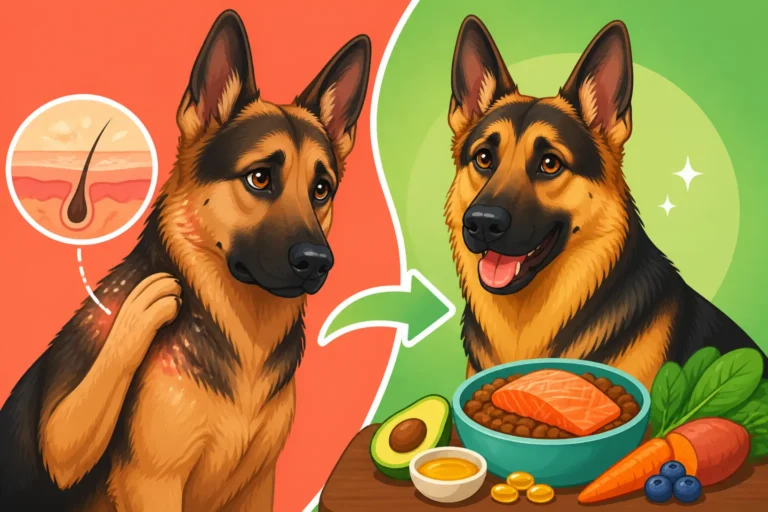
Salmon is an outstanding source of omega-3 fatty acids, particularly EPA and DHA, which are crucial for maintaining a shiny coat, healthy skin, and supporting cognitive function. These fatty acids also possess anti-inflammatory properties, which can be advantageous for German Shepherds, especially as they age or if they show early signs of joint discomfort. Many owners report seeing a noticeable improvement in their dog's coat quality when on a fish-based diet like this one. This formula is often recommended for German Shepherds dealing with German Shepherd Allergies: Symptoms and Treatment related to common proteins.
Sierra Mountain Canine Formula (Roasted Lamb)
If your German Shepherd has a discerning palate or requires a simpler ingredient list, the Sierra Mountain formula, with its primary protein source of roasted lamb, might be a perfect fit. Lamb is often considered a less common allergen compared to chicken or beef, making it a good alternative for dogs with specific food sensitivities.
This formula provides a complete and balanced diet using roasted lamb, lamb meal, and egg product. Like other Taste of the Wild formulas, it's packed with digestible carbohydrates from sweet potatoes and peas, and a blend of fruits and vegetables for antioxidant support. The richness of lamb can also be very appealing to German Shepherds, ensuring they stay engaged with their meals and receive consistent, high-quality nutrition.
Wetlands Canine Formula (Roasted Fowl)
The Wetlands formula offers a unique blend of roasted fowl, including duck, quail, and turkey, along with chicken meal and ocean fish meal. This diverse array of proteins provides a complex flavor that many dogs adore and a comprehensive amino acid profile to support overall health.
This formula is particularly beneficial for German Shepherds who thrive on varied protein sources and may benefit from the combined nutritional punch of multiple fowl types. The mix of duck, quail, and turkey offers a rich source of lean protein, while the added ocean fish meal ensures a good supply of omega fatty acids. It's a great choice for owners looking to provide a varied, nutrient-dense diet that caters to the energetic demands of their German Shepherd.
Potential Pros of Feeding Taste of the Wild to Your German Shepherd
Choosing the right food involves weighing many factors, and Taste of the Wild certainly brings a list of compelling advantages to the table for German Shepherd owners.
High-Quality Protein and Natural Ingredients
One of the most significant benefits of Taste of the Wild is its commitment to high-quality protein sources. As discussed, German Shepherds are built for work and activity, necessitating a diet rich in protein to maintain their substantial muscle mass and provide sustained energy. The brand's use of real meats like bison, venison, salmon, and lamb, often as the first few ingredients, ensures that your German Shepherd is getting the protein they need from identifiable, animal-based sources.
Furthermore, the emphasis on natural ingredients, free from artificial colors, flavors, or preservatives, is a major plus for many pet parents. You're giving your German Shepherd ingredients like real fruits, vegetables, and legumes, which are packed with vitamins, minerals, and antioxidants. This focus on wholesome ingredients can contribute to better overall health, a stronger immune system, and a more vibrant appearance for your GSD.
Grain-Free Options and Digestive Health
Historically, one of Taste of the Wild's hallmark features has been its grain-free formulations. For some German Shepherds, grains can be a source of dietary sensitivities, leading to issues like itchy skin, ear infections, or digestive upset. While the grain-free debate is ongoing (which we'll touch on later), for dogs who genuinely thrive on a grain-free diet, Taste of the Wild offers a robust selection.
Beyond being grain-free, the inclusion of K9 Strain Probiotics and prebiotics is a major boon for digestive health. German Shepherds are known to sometimes have sensitive stomachs, and a healthy gut microbiome is crucial for nutrient absorption and preventing common gastrointestinal issues. Many owners report improved stool consistency and reduced digestive upset when their German Shepherds are on a diet supplemented with probiotics, which can significantly improve their quality of life. Maintaining good digestive health is a key aspect of How to Keep a German Shepherd Healthy.
Cost-Effectiveness and Accessibility
When compared to many other premium, limited-ingredient, or boutique dog food brands, Taste of the Wild often strikes a favorable balance between quality and cost. While it's not the cheapest dog food on the market, it generally offers a higher-quality ingredient list and a more thoughtful nutritional profile than many budget brands, without the hefty price tag of some ultra-premium or fresh-food options.
This makes it an accessible choice for German Shepherd owners who want to provide excellent nutrition without breaking the bank. Moreover, Taste of the Wild is widely available. You can easily find it at most major pet supply stores and online retailers. Brands like Chewy often carry a full range of their products, and you can also find it readily on Amazon, making it convenient to purchase and have delivered straight to your door.
Considerations and Potential Cons for German Shepherd Owners
While Taste of the Wild offers many positives, it's crucial for discerning German Shepherd owners to be aware of certain considerations and potential drawbacks, especially given the breed's specific health predispositions.
The Grain-Free Debate and DCM Concerns
Perhaps the most significant discussion surrounding grain-free diets like Taste of the Wild is the ongoing investigation by the FDA into a potential link between certain grain-free, boutique, or exotic ingredient diets and Dilated Cardiomyopathy (DCM) in dogs. While the science is still developing and no definitive cause-and-effect relationship has been established, the concern stems from the high inclusion of ingredients like peas, lentils, and potatoes often found in these formulations, which may displace traditional grains and potentially interfere with taurine absorption or synthesis, a nutrient vital for heart health.
For German Shepherds, this concern is particularly relevant. While DCM is not as prevalent in German Shepherds as in some other large breeds, any potential risk to heart health warrants careful consideration. It's imperative to consult with your veterinarian about the best dietary choices for your individual dog, especially if they have any underlying cardiac issues or if there's a family history of heart disease. It's worth noting that Taste of the Wild has responded to these concerns by introducing their "Ancient Grains" line, which incorporates wholesome grains like sorghum, millet, and quinoa, offering a grain-inclusive alternative for owners who prefer to avoid grain-free diets.
Palatability and Transitioning
While many German Shepherds enjoy Taste of the Wild, not every dog will take to a new food with enthusiasm. Like humans, dogs have individual preferences, and the unique protein sources in some Taste of the Wild formulas (like venison or bison) might be different from what your dog is accustomed to. This isn't necessarily a con, but it's something to be mindful of.
When introducing any new food, a slow and gradual transition is always recommended. This involves mixing small amounts of the new food with their old food, slowly increasing the proportion of Taste of the Wild over 7-10 days. This method helps prevent digestive upset, which can manifest as loose stools or vomiting. If your German Shepherd is particularly sensitive or a picky eater, this transition period might need to be extended. Observing your dog's reaction during this period is key to a successful switch.
Ingredient Sourcing Transparency
In today's interconnected world, consumers are increasingly interested in where their pet food ingredients come from. While Taste of the Wild generally states that its ingredients are sourced globally, there can sometimes be a desire for more specific, farm-to-bowl transparency. Knowing the exact origin of every ingredient can provide peace of mind regarding quality and safety, especially when sourcing from countries with less stringent regulations than one might prefer.
While the brand does provide some general information on their website, some owners might crave more detailed traceability for all components. For example, some premium brands like Ollie provide detailed sourcing information for every ingredient, which sets a high bar for transparency. However, Taste of the Wild's widespread distribution and relatively competitive pricing often mean that such detailed, individual batch sourcing information isn't always feasible or economically viable for every single ingredient in their large-scale production.
Making the Best Choice for Your German Shepherd
Ultimately, the decision of what to feed your German Shepherd is a personal one, but it should always be an informed one. Considering their unique needs and potential health predispositions is crucial.
Consulting Your Veterinarian
This cannot be stressed enough: your veterinarian is your best resource when it comes to your German Shepherd's diet. They have an intimate understanding of your dog's individual health history, activity level, age, and any specific medical conditions that might influence dietary choices. For instance, if your GSD is prone to joint issues, your vet might recommend specific supplements or a diet rich in omega-3s. If they're dealing with German Shepherd Pancreatitis: Symptoms and Treatment or German Shepherd Allergies: Causes and Relief, specialized dietary management is absolutely essential.
Before making a significant change to your German Shepherd's food, schedule a chat with your vet. They can help you evaluate whether Taste of the Wild (or any other brand) aligns with your dog’s specific health requirements and can advise on potential risks, such as the aforementioned DCM concerns with grain-free diets. They can also guide you on the best approach to transition your dog to a new food.
Monitoring Your Dog's Health and Wellness
Once you've chosen a food, like Taste of the Wild, and begun the transition, diligent observation of your German Shepherd's health and wellness is paramount. Your dog's body will tell you whether the food is a good fit. Look for key indicators of good health:
- Coat Condition: A shiny, soft coat with minimal shedding (beyond normal GSD blowouts!) is a good sign. Dry, flaky skin or excessive itching could indicate an issue.
- Energy Levels: Your German Shepherd should be energetic, alert, and keen to play, but not hyperactive or lethargic.
- Stool Quality: Healthy stools are firm, well-formed, and easy to pick up. Diarrhea, constipation, or excessive gas are signs that something might be off.
- Weight Management: Your dog should maintain a healthy weight; you should be able to feel their ribs easily but not see them protruding. Rapid weight gain or loss needs veterinary attention.
- Overall Disposition: A happy, engaged German Shepherd is usually a healthy one. Changes in mood or behavior can sometimes be linked to diet.
If you notice any adverse changes, don't hesitate to consult your vet. Sometimes a formula just isn't right for an individual dog, even if it's generally considered high-quality.
Understanding Your German Shepherd's Unique Needs
Every German Shepherd is an individual, and their dietary needs can vary based on several factors:
- Age: Puppies, adults, and senior German Shepherds have different nutritional requirements. Puppies need more calories and specific nutrients for growth, while seniors might benefit from fewer calories and joint-supporting ingredients. Make sure you're feeding a formula appropriate for their life stage, whether it's Best Dog Food for a German Shepherd Puppy or Best Dog Food for Senior German Shepherds.
- Activity Level: A working German Shepherd herding sheep or engaged in Schutzhund training will require significantly more calories and protein than a couch-potato companion. Tailor the food amount and calorie density to their energy expenditure.
- Health Conditions: As mentioned, German Shepherds can be prone to certain health issues like allergies, digestive problems, or joint disease. A diet can play a crucial role in managing these conditions. For instance, a German Shepherd with German Shepherd Arthritis: Symptoms and Treatment might benefit from food fortified with glucosamine and chondroitin, or an anti-inflammatory diet.
By understanding these nuances and working closely with your vet, you can make the most informed decision for your German Shepherd's diet, ensuring they receive the best possible nutrition to live a long, healthy, and happy life.
| Taste of the Wild Formula | Primary Proteins | Crude Protein (%) | Crude Fat (%) | Crude Fiber (%) | Key Benefits for GSDs |
|---|---|---|---|---|---|
| High Prairie | Roasted Bison, Roasted Venison | 32% | 18% | 4% | Robust protein for muscle, sustained energy. |
| Pacific Stream | Smoked Salmon, Ocean Fish Meal | 25% | 15% | 3% | Omega-3s for skin/coat, alternative for sensitivities. |
| Sierra Mountain | Roasted Lamb | 25% | 15% | 3% | Single novel protein, good for sensitivities or picky eaters. |
| Wetlands | Roasted Fowl (Duck, Quail, Turkey) | 32% | 18% | 4% | Diverse protein blend, rich flavor, comprehensive amino acids. |
| Appalachian Valley (Small Breed) | Roasted Venison, Garbanzo Beans | 32% | 18% | 4% | High protein, smaller kibble for some GSD puppies or selective eaters. |
| Ancient Prairie (with Grains) | Roasted Bison, Roasted Venison | 32% | 18% | 4% | High protein with ancient grains for those avoiding grain-free. |
Disclaimer
The information provided in this article is for educational and informational purposes only and is not intended as a substitute for professional veterinary advice. Always consult with a qualified veterinarian for any questions or concerns you may have regarding your German Shepherd's health and dietary needs. Dietary recommendations can vary greatly depending on an individual dog's age, health status, activity level, and specific medical conditions.