Can You Cut a German Shepherd’s Hair
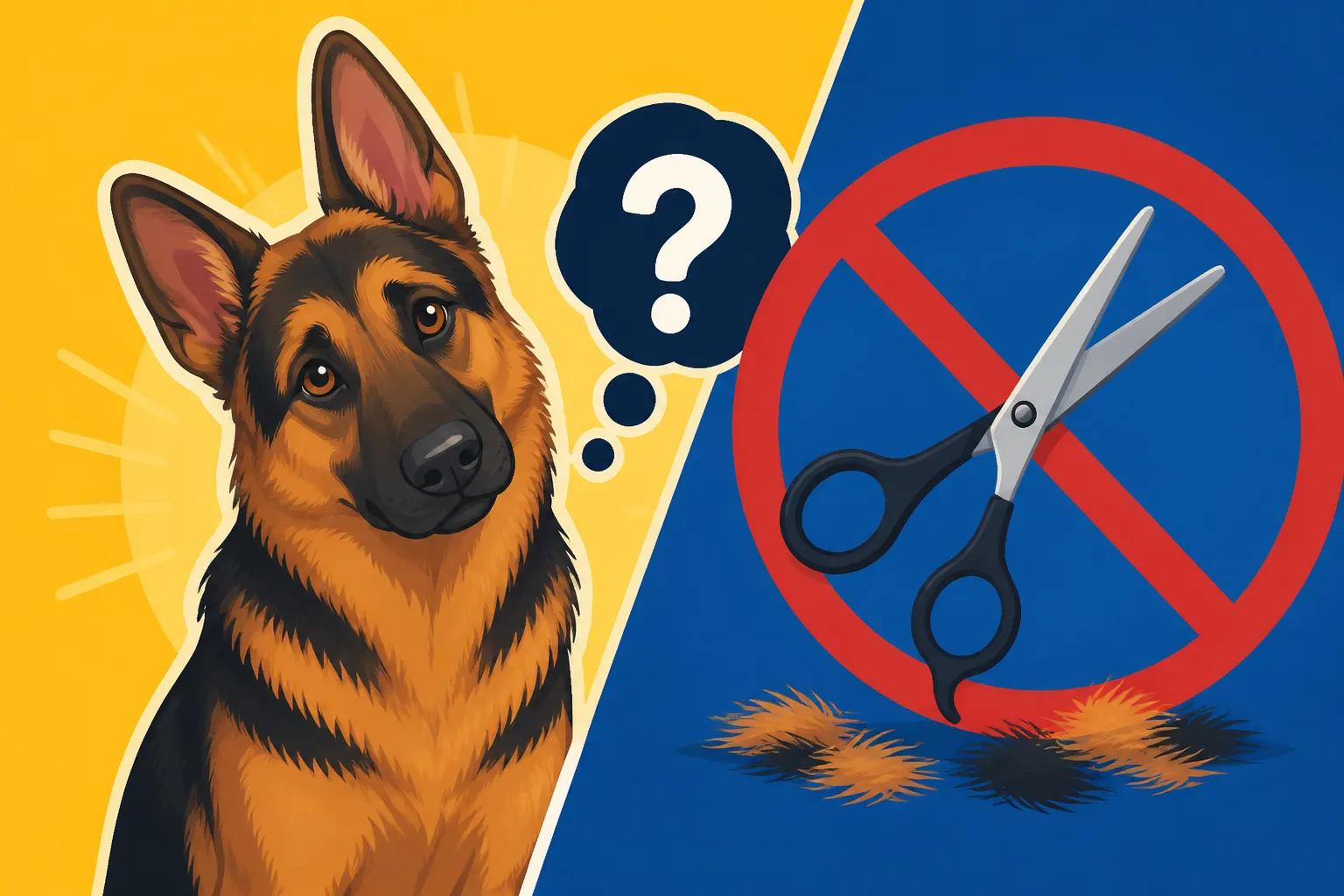
It’s a common scenario: the summer sun is beating down, your magnificent German Shepherd is panting, maybe even looking a bit miserable, and the fur… oh, the fur! It’s everywhere. Naturally, your mind might wander to one thought: "If I just cut all that hair off, wouldn't they be so much cooler and more comfortable?" This thought comes from a place of love and concern, and it’s a question many German Shepherd owners grapple with. This guide is here to shed light on why cutting a German Shepherd's hair is generally not recommended and what better, safer alternatives exist to keep your furry friend happy and healthy.
The German Shepherd's Unique Double Coat: A Natural Marvel
Before we even think about scissors or clippers, it's crucial to understand the incredible design of your German Shepherd's coat. It’s not just "hair"; it's a sophisticated, two-layered system that has evolved over centuries to protect them from a wide range of environmental conditions. Trying to bypass this natural design can often lead to unintended, and sometimes harmful, consequences.
Understanding the Two Layers: Outer Guard Hairs and Undercoat
Your German Shepherd boasts what's known as a double coat, and each layer plays a distinct role. The outer layer consists of coarse, stiff hairs called guard hairs. These are the longer, visible hairs that give your German Shepherd its distinct color and texture. They're strong, weather-resistant, and provide the first line of defense against external elements. Think of them as the protective outer shell.
Beneath this formidable outer layer lies the undercoat. This is made up of soft, dense, downy hairs that are much shorter than the guard hairs. The undercoat is incredibly insulating and acts like a natural thermal regulator for your dog. It's the engine room of their temperature control system, a truly marvelous piece of biological engineering that works silently year-round.
The Coat's Natural Functions: Insulation, Protection, and Regulation
The German Shepherd's double coat isn't just for looks; it’s a vital organ that performs multiple critical functions. In winter, that thick undercoat traps warm air close to the body, insulating them against the cold, much like a down jacket. It keeps them cozy and prevents hypothermia during frosty walks or snowy playtime.
But here’s the often-misunderstood part: this same double coat also provides crucial insulation in the summer. It creates an airy layer next to the skin, preventing heat from penetrating directly to the body and allowing for effective cooling through convection. It’s like a natural air conditioner, shielding them from direct sunlight and UV rays. Additionally, the guard hairs offer physical protection against scrapes, bug bites, and other environmental hazards, acting as a barrier that keeps their delicate skin safe.
Why Cutting a German Shepherd's Hair is Generally Not Recommended
Given the natural brilliance of their double coat, you can start to see why tampering with it might not be the best idea. Shaving or cutting a German Shepherd’s hair, especially down to the skin, can disrupt this intricate system, leading to a host of problems that often outweigh any perceived benefits.
Impact on Temperature Regulation: Overheating and Hypothermia Risks
The most common reason people consider cutting their German Shepherd's hair is to cool them down in summer. However, removing the undercoat actually has the opposite effect. Without that insulating layer, your dog's skin is directly exposed to the sun's heat and harmful UV rays, making them more susceptible to overheating and sunburn. It’s akin to removing the insulation from your house; it doesn't just make it cooler in summer, it also makes it harder to regulate temperature overall.
Furthermore, once shaved, they lose that vital insulation against the cold. If a sudden temperature drop occurs or they spend time in air-conditioned environments, they can become uncomfortably cold and even be at risk of hypothermia. Their body simply isn't equipped to handle these temperature swings without its natural protection.
Damage to the Coat's Integrity: Matting, Dullness, and Improper Regrowth
Shaving a German Shepherd’s double coat can permanently damage its structure. The guard hairs and undercoat grow at different rates and have different textures. When you shave them, the soft undercoat often grows back faster than the tougher guard hairs. This can result in a "woolly" or "cottony" texture that is highly prone to matting. Instead of a smooth, protective coat, you end up with a coat that tangles easily, traps dirt, and can become incredibly uncomfortable for your dog.
This improper regrowth also means the coat can lose its natural luster and weather-resistant properties. It might feel dull, look lifeless, and no longer repel water or dirt as effectively. Restoring the coat to its original condition can take years, if it's even possible at all, as the follicles can be damaged during the shaving process. For those concerned about German Shepherd Coat and Skin Care, proper grooming is far more beneficial than cutting.
Increased Risk of Skin Issues and Sunburn
With the natural protection of their double coat removed, German Shepherds become significantly more vulnerable to skin problems. Sunburn is a major concern, especially for dogs with lighter coats or pinker skin, which can lead to pain, blistering, and even increase the risk of skin cancer. Think about how easily you burn without proper sun protection; your dog's skin is no different, perhaps even more sensitive once exposed.
Beyond sunburn, the exposed skin is also more susceptible to insect bites, environmental irritants, and minor abrasions. Without the protective barrier, their skin is on the front lines, leaving them itchy, uncomfortable, and potentially developing hot spots or infections. Many German Shepherd Skin Problems and Fixes are exacerbated, not alleviated, by shaving.
Exceptions and Alternatives to Hair Cutting
While the general advice is to never shave your German Shepherd, there are rare instances where some form of cutting or trimming might be considered. However, these are typically specific, targeted actions rather than a full body shave. It’s essential to distinguish between a functional trim and a complete coat removal.
Medical Necessity and Vet Recommendations
The only widely accepted reason to shave a German Shepherd is under direct veterinary advice for medical purposes. This might include preparing for surgery, treating severe skin conditions (like widespread fungal infections or severe matting that cannot be brushed out), or for certain diagnostic procedures. In these cases, your vet will weigh the risks and benefits, and it will be a decision made for your dog's health, not comfort or aesthetics.
Even in medical scenarios, the shave is usually as minimal as necessary. A veterinarian understands the importance of the double coat and will only recommend such a drastic measure when it’s truly the lesser of two evils for your dog's well-being. It’s important to discuss any concerns with your vet before taking action.
Strategic Trimming for Hygiene (Not a Full Cut)
While a full shave is a no-go, strategic trimming for hygiene purposes is a different story. This involves carefully trimming specific areas to prevent matting, maintain cleanliness, and improve comfort in certain situations. These are not "haircuts" in the traditional sense but rather practical grooming measures.
Common areas for hygiene trims include:
- Paws: Trimming the hair between the paw pads can prevent snow, ice, burrs, or mud from accumulating, which can cause discomfort, matting, or even infections.
- Sanitary Area: Trimming the hair around the anus can help keep the area clean and prevent fecal matter from getting stuck, which is especially important for long-haired German Shepherds.
- Underbelly: A slight trim here can help keep the area cleaner, particularly for dogs who enjoy rolling in muddy puddles or spending time outdoors.
These trims should be minimal and carefully executed, ideally by a professional groomer experienced with double-coated breeds, or with proper guidance and tools at home. The goal is functionality, not aesthetics or a perceived cooling effect.
Effective Deshedding and Grooming Tools as Alternatives
Instead of reaching for clippers, the real solution to managing a German Shepherd's coat – especially during shedding season – lies in regular, thorough grooming. This process is called "deshedding," and it helps remove loose undercoat without damaging the protective guard hairs. This is the natural way to help your dog regulate their temperature and maintain a healthy coat.
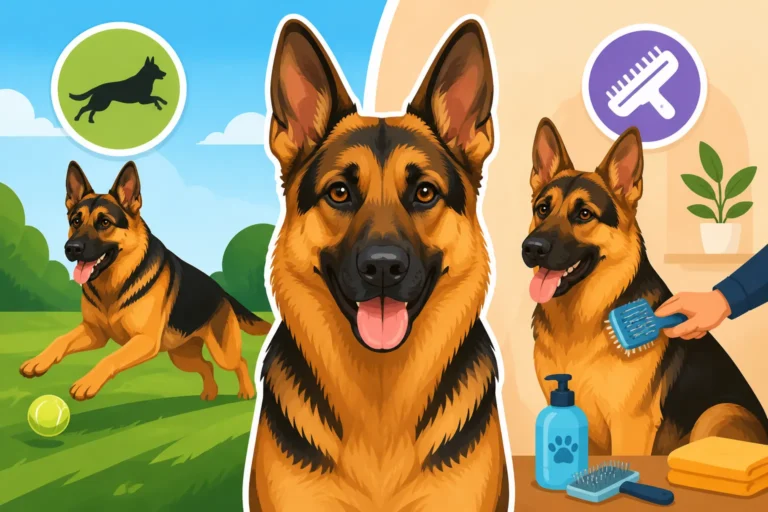
There are several excellent tools designed specifically for double-coated breeds. A good quality undercoat rake, a slicker brush, and a deshedding tool like the FURminator (used carefully and correctly) are invaluable. Brands like Chewy and Amazon offer a wide array of these specialized grooming tools, making them easily accessible. Regular deshedding not only keeps your home cleaner by reducing flying fur but also improves air circulation through your dog's coat, helping them stay cooler naturally. For a deeper dive, check out our guide on How to Deshed a German Shepherd.
| Grooming Action | Impact on Double Coat | Benefits | Risks |
|---|---|---|---|
| Full Shave | Removes both guard hairs and undercoat, disrupting natural layers | Perceived cooling (but often opposite effect) | Sunburn, improper regrowth, poor insulation, skin issues, coat damage |
| Hygiene Trim | Trims specific, small areas (paws, sanitary) | Prevents matting, improves cleanliness, comfort | None, if done carefully and minimally by experienced hand |
| Deshedding | Removes loose undercoat only, leaving guard hairs intact | Improves air circulation, reduces shedding, maintains coat integrity | Over-brushing with harsh tools can damage coat (use correctly) |
Maintaining Your German Shepherd's Coat Health
Since cutting your German Shepherd's hair is largely off the table, focusing on optimal coat health through consistent care is paramount. A healthy coat is a functional coat, and it starts with a dedicated routine and good nutrition.
Regular Brushing and Deshedding Routines
The cornerstone of a healthy German Shepherd coat is regular brushing. This isn't just about removing loose hair; it's about stimulating circulation, distributing natural oils, and preventing mats and tangles from forming. During heavy shedding seasons (often spring and fall, known as "blowing coat"), you might need to brush daily, sometimes even twice a day. At other times, a few times a week might suffice.
Start with a sturdy slicker brush to work through any tangles on the outer coat, being gentle to avoid skin irritation. Then, move to an undercoat rake or a deshedding tool to carefully pull out the loose, dead undercoat. Always brush in the direction of hair growth. Establishing a routine not only keeps your dog comfortable but also strengthens your bond. It's also an opportune time to check for any ticks or skin irritations, which can be easily missed in a dense coat. For more detailed instructions, see How to Brush a German Shepherd Coat.
Proper Bathing Techniques
Bathing your German Shepherd is another important part of coat care, but it shouldn't be overdone, as excessive bathing can strip their natural oils, leading to dry skin and a dull coat. Aim for bathing every 4-6 weeks, or when they are visibly dirty or smelly. Use a high-quality dog shampoo specifically formulated for their skin and coat type. Avoid human shampoos, as they have a different pH balance that can irritate canine skin.
Thoroughly rinse all shampoo out, as residue can cause skin irritation and matting. After bathing, gently towel-dry your dog and, if possible, use a high-velocity pet dryer on a cool setting. These dryers help blast out loose undercoat and ensure the double coat is completely dry, preventing fungal growth or hot spots. Never let a German Shepherd with a double coat air dry slowly, as trapped moisture can lead to problems. For general hygiene and coat health tips, our guide on How to Groom a German Shepherd offers excellent advice.
Nutrition for a Healthy Coat
What goes into your German Shepherd's body directly impacts the health of their coat. A diet rich in high-quality protein, essential fatty acids (like Omega-3 and Omega-6), and vitamins is crucial for a shiny, strong, and healthy coat. Look for dog foods that list real meat as the first ingredient and contain sources of omega fatty acids like fish oil or flaxseed.
Brands like Ollie, which offers fresh, human-grade dog food, can be a great option for promoting overall health, including coat quality. Many premium kibble brands also formulate diets specifically to support skin and coat health. If your dog's coat is consistently dull, dry, or excessively shedding outside of seasonal changes, consult your vet or a canine nutritionist. They might recommend specific supplements, such as fish oil, to boost coat health. Understanding German Shepherd Nutrition Essentials can make a big difference in their overall well-being.
Disclaimer
The information provided in this article is for general informational purposes only and is not a substitute for professional veterinary advice. Always consult with a qualified veterinarian or professional groomer regarding any specific questions or concerns about your German Shepherd's health and grooming needs.