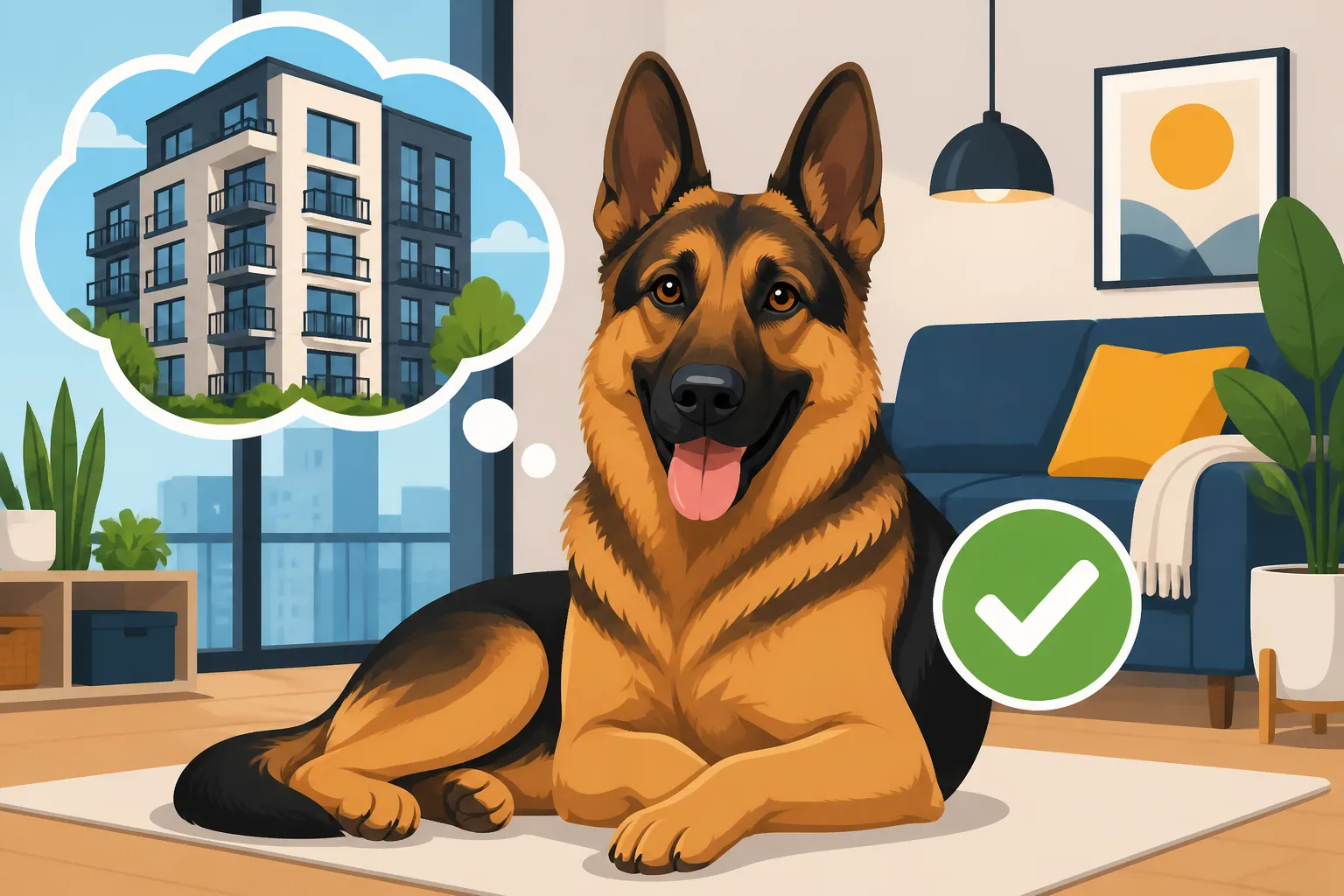
German Shepherd Apartment Living: Possible
It’s a worry I hear all the time: "Can a German Shepherd really thrive in an apartment?" Many prospective German Shepherd owners or those facing a move to a smaller space feel overwhelmed by the idea, believing their large, active dog needs acres of land to be happy. But I'm here to tell you that while it takes commitment, a German Shepherd can absolutely live a fulfilling life in an apartment. This guide will walk you through everything you need to know to make apartment living a success for your beloved GSD.
Debunking the Myth: Size vs. Adaptability
The biggest misconception about German Shepherds and apartment living is that their size automatically disqualifies them. It's easy to look at a majestic, powerful German Shepherd and imagine them needing vast open fields to roam. While they certainly appreciate space, it's their exercise needs, mental stimulation, and the quality of their human interaction that truly dictate their happiness, far more than the square footage of your home.
Why Size Isn't the Only Factor
Many people equate a large dog with needing a large house and yard. They picture a German Shepherd running laps in a backyard all day. The truth is, a large yard, by itself, is often just a larger kennel if the dog isn't actively engaged by their owner. A German Shepherd with a massive yard but no interaction, no walks, and no training is far more likely to develop behavioral issues than one in a smaller apartment that receives consistent exercise, mental challenges, and devoted attention. It's about how you utilize the space you have and how much effort you put into their daily routine.
Think about it this way: a German Shepherd's ancestors weren't necessarily living on sprawling estates. They were working dogs, often kept near their handlers, requiring intense bursts of activity and mental engagement, followed by periods of rest. This inherent adaptability means that with the right approach, an apartment can be a perfectly suitable home base for them. It might mean a bit more intentional planning on your part, but the payoff of a well-adjusted companion is immeasurable.
The Importance of Human Connection
German Shepherds are intensely loyal and bond deeply with their families. They thrive on being near their people. For them, being part of the family unit, even in a smaller living space, often trumps having an expansive outdoor area they only experience alone. The "pack" mentality is strong with this breed, and they want to be where you are, participating in your life.
This means that your presence and engagement are critical for their well-being. Regular training sessions, cuddle time on the couch, or even just having you nearby while they chew on a favorite durable toy on the living room rug contributes significantly more to their contentment than an unused backyard. They are not solitary creatures; they are companions who crave interaction and purpose.
Essential Considerations for Apartment Living
Making apartment living work for a German Shepherd isn't just about wishing it to be so; it requires proactive planning and a deep understanding of the breed's specific needs. These considerations cover everything from daily routines to the very temperament of the dog you bring home.
Choosing the Right Temperament
Not all German Shepherds are created equal, even within the same litter. When considering a German Shepherd for apartment living, temperament is key. You'll want to look for a puppy or adult dog that is generally calm and adaptable, rather than one displaying hyperactive or highly anxious tendencies. While all GSDs have energy, some lines or individuals are naturally more high-strung.
Speak extensively with breeders or rescue organizations about the individual dog's personality. If you're adopting an adult, ask about their past living situations and how they cope with confinement or busy environments. A dog that is naturally more relaxed indoors, provided their exercise needs are met, will be a much better fit for apartment life than one with an exceptionally high drive that struggles to settle. It's about finding that sweet spot of intelligence and willingness to relax when appropriate.
Proximity to Outdoor Space
While you won't have a private yard, easy access to outdoor areas is crucial. This doesn't mean a dog park has to be right outside your door, but having sidewalks for walks, a grassy patch nearby for potty breaks, and perhaps a larger park or open field within a short driving distance is incredibly beneficial. The easier it is for you to get your German Shepherd out for their necessary exercise and potty breaks, the more successful apartment living will be.
Consider your daily routine: are there easily accessible routes for a morning walk before work? Is there a safe, well-lit area for a late-night potty break? The logistics of getting outside several times a day will heavily influence your dog's comfort and your own sanity. Scout out your neighborhood before you even bring your dog home.
Building a Consistent Routine
Consistency is paramount for any dog, but especially for German Shepherds in an apartment setting. A predictable routine provides security and helps them understand what to expect throughout the day. This means regular feeding times, scheduled potty breaks, and consistent exercise slots. Dogs thrive on routine, and a German Shepherd is no exception.
Without a consistent schedule, a German Shepherd might become anxious, leading to destructive behaviors or excessive barking—which are certainly not ideal in an apartment building. Knowing when their next walk or play session is coming helps them relax and conserve energy indoors. Make sure your routine accounts for their needs, including adequate sleep and downtime. For more on structuring their day, you might find our guide on German Shepherd Puppy Training Guide helpful.
Managing Exercise and Mental Stimulation
The cornerstone of successful German Shepherd apartment living lies in diligently meeting their substantial exercise and mental stimulation needs. This isn't just about physical activity; it's about engaging their sharp minds. Without proper outlets, even the calmest GSD can become restless and destructive indoors.
Structured Walks and Runs
Forget the idea that a quick trot around the block is enough for a German Shepherd. These dogs need purposeful exercise. Aim for at least two substantial walks or runs per day, each lasting 45-60 minutes, or even longer if possible. These shouldn't be leisurely strolls where they sniff every blade of grass, but rather brisk walks where they get their heart rate up. Incorporate varied terrains, like inclines or soft trails, if available in your area.
For apartment dwellers, a well-managed walk is their primary way to expel physical energy and explore the world. Think of it as their daily adventure. Always ensure your German Shepherd is well-behaved on a leash, especially in crowded urban environments. Consistent How to Do Leash Training with a German Shepherd will make these outings much more enjoyable for both of you. Remember, these walks aren't just for physical release; they're also a chance for mental stimulation as they take in new sights, sounds, and smells.
Dog Parks and Off-Leash Play
If your German Shepherd is well-socialized and has excellent recall, dog parks can be a fantastic resource for burning off energy in a safe, contained environment. However, not all dog parks are created equal, and it's essential to assess the temperament of other dogs and the overall safety of the space before letting your GSD off-leash. Supervise actively and be prepared to intervene if play becomes too rough.
Alternatively, finding a secure, fenced area, perhaps a local sports field during off-peak hours, for a game of fetch or Frisbee is an excellent way to provide intense bursts of exercise. These activities tap into their natural prey drive and athletic abilities. Remember that access to good outdoor space is part of the overall German Shepherd Exercise Requirements.
Mental Stimulation and Enrichment
Physical exercise is crucial, but a German Shepherd's brain needs just as much work. Mental stimulation helps tire them out in a different, equally important way. Without it, they might resort to "making their own fun" indoors, often leading to chewing furniture or excessive barking.
Puzzle toys, like those you can find on Chewy, are fantastic for this. They challenge your dog to figure out how to get a treat, engaging their problem-solving skills. Snuffle mats and KONGs stuffed with treats also provide long-lasting mental engagement. Beyond toys, incorporate short, fun training sessions throughout the day. Even 5-10 minutes of practicing commands, learning new tricks, or playing hide-and-seek with a toy can make a significant difference. Regular, short bursts of mental work can be surprisingly tiring for them. To explore more engaging options, check out our guide on Best Mental Stimulation for German Shepherds.
Training and Socialization in an Apartment Setting
Living in an apartment with a German Shepherd highlights the importance of top-tier training and extensive socialization. These powerful, intelligent dogs need clear boundaries and confidence in various situations to be well-behaved neighbors and citizens.
Obedience Training is Non-Negotiable
For apartment living, strong obedience training isn't just a suggestion; it's a necessity. Your German Shepherd needs to reliably respond to commands like "sit," "stay," "down," and "leave it." This helps manage their behavior in common areas, during elevator rides, or when encountering neighbors and their pets. A well-trained German Shepherd is a pleasure to live with, and a poorly trained one can be a source of stress and conflict in a shared living space.
Consider enrolling in obedience classes from a young age. These classes not only teach your dog commands but also strengthen your bond and provide valuable socialization opportunities. They help your German Shepherd learn to focus on you amidst distractions, which is a critical skill for urban living. For specific steps, refer to our comprehensive article on German Shepherd Obedience Training Basics.
Socialization with People and Other Dogs
German Shepherds have a natural protective instinct, which is a wonderful trait, but it needs to be carefully managed through proper socialization. In an apartment building, you'll constantly encounter new people, children, and other dogs in hallways, lobbies, and elevators. Your German Shepherd needs to learn to calmly accept these encounters without fear or aggression.
Early and ongoing socialization is key. Safely expose your puppy to a variety of sights, sounds, people, and well-behaved dogs. Continue this into adulthood. Attending dog-friendly events, visiting pet stores (like Chewy's physical partner stores if available in your area), and carefully managed interactions with trusted, calm dogs can all contribute. A German Shepherd who is confident and comfortable in various social situations will be a much happier and more accepted apartment dweller. For detailed advice, see our guide on How to Socialize a German Shepherd.
Addressing Common Apartment-Related Behavior Issues
Even with the best training, apartment living can present unique behavioral challenges. Excessive barking is a common concern in shared spaces. German Shepherds are naturally vocal, but constant barking due to boredom, anxiety, or territoriality can be problematic. Address this by ensuring adequate exercise, mental stimulation, and training to teach a "quiet" command.
Separation anxiety can also be exacerbated in smaller spaces if not managed. Gradual desensitization, crate training, and providing engaging toys when you leave can help. For chewer-prone German Shepherds, redirecting that energy with appropriate, durable chew toys from Chewy is essential to save your furniture and shoes. Understanding common German Shepherd Behavior Problems and Solutions can equip you with strategies to mitigate these issues before they become ingrained habits.
Creating the Right Environment Indoors
While you may not have a huge house, you can still create a comfortable and stimulating indoor environment for your German Shepherd that supports their well-being in an apartment. It's about maximizing the space you have effectively.
Designated Safe Spaces
Every dog, especially a large breed like a German Shepherd, needs their own designated safe space within the home. This could be a large crate, a comfortable dog bed in a quiet corner, or a mat that is exclusively theirs. This space provides a retreat where they can relax undisturbed, particularly important in busy apartment environments.
When selecting a crate, opt for a sturdy, appropriately sized model that allows them to stand up, turn around, and lie down comfortably. Many excellent options are available from retailers like Chewy. Introduce the crate positively as a safe haven, not a punishment, following proper How to Crate Train a German Shepherd techniques. This personal sanctuary helps them feel secure and gives them a sense of ownership over a small part of their territory.
Durable Toys and Chews
German Shepherds are intelligent and powerful chewers, and boredom in an apartment can quickly lead to destructive behavior. Stock up on a variety of durable toys and chews designed for strong jaws. Rotate these toys regularly to keep things interesting and prevent them from getting bored with the same items.
Look for puzzle toys that dispense treats, tough rubber toys, and natural chews that are safe and long-lasting. Investing in good quality, appropriate toys is far cheaper than replacing chewed furniture. Always supervise new toys to ensure they are safe and don't pose a choking hazard.
Managing Shedding and Grooming
Let's be realistic: German Shepherds shed. A lot. This is a fact of life, and it can feel even more noticeable in a smaller apartment. While you can't stop shedding entirely, you can manage it effectively with a consistent grooming routine. Regular brushing, at least a few times a week, will help remove loose fur before it ends up on your couch or carpet.
Invest in a good quality deshedding brush, and consider scheduling professional grooming sessions for a thorough "blow-out" a few times a year, especially during seasonal shedding periods. Regular vacuuming with a pet-specific vacuum is also a must. Proper German Shepherd Shedding: How to Manage It strategies will keep your apartment cleaner and your dog's coat healthier.
Daily Routine and Practical Tips for Success
Making apartment living with a German Shepherd a positive experience requires a well-thought-out daily routine and some smart practical adjustments to your lifestyle. It's all about proactive management.
Establishing a Consistent Schedule
I can't emphasize this enough: routine, routine, routine! Your German Shepherd thrives on knowing what to expect. A typical day for an apartment-dwelling German Shepherd might look something like this:
| Time Slot | Activity | Purpose |
|---|---|---|
| Early Morning | Potty break, brisk walk/run (45-60 mins), breakfast | Physical exertion, mental stimulation, fulfills biological needs |
| Late Morning / Midday | Potty break, short training session, puzzle toy/chew | Reinforce training, mental engagement while owner works/is busy |
| Afternoon | Potty break, second brisk walk/run (45-60 mins), playtime | Further physical exercise, social interaction, exploration |
| Evening | Dinner, short potty break, quiet time/cuddles, light mental game | Wind down, reinforce bond, prepare for rest |
| Before Bed | Last potty break | Prevent overnight accidents |
This is just an example, and you'll need to adjust it to your own work schedule and lifestyle. The key is consistency. When your German Shepherd knows when their next outdoor adventure or mental challenge is coming, they are much more likely to relax and behave appropriately indoors.
Exercise Before Leaving
A crucial tip for apartment owners is to ensure your German Shepherd gets a significant chunk of their daily exercise before you leave them alone. A tired dog is a good dog, and a tired German Shepherd is much less likely to become anxious, destructive, or bark excessively when left unsupervised.
This might mean waking up a bit earlier for that long morning walk or an intense game of fetch at the park. If your dog is mentally and physically satisfied, they are more likely to spend their time alone napping peacefully rather than pacing or getting into trouble.
Utilizing Dog Walkers or Daycare
If your work schedule makes it difficult to provide multiple long outings during the day, don't hesitate to seek help. A reliable dog walker can break up your dog's day with an essential mid-day walk and potty break. This not only provides physical relief but also a welcome change of scenery and mental stimulation.
Doggy daycare can also be an excellent option for some German Shepherds, offering supervised play and socialization for several hours. This can be a great way to ensure they burn off energy while you're at work, returning home tired and content. When choosing daycare, ensure it's a reputable facility with staff experienced in handling large, active breeds.
Apartment-Friendly Activities
Beyond walks and training, consider integrating apartment-friendly activities into your routine. Scent work, where you hide treats around your home and encourage your dog to find them, is incredibly mentally stimulating and requires very little space. It taps into their natural tracking abilities.
Indoor fetch in a long hallway, teaching new tricks, or even just engaging in a good tug-of-war session (with rules, of course!) can provide bursts of energy release. Remember that even small spaces can be utilized creatively to keep your German Shepherd engaged and happy.
The Bottom Line
Living in an apartment with a German Shepherd is absolutely achievable, but it's a lifestyle choice that requires dedication, planning, and a deep understanding of the breed's needs. It's not about the size of your dwelling, but the quality of life you provide within it. By committing to consistent exercise, robust training, mental stimulation, and creating a safe, comfortable indoor environment, you can foster a happy, well-adjusted German Shepherd who thrives as an apartment dweller.
It's a testament to their incredible adaptability and their strong desire to be close to their human companions. When you meet their needs proactively, your German Shepherd will be a calm, confident, and cherished member of your apartment family.
Disclaimer
This article is for general informational purposes only and does not constitute professional advice. Laws, prices and regulations vary by location and change over time. Consult a qualified professional for guidance on your specific situation.