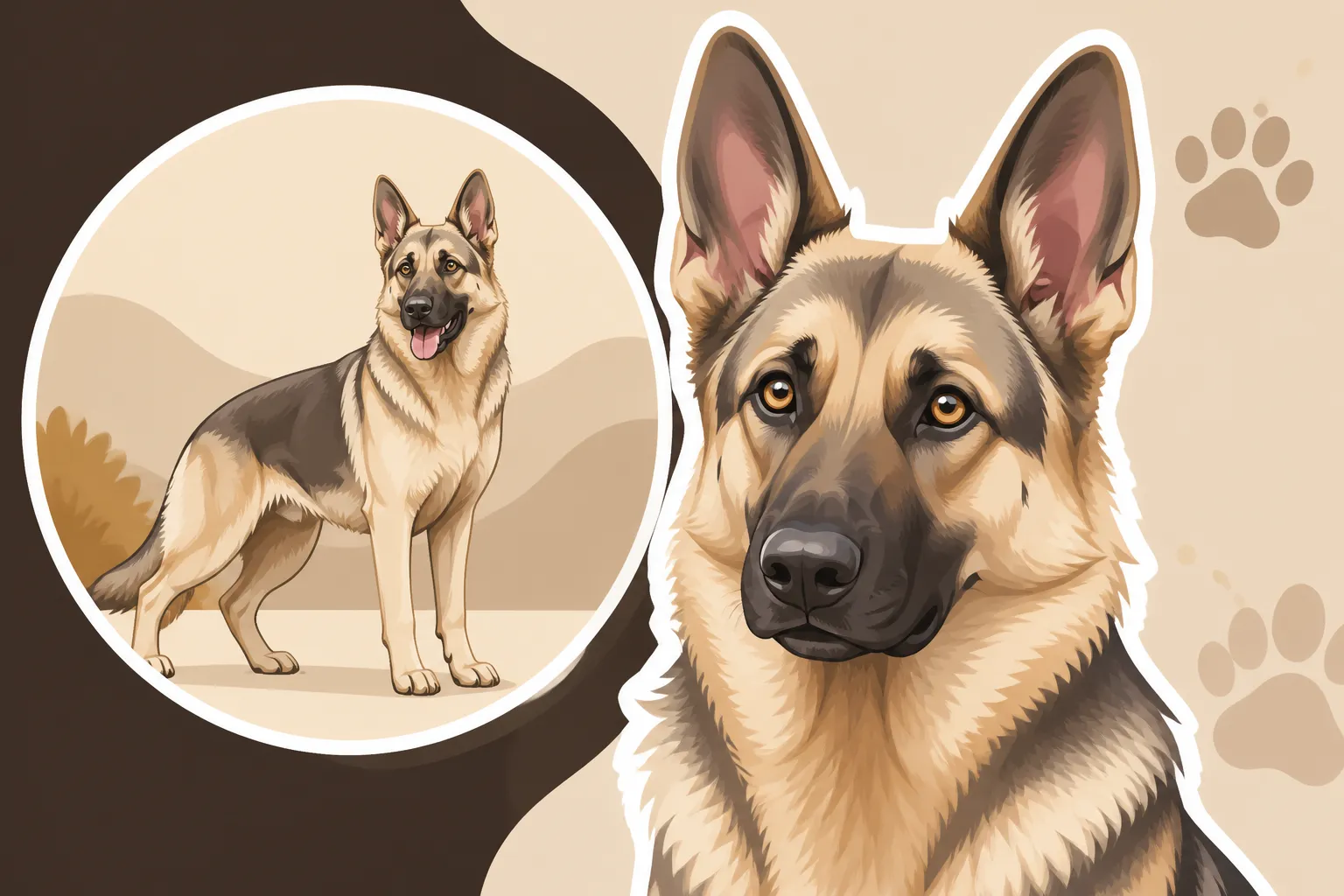
Isabella German Shepherd: What to Know
Have you ever scrolled through social media or visited a dog park and seen a German Shepherd with an unbelievably unique, almost ethereal fawn or lilac coat, unlike any you've ever encountered? You're not alone if it left you wondering, "What kind of German Shepherd is that?" These strikingly beautiful dogs are often referred to as Isabella German Shepherds, and their distinct coloration can certainly spark curiosity and even confusion. This comprehensive guide will pull back the curtain on everything you need to know about the Isabella German Shepherd, from their captivating genetics to their care requirements, helping you understand what makes them so special.
Understanding the Isabella German Shepherd Color
The Isabella German Shepherd stands out in a crowd, not just because of its majestic presence, but primarily due to its unusual and dilute coat color. It's a color that often prompts double-takes and questions, distinguishing them from the more commonly seen black and tan, sable, or even all-black German Shepherds.
What is the Isabella Color?
At its core, the Isabella color in a German Shepherd is a diluted shade of liver, which itself is a diluted black. Think of it as a soft, almost pastel spectrum of light brown, beige, or even a grayish-lilac hue. It's not a vibrant, deep color but rather a muted, sophisticated tone that can appear different depending on the lighting. Their nose, paw pads, and often eye rims will typically be liver-colored (a brownish-pink) instead of the standard black, and their eyes usually present in lighter shades of amber or even yellow. This overall dilute appearance is what gives the Isabella its distinctive look.
For many German Shepherd enthusiasts, particularly those focused on traditional breed standards, Isabella is quite a departure from the norm. However, for those who appreciate unique aesthetics and are not bound by show ring conventions, the Isabella's beauty is undeniable. It's truly a head-turner, and owners often find themselves explaining their dog's unique color to curious onlookers.
The Genetics Behind Isabella
The stunning Isabella color isn't a magical transformation; it's all thanks to a specific combination of genes. German Shepherd coat colors are determined by several gene loci, and for the Isabella, two particular genes play the starring roles: the B locus and the D locus.
First, you need a dog that is genetically "liver" at the B locus. This means the dog has two recessive 'b' alleles (bb), which changes black pigment to liver pigment. So, a typical black and tan German Shepherd has at least one dominant 'B' allele (B_). A liver German Shepherd would be 'bb'.
Second, and crucially, the Isabella German Shepherd must also carry two recessive 'd' alleles at the D locus (dd). This is known as the dilution gene. When a dog has 'dd', it dilutes both black pigment (if present) and red/tan pigment. So, if you have a dog that is genetically liver (bb) AND also has the dilute gene (dd), the result is the Isabella color. This genetic combination means that black areas become liver, and then all pigments (both liver and any remaining red/tan) are further diluted to create that distinctive fawn, lilac, or silver-beige appearance. Understanding German Shepherd Genetic Health Testing can help breeders identify these color genes and more.
Why Isabella is Considered "Rare"
The term "rare" is often applied to Isabella German Shepherds, and for good reason. It's not just a marketing gimmick; the specific genetic combination required for an Isabella coat (bbdd) is not as common as other color genes within the German Shepherd gene pool. Most German Shepherds carry dominant alleles for black pigment (B) and full color (D). To get an Isabella, both parents must carry both the recessive liver gene (b) and the recessive dilute gene (d), and then pass both recessive copies to the puppy. The odds of this happening are simply lower than for standard colors.
Furthermore, colors like Isabella are generally considered disqualifying faults in major breed standards, such as those upheld by the American Kennel Club (AKC) and the Fédération Cynologique Internationale (FCI). This means ethical breeders focusing on conformation and traditional show lines actively avoid producing these colors. While this doesn't make an Isabella German Shepherd any less of a German Shepherd in terms of temperament or health, it does mean they are not bred for the show ring, contributing to their uncommon status within the purebred world. This focus on standard colors means that true Isabellas are not often encountered through traditional breeding programs.
Physical Characteristics Beyond Color
While the Isabella color is undeniably the most striking feature of these dogs, it's important to remember that they are, at heart, German Shepherds. This means they share the robust and athletic build, keen intelligence, and noble demeanor that are hallmarks of the breed. Their physical characteristics, aside from color, should align with the established breed standard for German Shepherds.
Coat Type and Texture
The coat of an Isabella German Shepherd typically comes in two main varieties, mirroring their standard colored counterparts: short-haired or long-haired. The short-haired variety features a dense, straight outer coat with a softer, thick undercoat. This double coat provides insulation and protection, allowing them to thrive in various climates. The long-haired variety, while less common, has a longer outer coat, often with feathering behind the ears, on the legs, and a bushier tail. Both coat types will display the same dilute, fawn, or lilac coloring.
Regardless of length, the texture should be medium-harsh for the outer coat and soft for the undercoat. Their unique dilute color can sometimes make underlying skin conditions harder to spot if you're not looking closely, so regular grooming and skin checks are crucial. For more detailed information, our guide on German Shepherd Coat and Skin Care offers excellent advice.
Eye and Nose Pigmentation
A key indicator of the Isabella color, beyond the coat itself, is the specific pigmentation of the eyes and nose. As mentioned, an Isabella German Shepherd will not have a black nose. Instead, their nose leather will be liver-colored, which is a shade of brownish-pink. This liver pigmentation extends to their paw pads and often the rims of their eyes and lips. This uniform liver pigmentation across all unhaired skin is a crucial diagnostic trait for truly Isabella-colored dogs.
Their eyes will almost always be lighter than the typical dark brown of a standard German Shepherd. You'll often see shades of amber, light brown, or even yellow. This lighter eye color, combined with the dilute coat and liver points, completes the unique and often captivating appearance of the Isabella German Shepherd. This combination of traits is part of what defines German Shepherd Colors and Coat Types.
Standard German Shepherd Build
Beyond their distinctive color, an Isabella German Shepherd should otherwise exhibit the classic physique of a German Shepherd. This means they are a large, athletic, and well-muscled breed. Males typically stand taller and are heavier than females. They possess a noble head with erect ears (after puppyhood), a strong, level back (though some lines may have a slight slope), and a long, bushy tail carried in a gentle curve. Their gait should be fluid and ground-covering, indicative of their working heritage.
Their overall structure should reflect their purpose as a capable working dog, whether that's herding, protection, or companionship. Any deviations from the standard German Shepherd build that aren't related to color might indicate a mixed breed or poor breeding practices, which could lead to health issues down the line.
Temperament and Health Considerations
It's a common misconception that unusual coat colors directly correlate with specific temperamental quirks or health problems. For the Isabella German Shepherd, this isn't necessarily the case. While some dilute colors in other breeds can be linked to certain dermatological or immunological issues, for the German Shepherd, the Isabella coloration is primarily a cosmetic trait.
Temperament of Isabella German Shepherds
The good news is that an Isabella German Shepherd's temperament should be no different than any other German Shepherd. Their personality is shaped by genetics related to temperament (not color), early socialization, and consistent training, not by the shade of their coat. A well-bred, well-socialized Isabella German Shepherd should display the same traits that make the breed so beloved: intelligence, loyalty, courage, and a strong desire to please their owners. They are known for being devoted companions, excellent family dogs when properly introduced and trained, and highly trainable.
Of course, like all German Shepherds, they require significant mental and physical stimulation. They thrive on having a job to do, whether it's obedience training, agility, or simply being an active part of the family. Neglecting their needs can lead to behavioral issues, regardless of their coat color. For a deeper dive into the breed's typical disposition, consider reading our article on German Shepherd Temperament and Personality.
Potential Health Concerns Linked to Dilution
While the Isabella gene itself (bbdd) isn't directly known to cause unique health issues in German Shepherds, it's worth a general discussion about dilute colors. In some other breeds, a specific dilute gene can be associated with a condition called Color Dilution Alopecia (CDA), which can cause hair thinning, hair loss, and skin problems in dilute-colored dogs. However, CDA is primarily linked to the D locus (dd) and is more commonly seen in breeds like Dobermans (blue and fawn colors) or Great Danes. It's not a prevalent issue specifically recognized with the Isabella German Shepherd coloration.
That said, any dog with a lighter coat and skin pigmentation might have slightly increased sensitivity to sun exposure, making them more prone to sunburn, especially on areas with sparse hair like the nose. Regular checks of their skin for irritation or unusual patches are always a good idea. Overall, any Isabella German Shepherd will share the same general health predispositions as the rest of the breed. Our comprehensive German Shepherd Health Problems Guide can provide a broader understanding of potential issues.
General German Shepherd Health Overview
It is critical for potential owners of an Isabella German Shepherd to understand that their unique color does not exempt them from the common health challenges faced by the breed as a whole. German Shepherds are susceptible to certain genetic and acquired conditions, and an Isabella-colored dog is no exception. These can include:
- Hip and Elbow Dysplasia: These are malheureusement common orthopedic conditions affecting the joints. Early screening and responsible breeding practices are crucial for prevention. Our article on German Shepherd Hip Dysplasia Explained provides extensive details.
- Degenerative Myelopathy (DM): A progressive neurological disease that affects the spinal cord. Genetic testing is available to identify carriers.
- Bloat (Gastric Dilatation-Volvulus): A life-threatening condition where the stomach twists.
- Exocrine Pancreatic Insufficiency (EPI): A digestive disorder.
- Allergies: Skin and food allergies are quite prevalent in the breed.
When considering an Isabella German Shepherd, it's paramount to prioritize breeders who conduct thorough health testing on their breeding stock, regardless of coat color. A beautiful, unique coat should never overshadow the importance of sound health and good genetics.
Finding and Caring for an Isabella German Shepherd
Bringing any German Shepherd into your home is a significant commitment, and an Isabella German Shepherd is no different. Their unique appearance might make them seem more exotic, but the core principles of responsible ownership remain the same: find a reputable source and provide diligent care.
Reputable Breeders vs. Puppy Mills
Given the "rare" status of Isabella German Shepherds, it's especially important to exercise caution when searching for a puppy. Unfortunately, the desire for unique colors can sometimes attract unscrupulous breeders or puppy mills who prioritize profit over health and temperament. These operations may advertise "rare" colors at inflated prices without conducting proper health screenings or providing adequate care for their animals.
A truly reputable breeder, even one producing an uncommon color like Isabella (perhaps unintentionally in a line focused on working ability, or for owners specifically seeking the color for pet homes), will:
- Be transparent about their breeding practices.
- Provide extensive health clearances for both parent dogs, including hips, elbows, and genetic tests for DM and other conditions.
- Allow you to meet the puppy's parents and see where the puppies are raised.
- Be knowledgeable about the breed's health, temperament, and genetic lines.
- Have a strong interest in the well-being of their puppies throughout their lives.
- Not charge exorbitant prices simply for a "rare" color, especially if that color is a fault in breed standards.
Always ask for references and check testimonials. Our guide on How to Find a Reputable German Shepherd Breeder offers more red flags and green lights to look for. You may also want to research German Shepherd Puppy Price Explained to understand typical cost ranges and identify potentially inflated prices.
Special Care for Dilute Coats
While Isabella German Shepherds don't typically have severe unique health issues related to their dilute coats, a few considerations can help keep them comfortable and healthy:
- Sun Protection: Their lighter pigmentation, especially on the nose and belly, can make them more susceptible to sunburn. If your Isabella GSD spends a lot of time outdoors in direct sun, consider dog-safe sunscreen for sensitive areas, or limit their exposure during peak sun hours.
- Skin Health Monitoring: Dilute coats can sometimes be associated with slightly drier or more sensitive skin, though this isn't a universal truth for Isabella GSDs. Regular grooming allows you to keep an eye on their skin for any dryness, flakiness, or irritation. If you notice issues, consult your vet. You might find specialized dog food brands for sensitive skin on platforms like Chewy, which can be a lifesaver for dogs with unique dermatological needs.
- Nutrition: A high-quality diet rich in Omega-3 and Omega-6 fatty acids can support healthy skin and a shiny coat for any German Shepherd. Ensure their food is appropriate for their age, activity level, and any sensitivities. Our German Shepherd Feeding Guide offers comprehensive advice on this topic.
General Care and Grooming Tips
Beyond the specific considerations for their dilute coat, Isabella German Shepherds require the same dedicated care as any other German Shepherd. This includes:
- Grooming: German Shepherds are known for shedding. Regular brushing, at least 2-3 times a week (more during shedding seasons), is essential to manage loose hair, prevent mats, and distribute natural oils. Stocking up on grooming supplies from Chewy can help you manage shedding and keep their unique coat healthy. For in-depth advice, check out How to Groom a German Shepherd and German Shepherd Shedding: How to Manage It.
- Exercise: These are high-energy, intelligent dogs that need a lot of physical activity and mental stimulation. Daily walks, playtime, and training sessions are crucial to prevent boredom and destructive behaviors.
- Training and Socialization: Early and consistent training, combined with extensive socialization, is vital for a well-adjusted German Shepherd. Enroll in puppy classes and continue with obedience training throughout their lives. Our German Shepherd Puppy Training Guide is a great starting point.
- Veterinary Care: Regular vet check-ups, vaccinations, and parasite prevention are non-negotiable. Discuss preventative care for common German Shepherd ailments with your vet.
- Proper Nutrition: As discussed, a balanced, high-quality diet is fundamental for their overall health. Many owners use Chewy for their regular food and supplement deliveries, ensuring a consistent supply of quality nutrition.
The Isabella German Shepherd, with its captivating and uncommon coat, offers a unique aesthetic for those who appreciate it. However, always remember that the heart and soul of the dog, its health and temperament, are far more important than any superficial trait.
| Feature | Isabella German Shepherd | Standard German Shepherd |
|---|---|---|
| Coat Color | Dilute fawn, lilac, silver-beige (bbdd) | Black & Tan, Sable, Black, Bi-color, Liver (various genes) |
| Nose Pigment | Liver (brownish-pink) | Black (standard) or Liver (in liver-colored GSDs) |
| Eye Color | Amber, light brown, yellow | Dark brown (preferred), sometimes amber |
| Breed Standard | Disqualifying fault in major breed clubs | Recognized and encouraged |
| Temperament | Same as standard German Shepherds (intelligent, loyal, active) | Intelligent, loyal, courageous, highly trainable |
| Health Issues | Same general health issues as standard GSDs | Susceptible to conditions like hip/elbow dysplasia, DM |
| Rarity | Considered rare due to specific genetic combination | Common and widely recognized |
| Care Needs | Same high exercise, training, grooming needs; extra sun care | High exercise, training, and grooming needs |
Disclaimer
This article is for general informational purposes only and does not constitute professional advice. Laws, prices and regulations vary by location and change over time. Consult a qualified professional for guidance on your specific situation.