How to Prevent Von Willebrand Disease in German Shepherds
Bringing a German Shepherd into your home is an incredible joy, but the worry of genetic health issues can loom large. One such concern is Von Willebrand Disease (vWD), a hereditary bleeding disorder that can cause significant anxiety and serious health risks for your beloved companion. This comprehensive guide will walk you through everything you need to know about preventing Von Willebrand Disease in German Shepherds, from understanding its genetic roots to implementing proactive measures, ensuring you're empowered to protect your dog.
Understanding Von Willebrand Disease in German Shepherds
For German Shepherd owners, the thought of a hidden genetic condition is always a concern. Von Willebrand Disease is one of those conditions that, while not as commonly discussed as hip or elbow dysplasia, carries significant implications for your dog's health and well-being. It's a condition rooted deep in their genetic makeup, making understanding it the first step in prevention.
What Exactly Is vWD?
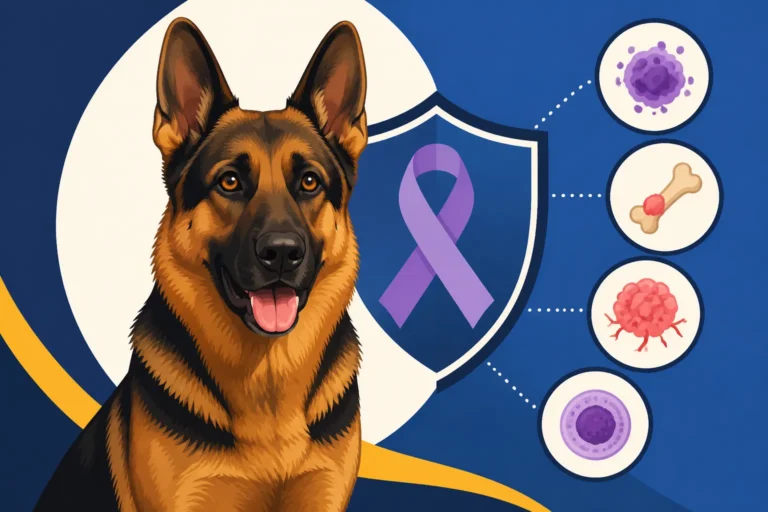
Von Willebrand Disease is an inherited bleeding disorder that affects the blood's ability to clot properly. Think of it like this: when you get a cut, tiny cells called platelets and certain proteins in your blood rush to the site to form a plug and stop the bleeding. One of these crucial proteins is called Von Willebrand factor (vWF). In dogs with vWD, there's either a deficiency in this factor, or the factor itself doesn't function correctly, leading to prolonged or excessive bleeding. This isn't just about external cuts; it can affect internal bleeding as well, making even minor procedures or injuries potentially life-threatening.
There are different types of vWD, but Type I is the most common form found in German Shepherds. This type is characterized by a low concentration of functionally normal vWF. This means their blood can clot, but not as efficiently or quickly as it should. The severity of symptoms can vary widely, even among dogs with the same type of vWD, making it a tricky condition to manage without prior knowledge.
Imagine your German Shepherd, full of life, playing in the yard, and they get a small scratch. For a normal dog, it might bleed for a minute or two and then stop. For a dog with vWD, that same scratch could bleed persistently for a much longer time, or even start and stop, only to restart later. This unpredictable nature is what makes awareness and prevention so critical for German Shepherd owners.
How vWD is Inherited
The inheritance pattern of Von Willebrand Disease in German Shepherds is autosomal recessive. This might sound like complex scientific jargon, but it's crucial to grasp for prevention. Essentially, it means that for a dog to express the disease (meaning they show symptoms and are "affected"), they must inherit two copies of the abnormal gene—one from each parent.
Dogs can be classified into three categories based on their genetic status for vWD:
- Clear: These dogs have two normal copies of the gene and cannot develop vWD or pass it on to their offspring. They are genetically free of the disease.
- Carrier: These dogs have one normal copy and one abnormal copy of the gene. They typically do not show clinical signs of vWD themselves because the single normal gene produces enough vWF for adequate clotting. However, they can pass the abnormal gene to their puppies.
- Affected: These dogs have two abnormal copies of the gene. They will develop the disease and are at risk for bleeding episodes. They will also pass an abnormal gene to all of their offspring.
Understanding these categories is vital for responsible breeding. If you breed two carriers together, there's a 25% chance of producing affected puppies, a 50% chance of producing carrier puppies, and a 25% chance of producing clear puppies. This is why proper genetic screening before breeding is the absolute cornerstone of preventing vWD in future generations of German Shepherds.
Recognizing the Symptoms
While our focus here is prevention, it's helpful to be aware of the signs of vWD, especially if you adopt a German Shepherd whose genetic history is unknown. Dogs affected by vWD may show a range of symptoms, from subtle to severe, often triggered by an injury, surgery, or even routine procedures like nail trims.
Common signs to watch for include:
- Easy bruising: Your dog might develop bruises from seemingly minor bumps or rough play.
- Nosebleeds: Unprovoked or frequent nosebleeds can be a red flag.
- Prolonged bleeding after injury or surgery: This is perhaps the most classic sign. A cut that won't stop bleeding, or excessive bleeding during/after a spay/neuter or other surgical procedure.
- Blood in urine or stool: Internal bleeding can manifest this way, appearing as dark, tarry stools or reddish urine.
- Bleeding gums: Gums may bleed easily, especially during brushing or chewing on hard toys.
- Excessive bleeding during heat cycles or after whelping: Female dogs can experience significant blood loss during these times.
If you ever notice these signs, especially in a German Shepherd puppy or dog with unknown genetic status, it's crucial to seek veterinary attention immediately. While prevention is ideal, prompt diagnosis and management are key to ensuring the best outcome for an affected dog. Knowing the signs can help you advocate for your dog if they ever need medical intervention.
The Cornerstone of Prevention: Genetic Testing
When it comes to hereditary conditions like Von Willebrand Disease, the power to prevent lies largely in genetic testing. This isn't just a fancy add-on for breeders; it's a fundamental responsibility that safeguards the health of an entire bloodline and provides peace of mind for future German Shepherd owners. If you're looking into German Shepherd Genetic Health Testing, vWD should definitely be on your radar.
Why Genetic Testing is Non-Negotiable
Genetic testing for vWD is the most effective tool we have for preventing the disease from being passed down. It allows breeders to identify clear, carrier, and affected dogs before they are ever bred, thus making informed decisions about pairings. Without testing, breeders are essentially guessing, and that guesswork can lead to heartbreaking outcomes for puppies and their families.
For prospective puppy owners, asking about vWD genetic testing is paramount. A reputable breeder will not only have their breeding dogs tested but will be transparent about the results and explain what they mean for your potential puppy. This level of transparency is a hallmark of breeders who prioritize health over profit. Imagine bringing home a puppy, only to find out later they have a serious bleeding disorder; genetic testing prevents this devastating surprise. It’s an investment that pays dividends in your dog's long-term health.
Beyond breeding, genetic testing can also be valuable for individual German Shepherd owners. If you've adopted a German Shepherd whose lineage is unknown, getting them tested can inform your veterinarian about potential risks before any surgical procedures. This allows your vet to take necessary precautions, such as having blood products on hand, to ensure your dog's safety. Knowing your dog's status empowers you to make proactive healthcare decisions.
Understanding Test Results
Once a genetic test for vWD is performed, you'll receive results classifying your dog as "Clear," "Carrier," or "Affected." Interpreting these results correctly is vital, especially if you're considering breeding your German Shepherd.
- Clear (Normal/Non-Affected): This means the dog does not carry the vWD gene mutation and cannot pass the disease to its offspring. These dogs are ideal for breeding as they will always produce clear offspring when bred with another clear dog.
- Carrier (Affected/Normal): This dog carries one copy of the vWD gene mutation. They typically do not show symptoms of vWD because the single normal gene produces enough Von Willebrand factor. However, they can pass the mutated gene to 50% of their offspring, on average. Carriers can be bred, but only to a "Clear" partner to ensure no affected puppies are produced. Breeding a carrier to another carrier or an affected dog is highly irresponsible.
- Affected (Affected/Affected): This dog has two copies of the vWD gene mutation and will develop the disease. They are at risk for bleeding episodes and will pass one copy of the mutated gene to all of their offspring. Affected dogs should never be used for breeding.
The goal for any responsible German Shepherd breeding program is to produce only clear puppies. By systematically testing all breeding stock, breeders can gradually reduce and eventually eliminate vWD from their lines. This commitment to health screening, including vWD, along with other genetic issues like German Shepherd Hip Dysplasia Explained, defines truly reputable breeders.
The Best Age for Testing
Genetic testing for Von Willebrand Disease can be done at any age, even on young puppies. Since it's a DNA test, the genetic makeup doesn't change throughout a dog's life. Many breeders will test their puppies before they go to their new homes, especially if the parents' status indicates a possibility of carrier or affected offspring.
Typically, breeders will test their prospective breeding dogs well before they are considered for a litter, often as early as when they become sexually mature or even younger. This allows them to make informed decisions about whether a dog is suitable for a breeding program. Most reputable German Shepherd breeders include vWD testing as part of a comprehensive health panel, which might also include tests for Degenerative Myelopathy and other breed-specific conditions.
When you're searching for a German Shepherd puppy, always ask the breeder about the health testing they've conducted on both parents. They should be able to provide documentation of vWD testing (along with hip and elbow certifications, for example) from a recognized laboratory. Don't hesitate to ask for copies of these certificates. A responsible breeder will be happy to share this information and explain its significance, understanding that you want to ensure your puppy's long-term health. This level of due diligence helps you find a healthy puppy and supports ethical breeding practices.
Responsible Breeding Practices to Eliminate vWD
The most impactful way to prevent Von Willebrand Disease in German Shepherds is through diligent, responsible breeding practices. This isn't just about selecting two pretty dogs and hoping for the best; it involves careful planning, thorough health checks, and a deep understanding of genetics. Finding a How to Find a Reputable German Shepherd Breeder is crucial for this very reason.
Screening Prospective Breeding Dogs
Reputable German Shepherd breeders understand that the health of future generations depends entirely on the health of the parent dogs. This is why screening for vWD and other genetic conditions is a foundational step in their breeding program. Before any dog is considered for breeding, it undergoes a comprehensive panel of health tests.
For vWD, this means sending a DNA sample (usually a cheek swab or blood sample) to a specialized veterinary genetics laboratory. The results, as discussed, will classify the dog as clear, carrier, or affected. A breeder committed to improving the breed will meticulously record these results and use them to guide their breeding decisions. They won't just test; they'll understand the implications of each result.
Beyond vWD, these breeders will also screen for other prevalent German Shepherd health problems, such as hip and elbow dysplasia, as part of their commitment. They'll review pedigrees, looking not just at the immediate parents but also at several generations back to identify any patterns of disease or health concerns within the line. This holistic approach ensures that they are making the most responsible choices to produce healthy, robust puppies.
Avoiding Risky Pairings
The core of preventing vWD through breeding lies in avoiding specific pairings that are known to produce affected puppies. This is where understanding those "Clear," "Carrier," and "Affected" statuses becomes critical.
Here’s a breakdown of responsible vs. irresponsible pairings:
-
Clear x Clear: This is the ideal pairing. All puppies will be Clear for vWD. No risk of affected or carrier puppies.
-
Clear x Carrier: This pairing will produce approximately 50% Clear puppies and 50% Carrier puppies. While no affected puppies are produced, the Carrier puppies would need to be tested before being considered for breeding themselves. This is acceptable for carefully managed breeding programs aiming to retain valuable traits while slowly eliminating carriers.
-
Clear x Affected: This pairing will produce 100% Carrier puppies. Again, no affected puppies are born, but all offspring will be carriers. This might be used in extremely rare cases to preserve valuable genetic diversity from an otherwise outstanding affected dog, but it requires rigorous follow-up testing and is generally discouraged.
-
Carrier x Carrier: This is a risky pairing that should be avoided. It has a 25% chance of producing Affected puppies, 50% Carrier puppies, and 25% Clear puppies. This pairing knowingly risks producing dogs that will suffer from the disease.
-
Carrier x Affected: This is also a risky pairing that should be avoided. It has a 50% chance of producing Affected puppies and 50% Carrier puppies. This pairing guarantees that no Clear puppies will be produced and half will suffer from the disease.
-
Affected x Affected: This pairing will produce 100% Affected puppies and is highly irresponsible.
By strictly adhering to these guidelines, especially by never breeding two carriers or an affected dog, breeders can ensure that no puppy ever has to suffer from Von Willebrand Disease. This proactive genetic management is a testament to ethical breeding.
The Role of Pedigree Research
Pedigree research goes hand-in-hand with genetic testing in responsible breeding programs. A dog's pedigree isn't just a list of names; it's a roadmap of their ancestry, genetic predispositions, and potential health issues. For conditions like vWD, researching the health status of a dog's ancestors can provide valuable insights, even before direct genetic testing is performed.
Breeders will carefully examine the health clearances of dogs in a pedigree, looking for any history of vWD or other genetic diseases. They'll seek out lines known for their health and longevity. If there's a history of vWD in a particular line, even if an individual dog tests as "Clear," a responsible breeder might still exercise caution or require additional screenings for other related conditions. This comprehensive approach helps minimize risks and contributes to the overall health improvement of the breed.
Furthermore, pedigree research helps maintain genetic diversity within the German Shepherd population. While avoiding vWD is crucial, over-reliance on a small number of "clear" lines can inadvertently reduce the gene pool and potentially lead to other unforeseen health issues down the road. Responsible breeders strive for a balance: eliminating known genetic defects while preserving the overall health and vigor of the breed through diverse, healthy lines. This thoughtful approach ensures that we are not just preventing one disease but working towards the robust health of the German Shepherd breed as a whole.
Managing a German Shepherd Who Is a Carrier or Affected
Even with the best preventative measures in breeding, sometimes you might encounter a German Shepherd who is a carrier or, less commonly, affected by Von Willebrand Disease. Understanding how to manage their care is just as crucial as understanding prevention, ensuring they live the fullest, healthiest life possible. For those unexpected vet bills, having pet insurance like Healthy Paws can be a real lifeline.
Living with a Carrier
If your German Shepherd is identified as a vWD carrier, the good news is that they typically do not show any clinical symptoms of the disease. Their single normal gene usually produces enough Von Willebrand factor for proper blood clotting. This means they can live a completely normal, active life without any special medical interventions related to vWD.
The primary implication of having a carrier dog is strictly for breeding purposes. As discussed, a carrier should never be bred with another carrier or an affected dog, to prevent the production of affected puppies. If you own a carrier German Shepherd and have no intention of breeding, their carrier status will have virtually no impact on their daily life or health. They can participate in all activities, receive standard veterinary care, and enjoy all the joys of being a beloved family pet.
However, it is always a good practice to inform your veterinarian about your dog's carrier status, especially before any planned surgeries or procedures. While carriers are generally asymptomatic, some individuals might have slightly lower vWF levels than a completely clear dog. Your vet can take note of this in their medical file as an extra precaution, though typically no special action is needed for carriers. This transparency simply adds another layer of informed care for your German Shepherd.
Proactive Care for an Affected Dog
For a German Shepherd who is actually affected by Von Willebrand Disease, proactive care becomes vital. These dogs have two copies of the abnormal gene and are at risk for bleeding episodes. While there's no cure for vWD, careful management can significantly reduce the risk of severe bleeding and improve their quality of life.
A key aspect of proactive care involves minimizing situations that could lead to injury. This means supervising play, avoiding overly rough activities, and ensuring their environment is safe. For instance, providing soft toys instead of hard ones that might cause gum irritation, or carefully managing nail trims to avoid quicking the nail. Discussing safe exercise limits is also important, as outlined in guides like German Shepherd Exercise Requirements.
Before any medical procedure, including routine vaccinations or dental cleanings, it is absolutely essential to inform your veterinarian about your dog's vWD status. Your vet can then take specific precautions, such as administering a pre-treatment with desmopressin acetate (DDAVP) to temporarily increase vWF levels, or having fresh frozen plasma (FFP) readily available. They may also opt for less invasive procedures or use specific surgical techniques to reduce bleeding risks. This communication with your vet is the single most important step in managing an affected dog.
Emergency Preparedness and Support
Despite the best proactive care, accidents can happen, and a German Shepherd affected by vWD might experience a bleeding emergency. Being prepared for such a scenario is crucial. This means knowing the signs of severe bleeding (as mentioned earlier) and having an emergency plan in place with your veterinary clinic or a local emergency veterinary hospital.
Your vet might advise you on what to do during a bleeding crisis, such as applying direct pressure to an external wound. It's also wise to have your dog's vWD status clearly noted in their collar tags or medical records for any unexpected visits to an emergency vet. These moments can be incredibly stressful, and clear communication of their condition can save precious time.
The financial aspect of managing a dog with a chronic condition like vWD, especially in an emergency, can be significant. This is where pet insurance can provide immense relief. Companies like Healthy Paws offer comprehensive coverage that can help with the costs of emergency treatments, specialist consultations, and ongoing care for conditions like vWD. While it’s always best to check specific policy details regarding pre-existing conditions, having a plan in place before a diagnosis can make a world of difference when faced with unexpected veterinary expenses. Planning for your German Shepherd Vet Costs Per Year is a smart move.
General Wellness and Lifestyle Support
While genetic testing and responsible breeding are the direct paths to preventing vWD, supporting your German Shepherd’s overall health and well-being indirectly contributes to their resilience. A strong, healthy body is better equipped to handle any challenge, even for a dog who might be a carrier or affected by vWD. Comprehensive care, from nose to tail, is essential for How to Keep a German Shepherd Healthy.
Nutrition and Supplementation
A balanced, high-quality diet is the foundation of good health for any German Shepherd. For dogs with vWD, or those at risk, a nutritious diet supports strong blood vessels and overall systemic health. Look for dog foods that feature high-quality protein sources, healthy fats, and a good balance of vitamins and minerals. Specific dietary recommendations may vary based on your dog's age, activity level, and any other health conditions, so always consult with your veterinarian. You can check out a detailed guide on German Shepherd Diet by Age and Weight for more information.
While no supplement can prevent vWD, some might support general health. Omega-3 fatty acids, for instance, are known for their anti-inflammatory properties and can support healthy skin and coat. However, it's crucial to be cautious with certain supplements that could potentially thin the blood, such as very high doses of fish oil or certain herbal remedies, especially if your dog is affected by vWD. Always discuss any supplements with your veterinarian before introducing them, particularly if your German Shepherd has a known bleeding disorder or is a carrier. Your vet can advise on what's safe and beneficial.
Minimizing Injury Risks
For German Shepherds affected by vWD, or even carriers whose status you want to be mindful of, minimizing the risk of injury is a practical aspect of daily care. German Shepherds are active, energetic dogs, and bumps and scrapes are part of life. However, conscious effort can reduce more serious trauma.
This could involve providing a safe, fenced yard for exercise to prevent encounters with unknown dangers, or using appropriate gear during walks to prevent accidental leash injuries. Opt for chew toys that are durable but not so hard they might damage gums or teeth, as oral bleeding can be a concern. When introducing new activities, proceed with caution and observe your dog closely for any signs of discomfort or potential injury. Even something as simple as ensuring their living space is free of sharp edges or tripping hazards can make a difference. The goal is not to keep them in a bubble, but to be mindful and proactive in creating a safe environment.
Regular Veterinary Check-ups
Routine veterinary check-ups are always critical for a German Shepherd, regardless of their vWD status. These visits allow your vet to monitor your dog's overall health, catch potential issues early, and ensure they are up-to-date on vaccinations and parasite prevention. For dogs with vWD, these check-ups are even more important.
During these appointments, your veterinarian can provide guidance on managing their condition, discuss any new concerns, and update their medical records. If your German Shepherd is a carrier or affected, these visits are an opportunity to ensure your vet is fully aware of their status, allowing them to make informed decisions for any upcoming procedures. Building a strong, trusting relationship with your vet, and keeping them informed about your dog's health history, forms a crucial part of preventing complications from vWD or any other health concern.
| Genetic Status | Description | Clinical Symptoms | Breeding Recommendations |
|---|---|---|---|
| Clear | Possesses two normal copies of the vWD gene. | None | Can be bred to any dog (Clear, Carrier, or, in rare, careful cases, Affected) with no risk of producing Affected offspring. Ideal for improving breed health. |
| Carrier | Possesses one normal and one mutated copy of the vWD gene. | None (typically) | Can be bred to a Clear dog only. This pairing produces 50% Clear and 50% Carrier offspring. Never breed a Carrier to another Carrier or an Affected dog due to the risk of producing Affected puppies. |
| Affected | Possesses two mutated copies of the vWD gene. | Yes (variable) | Should never be bred. These dogs will always pass one mutated gene to their offspring and are at risk for severe bleeding episodes themselves. Focus should be on managing their health and quality of life. |
Disclaimer
The information provided in this article is for educational and informational purposes only and does not constitute veterinary advice. Always consult with a qualified veterinarian for any health concerns or before making any decisions about your German Shepherd's health and treatment.