German Shepherd Diet by Age and Weight
Navigating the world of canine nutrition can feel like a minefield, especially when you're dedicated to ensuring your majestic German Shepherd thrives. So many questions swirl: Am I feeding them enough? Too much? Is this food truly right for their age, their energy level, their unique build? It's easy to get overwhelmed by conflicting advice and an endless aisle of dog food bags. This comprehensive guide is here to cut through the confusion, offering clear, actionable insights into tailoring your German Shepherd's diet precisely to their age and weight, ensuring they receive the optimal fuel for a long, healthy life.
Understanding Your German Shepherd's Nutritional Journey
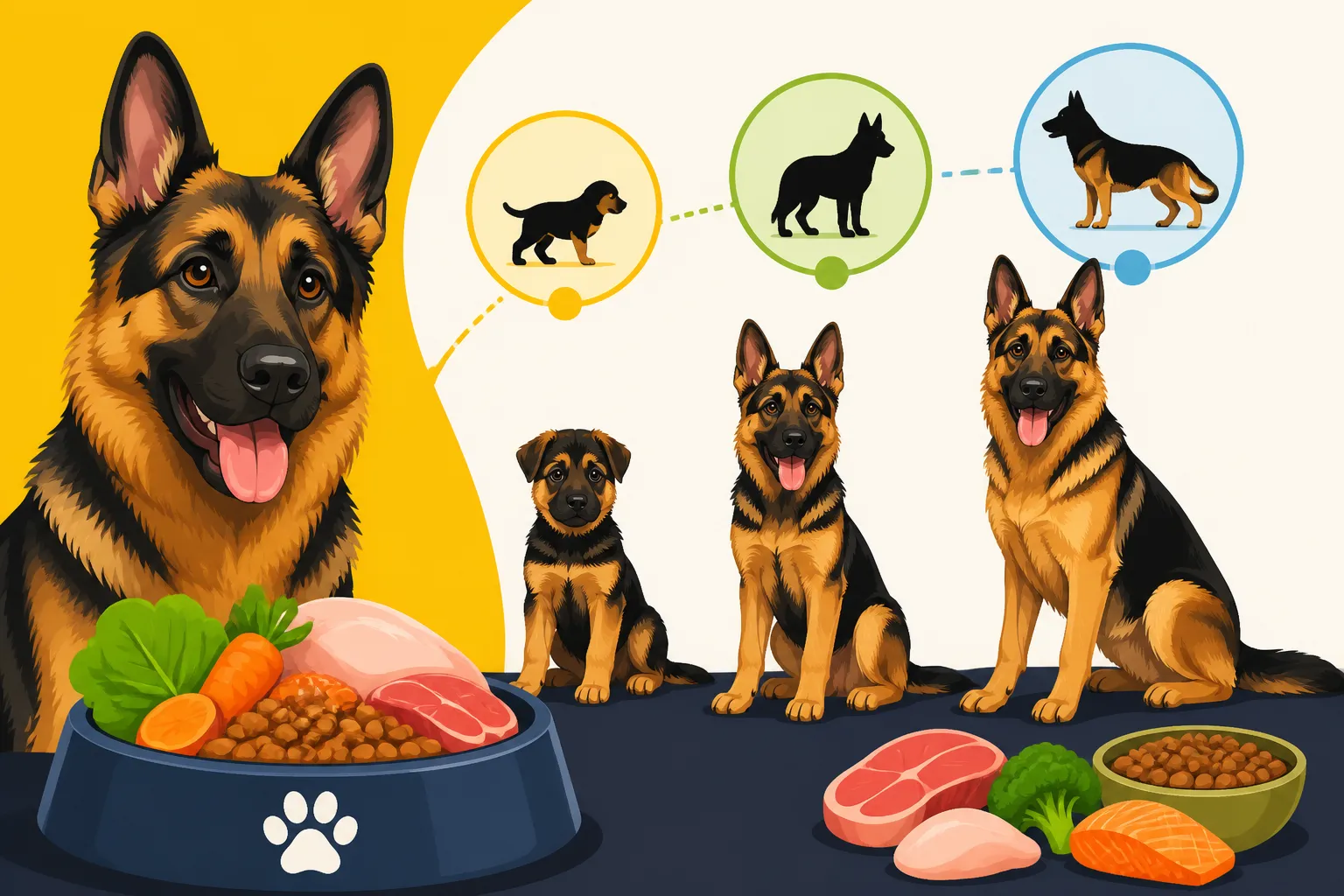
Your German Shepherd isn't just a dog; they're a powerful, intelligent, and often very active companion with distinct nutritional requirements that change throughout their life. It's not a "one size fits all" situation, and understanding this fundamental truth is the first step in providing truly excellent care. What fuels a tiny, rapidly growing puppy won't be sufficient for a lean, energetic adult, and it certainly won't be ideal for a distinguished senior dog enjoying their golden years.
Why Age and Weight Matter for Diet
Think of it like us humans – a baby's diet is vastly different from a teenager's, which is different from an adult's, and again from a senior's. The same principle applies, perhaps even more acutely, to German Shepherds. Their bodies undergo incredible transformations, particularly during their first year of life. Puppies need a high-calorie, nutrient-dense diet to support bone and muscle development, but too much, or the wrong kind of growth, can actually predispose them to orthopedic issues later on. Overfeeding a puppy, for example, can lead to rapid growth that puts undue stress on developing joints, exacerbating conditions like hip or elbow dysplasia.
As they transition into adulthood, their metabolism often slows down slightly, and their energy needs stabilize, requiring a different caloric balance to maintain an ideal weight and muscle mass without becoming overweight. Carrying extra pounds puts strain on their joints, heart, and can shorten their overall German Shepherd Lifespan: How Long They Live. Then, as they enter their senior years, their activity levels typically decrease, their metabolism slows further, and their bodies may start experiencing age-related changes, like joint stiffness or kidney function decline, all of which necessitate a careful adjustment in their diet to support these new realities.
The German Shepherd's Unique Metabolism and Growth
German Shepherds are a large, active breed, and their growth plates – the areas of cartilage in young bones where new bone is produced – close later than smaller breeds. This means they need a puppy food specifically formulated for large breeds, which tends to have a slightly lower fat and calcium content compared to regular puppy food. This careful balance helps promote slow, steady growth, rather than rapid growth spurts that can stress developing joints. It's a critical detail often overlooked by new owners, but one that can significantly impact their long-term orthopedic health.
Their metabolism, especially in their prime adult years, can be quite high due to their activity levels and large muscle mass. However, this also means they can gain weight surprisingly quickly if their caloric intake isn't matched to their exercise output. You might think, "My dog runs around all day, they can eat whatever they want!" but even highly active dogs can pack on the pounds if their food portions aren't carefully managed. Later in life, their metabolism often slows down, making weight management even more crucial and challenging, and sometimes making it necessary to consider a specific German Shepherd Senior Diet Adjustments.
Puppyhood: Fueling Rapid Growth and Development (0-12 months)
The first year of a German Shepherd's life is a period of monumental growth and development. It’s when they transform from a tiny, wobbly pup into a magnificent, near-adult dog. Their diet during this phase is paramount, laying the foundation for their future health, energy, and musculoskeletal integrity. Getting it right here is crucial for avoiding many common German Shepherd Health Problems Guide.
Initial Weeks: Weaning and First Foods (8-12 weeks)
When you first bring your German Shepherd puppy home, typically around 8 to 12 weeks of age, they'll likely still be on a diet of puppy kibble, often moistened with warm water. This transition from mother's milk to solid food is a delicate one, and consistency is key. Your breeder should provide you with information on what the puppy has been eating, and it's always best to stick to that food for at least the first week or two to avoid upsetting their sensitive stomach.
During this stage, your puppy needs a diet that is highly digestible and nutrient-dense, specifically formulated for large breed puppies. Look for foods that have appropriate protein levels (around 22-28% on a dry matter basis) and a carefully controlled calcium-to-phosphorus ratio to support healthy bone growth without promoting excessive, rapid growth. Feeding three to four small meals a day is typical for puppies this age, as their tiny stomachs can't handle large quantities at once. You can find detailed feeding recommendations in our German Shepherd Puppy Feeding Schedule. Monitoring their energy levels, stool consistency, and general well-being will tell you if the food agrees with them.
The Adolescent Growth Spurt (3-6 months)
Between three and six months, your German Shepherd puppy enters a phase of rapid growth often referred to as a "growth spurt." This is when you'll truly see them lengthen and gain significant height and weight. During this period, their caloric needs will be at their peak, but it’s still essential to avoid overfeeding. Overfeeding at this stage can lead to disproportionately fast growth, which can put undue stress on their developing joints and increase the risk of orthopedic problems like German Shepherd Hip Dysplasia Explained or elbow dysplasia.
Continue with a high-quality large breed puppy food. Many brands like Purina Pro Plan Focus Large Breed Puppy or Royal Canin German Shepherd Puppy are specifically designed to support the unique needs of these growing giants. The key is to follow the feeding guidelines on the food bag, but always adjust based on your puppy's individual condition. If they look too thin, you might slightly increase their portion; if they're looking a bit chunky, dial it back. Regular weigh-ins are incredibly helpful. At this age, puppies are usually still eating three meals a day, but some owners might transition to two larger meals towards the end of this period. For specific guidelines, check out How Much to Feed a German Shepherd Puppy.
Approaching Maturity: Continued Development (7-12 months)
As your German Shepherd approaches their first birthday, their growth rate will start to slow down, though they may continue to fill out and gain muscle mass until they are 18-24 months old. This period, from seven months to a year, is a transition phase. While they are still puppies, their intense growth spurt has largely passed. Their energy levels remain high, as they are full of youthful exuberance and often demand significant exercise.
During these months, you’ll typically transition from three meals a day to two. It’s also around this time, usually between 10-14 months, that most veterinarians and food manufacturers recommend transitioning from large breed puppy food to a high-quality large breed adult formula. This transition should be done gradually over 7-10 days to prevent digestive upset. The adult food will have a slightly lower calorie and protein content, which is appropriate for their slowing growth rate and helps prevent them from becoming overweight as their metabolism begins to stabilize. Keep a close eye on their body condition; you should be able to easily feel their ribs without seeing them, and they should have a visible waist when viewed from above.
Adult Life: Maintaining Peak Performance (1-6 years)
Once your German Shepherd has reached physical maturity, typically around 12 to 18 months, their dietary needs shift from supporting rapid growth to maintaining their robust health, lean muscle mass, and high energy levels. This is a period where consistency in feeding and attention to their activity level are paramount.
Active Adult Diet Considerations
Adult German Shepherds are intelligent, highly active dogs, often involved in demanding activities like obedience training, agility, or working roles. Their diet needs to reflect this lifestyle, providing sustained energy without leading to weight gain. A high-quality adult dog food designed for large, active breeds is usually the best choice. Look for formulas with a good balance of protein (around 20-25%), moderate fat, and complex carbohydrates. Brands like Victor, Orijen, and Acana are often recommended for their quality ingredients and appropriate nutrient profiles, providing the essential building blocks for strong muscles, healthy skin, and a shiny coat. Many owners also consider fresh food options, such as those from Ollie, which can be delivered to your door and tailored to your dog's specific needs.
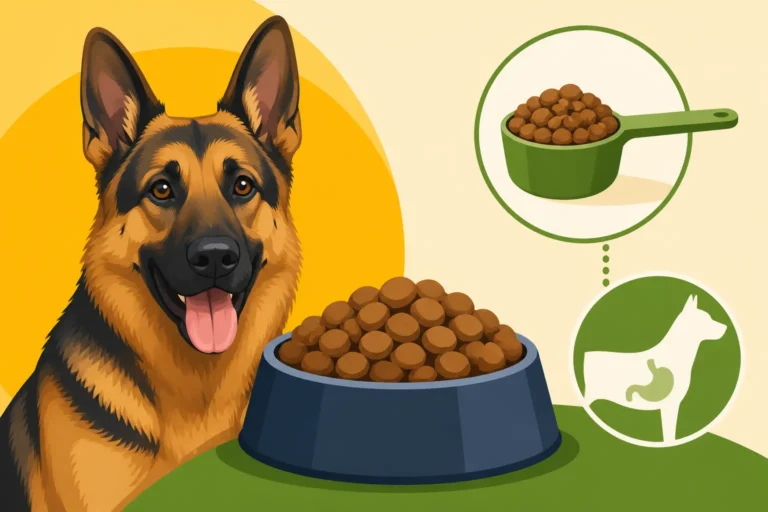
The feeding amount will depend heavily on their individual metabolism, activity level, and the caloric density of the food you choose. A German Shepherd who spends hours hiking with you daily will naturally need more food than one who enjoys a more relaxed lifestyle with shorter walks. Splitting their daily food intake into two meals is generally recommended for adult German Shepherds. This helps with digestion and can also play a role in preventing serious conditions like German Shepherd Bloat: Signs and Prevention. Always use the feeding guide on the dog food packaging as a starting point, but remember it's just a guide. Your dog's actual needs might be slightly more or less.
Managing Weight in Adult German Shepherds
Weight management is a critical aspect of adult German Shepherd care. Obesity in dogs, just like in humans, can lead to a host of health problems, including exacerbating German Shepherd Arthritis: Symptoms and Treatment, increasing the risk of diabetes, heart disease, and shortening their lifespan. Even a few extra pounds can put significant strain on their joints, which are already prone to issues like hip and elbow dysplasia.
To assess your German Shepherd's weight, use the "rib test": you should be able to easily feel their ribs when you run your hands along their side, without pressing hard. You should also see a distinct waist when looking down at them from above, and their belly should tuck up slightly when viewed from the side. If you're struggling to feel their ribs or they look round rather than sleek, it's time to adjust their diet. This might mean reducing portion sizes, switching to a lower-calorie food, or increasing their exercise. Monitoring their weight regularly and making small, consistent adjustments is far more effective than drastic changes. For more information on assessing and addressing weight issues, our guide on German Shepherd Weight and Obesity Risks can provide additional insights.
| Age Stage | Typical Meals/Day | Key Nutritional Focus | Recommended Protein % (Dry Matter Basis) | Common Feeding Challenges |
|---|---|---|---|---|
| Puppy (0-3 months) | 3-4 | Rapid growth, bone/muscle development, high energy | 28-32% | Overfeeding leading to rapid growth, digestive upset |
| Adolescent (4-12 months) | 2-3 | Continued steady growth, energy for play/training | 25-30% | Managing caloric intake for steady, not rapid, growth |
| Adult (1-6 years) | 2 | Maintenance of muscle mass, sustained energy, ideal weight | 20-25% | Weight gain if activity doesn't match intake, boredom |
| Senior (7+ years) | 2 | Joint health, lean muscle, reduced calorie needs, organ support | 18-22% (or higher, if lean protein) | Muscle loss, dental issues, decreased appetite, joint pain |
Senior Years: Adapting to Slower Paces (7+ years)
The senior years for a German Shepherd typically begin around seven years of age, though some may show signs earlier or later depending on genetics, lifestyle, and overall health. This phase of life brings with it a host of physiological changes that necessitate a thoughtful shift in their dietary approach.
Nutritional Needs for Aging Joints and Organs
As German Shepherds age, their bodies naturally slow down. Their metabolism decreases, their activity levels often decline, and their digestive efficiency may not be what it once was. Crucially, their joints may start to show the wear and tear of years of activity, often leading to conditions like German Shepherd Osteoarthritis: Symptoms and Treatment. Their immune system might weaken, and organ functions, such as kidney and liver, may become less robust.
A senior German Shepherd's diet should reflect these changes. Generally, senior dog foods are formulated with fewer calories to prevent weight gain, higher fiber content to aid digestion, and often increased levels of joint-supporting nutrients like glucosamine and chondroitin. While protein content might be slightly lower overall, ensuring a high-quality, easily digestible protein source is still vital to prevent muscle wasting, which can be a common issue in older dogs. Omega-3 fatty acids, often found in fish oil, become even more important for their anti-inflammatory properties, supporting joint health, skin, and cognitive function. Brands like Hill's Science Diet Age Defy or Royal Canin Large Breed Senior are popular options, readily available from retailers like Chewy and Amazon.
Common Senior German Shepherd Dietary Challenges
Feeding a senior German Shepherd can come with its own unique set of challenges. Decreased appetite is common, sometimes due to dental issues, a reduced sense of smell, or underlying health conditions. Arthritis and other joint pain can make it uncomfortable for them to bend down to eat from a floor-level bowl; raised bowls can often help alleviate this. Their digestive system might become more sensitive, leading to loose stools or constipation, requiring easily digestible ingredients and possibly a probiotic supplement.
It's also essential to monitor their water intake, as older dogs can be more prone to dehydration. Always ensure fresh water is available. Furthermore, dental health often deteriorates with age, making hard kibble difficult or painful to chew. In such cases, softening kibble with water, switching to wet food, or incorporating fresh, softer food options might be necessary. Regularly consulting with your veterinarian is crucial during these years, as their advice can help tailor a diet to address specific health concerns, from kidney disease to diabetes, ensuring your beloved companion remains as comfortable and healthy as possible. Our German Shepherd Senior Care Guide offers a deeper dive into overall care for older dogs.
Decoding Dog Food Labels and Ingredients
Choosing the right food for your German Shepherd can be daunting when faced with endless bags and confusing labels. Understanding what those labels actually mean, and which ingredients are truly beneficial (or detrimental), is key to making informed decisions for your dog's health.
Essential Macronutrients and Micronutrients
A balanced diet for your German Shepherd needs to provide all the essential macronutrients and micronutrients their body requires.
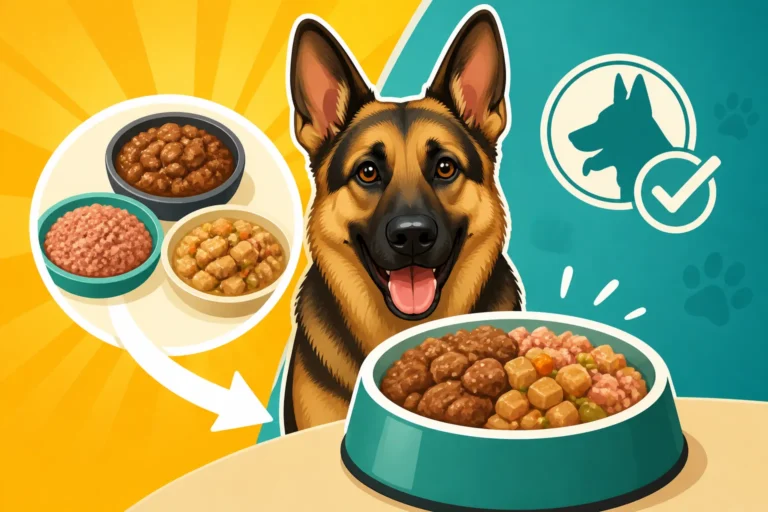
- Protein: This is paramount for German Shepherds, supporting their powerful musculature, healthy skin, and immune system. Look for high-quality animal protein sources listed as the first few ingredients, such as chicken, beef, lamb, turkey, or fish. The guaranteed analysis on the bag will show the crude protein percentage.
- Fats: Healthy fats are a concentrated source of energy, vital for nutrient absorption, cell function, and coat health. Omega-3 and Omega-6 fatty acids are particularly important. Sources like chicken fat, fish oil, and flaxseed oil are excellent.
- Carbohydrates: These provide readily available energy. Look for complex carbohydrates from whole grains like barley, brown rice, or oats, or from vegetables like sweet potatoes and peas. Avoid excessive fillers like corn or soy, which offer little nutritional value for many dogs.
- Vitamins and Minerals: These micronutrients are crucial for countless bodily functions, from bone health (calcium, phosphorus) to immune support (vitamins A, E, D, zinc, selenium). A well-formulated commercial dog food will have these adequately supplemented.
- Fiber: Essential for digestive health, fiber helps regulate bowel movements and can contribute to feelings of fullness, which is helpful for weight management. Sources include beet pulp, peas, and various fruits and vegetables.
What to Look For (and Avoid) in Dog Food
When scrutinizing a dog food label for your German Shepherd, here's a quick guide:
Look For:
- Named Meat Sources: The first ingredient (and ideally the second and third) should be a specific animal protein, like "chicken meal" or "deboned lamb," not vague terms like "meat by-products."
- Whole Grains or Wholesome Carbs: Brown rice, oats, barley, sweet potatoes, and peas are good examples.
- Healthy Fats: Chicken fat, salmon oil, flaxseed, and sunflower oil are beneficial.
- Fruits and Vegetables: These add natural vitamins, minerals, and antioxidants.
- Joint Support (especially for large breeds): Glucosamine and chondroitin are often added to large breed formulas.
- Probiotics/Prebiotics: These support gut health and digestion.
Avoid (or be cautious with):
- Vague "Meat" Ingredients: "Meat by-products," "animal digest," or "meat meal" without a specific animal named can be ambiguous and of lower quality.
- Excessive Fillers: Corn, wheat, and soy are often used as cheap fillers and can be common allergens for some dogs. While not inherently bad, they shouldn't dominate the ingredient list.
- Artificial Colors, Flavors, and Preservatives: These offer no nutritional value and can sometimes trigger sensitivities. Natural preservatives like mixed tocopherols (Vitamin E) are preferable.
- Sugar/Sweeteners: Dogs don't need added sugars in their diet.
Taking the time to understand these labels empowers you to choose the Best Dog Food for German Shepherds that truly nourishes your companion.
Special Dietary Considerations and Concerns
German Shepherds, despite their robust appearance, are prone to certain health issues that can be significantly influenced by their diet. Being proactive and understanding these specific concerns can make a world of difference in their well-being.
German Shepherds with Allergies or Sensitivities
It's a frustrating reality for many German Shepherd owners: dealing with allergies. These can manifest as itchy skin, chronic ear infections, or recurring digestive upset like diarrhea or vomiting. The most common culprits for food allergies in dogs are protein sources such as chicken, beef, dairy, wheat, and soy. Environmental allergies are also prevalent, but dietary changes can often alleviate or eliminate food-related symptoms.
If you suspect your German Shepherd has a food allergy, working with your vet on an elimination diet is the gold standard. This involves feeding a novel protein (one your dog has never eaten before, like duck, venison, or kangaroo) or a hydrolyzed protein diet for a period of 8-12 weeks, with no other treats or foods. If symptoms resolve, you then reintroduce common proteins one by one to identify the specific allergen. Many specialized hypoallergenic or limited ingredient diets are available through retailers like Chewy or Amazon, making this process a bit easier. For further guidance on identifying and managing these issues, read our detailed article on German Shepherd Allergies: Symptoms and Treatment.
Supporting Joint Health Through Diet
Joint problems, particularly hip and elbow dysplasia, are unfortunately common in German Shepherds due to their genetic predisposition and large size. While genetics play a significant role, diet can be a powerful tool in managing these conditions and supporting overall joint health throughout their lives. As mentioned earlier, feeding a large breed puppy food that promotes slow, steady growth is vital in puppyhood.
For adult and senior German Shepherds, incorporating joint-supporting nutrients into their diet becomes even more critical. Glucosamine and chondroitin are widely recognized for their role in maintaining cartilage health and reducing inflammation. Many high-quality large breed dog foods will include these, but you may also consider adding them as a supplement. Omega-3 fatty acids, particularly EPA and DHA from fish oil, also possess potent anti-inflammatory properties that can significantly benefit joint health. Adding a high-quality fish oil supplement can be incredibly beneficial. Furthermore, maintaining a lean body weight is perhaps the single most impactful thing you can do to reduce strain on your German Shepherd's joints. For a deeper dive into specific products and their benefits, refer to our guide on German Shepherd Joint Health Supplements.
Preventing Bloat (GDV) Through Feeding Practices
Bloat, or Gastric Dilatation-Volvulus (GDV), is a life-threatening condition where the stomach fills with gas and twists, trapping the gas and cutting off blood supply. German Shepherds are one of the breeds at highest risk due to their deep chests. While the exact cause isn't fully understood, several feeding practices are believed to reduce the risk.
- Avoid single, large meals: Feeding two or three smaller meals throughout the day instead of one large meal can prevent the stomach from distending too much.
- Slow down eating: If your German Shepherd gulps their food, use a slow-feeder bowl or spread their food out on a baking sheet to make them eat more slowly.
- Avoid strenuous exercise around meal times: Wait at least one hour before and after meals for any vigorous activity or running. A relaxed digestion is key.
- Ensure fresh water access but limit gulping: Keep water available but prevent them from drinking huge amounts immediately after eating.
- Consider elevated bowls (with caution): While sometimes recommended, recent studies suggest elevated bowls may increase the risk of bloat in some large breeds. Discuss this with your vet to see if it's right for your individual dog, especially if they have orthopedic issues.
- Choose kibble size carefully: Some studies suggest smaller kibble might be associated with a slightly higher risk in large breeds.
Being vigilant about these feeding practices is an essential part of How to Prevent Bloat (GDV) in German Shepherds. If you notice any signs of bloat – such as a distended abdomen, unproductive retching, restlessness, or excessive drooling – seek immediate veterinary attention, as it is an emergency.
Transitioning Diets and Monitoring Health
Making changes to your German Shepherd's diet, even for the best reasons, requires a thoughtful approach. Their digestive systems can be quite sensitive, and abrupt changes can lead to upset stomachs, diarrhea, or vomiting.
How to Safely Switch Dog Foods
Whether you're transitioning from puppy to adult food, adult to senior food, or simply switching brands, a gradual approach is always best. Here's a common and effective method:
- Day 1-2: Mix 25% new food with 75% old food.
- Day 3-4: Mix 50% new food with 50% old food.
- Day 5-6: Mix 75% new food with 25% old food.
- Day 7+: Feed 100% new food.
This gradual introduction allows your German Shepherd's digestive system to adapt to the new ingredients and nutrient profile. During this transition, closely monitor their stool consistency and overall demeanor. If you notice any signs of digestive upset (diarrhea, vomiting, decreased appetite), slow down the transition, holding at the current ratio for an extra day or two until their system settles. Some particularly sensitive dogs may require an even slower transition, stretching over two weeks or more. Remember, patience is key here to avoid unnecessary discomfort for your dog and clean-up for you!
Recognizing Signs of Dietary Imbalance or Issues
Your German Shepherd's body is constantly communicating with you, and many signs can indicate whether their diet is truly working for them. Learning to read these signals can help you identify and address issues before they become serious problems, ultimately helping you to How to Keep a German Shepherd Healthy.
- Coat Condition: A dull, dry, flaky coat, or excessive shedding outside of seasonal "blowing coat," can be a sign of nutritional deficiencies, particularly a lack of essential fatty acids.
- Skin Issues: Chronic itching, hot spots, or recurring skin infections can point to allergies or a compromised immune system, often influenced by diet.
- Energy Levels: While individual energy varies, a consistently lethargic dog (for their age) or one that seems unusually hyperactive might have dietary issues. Too many fillers or not enough balanced nutrients can impact energy.
- Stool Quality: This is a big one! Healthy stool is firm, well-formed, and easy to pick up. Chronic diarrhea, constipation, or unusually soft/mucus-laden stools are clear indicators that something is off with their digestion or diet.
- Weight Fluctuations: Unexplained weight loss or gain, despite consistent feeding, needs investigation.
- Flatulence/Gas: While some gas is normal, excessive or unusually foul-smelling gas can be a sign of digestive issues or ingredients that aren't agreeing with your dog.
- Dental Health: Poor diet can contribute to tartar buildup and gum disease. While not purely dietary, it's connected to overall health. Our guide on German Shepherd Dental Care Explained offers more on this.
If you observe any of these persistent signs, it's always best to consult with your veterinarian. They can help rule out underlying medical conditions and provide tailored dietary advice.
Hydration and Supplements for Optimal Health
Beyond the food bowl, two other crucial elements play a significant role in your German Shepherd's overall health and well-being: consistent hydration and, in some cases, targeted supplementation.
The Critical Role of Water Intake
Water is the most essential nutrient for your German Shepherd, involved in nearly every bodily function, including regulating body temperature, transporting nutrients, lubricating joints, and aiding in digestion and waste elimination. Dehydration can quickly lead to serious health problems, especially in active dogs or during warmer weather.
Your German Shepherd should always have access to fresh, clean water. A general guideline is that dogs need about one ounce of water per pound of body weight per day, but this can vary wildly based on activity level, diet (dry kibble vs. wet food), environmental temperature, and individual metabolism. An active German Shepherd hiking in the summer will need significantly more water than one relaxing indoors on a cool day.
- Multiple Water Sources: Consider placing water bowls in different locations around your home and yard.
- Cleanliness is Key: Wash water bowls daily to prevent bacterial growth.
- Hydration on the Go: Always bring water for your German Shepherd when you're out for walks, runs, or any activity away from home. Portable water bottles or collapsible bowls are incredibly useful.
- Encourage Drinking: Some dogs prefer filtered water, while others might be enticed by a pet water fountain, which keeps water circulating and fresh.
- Monitor Intake: If you notice a significant increase or decrease in your German Shepherd's water consumption, it could be a sign of an underlying health issue and warrants a vet visit.
When and Which Supplements Might Be Beneficial
The need for supplements for your German Shepherd is a topic best discussed with your veterinarian. A high-quality, complete, and balanced commercial dog food should, in theory, provide all the nutrients your dog needs. However, specific circumstances, health conditions, or life stages can make certain supplements beneficial.
- Joint Supplements: For German Shepherds prone to or suffering from joint issues like hip or elbow dysplasia, supplements containing glucosamine, chondroitin, and MSM can be very helpful. Omega-3 fatty acids (fish oil) are also excellent for their anti-inflammatory properties, benefiting joints, skin, and coat.
- Probiotics: If your German Shepherd has a sensitive stomach, experiences frequent digestive upset, or is on antibiotics, a probiotic supplement can help restore and maintain a healthy gut microbiome.
- Skin and Coat Supplements: For German Shepherds with dry, flaky skin or a dull coat, omega fatty acid supplements (fish oil, flaxseed oil) can often make a noticeable difference.
- Vitamins and Minerals: Generally, these are not necessary if feeding a balanced diet. However, in cases of specific deficiencies diagnosed by a vet, or if feeding a homemade diet (which should always be formulated with veterinary nutritionist guidance), targeted vitamin and mineral supplements may be prescribed.
- Antioxidants: For senior German Shepherds, antioxidants like Vitamin E or C, or specific plant extracts, may be recommended to support cellular health and combat age-related oxidative stress.
Always choose supplements from reputable brands, ideally those that undergo third-party testing for purity and potency. Do not self-prescribe supplements without consulting your vet, as improper supplementation can sometimes do more harm than good. To summarize what we've covered, ensuring the right German Shepherd Feeding Guide combined with proper hydration and appropriate supplements can truly maximize your companion's health and happiness.
Disclaimer
The information provided in this guide is intended for general informational purposes only and does not constitute veterinary advice. Always consult with a qualified veterinarian regarding any health concerns or before making any changes to your German Shepherd's diet, exercise routine, or supplement regimen. Individual needs may vary.