German Shepherd Common Cancers to Know
The word "cancer" strikes fear into any pet parent's heart, and for German Shepherd owners, it's a particularly heartbreaking concern. These magnificent dogs, known for their loyalty and strength, are unfortunately predisposed to certain types of cancer, making it one of the leading causes of death in the breed. It’s a harsh reality to face, but understanding the common cancers, recognizing the early signs, and knowing what steps you can take is crucial for their well-being and, hopefully, a longer, healthier life together. This guide aims to shed light on the most prevalent forms of cancer affecting German Shepherds, helping you be a more informed and proactive advocate for your beloved companion.
Understanding Cancer in German Shepherds
It feels incredibly unfair when our loyal companions, especially a breed as robust as the German Shepherd, are struck down by illnesses like cancer. While it can happen to any dog, the truth is that German Shepherds, like many large and purebred dogs, carry a higher genetic predisposition to certain types of cancer. It’s not a reflection of anything you’ve done wrong, but rather a complex interplay of genetics, lifestyle, and environmental factors.
Why German Shepherds Are Prone to Certain Cancers
German Shepherds have a distinguished lineage, developed for their intelligence, strength, and working ability. However, this focused breeding has, inadvertently, concentrated certain genetic markers that make them more susceptible to specific diseases, including various forms of cancer. Think of it like a family tree where certain traits, both good and bad, tend to run. For German Shepherds, these predispositions are often linked to their rapid growth rate, large size, and specific genetic lines.
For instance, breeds like German Shepherds that grow quickly often have more rapidly dividing cells, which can increase the chance of cellular errors leading to cancer. Additionally, specific genes linked to immune system function or cell regulation can be more common in the breed. This is why responsible breeders emphasize German Shepherd Genetic Health Testing to try and mitigate these risks in their breeding programs. However, even with the best intentions, genetics are only part of the puzzle. Environmental factors, diet, and even chronic inflammation can also play a role, making cancer a multi-faceted challenge that requires vigilance from owners.
Early Signs of Cancer That Owners Often Miss
One of the most frustrating aspects of canine cancer is how insidious it can be. Our dogs are incredibly stoic, often hiding their discomfort until a disease has progressed significantly. This means that as owners, we have to become detectives, looking for subtle changes that might indicate something serious is amiss. Many early signs of cancer are non-specific and can easily be attributed to "just getting old" or a minor ailment, which is why it's so vital to pay close attention to your dog's normal behavior and physical condition.
You might notice your German Shepherd is a bit more tired than usual, perhaps less enthusiastic about their morning walk or a game of fetch. They might start losing weight without any change in their diet, or conversely, have a sudden loss of appetite. Persistent lameness, especially if it doesn't improve with rest, or a new cough that lingers for weeks could also be red flags. Other subtle signs include difficulty eating or swallowing, changes in bathroom habits (like straining or unusual stool), or any new lumps, bumps, or skin lesions that appear or change in size. It's not about panicking over every minor sniffle, but rather being tuned into your dog's baseline and noticing when something deviates from the norm for more than a day or two. Regular physical exams at home, feeling for any new growths, and keeping an eye on their energy levels are critical first lines of defense.
Common Cancers Affecting German Shepherds
While many types of cancer can affect dogs, certain ones are particularly prevalent and aggressive in German Shepherds. Knowing these common threats can help you recognize potential symptoms more quickly and seek veterinary attention, which is often crucial for a better prognosis.
Hemangiosarcoma: The Silent Killer
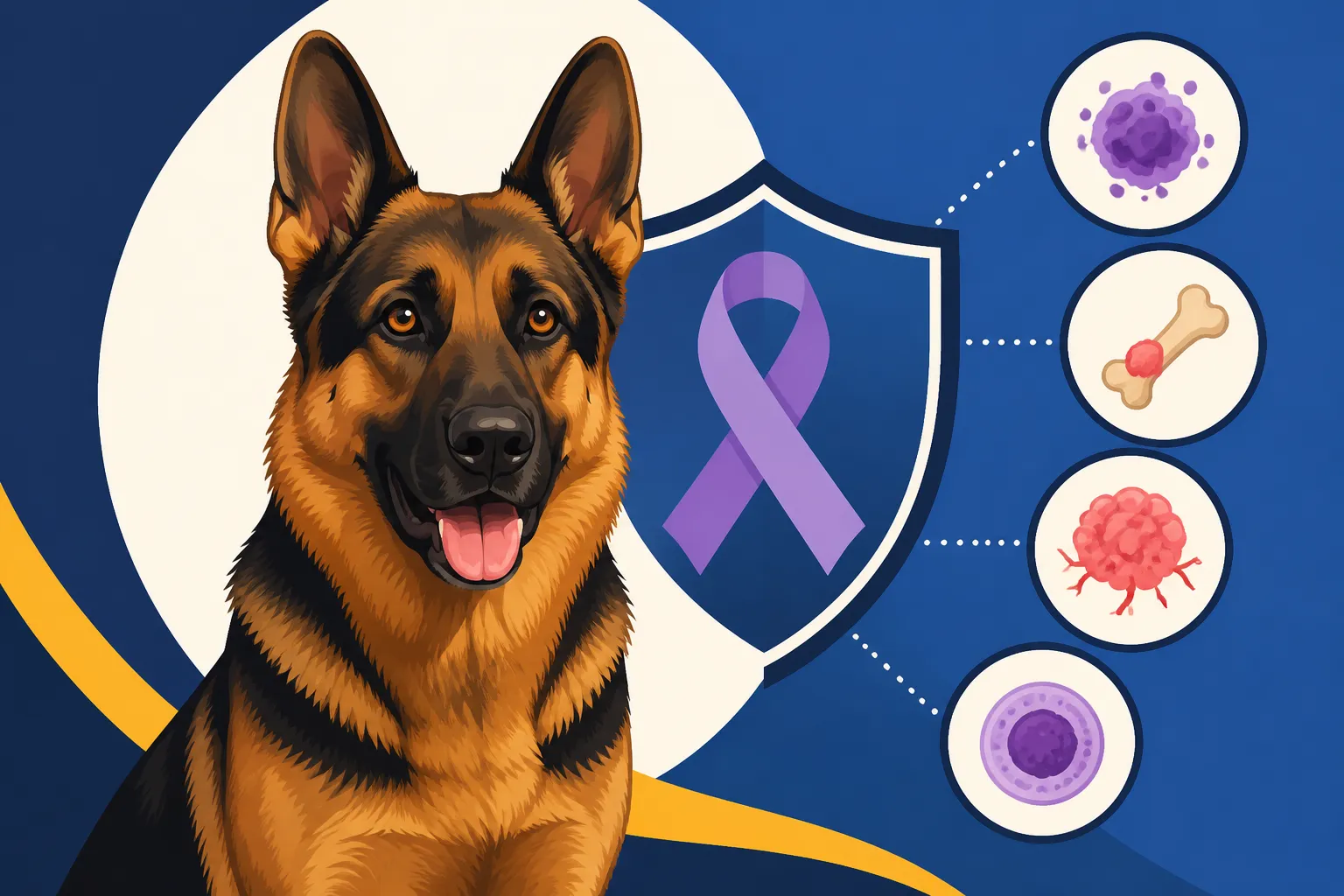
Hemangiosarcoma is, without a doubt, one of the most devastating diagnoses a German Shepherd owner can receive. This aggressive and malignant cancer originates from the cells that line blood vessels (endothelial cells) and can occur anywhere in the body, though it most commonly affects the spleen, heart, and liver. What makes it so terrifying is its "silent killer" nature: it often shows no outward signs until it's reached an advanced stage or caused a catastrophic event.
Imagine your robust German Shepherd, full of life one moment, and then suddenly collapsing, struggling to breathe, or having pale gums. These acute signs often occur when a tumor ruptures internally, leading to severe blood loss. If the tumor is on the spleen, it can quietly grow to a massive size before rupture. Heart-based tumors can cause fluid accumulation around the heart, leading to lethargy and breathing difficulties. Sadly, by the time many German Shepherds are diagnosed, the cancer has often spread to other organs, making treatment challenging. For a deeper dive into this specific cancer, you might want to read our article on German Shepherd Hemangiosarcoma Explained. Early detection, though difficult, is paramount, making routine vet visits and attentiveness to subtle changes in energy or appetite even more critical.
Osteosarcoma: Bone Cancer Challenges
Another formidable foe for German Shepherds is osteosarcoma, the most common primary bone tumor in dogs. As a large and giant breed, German Shepherds are significantly overrepresented in osteosarcoma cases, particularly in their limbs. This aggressive cancer causes immense pain and quickly spreads to other parts of the body, most notably the lungs.
The typical scenario often starts with unexplained lameness or limping, which owners might initially mistake for a sprain or arthritis. However, with osteosarcoma, the lameness tends to persist and worsen, often accompanied by swelling around the affected bone. The pain can be excruciating, leading to reluctance to bear weight, decreased activity, and sometimes even aggression due to discomfort. A simple X-ray can often reveal the tell-tale signs of bone destruction, but a biopsy is usually needed for definitive diagnosis. Unfortunately, due to its aggressive nature and metastatic potential, treatment often involves amputation of the affected limb combined with chemotherapy to address microscopic spread. It's a tough road, and supporting your German Shepherd through this requires immense dedication and careful pain management.
Lymphoma: A Systemic Threat
Lymphoma is a cancer of the lymphatic system, which is a vital part of your German Shepherd's immune system. Unlike localized tumors, lymphoma can affect various parts of the body, making it a systemic disease. It’s one of the most common cancers diagnosed in dogs, and German Shepherds are among the breeds with a higher risk.
There are several forms of lymphoma, but the most frequently seen is multicentric lymphoma, where multiple lymph nodes throughout the body become enlarged. You might notice firm, non-painful lumps in easily palpable areas like under the jaw (mandibular), in front of the shoulders (prescapular), or behind the knees (popliteal). Other forms include gastrointestinal lymphoma, which affects the digestive tract and can cause vomiting, diarrhea, weight loss, and appetite changes. Cutaneous lymphoma affects the skin, leading to red, itchy, scaly patches or nodules. Mediastinal lymphoma impacts lymph nodes in the chest, potentially causing breathing difficulties. Diagnosis usually involves a fine needle aspirate or biopsy of affected lymph nodes. Chemotherapy is the primary treatment for most types of lymphoma, and while it often doesn't cure the disease, it can achieve remission and significantly extend a German Shepherd's quality of life. Understanding German Shepherd Health Problems Guide broadly can help you connect the dots if your dog shows these systemic signs.
Mast Cell Tumors: Skin and Internal Concerns
Mast cell tumors (MCTs) are another common canine cancer that German Shepherds can be prone to, varying widely in their appearance and behavior. Mast cells are part of the immune system and are normally involved in allergic responses and inflammation. When these cells become cancerous, they can form tumors anywhere on or under the skin, and sometimes even on internal organs like the spleen or liver.
The tricky thing about MCTs is that they can mimic almost any other skin lesion. They can be small or large, firm or soft, red or flesh-colored, and some can even wax and wane in size, making them easy to dismiss as a simple allergic reaction or bug bite. This variability is why any new lump or bump on your German Shepherd should be checked by a vet. A quick fine needle aspirate can usually determine if it’s a mast cell tumor. The grade of the tumor (how aggressive it looks under a microscope) and its location heavily influence the prognosis and treatment plan. Surgical removal with wide margins is often the first line of defense, potentially followed by radiation or chemotherapy, especially for more aggressive types or if complete removal isn't possible. Vigilance for new growths is key to catching these early when they are most treatable.
Diagnosing and Managing Cancer in Your German Shepherd
Hearing the word "cancer" in relation to your beloved German Shepherd can be utterly paralyzing. But it’s important to remember that a diagnosis is not an immediate death sentence. Advances in veterinary medicine mean there are often paths forward, and the journey begins with thorough diagnosis and a tailored management plan.
The Diagnostic Journey
When your veterinarian suspects cancer, they'll embark on a diagnostic journey to identify the type, grade, and extent of the disease. This process can feel overwhelming, but each step provides crucial information. It usually starts with a comprehensive physical examination, where your vet will feel for any enlarged lymph nodes, abdominal masses, or suspicious skin lesions.
Bloodwork, including a complete blood count and a biochemistry panel, can reveal systemic effects of cancer, such as anemia, elevated liver enzymes, or changes in white blood cell counts. Urinalysis might also be performed. Imaging studies are often critical: X-rays can help identify bone tumors (like osteosarcoma) or check for metastatic spread to the lungs. Ultrasounds are invaluable for examining internal organs like the spleen, liver, and kidneys, where cancers like hemangiosarcoma often hide. For a definitive diagnosis of a tumor, a biopsy is usually required. This involves taking a tissue sample for microscopic examination by a veterinary pathologist. For some tumors, a fine needle aspirate (FNA) can be done first, which is less invasive and can often provide a preliminary diagnosis. The entire diagnostic process can be emotionally taxing and financially demanding, highlighting the benefit of having pet insurance, such as a plan from Healthy Paws, to help cover unexpected costs.
Treatment Options and Quality of Life
Once a diagnosis is made, your veterinary team will discuss treatment options. These are highly dependent on the type of cancer, its stage, your German Shepherd's overall health, and your family's circumstances. The goal is always to maximize quality of life, not just extend it.
- Surgery: For localized tumors like many mast cell tumors or osteosarcomas (often involving amputation), surgery is frequently the primary treatment to remove the cancerous mass.
- Chemotherapy: This involves using drugs to kill cancer cells throughout the body. It’s often used for systemic cancers like lymphoma or to address microscopic spread after surgery. Canine chemotherapy is generally much better tolerated than human chemo, with side effects being less severe.
- Radiation Therapy: This uses high-energy radiation to target and destroy cancer cells in a specific area. It can be used for tumors that are difficult to remove surgically or as an adjunct to surgery.
- Palliative Care: Sometimes, a cure isn't possible, or an owner opts against aggressive treatment. Palliative care focuses on managing pain, improving comfort, and maintaining the best possible quality of life for as long as possible. This might include pain medications, anti-inflammatory drugs, and nutritional support.
Working closely with a veterinary oncologist—a specialist in cancer treatment—is often the best course of action. They can provide the most up-to-date and tailored treatment protocols. Remember, every German Shepherd is an individual, and what works for one might not be ideal for another. The financial implications of cancer treatment can be significant; a typical course of chemotherapy can run into thousands of dollars, and surgery can be even more. This is where a robust pet insurance policy, like those offered by Healthy Paws, can be an absolute lifesaver, allowing you to focus on your dog's care rather than the daunting vet bills. It’s a sad reality that vet costs for German Shepherds can really add up, so planning ahead is wise. For more general information about annual costs, check out German Shepherd Vet Costs Per Year.
Proactive Steps for Prevention and Early Detection
While we can't completely prevent cancer in our German Shepherds, we can certainly take proactive steps to minimize risks and, critically, improve the chances of early detection, which is often key to successful treatment. Being a responsible pet parent means being vigilant and making informed lifestyle choices.
Lifestyle and Nutrition for Cancer Prevention
Just like in humans, a healthy lifestyle plays a significant role in reducing cancer risk in dogs. For your German Shepherd, this means prioritizing a balanced diet, maintaining a healthy weight, and ensuring adequate exercise. A high-quality diet, rich in essential nutrients and antioxidants, can support a strong immune system. Many owners opt for premium kibble brands or consider fresh or raw diets under veterinary guidance, always ensuring the food is appropriate for a large breed with specific needs. Avoiding highly processed foods and known carcinogens in their environment (like certain pesticides or cleaning products) is also a good practice.
Maintaining a healthy weight is paramount. Obesity isn't just a matter of aesthetics; it contributes to chronic inflammation and metabolic imbalances, both of which are linked to increased cancer risk. Our guide on German Shepherd Weight and Obesity Risks offers valuable insights into managing their physique. Regular, appropriate exercise, tailored to their age and joint health, keeps their body strong and helps regulate their metabolism. A physically fit German Shepherd is generally a healthier German Shepherd. While it's not a foolproof shield, these daily habits are fundamental to promoting overall health and potentially reducing cancer susceptibility. Think of it as building a strong foundation for a long, healthy life. You can find more comprehensive advice in our article on How to Keep a German Shepherd Healthy.
The Role of Regular Vet Check-ups and Screening
Perhaps the single most powerful tool we have against canine cancer is early detection, and that comes down to consistent, thorough veterinary care. Many of the early signs of cancer are subtle, and your veterinarian is trained to spot these nuances during routine examinations.
Annual (or even bi-annual for senior dogs) vet check-ups are non-negotiable. During these visits, your vet will perform a comprehensive physical exam, palpating lymph nodes, feeling the abdomen, checking for any skin abnormalities, and listening to their heart and lungs. As your German Shepherd ages, these check-ups become even more critical. Our German Shepherd Senior Care Guide details why older dogs need extra attention. Bloodwork and urinalysis might be recommended more frequently in senior dogs to catch changes that could indicate underlying issues, including cancer, before clinical signs appear.
Don't hesitate to point out any changes you've noticed, no matter how minor they seem. "He's just not quite himself," "She's been sleeping a lot more lately," or "I noticed a tiny lump on his side a few weeks ago" are all valid reasons to bring your German Shepherd in for an examination. Proactive communication with your vet, coupled with their expertise, significantly increases the chance of catching cancer early when treatment is most effective. This proactive approach also gives you peace of mind, knowing that you’re doing everything you can. Furthermore, having a comprehensive pet insurance plan from a provider like Healthy Paws can help ensure that when a suspicious lump or unexplained symptom arises, you won't hesitate to pursue every diagnostic test and treatment option available, free from overwhelming financial stress.
Summary of Common German Shepherd Cancers
To help consolidate the information, here’s a quick overview of the common cancers we've discussed:
| Cancer Type | Common Signs | Primary Organs Affected | Typical Treatment Approaches | Aggressiveness |
|---|---|---|---|---|
| Hemangiosarcoma | Sudden collapse, weakness, pale gums, abdominal distension | Spleen, Heart, Liver, Skin | Surgery (if localized), Chemotherapy | Highly Aggressive |
| Osteosarcoma | Persistent lameness, swelling of affected limb, pain | Long bones (limbs) | Amputation, Chemotherapy, Pain Management | Highly Aggressive |
| Lymphoma | Enlarged lymph nodes, lethargy, weight loss, GI upset | Lymph nodes, Spleen, Liver, GI tract | Chemotherapy, Radiation (less common) | Moderately Aggressive |
| Mast Cell Tumors | New lumps/bumps on or under skin, waxing/waning lesions | Skin, Spleen, Lymph nodes | Surgery, Radiation, Chemotherapy, Steroids | Variable (Low to High) |
Remember, this table is a general guide. Every German Shepherd's case is unique, and a veterinary professional is always the best resource for diagnosis and treatment. Being aware of Signs of a Healthy German Shepherd can give you a better baseline for comparison.
Disclaimer
The information provided in this article is for educational and informational purposes only and does not constitute veterinary advice. Always consult with a qualified veterinarian for any health concerns or before making any decisions related to your German Shepherd's health or treatment. The author and publisher are not responsible for any actions taken based on the information presented herein.