Are German Shepherds Protective of Their Owners
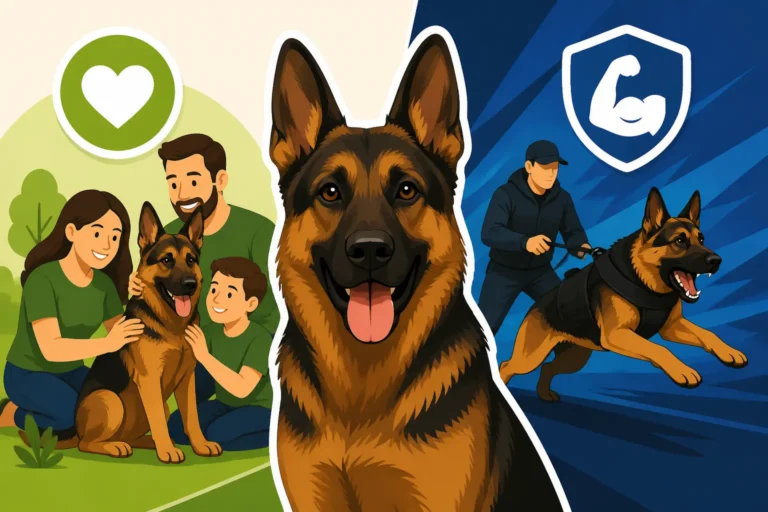
One of the most common questions I hear from prospective German Shepherd owners, and even those who've loved the breed for years, is about their protectiveness. It's not just a stereotype you see in movies; these magnificent dogs truly have a deep-seated instinct to guard their families and homes. This guide will delve into why German Shepherds are so protective, what that looks like in everyday situations, and how to foster this trait responsibly to ensure a well-adjusted, loyal companion.
The Instinctual Roots of German Shepherd Protectiveness
It’s no accident that German Shepherds excel as police, military, and service dogs. Their protective nature isn't just a learned behavior; it's woven into the very fabric of their breed history and temperament. Understanding these roots helps us appreciate and manage this powerful trait in our companions.
A History of Guardianship
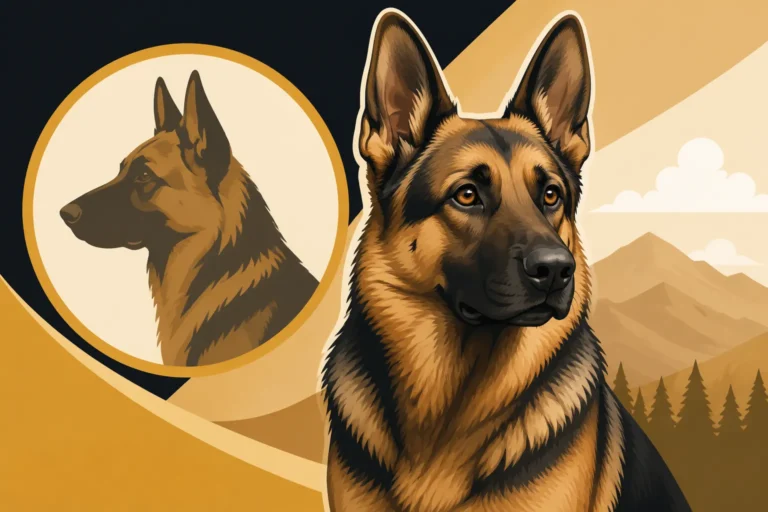
Originally, German Shepherds were bred for herding and protecting flocks of sheep from predators like wolves. This wasn't just about rounding up sheep; it was about standing guard, being vigilant, and reacting decisively to threats. This inherent drive to protect livestock quickly translated into protecting people and property as their roles evolved. When Captain Max von Stephanitz began formally developing the breed in Germany, he sought to create the ultimate working dog – intelligent, courageous, and loyal, with a strong protective instinct.
Think about it: a dog that could reliably deter a predator from a flock of hundreds of sheep would certainly be formidable in protecting a family or a home. This history means that modern German Shepherds carry generations of selective breeding for traits like vigilance, courage, and a strong territorial drive. They are hardwired to observe their environment, identify perceived threats, and act as a deterrent. This isn't aggression for aggression's sake; it's a deep sense of responsibility to their pack, which is you and your family. For more on their origins, check out German Shepherd History and Origin.
Natural Temperament and Loyalty
Beyond their historical role, the German Shepherd's natural temperament plays a huge role in their protectiveness. They are known for their unwavering loyalty and strong bond with their primary caregivers. Once a German Shepherd bonds with you, they consider you part of their inner circle, their family. This bond is incredibly deep and forms the foundation of their protective instincts. They perceive your well-being as intrinsically linked to their own and will act to defend you from anything they deem a threat.
This loyalty isn't just a warm fuzzy feeling; it comes with a heightened sense of awareness. They are often observant and watchful, taking in every detail of their surroundings. This keen observation is a precursor to their protective actions. They're constantly assessing situations, looking for anything out of place or potentially dangerous. It's why they often make such excellent guard dogs – they don't miss much, and they take their role seriously. This deep connection and inherent watchfulness are hallmarks of the German Shepherd Temperament and Personality.
How Protectiveness Manifests in Daily Life
For a German Shepherd owner, understanding how this protective nature shows up day-to-day is crucial. It’s not always dramatic heroics; often, it’s subtle cues and behaviors that indicate their watchful eye. Learning to read these signals can help you guide their instincts positively.
Signs of a Protective German Shepherd
A protective German Shepherd exhibits a range of behaviors, from subtle to overt. Often, it starts with vigilance. They might sit in a position where they can see the entire room or yard, constantly scanning. When someone new approaches your home, you might notice them become more alert, their ears perking up, a low growl rumbling in their chest, or even a deep, authoritative bark. This isn't necessarily aggression, but rather an announcement: "I see you, and I'm on duty."
Another common sign is "blocking" or "herding" behavior. If a stranger gets too close to you or your children, a protective German Shepherd might subtly position themselves between you and the person. They might lean against you, put their head on your lap, or even nudge you away from perceived danger. This is their way of creating a physical barrier and asserting their presence. Sometimes, it's as simple as them sitting by the front door whenever a delivery person is outside, or carefully watching your kids play in the yard, ready to intervene if a situation escalates. Their attentiveness is a clear sign of their inherent guardianship.
Balancing Protection with Socialization
While protectiveness is a wonderful trait, it's absolutely vital to balance it with proper How to Socialize a German Shepherd. An undersocialized German Shepherd can easily become fearful or aggressive, interpreting normal situations as threats. From a young age, your puppy needs exposure to a wide variety of people, sights, sounds, and other friendly dogs in controlled, positive environments. This teaches them what is truly a threat and what is just a normal part of life.
A well-socialized German Shepherd learns to distinguish between a genuine danger and, say, the mail carrier or a friendly neighbor approaching. They still retain their protective instincts but apply them judiciously, rather than reacting fearfully or aggressively to every new stimulus. Without adequate socialization, their natural protective drive can turn into anxiety-driven reactivity, which is stressful for both the dog and the owner. This is where early, consistent, and positive socialization becomes the cornerstone of raising a confident, stable protector.
Nurturing Healthy Protective Behaviors
Your German Shepherd's protective nature can be a huge asset, providing security and peace of mind. But like any powerful tool, it needs careful calibration. We want them to be guardians, not bullies. This means intentional training and clear communication about what we expect from them.
Training for Appropriate Protection
The key to a well-adjusted protective German Shepherd lies in consistent training. This isn't about teaching them to be aggressive; it's about teaching them when and how to be protective, and equally important, when not to. Basic obedience is paramount. Commands like "sit," "stay," "come," and "leave it" give you control in potentially escalating situations. A solid "place" command, for instance, can instruct your dog to settle calmly when guests arrive, rather than being overly vigilant. German Shepherd Obedience Training Basics are your foundation.
Further, you want to build their confidence without encouraging unwarranted suspicion. Positive reinforcement is your best friend here. Reward calm, attentive behavior, and gently correct overreactions. Some owners consider specific protection training, but this should only be done with highly experienced, reputable professional trainers who focus on control and appropriate responses, not just aggression. The goal is a dog that will stand by you, assess a situation, and respond only if you cue them or if there is a clear, undeniable threat. Brands like Chewy offer a wide range of training treats and tools that can be invaluable in this process, helping to make every training session a positive experience.
Understanding and Managing Over-Protectiveness
Sometimes, a German Shepherd's protectiveness can tip into over-protectiveness. This often stems from insecurity or a lack of clear leadership from the owner. If your dog believes they are solely responsible for protecting the pack, they might become stressed, anxious, and prone to overreacting. This can manifest as excessive barking at strangers, lunging on leash at perceived threats, or even resource guarding. It's crucial to address these behaviors early.
The first step is to establish yourself as the calm, confident leader. This doesn't mean being harsh, but rather consistently setting boundaries, providing structure, and demonstrating that you are in control. Regular training, structured walks, and consistent rules help your dog understand their place in the family hierarchy and trust that you have things handled. If your German Shepherd is showing signs of anxiety-driven protection, such as German Shepherd Separation Anxiety Solutions or How to Stop German Shepherd Reactivity, seeking guidance from a professional trainer or behaviorist is highly recommended. They can help you understand the root cause of the behavior and develop a tailored plan.
When Protectiveness Becomes a Problem (and How to Address It)
While a protective German Shepherd is generally a desired trait, there are times when it can become problematic. It’s important to recognize the difference between healthy guardianship and concerning behaviors that need professional intervention.
Identifying Red Flags
True protectiveness is often a calm, self-assured stance. Problematic protectiveness, on the other hand, can be characterized by fear, anxiety, or uncontrolled aggression. Red flags include:
- Unprovoked aggression: Snapping, lunging, or biting without a clear, immediate threat.
- Excessive and uncontrollable barking: Barking at everything and everyone, beyond a quick alert.
- Resource guarding: Aggression when protecting food, toys, or even family members from others, even within the household. This is a big one and needs immediate attention.
- Fear-based reactions: Cowering, hackles raised, growling, and then lashing out because they are scared.
- Inability to calm down: Once aroused, they cannot easily settle, even after the perceived threat is gone.
If you observe these behaviors, it’s a sign that your dog isn't just being a guardian; they might be struggling with fear, insecurity, or a lack of proper guidance. Issues like How to Stop German Shepherd Aggression are serious and require prompt action.
Professional Guidance and Support
If you're noticing your German Shepherd displaying any of the red flags mentioned above, don't try to tackle it alone. These are complex behavioral issues that often stem from a combination of genetics, environment, and training (or lack thereof). Seeking help from a certified professional dog trainer or a veterinary behaviorist is the most responsible and effective course of action. They can assess your dog's specific situation, identify triggers, and develop a safe, ethical, and effective behavior modification plan.
Sometimes, it might involve structured training exercises, desensitization, counter-conditioning, or even medication in severe cases of anxiety. Remember, a dog that is constantly stressed by its perceived need to protect is not a happy dog. Their protectiveness should be a source of confidence, not anxiety. Investing in professional help not only addresses the problematic behavior but also improves your dog's overall well-being and strengthens your bond. Many online pet supply retailers, like Chewy, also offer resources or recommendations for finding local trainers or behaviorists, alongside all the necessary supplies for any training program.
Ultimately, German Shepherds are indeed protective of their owners, and this is one of their most admirable traits. With early socialization, consistent training, and understanding of their instincts, you can foster a healthy, balanced protective nature that makes them incredible, loyal companions and watchful guardians.
| Behavior Trait | Healthy Protectiveness | Problematic Over-Protectiveness |
|---|---|---|
| Vigilance | Observes surroundings, alerts with a focused gaze. | Constantly scanning, anxious, reacts to benign stimuli. |
| Alert Barking | Short, deep barks to announce an arrival/threat. | Excessive, uncontrolled barking, difficult to interrupt. |
| Body Language | Confident, attentive, stands between owner and threat. | Tense, rigid, hackles raised, fearful or aggressive posture. |
| Stranger Interaction | Reserved, watchful, accepts appropriate interaction. | Suspicious, fearful, growls/snaps at approach, may lunge. |
| Responsiveness | Responds to owner's "all clear" command, calms down. | Ignores owner's commands, remains agitated, hyper-vigilant. |
| Socialization | Accepts new people/dogs after initial assessment. | Reactive to new people/dogs, difficult to introduce safely. |
Disclaimer
This article is for general informational purposes only and does not constitute professional advice. Laws, prices and regulations vary by location and change over time. Consult a qualified professional for guidance on your specific situation.