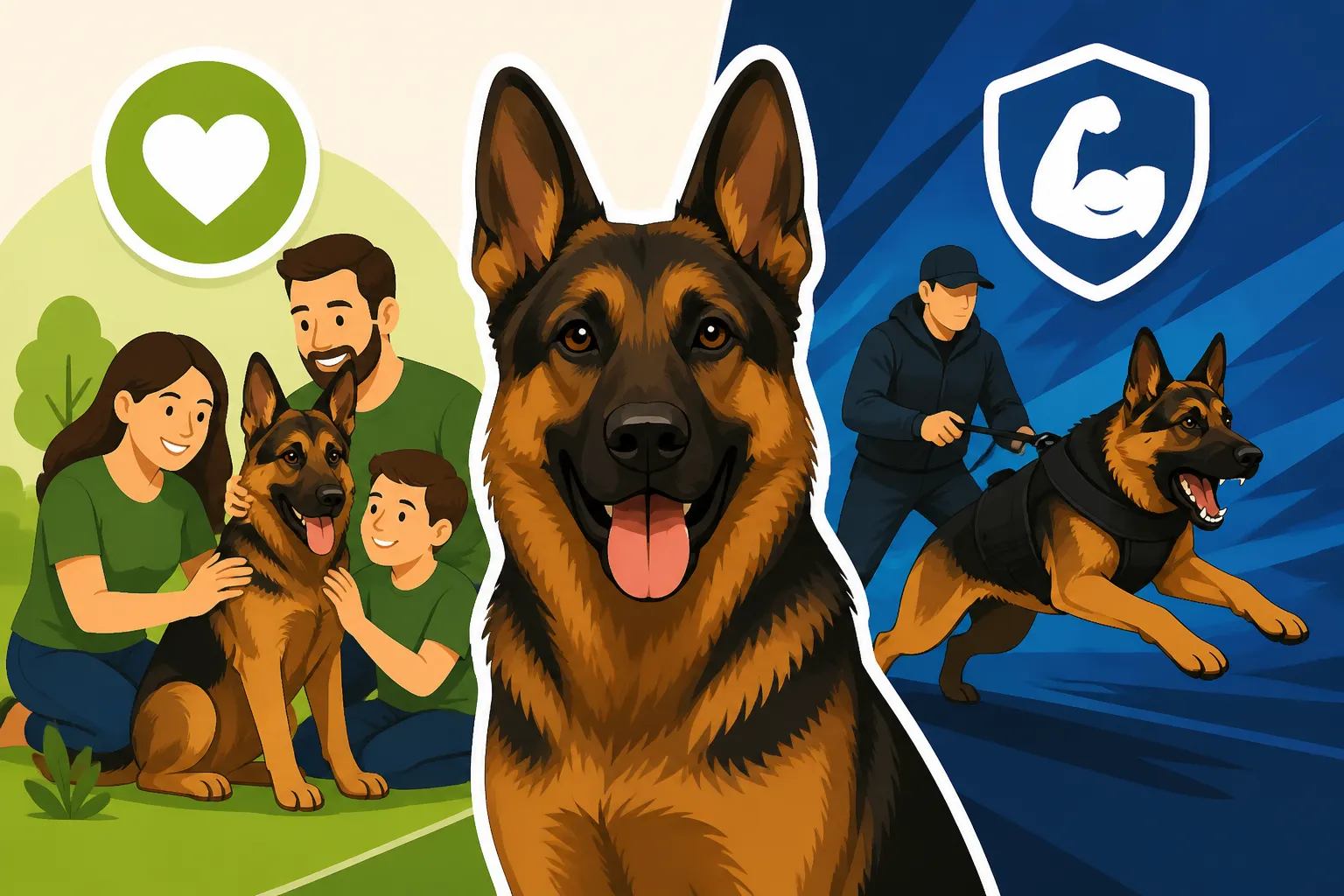
Is a Czech Working Line German Shepherd a Good Pet
Bringing a new dog into your home is a huge decision, especially when you're considering a powerful and intelligent breed like the German Shepherd. But when you start looking into specific lines, like the Czech Working Line German Shepherd, it can feel like you've stepped into a whole new world of questions. Many aspiring owners wonder if these dogs, bred for intense working roles, can truly thrive as beloved family pets. This guide will help you understand the unique characteristics of the Czech Working Line and determine if your lifestyle aligns with what these magnificent dogs need to be happy, well-adjusted companions.
Understanding the Czech Working Line German Shepherd
Before diving into whether a Czech Working Line German Shepherd makes a good pet, it's crucial to understand what distinguishes this particular line. It's not just a fancy name; it signifies a specific heritage and breeding philosophy that has a direct impact on the dog's temperament, physical traits, and overall needs. These aren't your typical backyard companions; they are the result of decades of selective breeding for a very specific purpose.
What Defines the Czech Line?
The Czech Working Line German Shepherd, often abbreviated as the Czech GSD, traces its roots back to Czechoslovakia's border patrol program during the Cold War. After the fall of the Iron Curtain, these dogs became more widely available, but their core purpose remained firmly intact: to be exceptional working dogs. Breeders focused relentlessly on traits vital for police, military, and protection work, such as extreme intelligence, unwavering courage, high prey drive, powerful scenting ability, and incredible physical endurance. This wasn't about aesthetics; it was about performance, plain and simple.
Physically, you'll often see Czech lines with a more utilitarian build compared to some show lines. They tend to be strong, athletic, and hardy, designed for rugged conditions and demanding tasks. Their temperament is characterized by a "harder" edge, meaning they can be less forgiving of handler errors and require a firm, consistent, and experienced hand. They possess an intense focus and an almost insatiable desire to work, to have a job. If you've ever seen a Czech line dog working, you'll notice their sheer intensity and dedication to the task at hand. It's truly impressive, but it also paints a clear picture of their needs in a home environment.
Key Differences from Other German Shepherd Lines
It’s easy to lump all German Shepherds into one category, but nothing could be further from the truth, especially when comparing a Czech Working Line to, say, a German Show Line or an American Line German Shepherd. The differences are profound and speak directly to their suitability as a pet.
- Drive and Intensity: This is the most significant difference. Czech Working Lines are bred for high drive. This means they have an innate, powerful urge to engage, chase, retrieve, and problem-solve. A show line GSD might enjoy a good walk and a game of fetch, but a Czech Working Line needs vigorous exercise and mental challenges to be truly content. Their intensity means they tackle tasks with an unmatched vigor, but if that energy isn't channeled correctly, it can lead to destructive behaviors.
- Physical Conformation: While all German Shepherds are athletic, Czech lines often exhibit a more "straight-backed" conformation, designed for endurance and agility in demanding physical tasks, rather than the heavily sloped backs seen in some modern show lines. Their overall structure is about function over flashy appearance, emphasizing robust joints and powerful musculature.
- Temperament "Hardness": As mentioned, these dogs can be "harder" in temperament. This doesn't mean aggressive, but rather less sensitive to correction and potentially more challenging for an inexperienced owner to manage. They require clear boundaries, consistent training, and a confident leader. They're not dogs that will tolerate being ignored or given inconsistent cues. Understanding these distinctions is crucial when deciding if a working line dog is the right fit for your family. For a broader view of the breed, consider reading German Shepherd Breed Guide.
Temperament and Drive: Is it a Good Fit for a Pet Home?
The heart of the matter when considering a Czech Working Line German Shepherd as a pet lies in its inherent temperament and powerful drives. These traits, while incredibly valuable in a working capacity, can be overwhelming and misunderstood in a typical pet home. It's like having a Formula 1 race car and only using it for grocery runs – it can do it, but it's built for so much more, and if it doesn't get to perform, problems will arise.
High Drive and Energy Levels
Let's be blunt: a Czech Working Line GSD has energy for days. We're talking about a dog that can run, jump, think, and train for hours without batting an eye. This isn't the kind of dog content with a leisurely stroll around the block once a day. They possess a remarkable combination of physical stamina and mental intensity. If this energy isn't adequately expended, both physically and mentally, it will find an outlet. And trust me, you won't like those outlets.
Imagine coming home to shredded couch cushions, gnawed table legs, or an excavated backyard. These aren't signs of a "bad" dog, but rather a bored, frustrated, and under-stimulated working dog trying to fulfill its genetic programming. Think of their drive as a powerful engine: if you don't give it fuel and a road to drive on, it'll just idle loudly and eventually break down. This means daily, rigorous exercise—not just a run in the yard, but structured activities like long jogs, hiking, agility training, or even dog sports like IGP (formerly Schutzhund). Alongside physical activity, mental stimulation is paramount. Puzzle toys, scent work, and complex obedience routines are not optional; they are essential for a happy, well-balanced Czech GSD. For more on keeping your dog engaged, check out Best Mental Stimulation for German Shepherds.
Trainability and Intelligence
One of the most appealing aspects of German Shepherds, and especially the working lines, is their incredible intelligence and eagerness to learn. Czech GSDs are highly trainable; they pick up commands quickly, have excellent problem-solving skills, and possess a strong desire to please their handler. This means they excel in obedience, advanced tasks, and specialized training. They thrive on having a job, and learning new things is a job for them.
However, this high intelligence comes with a caveat: they are also incredibly adept at learning bad habits if not guided properly. They need consistency, clarity, and firm, fair leadership. If you're not consistent with your commands, they'll exploit the loopholes. If you don't establish yourself as the leader, they'll quickly assume the role. This isn't a breed for the timid or for someone who wants a dog that will simply "figure things out" on its own. They need an active participant in their training journey, someone who is willing to invest significant time and effort. While positive reinforcement is key, they also respond well to clear boundaries and structured environments. Many owners find enormous success with professional trainers who understand working breeds. If you're looking for guidance, our How to Train a German Shepherd article can provide a solid starting point.
Socialization Needs and Family Dynamics
Early and ongoing socialization is absolutely critical for a Czech Working Line German Shepherd. Due to their protective instincts and sometimes reserved nature with strangers, exposing them to a wide variety of people, places, sounds, and other dogs from a young age is non-negotiable. Without proper socialization, their natural wariness can escalate into fear or reactivity, which can be challenging to manage in such a powerful dog.
When it comes to family dynamics, a well-socialized and properly trained Czech Working Line GSD can be a loyal, devoted, and loving family member. They form incredibly strong bonds with their human companions and often view their family as their "pack" to protect. However, their protective instincts mean they need to be taught who to protect and when. This isn't a dog that you can leave unsupervised with strangers or children without proper guidance and training. With children, supervision is key, and teaching both the dog and the children how to interact respectfully is paramount. They can certainly thrive in a family setting, but it requires diligent effort from the owners. For tips on how to properly introduce your dog to the world, read How to Socialize a German Shepherd.
The Demands of Owning a Czech Working Line German Shepherd
Deciding if a Czech Working Line German Shepherd is the right pet for you really boils down to understanding and committing to their unique demands. This isn't just about feeding and walking; it's a lifestyle choice. These dogs aren't accessories; they are partners that require significant investment of time, energy, and resources.
Exercise and Mental Stimulation Requirements
Let's not sugarcoat it: a Czech Working Line GSD needs a lot of exercise and mental stimulation. This isn't just a recommendation; it's a fundamental requirement for their well-being. A quick 30-minute walk once or twice a day simply won't cut it. These dogs were bred to work all day, often in challenging conditions.
Your daily routine with a Czech GSD should ideally include:
- Vigorous Physical Exercise: At least 1-2 hours of intense physical activity daily. This could mean long, fast-paced runs, hiking, swimming, or active games of fetch and tug. Many working line owners engage in structured dog sports like agility, flyball, or canicross to fulfill this need.
- Structured Mental Work: Another 30-60 minutes of mental exercise. This might involve obedience training, advanced trick training, scent work (hide-and-seek with treats or toys), or using advanced puzzle toys. Even simple tasks like practicing recall in a distracting environment can be mentally exhausting for them.
- Purposeful Activities: Consider enrolling in dog sports like IGP (Schutzhund), which caters to their natural drives in tracking, obedience, and protection. This provides an incredible outlet for their intelligence and physical prowess.
Without this level of engagement, you're not just risking a bored dog; you're inviting behavioral issues. A Czech GSD that isn't sufficiently challenged will become frustrated, anxious, and destructive. They might bark excessively, chew through household items, or develop obsessive behaviors. They need to feel like they have a job to do. Investing in durable chew toys and interactive feeders from retailers like Chewy can help, but they are supplements, not substitutes, for true engagement. You can find more comprehensive details on this topic in German Shepherd Exercise Requirements.
Training Commitment
Owning a Czech Working Line German Shepherd means signing up for a lifelong commitment to training. This isn't a dog you train for a few months and then consider "done." Their intelligence and drive mean they thrive on continuous learning and reinforcement.
- Beyond Basic Obedience: While fundamental commands like sit, stay, come, and heel are essential, a Czech GSD often needs more. They excel in advanced obedience, off-leash reliability, and specialized tasks. Many owners find structured classes, like those offered at local dog training clubs or through online courses, incredibly beneficial.
- Consistency is King: These dogs are highly intelligent and will quickly learn what they can get away with if your rules are inconsistent. Everyone in the household needs to be on the same page regarding commands, boundaries, and expectations. A dog that is told "no jumping" by one person but allowed to jump on another will become confused and push boundaries.
- Professional Guidance: For many first-time working line owners, or even experienced owners facing new challenges, seeking professional guidance from trainers experienced with high-drive breeds is invaluable. They can help you understand your dog's specific drives and develop tailored training plans. Remember, investing in good training is an investment in a happy, harmonious life with your dog.
Potential Challenges and How to Address Them
Despite their many wonderful qualities, owning a Czech Working Line German Shepherd can present specific challenges if their needs aren't met. Being prepared for these and knowing how to address them is key to a successful partnership.
- Separation Anxiety: Due to their strong bonding nature and high intelligence, some Czech GSDs can develop separation anxiety if left alone for long periods without sufficient mental and physical preparation. They thrive on companionship and purpose. Gradual desensitization, providing stimulating activities when alone (like KONG toys filled with frozen treats or chew toys from Chewy), and ensuring they are genuinely tired before you leave can help. For deeper insights into this issue, consult German Shepherd Separation Anxiety Solutions.
- Destructive Behavior: As mentioned, a bored or under-exercised Czech GSD will find its own "job," which often involves destroying things. Addressing this means increasing appropriate outlets for their energy and drives, and ensuring they have access to appropriate chew items. Crate training can also be an invaluable tool to keep them (and your home) safe when you can't directly supervise.
- Reactivity: Their protective instincts, combined with a lack of proper socialization or confidence issues, can lead to reactivity towards other dogs or strangers. This manifests as barking, lunging, or growling. Early and positive exposure, controlled introductions, and often, professional training are necessary to manage and mitigate reactivity. Never punish fear-based reactivity, as this can make it worse.
- Excessive Barking: A working line GSD might bark to alert, but also out of boredom, frustration, or anxiety. Understanding the root cause is the first step. Providing sufficient exercise, mental stimulation, and training can often reduce unwanted barking.
- Prey Drive: These dogs have a strong prey drive, meaning they are inherently inclined to chase small, fast-moving objects (squirrels, cats, bicycles). While this is excellent for sports like tracking or protection work, it means they often cannot be trusted off-leash in unsecured areas and require careful management around smaller pets or wildlife. Consistent recall training and a solid leash are essential.
Addressing these challenges requires patience, consistency, and sometimes, the help of a professional. But with the right approach, a Czech Working Line German Shepherd can truly be a phenomenal companion.
Who is the Ideal Owner for a Czech Working Line GSD?
So, after all this, who truly thrives with a Czech Working Line German Shepherd? These aren't dogs for everyone, and that's okay. Understanding the ideal owner profile is perhaps the most important step in deciding if this breed is a good pet for you.
Experience and Lifestyle
The ideal owner for a Czech Working Line German Shepherd is typically someone with prior experience with high-drive, intelligent breeds. This isn't to say a dedicated first-time owner can't succeed, but they must be willing to learn and commit fully.
- Active Lifestyle: You must genuinely enjoy being active and spending significant time outdoors, regardless of the weather. These dogs are not fair-weather companions; they need their exercise daily. If your idea of exercise is a walk to the mailbox, this isn't the dog for you.
- Leadership and Consistency: You need to be a confident, consistent leader who can provide clear boundaries and expectations. These dogs thrive on structure and knowing their place in the "pack." Wishy-washy leadership will lead to confusion and behavioral issues.
- Time Commitment: Working line GSDs demand a considerable time investment. This includes daily exercise, training sessions, grooming, and simply spending quality time engaging with them. If you work long hours away from home and expect your dog to entertain itself, a Czech GSD will quickly become unhappy and potentially destructive. Consider the true lifetime cost of a German Shepherd, which includes your time and energy.
- Enjoys Training and Learning: The ideal owner views training not as a chore, but as an ongoing journey and a bonding experience. You should enjoy teaching your dog new things and perhaps even exploring dog sports together.
Living Environment
While German Shepherds can adapt to various living situations, a Czech Working Line GSD has specific needs that make certain environments more suitable.
- Space: While they can live in apartments if their exercise needs are fully met, a home with a securely fenced yard is often more appropriate. This provides a safe space for them to run, play, and engage in supervised activities. However, a yard is not a substitute for active engagement with their human.
- Access to Training Opportunities: Proximity to dog parks, hiking trails, and reputable dog training facilities or clubs is a huge plus. Being able to easily access resources that cater to their high drive will make your life, and theirs, much easier. Living in a busy urban center might be more challenging due to the constant overstimulation if not managed carefully.
- Safety and Security: Given their protective nature and strength, ensuring your living environment is secure (e.g., strong fences, secure gates) is important not just for your dog's safety but for the safety of others.
Making the Decision
So, is a Czech Working Line German Shepherd a good pet? The answer is a resounding yes, but with significant caveats. They are fantastic pets for the right owner. They are incredibly loyal, intelligent, and capable of forming deep, meaningful bonds. They are not merely pets; they are partners.
Here's a quick summary to help you decide:
| Trait | Czech Working Line GSD as a Pet |
|---|---|
| Energy Level | Extremely High. Requires 1-2+ hours vigorous physical activity + daily mental work. |
| Trainability | Very High. Intelligent and eager to learn, but requires consistent, confident leadership. |
| Socialization | Critical and ongoing. Essential to prevent fear/reactivity. |
| Protective Instincts | Strong. Needs guidance on who and when to protect. |
| Family Suitability | Can be devoted, loving family members with proper training, socialization, and supervision. |
| Ideal Owner | Active, experienced with high-drive breeds, consistent leader, willing to commit time & effort. |
| Potential Challenges | Boredom, destructive behavior, separation anxiety, reactivity if needs aren't met. |
Ask yourself these questions:
- Am I genuinely prepared to dedicate 1-2+ hours daily to exercise and another 30-60 minutes to mental stimulation?
- Do I have the experience, or am I willing to seek professional guidance, to handle a powerful, intelligent dog with strong drives?
- Is my lifestyle consistently active, and do I enjoy activities my dog can participate in?
- Can I provide a stable, consistent environment with clear rules and boundaries?
- Am I ready for a long-term commitment, potentially for over a decade, to this dog's physical and mental well-being?
If you answered "yes" enthusiastically to most of these questions, then a Czech Working Line German Shepherd could be an incredible, fulfilling addition to your life. If not, it might be wise to explore other German Shepherd lines or breeds that better fit your lifestyle. For more information on what makes a healthy companion, read Signs of a Healthy German Shepherd. Ultimately, choosing any German Shepherd is about finding a loyal, intelligent companion, and a Czech Working Line can be exactly that, provided you understand and embrace their unique needs.
Disclaimer
This article is for general informational purposes only and does not constitute professional advice. Laws, prices and regulations vary by location and change over time. Consult a qualified professional for guidance on your specific situation.