Do Male German Shepherds Get Bigger Than Females
It's a question many prospective German Shepherd owners ponder: will my male puppy really grow to be significantly larger than a female, or is it just a common assumption? The truth is, there are distinct differences in size and build between male and female German Shepherds, and understanding these can really help you prepare for the newest member of your family, ensuring you have the right space, equipment, and expectations. This guide will walk you through the typical size distinctions, growth patterns, and practical implications of owning a male or female German Shepherd.
Understanding German Shepherd Size Standards
When you're bringing a German Shepherd into your home, whether as a tiny, fluffy puppy or an adult rescue, one of the first things you start to notice (and probably worry about!) is their size. You want to make sure you're prepared for a dog that will fill out your living space and your heart. The breed standard offers a really good benchmark for what to expect, but remember, every dog is an individual.
Breed Standard for Males
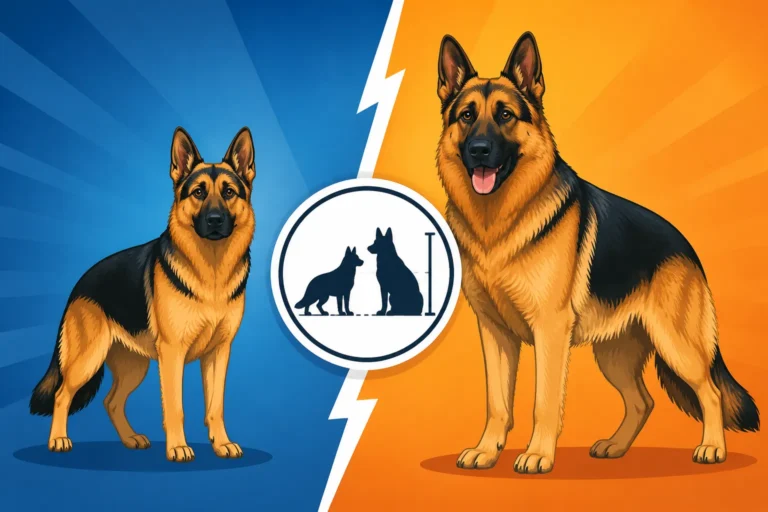
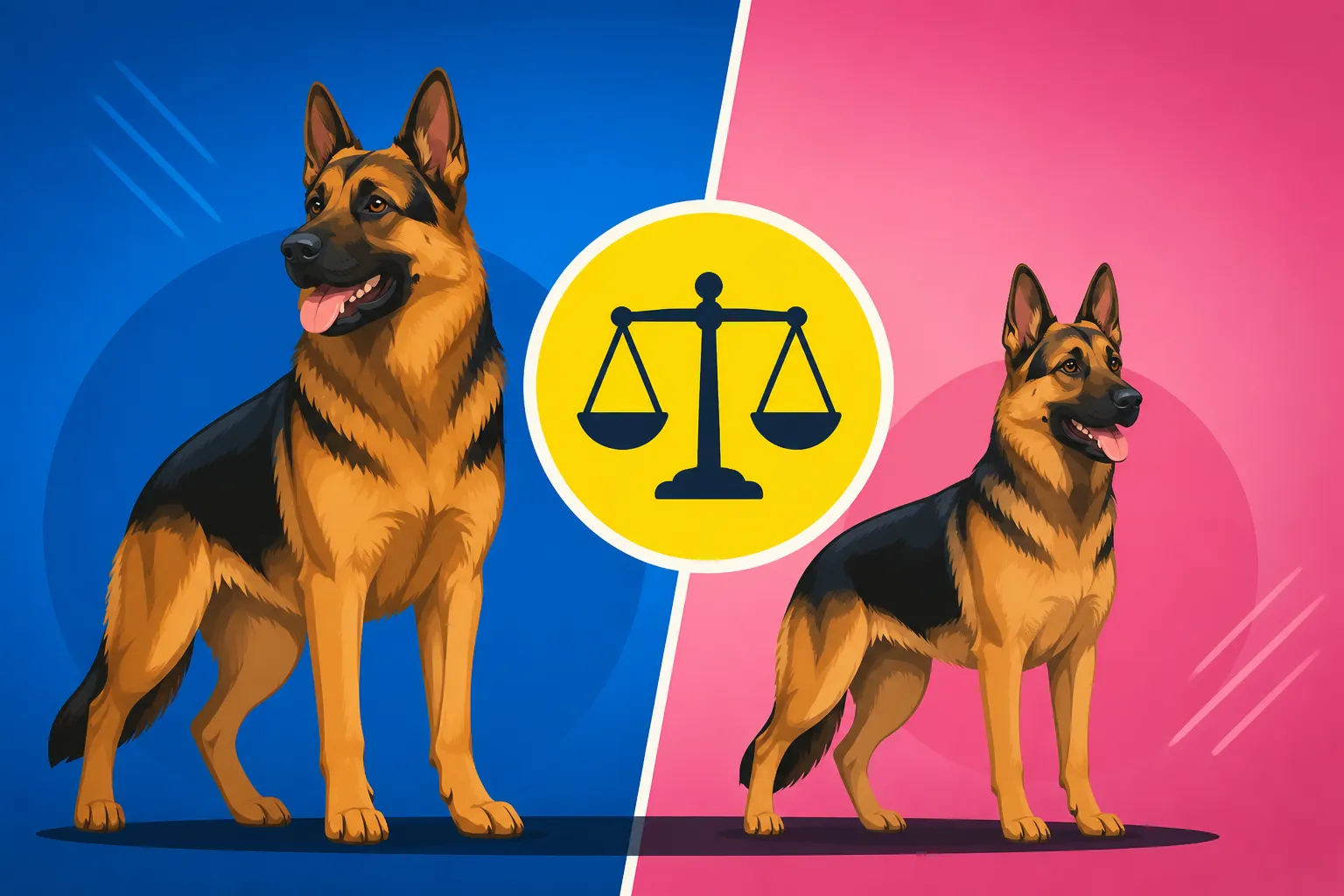
According to breed standards, adult male German Shepherds typically present as powerful, well-muscled, and imposing figures. They exude a sense of strength and often have a broader, more masculine head. When we talk about height, which is measured at the highest point of the shoulder blade (the withers), males generally stand taller. Their ideal height range is usually between 24 to 26 inches. In terms of weight, a healthy adult male German Shepherd can weigh anywhere from 65 to 90 pounds. This isn't just about fat; it's about dense muscle and a sturdy bone structure that supports their active lifestyle. A male German Shepherd can truly feel like a substantial dog, and for many owners, that commanding presence is part of their appeal.
Breed Standard for Females
Female German Shepherds, while still robust and athletic, are typically more refined in their build compared to their male counterparts. They tend to have a more feminine appearance, often with a slightly narrower head and a less bulky physique. The breed standard for females usually places their height at the withers between 22 to 24 inches. As for weight, a healthy adult female German Shepherd generally ranges from 50 to 70 pounds. They are still powerful dogs, capable of incredible feats of agility and strength, but they carry a slightly lighter frame. This can sometimes make them appear more graceful in their movements, though they are every bit as energetic and intelligent.
Factors Influencing Size Beyond Sex
While sex is a primary determinant of a German Shepherd's potential size, it's certainly not the only one. There's a whole host of other elements that play a role in how big your furry friend will ultimately get. For instance, genetics from both parents are huge. If both sire and dam are on the larger end of the breed standard, their offspring are more likely to follow suit. Conversely, if both parents are smaller, their puppies will probably be smaller too. German Shepherd Genetic Health Testing can sometimes give you a clearer picture of their lineage and potential for certain traits.
Nutrition during puppyhood and adolescence is another critical factor. A German Shepherd puppy needs a high-quality diet specifically formulated for large breeds to support healthy, steady growth. Overfeeding or underfeeding during critical growth phases can have lasting impacts on their adult size and overall health. Exercise levels also play a role; proper, age-appropriate exercise helps develop strong muscles and bones, contributing to a well-proportioned adult. Too much strenuous exercise too early, however, can damage developing joints. Lastly, general health and any underlying medical conditions can affect a dog's growth trajectory. For example, parasites or chronic illnesses could stunt growth.
Physical Differences: A Closer Look at Males vs. Females
Beyond the numbers on a scale or measuring tape, there are tangible physical characteristics that often distinguish male and female German Shepherds. These differences can sometimes be subtle, but for experienced owners or those paying close attention, they're quite noticeable and contribute to the overall impression of the dog.
Height and Weight Discrepancies
The most obvious difference, as discussed, is the height and weight. Male German Shepherds almost invariably stand taller and weigh more. Imagine standing next to an average male GSD like "Jax," a working line German Shepherd. He might be eye-level with your hip, with a broad chest and a substantial head. Now picture "Luna," an average female show line GSD. She might come up to your waist, still strong and powerful, but with a visibly leaner physique. This difference isn't just cosmetic; it impacts everything from the size of the crate you'll need to the amount of food they consume.
When you're trying to figure out When Do German Shepherds Stop Growing, you'll notice that both sexes reach their full height around 12-18 months, but males often continue to fill out and gain muscle mass until they're two or even three years old. This means a male might not look as "finished" as a female at the same age.
Musculature and Build
Male German Shepherds tend to be more heavily muscled, giving them a more rugged, robust appearance. Their chests are typically deeper and broader, and their necks are often thicker. This dense musculature contributes to their impressive strength and stamina, which is often why they are favored for working roles such as protection, search and rescue, or police work. You'll notice a male German Shepherd's powerful gait, especially when they're really moving with purpose.
Female German Shepherds, while possessing excellent muscle tone and agility, tend to have a more athletic, leaner build. They are still incredibly strong and agile, often excelling in sports like agility and obedience due to their slightly lighter frame and sometimes quicker reflexes. Their bodies are built for endurance and swift movement, without the same bulk that defines many males. This isn't to say a female isn't powerful; it's just a different kind of power, often favoring speed and grace.
Coat and Proportions
While both sexes share the iconic double coat, which can be short or long, the overall proportions of their bodies tend to differ. Males might appear more "square" or balanced in their length-to-height ratio, with a strong, level back. Females often appear slightly longer in body relative to their height, giving them a more rectangular silhouette. Their heads, while both having strong muzzles and intelligent eyes, reflect their sex; males often have broader skulls and more pronounced stops, giving them a more imposing facial structure, whereas females have a more refined, elegant head. These subtle proportional differences, combined with their differing musculature, contribute to the distinct look of a male versus a female German Shepherd.
Growth and Development Timeline
Watching a German Shepherd puppy grow is truly a wonder, but it also comes with its fair share of questions and concerns. You might be wondering when those tiny paws will finally stop growing, or if your little furball will ever truly fill out into the majestic adult you envision. The journey from a small pup to a full-grown German Shepherd is a long one, with distinct stages for both males and females.
Puppyhood Growth Spurts
Both male and female German Shepherd puppies experience rapid growth spurts, particularly in their first few months. It feels like you buy a bag of puppy food, and before you know it, they've doubled in size and eaten the whole thing! During these early stages, the growth rate is incredible, and consistent, high-quality nutrition is paramount. You'll often notice that male puppies tend to be slightly larger than their female littermates even from birth, and this difference often becomes more apparent as they reach three to six months of age.
During this time, their bones are growing at an astonishing rate, which is why appropriate exercise and avoiding over-exertion are so crucial. Excessive jumping or long, intense runs can put undue stress on developing joints. This phase sets the foundation for their adult size, so ensuring they get the right balance of nutrients, rest, and activity is key. You might find yourself constantly adjusting food portions and monitoring their weight; sites like Chewy offer a great selection of large-breed puppy foods that support healthy development.
Reaching Full Maturity
While the most dramatic growth in terms of height usually slows down around 12-18 months for both sexes, the journey to full maturity isn't quite over, especially for males. Female German Shepherds often reach their adult height and weight somewhat earlier, typically filling out by 18-24 months. Males, on the other hand, can continue to add muscle mass and mature in terms of body composition until they are two to three years old. This means that even if your male German Shepherd seems to have reached his full height at 18 months, he might still broaden in the chest and deepen in musculature over the next year or so.
It's a marathon, not a sprint, when it comes to German Shepherd growth. Patience is a virtue, and resisting the urge to push them into intense physical activities too early is vital for their long-term joint health. Understanding this extended growth period is important for tailoring their diet and exercise regimen appropriately throughout their younger adult years.
Impact of Spay/Neuter on Growth
The timing of spaying or neutering can also have an impact on a German Shepherd's final size and skeletal development. There's a lot of discussion in the veterinary and breeder communities about the optimal time for these procedures, particularly for large breeds. Traditionally, many dogs were spayed or neutered around six months of age. However, some studies suggest that waiting until a German Shepherd is more skeletally mature – often around 18-24 months for females and perhaps even longer for males – might be beneficial for their long-term orthopedic health.
When a dog is spayed or neutered, it removes the sex hormones (estrogen and testosterone) that play a role in the closing of growth plates in their bones. If these hormones are removed too early, the growth plates may close later than they naturally would, potentially leading to longer limbs and a slightly taller stature than they would have otherwise achieved. This altered growth can sometimes put different stresses on their joints, potentially increasing the risk of conditions like German Shepherd Hip Dysplasia Explained or German Shepherd Elbow Dysplasia: Symptoms and Treatment. It's a complex topic, and discussing the pros and cons of early versus late spay/neuter with your veterinarian is highly recommended, especially considering your specific dog's genetics and lifestyle.
Practical Considerations for Owners
Knowing the potential size differences between male and female German Shepherds isn't just for curiosity; it has real, practical implications for daily life and long-term care. Preparing for these differences can make a world of difference in your dog's comfort and your ease of ownership.
Space and Living Arrangements
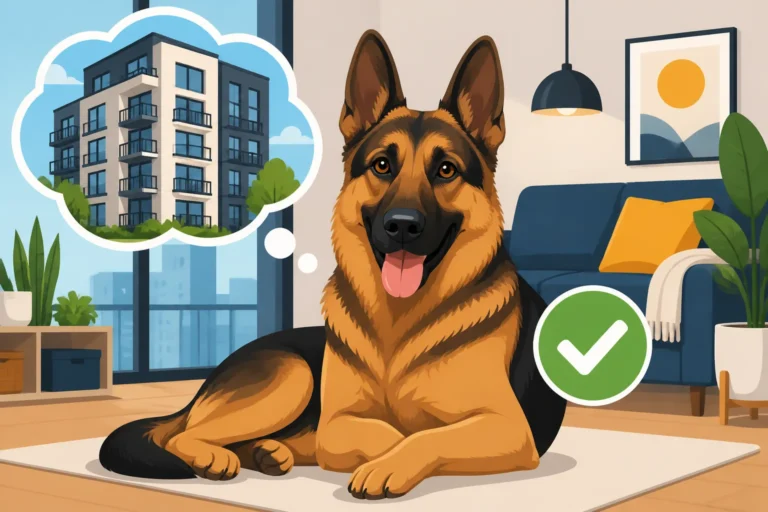
A larger dog naturally requires more space. If you're considering a male German Shepherd, particularly one from a strong working line, be prepared for a dog that will command a significant presence in your home. This means bigger dog beds, larger crates, and possibly needing more room to comfortably navigate around furniture. A male German Shepherd may struggle more in a very small apartment than a female, simply because his larger frame makes confined spaces feel even tighter. Think about their turning radius in hallways or how much space they take up when sprawled on the living room floor.
For example, a big male GSD like one you might find from a West German Working Line German Shepherd Explained will likely need an extra-large crate, whereas a female might do fine in a large. If you live in a smaller home, or if you have multiple pets, these size differences can really influence the overall harmony and comfort of your living situation. Even something as simple as the size of their feeding area or where they can comfortably nap without being tripped over becomes a consideration.
Equipment and Supplies
Everything for a German Shepherd tends to be "large," but for a male, it often means "extra-large" or "heavy-duty." Collars, harnesses, and leashes need to be robust enough to handle the strength and size of a larger dog. A flimsy leash that works for a smaller female might not hold up to the sudden pull of a powerful male. Dog beds for males often need to be orthopedic and especially durable, as they'll carry more weight.
Food and water bowls will need to be larger to accommodate their bigger appetites and thirst. And let's not forget toys! A large, powerful male German Shepherd will likely need tougher, more durable toys that can withstand heavy chewing, especially if you're trying to keep them entertained and prevent destructive behaviors. Investing in high-quality, appropriately sized gear from the start can save you money and headaches down the road. You can find durable toys and gear on platforms like Chewy, which makes it easier to get everything delivered right to your door.
Exercise and Training Needs
While both male and female German Shepherds are highly energetic and intelligent dogs requiring substantial exercise and mental stimulation, the sheer physical power of a larger male can sometimes amplify these needs. A big male might need slightly longer or more intense walks to feel adequately exercised, or he might possess more sheer strength when pulling on a leash, necessitating more focused German Shepherd Leash Training: Step-by-Step early on.
Training can also be influenced by size. While both sexes are highly trainable, the increased physical strength of a male means that consistent, firm, and positive reinforcement training is even more crucial. You need to be able to physically manage your dog, especially in public. If you're smaller in stature, handling a 90-pound male German Shepherd that hasn't learned good leash manners can be quite challenging. Conversely, a female German Shepherd, while still requiring consistent training, might be slightly easier to physically manage during the learning phases. Ultimately, the differences are more about degree than kind – both need extensive training and exercise, but the scale of those needs can shift with size.
Here's a quick overview of the typical differences:
| Feature | Male German Shepherd | Female German Shepherd |
|---|---|---|
| Height (Withers) | 24-26 inches | 22-24 inches |
| Weight | 65-90 pounds | 50-70 pounds |
| Build | More heavily muscled, broader chest, robust | More refined, athletic, leaner |
| Head | Broader skull, more pronounced stop | Slightly narrower, more elegant |
| Maturity (Muscle) | Continues to fill out until 2-3 years | Reaches full body composition by 18-24 months |
| Presence | Commanding, imposing | Graceful, agile |
| Food Needs | Generally higher caloric intake | Slightly lower caloric intake |
| Equipment Size | Typically Extra Large or heavy-duty | Typically Large |
| Physical Strength | Higher, requires consistent leash training | Excellent, but may be easier to physically manage |
Ultimately, whether you choose a male or a female German Shepherd, you're bringing home an incredible companion. Both sexes possess the intelligence, loyalty, and protective instincts that make this breed so beloved. Understanding their typical size differences simply helps you to be a more prepared and responsible owner, ensuring their needs are met from puppyhood right through to their senior years. This preparation, along with proper care, contributes significantly to How to Keep a German Shepherd Healthy throughout their life.
Disclaimer
This article is for general informational purposes only and does not constitute professional advice. Laws, prices and regulations vary by location and change over time. Consult a qualified professional for guidance on your specific situation.