German Shepherd History and Origin
The German Shepherd is one of the most recognizable and revered dog breeds in the world, yet many people only know them for their striking appearance or their roles in police work. What often gets lost in admiration is the incredible, deliberate journey that led to their creation and evolution. If you've ever wondered how this magnificent breed came to be, what drives their unique intelligence and loyalty, or why they look the way they do, you're in the right place. This comprehensive guide will take you deep into the captivating history and origin of the German Shepherd.
The Genesis of a Breed: Captain Max von Stephanitz's Vision
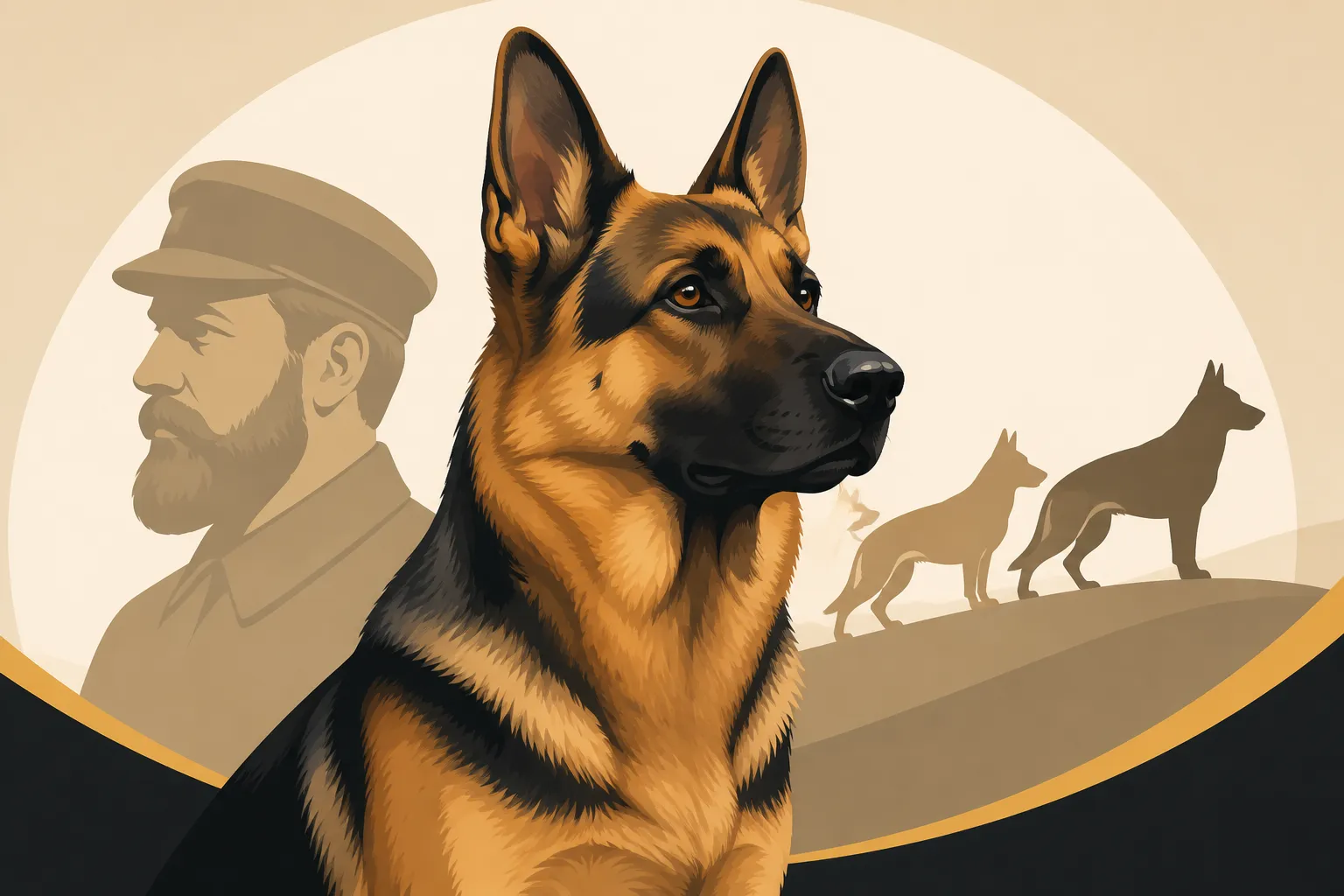
The story of the German Shepherd isn't one of accidental evolution or ancient, forgotten lineage. It's a tale rooted in the late 19th century, born from the meticulous vision of one man: Captain Max von Stephanitz. Before his intervention, there were various types of herding dogs scattered across Germany, differing greatly in appearance and ability. These dogs were adapted to their local regions, but there was no standardized "German Shepherd" as we know it today. Stephanitz saw the potential in these disparate working dogs and envisioned a unified breed that would embody the ultimate in canine utility, intelligence, and steadfast loyalty.
Early Life and Influences
Max von Stephanitz was a cavalry officer in the German army, a profession that undoubtedly instilled in him a profound appreciation for discipline, utility, and capability. His background also provided him with an understanding of genetics and selective breeding, as horses were (and still are) carefully bred for specific traits. Beyond his military career, Stephanitz was a passionate dog enthusiast, particularly fascinated by the native herding dogs of his homeland. He spent years observing these regional sheepdogs, noting their varying characteristics, strengths, and weaknesses. It wasn't just about their looks; it was about their inherent drives, their ability to work, and their mental fortitude.
He quickly recognized that while many local German sheepdogs possessed admirable traits like intelligence, courage, and a strong work ethic, they lacked a consistent standard. Some were fantastic at guarding, others at herding, but none seemed to combine all the desirable traits into one cohesive package. This lack of standardization meant that their valuable qualities could easily be diluted or lost through indiscriminate breeding. Stephanitz was determined to change this, to create a breed that would serve not just as a sheepdog, but as a multi-purpose working dog adaptable to any task man could set for it.
The Ideals: Utility, Intelligence, and Work Ethic
Stephanitz's vision for the German Shepherd was crystal clear and remarkably progressive for his time. He wasn't interested in mere aesthetics or fleeting fads. His primary goal was to create the ultimate working dog. He famously stated, "Utility is the true criterion of the German Shepherd Dog." This principle guided every decision in the early days of the breed. He sought to combine the best attributes of the various German herding dogs into a single, superior breed that excelled in intelligence, trainability, and a tireless work ethic.
The ideal German Shepherd, in Stephanitz's mind, needed to be highly intelligent, capable of learning complex commands and adapting to new situations with ease. They needed an unwavering drive to work, coupled with a calm and confident temperament. Physical prowess was also crucial – they had to be robust, agile, and enduring, able to withstand the rigors of herding, guarding, or any other demanding task. This emphasis on utility over pure looks is a cornerstone of the German Shepherd's legacy and why they remain such a versatile and valued breed today. This focus on practical traits is also why German Shepherd Temperament and Personality is such a defining feature of the breed.
Horand von Grafrath: The Foundation Dog
The pivotal moment in the creation of the German Shepherd came in 1899 at a dog show in Karlsruhe, Germany. It was there that Max von Stephanitz encountered a wolf-like dog named Hektor Linksrhein. Stephanitz was immediately struck by Hektor's impressive appearance, strength, and intelligent demeanor. He saw in Hektor the embodiment of many of the qualities he sought for his new breed. He purchased the dog, renamed him Horand von Grafrath, and declared him the first official German Shepherd Dog.
Horand wasn't just a pet; he became the cornerstone of the entire breed. Stephanitz believed that Horand possessed the ideal combination of physical attributes and temperament—a strong, noble presence, intelligent eyes, and a robust frame. Crucially, Horand's temperament was everything Stephanitz desired: loyal, intelligent, and possessing a keen working drive. Horand was then registered under the newly formed German Shepherd Dog Club's studbook, and his bloodline became the foundation from which all modern German Shepherds would descend. This careful, selective breeding from a single, well-chosen ancestor set a powerful precedent for the breed's development.
Establishing the Breed Standard and the SV
With Horand as the foundation, the next critical step was to establish a formal framework for breeding and maintaining the integrity of the new German Shepherd Dog. Max von Stephanitz knew that for his vision to endure, there needed to be strict guidelines and a dedicated organization to uphold them. This led directly to the formation of the Verein für Deutsche Schäferhunde (SV), or the Society for the German Shepherd Dog, on April 22, 1899.
The Verein für Deutsche Schäferhunde (SV)
The SV was not just a typical kennel club; it was a revolutionary organization dedicated to the strict preservation and enhancement of the German Shepherd. Max von Stephanitz became its first president and remained in that position for over 35 years, meticulously guiding the breed's development. Under his leadership, the SV established a comprehensive breed standard that detailed not only the physical characteristics but, crucially, the desired temperament and working capabilities. They instituted rigorous testing for temperament, intelligence, and physical soundness before a dog could be deemed suitable for breeding.
The SV's commitment to utility meant that dogs were bred for more than just conformation to a visual standard. They had to prove their worth as working animals. This focus on functionality ensured that the German Shepherd would remain a true working breed, rather than simply evolving into a show dog. The SV's influence extended far beyond Germany, inspiring similar breed clubs and standards around the world, all striving to adhere to Stephanitz's original ideals. This dedication to specific traits is why responsible breeders still conduct German Shepherd Genetic Health Testing to maintain the breed's integrity.
Early Breeding Practices and Goals
The early breeding program championed by Stephanitz and the SV was methodical and uncompromising. It wasn't about mass production; it was about quality and adherence to the breed standard. Only dogs that demonstrated superior intelligence, courage, trainability, and physical health were considered for breeding. This meant extensive evaluation of each potential sire and dam. They prioritized strong nerve, clear-headedness, and an innate desire to please and work alongside humans.
The goal was to create a homogeneous breed where every German Shepherd possessed the core traits necessary for demanding tasks. This included a robust immune system, sound joints, and a balanced temperament. There was a strong emphasis on line breeding to cement desired characteristics inherited from Horand von Grafrath, but also careful outcrossing to prevent the accumulation of undesirable traits or genetic weaknesses. This balance was crucial in those formative years, as the breed was still in its infancy and establishing its genetic blueprint.
Defining the Physical and Temperamental Blueprint
The breed standard developed by Stephanitz and the SV was incredibly detailed, covering everything from coat color and texture to ear set, tail carriage, and overall gait. For instance, the original German Shepherd standard describes a medium-sized, strong, well-muscled dog with a noble appearance. They specified a double coat that protects against harsh weather, erect ears, and a strong, scissor bite. But the physical description was only half the story.
Equally, if not more important, was the temperament. The blueprint called for a German Shepherd to be poised, self-confident, and somewhat reserved around strangers, but approachable and affectionate with their family. They were expected to be courageous, with strong protective instincts, but not inherently aggressive or fearful. An ideal German Shepherd was to be attentive, eager to learn, and possess strong nerves, making them resilient under pressure. This blend of physical robustness and a well-balanced psyche is what truly sets the German Shepherd apart and why they excel in so many demanding roles. Understanding these traits is key to appreciating Understanding German Shepherd Behavior.
The World Wars and the Breed's Global Journey
The early 20th century brought unprecedented global upheaval, and with it, the German Shepherd's role dramatically expanded beyond the pastures of Germany. The two World Wars, in particular, solidified their reputation as invaluable working dogs and propelled them onto the international stage, albeit with a temporary name change that reflected the era's geopolitical tensions.
German Shepherds as War Heroes and Messengers
When World War I broke out in 1914, Germany, like many nations, quickly recognized the exceptional capabilities of the German Shepherd. Their intelligence, courage, and keen senses made them ideal candidates for military service. They were deployed as messenger dogs, bravely carrying vital communications across battlefields; as rescue dogs, locating wounded soldiers; as guard dogs, patrolling encampments; and even as supply carriers, traversing difficult terrain. Their adaptability and unwavering loyalty proved indispensable in the brutal conditions of trench warfare.
Allied soldiers, initially encountering these dogs on the opposing side, couldn't help but be impressed by their abilities. Many reports of German Shepherds performing heroic acts on the front lines circulated, highlighting their intelligence and bravery under fire. This exposure during the war significantly boosted their profile among non-Germans, paving the way for their post-war popularity across Europe and North America.
The Name Change: "Alsatian Wolf Dog"
Despite their heroic contributions during the war, the name "German Shepherd Dog" became a political liability in many Allied countries due to anti-German sentiment. In the United Kingdom, for instance, the breed was officially renamed the "Alsatian Wolf Dog" in 1917, after the French-German border region of Alsace. The "Wolf Dog" appendage was likely added to emphasize their appearance, which some considered wolf-like, and to further distance them from their German origins.
This name change persisted in the UK and some Commonwealth countries for many decades, even long after World War II. It wasn't until 1977 that the British Kennel Club officially reverted the breed's name to "German Shepherd Dog." Similarly, in the United States, while never officially changed by the American Kennel Club, some breeders and enthusiasts informally used names like "Shepherd Dog" to avoid the German association during periods of heightened nationalism. This historical footnote is a fascinating, if unfortunate, example of how political climate can impact even something as seemingly innocuous as a dog breed's name.
Post-War Popularity and International Recognition
After both World Wars, the German Shepherd's reputation as an intelligent, courageous, and highly trainable dog soared globally. Returning soldiers from various countries brought stories, and sometimes even dogs, home with them, spreading awareness and admiration for the breed. Hollywood also played a significant role in their rise to fame. Dogs like Rin Tin Tin and Strongheart became cinema stars in the 1920s, captivating audiences worldwide with their intelligence and dramatic performances. This media exposure further cemented their image as heroic and loyal companions.
By the mid-20th century, the German Shepherd was one of the most popular breeds in many countries, including the United States. They were being actively imported and bred, with a burgeoning network of German Shepherd clubs emerging internationally, all striving to maintain the breed's standards, often using the SV as their model. This widespread acceptance led to the German Shepherd becoming a staple in police and military forces, search and rescue operations, and as guide dogs for the blind, showcasing their unparalleled versatility.
Evolution of Lines: Working vs. Show
As the German Shepherd's popularity grew worldwide, different breeding philosophies began to emerge, particularly outside of Germany. This led to a gradual divergence in the breed, primarily between what are now commonly known as "working lines" and "show lines." Understanding these distinctions is crucial for anyone considering a German Shepherd, as they often come with different temperaments, physical traits, and suitability for various lifestyles. This divergence is a key aspect of Working Line vs Show Line German Shepherd.
Divergence in Breeding Philosophies
The initial philosophy espoused by Max von Stephanitz and the SV was a holistic one: breed for utility, and good conformation would naturally follow. They emphasized health, temperament, and working ability equally. However, as the breed gained traction internationally, some breeders began to prioritize aesthetic characteristics for dog shows. This led to a shift where dogs were bred more for their appearance in the show ring – specific angles, coat colors, and gaits – rather than their traditional working capabilities.
In contrast, other breeders, especially those focused on service, military, and protection work, remained steadfast in their commitment to Stephanitz's original vision of utility. They continued to prioritize strong nerves, high drive, and robust physical health necessary for demanding jobs. This created two distinct, though still genetically linked, paths for the German Shepherd, sometimes resulting in animals that look and act quite differently.
Working Line German Shepherd Explained
Working line German Shepherds are bred with a singular focus: performance. These dogs are typically found in sport, police, military, and search and rescue roles. They are selected for their intense drive, sharp intelligence, high energy, and unwavering focus. Their physical appearance, while still adhering to the breed standard, often takes a backseat to their athletic ability and mental fortitude. You might notice them having straighter backs, a less exaggerated angulation in their hindquarters, and often more utilitarian coat colors like sable or bi-color.
These dogs are bred for jobs that require immense mental and physical stamina. They thrive on having a "job to do" and can become frustrated or destructive if not given adequate mental stimulation and physical exercise. For an experienced owner who understands their needs, a working line German Shepherd can be an incredibly rewarding companion, excelling in activities like Schutzhund (IGP), obedience, agility, and tracking. However, they are generally not suitable for novice owners or those looking for a laid-back family pet. They demand consistent training and a dedicated handler who can channel their innate drives.
Show Line German Shepherd Explained
Show line German Shepherds, particularly those from American and some European show lines, are primarily bred for their conformation to the breed standard as judged in dog shows. This often translates to a specific aesthetic: a more sloped back, pronounced rear angulation, and a "flying trot" gait. Their temperaments are typically calmer and more docile than their working line counterparts, making them potentially better suited for family life for those who don't intend to engage in intense working dog activities.
Within show lines, there are further distinctions. American show lines, for example, often exhibit the most exaggerated sloped backs and angulation, leading to a distinctive silhouette. European show lines, particularly those from Germany (often referred to as West German Show Lines), tend to maintain a better balance between conformation and working aptitude, reflecting the SV's continued emphasis on health and temperament testing, even for show dogs. While they might still possess strong drives, they are generally less intense than true working lines. Owners of show line GSDs often prioritize their dog's appearance and participation in conformation events, and many still appreciate their intelligence and loyalty as companions.
Regional Variations
Beyond the broad working vs. show line distinction, German Shepherds also developed regional variations, particularly influenced by political divisions in post-World War II Germany.
- West German Lines: After WWII, Germany was divided. West Germany continued breeding German Shepherds under the strict guidance of the SV, which maintained a strong emphasis on working ability alongside conformation. Dogs from West German lines are often seen as a good balance between the two, with excellent health, temperament, and a willingness to work. They can be found in both working and show rings, but typically retain a strong working drive.
- East German (DDR) Lines: In East Germany, breeding programs operated under the communist regime, often with different priorities. DDR German Shepherds were specifically bred for military and border patrol work, focusing heavily on robust health, strong bone structure, dark pigmentation, and exceptional working drives, especially in cold climates. They tend to have straighter backs and a formidable presence. After the fall of the Berlin Wall, these lines became accessible to Western breeders and are now highly sought after for their traditional working qualities.
- Czech Working Lines: Similar to DDR lines, Czech German Shepherds were bred extensively for border patrol and military work under the former Czechoslovakia. They are known for their extreme hardiness, strong nerves, powerful drive, and exceptional resilience. Like DDR dogs, they have a more traditional, less exaggerated physique, built for endurance and rugged work. These dogs are intense and require experienced handlers.
These regional differences highlight the diverse paths the breed has taken, each contributing to the rich tapestry that is the German Shepherd today.
Challenges and Controversies in Breed History
No breed's history is without its trials, and the German Shepherd, despite its triumphs, has faced significant challenges and controversies. These issues, often stemming from the breed's immense popularity and conflicting breeding priorities, have shaped how we understand and care for German Shepherds today. Issues such as health concerns and temperament debates have plagued the breed at various points in time.
Health Concerns: Hip and Elbow Dysplasia
One of the most persistent and heartbreaking challenges facing the German Shepherd breed is the prevalence of skeletal issues, particularly hip and elbow dysplasia. These genetic conditions lead to malformation of the hip or elbow joints, causing pain, arthritis, and mobility issues. The intense focus on specific physical traits, like a dramatically sloped back and exaggerated angulation in some show lines, has been linked by critics to an increase in these problems. While not all dogs with these features develop dysplasia, the genetic predisposition is undeniable.
Max von Stephanitz himself recognized the importance of soundness and health, instituting early health checks. However, with the rapid global expansion of the breed and varying breeding standards, these issues became more pronounced. Today, responsible breeders diligently screen their breeding stock using certifications like OFA (Orthopedic Foundation for Animals) and PennHIP to reduce the incidence of hip and elbow dysplasia. Still, it remains a critical concern for prospective owners, underscoring the importance of researching a breeder's health testing protocols. For more information, check out German Shepherd Hip Dysplasia Explained and German Shepherd Elbow Dysplasia: Symptoms and Treatment.
Temperament Debates: Aggression and Protection
The German Shepherd's powerful protective instincts and imposing appearance have, at times, led to debates and misconceptions about their temperament, sometimes leading to unfair accusations of inherent aggression. While a well-bred and properly socialized German Shepherd should be confident, courageous, and protective, they should not be indiscriminately aggressive or fearful. Sadly, irresponsible breeding practices, where temperament was overlooked in favor of appearance or exaggerated guarding traits, have sometimes produced dogs with unstable temperaments, leading to fear-based aggression or over-reactivity.
Furthermore, a lack of proper socialization and training can exacerbate any inherent tendencies, making a strong, powerful dog like a German Shepherd potentially challenging to manage. This led to periods where the breed faced negative press and even breed-specific legislation in certain areas. Understanding that a German Shepherd's protective nature requires careful guidance and consistent positive reinforcement training is paramount. A truly well-bred German Shepherd is a loyal and devoted family member, not an unpredictable menace. Issues with temperament are often addressed in topics like How to Stop German Shepherd Aggression.
The Impact of Popularity
The German Shepherd's undeniable charisma and capability led to its rapid ascent in popularity around the world. While popularity can be a boon for a breed, bringing it widespread recognition and appreciation, it also comes with significant downsides. The demand for German Shepherds, especially after their wartime heroism and Hollywood fame, led to an explosion in breeding, much of it unfortunately driven by profit rather than preservation of the breed standard.
This "puppy mill" phenomenon and backyard breeding often disregarded health testing, temperament screening, and proper genetic selection. The result was a proliferation of dogs that might look like German Shepherds but lacked the sound health, stable temperament, and intelligence that Max von Stephanitz so painstakingly bred for. This dilution of quality not only harmed individual dogs but also contributed to the perception of the breed as having inherent health and temperament issues, despite the efforts of dedicated, ethical breeders. This is a common issue with many popular breeds, and it's why finding a reputable breeder is more crucial than ever.
The German Shepherd in Modern Society
Despite the historical challenges, the German Shepherd has not only endured but has flourished, solidifying its place as one of the most versatile and beloved canine companions in modern society. Their incredible adaptability means they continue to serve in a multitude of roles, from crucial working positions to cherished family pets.
Continued Roles as Service and Working Dogs
The core utility that Max von Stephanitz envisioned for the German Shepherd remains a defining characteristic of the breed today. They are still highly sought after for demanding service and working roles globally. Their unparalleled intelligence, trainability, courage, and strong work ethic make them ideal for:
- Police and Military Work: German Shepherds are staples in K9 units, excelling in patrol, detection (drugs, explosives), search and rescue, and apprehension. Their keen noses and formidable presence are invaluable.
- Search and Rescue: Their incredible scenting abilities and endurance make them highly effective in locating missing persons in disaster zones, wilderness areas, or after natural calamities.
- Assistance Dogs: Many German Shepherds serve as guide dogs for the blind, hearing dogs for the deaf, and mobility assistance dogs, providing independence and companionship to people with disabilities. Their calm demeanor and focus are crucial here.
- Therapy Dogs: Their empathetic nature and ability to connect with humans make them excellent therapy dogs, visiting hospitals, nursing homes, and schools to provide comfort and emotional support.
- Competitive Dog Sports: German Shepherds continue to dominate in sports like Schutzhund/IGP (International Gebrauchshunde Prüfungsordnung), obedience, agility, and tracking, showcasing their athleticism and mental prowess.
These roles are a testament to the breed's enduring legacy of utility and a direct continuation of Stephanitz's original goal. Ensuring they have the right outlet for their drives is key to How to Keep a German Shepherd Healthy.
German Shepherds as Family Companions
Beyond their impressive working careers, German Shepherds are also incredibly popular as family pets. When properly socialized and trained, they are devoted, loyal, and protective companions who form deep bonds with their human families. Their intelligence makes them highly responsive to training, and their playful nature means they often enjoy activities with children, given appropriate supervision and boundaries.
However, owning a German Shepherd as a family pet is not for the faint of heart or the unprepared. Their intelligence means they need mental stimulation to prevent boredom and destructive behaviors. Their energy levels, particularly in their younger years, demand significant physical exercise – think long walks, runs, fetch sessions, and playtime. They thrive in environments where they are considered part of the family and included in activities, rather than being left isolated in a backyard. For families ready to commit to their training and exercise needs, a German Shepherd can be an incredibly enriching addition, providing years of companionship and protection. Many people ask, Are German Shepherds Good Family Dogs? The answer is often yes, with the right commitment.
Preserving the Breed's Heritage and Future
The future of the German Shepherd lies in the continued dedication to Max von Stephanitz's founding principles: utility, intelligence, and health. Responsible breeders worldwide are committed to preserving the breed's heritage by prioritizing:
- Health Testing: Rigorous screening for genetic conditions like hip and elbow dysplasia, degenerative myelopathy, and other inherited diseases is paramount. Reputable breeders invest heavily in health certifications to ensure sound breeding stock.
- Temperament Assessment: Breeding dogs with stable, confident, and balanced temperaments is crucial to ensure German Shepherds continue to be reliable working dogs and safe, loving family companions.
- Working Aptitude: Even for dogs destined for pet homes, many breeders strive to maintain some level of working drive, understanding that this is inherent to the breed's character and mental well-being.
- Education: Educating potential owners about the breed's specific needs—in terms of exercise, mental stimulation, training, and socialization—is vital for successful placements and to prevent dogs from ending up in shelters.
Organizations like the SV, the German Shepherd Dog Club of America, and others work tirelessly to promote these standards, ensuring that the German Shepherd's future generations remain true to the noble vision that began over a century ago. Many turn to online retailers like Chewy to find quality dog food and supplies that support the health and well-being of their German Shepherds.
Notable German Shepherds Throughout History
Throughout their relatively short history, German Shepherds have left an indelible paw print on human society, capturing hearts and imaginations with their intelligence, loyalty, and sheer charisma. From the silver screen to the battlefields and presidential palaces, certain individuals have truly stood out.
Rin Tin Tin and Strongheart: Hollywood Stars
Perhaps no German Shepherds achieved more widespread fame than Rin Tin Tin and Strongheart, who became silent film stars in the 1920s.
- Rin Tin Tin: Discovered as a puppy on a World War I battlefield in France by American soldier Lee Duncan, Rin Tin Tin was brought to the United States and trained. His natural athleticism, intelligence, and striking looks quickly caught the attention of Hollywood. He starred in 27 films, often playing heroic roles, and was instrumental in saving Warner Bros. from bankruptcy during the silent film era. His popularity was immense, and he received fan mail from around the world. He became a symbol of canine loyalty and bravery, demonstrating the German Shepherd's incredible trainability and versatility to a global audience.
- Strongheart: Another German Shepherd war dog, Strongheart (originally Etzel von Oeringen), was brought to the U.S. by filmmaker Laurence Trimble. He debuted in "The Silent Call" (1921) and went on to star in several other films, becoming a rival to Rin Tin Tin in popularity. Strongheart's intelligent eyes and commanding presence made him a natural on screen, further solidifying the German Shepherd's image as a noble and heroic breed. These early canine celebrities played a huge role in the breed's rapid global popularity.
Police and Military Heroes
Beyond Hollywood, countless German Shepherds have served with distinction in real-life roles, earning their place as true heroes.
- Buddy: Widely regarded as the first official guide dog in the United States, Buddy (a female German Shepherd) was partnered with Morris Frank in 1928, leading to the establishment of The Seeing Eye, the first guide dog school in the U.S. Her pioneering work opened the door for countless assistance dogs helping people with disabilities.
- Chips: This courageous German Shepherd served in the U.S. Army during World War II. He landed with American troops in North Africa, Sicily, and Italy, and famously attacked an Italian machine-gun nest, forcing four enemy soldiers to surrender. Chips was awarded the Distinguished Service Cross, the Silver Star, and the Purple Heart, though these awards were later revoked due to a policy against awarding medals to animals.
- Cairo: A Belgian Malinois often gets the credit, but a German Shepherd named Cairo was also part of the elite SEAL Team Six unit that participated in the raid on Osama bin Laden's compound in 2011. While details are often classified, military working dogs like Cairo play critical roles in dangerous missions, showcasing the breed's continued importance in national security.
These are just a few examples; countless police K9s, search and rescue dogs, and military working dogs have performed incredible feats, often sacrificing their lives in service, highlighting the German Shepherd's unparalleled dedication and bravery.
Presidential Pups
The German Shepherd's stately appearance, intelligence, and protective nature have also made them popular choices for several U.S. Presidents, serving as loyal companions in the White House.
- Strongheart (yes, another one!): President Herbert Hoover owned a German Shepherd named King Tut, but he also had another German Shepherd named Strongheart, presumably named after the famous movie dog.
- Major: President Joe Biden's German Shepherd, Major, gained significant media attention. While he had a few controversial moments, Major was widely loved and symbolized the companionship pets bring to presidential life. He later went to live with family friends due to difficulties adapting to the White House environment.
- Commander: President Biden's other German Shepherd, Commander, was also a familiar sight around the White House. He too, unfortunately, had some incidents involving Secret Service agents, leading to discussions about the unique pressures and environments presidential pets face.
The presence of German Shepherds in the White House underscores their image as intelligent, dignified, and protective dogs, suitable even for the highest office in the land.
The Enduring Legacy of the German Shepherd
From its thoughtful conception by a dedicated cavalry officer to its global omnipresence as a working dog and cherished family member, the German Shepherd's legacy is one of unparalleled utility, intelligence, and unwavering loyalty. This breed isn't just a collection of physical traits; it's a testament to a carefully cultivated combination of mind, body, and spirit.
Why Their Popularity Persists
The enduring popularity of the German Shepherd is no accident. It stems from a unique blend of characteristics that few other breeds can match. Their intelligence and eagerness to learn make them highly trainable, whether for complex tasks in service roles or basic obedience in a family setting. Their loyalty is legendary; they bond deeply with their families and are always eager to be by their side. This devotion, coupled with their natural protective instincts, makes them excellent guardians of home and hearth.
Furthermore, their striking appearance—strong, noble, and confident—commands respect and admiration. They possess a captivating presence that is both powerful and graceful. Whether you see a German Shepherd working diligently, playing enthusiastically, or simply resting by their owner's side, there's an undeniable aura about them that speaks to their rich history and profound capabilities. This combination of brains, brawn, and heart ensures that the German Shepherd will remain a top choice for dog enthusiasts for generations to come. For more on their physical traits, see German Shepherd Size and Weight Guide and German Shepherd Colors and Coat Types.
A Breed for All Seasons
Ultimately, the German Shepherd stands as a testament to the power of selective breeding guided by a clear vision. Max von Stephanitz created not just a breed, but a versatile companion capable of excelling in nearly any role imaginable. From herding sheep on German farms to detecting explosives in war zones, from guiding the blind to cuddling with children in suburban homes, the German Shepherd has proven its adaptability time and again.
They are a breed that demands commitment, consistency, and understanding from their owners, but they give back tenfold in companionship, protection, and unwavering love. Their legacy is etched in the annals of canine history, a story of purposeful creation that continues to inspire and awe dog lovers around the globe. To truly appreciate this remarkable breed is to understand its journey, and to honor the principles that brought it into being.
Disclaimer
Please note that this article provides general information about the German Shepherd breed's history and origin. While extensive research has been conducted, individual German Shepherds may vary in temperament, health, and characteristics based on genetics, upbringing, and environment. Always consult with a qualified veterinarian or professional dog trainer for personalized advice regarding your pet's health and behavior.