Why Won’t My German Shepherd’s Ears Stand Up
It's a common worry for German Shepherd parents, especially when your adorable puppy's ears just aren't doing what you expect them to: standing tall and proud! You've seen all those majestic photos, and when your own pup is sporting ears that still flop, fold, or sit at odd angles well past puppyhood, it's easy to feel a pang of concern. This comprehensive guide is here to shed light on why your German Shepherd's ears might not be standing up, what's normal, what might be hindering their progress, and when it's time to seek professional advice.
The Journey of German Shepherd Ear Development
Every German Shepherd puppy embarks on a unique ear development journey, and it’s rarely a straight line from floppy to erect. It's a process filled with starts, stops, and even a few wobbles, reflecting the incredible growth happening inside their little bodies. Understanding this natural progression can help ease some of those early anxieties.
Puppy Ear Stages: Floppy, Teething, and Beyond
When German Shepherd puppies are born, their ears are almost universally soft and floppy. This is completely normal! Their ear cartilage is still very pliable, and the muscles that will eventually hold those ears upright haven't developed much strength yet. Think of it like a baby learning to walk – they don't just spring up and run. The ears need time to strengthen, and the cartilage needs to stiffen.
Typically, the ears will start to show signs of standing around 8 to 12 weeks of age. You might see one ear pop up, then the other, or they might take turns. It’s often a very uneven process. One day they're up, the next they're down again. This "yo-yo" effect is perfectly natural and often coincides with a significant developmental milestone: teething. When puppies are teething, their bodies are redirecting a lot of calcium and energy towards growing those strong adult teeth. This can temporarily impact the cartilage development in their ears, causing them to flop back down. It’s like their body is saying, "Hold on, ears, we've got bigger projects right now!" This phase can last for several weeks, often until they are 4 to 6 months old, and sometimes even a bit longer. Many experienced German Shepherd owners will tell you that patience is truly a virtue during this period. For a deeper dive into what to expect, you might find our guide on German Shepherd Ear Types and Development particularly helpful.
What's "Normal" for German Shepherd Ear Erectness
So, what's the typical timeline? While there's no single "normal" day, most German Shepherds will have their ears fully standing between 4 and 7 months of age. Some might be earlier, some a little later. It’s less about a specific date and more about a range. If your pup is 3 months old and their ears are still floppy, there’s usually no cause for alarm. If they're 6 months old and one ear is still stubbornly refusing to stand, it might warrant a closer look, but still isn't necessarily a crisis.
What isn't normal is if the ears show absolutely no signs of even attempting to stand by 6 months, or if they were standing and then suddenly both flop completely and stay down, especially if accompanied by pain, swelling, or discharge. In healthy development, even when ears are "down" during teething, they usually have some stiffness at the base or will attempt to stand when the dog is alert or excited. The process involves the cartilage hardening and the muscles at the base of the ear strengthening. Genetics play a huge role here, but so does overall puppy health and nutrition. You want to see signs of gradual progress, even if it's intermittent. Remember, every pup is an individual, and comparing your German Shepherd exactly to a friend's or a picture online can sometimes lead to unnecessary worry.
Common Reasons Why Ears Don't Stand Up
While waiting is often the best course of action, there are several factors that can influence whether a German Shepherd's ears stand up, or if they remain charmingly floppy. Understanding these common reasons can help you assess your own pup's situation more clearly.
Genetics and Breed Lines
Let's be real, genetics are the biggest player in this game. Just like eye color or coat type, the tendency for ears to stand is largely inherited. German Shepherds from strong, reputable breeding lines that consistently produce dogs with proper ear sets are more likely to have pups whose ears stand up correctly. Conversely, if your puppy comes from a line where parents or grandparents had soft ears, or if the breeding was not focused on conformation to breed standards, your pup might be predisposed to having ears that never fully stand.
Sometimes, even within well-bred litters, you might get a "soft-eared" puppy. It’s less common, but it happens. This isn't necessarily a health issue; it's simply a genetic variance. For instance, some German Shepherd varieties, particularly those outside of strict show lines, might have a higher incidence of soft ears, or ears that are simply less rigid than the traditional standard. If you're concerned about your puppy's lineage, a responsible breeder should be transparent about the ear erectness history of their dogs and might even provide insights into when to expect your pup's ears to stand based on previous litters. Looking into German Shepherd Genetic Health Testing can provide insights into overall breed health, which often correlates with proper development.
Nutritional Deficiencies and Calcium Imbalances
A growing puppy needs a lot of good, wholesome nutrition to build strong bones, muscles, and cartilage. If a German Shepherd puppy isn't getting a balanced diet rich in essential vitamins, minerals, and protein, their body might not have the building blocks it needs for the ear cartilage to stiffen properly. This is particularly true during the critical teething period, when so much calcium and phosphorus are shunted towards bone and tooth development.
It's not just about getting enough food, but the right kind of food. High-quality large breed puppy food, like those offered by reputable brands, is formulated to provide the precise balance of nutrients for optimal growth, often with controlled calcium and phosphorus levels to prevent rapid growth issues. Giving too many supplements, especially calcium, without veterinary guidance can also be detrimental. Excessive calcium can actually interfere with normal bone development and isn't a quick fix for floppy ears. It can lead to other, more serious skeletal problems. Instead, focusing on a premium diet and following a German Shepherd Puppy Feeding Schedule is key. If you're using a brand like Purina Pro Plan or Royal Canin, these are generally well-regarded for providing balanced nutrition suitable for large breed puppies. Over-supplementing or feeding an unbalanced diet can have unintended consequences far beyond just floppy ears, so always consult your vet if you're considering dietary changes or additions.
Injury, Trauma, or Infection
Sometimes, external factors can prevent ears from standing or cause them to flop unexpectedly. An injury or trauma to the ear itself can damage the delicate cartilage or the muscles at the base, making it impossible for the ear to stand. This could be anything from a rough play session with another dog, an accidental bump, or even a puppy persistently scratching an itchy ear, leading to damage.
Ear infections are another common culprit. A persistent infection can cause inflammation and pain, leading the dog to hold their ear down, or the swelling itself can weigh the ear down, preventing it from standing. If you notice any redness, discharge, foul odor, or excessive scratching and head shaking, especially if an ear that was previously standing starts to droop, it's crucial to get your German Shepherd to the vet right away. The vet can diagnose the infection and provide appropriate treatment. Prompt treatment is vital, as chronic infections can lead to permanent cartilage damage. A thorough guide like German Shepherd Ear Infections: Prevention can offer more insights into keeping those ears healthy.
Early Spay/Neuter Impact
There's ongoing discussion in the veterinary and breeding communities about the optimal timing for spaying and neutering large breed dogs, including German Shepherds. Some research suggests that early spaying or neutering, before a puppy is fully mature, can affect bone growth and development due to the removal of reproductive hormones. While primarily linked to joint health concerns like hip and elbow dysplasia, some anecdotal evidence suggests it might also have a minor influence on cartilage development, including in the ears.
The theory is that these hormones play a role in the natural stiffening processes of cartilage and bone. Removing them too early could, in rare cases, contribute to softer cartilage, potentially affecting ear erectness. However, this is far from a definitive cause and effect, and many early-spayed/neutered German Shepherds have perfectly standing ears. It's just one of many factors considered in the larger debate about the pros and cons of early sterilization. When considering the best time for your pup, it’s always best to have a thorough discussion with your veterinarian, weighing all the health and behavioral factors. Our article on German Shepherd Spay and Neuter Timing delves deeper into this complex topic.
Handling and Environmental Factors
Believe it or not, how you interact with your puppy's ears can also play a role, albeit usually a minor one. Excessive petting, rubbing, or playing with floppy puppy ears can sometimes hinder the cartilage from stiffening. While it's tempting to gently scratch those soft puppy ears, constantly bending or manipulating them can prevent the cartilage from setting properly. It's like trying to set concrete while continually poking it – it just won't harden correctly.
Similarly, other environmental factors like rough play with other dogs that results in ear biting or pulling could cause trauma. Or, if a puppy lives in an environment where they're constantly stressed or anxious, this can impact overall physical development, potentially including ear cartilage. Providing a calm, stable environment and appropriate chew toys (we'll talk more about those later!) is beneficial for their overall well-being and development. Keep handling of the ears gentle and minimal during the crucial development period.
When to Worry and When to Be Patient
It's a delicate balance: you don't want to panic over every little thing, but you also want to be proactive if there's a genuine issue. Knowing when to simply let nature take its course and when to involve your vet is key to responsible German Shepherd ownership.
The Tipping Point: Age and Ear Development
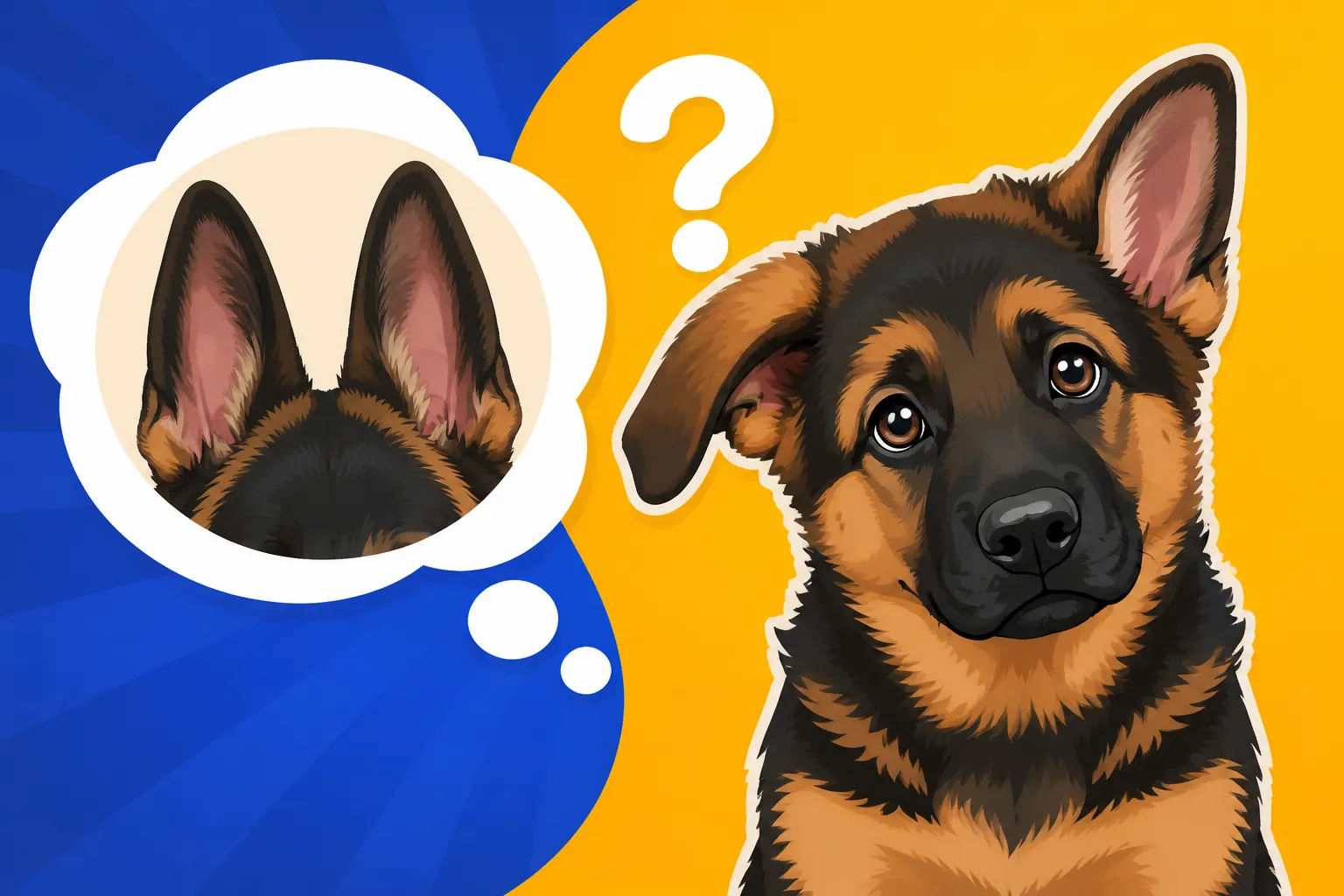
As we've discussed, German Shepherd ears typically stand between 4 and 7 months. If your puppy is younger than 4 months and their ears are still doing the "up-down-sideways" dance, patience is your best friend. This is prime teething time, and their bodies are prioritizing those adult teeth. It's completely normal for ears to fluctuate during this period. You might even see one ear stand proudly while the other remains stubbornly floppy – this is often referred to as "airplane ears" or "uneven ears," and it's also common.
The "tipping point" for serious concern usually falls around 7 to 8 months of age. If your German Shepherd is past 7 or 8 months old and their ears show no sign of standing, or if they're completely floppy with no stiffness at the base even when alert, it's less likely they will ever stand naturally. At this point, the cartilage is generally mature, and if it hasn't stiffened, it probably won't. Before this age, however, there's still plenty of hope. A puppy’s skeletal and cartilage development is a complex process, and while most German Shepherds follow a general timeline, individual variations are absolutely expected. Keep an eye on their overall health and energy levels; a happy, thriving puppy often has all their systems, including ear cartilage, developing as they should.
Consulting Your Veterinarian
If your German Shepherd's ears haven't stood by 7-8 months, or if you notice any other concerning symptoms, it's definitely time to chat with your veterinarian. They can conduct a thorough examination to rule out underlying health issues, such as chronic ear infections, nutritional deficiencies, or even structural abnormalities that might prevent the ears from standing. A vet can assess the cartilage quality, check for any signs of trauma or infection, and offer personalized advice.
During the consultation, be prepared to discuss your puppy's diet, activity level, any recent illnesses, and the history of their ear development. Your vet might suggest certain dietary adjustments, recommend specific supplements, or in some cases, might discuss options like ear taping. Ear taping is a controversial practice, and it’s critical that if considered, it's done only under strict veterinary guidance or by someone highly experienced, as improper taping can cause more harm than good. It involves supporting the ears in an upright position with tape and splints to encourage the cartilage to stiffen. However, many vets and ethical breeders prefer to avoid this unless absolutely necessary, and it’s often only effective if started early enough, before the cartilage is fully mature. Ultimately, your vet is your best resource for a professional opinion tailored to your specific German Shepherd's needs.
Practical Steps to Support Ear Development (and when to accept floppy ears)
While much of ear development is genetic, there are some practical steps you can take to support your German Shepherd pup's overall health, which in turn aids natural ear development. And sometimes, despite all best efforts, floppy ears become part of their charm – and that's okay too!
Diet and Supplementation
Providing a high-quality, balanced diet specifically formulated for large breed puppies is paramount. Look for brands that focus on appropriate calcium-to-phosphorus ratios to support healthy bone and cartilage growth without promoting overly rapid growth, which can stress developing joints. Many top-tier kibble brands formulate specific German Shepherd puppy foods. If you're unsure about the best food, your vet can recommend options like Royal Canin German Shepherd Puppy formula or other similar premium brands. Consistent feeding is vital, and following a guide like How Much to Feed a German Shepherd Puppy can ensure they're getting adequate nutrition.
When it comes to supplements, proceed with caution. Many owners mistakenly believe that adding extra calcium will make ears stand. However, too much calcium can be just as detrimental as too little, potentially causing skeletal problems. Instead, focusing on a holistic approach that includes vitamins, minerals, and amino acids crucial for cartilage health might be more beneficial. Some vets might recommend a specific joint supplement containing glucosamine and chondroitin, often associated with overall cartilage health, but again, this should only be done under professional guidance. Reputable online retailers like Chewy offer a wide range of high-quality puppy foods and supplements, but always verify ingredients and dosages with your vet first.
Safe Chewing and Play
Chewing is incredibly important for puppies, not just for teething relief but also for jaw and neck muscle development. Strong jaw and neck muscles can indirectly support the muscles at the base of the ears, which are essential for holding them upright. Provide your German Shepherd puppy with plenty of appropriate, safe chew toys. Look for durable, puppy-safe options that can withstand powerful chewing without breaking apart into ingestible pieces. Chewy offers a vast selection of these types of toys.
However, it's also important to manage playtime, especially with other dogs or children. While roughhousing is natural, avoid games where other dogs or people might grab, pull, or excessively manipulate your puppy's ears. Any trauma to the developing ear cartilage can hinder it from standing properly. Gentle play is fine, but protect those precious ears during their critical development phase. Keep an eye on German Shepherd Puppy Biting: What to Do as well, as managing this behavior can indirectly help protect their ears from accidental nips during play.
Avoiding Harmful Practices
In the past, some individuals resorted to extreme or unproven methods to make German Shepherd ears stand, such as harsh taping, inserting foreign objects, or even rough handling. These practices are not only ineffective but can be incredibly painful, cause permanent damage to the ear structure, or lead to severe infections. Never attempt these types of interventions.
If your German Shepherd reaches full maturity and their ears remain floppy, it's important to embrace it. Floppy ears do not detract from their intelligence, loyalty, or ability to be a wonderful companion or working dog. In fact, many people find floppy-eared German Shepherds incredibly endearing! While the breed standard often calls for erect ears, a beloved pet with soft ears is still 100% German Shepherd. Accept and cherish your dog for who they are, floppy ears and all. Your focus should always be on their health, happiness, and well-being, rather than on conforming to a specific aesthetic.
| Age Range | Typical Ear Development | What to Expect | When to Consider Vet Visit (without other symptoms) |
|---|---|---|---|
| Birth – 8 Weeks | Completely floppy | Soft, pliable ears; no standing expected. | Not usually needed for ear floppiness alone. |
| 8 Weeks – 16 Weeks | Starts to perk, one up/one down, "airplane ears" | Intermittent standing, especially when alert. Teething may cause ears to flop temporarily. | If no signs of perking at all, or accompanied by pain/discharge. |
| 4 Months – 7 Months | Gradual stiffening; more consistent standing | Ears usually become fully erect and stay up. May still fluctuate. | If no progress or signs of standing by 6-7 months. |
| 7 Months – 8 Months+ | Fully erect, stable | Ears should be standing firm and upright. | If ears are consistently floppy and show no signs of standing. |
Disclaimer
This article is for general informational purposes only and does not constitute professional advice. Laws, prices and regulations vary by location and change over time. Consult a qualified professional for guidance on your specific situation.