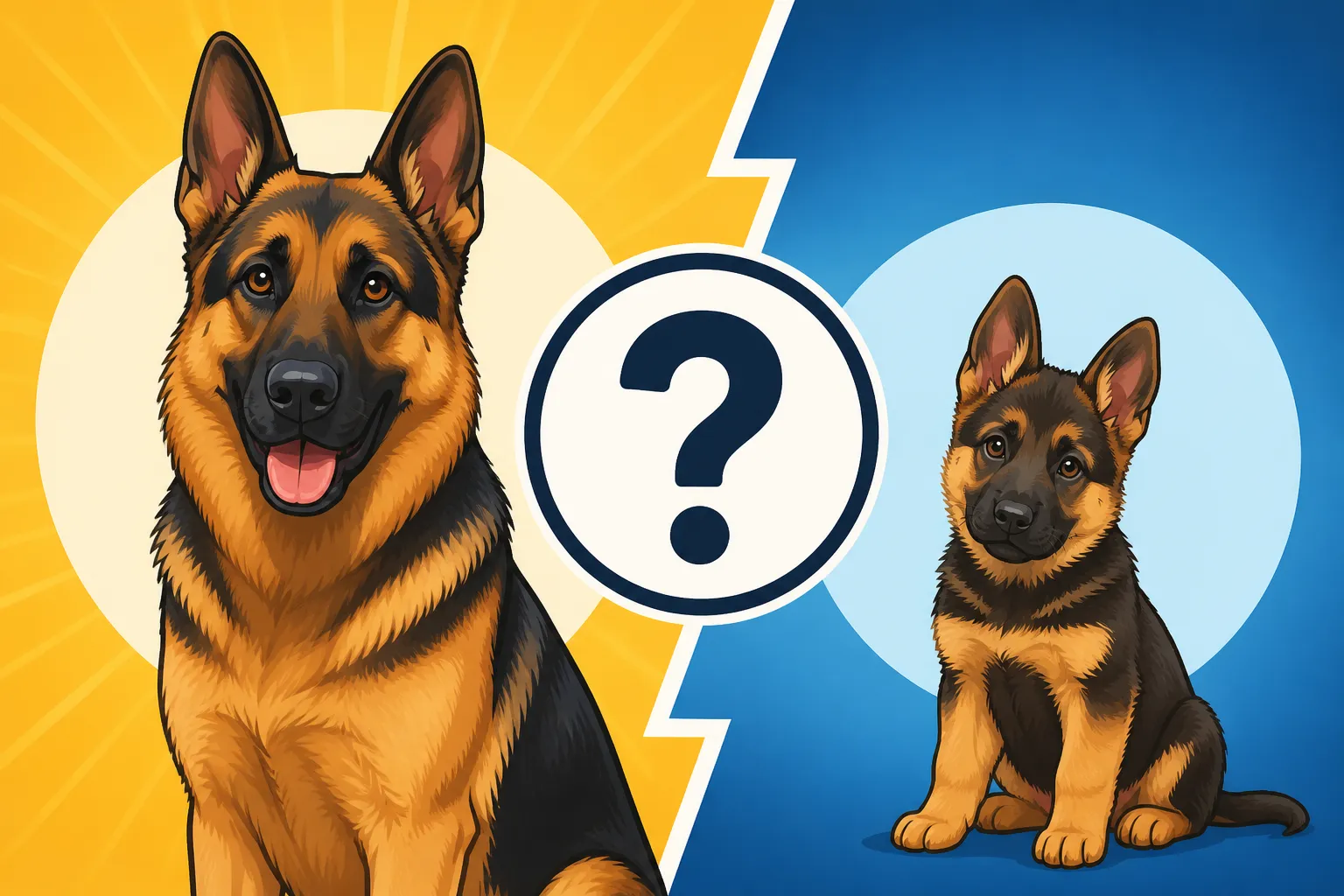
Is a Miniature German Shepherd a Real German Shepherd
It's completely understandable to come across terms like "Miniature German Shepherd" and feel a mix of curiosity and confusion. As German Shepherd lovers, we often dream of having these incredible dogs in our lives, but sometimes our living situations or perceived challenges of a large breed lead us to wonder if a smaller version exists. This guide is here to cut through the myths and clarify what people usually mean when they talk about a "miniature" German Shepherd, helping you understand the reality behind the label and make informed decisions about finding your perfect canine companion.
Unpacking the "Miniature German Shepherd" Phenomenon
The idea of a German Shepherd, with all their intelligence, loyalty, and striking good looks, but in a smaller package, is certainly appealing. For many prospective dog owners, the sheer size of a standard German Shepherd can be a deterrent, leading them to search for alternatives.
The Allure of a Smaller Shepherd
Let's be honest, a standard German Shepherd is a magnificent, powerful dog. They take up a lot of space on the couch, need significant room to stretch their legs, and require a good amount of food. For those living in smaller homes or apartments, or for individuals who might feel a bit overwhelmed by a large, strong dog on the leash, the concept of a "miniature" version sounds like the best of both worlds. Imagine all the fantastic qualities – the unwavering loyalty, the playful intelligence, the protective instinct – without the full physical demands of a 70-90 pound animal. It’s a dream for many, especially if they've always admired the breed but thought a full-sized German Shepherd wouldn't fit their lifestyle. People are often drawn to the temperament of a German Shepherd but seek a dog that might be easier to manage in daily life, perhaps even perceived as less intimidating to strangers or smaller children.
What "Miniature German Shepherd" Usually Means
Here's the crucial point: there is no officially recognized breed called a "Miniature German Shepherd." When someone uses this term, they are almost certainly referring to one of a few possibilities, none of which involve a genetically distinct, smaller version of the purebred German Shepherd. Most commonly, it's a mixed-breed dog that has some German Shepherd characteristics blended with a smaller breed. Think of it as a genetic lottery – you might get a dog that looks somewhat like a GSD but is smaller due to its other lineage. Another possibility is that the dog is simply the runt of a German Shepherd litter, or perhaps suffered from malnutrition or a health issue during its critical growth period, resulting in a stunted size. In rarer cases, it could be a purebred German Shepherd with a genetic condition like dwarfism. However, it's vital to understand that this is not a separate, intentionally bred variety.
The German Shepherd Breed Standard: What Defines a "Real" GSD
To understand why a "Miniature German Shepherd" isn't a recognized entity, we need to look at what defines a purebred German Shepherd in the first place. Breed standards are meticulously crafted to maintain the integrity, health, and characteristic traits of a breed.
A Look at Official Breed Standards AKC, FCI
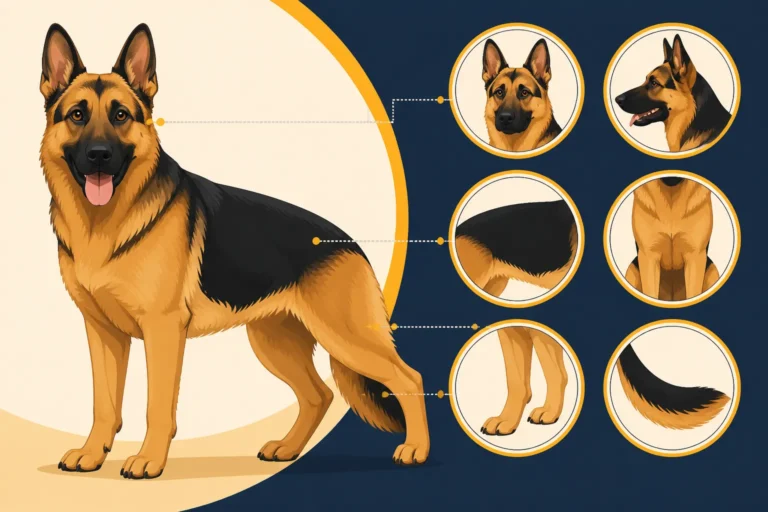
Official kennel clubs around the world, like the American Kennel Club (AKC) in the United States or the Fédération Cynologique Internationale (FCI) in Europe, have very specific and detailed breed standards for the German Shepherd. These standards outline everything from their temperament and gait to their coat color and, crucially for our discussion, their size and weight. For example, a male German Shepherd should typically stand between 24-26 inches tall at the shoulder and weigh 65-90 pounds, while females are usually 22-24 inches tall and weigh 50-70 pounds.
These are not arbitrary numbers; they reflect decades of careful breeding to produce a dog of a certain stature and athleticism, capable of performing the tasks the breed was developed for. The breed standard makes no mention of a "miniature" variant. Any dog significantly outside these size parameters, whether too small or too large, would not be considered a good representation of the breed standard. This standard is fundamental to preserving the health and characteristic traits that make a German Shepherd truly a German Shepherd. For a deep dive into these specifics, you might want to read German Shepherd Breed Standard Explained.
Understanding German Shepherd Size and Growth
A German Shepherd puppy grows incredibly quickly, but there's a predictable range of how large they will become. Their growth plates typically close around 12 to 18 months, at which point they are considered full-grown in height, though they may continue to fill out in muscle and weight until they are two or three years old. Proper nutrition, especially in their puppyhood, is paramount for healthy development. If a German Shepherd puppy is significantly smaller than its littermates from birth, it might be a runt. However, if a puppy is purebred and healthy, it will grow to within the standard size range.
Factors like genetics from the parent dogs play a huge role in determining a puppy's adult size. Reputable breeders can often give you a good estimate of a puppy's adult size based on the parents' and previous litters' sizes. Any significant deviation from the standard size, particularly an undersized purebred German Shepherd, often points towards either early developmental issues, genetic anomalies, or simply not being a purebred German Shepherd at all. Understanding their natural growth stages is key; you can learn more about this in German Shepherd Size and Weight Guide.
Common Explanations for a "Miniature" Appearance
If there's no official "Miniature German Shepherd," then what are people seeing or referring to when they use the term? It almost always comes down to one of these factors.
German Shepherd Mixes
This is by far the most common reason for a dog that looks somewhat like a German Shepherd but is significantly smaller. When a German Shepherd is crossbred with a smaller dog breed, the resulting puppies will inherit a mix of traits from both parents. For example, a German Shepherd mixed with a Beagle, a Corgi, or even a smaller terrier breed could produce a dog with some GSD coloring, ear set, or facial features, but with a much smaller overall stature.
The challenge with mixed breeds is their unpredictability. You don't get to pick and choose which traits the puppies inherit. One puppy might get the GSD color and ear shape but the Corgi's short legs and body, while another might look more like the smaller parent. You won't necessarily get a guaranteed "mini" version of a German Shepherd; you'll get a unique blend. Many of these mixes can be wonderful dogs, but they are not purebred German Shepherds and their size and temperament will reflect their mixed heritage. You might find fantastic mixed breeds available for adoption through rescue groups, sometimes even listed on platforms like Chewy's adoption page.
Runts of the Litter or Malnutrition
Every now and then, a litter of puppies will have a "runt" – a puppy that is noticeably smaller and weaker than its siblings. While some runts grow up to be healthy, albeit sometimes slightly smaller, adults, others may remain undersized due to a difficult start in life. If a puppy experiences severe malnutrition or illness during its critical growth phases, it can certainly impact its adult size, leading to an undersized dog.
However, it's important to differentiate between a naturally smaller, healthy runt and a dog whose growth has been severely stunted by neglect or an underlying health issue. Intentionally breeding for runts or allowing puppies to be malnourished to achieve a smaller size is completely unethical and can lead to a lifetime of health problems for the dog. When considering a puppy, always ensure it comes from a healthy environment where it has received proper nutrition and care from the start.
Dwarfism or Other Health Conditions
In some rare instances, a purebred German Shepherd might be significantly smaller than the breed standard due to a genetic health condition known as pituitary dwarfism. This condition is caused by a deficiency in growth hormone and can result in dogs that are much smaller than average, often with disproportionate features and other serious health complications. These dogs require specialized veterinary care and often have a shorter lifespan.
Another condition, though less common as a cause for "miniature" size, could be severe congenital abnormalities or certain metabolic disorders. These are not desirable traits and ethical breeders actively work to screen for and eliminate such conditions from their breeding lines through careful genetic testing. A dog with dwarfism, while technically a purebred German Shepherd, is suffering from a serious health condition, not embodying a desirable "miniature" version of the breed. It's a testament to the importance of responsible breeding practices and health screenings, which you can learn more about in our German Shepherd Health Problems Guide.
The Challenges and Considerations of "Miniature" German Shepherds
While the idea might seem charming, pursuing a "Miniature German Shepherd" often comes with a unique set of challenges and ethical considerations that are important to acknowledge.
Unpredictable Temperament and Health in Mixes
When you choose a purebred German Shepherd, you're usually buying into a certain set of predictable traits: high intelligence, intense loyalty, a strong work drive, and a protective nature. This is why people love them! With a German Shepherd mix, even one that resembles a "mini" version, you can't predict what combination of traits they will inherit. You might get the smaller size, but also a completely different temperament – perhaps less trainable, more prone to anxiety, or lacking the classic GSD drive. It's a genetic lottery.
Similarly, health issues can be unpredictable. While mixed breeds can sometimes benefit from hybrid vigor, they can also inherit genetic predispositions from both parent breeds. For instance, a GSD mix could still be prone to hip or elbow issues, or develop allergies that require a special diet. It's not a guaranteed path to a healthier dog, just a different set of probabilities. Understanding the typical German Shepherd Temperament and Personality can highlight just how unique these dogs are, and how diluting their genetics can change their core traits.
Ethical Breeding Concerns
The pursuit of "miniature" versions of popular breeds often leads to unethical breeding practices. Irresponsible breeders might intentionally crossbreed dogs without proper health testing or consideration for temperament, simply to produce a smaller size for profit. They might also market unhealthy runts as "miniature" or "teacup" versions, preying on people's desire for a smaller dog. These operations, often referred to as puppy mills, prioritize profit over the health and welfare of the animals. They might sell puppies with significant health problems or genetic conditions that will burden owners with high vet bills and heartache down the line.
It's crucial to always question the source of any dog marketed as a "miniature" purebred. A reputable German Shepherd breeder will never intentionally breed for undersized dogs or market them as a separate variety. They focus on maintaining the breed standard and the health of their lines. Learning How to Find a Reputable German Shepherd Breeder and understanding German Shepherd Genetic Health Testing are essential steps to avoid supporting such practices and ensuring you get a healthy, well-adjusted puppy.
Adoption as an Alternative for Smaller Dogs
If your heart is set on a smaller dog but you love the German Shepherd look or personality, adopting a mixed breed from a reputable rescue organization is often the most ethical and fulfilling path. Rescues are filled with wonderful dogs of all shapes and sizes, including many German Shepherd mixes who need loving homes. These dogs often come with a known history, and the rescue staff can provide insights into their temperament and any known health issues.
You might find a smaller GSD mix that perfectly fits your lifestyle without supporting irresponsible breeding. Many rescue groups collaborate with platforms like Chewy to list adoptable pets, making it easier to find your match. Adopting also gives a deserving dog a second chance at happiness. Consider exploring German Shepherd Adoption vs Buying to weigh your options responsibly.
Choosing the Right German Shepherd Companion
Ultimately, the goal is to find a healthy, happy dog that fits well into your life, regardless of its exact size or whether it's labeled "miniature" or not.
Prioritizing Health and Responsible Sourcing
Whether you're looking for a purebred or a mix, the dog's health should always be your top priority. A healthy dog means fewer vet bills, a happier life for them, and less stress for you. When looking for a German Shepherd, always seek out breeders who are transparent about their health testing, lineage, and puppy rearing practices. Ask to see the parents, tour their facility, and get references. If you're considering a mixed breed, choose to adopt from a reputable shelter or rescue where dogs receive veterinary care and are often temperament-tested.
Remember, a true German Shepherd, bred responsibly, is a robust and resilient animal. Focus on the Signs of a Healthy German Shepherd and make sure you're contributing to ethical practices in the dog world. This isn't just about avoiding a financial burden; it's about ensuring a loving, responsible experience for everyone involved.
Matching a German Shepherd to Your Lifestyle
A German Shepherd, regardless of its genetic background, is a high-energy, highly intelligent dog that needs significant mental and physical stimulation. Even a smaller GSD mix might inherit a strong drive and require a lot of exercise and training. Don't let a slightly smaller size fool you into thinking they're less demanding. They thrive on having a "job" to do, whether it's advanced obedience, agility, or just being an active family companion.
Consider your daily schedule, living space, and willingness to commit to training and exercise before bringing any dog home. If you're honest with yourself about your capacity for a large, active, and intelligent breed, you'll be able to find the perfect companion, whether it's a standard German Shepherd from a reputable breeder or a wonderful GSD mix from a local rescue. For more insight into what owning a GSD entails, check out German Shepherd Exercise Requirements and German Shepherd Puppy Training Guide.
Here's a quick comparison to help clarify the differences:
| Feature | Purebred German Shepherd | "Miniature German Shepherd" (Typically a Mix/Runt) |
|---|---|---|
| Breed Status | Officially recognized by major kennel clubs (AKC, FCI) | Not a recognized breed; a colloquial term |
| Size & Weight | Standardized (males 24-26", 65-90 lbs; females 22-24", 50-70 lbs) | Varies greatly; typically smaller due to mixed parentage or factors like being a runt |
| Temperament | Predictable breed traits: intelligent, loyal, protective, active | Unpredictable; a mix of traits from all parent breeds or individual personality |
| Health | Known genetic predispositions (e.g., hip/elbow dysplasia, DM) | Can inherit health issues from any parent breed, or suffer from growth stunting |
| Source | Reputable breeders who adhere to breed standards and conduct health testing | Often from accidental litters, irresponsible breeders, or rescues |
| Cost | Varies, but generally higher for well-bred, health-tested puppies | Varies, can be lower from rescues or if from a less reputable source |
So, while the term "Miniature German Shepherd" might capture our attention and appeal to our desire for a smaller version of this incredible breed, it's important to understand that it's not a real, distinct breed in itself. What you're likely encountering is either a German Shepherd mix, a smaller-than-average purebred due to various factors like being a runt, or, in rare cases, a dog with a genetic health condition. The best approach for any prospective dog owner is to prioritize responsible sourcing, whether from a reputable breeder focusing on breed standards and health, or from a dedicated rescue organization. By doing so, you'll ensure you bring home a healthy, well-adjusted companion, ready to share many happy years with you, regardless of their size.
Disclaimer
This article is for general informational purposes only and does not constitute professional advice. Laws, prices and regulations vary by location and change over time. Consult a qualified professional for guidance on your specific situation.