First Signs of Hip Dysplasia in German Shepherds
It's heartbreaking to see your beloved German Shepherd showing signs of discomfort, especially when you know their breed is prone to conditions like hip dysplasia. The worry about what those subtle limps or changes in movement might mean can be overwhelming, leaving you feeling helpless. This comprehensive guide will walk you through the very first, often overlooked, signs of hip dysplasia in German Shepherds, helping you identify them early and take crucial steps towards managing their health and comfort.
Understanding Hip Dysplasia in German Shepherds
For any German Shepherd owner, understanding hip dysplasia isn't just about knowing a medical term; it's about being equipped to protect your dog. This condition can range from mild to severe, profoundly impacting your dog's quality of life if not addressed. It's not an instant injury, but rather a progressive developmental issue that often starts quietly.
What is Canine Hip Dysplasia?
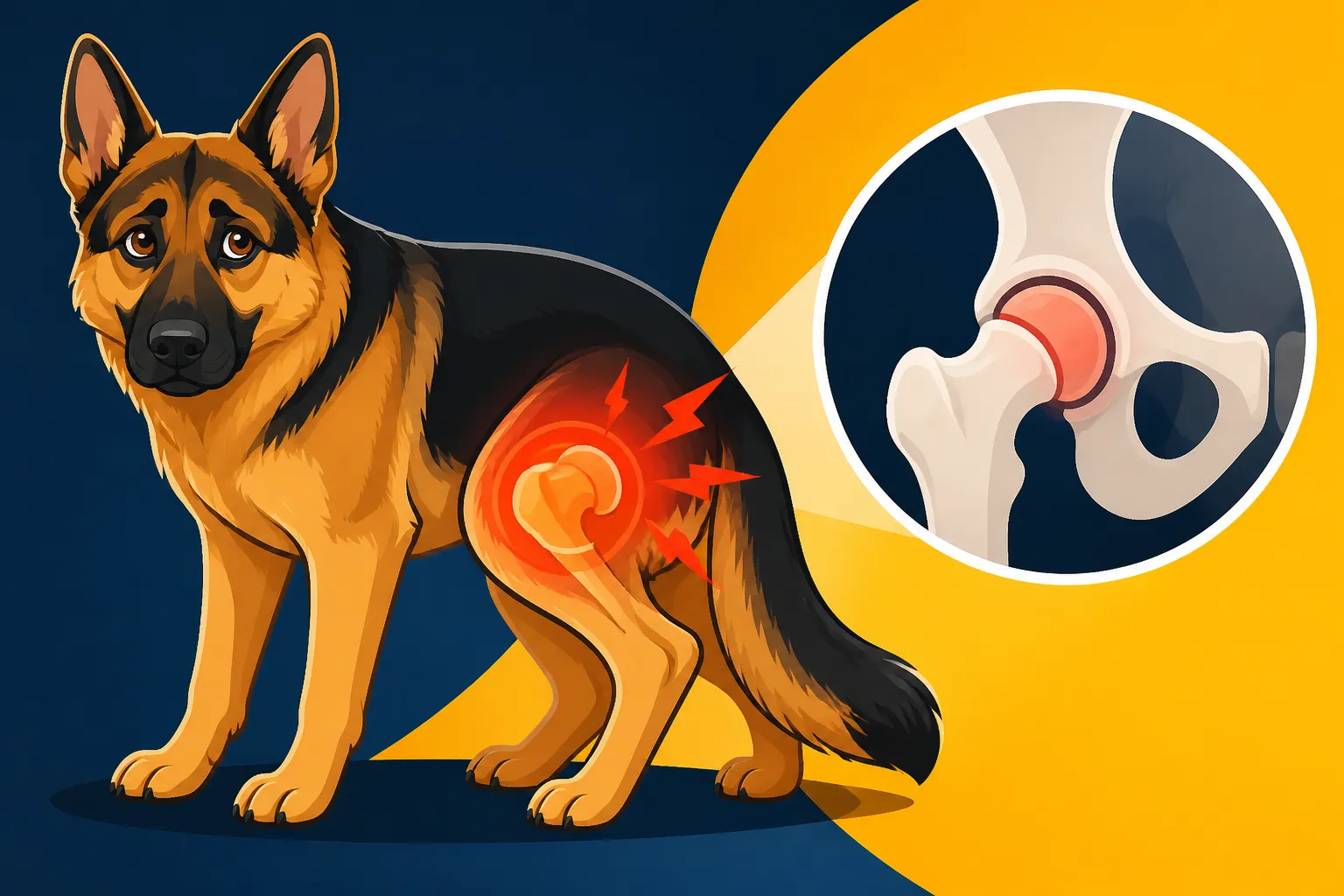
At its core, canine hip dysplasia is a malformation of the hip joint. Think of your dog's hip as a ball and socket joint, much like our own. The "ball" is the head of the femur (thigh bone), and the "socket" is part of the pelvis, called the acetabulum. In a healthy hip, this ball fits snugly and smoothly into the socket, allowing for fluid movement. However, with hip dysplasia, the fit is loose, or the socket is too shallow, or the head of the femur is misshapen.
This poor fit causes the bones to rub and grind against each other instead of gliding smoothly. Over time, this abnormal friction leads to a breakdown of the cartilage, inflammation, and the development of degenerative joint disease, or osteoarthritis. It’s a chronic and painful condition that progressively worsens, making even simple movements agonizing for your furry companion.
Why German Shepherds Are Prone to Hip Dysplasia
It’s no secret that German Shepherds are one of the breeds most commonly associated with hip dysplasia. While it can affect any dog, their genetics play a significant role. This isn't a fault of poor breeding in all cases, though responsible breeding is paramount, but rather an inherent predisposition within the breed line. Large, rapidly growing breeds like German Shepherds are particularly susceptible.
Their specific breed conformation, including their angulation and powerful hindquarters, can sometimes contribute to the mechanical stresses on the developing hip joint. Beyond genetics, environmental factors like excessive growth rate, improper nutrition, and inappropriate exercise during crucial developmental stages can exacerbate the genetic predisposition. This combination of factors makes vigilance essential for every German Shepherd owner. To delve deeper into the breed's specific health challenges, you might find our article on German Shepherd Health Problems Guide very insightful.
Subtle Early Warning Signs You Might Miss
Catching hip dysplasia early is key to managing it effectively. However, the initial signs can be incredibly subtle, often mistaken for normal puppy clumsiness, growing pains, or just a lazy day. It requires a keen eye and a deep understanding of your dog's normal behavior to spot these sometimes fleeting clues.
Changes in Gait and Movement
One of the first indicators of hip dysplasia often manifests in how your German Shepherd moves. It might not be a dramatic limp at first, but rather a slight alteration in their stride or posture.
You might notice a "bunny hopping" gait, especially when they run. Instead of extending their hind legs independently, they'll bring both hind legs forward at the same time, much like a rabbit. This isn't always a definitive sign, as some dogs do it occasionally, but if it becomes consistent, it's a red flag. Another common observation is a swaying or waddling gait when they walk, or an unusual stiffness in their hindquarters after a period of rest, like after a nap. Getting up might look painful or slow, and they might avoid putting full weight on one or both hind legs.
They might also show reluctance to perform actions they once loved, such as jumping into the car, climbing stairs, or leaping onto the couch. Perhaps they'll hesitate at the bottom of the stairs, or try to find an easier, slower way to ascend. Even a subtle decrease in the height of their jumps or a visible effort to lift themselves can be an early signal. It's often the small, consistent changes in their movement patterns that tell the biggest story. For more on preventative measures, consider reading How to Prevent Hip Dysplasia in German Shepherds.
Altered Behavior and Activity Levels
Beyond physical movement, behavioral changes can be strong indicators that something is amiss. A German Shepherd with early hip dysplasia might not vocally express pain, but their actions will speak volumes.
Observe their playtime. Is your usually boisterous German Shepherd puppy suddenly less enthusiastic about chasing a ball or playing fetch? Do they tire more quickly during walks or seem to prefer lying down rather than engaging in active play? This decreased willingness to exercise or play, often attributed to "growing up" or being "less energetic," could actually be a sign of discomfort. They might also show a general decrease in overall activity, choosing to rest more frequently.
Another telling sign can be stiffness or lameness that is most noticeable immediately after waking up or after intense exercise, but then improves as they "warm up." This stiffness can be accompanied by an audible sigh or groan when they settle down or try to stand. They might also become withdrawn or even a little grumpy if touched in the hip area, a subtle shift in temperament that often points to underlying pain. If you notice your dog struggling with stiffness, exploring options like German Shepherd Joint Health Supplements might be a good discussion point with your vet.
Muscle Atrophy and Posture Shifts
As hip dysplasia progresses, even in its early stages, it can lead to noticeable physical changes in your German Shepherd's body. These are often indicators that your dog has been compensating for discomfort for a while.
One of the clearest signs is muscle atrophy, particularly in the hindquarters. Because your dog is trying to avoid pain, they may naturally shift their weight forward or use their hind legs less, leading to a visible loss of muscle mass in their thighs. This can make their rear end look noticeably thinner or less muscular compared to their chest and front legs. Feeling along their hindquarters, you might find that the muscles are softer or less developed than you'd expect.
Accompanying this, you might observe changes in their standing posture. They might stand with their hind legs closer together than usual, or shift their weight continuously from one back leg to the other. Sometimes, they'll adopt a more "slouchy" or hunched posture, particularly in the lower back, as they try to alleviate pressure on their hips. Pay close attention during quiet moments when they are just standing or relaxing – these subtle postural adjustments can be critical clues. These physical signs can sometimes develop slowly, making them easy to miss in the day-to-day bustle.
When Do These Signs Typically Appear?
The timing of hip dysplasia symptoms can vary significantly, making it tricky for owners to pinpoint the exact onset. It's a developmental condition, meaning the problem originates during their growth phase, but the outward signs might not always be immediate or consistent.
Puppyhood and Adolescence
For many German Shepherds, the first discernible signs of hip dysplasia often emerge during their rapid growth phase, typically between 5 and 10 months of age. This is a period where their bones are developing quickly, and any laxity in the hip joint can become more pronounced.
During puppyhood, you might notice very subtle changes. A playful pup might be less inclined to run or jump with the same abandon as their littermates, or they might prefer sitting rather than standing for extended periods. Their "puppy clumsiness" might seem a bit more pronounced in the hindquarters. As they transition into adolescence, the signs can become more overt. You might see the aforementioned bunny hopping, difficulty rising, or a general reluctance to engage in strenuous activity. It’s a heartbreaking time, as you want your energetic youngster to be pain-free, but these are crucial months for early diagnosis. Owners often mistake these signs for normal puppy behavior or growth spurts, but persistent or worsening symptoms should always warrant a vet visit. For a broader understanding of age-related health concerns, consider our guide on Common German Shepherd Health Issues by Age.
Later Onset in Adult Dogs
While many cases present in younger dogs, it's absolutely possible for German Shepherds to show the first clear signs of hip dysplasia later in life, sometimes not until they are several years old. This can be particularly frustrating for owners who thought their dog had "dodged" the bullet.
In some instances, the hip dysplasia might have been mild in youth, causing only intermittent or barely noticeable discomfort, which was either missed or attributed to other causes. As the dog ages, the chronic wear and tear on the joint, combined with natural aging processes, eventually leads to the development of painful osteoarthritis. At this point, the symptoms can become much more pronounced: severe lameness, significant stiffness, constant pain, and a marked reduction in activity. This doesn't mean the disease suddenly appeared; it means the cumulative damage has reached a threshold where the dog can no longer compensate. This progression highlights why early genetic screening and careful management throughout their lives are so important. Understanding the full scope of the condition is essential, so check out German Shepherd Hip Dysplasia Explained for more information.
What to Do When You Spot the Signs
Discovering potential signs of hip dysplasia in your German Shepherd can be an incredibly worrying experience. Your mind races with questions, and it’s easy to feel overwhelmed. The most important thing is to act promptly and thoughtfully.
The Importance of Veterinary Consultation
As soon as you notice any of the subtle signs mentioned above, your very next step should be a call to your veterinarian. Self-diagnosing based on internet searches, while helpful for initial awareness, is never a substitute for professional medical advice. Your vet is equipped to properly assess your dog's condition, rule out other potential issues, and formulate an accurate diagnosis.
During the consultation, be prepared to provide detailed observations. Keep a journal of when you first noticed symptoms, what they looked like, how often they occur, and what seems to make them better or worse. This information is invaluable to your vet. They will perform a thorough physical examination, observing your dog's gait, manipulating their hips, and checking for pain or reduced range of motion. Early veterinary intervention is paramount, not just for confirming a diagnosis, but for initiating a management plan that can significantly slow the progression of the disease and improve your dog's comfort.
Diagnostic Procedures to Expect
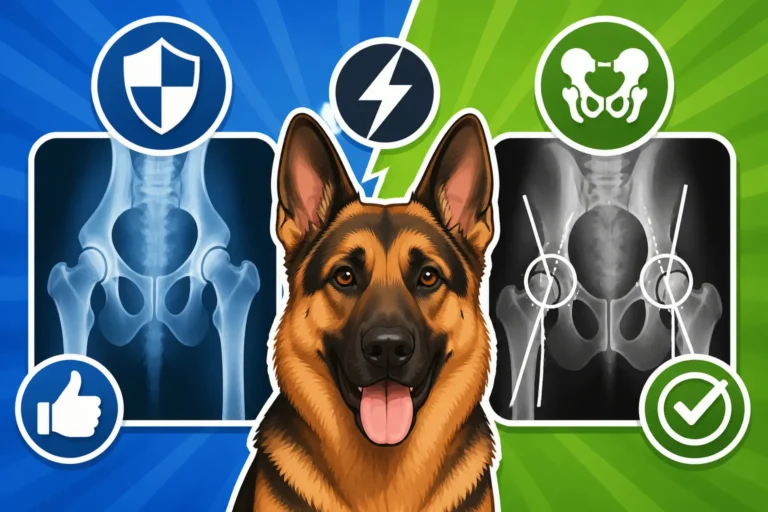
When hip dysplasia is suspected, your vet will likely recommend diagnostic imaging, with X-rays being the gold standard. These radiographs allow the veterinarian to visualize the hip joints and assess the degree of laxity or malformation.
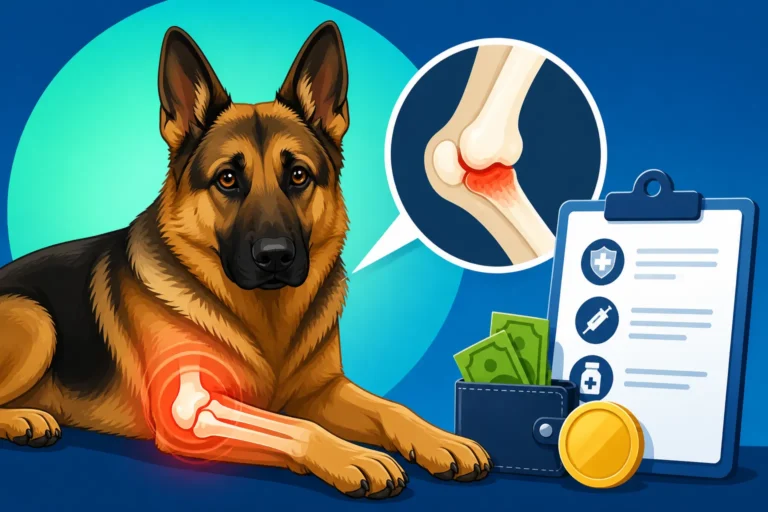
Your dog will typically need to be sedated or anesthetized for these X-rays. This ensures they are perfectly still and positioned correctly for accurate imaging, which is critical for a clear diagnosis. There are different types of X-ray views, sometimes including specific techniques like PennHIP or OFA evaluations, which provide objective measurements of hip laxity. These are particularly useful for breeding dogs, but can also give a clearer picture for pet owners. In some complex cases, your vet might suggest further imaging like an MRI or CT scan, though this is less common for an initial diagnosis. Remember, this diagnostic process is an investment in your dog’s long-term health and comfort. Having pet insurance, like a plan from Healthy Paws, can be incredibly helpful in covering these diagnostic costs, providing peace of mind during a stressful time.
Early Intervention and Management Strategies
Receiving a diagnosis of hip dysplasia can feel devastating, but it’s not a death sentence. In fact, an early diagnosis opens the door to a wide range of intervention and management strategies that can dramatically improve your German Shepherd's quality of life.
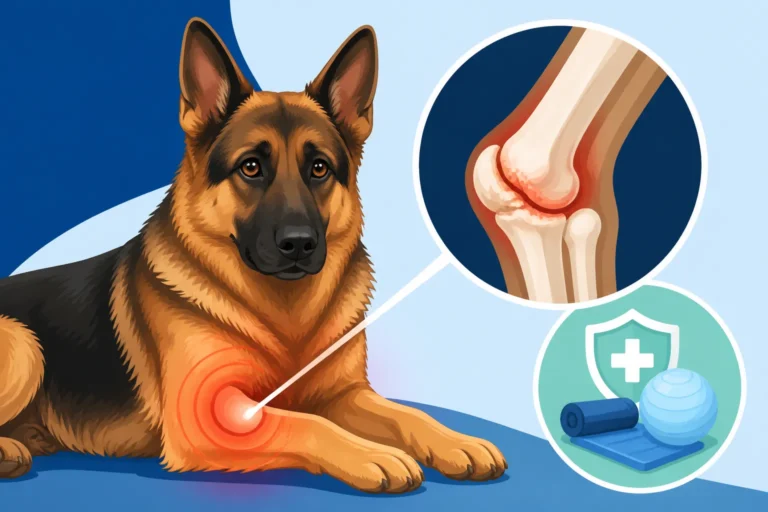
The approach is usually multi-faceted, focusing on pain management, reducing inflammation, supporting joint health, and managing their weight and exercise. This might include prescription anti-inflammatory medications, joint supplements containing glucosamine and chondroitin, and even specific diets tailored for joint support. Physical therapy, including hydrotherapy or specific exercises designed by a veterinary physiotherapist, can strengthen supporting muscles and improve mobility. Weight management is crucial; maintaining a lean body weight significantly reduces stress on the hips. In some cases, especially in younger dogs or severe instances, surgical options may be considered to correct the joint or alleviate pain. These can range from less invasive procedures to total hip replacements. The cost of such treatments can be substantial, which is where having robust pet insurance, such as Healthy Paws, really shines, helping to make these vital treatments more accessible. Discussing these options thoroughly with your vet will help you choose the best path forward for your unique dog.
Here's a quick summary of common early signs and recommended actions:
| Early Sign Observed | Description | Recommended Action |
|---|---|---|
| Bunny Hopping | Your GSD brings both hind legs forward together when running, rather than extending them independently. | Observe consistency. If regular, consult vet. |
| Stiffness After Rest | Difficulty rising after sleeping or resting; might appear stiff or slow to get moving. | Note duration and severity. Mention to vet. |
| Reluctance to Jump/Climb Stairs | Hesitation or avoidance of activities that involve jumping, like into a car or onto furniture. | Monitor avoidance behaviors. Avoid forcing jumps. |
| Decreased Activity/Playfulness | Less enthusiasm for walks, fetch, or general play; tires easily. | Track changes in stamina and interest in activity. |
| Pain Vocalization (Subtle) | Soft groans or whines when getting up, settling down, or if hips are touched. | Document specific instances and triggers. |
| Hindquarter Muscle Atrophy | Visible thinning or less muscle definition in the back legs compared to the front. | Regularly feel and compare muscle mass in hindquarters. Discuss with vet. |
| Altered Standing Posture | Standing with hind legs unusually close together, shifted weight, or a hunched back. | Pay attention to resting posture. |
| Swaying/Waddling Gait | Unsteady or wide-legged walk, particularly noticeable from behind. | Film if possible to show vet, as it can be subtle. |
Remember, early detection and management are your best tools in ensuring your German Shepherd lives the most comfortable and active life possible. Your attentiveness to these subtle cues can make all the difference. While the path might seem daunting, there are many resources and treatments available. For instance, understanding German Shepherd Hip Dysplasia: Symptoms and Treatment can provide further context to your vet's recommendations. Investing in a good pet insurance plan, like one from Healthy Paws, can also be a game-changer when unexpected medical expenses arise.
Disclaimer
This article is for general informational purposes only and does not constitute professional advice. Laws, prices and regulations vary by location and change over time. Consult a qualified professional for guidance on your specific situation.