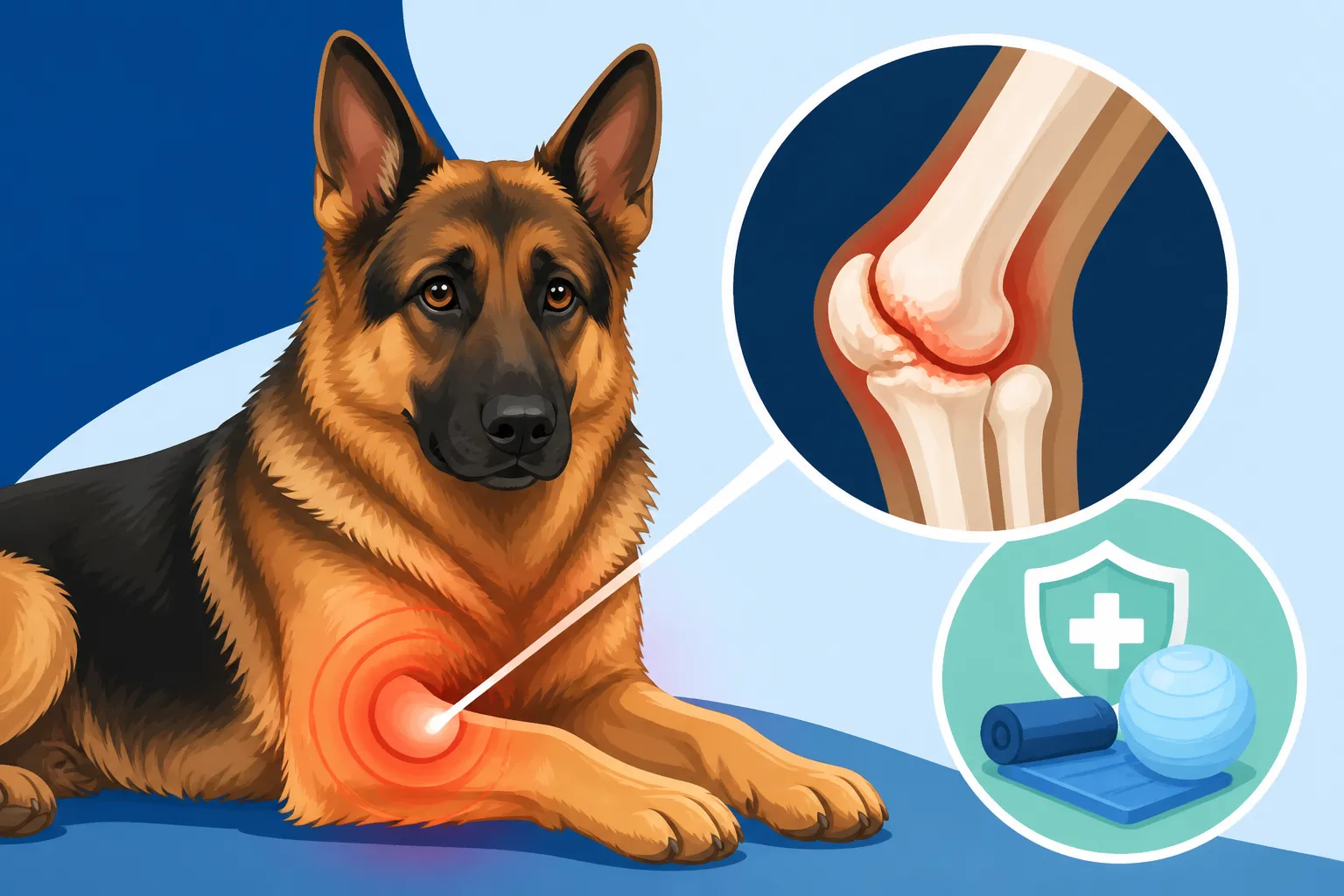
German Shepherd Elbow Dysplasia: Symptoms and Treatment
It's truly heartbreaking to see your strong, active German Shepherd start showing signs of lameness or discomfort, especially when you know they're prone to certain genetic conditions. Elbow dysplasia is one of those deeply frustrating conditions that can significantly impact their quality of life, often leaving owners feeling helpless and worried about their beloved companion's future. This comprehensive guide is here to walk you through everything you need to know about German Shepherd elbow dysplasia, from understanding its origins and recognizing the subtle symptoms to exploring effective treatment strategies and long-term management, so you can make informed decisions for your dog.
Understanding Elbow Dysplasia in German Shepherds
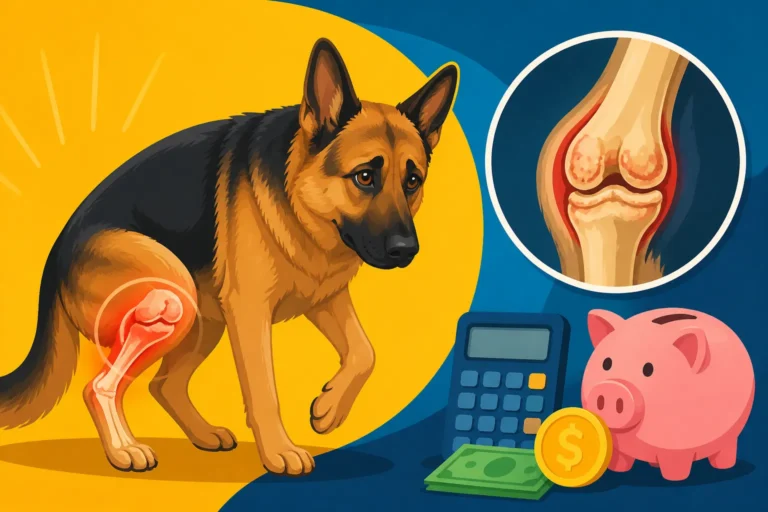
Elbow dysplasia in German Shepherds isn't just one singular problem; it's a complex developmental disease encompassing several distinct conditions that affect the elbow joint. This joint, crucial for movement, is formed by three bones: the humerus (upper arm bone), radius, and ulna (forearm bones). When these bones don't grow at synchronized rates or develop abnormally, they don't fit together perfectly, leading to instability, abnormal stress on the cartilage, and ultimately, painful arthritis. It's a progressive condition, meaning it tends to worsen over time, and sadly, German Shepherds are particularly susceptible, making it one of the most common orthopedic issues we see in the breed, right alongside the challenges of German Shepherd Hip Dysplasia Explained.
The underlying cause is primarily genetic, meaning it's passed down from parent dogs to their offspring. This is why reputable breeders go to great lengths to screen their breeding stock, but even with careful selection, it can still surface. Beyond genetics, however, environmental factors can play a role in how severely the condition manifests. Things like rapid growth, inappropriate diet, and excessive or improper exercise during puppyhood can exacerbate the symptoms and accelerate the progression of the disease. It’s a multi-faceted problem that often begins silently during the rapid growth phase of a German Shepherd puppy, typically between 4 to 10 months of age, long before any obvious limping or pain might become apparent.
What Exactly is Elbow Dysplasia?
At its core, elbow dysplasia refers to a malformation of the elbow joint. Instead of a smooth, congruent fit between the bones, there are irregularities that cause friction and damage. The most common forms of elbow dysplasia include:
- Fragmented Coronoid Process (FCP): This is one of the most frequently diagnosed components. The coronoid process is a small projection on the ulna bone. In FCP, a piece of this bone breaks off, floating within the joint or irritating the cartilage. This fragmentation causes significant pain and inflammation, leading to early onset arthritis. It's like having a pebble stuck inside a well-oiled machine – it just grinds everything down.
- Osteochondritis Dissecans (OCD) of the Humeral Condyle: OCD occurs when cartilage on the end of the humerus (upper arm bone) doesn't properly convert to bone. Instead, a flap of cartilage develops and can detach, becoming a loose body within the joint. This loose flap irritates the joint lining, causes pain, and interferes with normal joint movement, accelerating degenerative changes. Imagine a loose splinter inside your knee; it's constantly causing irritation.
- Ununited Anconeal Process (UAP): The anconeal process is another bony projection on the ulna. Normally, it fuses with the ulna bone by around five months of age. In UAP, this fusion doesn't happen, leaving the anconeal process unfused. This instability leads to a very unstable joint, significant pain, and severe arthritis. This form is particularly common in breeds like German Shepherds and often requires surgical intervention for the best outcome.
- Elbow Incongruity: This describes a general mismatch in the shape or length of the three bones forming the elbow joint. When the radius and ulna don't grow at the same rate, or if the articular surfaces of the bones don't line up perfectly, it creates abnormal pressure points. This incongruity leads to wear and tear on the joint cartilage, inflammation, and the development of degenerative joint disease over time.
These individual conditions, or often a combination of them, contribute to the overall picture of elbow dysplasia. Understanding which specific component is affecting your dog is crucial for determining the most effective course of treatment and management. It's a complicated diagnosis, and sometimes a vet will identify one issue that masks another until further imaging or exploration is done.
Why German Shepherds are Prone to Elbow Dysplasia
It’s an unfortunate reality that certain breeds carry a higher predisposition to specific health issues, and German Shepherds are no exception. Their genetic makeup makes them particularly susceptible to elbow dysplasia, which is why screening is so important. The rapid growth rate typical of large breeds like the German Shepherd is also a contributing factor. During periods of accelerated growth, the bones and cartilage are still developing, and any slight genetic predisposition or environmental stress can quickly lead to malformations.
Furthermore, the breeding practices over generations, sometimes prioritizing certain physical traits without adequate health screening, have inadvertently contributed to the prevalence of these conditions. That's why responsible breeders are so vital; they understand the breed's vulnerabilities and strive to minimize these risks through careful selective breeding and rigorous health testing of prospective parents. When looking for a puppy, asking about the parents' elbow and hip scores is paramount. You can learn more about this by researching German Shepherd Genetic Health Testing. Sadly, even with the best intentions, genetics are complex, and not every case can be entirely avoided, even in well-bred lines.
Recognizing the Early Signs and Symptoms
One of the most frustrating aspects of elbow dysplasia is that the early signs can be subtle, easily mistaken for normal puppy clumsiness, or general soreness after a vigorous play session. Many owners might not even notice an issue until their German Shepherd is older, and the condition has progressed to a more painful, chronic state. Typically, symptoms begin to appear when a puppy is between 4 and 12 months old, though some dogs may not show overt signs until much later in life, sometimes even as adults, when chronic arthritis has set in. Being vigilant and knowing what to look for can make a huge difference in catching the problem early, potentially leading to more effective treatment and better long-term outcomes. Remember, an ounce of prevention (or early detection!) is worth a pound of cure, especially when it comes to a German Shepherd's health.
Common Clinical Signs
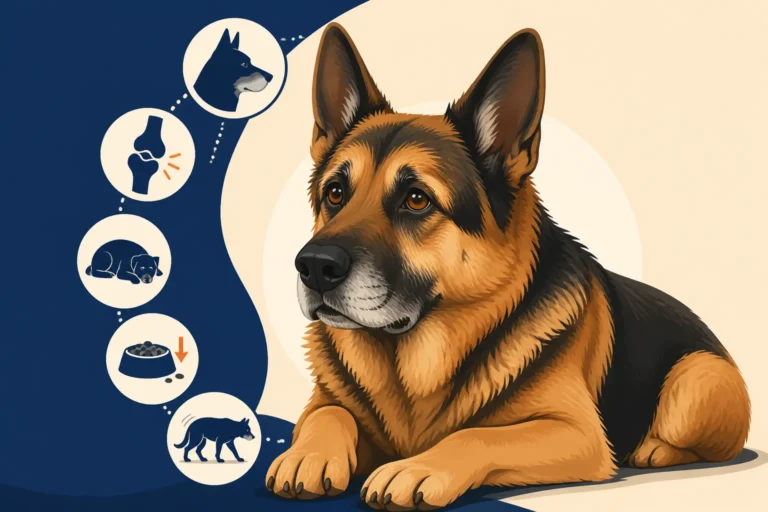
The clinical signs of elbow dysplasia primarily revolve around pain and altered mobility in the front limbs. They can vary in severity depending on the specific type of elbow dysplasia, the degree of joint damage, and the individual dog's pain tolerance. It’s important to observe your dog closely during and after exercise, and even when they are at rest.
Here’s what you might notice:
- Lameness (Limpa): This is often the most obvious sign. Your German Shepherd might favor one leg, or you might see a "head bob" where their head goes down when the healthy leg bears weight and up when the painful leg bears weight. The lameness often worsens after exercise or after resting and then trying to get up. It might be intermittent at first, only appearing after strenuous activity, but can become more constant as the disease progresses.
- Stiffness: Dogs with elbow dysplasia often appear stiff, particularly after waking up or after periods of inactivity. They might struggle to get up from a lying position, or move with a reduced range of motion in their elbows. This stiffness is a direct result of the inflammation and cartilage damage within the joint.
- Reluctance to Exercise or Play: If your usually energetic German Shepherd starts refusing walks, shows less enthusiasm for fetch, or tires easily, it could be a red flag. Pain in their elbows makes physical activity uncomfortable, leading them to conserve energy. This can be especially hard for a high-energy breed like a German Shepherd, who normally thrives on activity.
- Elbow Outward Turning (Abduction): To minimize pain, some dogs will stand or walk with their elbows turned out and their paws turned in. This creates an unnatural gait and puts further stress on other joints and muscles.
- Swelling and Heat: In some cases, the affected elbow joint may feel warm to the touch and appear swollen due to inflammation and fluid accumulation. This is less common in early stages but can be quite noticeable as the condition advances.
- Pain Response: Your dog might cry out, flinch, or pull away if you touch or manipulate their elbow joint. They might also lick or chew excessively at the painful area. Even subtle changes in behavior, like being less tolerant of handling or becoming withdrawn, can be indicators of chronic pain.
- Muscle Atrophy: Over time, if a dog is consistently avoiding putting weight on a painful limb, the muscles in that leg can start to waste away. You might notice the affected leg appears thinner or less muscular compared to the healthy limb. This often happens gradually, so it's good to periodically check both front legs.
These symptoms can sometimes be bilateral, meaning they affect both elbows, though often one side is more severely affected than the other. If you notice any of these signs, even if they're mild or intermittent, it's crucial to consult your veterinarian promptly. Early intervention is key to managing the progression of the disease and improving your dog's long-term comfort.
How Symptoms Progress Over Time
Elbow dysplasia is a progressive condition, meaning that without intervention, the joint damage and associated pain will typically worsen over time. What starts as mild, intermittent lameness can evolve into chronic, debilitating arthritis.
Here's a general progression:
- Early Stage (Puppyhood – 4-12 months): Symptoms may be subtle or intermittent. A puppy might have a slight limp after intense play, or appear stiff first thing in the morning. They might "toe-in" with their front paws or have a slightly altered gait that isn't immediately obvious. At this stage, the primary issues are the initial developmental abnormalities like FCP or UAP, leading to early irritation and inflammation of the joint capsule.
- Moderate Stage (Adolescence – 1-3 years): The lameness becomes more consistent, often present daily, and worsens with exercise. The dog might start showing reluctance for activities they once loved, like jumping into the car or going for long walks. There might be a noticeable decrease in muscle mass in the affected limb. At this point, the initial joint abnormalities have likely led to significant cartilage damage, and early signs of osteoarthritis (degenerative joint disease) are becoming evident.
- Advanced Stage (Adulthood – 3+ years): Chronic pain is now a major factor. The dog may be consistently lame, struggle to stand up or lie down, and have a significantly reduced range of motion in the elbow. Bone spurs (osteophytes) might be visible on X-rays, and the joint cartilage can be severely eroded. The quality of life can be significantly impacted, with daily pain management becoming a necessity. In severe cases, the elbow may even fuse (ankylosis) in an abnormal position, leading to permanent disability.
It's important to understand that the rate of progression varies greatly between individual dogs. Some may experience rapid deterioration, while others manage relatively well for years with conservative care. Factors like the specific type of elbow dysplasia, the dog's activity level, weight, and the effectiveness of management strategies all play a role. Catching the disease in its earliest stages offers the best chance to slow its progression and preserve joint function, emphasizing the importance of regular vet check-ups for Common German Shepherd Health Issues by Age.
Diagnosis: Getting a Clear Picture
When your German Shepherd starts showing signs of lameness or discomfort in their front limbs, getting an accurate diagnosis is the first crucial step. It can be incredibly worrying to see your usually vibrant dog struggling, and you want answers quickly. While a thorough physical examination by your veterinarian is always the starting point, elbow dysplasia often requires more advanced diagnostic imaging to confirm the condition, identify its specific components, and assess the severity of joint damage. This detailed understanding is essential for formulating the most effective treatment plan, whether it's a conservative approach or considering surgical options.
Your vet will likely start by observing your German Shepherd's gait, checking their range of motion, and palpating their elbows for any signs of pain, swelling, or crepitus (a crackling sound or sensation). They might also perform specific manipulations to assess joint stability and identify which areas are causing discomfort. However, because elbow dysplasia involves subtle bone and cartilage abnormalities, visual inspection and palpation alone are usually not enough to get a definitive diagnosis.
Veterinary Examination and Initial Assessments
During your vet visit, be prepared to provide a detailed history of your dog's symptoms. When did you first notice the lameness? Does it worsen after exercise or rest? Which leg seems most affected? Has there been any trauma? This information helps your vet narrow down the possibilities.
The physical examination will typically involve:
- Gait Analysis: Observing your dog walk and trot to identify the affected limb and the nature of the lameness. This often reveals a stiff, choppy gait or a visible head bob.
- Palpation: Gently feeling the elbow joints for swelling, heat, or signs of pain.
- Range of Motion Assessment: Flexing and extending the elbow to check for limitations or discomfort. Healthy Paws and other pet insurance providers often require detailed vet records, including these initial assessments, when processing claims for conditions like elbow dysplasia, so ensuring thorough documentation is always a good idea.
- Pain Response: Eliciting a pain response by putting pressure on specific points of the elbow, which can indicate particular forms of dysplasia.
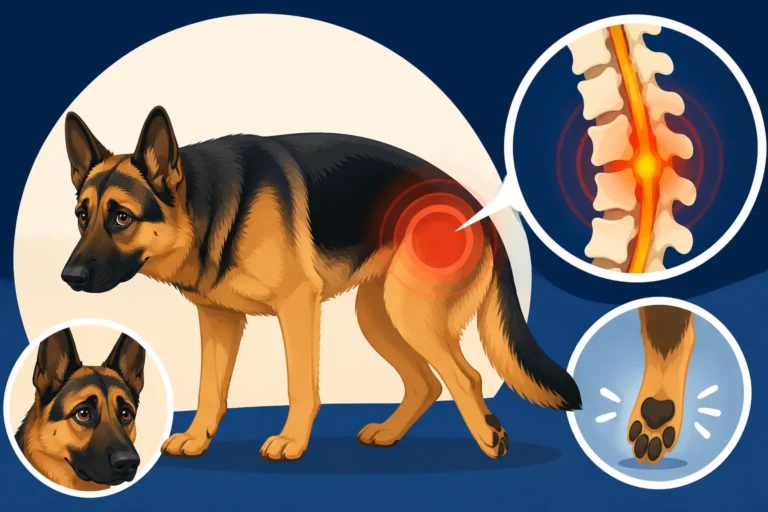
While these initial assessments are vital, they primarily indicate that there is a problem with the elbow, but they usually can’t pinpoint the exact nature of the dysplasia. For that, imaging is necessary. Your vet might also want to rule out other causes of front limb lameness, such as shoulder issues, soft tissue injuries, or even spinal problems that can refer pain to the front legs. A comprehensive approach ensures you're treating the right problem.
Diagnostic Imaging Techniques
Once a presumptive diagnosis of elbow dysplasia is made based on clinical signs, diagnostic imaging is indispensable to confirm it and determine the specific type and severity. These images allow your vet to visualize the bones and joint structures in detail.
The primary imaging techniques used include:
- Radiography (X-rays): This is the most common and often the first imaging modality used. Specific radiographic views of the elbows (flexed, extended, and oblique views) are taken to visualize bony changes. X-rays can detect fragmented coronoid processes, ununited anconeal processes, signs of osteochondrosis, and the presence of osteoarthritis (bone spurs, joint space narrowing). While X-rays are excellent for bony changes, they don't show cartilage well. They are also crucial for official screening purposes, such as those performed by organizations like the Orthopedic Foundation for Animals (OFA) or PennHIP, which are used to evaluate breeding dogs and hopefully reduce the incidence of How to Prevent Elbow Dysplasia in German Shepherds.
- Computed Tomography (CT Scan): A CT scan provides much more detailed, three-dimensional images of the elbow joint compared to conventional X-rays. It’s particularly superior for identifying fragmented coronoid processes and osteochondritis dissecans lesions that might be missed on X-rays. A CT scan can show the precise location and size of fragments or cartilage flaps and is often recommended when surgery is being considered, as it gives the surgeon a clearer roadmap. This advanced imaging is usually done at a specialist veterinary hospital.
- Magnetic Resonance Imaging (MRI): While less commonly used for primary diagnosis of elbow dysplasia than CT, MRI excels at visualizing soft tissues, including cartilage, ligaments, and the joint capsule. It can detect early cartilage damage and inflammation that might not be visible on X-rays or even CT. MRI is typically reserved for complex cases or when other diagnostic tools haven't provided a clear answer, and it can be quite costly.
- Arthroscopy: This is a minimally invasive surgical procedure where a tiny camera (arthroscope) is inserted into the joint through a small incision. It allows the veterinary surgeon to directly visualize the inside of the elbow joint, identify any fragments, cartilage damage, or incongruity, and often treat the problem at the same time. Arthroscopy is considered the gold standard for diagnosing and treating many components of elbow dysplasia because it offers direct visualization and immediate intervention. It’s both diagnostic and therapeutic.
The choice of imaging technique will depend on your vet's initial findings, the severity of symptoms, and what specific information is needed to guide treatment. Often, X-rays are the first step, followed by a CT scan if more detailed information is required for surgical planning. Getting a precise diagnosis is paramount because elbow dysplasia isn't just a generic lameness; it requires targeted intervention based on the specific type of pathology present.
Treatment Options for Elbow Dysplasia
Once your German Shepherd has been diagnosed with elbow dysplasia, the next step is to discuss treatment options with your veterinarian. This can feel overwhelming, as there are often multiple paths to consider, ranging from conservative management to various surgical interventions. The best approach depends on several factors: the specific type and severity of elbow dysplasia, your dog's age, the presence of concurrent osteoarthritis, and your family's lifestyle and financial capabilities. The goal of any treatment is to alleviate pain, improve joint function, and slow the progression of degenerative changes, ultimately enhancing your dog's quality of life. There's no one-size-fits-all solution, and a personalized plan is essential.
It’s important to remember that elbow dysplasia is often a lifelong condition, and treatment aims to manage it rather than cure it completely. Even after successful surgery, ongoing management is typically required to address the developing arthritis. This long-term commitment is something every German Shepherd owner needs to be prepared for when dealing with this challenging diagnosis.
Conservative Management Approaches
For many dogs, especially those with mild to moderate symptoms or those for whom surgery isn't an option, conservative or non-surgical management can significantly improve comfort and mobility. This approach focuses on reducing pain and inflammation, supporting joint health, and managing weight.
Key components of conservative management include:
- Pain Management: This is paramount. Your vet will likely prescribe Non-Steroidal Anti-Inflammatory Drugs (NSAIDs) such as carprofen (Rimadyl), meloxicam (Metacam), or firocoxib (Previcox) to reduce pain and inflammation. These medications are generally effective but require careful monitoring for side effects, particularly affecting the kidneys and liver. Other pain medications like gabapentin or amantadine might be added for more severe or chronic pain. Consistent pain relief is vital for maintaining your dog's activity level and overall well-being.
- Weight Management: Keeping your German Shepherd at a lean, healthy weight is one of the most impactful things you can do. Excess weight puts additional stress on already compromised joints, exacerbating pain and accelerating cartilage breakdown. Even a few extra pounds can make a significant difference. Your vet can help you determine an ideal weight and create a suitable diet plan. This is a topic thoroughly explored in articles like German Shepherd Weight and Obesity Risks.
- Controlled Exercise: While strenuous, high-impact activities should be avoided, moderate, consistent exercise is crucial for maintaining muscle strength and joint flexibility. Think short, leashed walks on soft surfaces, swimming, or carefully managed playtime. Avoid activities that involve jumping, twisting, or rapid starts and stops. The goal is to keep the muscles supporting the joint strong without overstressing the damaged cartilage.
- Joint Supplements: Many owners turn to joint supplements containing ingredients like glucosamine, chondroitin sulfate, MSM, and Omega-3 fatty acids. These supplements are believed to support cartilage health, reduce inflammation, and improve joint lubrication. Brands like Nutramax's Dasuquin and Cosequin are popular choices. While scientific evidence for their efficacy can vary, many owners report noticeable improvements in their dogs' comfort. You can explore more about German Shepherd Joint Health Supplements.
- Physical Rehabilitation (Physiotherapy): This can be incredibly beneficial. A certified canine rehabilitation therapist can develop a tailored exercise program to strengthen supporting muscles, improve range of motion, and reduce pain. Techniques may include therapeutic exercises, hydrotherapy (underwater treadmill), massage, laser therapy, and acupuncture. Physiotherapy can dramatically improve a dog's comfort and function without surgery.
- Environmental Modifications: Simple changes at home can make a big difference. Provide orthopedic beds, use ramps for cars or furniture, and ensure non-slip flooring to prevent falls.
- Disease-Modifying Osteoarthritis Drugs (DMOADs): Injectable medications like polysulfated glycosaminoglycans (PSGAGs) such as Adequan Canine can help protect cartilage, improve joint fluid quality, and reduce inflammation. These are typically given as a series of injections.
Conservative management often works best as a multi-modal approach, combining several of these strategies. It requires dedication and consistency from the owner but can provide excellent results for many German Shepherds.
Surgical Interventions
For many types of elbow dysplasia, particularly FCP, UAP, and severe OCD, surgical intervention offers the best chance for long-term improvement and pain relief, especially when performed early. The goal of surgery is to remove fragments, correct incongruity, or stabilize the joint, thereby reducing pain and slowing the progression of osteoarthritis.
Common surgical procedures include:
- Arthroscopic Fragment Removal: For conditions like fragmented coronoid process (FCP) and osteochondritis dissecans (OCD) flaps, arthroscopy is often the preferred surgical method. A small camera and instruments are inserted into the joint to remove the offending cartilage or bone fragments. This minimally invasive technique causes less tissue trauma, results in less post-operative pain, and allows for faster recovery compared to traditional open surgery. It also provides a thorough visual assessment of the entire joint.
- UAP Fixation or Removal: For ununited anconeal process (UAP), treatment depends on the dog's age and the presence of arthritis. In younger dogs (under 6 months) with minimal arthritis, the anconeal process may be reattached using a screw. In older dogs or those with significant arthritis, the ununited fragment is often removed, as attempts at fixation are less successful.
- Proximal Abducting Ulnar Osteotomy (PAUL) / Sliding Humeral Osteotomy (SHO): These are more advanced procedures designed to address elbow incongruity, particularly issues caused by an 'overly long ulna' that puts excessive pressure on the medial coronoid process. By making a cut in the ulna (PAUL) or humerus (SHO) and subtly changing the bone's alignment, these procedures aim to redistribute weight more evenly across the joint, reducing stress on the damaged areas and improving comfort. These are complex surgeries performed by orthopedic specialists.
- Cubital Unloading Osteotomy (CUO): Similar to PAUL and SHO, CUO is another osteotomy procedure that involves cutting and repositioning one of the forearm bones (ulna) to reduce pressure on the medial compartment of the elbow joint. This helps alleviate the pain associated with FCP and medial compartment disease, a common sequela of elbow dysplasia.
- Total Elbow Replacement (TER): This is a salvage procedure, typically reserved for severe, end-stage elbow dysplasia with debilitating arthritis where other treatments have failed, and the dog is in chronic, unmanageable pain. Similar to hip replacement in humans, the entire elbow joint is replaced with artificial components. TER is a highly specialized, technically demanding, and expensive surgery with a significant risk of complications, but it can offer a pain-free solution for carefully selected candidates.
The decision to pursue surgery should be made in close consultation with your veterinarian and potentially a board-certified veterinary orthopedic surgeon. They will evaluate your dog's specific condition, discuss the pros and cons of each surgical option, potential outcomes, recovery time, and associated costs. Post-operative care, including pain management, restricted activity, and intensive physical rehabilitation, is critical for successful surgical outcomes and is a significant commitment. Many pet insurance plans, like those offered by Healthy Paws, can be invaluable in helping to cover the substantial costs associated with complex surgical procedures and long-term rehabilitation for conditions such as elbow dysplasia.
Managing Life with Elbow Dysplasia
Living with a German Shepherd diagnosed with elbow dysplasia is a long-term commitment that goes beyond initial treatments. Whether your dog undergoes surgery or is managed conservatively, the reality is that they will likely develop osteoarthritis (degenerative joint disease) in the affected elbow(s). This means ongoing management is crucial for maintaining their comfort, mobility, and overall quality of life. It’s about creating a supportive environment and a lifestyle that minimizes pain and slows further joint degeneration, allowing your beloved companion to live as happily and actively as possible. This journey can be challenging, but with dedication and the right strategies, you can ensure your German Shepherd thrives.
This long-term care strategy often means a shift in perspective. Instead of focusing solely on "fixing" the problem, the focus becomes about "managing" a chronic condition. This might involve regular vet visits, adjustments to diet and exercise, and a keen eye for changes in your dog's behavior or mobility. It's truly a partnership between you, your vet, and your German Shepherd.
Long-Term Pain Management and Comfort
Managing chronic pain is central to ensuring your German Shepherd's comfort with elbow dysplasia. Pain can fluctuate, often worsening with activity, cold weather, or simply as the condition progresses. A multi-modal approach to pain relief is usually the most effective, combining various strategies to target pain pathways from different angles.
Here are key aspects of long-term pain management:
- Veterinary Consultations: Regular check-ups with your vet (every 3-6 months, or as recommended) are essential to monitor your dog's pain levels, assess joint health, and adjust medication dosages or types as needed. Your vet can identify early signs of worsening arthritis or new issues.
- Medication Management: This often involves a rotation or combination of medications. NSAIDs are typically a cornerstone, but your vet might add other drugs like gabapentin (for neuropathic pain), amantadine (an NMDA receptor antagonist that helps with chronic pain sensitization), or tramadol (though its efficacy in dogs is debated for chronic pain). The goal is to find the lowest effective dose to minimize side effects while maximizing pain relief. It’s crucial to never administer human pain medications without veterinary guidance, as many are toxic to dogs.
- Alternative Therapies: Many owners find success with complementary therapies. Acupuncture, performed by a certified veterinary acupuncturist, can be excellent for pain relief and inflammation. Therapeutic laser therapy can reduce pain and promote healing at a cellular level. Chiropractic adjustments can help ensure proper alignment, reducing secondary stress on other joints trying to compensate for the painful elbow. These therapies often work synergistically with conventional medications.
- Nutritional Support: Beyond weight management, specific diets formulated for joint health can be beneficial. These often contain higher levels of Omega-3 fatty acids, glucosamine, and chondroitin. Discussing these options with your vet can help you choose the best food, complementing their regular German Shepherd EPI Diet and Management if they have other health issues.
- Supportive Devices: For some dogs, supportive braces or wraps for the elbow can provide stability and warmth, which may alleviate discomfort. Ensure any brace is properly fitted by a professional to avoid causing skin irritation or further issues.
Remember, pain manifests differently in every dog. Some German Shepherds might vocalize, while others might become withdrawn, restless, or even slightly aggressive due to discomfort. Being attuned to these subtle cues is vital for effective long-term pain management.
Maintaining Activity and Quality of Life
While elbow dysplasia means some adjustments to your German Shepherd's lifestyle, it doesn't mean the end of all activity or joy. Maintaining an appropriate level of physical and mental stimulation is crucial for their well-being, both physically and emotionally. The key is controlled, low-impact exercise that builds muscle without stressing the joints, alongside enriching mental activities.
Consider these strategies:
- Modified Exercise Regimen: Replace high-impact activities like intense fetch, agility, or long, strenuous runs with gentler alternatives. Swimming is an excellent non-weight-bearing exercise that builds muscle and improves range of motion without joint stress. Short, frequent walks on soft, even surfaces (like grass or dirt trails, avoiding pavement if possible) are better than one long walk. Consistency is more important than intensity. Avoid sudden stops, starts, or jumping.
- Mental Stimulation: German Shepherds are highly intelligent and need mental challenges. When physical activity is limited, focus on puzzle toys, scent work, obedience training sessions (modified to be low-impact), or teaching new tricks. This keeps their minds engaged, prevents boredom, and can even distract from chronic pain. Learn more about effective strategies in Best Mental Stimulation for German Shepherds.
- Comfortable Environment: Ensure your home is joint-friendly. Provide orthopedic beds that cushion joints. Use non-slip rugs on hard floors to prevent slips and falls that can exacerbate pain. Consider ramps to help your German Shepherd get into cars or onto furniture, rather than allowing them to jump. Raised food and water bowls can also reduce strain on their neck and front limbs.
- Regular Physical Therapy: Continuing a tailored physical rehabilitation program, even intermittently, can be incredibly beneficial. A therapist can help maintain muscle strength, improve joint flexibility, and teach you at-home exercises to keep your dog comfortable. This also provides an opportunity to reassess their movement patterns and make necessary adjustments.
- Socialization and Enrichment: Don't let elbow dysplasia isolate your dog. Continue to provide opportunities for positive, controlled social interactions with other calm dogs. These interactions, along with walks in interesting environments (even if shorter), are vital for their emotional health.
The goal is always to maximize your German Shepherd's comfort and happiness within the boundaries of their condition. It's about adapting, observing, and working closely with your veterinary team to provide the best possible life for your furry family member. Just as you might adjust care for a German Shepherd Senior Care Guide, adapting to elbow dysplasia requires thoughtful, proactive attention throughout their life.
Prevention Strategies
While genetics play a significant role in elbow dysplasia, and we can’t entirely eliminate the risk, there are concrete steps breeders and owners can take to minimize its incidence and severity. The most impactful prevention strategies focus on responsible breeding practices, careful management of growth in puppies, and a thorough understanding of the breed's predispositions. It's a collective effort to safeguard the health of future generations of German Shepherds.
The frustration of dealing with elbow dysplasia can be immense, but knowing that you've done everything in your power to prevent it or manage it makes a huge difference. This proactive approach not only benefits individual dogs but also contributes to the overall health and longevity of the German Shepherd breed.
Responsible Breeding Practices
The cornerstone of preventing elbow dysplasia lies with ethical and responsible breeding. Since the condition has a strong genetic component, the choices made by breeders directly impact the health of puppies they produce.
Key practices include:
- Genetic Health Screening: Reputable breeders rigorously screen their breeding stock for elbow dysplasia (and hip dysplasia) using certified methods like those provided by the Orthopedic Foundation for Animals (OFA) or PennHIP. Dogs with any grade of elbow dysplasia should not be bred. Only dogs with "Normal" or "Good" elbow scores should be considered for breeding. It is crucial to verify these certifications and ask to see the official paperwork. This is precisely why articles like OFA vs PennHIP Hip Scoring Explained are so important for discerning puppy buyers.
- Pedigree Research: Beyond individual scores, responsible breeders delve into the pedigrees of potential breeding pairs, looking at the health history of siblings, parents, and grandparents. Even if a parent dog scores well, a high incidence of elbow dysplasia in their close relatives suggests they may still carry genes for the condition.
- Avoiding Inbreeding: While sometimes used to solidify desirable traits, close inbreeding can also concentrate undesirable genes, increasing the risk of genetic conditions like elbow dysplasia. Responsible breeders strive for a healthy balance of genetic diversity.
- Transparency: A reputable breeder will be open and honest about the health history of their lines, answer all your questions, and provide health guarantees for their puppies. They won't shy away from discussing potential health concerns inherent to the breed. If a breeder is evasive or doesn't screen their dogs, it's a major red flag.
By supporting breeders who prioritize health and perform comprehensive genetic screening, prospective owners can significantly reduce their chances of bringing home a puppy predisposed to elbow dysplasia. This due diligence is the most powerful tool we have in prevention.
Proper Puppy Rearing and Environmental Factors
Even with genetically sound parents, how a German Shepherd puppy is raised can influence the development and severity of elbow dysplasia. The rapid growth phase of large breed puppies is a critical period where bones and joints are highly vulnerable to stress.
Owners can play a vital role in prevention through:
- Controlled Exercise: This is perhaps the most important environmental factor. Avoid high-impact activities, excessive running, jumping, or forced exercise for puppies, especially those under 18 months of age, when their growth plates are still open. Their enthusiasm might lead them to overdo it, but their developing joints cannot handle the strain. Short, frequent, low-impact play sessions and leashed walks are ideal. Puppy growth plates are delicate, as discussed in German Shepherd Growth Plates and Exercise.
- Appropriate Nutrition: Feed a high-quality, large-breed puppy food specifically formulated to support slow, steady growth. Avoid foods that are too high in calories or calcium, as these can promote excessively rapid growth, which puts undue stress on developing joints. Always follow the feeding guidelines for your puppy’s expected adult size and age. Overfeeding can lead to rapid weight gain and bone issues.
- Weight Management: Keep your puppy at a lean body condition. Regularly monitor their weight and body score. Preventing obesity, even in puppyhood, is crucial for joint health.
- Avoid Slippery Surfaces: Keep puppies on non-slip surfaces as much as possible. Constant slipping and splaying on hard floors can create abnormal forces on developing joints, increasing the risk of injury and exacerbating any underlying predisposition. Use rugs or mats in high-traffic areas.
- Early Detection: Be observant. If you notice any subtle lameness, stiffness, or changes in gait, no matter how minor, consult your veterinarian immediately. Early diagnosis and intervention can significantly impact the long-term prognosis and help prevent the condition from worsening. This proactive approach is key to How to Keep a German Shepherd Healthy.
While you can't change your dog's genetics, you can profoundly influence how those genetics express themselves through careful management during their critical growth period. Combining responsible breeding with diligent puppy care offers the best possible protection against the devastating effects of elbow dysplasia.
German Shepherd Elbow Dysplasia: A Comprehensive Outlook
Elbow dysplasia is undeniably one of the most significant health challenges for German Shepherd owners, alongside other conditions like hip dysplasia. It’s a complex, multi-faceted developmental orthopedic disease that can lead to chronic pain and debilitating arthritis if not managed properly. The journey from initial diagnosis to long-term management requires dedication, patience, and a strong partnership with your veterinary team. While the genetic predisposition in German Shepherds means we can't entirely eradicate the risk, understanding the disease, recognizing early symptoms, and implementing proactive prevention and management strategies can significantly improve your dog's quality of life.
Whether you choose conservative management with pain medication, supplements, and physical therapy, or opt for surgical intervention, the ultimate goal remains the same: to alleviate pain, restore as much function as possible, and slow the progression of degenerative joint disease. Keeping your German Shepherd at a healthy weight, providing controlled exercise, and ensuring a joint-friendly environment are lifelong commitments that will make a profound difference. By being informed, vigilant, and compassionate, you can help your German Shepherd navigate the challenges of elbow dysplasia, ensuring they continue to be the loyal, active companions they are meant to be. This ongoing care is a testament to the deep bond you share, reinforcing the importance of being aware of every facet of German Shepherd Health Problems Guide.
| Aspect | Conservative Management | Surgical Intervention |
|---|---|---|
| Primary Goal | Reduce pain, manage inflammation, slow arthritis progression | Correct anatomical defect, remove fragments, stabilize joint |
| Indications | Mild-moderate symptoms, early arthritis, post-surgery, age | Specific defects (FCP, UAP, OCD), severe lameness, young dogs |
| Methods | NSAIDs, pain meds, joint supplements, weight control, controlled exercise, physical therapy, environmental mods | Arthroscopy (fragment removal), osteotomies (PAUL, SHO, CUO), Total Elbow Replacement |
| Recovery Time | Ongoing management, potential for gradual improvement | Weeks to months, intensive rehabilitation required |
| Cost | Lower initial, ongoing medication/supplement costs | Higher initial, potentially covered by pet insurance (e.g., Healthy Paws) |
| Effectiveness | Variable, aims to manage symptoms, not cure | Can be highly effective, especially with early intervention, but arthritis may still develop |
| Long-Term Outlook | Lifelong management of pain and arthritis | Improved joint function, reduced pain, but ongoing arthritis management often necessary |
Disclaimer
The information provided in this article is for educational purposes only and is not intended to be a substitute for professional veterinary advice, diagnosis, or treatment. Always seek the advice of your veterinarian or other qualified animal health provider with any questions you may have regarding a medical condition. Never disregard professional veterinary advice or delay in seeking it because of something you have read in this article.