Best Diet for a German Shepherd with Allergies
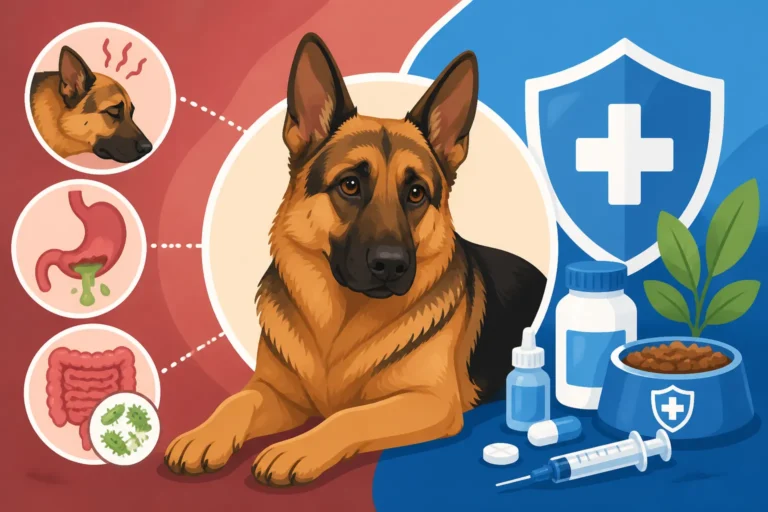
Dealing with a German Shepherd who suffers from allergies can feel like an endless cycle of frustration, constant itching, paw licking, ear infections, and upset stomachs. You try one food, it doesn't work, then another, and another, all while your beloved companion remains uncomfortable, and your vet bills pile up. It's truly heartbreaking to watch them suffer without a clear path to relief. This comprehensive guide is here to walk you through understanding your German Shepherd's allergies and, most importantly, how to find the very best diet to bring them comfort and improve their quality of life.
Understanding German Shepherd Allergies and Their Dietary Connection
German Shepherds are magnificent dogs, but like many large, purebred dogs, they can be predisposed to certain health issues, including allergies. It's a common complaint among owners, and it can manifest in various ways, making it tricky to pinpoint the exact cause. Before we dive into dietary solutions, it's crucial to understand what kind of allergies your furry friend might be battling.
Common Types of Allergies in German Shepherds
When your German Shepherd starts scratching incessantly, licking their paws raw, or developing recurrent ear infections, an allergic reaction is often at play. The challenge lies in distinguishing between the types.
Environmental allergies, also known as atopy, are actually more common than food allergies. These are reactions to airborne particles like pollen (from trees, grasses, weeds), dust mites, mold spores, and even certain dander. The symptoms often follow seasonal patterns or worsen in specific environments. While diet can help support a healthy skin barrier against environmental allergens, it won't eliminate the underlying trigger. For a deeper dive into common allergic reactions, you might find our guide on German Shepherd Allergies: Symptoms and Treatment helpful.
Food allergies, on the other hand, are an adverse immune response to a specific protein source or ingredient in their diet. It's not just a sensitive stomach; it's a full-blown immune system overreaction. These symptoms can be similar to environmental allergies, including intense itching, skin inflammation, and recurrent ear infections. However, food allergies often also present with gastrointestinal upset like vomiting, diarrhea, chronic loose stools, or excessive gas. It's a common misconception that grain is always the culprit, but often, it's specific protein sources like chicken, beef, or dairy that are the true triggers.
How Diet Influences Allergy Symptoms
Think of your dog's gut as a highly sophisticated gatekeeper. When an allergen is introduced through food, the immune system in the gut can identify it as a threat and launch an attack. This inflammatory response doesn't just stay in the digestive tract; it can manifest externally on the skin, in the ears, and even in the respiratory system. Certain ingredients can act as inflammatory agents, exacerbating existing allergic sensitivities, even if they aren't the primary allergen. For example, a dog with environmental allergies might experience more intense skin irritation if their diet also contains an ingredient they're mildly sensitive to.
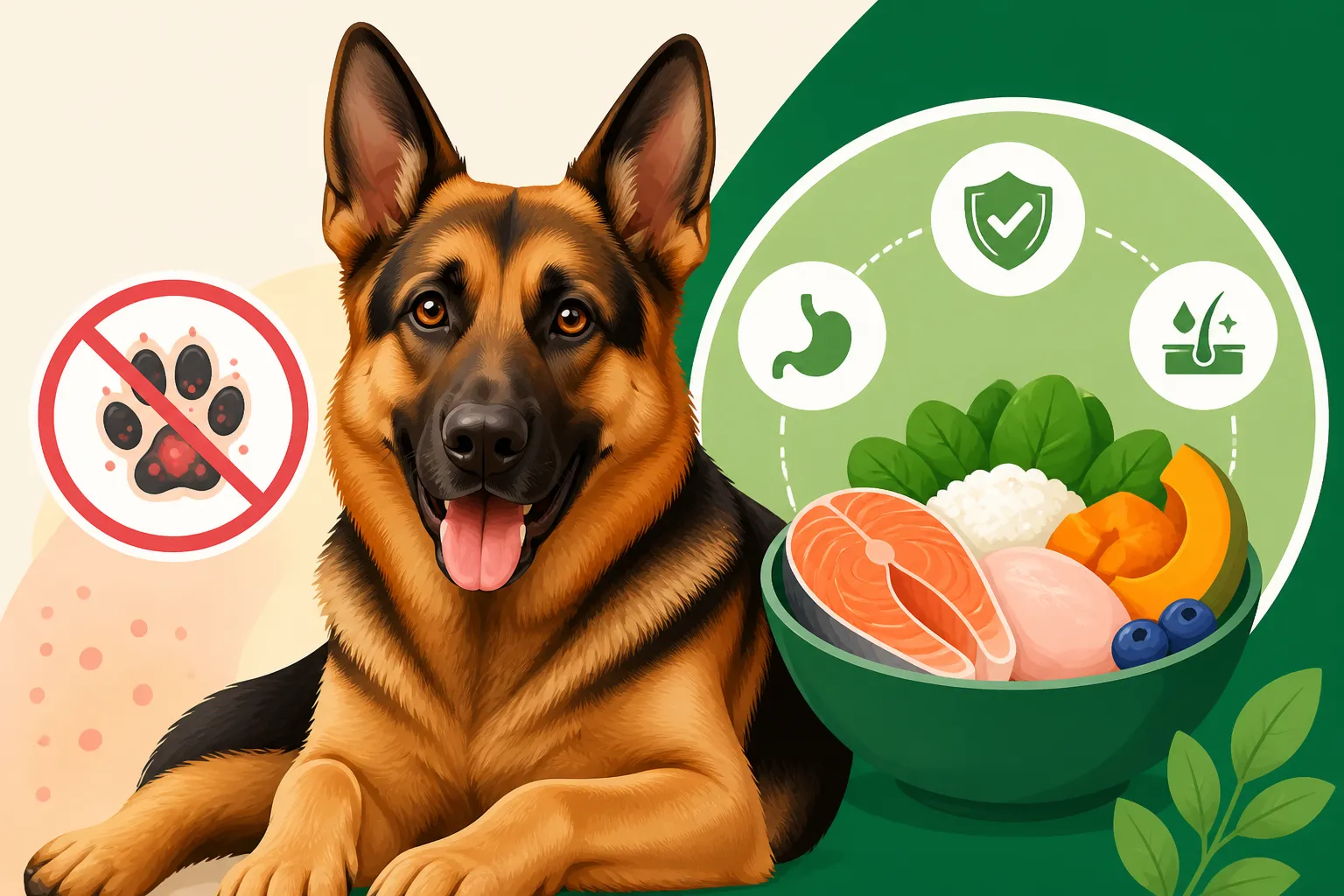
The right diet for an allergic German Shepherd aims to do two main things: first, eliminate any ingredients that are directly triggering an immune response, and second, provide nutrients that support a healthy gut microbiome and a strong skin barrier. By reducing systemic inflammation and bolstering the body's natural defenses, the right food can significantly alleviate symptoms, making your German Shepherd much more comfortable and reducing reliance on medications.
The Elimination Diet: Your Best Tool for Diagnosis and Relief
When it comes to identifying food allergies, there's no shortcut. Blood tests for food allergies are often unreliable, leading many owners down expensive and frustrating paths. The gold standard for truly diagnosing a food allergy is a carefully executed elimination diet. This method requires patience and strict adherence, but it's the most effective way to identify what's truly bothering your German Shepherd.
The Gold Standard: How to Conduct an Elimination Diet
An elimination diet isn't just switching to a "hypoallergenic" food and hoping for the best. It's a scientific process that involves feeding your German Shepherd a novel protein and carbohydrate source they've never eaten before, or a hydrolyzed protein diet, for a sustained period, typically 8-12 weeks.
Here’s how it generally works:
- Consult Your Veterinarian: This is absolutely step one. Your vet, or ideally a veterinary dermatologist, can guide you on the best approach, recommend specific diets, and help rule out other conditions that might mimic allergies. They'll help you assess if your dog's symptoms point more towards German Shepherd Itchy Skin: Causes and Fixes from environmental sources or if diet is a likely factor.
- Choose a Novel Protein Source: This means selecting a protein your dog has never had before. For many German Shepherds, common proteins like chicken, beef, and lamb are staples. So, you might choose something like duck, venison, rabbit, kangaroo, or even fish. The carbohydrate source should also be novel, such as sweet potato, potato, or peas.
- Hydrolyzed Protein Diets: Another excellent option, often recommended by vets, is a hydrolyzed protein diet. In these foods, the proteins are broken down into such tiny pieces that the dog's immune system doesn't recognize them as allergens. Brands like Royal Canin Hydrolyzed Protein or Purina Pro Plan HA are common choices.
- Strict Adherence for 8-12 Weeks: This is where the discipline comes in. Absolutely nothing else should enter your dog's mouth during this period – no treats, no table scraps, no flavored medications, no flavored chew toys, and certainly no raiding the cat's food bowl! If your German Shepherd is used to a variety of treats, finding single-ingredient, novel protein treats (like dried duck jerky if duck is your novel protein) is critical. This long period is necessary because it takes time for old allergens to clear out of the system and for inflammation to subside.
- Reintroduction (The "Challenge"): If symptoms improve significantly during the elimination phase, congratulations! You've likely identified a food allergy. The next step is to reintroduce single ingredients from their old diet, one at a time, for about a week each. For example, offer a small amount of cooked chicken. If symptoms return, you've found a culprit! This process helps confirm which specific ingredients are problematic.
It's a demanding process, but the relief it can bring to your German Shepherd is priceless. And remember, unexpected vet visits for chronic conditions like allergies can add up, making pet insurance providers like Healthy Paws a wise consideration for many families.
Common Allergenic Ingredients to Avoid
While every dog is an individual, certain ingredients are more frequently implicated in canine food allergies than others. These are the usual suspects you'll want to either avoid or test carefully during the reintroduction phase of an elimination diet.
Here's a list of common culprits:
- Chicken: Surprisingly, chicken is one of the most common allergens for dogs, despite being a staple in many commercial foods.
- Beef: Another popular protein that frequently triggers allergic reactions.
- Dairy: Lactose intolerance is common in dogs, but some can have full-blown allergies to dairy proteins.
- Wheat: While grains aren't universally bad, wheat is a common grain allergen.
- Soy: Often found in lower-quality foods and some treats, soy can be allergenic.
- Corn: Similar to soy, corn is often used as a filler and can be an allergen for some dogs.
- Eggs: While a good protein source for many, some dogs react negatively to eggs.
It's important to remember that just because these are common allergens doesn't mean your German Shepherd is allergic to all of them. The elimination diet helps you precisely identify which ones are problematic for your dog. Finding the cause of German Shepherd Loose Stool: Common Causes or chronic ear infections could very well boil down to one or more of these common ingredients.
Top Dietary Approaches for Allergy-Prone German Shepherds
Once you've identified what your German Shepherd is allergic to (or at least what they aren't allergic to!), you can choose a long-term diet plan. There are several effective dietary approaches tailored for dogs with food allergies, each with its own benefits and considerations.
Novel Protein Diets
A novel protein diet utilizes a protein source that your dog has not been exposed to before. The idea is simple: if their immune system has never encountered a particular protein, it's less likely to have developed an allergic response to it. For many German Shepherds who have eaten standard chicken and beef-based kibble their whole lives, common novel proteins include:
- Duck: A popular choice, duck is often readily available in commercial dog foods.
- Venison: Lean and distinct, venison is another excellent option for dogs with multiple sensitivities.
- Rabbit: Becoming more common, rabbit is a highly digestible and novel protein.
- Kangaroo: While less common and often more expensive, kangaroo is a truly novel protein for most dogs.
- Fish (e.g., Salmon, Whitefish): Many dogs thrive on fish-based diets, which are also rich in beneficial omega-3 fatty acids.
When selecting a novel protein diet, always read the ingredient list carefully. Some brands might label a food as "duck formula" but still include chicken meal or other common allergens as secondary ingredients. Look for single-protein sources and ensure the carbohydrate source is also unlikely to trigger a reaction.
Hydrolyzed Protein Diets
Hydrolyzed protein diets are truly specialized and are often prescribed by veterinarians, especially for severe or complex allergy cases. In these diets, the protein molecules are broken down into their smallest components, called peptides and amino acids. These fragments are so small that the dog's immune system doesn't recognize them as foreign invaders and therefore doesn't mount an allergic response.
Benefits of Hydrolyzed Diets:
- Highly Effective: They are incredibly effective at reducing allergic reactions because the proteins are rendered virtually undetectable by the immune system.
- Diagnostic Tool: Vets often use these diets as the primary food during an elimination diet, as they remove almost all potential dietary triggers.
- Nutritionally Complete: Formulated to provide complete and balanced nutrition, suitable for long-term feeding.
Considerations:
- Cost: These diets are typically more expensive than standard kibble.
- Palatability: While many dogs eat them without issue, some pickier eaters might find them less palatable due to the processing.
- Prescription Only: Most high-quality hydrolyzed diets are only available through a veterinary prescription.
If your German Shepherd has severe or persistent allergies, or if other dietary changes haven't worked, your vet might suggest a hydrolyzed diet. These specialized foods can be a lifesaver for dogs with chronic issues, and having pet insurance like Healthy Paws can certainly help manage the cost of these premium, vet-prescribed foods.
Limited Ingredient Diets (LID)
Limited Ingredient Diets are designed to minimize the number of ingredients, thereby reducing the chances of exposing your German Shepherd to an allergen. The philosophy behind LIDs is "less is more." They typically contain:
- One animal protein source: Often a novel one, like duck, salmon, or venison.
- One carbohydrate source: Such as sweet potato, potato, or peas.
- Limited additional ingredients: Only essential vitamins, minerals, and perhaps a healthy fat source.
Benefits of LIDs:
- Simplicity: Easy to understand the ingredient list and identify potential triggers.
- Reduced Exposure: Fewer ingredients mean fewer chances for an allergic reaction.
- Widely Available: Many pet food brands now offer LID options, making them more accessible.
Considerations:
- Hidden Ingredients: Always scrutinize the label for "natural flavors" or other vague terms that might hide small amounts of common allergens.
- Cross-Contamination: In manufacturing, cross-contamination with common allergens can occur, so choosing a reputable brand with strict quality control is important.
For German Shepherds with German Shepherd Sensitive Stomach Solutions or mild allergies, an LID can be a great starting point, offering a simpler way to manage dietary sensitivities.
Grain-Free vs. Grain-Inclusive Diets
For years, "grain-free" was synonymous with "hypoallergenic" in the dog food world. However, research has shown that true grain allergies are far less common than allergies to protein sources like chicken or beef. The movement towards grain-free diets also raised concerns about a potential link to dilated cardiomyopathy (DCM) in some dogs, though this is a complex issue still under investigation.
Grain-Free:
- Pros: Can be beneficial if your dog genuinely has a specific grain allergy (e.g., to wheat or corn). Often uses alternative carbohydrates like lentils, chickpeas, or sweet potatoes.
- Cons: Not necessarily better for allergies if grains aren't the issue. May lack certain nutrients if not formulated carefully. The potential link to DCM is a concern for some owners, so discuss with your vet.
Grain-Inclusive:
- Pros: Many dogs tolerate grains perfectly well. Grains can provide essential nutrients, fiber, and energy. Many high-quality, limited-ingredient diets still include a single, well-tolerated grain like rice or oats.
- Cons: If your dog is allergic to a specific grain (like wheat), then a grain-inclusive diet would be problematic.
The takeaway here is not to automatically assume grain is the enemy. Focus on the protein source and the overall simplicity of the ingredient list. If your German Shepherd truly has a grain allergy, a grain-free diet will be appropriate, but don't blindly choose it if their allergies are primarily protein-based.
Here's a quick comparison of these dietary approaches:
| Diet Type | Key Feature | Pros | Cons | Ideal For |
|---|---|---|---|---|
| Novel Protein | Uses protein sources your dog hasn't eaten before (e.g., duck, venison, fish). | Reduces exposure to common allergens; wide variety of options. | Can be more expensive; cross-contamination risk if not strictly manufactured. | Dogs with suspected common protein allergies; initial elimination diet phase. |
| Hydrolyzed Protein | Proteins broken down into tiny, unrecognizable molecules. | Highly effective for severe allergies; excellent diagnostic tool; vet-prescribed. | High cost; often prescription only; some dogs may find it less palatable. | Severe or complex allergies; vet-supervised elimination diet; long-term management. |
| Limited Ingredient | Few, carefully selected ingredients (one protein, one carb, minimal extras). | Simplifies diet to pinpoint triggers; widely available. | Must read labels carefully for hidden ingredients; can be pricier. | Mild to moderate allergies; as a follow-up after an elimination diet. |
Beyond the Bowl: Holistic Management for Allergic German Shepherds
While diet is a cornerstone in managing German Shepherd allergies, it's rarely the only piece of the puzzle. A holistic approach that addresses various aspects of their health and environment will yield the best long-term results and provide your furry friend with maximum comfort. This is especially true if your German Shepherd's health issues are complex, as outlined in our general German Shepherd Health Problems Guide.
The Role of Supplements
Even with the perfect diet, some German Shepherds can benefit from targeted supplements that support skin health, gut integrity, and overall immune function.
- Omega-3 Fatty Acids: These powerful anti-inflammatory agents can significantly improve skin and coat health, reducing itchiness and dryness. Look for supplements derived from fish oil (like salmon or sardine oil) or algal oil. Dosing should always be discussed with your vet. Many owners find these crucial for managing various skin and coat issues.
- Probiotics and Prebiotics: A healthy gut is intimately linked to a healthy immune system. Probiotics introduce beneficial bacteria to the gut, while prebiotics feed those good bacteria. This can improve digestion, nutrient absorption, and help regulate immune responses, potentially reducing allergic flare-ups. This is a critical component for addressing a German Shepherd Sensitive Stomach Solutions.
- Digestive Enzymes: For some dogs with sensitive stomachs or malabsorption issues (which can sometimes mimic allergy symptoms), digestive enzymes can aid in breaking down food and improving nutrient uptake.
- Antihistamines and Steroids (Vet Prescribed): In acute flare-ups, your vet might prescribe medications like antihistamines or corticosteroids to provide immediate relief from severe itching and inflammation. These are typically short-term solutions used in conjunction with long-term dietary and environmental management.
Always consult your veterinarian before adding any supplements to your German Shepherd's regimen, as they can recommend the best products and appropriate dosages. If you're looking for more general health support, our article on German Shepherd Joint Health Supplements also provides great information on supplements that benefit overall well-being.
Environmental Allergy Management
Remember how we discussed environmental allergies are more common than food allergies? Even if your German Shepherd has a diagnosed food allergy, they might also have environmental sensitivities. Addressing these can drastically improve their overall comfort.
- Regular Bathing: Using a hypoallergenic or medicated shampoo can help remove allergens from their coat and soothe irritated skin. Talk to your vet about how often is appropriate for your dog.
- Paw Wipes/Rinses: After outdoor walks, wiping or rinsing your German Shepherd's paws can remove pollen and other outdoor allergens before they are licked off or tracked inside.
- HEPA Filters: Investing in HEPA air purifiers for your home can help reduce airborne allergens like dust mites and pollen.
- Regular Cleaning: Vacuuming, dusting, and washing pet bedding frequently can minimize indoor allergen accumulation.
- Allergy Injections/Drops: For severe environmental allergies, your vet might recommend allergen-specific immunotherapy (ASIT) in the form of injections or oral drops. These work by gradually exposing your dog to increasing doses of the allergens they react to, desensitizing their immune system over time.
Ignoring environmental triggers while focusing solely on diet is a common mistake. For comprehensive relief, both dietary and environmental factors must be managed in tandem.
The Importance of a Vet Partnership
You are your German Shepherd's best advocate, but navigating the complexities of allergies requires expert guidance. Partnering closely with your veterinarian is non-negotiable.
- Accurate Diagnosis: Your vet can rule out other conditions (like parasites, bacterial infections, or fungal infections) that might present with similar symptoms.
- Personalized Plan: They can help you design and monitor an elimination diet, recommend specific prescription diets (like hydrolyzed formulas), and suggest appropriate supplements or medications.
- Long-Term Strategy: Allergies are often a lifelong condition, and your vet can help you develop a sustainable management plan, adjusting treatments as needed.
- Monitoring and Support: Regular check-ups are crucial to monitor your German Shepherd's progress and address any new concerns.
The diagnostic journey, specialized diets, and potential long-term medications for allergies can be expensive. Many German Shepherd owners find peace of mind with pet insurance. Companies like Healthy Paws can significantly mitigate the financial burden of chronic conditions, allowing you to focus on getting your dog the best possible care without constant worry about the cost. For an understanding of potential expenses, you might want to look into German Shepherd Vet Costs Per Year or explore Is Pet Insurance Worth It for a German Shepherd. Having a good relationship with your vet and a sound financial plan, like comprehensive insurance, ensures your allergic German Shepherd receives consistent, high-quality care.
Disclaimer
The information provided in this guide is for informational purposes only and is not intended to be a substitute for professional veterinary advice, diagnosis, or treatment. Always seek the advice of your veterinarian or other qualified animal health provider with any questions you may have regarding a medical condition or diet for your German Shepherd.