German Shepherd Itchy Skin: Causes and Fixes
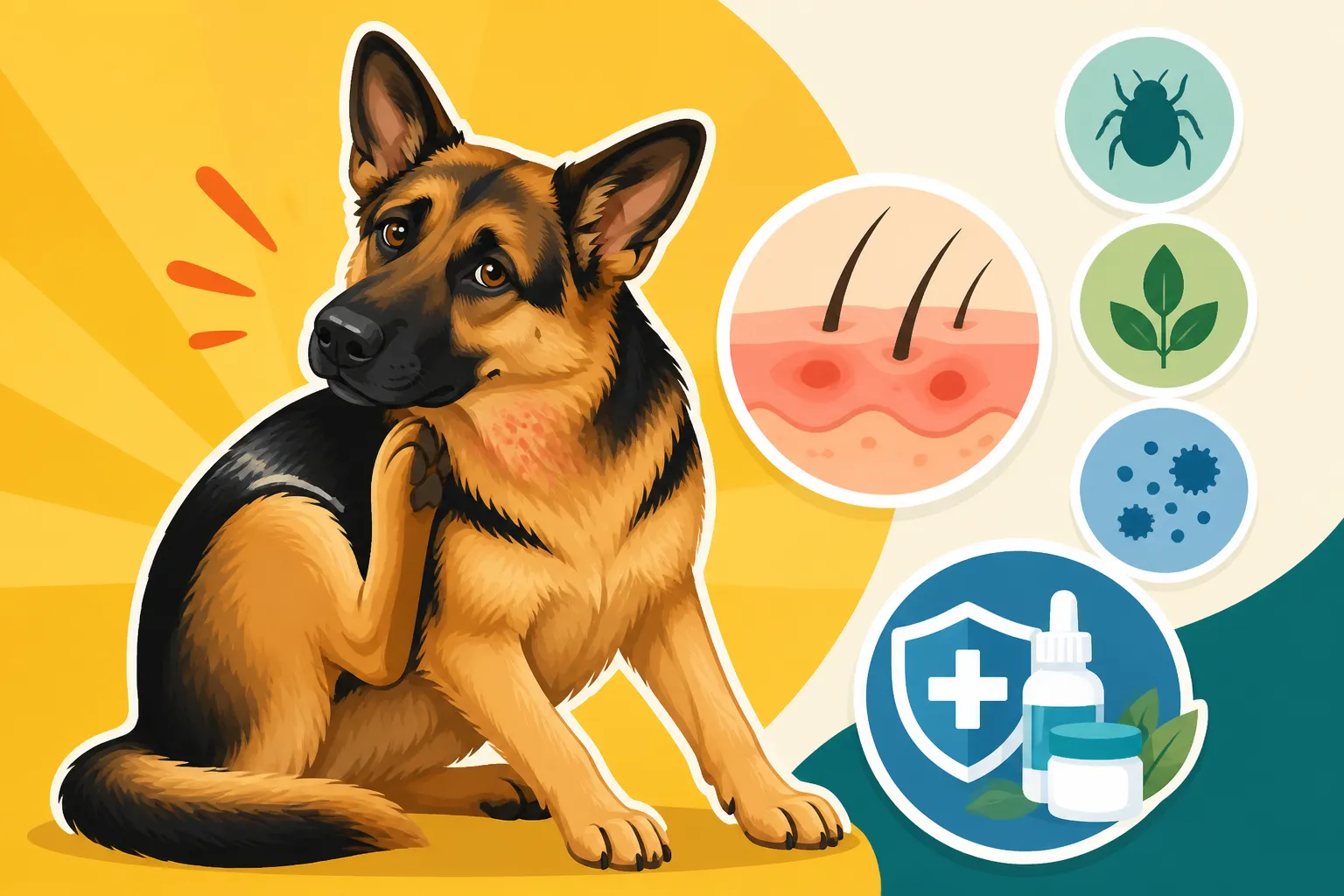
It's absolutely heartbreaking to see your magnificent German Shepherd constantly scratching, biting, or rubbing themselves raw. You walk into the living room, and there they are, gnawing at a paw or furiously digging behind an ear, leaving behind a flurry of hair and, often, red, irritated skin. It’s not just an annoying habit; it’s a sign of real discomfort, and as a German Shepherd owner, you want nothing more than to make your loyal companion feel better. This comprehensive guide will delve into the most common reasons behind your German Shepherd's itchy skin and, more importantly, equip you with the knowledge to identify and effectively address these issues.
Unraveling the Mystery Behind Your German Shepherd's Itchy Skin
When your German Shepherd starts scratching more than usual, it’s not just a passing phase; it’s their way of telling you something is wrong. The frustration for many owners lies in trying to pinpoint the exact cause, as there can be so many different culprits. It's like trying to find a needle in a haystack, and often, what looks like a simple itch can be a symptom of a much larger underlying problem.
Common Allergenic Triggers
Allergies are, without a doubt, one of the most frequent reasons German Shepherds develop itchy skin. Just like people, dogs can react to a wide range of substances in their environment or diet, leading to everything from mild irritation to severe, debilitating itchiness.
Environmental Allergies also known as Atopy
Many German Shepherds suffer from environmental allergies, medically known as atopy. These are typically seasonal, flaring up with pollen from trees, grasses, and weeds, or they can be year-round due to indoor allergens like dust mites, mold, and dander from other pets. Imagine feeling like you constantly have a runny nose and itchy eyes, but all over your body – that's often what atopy feels like for a dog. You might notice your dog scratching their ears, rubbing their face on the carpet, licking their paws obsessively, or developing red, bumpy rashes in their armpits or groin. The constant licking and scratching can break the skin barrier, leading to secondary bacterial or yeast infections, which only intensify the itch. Finding the specific triggers can be tricky, but knowing when symptoms appear (e.g., spring, summer, or all year) can provide crucial clues. This type of allergy often requires long-term management, a topic we discuss in depth in our guide on German Shepherd Allergies: Symptoms and Treatment.
Food Sensitivities and Allergies
While less common than environmental allergies, food allergies and sensitivities can certainly be a source of intense itchiness for German Shepherds. Unlike environmental allergies that often manifest seasonally, food-related issues tend to be year-round. The most common culprits are proteins like beef, chicken, dairy, wheat, and soy, though any ingredient can potentially cause a reaction. Beyond skin issues, such as generalized itching, paw licking, ear infections, or hives, food allergies can also lead to gastrointestinal upset like vomiting or diarrhea. Diagnosing a food allergy isn't as simple as a blood test; it almost always requires a strict elimination diet under veterinary guidance, where your dog eats a novel protein or hydrolyzed protein diet for several weeks to see if symptoms resolve. This process requires patience but is often the only way to truly identify the offending ingredient. You might find our Best Diet for a German Shepherd with Allergies article particularly helpful when exploring dietary options.
Pesky Parasites and Unwanted Hitchhikers
Before jumping to conclusions about allergies, it's vital to rule out parasites. These tiny creatures can cause monumental discomfort and are often much easier to treat once identified.
Fleas and Ticks
Oh, the dreaded fleas! Even indoor dogs can get them, as these resilient pests can hitch a ride into your home on shoes, other pets, or even you. A single flea bite can cause an allergic reaction (flea allergy dermatitis, or FAD) in sensitive German Shepherds, leading to intense itching, especially at the base of the tail, inner thighs, and belly. You might see "flea dirt" (tiny black specks that look like pepper) in their coat, which is actually flea feces. Ticks, while less likely to cause widespread itching, can transmit diseases and leave an irritating bite site. Regular, year-round flea and tick prevention is absolutely non-negotiable for German Shepherds. There are many effective options available, from topical treatments to oral medications, and your veterinarian can recommend the best one for your dog's specific needs and lifestyle.
Mites Scabies and Demodex
Mites are another microscopic menace that can make your German Shepherd miserable. Sarcoptic mange, caused by Sarcoptes scabiei mites, is intensely itchy and highly contagious to other animals and even humans. The itching is often so severe it drives dogs to frantic scratching, leading to hair loss, redness, and crusting, commonly on the ear edges, elbows, hocks, and belly. Demodectic mange, caused by Demodex canis mites, is usually not itchy unless a secondary bacterial infection develops. These mites are typically passed from mother to puppy and often cause localized hair loss around the face and front legs in younger dogs. While Demodex mites are normally present in small numbers on a dog's skin without causing problems, an overgrowth due to a compromised immune system can lead to issues. Both types of mange require veterinary diagnosis through skin scrapings and specific treatments.
Infections on the Skin
When the skin's natural barrier is compromised by constant scratching, licking, or an underlying condition, it becomes an open invitation for opportunistic bacteria and yeast to move in and set up shop.
Bacterial Infections Pyoderma
Bacterial skin infections, or pyoderma, are often secondary to another issue like allergies or parasites. When your German Shepherd scratches an itch, they can create micro-abrasions in their skin, allowing bacteria (most commonly Staphylococcus) to enter and multiply. This results in red, inflamed patches, pustules, crusts, and often a foul odor. Hot spots are a classic example of acute moist pyoderma, appearing suddenly as rapidly spreading, painful, weeping sores, often due to an intense, localized itch. These infections require prompt veterinary attention, usually involving antibiotics (oral or topical), medicated shampoos, and sometimes anti-inflammatory medications to break the itch-scratch cycle. Keeping your German Shepherd’s skin clean and healthy through proper grooming can help prevent these infections, as outlined in our guide on How to Groom a German Shepherd.
Yeast Infections Malassezia Dermatitis
Yeast, specifically Malassezia pachydermatis, is another common culprit behind skin infections, often flourishing in warm, moist areas like ear canals, paw pads, skin folds, and armpits. Like bacteria, yeast infections are frequently secondary to underlying allergies or other skin conditions that disrupt the skin's normal microbiome. Symptoms include intense itching, a greasy or oily coat, red and thickened skin (often described as "elephant skin" in chronic cases), and a distinctive musty or cheesy odor. Your vet can diagnose a yeast infection with a simple skin cytology (looking at a swab under a microscope). Treatment typically involves antifungal medications, medicated shampoos, and addressing the primary cause.
Dry Skin and Other Irritants
Sometimes, the cause of itching can be simpler than a full-blown allergy or infection, pointing to environmental factors or even your grooming routine.
Dry Skin
Just like humans, German Shepherds can suffer from dry, flaky skin, especially in arid climates or during dry winter months. This can be exacerbated by excessive bathing, using harsh shampoos that strip natural oils, or a diet lacking essential fatty acids. While not as intensely itchy as an allergic reaction, dry skin can cause mild to moderate discomfort, leading to scratching and dull, brittle fur. You might notice dandruff-like flakes, particularly along their back. Addressing dry skin often involves switching to moisturizing shampoos, reducing bath frequency, using a good conditioner, and incorporating omega-3 and omega-6 fatty acid supplements into their diet.
Contact Dermatitis
Contact dermatitis occurs when your German Shepherd's skin directly touches an irritating substance. This could be anything from certain plants (like poison ivy or specific grasses), harsh cleaning chemicals, carpet deodorizers, or even certain grooming products or fabrics. The reaction typically occurs only where the skin has made contact, leading to redness, rash, and intense itching in localized areas, often the belly, paws, or chin. Identifying and removing the offending agent is key to resolution. For example, if your dog develops a rash after walking through a freshly treated lawn, it might be contact dermatitis.
Pinpointing the Problem: Diagnosing Itchy Skin
Understanding the potential causes is the first step, but confirming the exact issue requires a systematic approach, usually with the help of your trusted veterinarian. Trying to self-diagnose can lead to frustration and delays in effective treatment.
Working with Your Veterinarian
When your German Shepherd's itching becomes persistent, severe, or accompanied by other symptoms like hair loss, redness, or odor, a trip to the vet is crucial. Your vet will start by taking a thorough history, asking about your dog's diet, living environment, travel history, parasite prevention, and the timeline of their symptoms. Be prepared to answer questions about when the itching started, where it's worst, what makes it better or worse, and what products you use on your dog. This initial conversation is incredibly important for narrowing down the possibilities. Remember, early intervention can prevent minor issues from becoming chronic or severely infected. Many owners consider pet insurance, like a plan from Healthy Paws, to help manage unexpected vet visits for such chronic or acute conditions.
Diagnostic Tests and Procedures
To get to the bottom of the itch, your vet may recommend several diagnostic tests:
- Skin Scrapings: This involves gently scraping the surface of your dog's skin with a blade to collect samples that are then examined under a microscope for mites (Sarcoptes, Demodex) or other parasites. It's a quick and relatively painless procedure.
- Cytology: Swabs of affected skin or ear canals are taken and stained to look for bacteria and yeast under a microscope. This helps determine the type of infection and guide appropriate antibiotic or antifungal treatment.
- Fungal Cultures: If a fungal infection like ringworm is suspected, hair and skin samples may be cultured to grow and identify the specific fungus.
- Allergy Testing: Once parasites and infections are ruled out or treated, allergy testing might be considered for suspected environmental allergies. This can involve intradermal skin testing (where small amounts of allergens are injected into the skin to observe reactions) or blood tests (serum IgE tests). While these tests can help identify specific allergens, they are often used to guide immunotherapy (allergy shots) rather than for initial diagnosis.
- Elimination Diet Trials: As mentioned earlier, for suspected food allergies, a strict elimination diet is the gold standard. This involves feeding a novel protein (one your dog has never eaten before) or a hydrolyzed protein diet for 6-12 weeks, with no other treats, chews, or flavored medications. Reintroducing old foods one by one can then identify the allergen.
Here's a quick reference table for some common causes and their typical characteristics:
| Cause | Common Symptoms | Key Distinguishing Factors |
|---|---|---|
| Environmental Allergies | Itchy ears, paws, face, armpits, groin; licking, rubbing; seasonal or year-round | Often symmetrical; flares with specific pollens or indoor allergens |
| Food Allergies | Generalized itching, ear infections, paw licking; sometimes GI upset (vomiting/diarrhea) | Non-seasonal; symptoms persist despite environmental changes; responds to elimination diet |
| Fleas | Intense itching, especially at tail base, inner thighs, belly; "flea dirt" | Presence of fleas or flea dirt; rapid onset of severe itching |
| Mites (Sarcoptic Mange) | Extremely intense itching, hair loss, crusting on ear edges, elbows, hocks | Highly contagious; often affects specific body parts; skin scraping confirms |
| Bacterial Infections | Redness, pustules, crusts, hot spots, foul odor; secondary to other issues | Localized or widespread; rapid onset if acute; cytology confirms bacteria |
| Yeast Infections | Greasy skin, musty odor, red/thickened skin, intense itching, especially in folds | Often in moist areas; cytology confirms yeast overgrowth; distinctive odor |
| Dry Skin | Flaky skin, mild to moderate itching, dull coat | More prominent in dry weather; often improved with moisturizing products/supplements |
| Contact Dermatitis | Localized redness, rash, itching where skin touched irritant | Clear boundaries of affected area; direct contact with suspected irritant |
Effective Solutions and Management Strategies for Itchy Skin
Once you and your vet have identified the underlying cause of your German Shepherd's itchy skin, a targeted treatment plan can be put into action. It’s often a multi-faceted approach, combining dietary adjustments, topical treatments, environmental control, and sometimes medication.
Dietary Changes and Supplements
If food allergies are confirmed, or even suspected, changing your German Shepherd's diet is paramount. This might mean switching to a prescription hydrolyzed protein diet, where the protein molecules are broken down so small that the immune system doesn't recognize them as allergens. Alternatively, a novel protein diet featuring ingredients like venison, duck, or kangaroo—proteins your dog has likely never encountered—can be effective. The key is strict adherence. It’s a commitment, but one that can dramatically improve your dog's quality of life. For broader skin health, supplements are often a game-changer. Omega-3 and Omega-6 fatty acids are crucial for maintaining a healthy skin barrier and reducing inflammation. Fish oil, flaxseed oil, and even certain specially formulated supplements can be incredibly beneficial. Probiotics can also support gut health, which is increasingly linked to overall immune function and skin health. Our article on Best Supplements for German Shepherds offers some excellent recommendations.
Topical Treatments and Grooming Practices
Regular and appropriate grooming plays a significant role in managing itchy skin. Medicated shampoos and conditioners can be invaluable tools. If your German Shepherd has a bacterial infection, a chlorhexidine-based shampoo can help kill bacteria. For yeast, a miconazole-containing shampoo works wonders. For general dryness and mild irritation, oatmeal or aloe-vera based soothing shampoos can provide relief without stripping natural oils. Always ensure you follow the product's instructions for contact time, as lathering and rinsing immediately won't be effective. Bathing frequency depends on the condition, but often, weekly baths are needed during flare-ups.
Beyond bathing, consistent brushing with the right tools helps distribute natural oils, remove loose hair, and stimulate circulation. For German Shepherds, with their thick double coats, regular brushing is essential for preventing matting and improving skin health. Over-grooming, however, can be counterproductive, leading to dry skin. Knowing How to Manage German Shepherd Shedding Year-Round is also part of maintaining a healthy coat and skin. Wiping paws and faces after outdoor activities can remove environmental allergens and irritants before they can cause a reaction.
Environmental Management
For German Shepherds suffering from environmental allergies, minimizing exposure to triggers can make a huge difference. If pollen is the culprit, try to walk your dog in the early morning or late evening when pollen counts are lower, and wipe down their paws and coat after walks. Using HEPA air purifiers indoors can help reduce dust mites and mold spores. Regularly washing your dog's bedding in hot water and vacuuming with a HEPA filter vacuum can also control indoor allergens. Consider specific changes, like switching to dust-mite-proof covers for their dog bed or using hypoallergenic laundry detergents. This proactive approach to their immediate environment can greatly reduce the allergic load on their system.
Medications and Advanced Therapies
When dietary and environmental changes aren't enough, your veterinarian might prescribe medications to alleviate the itch and control secondary infections. Antihistamines, while sometimes effective for mild allergies, often aren't strong enough for severe cases in German Shepherds. Steroids (like prednisone) are highly effective at reducing inflammation and itching, but they come with potential side effects and are typically used for short-term relief or in severe flare-ups. Newer medications, like Apoquel and Cytopoint, specifically target the itch pathway, offering effective relief with fewer side effects than steroids, making them excellent long-term solutions for atopic dogs.
For persistent environmental allergies, immunotherapy (allergy shots or oral drops) is often recommended. This involves gradually exposing your dog to small, increasing doses of the specific allergens they react to, with the goal of desensitizing their immune system over time. While it takes patience (results can take 6-12 months), it's the only treatment that can potentially change the course of the allergy rather than just managing symptoms. In cases of severe chronic infections, additional tests might be needed to determine specific antibiotic sensitivities, ensuring the most effective treatment is used. It’s important to discuss the long-term cost implications of these treatments with your vet, especially if you haven't considered pet insurance yet; companies like Healthy Paws can provide valuable financial support for chronic conditions.
Preventing Future Itchy Skin Issues
The best defense is always a good offense. Establishing a consistent, proactive care routine for your German Shepherd can go a long way in preventing future bouts of itchy skin and maintaining their overall health.
Developing a Proactive Care Routine
Consistency is key when it comes to preventing itchy skin. This means adhering to a year-round parasite prevention schedule, even if your dog primarily stays indoors. Fleas and ticks are opportunistic and can find their way into your home. Regular grooming, as we’ve discussed, helps keep their coat and skin in top condition. This isn't just about aesthetics; it's about checking for early signs of irritation, parasites, or changes in skin texture. A balanced, high-quality diet that supports skin health, possibly supplemented with omega fatty acids, forms the foundation of good health. Be mindful of sudden changes in food, treats, or environment that could trigger an allergic reaction. A good feeding guide for German Shepherds can be found in our comprehensive article, German Shepherd Feeding Guide.
Seasonal Considerations and Ongoing Vigilance
Being aware of seasonal changes and how they might affect your German Shepherd is vital. If your dog suffers from pollen allergies, you'll know to be extra vigilant during spring and summer. This might mean more frequent paw wipes, baths, or prophylactic use of prescribed medications. In drier winter months, consider a humidifier indoors and ensure your dog's skin isn't becoming excessively dry. Anytime you notice a subtle change in your German Shepherd's behavior – more licking, scratching, or a new odor – consider it a red flag. Early detection of a potential problem can prevent it from escalating into a full-blown skin crisis, saving both your dog discomfort and you potential stress and vet bills. Continuing to educate yourself on broader German Shepherd Skin Problems and Fixes will empower you to be the best advocate for your dog's health.
Ultimately, your German Shepherd's itchy skin isn't just an annoyance; it's a symptom that demands your attention and a structured approach. By working closely with your veterinarian and implementing consistent care strategies, you can help your beloved companion find relief and enjoy a comfortable, itch-free life. It’s a journey that requires patience and dedication, but seeing your German Shepherd happy and healthy is the greatest reward.
Disclaimer
The information provided in this guide is intended for general knowledge and informational purposes only, and does not constitute veterinary advice. Always consult with a qualified veterinarian for any health concerns or before making any decisions about your German Shepherd's medical care or treatment.