How to Manage German Shepherd Shedding Year-Round
If you've ever owned a German Shepherd, you know that living with one means living with fur – lots and lots of fur. It can feel like an endless battle against tumbleweeds of dog hair, coating your floors, furniture, and even finding its way into your morning coffee. The frustration is real, and sometimes it feels like no amount of vacuuming or brushing can truly keep up. This guide is dedicated to helping you tackle that shedding monster, offering practical, year-round strategies to manage your German Shepherd's coat and keep your home a little less hairy.
The German Shepherd's Magnificent (and Challenging) Double Coat
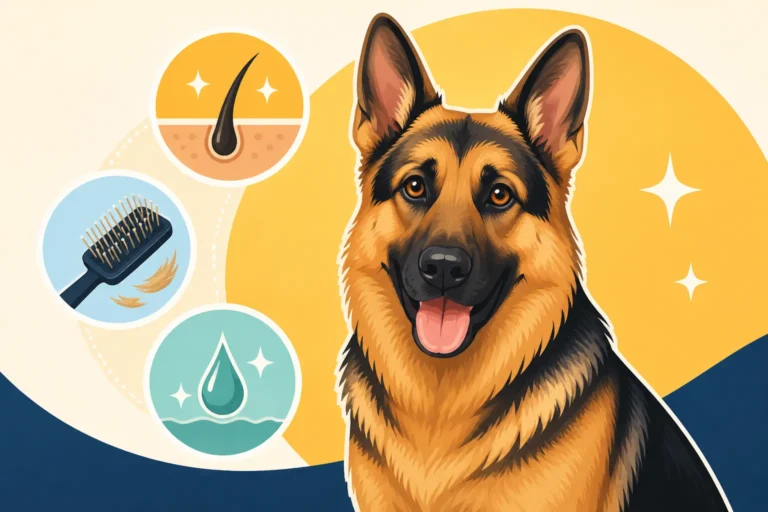
German Shepherds are renowned for their majestic, dense coats, which are a defining characteristic of the breed. This isn't just for looks; it's a highly functional coat designed to protect them from the elements, whether it's scorching summer sun or biting winter cold. However, this magnificent coat comes with a significant trade-off for owners: consistent, often heavy, shedding. Understanding the anatomy of their coat is the first step to effectively managing the fur tornado.
Understanding the "Blow Coat" Phenomenon
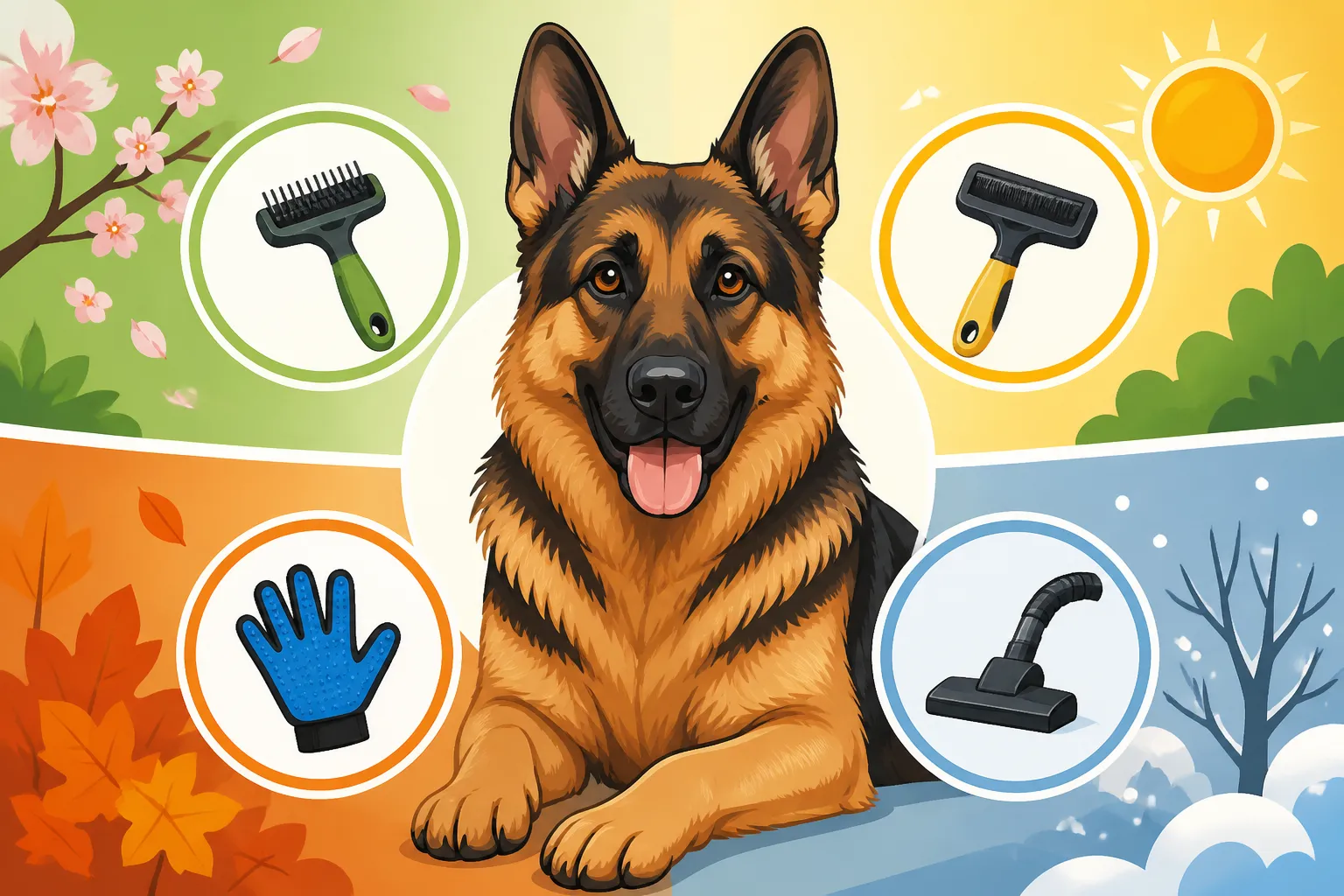
Unlike some breeds that shed continuously at a moderate rate, German Shepherds experience what's commonly referred to as "blowing their coat." This intense shedding period typically occurs twice a year, usually in spring and fall, coinciding with seasonal changes in temperature. During these times, your dog will shed a massive amount of their undercoat to prepare for either warmer or colder weather. Imagine an entire dog's worth of fur coming off in just a few weeks – that's a German Shepherd blow-out! It’s a natural process, but it can be overwhelming if you're not prepared. You'll literally be pulling out handfuls of soft, downy undercoat. While this is the most noticeable shedding, German Shepherds do shed moderately year-round, losing old or damaged hairs to make way for new growth. This is why a consistent grooming routine is absolutely non-negotiable for these dogs.
The Different Layers and Their Purpose
A German Shepherd's coat is a double coat, meaning it consists of two distinct layers, each with its own purpose. The outer layer is called the guard coat, and it’s made up of coarser, longer, and somewhat water-resistant hairs. These hairs protect against dirt, moisture, and UV rays. Think of it as their durable, weatherproof jacket. Beneath this lies the soft, dense undercoat, which acts as insulation. In colder months, the undercoat grows thick to trap warm air close to the body, keeping them toasty. In warmer months, this dense insulation is no longer needed, so they shed it to allow air circulation and help them cool down. When the seasons shift, both layers go through a shedding cycle, but it's the sheer volume of the undercoat that creates the most visible shedding. It’s crucial to never shave your German Shepherd, as this can damage both layers, impairing their natural insulation and protective qualities, and can even lead to skin issues like hotspots.
Essential Tools and Techniques for Year-Round Shedding Control
Effectively managing German Shepherd shedding requires the right tools and a consistent approach. There’s no magic bullet, but a dedicated grooming routine can dramatically reduce the amount of fur floating around your home. Investing in quality grooming supplies designed for double-coated breeds is key.
Brushing: Your First Line of Defense
Regular brushing is by far the most impactful strategy for managing German Shepherd shedding. During the peak shedding seasons, daily brushing is almost a necessity. Even during non-shedding periods, aiming for 2-3 times a week will help keep loose hair at bay. But not just any brush will do! You need tools that can penetrate the dense guard coat to reach and remove the loose undercoat without damaging the skin.
One of the most popular and effective tools is a deshedding tool like the FURminator. These brushes have fine, short teeth that are designed to pull out loose undercoat hairs. However, they should be used with caution and not excessively, as over-brushing with these tools can irritate the skin or damage the guard coat. A good metal slicker brush is excellent for working through tangles and removing loose hair from both layers, especially if your German Shepherd has a longer coat. Follow this up with a strong rake comb or an undercoat rake, which has longer teeth designed specifically to get deep into the undercoat and pull out those fluffy loose hairs. For general grooming and to distribute natural oils, a bristle brush can be used daily. You can find a wide range of these tools, from brands like FURminator or Hertzko, readily available on platforms like Chewy or Amazon, making it convenient to stock up on your grooming arsenal. For an even deeper dive into what tools are best, check out our guide on the "Best Brush for a German Shepherd Double Coat".
Bathing for Shedding Reduction
Bathing plays a crucial, though less frequent, role in managing shedding. While you don't want to over-bathe a German Shepherd (as it can strip their natural oils and dry out their skin), a bath every 4-6 weeks, or during a heavy blow-out, can work wonders. The warm water helps to loosen dead hair, and the shampoo and conditioner can help release it, making subsequent brushing much more effective.
When bathing, use a high-quality shampoo specifically formulated for dogs, preferably one designed for shedding control or sensitive skin. Brands like Earthbath or TropiClean offer excellent options. Lather thoroughly, making sure to work the shampoo down to the skin. Rinse, rinse, and rinse again – leftover shampoo can cause skin irritation. After the bath, the drying process is vital. Using a high-velocity dog dryer (like those used by professional groomers) is incredibly effective. It literally blows out loose undercoat that would otherwise end up on your furniture. If you don't have one, towel dry as much as possible, then let them air dry completely, brushing vigorously once they are damp to dry. A thorough brushing session after a bath will remove an astonishing amount of hair, proving just how effective this combination can be. If you're wondering "How Often to Bathe a German Shepherd", we have a detailed article just for that!
Professional Grooming vs. At-Home Care
While many German Shepherd owners manage shedding at home, there are times when professional grooming can be a lifesaver, especially during those intense "blow coat" seasons. A professional groomer has specialized tools, such as powerful high-velocity dryers and advanced deshedding shampoos, that can remove an incredible amount of loose hair in one session. They also have the experience to handle uncooperative dogs and ensure a thorough job without causing discomfort.
Consider a professional deshedding treatment a few times a year, particularly right before and during the spring and fall blow-outs. This can significantly reduce the workload for you at home and help your dog be more comfortable. However, for the day-to-day and week-to-week maintenance, consistent at-home brushing and occasional bathing are essential. Relying solely on professional grooming won't cut it for a breed that sheds as much as a German Shepherd. It's a partnership: professionals for deep cleans and you for regular upkeep. This combined approach offers the best results for managing German Shepherd Shedding: How to Manage It.
Here’s a quick overview of popular grooming tools for German Shepherds:
| Grooming Tool | Primary Use | Frequency of Use (Typical) | Notes |
|---|---|---|---|
| Undercoat Rake | Penetrates topcoat to remove loose undercoat. | 2-3 times/week, daily during blow-outs | Essential for double coats. Be gentle to avoid skin irritation. |
| Slicker Brush | Removes loose hair from both topcoat and undercoat, helps detangle. | Daily or every other day | Great for overall brushing and fluffing. Choose one with long, sturdy pins. |
| Deshedding Tool (e.g., FURminator) | Specialized blade to pull out significant amounts of loose undercoat. | 1-2 times/week (short sessions), only during heavy shedding | Use sparingly to avoid damaging the topcoat or causing skin irritation. Read instructions carefully. |
| Pin Brush | General grooming, detangling longer coats, distributing oils. | Daily | Good for the topcoat and general brushing. Less effective for deep undercoat removal. |
| High-Velocity Dryer | Blows out loose hair and moisture after bathing. | After baths, or standalone 'blow-out' sessions | Dramatically reduces drying time and removes more loose hair than brushing alone. Can be loud. |
Diet, Supplements, and Lifestyle for a Healthy Coat
While grooming is paramount, what goes into your German Shepherd is just as important as what comes off their coat. A healthy diet, appropriate supplements, and certain lifestyle choices can all contribute to stronger hair follicles, reduced shedding, and a healthier, shinier coat overall. It’s about nourishing their body from the inside out.
The Role of Nutrition in Coat Health
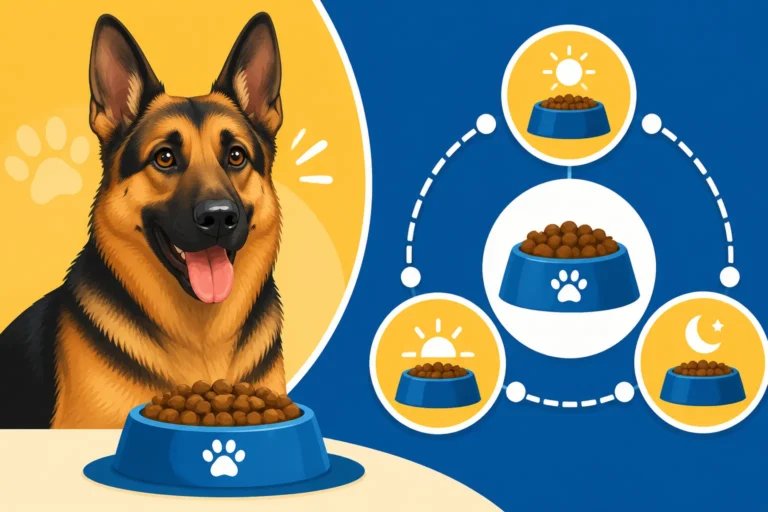
A high-quality, balanced diet is the cornerstone of a healthy coat and skin. Dogs fed on poor-quality food with fillers and by-products often have dull, brittle coats and shed excessively. Look for dog foods where the first few ingredients are whole meat sources (like chicken, beef, or salmon), and that include healthy fats such as omega-3 and omega-6 fatty acids. These essential fatty acids are vital for skin elasticity and coat luster, and they can significantly impact the amount of hair your dog sheds.
Many reputable brands formulate diets specifically for large breeds or those with sensitive skin, often incorporating these beneficial fats. Brands like Purina Pro Plan or Royal Canin German Shepherd are popular choices for breed-specific nutritional needs, often found at pet retailers or online through Chewy. Some owners also opt for fresh food diets, like those offered by Ollie, which prioritize whole, human-grade ingredients that can lead to noticeable improvements in coat health. A well-nourished German Shepherd will naturally shed less and have a healthier, more resilient coat than one on a subpar diet. You might be surprised at the difference a good diet can make in "How to Reduce German Shepherd Shedding in the House". For more guidance, explore our "Best Dog Food for German Shepherds" article.
Key Supplements to Consider
Even with a fantastic diet, some German Shepherds can benefit from targeted supplements to further support their skin and coat health. The most common and effective supplements for shedding reduction focus on fatty acids:
- Omega-3 and Omega-6 Fatty Acids: Fish oil (salmon oil, cod liver oil) is a fantastic source of EPA and DHA, powerful omega-3s known for their anti-inflammatory properties and ability to promote healthy skin and a shiny coat. Flaxseed oil is another plant-based option. These can be given daily as a liquid added to food or as a capsule.
- Biotin: Sometimes included in coat health supplements, biotin is a B vitamin that supports healthy skin and hair growth.
- Zinc: Essential for skin cell regeneration and immune function, zinc deficiency can sometimes manifest as poor coat quality and excessive shedding.
Before adding any supplements to your German Shepherd's regimen, it’s always a good idea to chat with your veterinarian. They can help you determine the right dosage and ensure there are no contraindications with any existing health conditions or medications. Products like Zesty Paws or Nutramax Dasuquin, which often contain omega fatty acids, are widely available on Amazon or at local pet supply stores. For more information on supportive supplements, check out our guide on the "Best Omega Supplements for German Shepherds".
Environmental Factors and Shedding
Beyond diet and grooming, certain environmental and lifestyle factors can influence how much your German Shepherd sheds. Stress, for example, can sometimes lead to increased shedding. Ensuring your dog has a stable, comfortable environment, with plenty of exercise and mental stimulation, can help reduce stress-related shedding. A regular exercise routine, like long walks or playtime at the park, also promotes healthy circulation, which is beneficial for skin and coat health.
Additionally, consider the indoor climate of your home. Dry indoor air, especially in winter when heaters are running, can contribute to dry skin and a brittle coat, potentially increasing shedding. Using a humidifier can add moisture to the air, benefiting both you and your furry friend. Regularly cleaning your dog’s bedding can also remove loose hairs that would otherwise transfer to your furniture and floors. By creating a holistic approach that includes attentive grooming, a nutritious diet, targeted supplements, and a low-stress environment, you can significantly mitigate the amount of fur your German Shepherd leaves behind.
German Shepherd Blow Coat Season Explained
The "blow coat" season is a big deal for German Shepherd owners. It's not just a little extra shedding; it's a monumental event that often catches new owners off guard. Understanding this phenomenon is key to mentally and physically preparing for the onslaught of fur.
Anticipating the Seasonal Undercoat Release
As mentioned earlier, German Shepherds typically "blow" their undercoat twice a year. The timing isn't always exact, but generally, you can expect a major shedding period in the spring, as they shed their heavy winter coat to prepare for warmer weather. Then, in the fall, they shed their lighter summer undercoat to make way for a thicker, insulating winter coat. These periods can last anywhere from a few weeks to over a month, and during this time, the amount of loose hair can seem endless.
It's during these times that your grooming efforts need to be ramped up significantly. Daily brushing, sometimes even twice a day, with an undercoat rake and slicker brush becomes essential. This isn't just to keep your house clean, but also to help your dog regulate their body temperature more efficiently. A dense, dead undercoat can prevent proper air circulation, making them feel hotter in summer or hindering the growth of a new, healthy coat in winter.
Strategies for Surviving the Blow-Out
Surviving a German Shepherd blow-out requires a combination of intensive grooming and a good sense of humor. Here's how to tackle it head-on:
- Increase Brushing Frequency: This is non-negotiable. As soon as you notice the shedding increasing, commit to daily brushing sessions. Focus on getting deep into the undercoat.
- Strategic Bathing: A warm bath with a good deshedding shampoo, followed by thorough drying with a high-velocity dryer, can remove a huge volume of loose hair in one go. Consider doing this weekly during the peak blow-out phase.
- Professional Deshedding Services: If the task feels too daunting, schedule a deshedding treatment with a professional groomer. Their specialized equipment can make a significant difference.
- Protect Your Home: Invest in good pet-specific vacuum cleaners (Dyson Animal or Shark Rotator are popular choices), lint rollers for clothing and furniture, and washable throw blankets for sofas. Consider implementing a "no-dog-on-the-bed" rule during these times, or at least use a duvet cover that can be easily washed.
- Outdoor Brushing: If possible, take your German Shepherd outside to brush them during blow-outs. This keeps a lot of the loose hair out of your home. You'll be amazed at the literal piles of fur you can collect.
- Understand and Be Patient: This is a natural process for your dog. While it's messy, it's temporary. Your consistent efforts will pay off, and soon enough, the shedding will return to its more manageable year-round level. For more in-depth preparation, check out our article on "German Shepherd Blow Coat Season Explained".
Remember, managing German Shepherd shedding is an ongoing commitment, but with the right tools, routine, and understanding of their unique coat, you can keep the fur under control and enjoy a cleaner home and a healthier, happier dog.
Disclaimer
This article is for general informational purposes only and does not constitute professional advice. Laws, prices and regulations vary by location and change over time. Consult a qualified professional for guidance on your specific situation.