German Shepherd Hot Spots: Treatment at Home
There's nothing quite as disheartening as discovering a raw, angry-looking "hot spot" on your beloved German Shepherd. These sudden, often oozing skin lesions seem to appear out of nowhere and can spread at an alarming rate, causing intense discomfort and itchiness for your dog. It's a common, frustrating issue for many GSD owners, leaving us wondering how to soothe our furry friends. This guide will walk you through effective at-home treatments for German Shepherd hot spots and help you understand when it's time to involve your veterinarian.
Understanding German Shepherd Hot Spots
Hot spots, medically known as acute moist dermatitis, are a painful reality for many dog owners, and German Shepherds, with their thick coats and active lifestyles, are particularly susceptible. It’s not just a superficial irritation; it’s a rapidly developing skin infection that can make your otherwise stoic GSD incredibly miserable.
What Exactly is a Hot Spot?
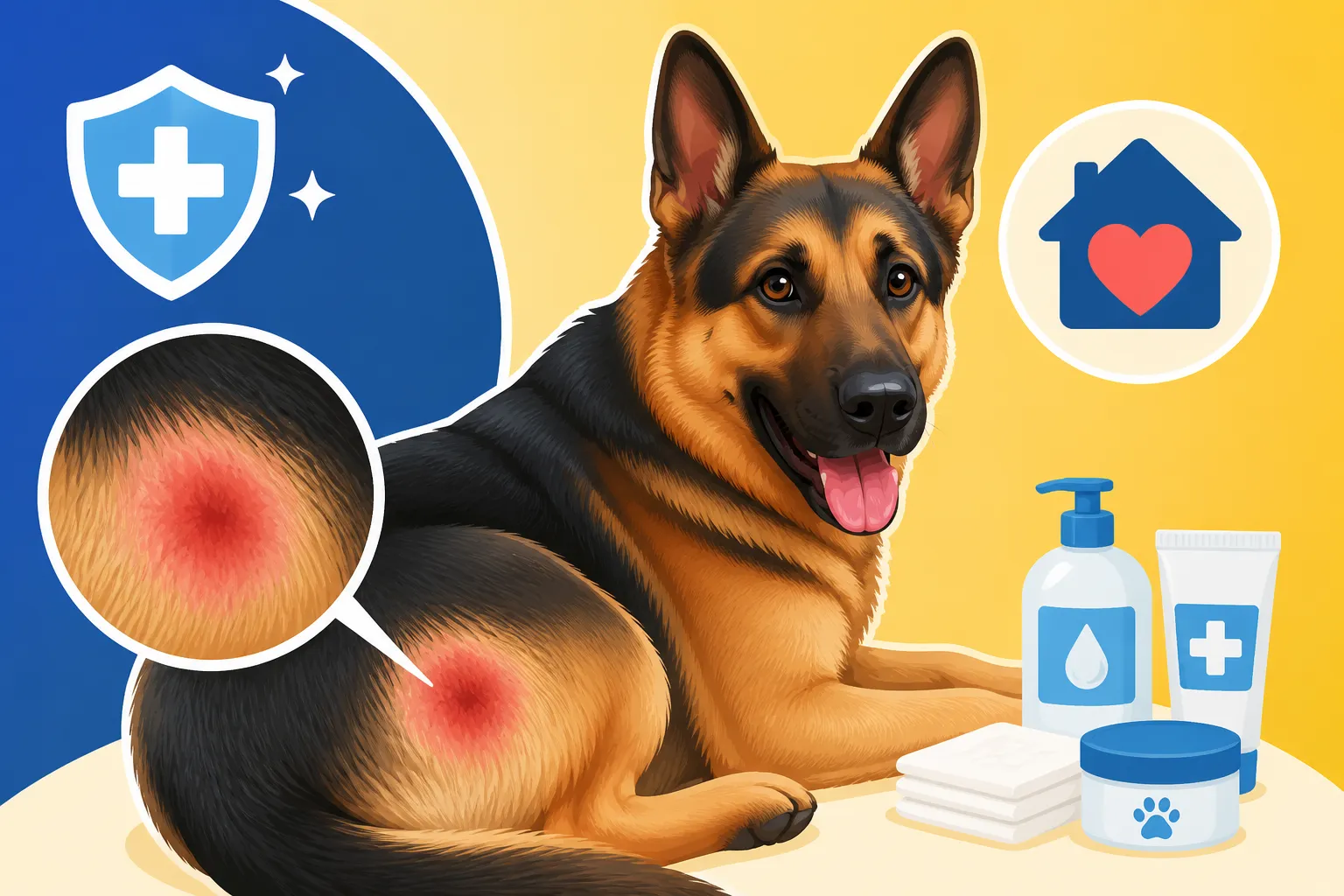
Imagine an itch that your dog just can’t resist. Maybe it’s a flea bite, a tiny scratch, or even just some trapped moisture. Your German Shepherd starts licking, chewing, or scratching that spot relentlessly. What happens next is a vicious cycle: the constant trauma breaks the skin barrier, allowing normal skin bacteria to invade and rapidly multiply in the moist, warm environment created by the licking. This leads to a localized bacterial infection, inflammation, and an open, weeping sore that is often red, raw, and incredibly painful to the touch. The “hot” in hot spot refers to the warmth and inflammation around the lesion.
These lesions can pop up anywhere but are commonly found on the hips, legs, chest, or flanks – areas easily reached by your dog's tongue. The skin becomes macerated, and the hair often mats over it, further trapping moisture and bacteria, accelerating the infection. It's crucial to understand that a hot spot isn't just a minor rash; it's an active infection that needs prompt attention to prevent it from growing larger and deeper.
Common Causes and Triggers
German Shepherds are prone to hot spots due to several factors, often revolving around their thick double coats and predisposition to certain sensitivities. Pinpointing the exact trigger can sometimes feel like detective work, but understanding the common culprits can help in both treatment and prevention.
One of the most frequent instigators is allergies. Just like people, dogs can suffer from environmental allergies (pollen, dust mites, grass), food allergies, or flea allergies. Even a single flea bite on an allergic German Shepherd can initiate an intense itching frenzy that quickly escalates into a full-blown hot spot. If your GSD is constantly scratching, chewing their paws, or rubbing their face, it could be a sign of underlying allergies. You might find more detailed information in our article on German Shepherd Allergies: Symptoms and Treatment.
Other common triggers include insect bites (like mosquitoes or mites), underlying ear infections that cause head shaking and scratching around the ears, or even trapped moisture. A German Shepherd who loves to swim or plays in the rain, and isn't thoroughly dried afterward, can develop skin irritation and bacterial overgrowth, especially in warmer, humid weather. Poor grooming, such as not brushing out mats or tangles, can also trap moisture and debris, leading to skin issues. Boredom or stress can also play a role; some dogs will obsessively lick a spot as a self-soothing mechanism, turning a minor irritation into a serious problem.
Recognizing the Signs
Catching a hot spot early is key to successful at-home treatment. German Shepherds are stoic dogs, but a hot spot is often too uncomfortable to ignore. The most obvious sign is intense, persistent licking, chewing, or scratching at a specific area. This behavior is often focused and seems almost obsessive.
When you investigate the spot, you'll likely find a rapidly spreading area of redness and inflammation. The hair over and around the lesion will often be wet, matted, and may even be falling out, revealing raw, weeping skin underneath. The lesion itself can look like an open sore, sometimes covered with a sticky, yellowish discharge or crust. It will feel warm to the touch due to the inflammation and is usually quite painful, causing your dog to flinch or even snap if you try to examine it.
You might also notice a foul odor emanating from the infected area, a tell-tale sign of bacterial overgrowth. If the hot spot is on a limb or flank, your dog might favor that side or show reluctance to move. Don't be surprised if your German Shepherd becomes a bit withdrawn or irritable because of the discomfort. Early detection allows for immediate intervention, which can significantly reduce the healing time and prevent the hot spot from becoming a more severe, deeply rooted infection.
Step-by-Step Home Treatment for Minor Hot Spots
When you discover a hot spot on your German Shepherd, your immediate instinct is to help. For minor, superficial hot spots that are caught early, there are several steps you can take at home to provide relief and promote healing. Remember, if the spot is large, deeply infected, or shows no improvement, a vet visit is essential.
Preparation: Trimming and Cleaning
This is arguably the most crucial first step in treating a hot spot, yet it’s often the one owners are most hesitant about. You need to expose the affected skin to allow it to dry and breathe, and to ensure any topical treatments can reach the actual infection.
First, you'll need a good pair of blunt-nosed scissors or, ideally, electric clippers (like a #10 or #40 blade for pets). Carefully, and with extreme caution to avoid cutting the delicate, inflamed skin, trim the hair around and beyond the edges of the hot spot. Aim for a margin of at least an inch of healthy, clean-shaven skin around the perimeter of the lesion. This might seem aggressive, but it's vital for air circulation and to prevent the infection from spreading under the surrounding fur. If your dog is in a lot of pain, you might need an extra set of hands to gently hold them, or even consider a muzzle to ensure safety for both of you.
Once the hair is removed, the next step is gentle but thorough cleaning. Use an antiseptic solution like diluted chlorhexidine (available at most pet stores and pharmacies) or even a mild saline solution. Dab the area with cotton balls or soft gauze, gently removing any pus, crusts, or debris. Avoid rubbing aggressively, as this will cause more pain and irritation. The goal is to clean the wound without further traumatizing the skin. Pat the area dry with a clean cloth or paper towel afterward. You want the area to be as dry as possible, as moisture is the enemy of a hot spot.
Applying Topical Treatments
After trimming and cleaning, it’s time to apply topical treatments to help fight the infection and soothe the skin. There are several options, ranging from natural remedies to over-the-counter products designed for dogs.
For natural remedies, you might consider a cool, diluted black tea compress. The tannins in black tea have astringent properties that can help dry out the weeping lesion. You can also use a thin layer of pure aloe vera gel, which is known for its soothing and anti-inflammatory properties, but ensure it's 100% pure and doesn't contain any additives that could be harmful if licked. Another popular natural option is a very thin application of diluted apple cider vinegar (1 part ACV to 3 parts water), which can help balance the skin's pH, but this can sting on open wounds, so use with caution and observe your dog's reaction.
Over-the-counter options for dogs include antiseptic sprays or creams containing ingredients like hydrocortisone (for inflammation) or benzethonium chloride (an antiseptic). Look for products specifically formulated for dogs, such as those from reputable brands like Vetericyn or Zymox. These typically come in a spray or gel form, making application easier. Always read the label carefully for usage instructions and ensure the product is safe if licked, as your German Shepherd will undoubtedly try to get to it. Apply a thin layer a couple of times a day after cleaning. Remember, the key is consistency.
Preventing Licking and Further Irritation
This might be the most challenging part of hot spot treatment, as dogs are instinctively driven to lick their wounds. However, allowing your German Shepherd to continue licking will completely undermine all your efforts and prevent healing. The moisture and constant trauma from the tongue will perpetuate the hot spot.
The most effective tool for preventing licking is an Elizabethan collar, or "E-collar" – often affectionately (or not so affectionately) called the "cone of shame." While your German Shepherd might not be thrilled about wearing it, it's absolutely essential for the healing process. Ensure it's fitted correctly so they can't maneuver around it to reach the hot spot. There are various types available, from traditional plastic cones to softer, inflatable, or fabric options, so you might need to experiment to find one your dog tolerates best.
In addition to the E-collar, consider distracting your GSD with engaging activities or long-lasting chew toys. A bored or anxious dog is more likely to obsessively lick. You can also try bitter-tasting anti-lick sprays around the edges of the hot spot (never directly on the open wound, as it can cause further irritation), but these are often less effective than an E-collar for determined lickers. Consistent supervision is also crucial, especially immediately after applying treatments. The goal is to create an environment where the hot spot can dry out and heal without constant interference from your dog.
| Treatment Step | Description | Key Benefits | Important Considerations |
|---|---|---|---|
| Hair Trimming | Carefully shave/trim hair around and beyond the hot spot (at least 1 inch margin) using blunt-nosed scissors or clippers. | Exposes skin to air, prevents moisture trapping, allows treatments to reach infection, stops spread under fur. | Extreme caution to avoid cutting skin; use a muzzle if dog is painful; requires patience. |
| Cleaning | Gently clean the exposed area with diluted chlorhexidine, povidone-iodine (diluted), or saline solution. Remove all pus, crusts, and debris. Pat dry thoroughly. | Removes bacteria, reduces infection, prepares skin for topical treatments. | Avoid aggressive scrubbing; ensure the solution is pet-safe and properly diluted; keep the area dry afterwards. |
| Topical Application | Apply a thin layer of dog-specific antiseptic spray/cream (e.g., Vetericyn, Zymox), diluted black tea compress, or pure aloe vera gel. | Fights bacterial infection, reduces inflammation, soothes itching, promotes healing. | Use products made for dogs; avoid human products unless specifically advised by a vet; ensure products are safe if licked; apply thinly and consistently. |
| Prevent Licking | Use an Elizabethan collar (E-collar) – traditional plastic, inflatable, or soft fabric options – to prevent your dog from reaching the hot spot. Distract with toys/activities. | Allows the wound to dry and heal without constant re-traumatization and moisture from licking; prevents ingestion of topical treatments. | E-collar must be properly fitted and worn consistently; choose one your dog tolerates; requires owner vigilance, especially with determined lickers. |
When to Call the Vet: Red Flags and Professional Help
While at-home care can be effective for minor hot spots, it’s incredibly important to know when your German Shepherd needs professional veterinary attention. Delaying a vet visit can lead to a more severe infection, prolonged suffering, and more complex treatment.
Signs Your German Shepherd Needs Veterinary Care
You’ve tried your best with at-home remedies, but sometimes a hot spot is simply beyond what you can manage. There are several clear indicators that it’s time to pick up the phone and schedule an appointment with your veterinarian.
One of the most concerning signs is if the hot spot is rapidly spreading despite your diligent at-home treatment. What started as a small lesion can double or triple in size within hours, indicating a particularly aggressive infection. Another red flag is if the hot spot appears deep, ulcerated, or is extremely painful to the touch, causing your German Shepherd significant distress or even aggression when you try to examine it. If your dog develops a fever, becomes lethargic, loses their appetite, or shows other systemic signs of illness, it means the infection might be more widespread and requires immediate medical attention.
Furthermore, if the hot spot shows no improvement within 24-48 hours of starting at-home treatment, or if it seems to be getting worse, it's a clear signal that stronger medication or a different approach is needed. Recurring hot spots are also a reason to consult your vet, as it suggests an unaddressed underlying cause, such as persistent allergies or a different skin condition. German Shepherds are prone to various German Shepherd Skin Problems and Fixes, and a vet can help differentiate a simple hot spot from something more complex.
What a Vet Can Do
When you bring your German Shepherd to the vet for a hot spot, they can offer treatments and diagnostics that aren’t available at home. The vet will thoroughly examine the lesion, assess its size, depth, and the presence of any secondary infections. They’ll also look for signs of the underlying cause, whether it’s fleas, allergies, or another issue.
Often, the first course of action will be more aggressive clipping and cleaning, sometimes under light sedation if the area is extremely painful. The vet might prescribe oral antibiotics to combat the bacterial infection, especially if it's deep or widespread, and anti-inflammatory medications (like corticosteroids) to reduce the intense itching and swelling, providing your dog much-needed relief. They may also provide stronger topical medications, sometimes including a combination of antibiotics and steroids, which are more potent than over-the-counter options.
Beyond treating the immediate hot spot, a key role of the vet is to help identify and manage the root cause. This might involve flea control treatments, allergy testing, dietary changes if food allergies are suspected, or even a diagnostic workup for other skin conditions if the hot spot is atypical or recurrent. They can also advise on appropriate long-term preventive strategies tailored to your German Shepherd's specific needs, helping to avoid future flare-ups.
Managing Costs: Pet Insurance and Financial Planning
The thought of unexpected vet bills can add significant stress when your beloved German Shepherd is suffering. While a single, minor hot spot might only incur the cost of an office visit and some basic medication, recurrent or severe hot spots, especially those requiring diagnostics for underlying allergies or prolonged treatments, can quickly add up. This is where proactive financial planning, like considering pet insurance, can be a huge relief.
Companies like Healthy Paws offer comprehensive pet insurance plans that can cover a significant portion of unexpected veterinary expenses, including those arising from hot spots and the underlying conditions that cause them. Imagine your German Shepherd needs allergy testing, specialized medications, or repeat vet visits for a stubborn hot spot – these costs can become substantial. Having a policy with Healthy Paws could mean you don't have to make difficult financial decisions when your dog needs critical care, allowing you to prioritize their health and comfort.
Even without insurance, it's wise to have an emergency fund set aside for your German Shepherd's health needs. Discussing treatment options and costs openly with your vet is also important; they can often provide estimates and help you prioritize treatments. Remember, investing in regular preventative care, such as consistent flea control and good hygiene, can help reduce the frequency and severity of hot spots, potentially saving you money and stress in the long run. To learn more about managing your GSD's health, check out our guide on Is Pet Insurance Worth It for a German Shepherd.
Preventing Future Hot Spots in German Shepherds
Prevention is always better than cure, especially when it comes to uncomfortable conditions like hot spots. By understanding the common triggers and implementing consistent preventative measures, you can significantly reduce the likelihood of your German Shepherd developing these painful skin lesions.
Addressing Underlying Issues
The most effective way to prevent future hot spots is to tackle the root cause. For many German Shepherds, this means diligent management of allergies. If your dog suffers from flea allergies, year-round, consistent flea and tick prevention is non-negotiable. Talk to your vet about the best products, whether it’s an oral medication, topical treatment, or a collar, ensuring comprehensive coverage. Even if you don’t see fleas, a single bite can be enough to trigger a severe reaction in a sensitive GSD.
If environmental allergies are the culprit, your vet might suggest allergy testing to identify specific triggers. Management could include antihistamines, omega fatty acid supplements to support skin barrier health, or even specialized allergy shots or oral medications (immunotherapy) to desensitize your dog over time. For suspected food allergies, a controlled elimination diet under veterinary guidance is often necessary to pinpoint offending ingredients. Choosing a high-quality, easily digestible diet can also support overall skin health. Our article on German Shepherd Diet by Age and Weight provides guidance on nutrition.
Boredom and stress can also manifest as obsessive licking. Ensuring your German Shepherd receives adequate mental and physical stimulation can help. Provide plenty of exercise, engaging puzzle toys, and consistent training to keep their minds active and prevent destructive, self-soothing behaviors.
Grooming and Hygiene Practices
German Shepherds have beautiful, dense double coats that require regular attention to stay healthy and prevent skin issues. Proper grooming is a cornerstone of hot spot prevention.
Regular brushing is essential, especially during shedding season. Brushing helps remove loose fur, dirt, and debris that can get trapped in the coat and irritate the skin. It also distributes natural oils, improving coat health and allowing you to inspect your dog's skin for any early signs of irritation. Consider reading our guide on How to Groom a German Shepherd for more tips. During warm or humid weather, pay extra attention to drying your German Shepherd thoroughly after baths, swims, or walks in the rain. Moisture trapped in their dense undercoat creates the perfect breeding ground for bacteria and yeast, which can quickly lead to a hot spot. Use absorbent towels and a dog-specific blow dryer on a cool setting if necessary.
While over-bathing can strip natural oils, occasional baths with a gentle, hypoallergenic dog shampoo can help keep the skin clean and manage environmental allergens. If your dog has a history of skin problems, your vet might recommend a medicated shampoo. Regular inspection of your dog's ears is also crucial, as ear infections are a common trigger for head-shaking and scratching that can lead to hot spots around the ears and neck.
Environmental and Behavioral Management
Beyond direct health and grooming, creating a supportive environment and managing your German Shepherd’s behavior can also significantly reduce hot spot incidents.
One key aspect is maintaining a clean living environment. Regularly vacuuming and washing pet bedding can reduce allergens like dust mites and pollen, especially if your GSD has environmental sensitivities. If your German Shepherd is prone to hot spots in specific seasons, try to limit their exposure to known outdoor triggers. For example, after walks in tall grass or wooded areas, wipe down their paws and belly to remove pollen or potential irritants.
Addressing behavioral triggers like anxiety or boredom can also be preventative. A German Shepherd who is under-exercised or under-stimulated might resort to excessive licking as a coping mechanism. Ensuring they have a consistent routine, plenty of opportunities for exercise, and mental enrichment can help curb these habits. Consider incorporating daily training sessions, interactive games, or even canine sports to channel their energy positively. Supplying your GSD with appropriate chew toys can also redirect their oral fixation away from their skin. By creating a holistic approach that includes addressing underlying health, diligent grooming, and a stimulating environment, you give your German Shepherd the best chance at living hot spot-free.
Disclaimer
The information provided in this article is for educational and informational purposes only and does not constitute veterinary advice. Always consult with a qualified veterinarian for any health concerns or before making any decisions related to your German Shepherd’s care or treatment.