How Long Do Show Line German Shepherds Live
It's heartbreaking to think about, but one of the toughest realities of sharing your life with a magnificent German Shepherd is knowing their time with us is often too short. If you've welcomed a beautiful Show Line German Shepherd into your home, you're likely wondering how many precious years you can expect to have them by your side, especially given some of the breed's known health predispositions. This guide is here to unravel the complexities surrounding the lifespan of Show Line German Shepherds, delving into the factors that influence their longevity and, more importantly, offering practical, empathetic advice on how to help your beloved companion live the longest, happiest, and healthiest life possible.
Understanding German Shepherd Lifespan Basics
Before we dive specifically into Show Line German Shepherds, it's helpful to understand the general landscape of German Shepherd longevity. These dogs are incredible companions, known for their loyalty, intelligence, and imposing presence. But with their large size and specific breed characteristics come certain health considerations that can impact how long they stay with us.
General German Shepherd Lifespan Expectations
On average, a German Shepherd can be expected to live anywhere from 9 to 13 years. This is a pretty broad range, as you can imagine, and there are many variables that can push a dog to the lower or higher end of that spectrum. Factors like genetics, diet, exercise, and overall healthcare play a huge role. It’s a common misconception that all German Shepherds live the same length of time, but just like people, each dog is an individual with their own unique journey. Owners often ask, "How long do German Shepherds live?" and while there's no single perfect answer, aiming for the higher end of that range is definitely achievable with diligent care.
Many owners find themselves constantly monitoring their German Shepherd for any subtle changes, wanting to catch any health issues early. This proactive approach is exactly what can make a significant difference. It’s not just about treating problems when they arise, but about implementing preventative measures throughout their lives. This includes regular vet check-ups, a high-quality diet, and consistent, appropriate exercise.
Factors Influencing Longevity in All German Shepherds
Several overarching factors influence the lifespan of any German Shepherd, regardless of their specific line. Understanding these can help you better assess your dog's potential health trajectory and make informed decisions.
First and foremost are genetics and breeding. A responsible breeder will conduct extensive German Shepherd Genetic Health Testing to screen for common inherited conditions like hip and elbow dysplasia, which can significantly impact quality of life and longevity if severe. Dogs from lines with a history of serious health problems or early deaths may, unfortunately, inherit those predispositions. This is a critical reason why choosing a reputable breeder is so important.
Nutrition and diet are also paramount. A well-balanced diet, appropriate for their age, activity level, and any specific health needs, provides the building blocks for a strong immune system and healthy organs. Overfeeding can lead to obesity, which exacerbates joint issues and increases the risk of other diseases like diabetes and heart problems. Conversely, underfeeding or feeding a low-quality diet can lead to deficiencies and a weakened constitution.
Exercise and mental stimulation contribute significantly. German Shepherds are highly active and intelligent dogs. Regular, appropriate exercise helps maintain a healthy weight, strengthens muscles, and supports joint health. Mental stimulation, through training and puzzle toys, keeps their minds sharp and reduces stress, which also indirectly impacts physical health. However, it's crucial to understand How Much Exercise Is Too Much for a Puppy to avoid stressing developing joints.
Finally, veterinary care and preventative measures are non-negotiable. Regular check-ups, vaccinations, parasite control, and timely treatment for illnesses or injuries can prevent minor issues from becoming major, life-threatening conditions. Access to good veterinary care, and even considering something like pet insurance from companies like Healthy Paws, can ensure that financial constraints don't prevent your dog from receiving necessary medical attention.
The Specifics of Show Line German Shepherd Lifespan
Now, let's zero in on Show Line German Shepherds. These dogs are bred primarily for their appearance, conforming to specific breed standards set by organizations like the American Kennel Club (AKC) or the Fédération Cynologique Internationale (FCI). While stunning to look at, this focus on aesthetics can sometimes inadvertently bring unique health considerations that influence their lifespan.
How Show Line Breeding Influences Lifespan
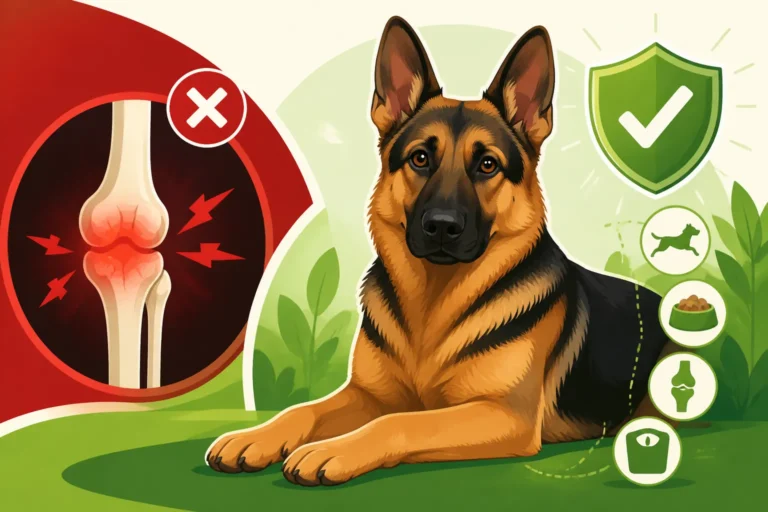
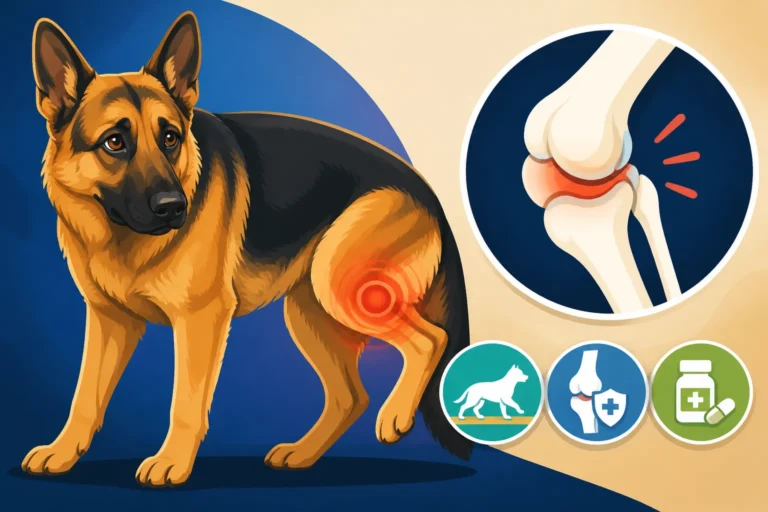
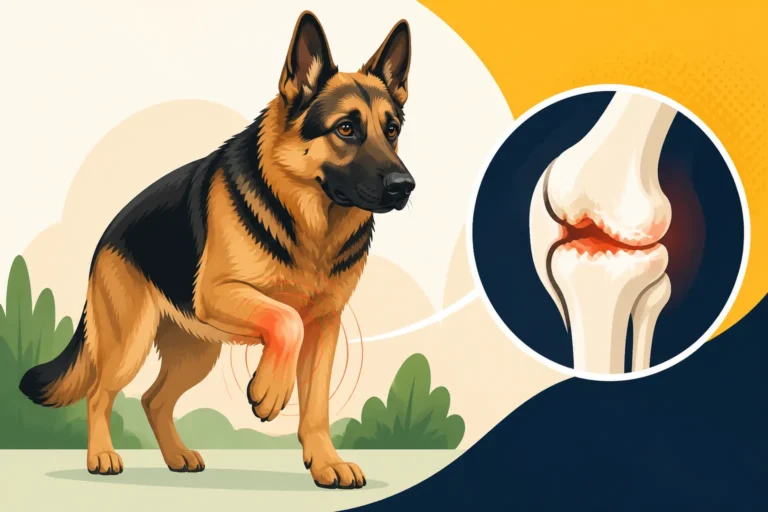
The emphasis in Show Line breeding is often on a specific physical conformation, particularly the characteristic sloped back and angulation of the hindquarters. While beautiful in the show ring, this extreme angulation, especially in the rear, can place significant stress on the hip and elbow joints. This can lead to a higher prevalence and severity of conditions like German Shepherd Hip Dysplasia Explained and elbow dysplasia. These conditions, while not immediately fatal, can cause chronic pain, limit mobility, and lead to secondary health problems as the dog ages, ultimately impacting their quality of life and potentially shortening their active lifespan.
Breeders strive for uniformity in appearance, but sometimes this comes at the cost of genetic diversity, which can concentrate certain health issues within a bloodline. For example, if a popular sire or dam carries a predisposition for certain cancers or autoimmune diseases, and their offspring are widely used for breeding based on their show ring success, those genetic weaknesses can become more widespread. This isn't to say all Show Line breeders are irresponsible; many are incredibly dedicated to health. However, the inherent pressures of breeding for a very specific look can sometimes overshadow a holistic approach to health and robustness.
Another aspect is that the temperament requirements for Show Lines might differ from Working Lines. While still intelligent and trainable, some Show Lines might have a slightly lower drive or energy level compared to their working counterparts. This isn't a direct hit on lifespan, but it can affect their overall fitness if owners don't adjust their exercise routines accordingly. A dog with lower drive might become overweight more easily if not managed carefully, leading to the aforementioned health risks.
Common Health Challenges in Show Lines Affecting Longevity
Show Line German Shepherds, because of their specific conformation, tend to be more susceptible to certain orthopedic issues than the breed average or Working Line counterparts.
Hip and Elbow Dysplasia: This is perhaps the most well-known concern. The severe angulation sought in many Show Lines can exacerbate the genetic predisposition for these joint conditions. While proper screening like OFA and PennHIP evaluations can help reduce incidence, it's still a significant challenge. Severe dysplasia can lead to debilitating arthritis, requiring expensive treatments or surgeries, and can drastically reduce a dog's comfortable, mobile years. Early detection and management are crucial, which is where regular vet visits and diagnostic imaging come into play. Considering options like Healthy Paws for pet insurance can be a huge relief if your dog requires costly treatments for these conditions.
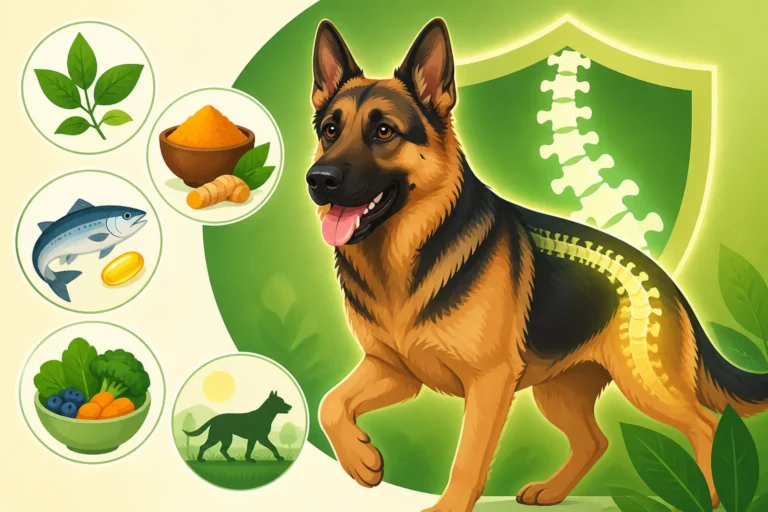
Degenerative Myelopathy (DM): While not exclusively a Show Line issue, DM is a progressive neurological disease that affects the spinal cord, leading to hind limb weakness and paralysis. It is particularly prevalent in German Shepherds, and while a genetic test exists (DM DNA Testing Explained), it's a condition that can be heartbreaking and severely impacts a dog's later years. Unfortunately, there is no cure, and while management can help with comfort, it significantly diminishes mobility. Owners often face difficult decisions as the disease progresses, and it absolutely affects their dog's active lifespan.
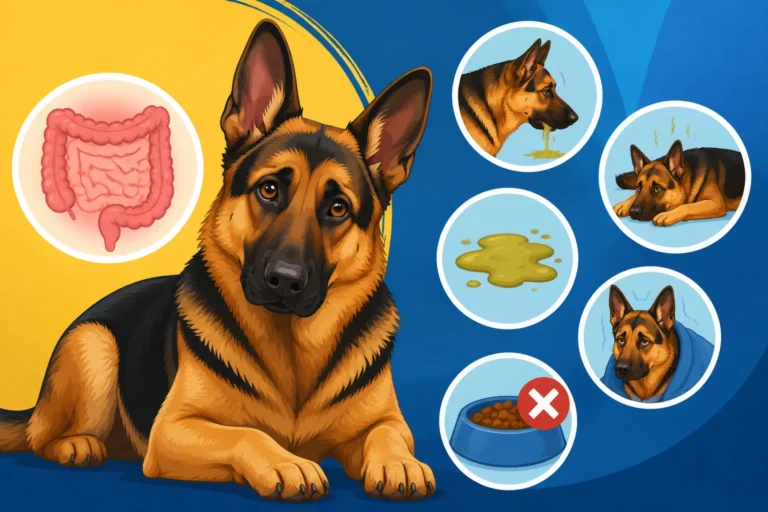
Bloat (GDV): Like many large, deep-chested breeds, German Shepherds, including Show Lines, are at a higher risk for Gastric Dilatation and Volvulus (GDV), commonly known as bloat. This life-threatening condition involves the stomach filling with gas and often twisting, cutting off blood supply. It requires immediate emergency surgery. While not directly related to Show Line conformation, it's a general breed risk that every GSD owner needs to be aware of. Understanding German Shepherd Bloat Signs and Prevention is vital for all owners.
These challenges highlight the importance of not just loving your Show Line German Shepherd for their beauty, but also being incredibly proactive about their health.
Comparing Show Line and Working Line Lifespans
It's common for potential German Shepherd owners to wonder about the differences between the various lines, and lifespan is certainly one aspect. While individual variations always exist, there are some general trends when comparing Show Lines and Working Lines.
Working Line German Shepherds are bred primarily for temperament, health, and working ability – traits crucial for roles in police, military, search and rescue, or sport. Their conformation is typically less exaggerated, with a straighter back and less angulation in the hindquarters. This less extreme physical build often results in a lower incidence of severe hip and elbow dysplasia. Because health and soundness are paramount for a working dog, ethical Working Line breeders tend to prioritize these aspects rigorously.
Here's a general comparison:
| Feature | Show Line German Shepherd | Working Line German Shepherd |
|---|---|---|
| Primary Breeding Focus | Conformation to breed standard, aesthetics, temperament | Working ability, health, temperament, physical soundness |
| Typical Conformation | More pronounced sloped back, exaggerated hind angulation | Straighter back, moderate hind angulation |
| Orthopedic Health | Potentially higher incidence/severity of hip/elbow dysplasia due to extreme angulation | Generally lower incidence/severity of hip/elbow dysplasia |
| Overall Robustness | Can vary; some lines prioritize health, others purely aesthetics | Often bred for extreme durability and resilience |
| Average Lifespan | 9-11 years (often on the lower end of breed average due to orthopedic challenges affecting quality of life) | 10-13 years (often on the higher end of breed average due to focus on health and soundness) |
| Common Health Concerns | Hip/Elbow Dysplasia, Degenerative Myelopathy, Bloat | Degenerative Myelopathy, Bloat, less severe orthopedic issues |
It's important to stress that these are generalizations. A well-bred Show Line from a health-conscious breeder can certainly have a long and healthy life, just as a poorly bred Working Line might face significant health issues. The key takeaway is that the breeding philosophy and specific genetic lines heavily influence health outcomes.
Practical Steps to Maximize Your Show Line German Shepherd's Life
While some health challenges might be more common in Show Lines, you absolutely have the power to influence your dog's longevity and quality of life. Proactive care, informed decisions, and a lot of love can make a tremendous difference.
Proactive Veterinary Care and Health Screenings
This cannot be stressed enough: establish a strong relationship with a veterinarian who has experience with large breeds, particularly German Shepherds. Regular check-ups are foundational.
Annual Wellness Exams: Even if your dog seems perfectly healthy, annual exams are crucial. Your vet can catch subtle changes, conduct routine bloodwork, and update vaccinations. For a German Shepherd, early detection of issues like German Shepherd Thyroid Problems or early signs of arthritis can lead to more effective management.
Targeted Health Screenings: Given the predisposition for joint issues, discuss appropriate screening timelines with your vet. For puppies, this might include preliminary hip and elbow evaluations. For adults, regular orthopedic check-ups are vital. If your dog is showing any signs of limping or stiffness, don't wait. Early intervention for conditions like German Shepherd Arthritis Symptoms and Treatment can slow progression and manage pain effectively.
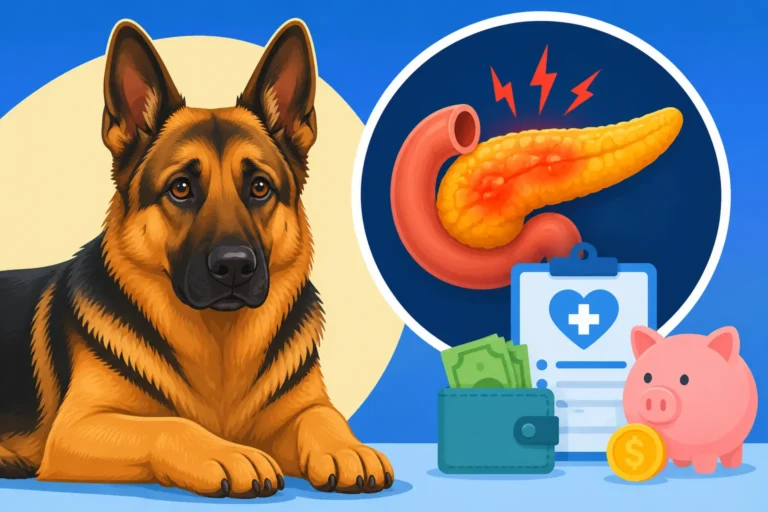
Understanding Pet Insurance: Veterinary care, especially for large breeds prone to conditions like hip dysplasia or bloat, can be incredibly expensive. This is where pet insurance can be a lifesaver. Companies like Healthy Paws offer comprehensive plans that can cover a significant portion of unexpected vet bills, allowing you to make medical decisions based on what's best for your dog, not just what you can afford out-of-pocket. Imagine having to make a tough choice about a costly surgery; with insurance, that burden can be greatly eased.
Dental Health: Don't overlook dental care! Periodontal disease isn't just about bad breath; it can lead to systemic health problems, affecting the heart, kidneys, and liver. Regular dental check-ups and cleanings, alongside at-home care, are critical for overall health and longevity. Our guide on German Shepherd Dental Care Explained offers more specific advice.
Nutrition and Exercise Tailored for Show Lines
What you put into your German Shepherd's body and how you help them move it are fundamental to their health.
High-Quality, Appropriate Diet: Choose a premium dog food formulated for large breeds, ideally one that supports joint health with ingredients like glucosamine and chondroitin. Look for reputable brands that conduct feeding trials and have strong quality control. Avoid cheap fillers and artificial additives. The specific needs of your Show Line German Shepherd will change with age, so understanding German Shepherd Diet by Age and Weight is key. For instance, puppies need carefully balanced nutrition to support slow, steady growth and prevent orthopedic issues, while seniors might need fewer calories and more joint support. Don't forget to measure portions accurately to prevent obesity.
Controlled Exercise, Especially for Puppies: While German Shepherds need exercise, for Show Lines, it's particularly important to manage it, especially during their growth phases. Over-exercising a puppy can damage developing joints. Focus on controlled, low-impact activities like leash walks and swimming, rather than intense running or jumping. As they mature, ensure they get consistent, moderate exercise to maintain muscle mass and a healthy weight. Always listen to your dog; if they show signs of fatigue or pain, stop and consult your vet.
Supplements for Joint Health: Given the orthopedic predispositions, many Show Line German Shepherd owners find success with joint supplements. Ingredients like glucosamine, chondroitin, MSM, and Omega-3 fatty acids can help support joint cartilage and reduce inflammation. Talk to your vet about the best options and dosages for your specific dog. Our article on Best Supplements for German Shepherd Hips might offer a good starting point for your research.
Mental Well-being and Environmental Enrichment
A long life isn't just about physical health; it's also about a happy, mentally stimulated existence. German Shepherds are incredibly intelligent and thrive on purpose and engagement.
Consistent Training and Mental Stimulation: Show Line German Shepherds, like all GSDs, excel in learning. Consistent obedience training, even beyond basic commands, provides mental engagement. Consider dog sports like obedience, rally, or even nose work (which is low-impact) to keep their minds active. Puzzle toys, interactive feeders, and regular training sessions can prevent boredom and destructive behaviors. A mentally stimulated dog is generally less stressed and more content.
Strong Bond and Predictable Routine: German Shepherds thrive on routine and a strong bond with their family. A predictable daily schedule for feeding, walks, and training can reduce anxiety. Spending quality time with your dog, through play, petting, or just quiet companionship, strengthens your bond and contributes to their emotional well-being. A happy dog is more likely to be a healthy dog.
Comfortable Living Environment: Ensure your Show Line German Shepherd has a comfortable, supportive place to rest. Orthopedic beds are excellent for large breeds, especially those prone to joint issues, providing cushioning and support. Keep their living area clean and safe, free from hazards. In warmer climates, ensure they have access to cool, shaded areas and plenty of fresh water.
Recognizing Signs of Aging and End-of-Life Care
As much as we wish they could stay puppies forever, our German Shepherds will inevitably age. Being prepared for this stage and understanding how to provide the best care in their golden years is another crucial way to ensure their comfort and dignity.
Early Indicators of Aging in Show Line German Shepherds
The aging process varies for every dog, but for large breeds like German Shepherds, signs often begin appearing around 7-8 years of age. Knowing what to look for can help you adjust their care promptly.
Decreased Mobility and Stiffness: This is often one of the first and most noticeable signs, especially in Show Lines with their predisposed joint issues. You might notice them being slower to get up, hesitating before jumping into the car, or showing stiffness after rest. They might walk with a slightly different gait or struggle on stairs. These can be First Signs of Arthritis in German Shepherds.
Changes in Activity and Energy Levels: Your once endlessly energetic GSD might become less interested in long walks or vigorous play. They might sleep more, take longer naps, or simply prefer to relax more often. This isn't necessarily a sign of a problem, but a natural slowing down.
Sensory Impairment: Vision and hearing can decline with age. They might not respond to commands as readily (if hearing is affected), or they might bump into objects more often, especially in dim lighting or unfamiliar environments.
Weight Fluctuations and Appetite Changes: Older dogs can either gain weight due to decreased activity or lose weight due to decreased appetite or underlying health conditions. Monitoring their weight and adjusting their diet, potentially to a German Shepherd Senior Diet Adjustments plan, is important.
Cognitive Changes: Some older German Shepherds can experience cognitive decline, similar to dementia in humans. You might notice disorientation, increased anxiety, changes in sleep-wake cycles, or house-soiling accidents in an otherwise perfectly trained dog.
If you observe any of these changes, it's always best to consult your veterinarian. Many age-related issues can be managed or alleviated with proper medical care, diet, and lifestyle adjustments.
Providing Comfort and Support in Their Golden Years
As your Show Line German Shepherd enters their senior years, your role shifts towards providing comfort, understanding, and adapting their environment to meet their changing needs.
Pain Management: Joint pain is common in aging German Shepherds, particularly those with a history of dysplasia. Work closely with your vet to develop a pain management plan. This might include NSAIDs, other pain medications, joint supplements, physical therapy, acupuncture, or laser therapy. The goal is to keep them as comfortable and mobile as possible.
Environmental Adaptations: Make your home senior-friendly. Provide ramps for cars and beds to reduce jumping stress. Lay down non-slip rugs on slick floors to prevent falls. Ensure their orthopedic bed is easily accessible and cozy. Keep routines consistent to minimize anxiety, especially if they are experiencing cognitive decline.
Continued Mental and Gentle Physical Activity: While intense exercise might be out, gentle walks, puzzle toys, and short training sessions can still provide mental and physical stimulation. Focus on quality over quantity. Keep them engaged and feeling like a valued part of the family.
Nutritional Adjustments: Your vet might recommend a senior-specific diet that is lower in calories (to prevent weight gain if activity decreases) but higher in joint-supporting nutrients and easily digestible proteins. Ensure they always have access to fresh water.
Emotional Support and Patience: This is perhaps the most important aspect. Your senior German Shepherd might be slower, less agile, or need more patience. They might have accidents inside or seem confused. Offer them unwavering love, comfort, and understanding. These years are precious, and making them feel safe, loved, and respected is the greatest gift you can give them. Facing the end of a cherished companion's life is incredibly difficult, and preparing for German Shepherd End-of-Life Care can help ensure their final moments are peaceful and full of love.
Disclaimer
The information provided in this article is for general informational purposes only and is not intended as a substitute for professional veterinary advice. Always consult with a qualified veterinarian for any health concerns or before making any decisions related to your German Shepherd's health or treatment.