German Shepherd Loose Stool: Common Causes
Few things can make a German Shepherd owner's heart sink faster than finding their beloved dog has loose stool. It’s a messy, frustrating, and often worrying problem that can leave you scrambling for answers, trying to figure out if it’s just a minor upset or something more serious. We’ve all been there, wondering if that new treat was a mistake or if something sneaky was eaten during a walk. This comprehensive guide is here to walk you through the common causes of loose stool in German Shepherds, help you understand what to look for, and equip you with the knowledge to respond effectively.
Understanding What "Loose Stool" Really Means for Your German Shepherd
When we talk about "loose stool," it's more than just a vague description. It's a spectrum, and understanding where your dog's current situation falls on that spectrum can give you crucial clues about its cause and severity. It's not just about cleaning up the mess; it's about interpreting what your dog's body is trying to tell you.
Distinguishing Loose Stool from Diarrhea
While often used interchangeably, there's a subtle but important difference between loose stool and true diarrhea. Loose stool typically refers to feces that are soft, unformed, or pudding-like, but your dog might still have some control over when and where they go. It might happen a few times, then firm up. Diarrhea, on the other hand, is usually more frequent, much more watery, and often comes with urgency, sometimes leading to accidents in the house. It can also be accompanied by other symptoms like vomiting, lethargy, or loss of appetite. Think of loose stool as a warning sign, while diarrhea is a louder, more insistent alarm. If your German Shepherd is experiencing persistent bouts of watery, uncontrolled stools, that's a red flag demanding immediate attention.
Why German Shepherds Are Prone to Digestive Issues
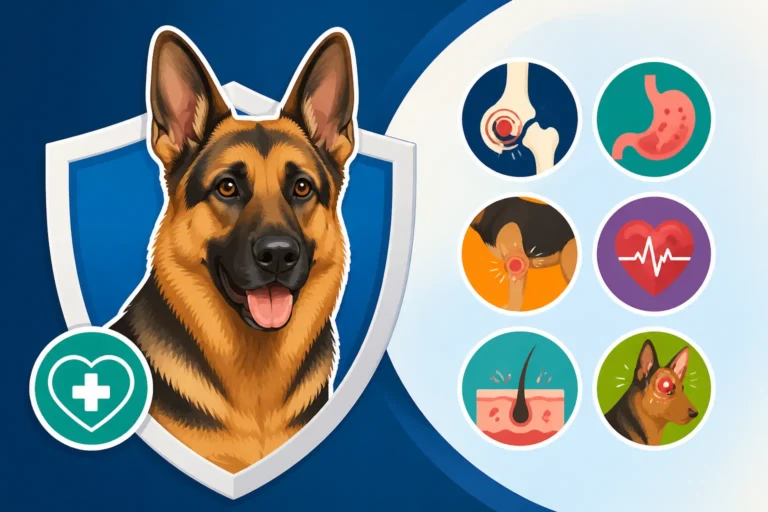
It’s an unfortunate truth that German Shepherds, as a breed, often have a more sensitive digestive system compared to some other dogs. Their specific genetics and physiology can make them more susceptible to various gastrointestinal problems. This sensitivity means that things that might barely faze another breed, like a small change in kibble or a stolen bite of human food, can send a German Shepherd's system into a tailspin, leading to issues like German Shepherd Sensitive Stomach Solutions. Their strong immune systems and high energy levels are fantastic, but sometimes, their internal balance can be delicate. It’s part of what makes them who they are, but it also means owners need to be extra vigilant and proactive when it comes to their diet and overall digestive health.
Common Dietary Triggers for German Shepherd Loose Stool
Often, the first place to look when your German Shepherd has loose stool is their diet. What goes in must come out, and if what goes in isn't quite right, you'll see the evidence pretty quickly. Dietary issues are incredibly common culprits, and sometimes, they’re the easiest to fix once you pinpoint the source.
Sudden Diet Changes and Novel Foods
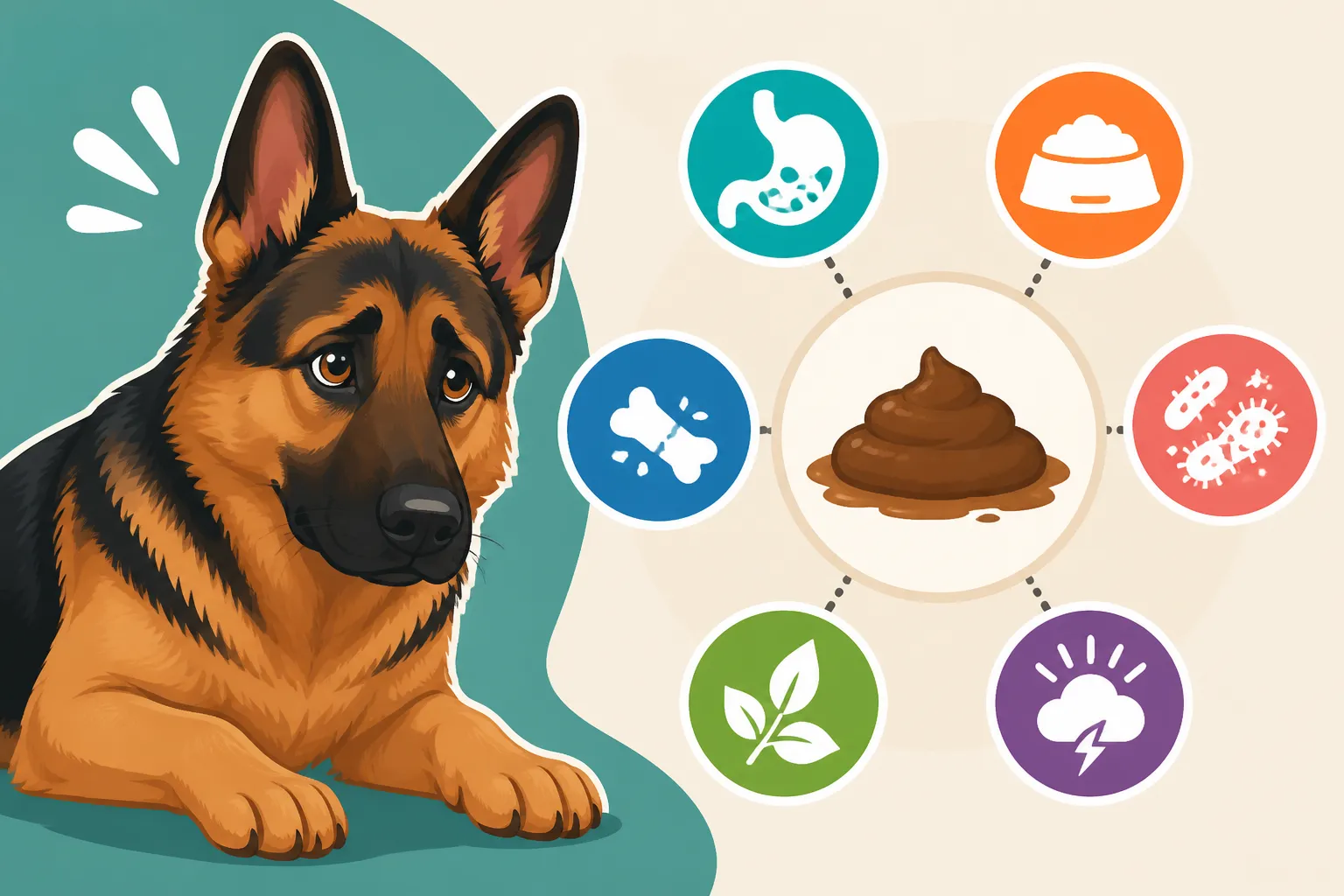
One of the most frequent reasons for a German Shepherd to develop loose stool is a sudden change in their diet. Their digestive systems thrive on consistency. If you abruptly switch their kibble, even to another high-quality brand, or introduce a new treat or supplement without a gradual transition, their gut bacteria can get thrown off balance. This imbalance can lead to inflammation and, predictably, loose stools. Imagine your own digestive system trying to process a completely different cuisine overnight!
For example, if you just bought a new bag of "premium" food thinking it would be better, but didn't mix it gradually with their old food over a week or more, you're practically inviting an upset stomach. Even well-meaning additions like a spoonful of yogurt or a new type of dental chew can sometimes be enough to cause issues if their system isn't prepared. Always introduce new foods slowly, mixing a small amount with their current food and gradually increasing the new food while decreasing the old over seven to ten days. This gives their gut flora time to adjust gracefully.
Food Intolerances and Allergies
Beyond sudden changes, some German Shepherds develop genuine food intolerances or allergies. This is a common and often frustrating issue for owners because symptoms can range from itchy skin and ear infections to, yes, chronic loose stools or even German Shepherd Food Allergy Symptoms. Unlike an acute upset from a dietary change, intolerances and allergies manifest consistently when the offending ingredient is consumed. Common culprits include proteins like chicken, beef, dairy, wheat, and soy, though any ingredient can potentially be a trigger.
Identifying these can be tricky, often requiring an elimination diet under veterinary guidance. This involves feeding a novel protein and carbohydrate source (one your dog has never eaten before) for several weeks, then slowly reintroducing old ingredients to see which one causes a reaction. It's a lengthy process, but finding the trigger can bring immense relief to your dog and peace of mind to you. Brands like Purina Pro Plan often have specialized formulas for sensitive stomachs that may help during this process, but a vet's advice is paramount. You might also want to look into Best Diet for a German Shepherd with Allergies.
Inappropriate Food and Scavenging
Let's be honest, German Shepherds are smart, but sometimes their stomachs are bigger than their brains when it comes to "forbidden" snacks. Scavenging is a huge problem. That half-eaten sandwich someone dropped on the sidewalk, the discarded chicken bone from the park, or even just a particularly appealing clump of grass can be enough to disrupt their digestive system. These items can introduce bacteria, contain ingredients toxic to dogs, or simply be too rich or difficult to digest.
Beyond outdoor scavenging, many dogs get into human food at home. Gravy-laden leftovers, fatty scraps from dinner, or even seemingly harmless items like onions or garlic (which are toxic) can quickly lead to loose stools, vomiting, and more severe health issues. It's vital to be vigilant about what your German Shepherd has access to, both inside and outside the house. A secure trash can and a "leave it" command can be lifesavers.
Health-Related Causes Behind German Shepherd Loose Stool
Sometimes, the issue isn't what your German Shepherd ate, but something happening inside their body. These health-related causes can range from easily treatable to chronic conditions that require ongoing management. Ignoring them can lead to more serious problems, so understanding these possibilities is key.
Parasites and Bacterial Infections
Parasites are a super common cause of loose stool, especially in puppies or dogs who spend a lot of time outdoors. Worms like roundworms, hookworms, whipworms, and tapeworms can irritate the intestinal lining, leading to diarrhea, weight loss, and a dull coat. Coccidia and Giardia are microscopic parasites that can cause particularly nasty, persistent loose stools, often with mucus or blood. These are often picked up from contaminated soil, water, or contact with infected feces. Regular deworming, as outlined in your German Shepherd Vaccination Schedule, and fecal tests are crucial for prevention and early detection.
Bacterial infections are another frequent culprit. Salmonella, E. coli, and Clostridium are just a few of the bacteria that can cause acute bouts of severe loose stool, sometimes accompanied by vomiting, fever, and lethargy. These can come from contaminated food (raw diets carry a higher risk if not handled properly), stagnant water, or contact with other infected animals. In these cases, your vet might prescribe antibiotics, along with supportive care like probiotics and a bland diet.
Exocrine Pancreatic Insufficiency (EPI)
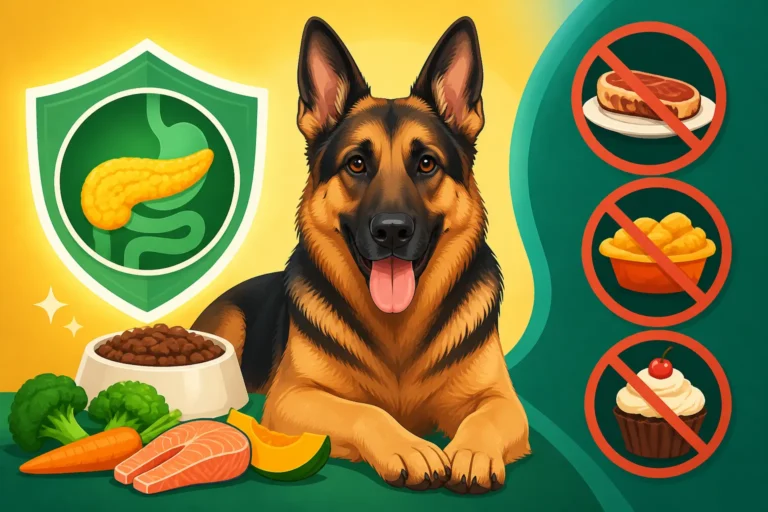
This is a condition that, sadly, German Shepherds are genetically predisposed to, and it's often a significant cause of chronic loose stools. With German Shepherd EPI: Symptoms and Treatment, the pancreas doesn't produce enough digestive enzymes (amylase, lipase, and protease) needed to break down fats, carbohydrates, and proteins. Without these enzymes, food passes through the digestive tract largely undigested, leading to a host of symptoms, including copious, greasy, yellow or gray, often foul-smelling loose stools. Dogs with EPI will eat ravenously but still lose weight because they aren't absorbing nutrients.
Diagnosing EPI usually involves a simple blood test called a TLI (Trypsin-Like Immunoreactivity) test. If diagnosed, management involves adding pancreatic enzyme supplements to every meal for the rest of their lives. It sounds daunting, but with proper treatment, dogs with EPI can live full, healthy lives, and their stools firm up dramatically. This condition highlights the importance of understanding specific breed predispositions like those covered in our German Shepherd Health Problems Guide.
Inflammatory Bowel Disease (IBD) and Other Chronic Conditions
Loose stool can also be a symptom of more complex, chronic gastrointestinal conditions. Inflammatory Bowel Disease (IBD) is one such condition, where the lining of the digestive tract becomes chronically inflamed, making it difficult for the dog to properly digest food and absorb nutrients. Symptoms can include chronic diarrhea, vomiting, weight loss, and abdominal pain. IBD requires careful diagnosis, often involving biopsies of the intestinal lining, and long-term management with dietary changes, anti-inflammatory medications, and sometimes immunosuppressants.
Other chronic conditions like certain types of cancer (lymphoma), kidney disease, liver disease, or even thyroid problems can sometimes manifest with digestive upset, including loose stools. This is why persistent or recurrent loose stools should always warrant a visit to the veterinarian for a thorough check-up, including German Shepherd Bloodwork: What to Test. Sometimes, the loose stool is just a symptom of a much larger underlying issue.
Stress and Anxiety
It might sound surprising, but your German Shepherd's emotional state can have a very real impact on their gut health. Just like humans can get nervous stomachs, dogs can experience stress-induced colitis or loose stools. A sudden change in routine, moving to a new house, separation anxiety, the addition of a new pet or family member, or even loud noises like thunderstorms and fireworks can trigger a stress response that manifests as digestive upset.
Think about how your German Shepherd reacts to stress – do they pace, whine, or hide? Sometimes, a digestive upset is another way their body signals distress. If you notice a pattern where loose stools coincide with stressful events, addressing the underlying anxiety can often resolve the problem. This might involve behavior modification, creating a calm environment, or in some cases, medication prescribed by your vet. Understanding your dog's behavior, as discussed in Understanding German Shepherd Behavior, can be crucial here.
When to Worry and What to Do Next
It's one thing to have a one-off soft stool, and another entirely to face a persistent or severe case of loose stools. Knowing when to take action and when to seek professional help is critical for your German Shepherd's well-being.
Signs That Warrant an Immediate Vet Visit
While a single bout of loose stool might resolve on its own, certain symptoms coupled with loose stools demand immediate veterinary attention. Don't hesitate if you observe any of the following:
- Bloody Stool: Bright red streaks indicate fresh blood, often from the lower GI tract, while dark, tarry stools (melena) suggest digested blood from the upper GI tract. Both are serious.
- Vomiting: Especially if it's frequent or severe, as this can quickly lead to dehydration.
- Lethargy or Weakness: If your dog is unusually tired, sluggish, or unable to stand.
- Loss of Appetite: Refusing to eat for more than 24 hours.
- Pain or Discomfort: Whining, restlessness, difficulty getting comfortable, or an obviously distended abdomen (also be aware of German Shepherd Bloat: Signs and Prevention).
- Fever: If your dog feels unusually warm to the touch or if a rectal temperature is above 102.5°F (39.2°C).
- Puppies or Senior Dogs: These age groups are more vulnerable to dehydration and complications from loose stools.
- Persistent Diarrhea: If loose stools continue for more than 24-48 hours, even without other severe symptoms.
When these signs appear, it’s not the time for home remedies. Head straight to your vet. Having pet insurance, like Healthy Paws, can be a huge relief in these emergency situations, ensuring you can make decisions based on your dog's health, not just your wallet.
At-Home Management and Prevention Strategies
For milder cases of loose stool without alarming symptoms, there are several things you can try at home to help settle your German Shepherd's stomach.
Initial Steps for Mild Loose Stool:
- Fast Your Dog (Briefly): For adult dogs, withholding food for 12-24 hours can give the digestive system a much-needed rest. Always provide plenty of fresh water. Never fast a puppy or a senior dog without vet consultation.
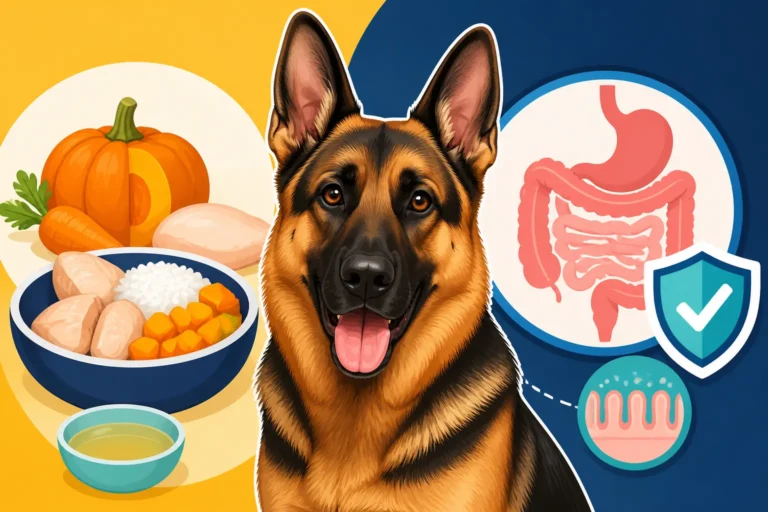
- Introduce a Bland Diet: After fasting, slowly reintroduce food using a bland diet. This typically consists of boiled, plain chicken (no skin or bones) and plain white rice. Start with small, frequent meals (e.g., 1/4 cup every 3-4 hours) and gradually increase the amount and decrease the frequency over a few days as stools firm up.
- Probiotics: A good canine-specific probiotic can help restore beneficial gut bacteria. Talk to your vet about a recommended brand.
- Fiber: Sometimes, a small amount of plain canned pumpkin (not pie filling) can help firm up stools due to its fiber content.
Preventative Measures for the Future:
- Consistent Diet: Stick to a high-quality, consistent diet. If you need to change foods, do it gradually over 7-10 days. Our German Shepherd Feeding Guide offers great advice on this.
- Avoid Scavenging: Keep a close eye on your German Shepherd outdoors and secure trash cans indoors.
- No Table Scraps: Resist the urge to give your dog human food, especially fatty or spicy items.
- Regular Vet Check-ups: Regular veterinary visits and fecal tests can catch parasites and other issues early.
- Stress Reduction: Identify and minimize stressors in your dog’s environment.
- Consider Pet Insurance: As mentioned, a plan from a provider like Healthy Paws can truly save the day (and your budget) when unexpected health issues arise, making sure your German Shepherd gets the care they need without financial strain.
By being observant, proactive, and knowing when to seek professional help, you can keep your German Shepherd's digestive system, and indeed their whole body, as healthy and happy as possible.
Disclaimer
The information provided in this article is for general informational purposes only and is not a substitute for professional veterinary advice. Always consult with a qualified veterinarian regarding any health concerns or before making any decisions about your German Shepherd's care or treatment.