German Shepherd Sensitive Stomach Solutions
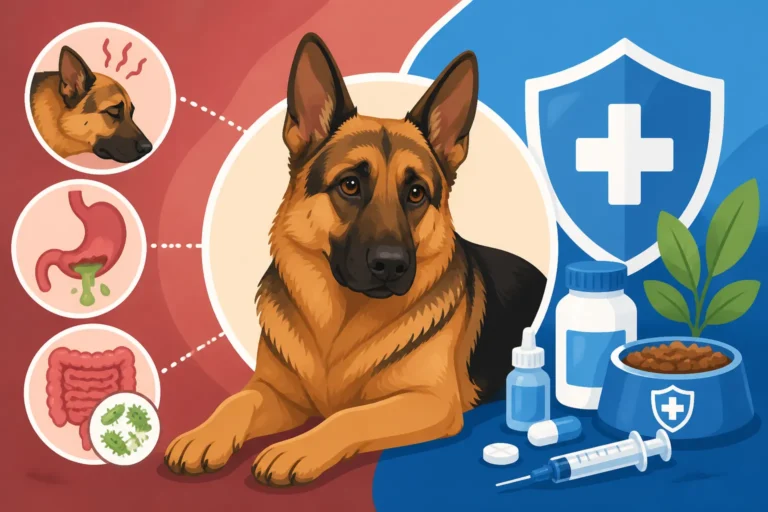
It’s incredibly frustrating and often heartbreaking when your beloved German Shepherd constantly deals with an upset stomach. You watch them suffer through bouts of diarrhea, vomiting, or persistent gas, and it feels like a never-ending quest to find the right food or remedy. This guide is here to walk you through the complexities of German Shepherd sensitive stomachs, helping you understand the common culprits and offering actionable solutions to bring your furry friend much-needed relief and a healthier, happier gut.
Understanding the German Shepherd Sensitive Stomach
When we talk about a "sensitive stomach" in German Shepherds, we're not just referring to a mild, occasional tummy ache. For these magnificent dogs, it often signifies a recurring issue that can manifest in various ways, from loose stools and flatulence to vomiting and obvious abdominal discomfort. It's a broad term that points to their digestive system being easily irritated or simply not functioning optimally, leading to chronic or intermittent gastrointestinal distress.
Common Symptoms to Watch For
Recognizing the signs early can make a big difference in managing your German Shepherd's sensitive stomach. It's not always just about diarrhea; the symptoms can be quite varied and sometimes subtle.
One of the most obvious signs is, of course, changes in stool consistency. This can range from soft, poorly formed stools to outright watery diarrhea. You might notice mucus in their stool, or even specks of fresh blood, which always warrants a call to your vet. Frequency also plays a role – if your dog is suddenly having multiple bowel movements in a short period, that's a red flag.
Vomiting is another clear indicator of a troubled tummy. This could be anything from regurgitating undigested food shortly after eating to vomiting bile hours later. Pay attention to the frequency and what the vomit looks like. Persistent vomiting, especially multiple times a day or over several days, is a serious concern. Beyond that, excessive gas and bloating can make your dog visibly uncomfortable, leading to restlessness or difficulty lying down. You might also notice a decrease in appetite, weight loss over time, or even a dull, lackluster coat, all stemming from poor nutrient absorption due to a chronically irritated gut.
Why German Shepherds Are Prone to Digestive Issues
It’s not just bad luck that many German Shepherds seem to have sensitive stomachs; there are some inherent breed predispositions that make them more susceptible to gastrointestinal woes. Their genetic makeup and physiological traits contribute significantly to this tendency. Understanding these factors can help you be more proactive in their care.
One of the most well-known issues is Exocrine Pancreatic Insufficiency (EPI). This is a genetic condition where the pancreas doesn't produce enough digestive enzymes, leading to severe maldigestion and malabsorption. Dogs with EPI often suffer from chronic diarrhea, significant weight loss despite a ravenous appetite, and a generally poor coat condition. If you suspect your German Shepherd has this, it's crucial to get them tested, and you can learn more about specific symptoms in our guide on German Shepherd EPI Symptoms to Watch.
Beyond EPI, German Shepherds are also more predisposed to food allergies and inflammatory bowel disease (IBD). Food allergies can develop over time to common protein sources like chicken or beef, or even grains, leading to chronic digestive upset. IBD is a more complex condition where the intestinal tract becomes chronically inflamed, impairing nutrient absorption. They can also be prone to bloat (gastric dilatation-volvulus), a life-threatening condition where the stomach twists. While bloat isn't a "sensitive stomach" in the traditional sense, it's a severe digestive emergency that German Shepherd owners must be aware of, and prevention strategies for sensitive stomachs can sometimes overlap. Our article on German Shepherd Bloat: Signs and Prevention is a must-read for all owners.
Common Causes of Upset Stomachs
Pinpointing the exact cause of a sensitive stomach can sometimes feel like detective work. There's a myriad of factors, from diet to underlying health conditions, that can contribute to your German Shepherd's tummy troubles.
Dietary Factors
Diet is often the first place to look when your German Shepherd has a sensitive stomach, and for good reason. It’s the most direct and frequent input into their digestive system.
Sudden changes in food are a notorious trigger. If you switch from one brand to another, or even one flavor within the same brand, too quickly, your dog's digestive system simply doesn't have time to adjust to the new ingredients. This can lead to an immediate upset, resulting in diarrhea or vomiting. It's always best to transition foods slowly, over a period of 7-10 days, gradually mixing the new food with the old.
The quality and type of food also play a huge role. Many commercial dog foods contain fillers like corn, wheat, or soy, which can be difficult for some dogs to digest. Artificial colors, flavors, and preservatives can also irritate sensitive guts. Some German Shepherds may develop an intolerance or allergy to specific protein sources (like chicken, beef, or dairy) or even certain grains. This can lead to chronic inflammation in the gut, causing ongoing symptoms. If your dog is consistently struggling, exploring hypoallergenic or limited-ingredient diets might be a wise step. Our guide on German Shepherd Food Allergy Symptoms can help you identify if this might be the case. And, of course, those tempting table scraps, fatty foods, or access to garbage are almost guaranteed to cause an upset stomach. Remember, what's fine for us can be disastrous for them.
Environmental and Stressors
While diet often takes center stage, don't underestimate the impact of environmental factors and stress on your German Shepherd's digestive health. Just like humans, dogs can experience stomach upset when they're anxious or dealing with changes in their environment.
German Shepherds are intelligent and often sensitive dogs, and stress can manifest physically, including in their digestive system. A sudden change in routine, moving to a new house, the introduction of a new pet or family member, or even loud noises can trigger anxiety. This anxiety can lead to what’s often called "stress colitis," characterized by sudden bouts of diarrhea, sometimes with mucus or blood. Observing your dog's behavior for signs of stress alongside their digestive issues can provide important clues.
Furthermore, access to things they shouldn't eat in the environment can cause problems. This could be anything from eating grass that's been treated with chemicals, chewing on toxic plants, or even just ingesting too much dirt during enthusiastic digging sessions. It's important to keep a close eye on what your German Shepherd is putting in their mouth, especially when outside. Regular walks and consistent positive reinforcement training can help manage stress and reduce the likelihood of them scavenging for trouble.
Underlying Health Conditions
Sometimes, a sensitive stomach isn't just about what they ate or how stressed they are; it can be a symptom of a more serious, underlying health condition. It’s crucial not to dismiss persistent or worsening digestive issues, as they could indicate a need for veterinary intervention.
As mentioned earlier, Exocrine Pancreatic Insufficiency (EPI) is a significant concern for German Shepherds. This condition prevents them from digesting fats, proteins, and carbohydrates properly. The classic signs are chronic, large volume, foul-smelling diarrhea, and weight loss despite a huge appetite. Another condition, Inflammatory Bowel Disease (IBD), involves chronic inflammation of the gastrointestinal tract, leading to symptoms like persistent vomiting, diarrhea, weight loss, and appetite fluctuations. This condition requires careful diagnosis and management, often involving special diets and medication.
Other potential culprits include various parasites (like giardia, coccidia, or hookworms), bacterial infections (such as salmonella or campylobacter), and even pancreatitis, an inflammation of the pancreas that can be acutely painful and dangerous. In very severe cases, digestive upset could be a sign of a blockage or even certain types of cancer. This is why if your German Shepherd's symptoms are severe, include blood, are persistent, or are accompanied by lethargy, fever, or extreme pain, a prompt visit to the veterinarian is absolutely non-negotiable. Timely diagnosis and intervention are key, and having pet insurance like Healthy Paws can certainly help manage the unexpected costs of such investigations and treatments.
Dietary Adjustments and Solutions
Once you've ruled out acute emergencies and serious underlying conditions with your vet, managing a sensitive stomach often comes down to making thoughtful dietary adjustments. This isn't just about picking a new bag of food; it's about a holistic approach to their nutrition.
Transitioning Food Slowly and Safely
One of the biggest mistakes owners make when addressing a sensitive stomach is switching foods abruptly. Your German Shepherd's digestive system needs time to adapt to new ingredients and different nutrient profiles. Rushing the process almost guarantees further upset.
The golden rule for any food transition is to do it gradually, typically over a period of 7 to 10 days. Start by mixing a small amount of the new food with their current food, gradually increasing the ratio of new food to old food over several days. For instance, on days 1-2, you might feed 75% old food and 25% new food. Days 3-4, move to a 50/50 mix. Days 5-6 could be 25% old and 75% new, finally transitioning to 100% new food by day 7 or 8. If your dog shows any signs of digestive upset during this period, slow down the transition even further. You might need to hold at a certain ratio for an extra day or two until their system stabilizes. This patient approach minimizes stress on their gut and gives them the best chance of tolerating the new diet.
Remember, even if you’re switching to a "sensitive stomach" formula, their body still needs time to adjust to the specific blend of proteins, fats, and carbohydrates in the new food. This slow transition is a foundational step in bringing stability back to their digestive system.
Choosing the Right Food for Sensitive Stomachs
Selecting the appropriate food is perhaps the most critical step in managing your German Shepherd's sensitive stomach. It's not a one-size-fits-all solution, but there are key characteristics to look for.
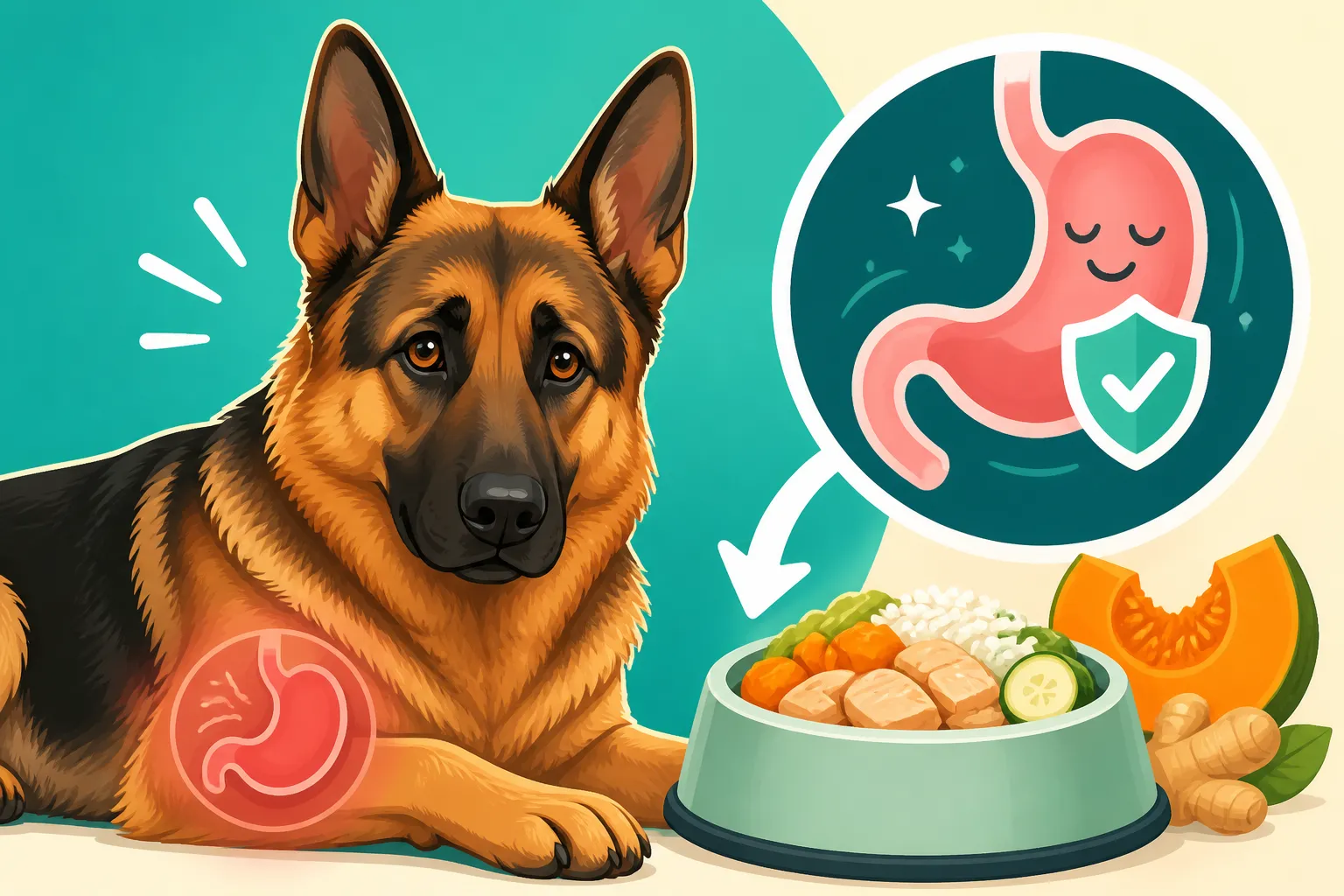
First, consider a "limited ingredient diet" (LID). These foods are formulated with a minimal number of ingredients, usually featuring a single novel protein source (like duck, venison, or salmon) and a single carbohydrate source (like sweet potato or rice). This greatly reduces the chances of encountering an ingredient your dog might be allergic or intolerant to. Brands like Zignature or Canidae Pure often offer excellent LID options.
Another excellent choice is a truly digestible formula. Look for foods that emphasize highly digestible proteins and carbohydrates, often containing prebiotics and probiotics to support gut health. Grain-free isn't always the answer unless a specific grain allergy is identified; sometimes, easily digestible grains like rice or oats can be beneficial. Avoid foods with excessive fillers, artificial colors, flavors, and preservatives, as these can exacerbate sensitivity. Sometimes, your vet might recommend a prescription diet from brands like Royal Canin or Hill's Science Diet, which are specifically formulated for gastrointestinal issues and contain precisely balanced nutrients to support digestive recovery. Our article on German Shepherd Sensitive Stomach Solutions delves deeper into specific food recommendations.
Supplementing for Gut Health
Beyond choosing the right food, certain supplements can provide invaluable support to a sensitive digestive system, helping to rebalance the gut microbiome and improve overall function.
Probiotics are live beneficial bacteria that help maintain a healthy balance of microorganisms in the gut. When your German Shepherd's stomach is upset, this balance is often thrown off. Introducing good bacteria can aid digestion, boost the immune system, and reduce inflammation. Look for multi-strain probiotics specifically formulated for dogs. Prebiotics, on the other hand, are non-digestible fibers that act as food for these beneficial bacteria, helping them thrive. Fructooligosaccharides (FOS) and inulin are common prebiotics found in many gut-support supplements or even some dog foods. Combining both prebiotics and probiotics (synbiotics) can offer a more comprehensive approach.
Digestive enzymes, particularly if EPI has been diagnosed or suspected, can be a game-changer. These enzymes (like amylase, lipase, and protease) help break down food into smaller, absorbable nutrients. For German Shepherds with EPI, enzyme replacement therapy is essential. Even for dogs without EPI, some veterinarians may suggest a trial of supplemental enzymes to see if it improves nutrient absorption and reduces digestive strain. Discussing these options with your veterinarian is crucial to ensure you're giving the right supplements in the correct dosages. Brands like Purina Pro Plan Veterinary Diets FortiFlora or VetriScience Probiotic Everyday are popular choices. This is an excellent area where proactively managing your German Shepherd’s health can save a lot of discomfort, and pet insurance like Healthy Paws can help cover the costs of these long-term management strategies.
Optimal Feeding Practices
How you feed your German Shepherd can be just as important as what you feed them, especially for those with sensitive stomachs. Thoughtful feeding practices can minimize digestive upset and promote better overall health.
One key recommendation is to feed smaller, more frequent meals. Instead of one or two large meals a day, consider dividing their daily food allowance into three or four smaller meals. Large meals can overwhelm a sensitive digestive system, leading to indigestion and discomfort. Smaller portions are easier to process, reducing the workload on their stomach and intestines. This approach can also help prevent bloat, a serious concern for German Shepherds.
Another consideration is the use of raised feeding bowls. While the debate continues on their direct impact on bloat prevention, some dogs find eating from a raised bowl more comfortable, especially if they have joint issues like hip or elbow dysplasia. This can reduce the amount of air they swallow while eating, potentially lessening gas and discomfort. However, always consult your vet about whether a raised bowl is right for your individual dog, as some studies suggest it may increase bloat risk in certain situations. Finally, ensure a calm, quiet feeding environment. Rushed or stressful meal times can also contribute to digestive upset.
Here's a quick comparison of common ingredients for sensitive stomachs:
| Category | Beneficial Ingredients (Often Recommended) | Potentially Problematic Ingredients (Often Avoided) |
|---|---|---|
| Protein | Novel proteins (duck, venison, salmon, lamb), Hydrolyzed proteins | Common proteins (chicken, beef, dairy, soy), By-products, Undefined "meat meal" |
| Carbohydrate | Sweet potato, White potato, Rice, Oats, Quinoa | Corn, Wheat, Soy, Legumes in excess (peas, lentils, chickpeas), Beet pulp |
| Fat | Easily digestible fats (chicken fat, salmon oil), Moderate levels | High fat content, Rendered fats, Undefined "animal fat" |
| Fiber | Prebiotics (FOS, inulin), Moderate soluble and insoluble fiber | Excessive fiber (can cause gas), Certain pulps |
| Additives | Natural preservatives (tocopherols), Probiotics, Digestive enzymes | Artificial colors, Artificial flavors, Artificial preservatives (BHA, BHT, Ethoxyquin) |
When to Seek Veterinary Help
While dietary adjustments and supplements can resolve many cases of sensitive stomachs, it's vital to recognize when your German Shepherd's symptoms warrant professional veterinary attention. Ignoring serious signs can lead to worsening conditions or delays in crucial treatment.
Warning Signs Not to Ignore
There are certain symptoms that should immediately prompt a call to your veterinarian. These aren't just minor upsets; they signal that something more serious might be going on inside your German Shepherd.
Persistent vomiting or diarrhea, especially if it lasts for more than 24-48 hours, is a major red flag. If your dog is vomiting multiple times a day or having continuous watery diarrhea, they can quickly become dehydrated, which is a medical emergency. The presence of blood in the vomit or stool (either fresh red blood or dark, tarry stools) also indicates a serious issue that needs immediate investigation. Lethargy, weakness, or a noticeable decrease in activity levels alongside digestive upset are also very concerning signs, as they suggest your dog is truly feeling unwell and potentially in pain.
Furthermore, if you observe signs of severe abdominal pain, such as your German Shepherd hunching their back, stretching into a "play bow" position (which can indicate abdominal discomfort), vocalizing when touched, or a distended, hard abdomen, do not delay. A distended abdomen, particularly if accompanied by unproductive retching, is a classic sign of bloat (GDV), a life-threatening condition that requires emergency surgery. In such cases, every minute counts. Having a plan in place for emergencies, possibly supported by pet insurance like Healthy Paws, can make a huge difference in managing these stressful situations.
Diagnostic Tests and Treatment
When you bring your German Shepherd to the vet with severe or persistent digestive issues, they will likely recommend a series of diagnostic tests to pinpoint the exact cause. This is a crucial step, as a proper diagnosis guides effective treatment.
A common starting point is a fecal analysis to check for parasites like giardia, coccidia, or various types of worms. Blood work, including a complete blood count and a biochemistry panel, can reveal signs of infection, inflammation, pancreatitis, or other organ system issues. For suspected EPI, a specific blood test called a TLI (Trypsin-Like Immunoreactivity) is performed. If food allergies are suspected, your vet might recommend a food elimination trial, which is the most reliable way to diagnose specific food sensitivities. This often involves feeding a novel protein or hydrolyzed protein diet exclusively for several weeks.
For more complex cases, imaging like X-rays or ultrasound may be necessary to look for foreign objects, tumors, or abnormalities in the digestive organs. In some instances, endoscopy or biopsy of the intestinal lining might be required to diagnose conditions like IBD. Treatment, of course, varies greatly depending on the diagnosis. It could range from deworming medication, antibiotics for bacterial infections, anti-nausea drugs, or anti-diarrhea medications. For chronic conditions like EPI or IBD, ongoing management with prescription diets, digestive enzymes, or anti-inflammatory drugs might be necessary. Getting a clear diagnosis is the first step toward lasting relief for your beloved German Shepherd.
Lifestyle and Management Tips
Beyond diet and veterinary care, integrating certain lifestyle adjustments can significantly support a German Shepherd with a sensitive stomach. These tips focus on minimizing stressors and promoting overall digestive well-being.
Reducing Stress and Anxiety
As we touched on earlier, stress and anxiety can wreak havoc on a German Shepherd's digestive system. Creating a stable, calm environment is paramount for dogs prone to tummy troubles.
Consistent routines provide a sense of security. Feeding times, walks, and playtime should be as regular as possible. Predictability helps reduce anxiety. If your German Shepherd is prone to separation anxiety, strategies such as gradual desensitization training or providing engaging puzzle toys when you leave can help. For dogs that get anxious during storms or fireworks, creating a safe, quiet den space can offer comfort. Sometimes, natural calming supplements or even pheromone diffusers can be helpful, but always consult your vet before introducing new supplements. Regular, appropriate exercise is also crucial. A well-exercised German Shepherd is generally a calmer, less anxious German Shepherd, which positively impacts their overall health, including their digestive system.
It's also important to be mindful of your own stress levels, as dogs are incredibly attuned to their owners' emotions. A calm owner can help foster a calm dog. By proactively managing potential stressors, you can create an environment that supports a healthy gut and a happy, relaxed German Shepherd.
Exercise and Hydration for Gut Health
While it might not seem directly related, appropriate exercise and ensuring proper hydration are crucial components in managing a sensitive stomach in German Shepherds. Both contribute to overall health, which in turn supports digestive function.
Regular, moderate exercise helps keep the digestive system moving, promoting healthy bowel function and reducing the likelihood of constipation or sluggish digestion. For German Shepherds, this means a good balance of physical activity – walks, playtime, and mental stimulation – without overexertion, especially for puppies or senior dogs. However, be mindful not to engage in strenuous exercise immediately before or after meals, as this can increase the risk of bloat. A short, gentle walk after eating is usually fine, but intense activity should be avoided for at least an hour before and after meals.
Hydration is equally critical. Plenty of fresh, clean water is essential for all bodily functions, including digestion. Water helps soften stool, making it easier to pass, and aids in the absorption of nutrients. Dehydration, on the other hand, can exacerbate digestive issues and lead to further complications. Always ensure your German Shepherd has constant access to fresh water, especially if they are experiencing diarrhea or vomiting, as they will lose fluids rapidly. Using ceramic or stainless steel bowls can help keep water fresher and prevent potential irritation from plastic.
Regular Veterinary Check-ups
Even when your German Shepherd's sensitive stomach seems to be under control, maintaining regular veterinary check-ups is incredibly important. These routine visits are not just for when things go wrong, but for proactive health management.
Annual or semi-annual check-ups allow your veterinarian to monitor your dog's overall health, track any persistent digestive issues, and catch potential problems early. During these visits, your vet can assess their weight, coat condition, and discuss any changes you've observed. They might recommend routine fecal tests to screen for parasites that could cause subtle, chronic digestive upset. These check-ups are also a prime opportunity to discuss the effectiveness of current dietary strategies, explore new supplements, or adjust medications if necessary.
Building a strong, ongoing relationship with your vet means they become intimately familiar with your German Shepherd’s unique health history and sensitivities. This familiarity makes them better equipped to notice subtle changes or recommend preventative measures before a sensitive stomach escalates into a more severe problem. Investing in their regular care is one of the best ways to ensure a long, healthy, and comfortable life for your German Shepherd, and having a robust pet insurance plan like Healthy Paws can provide peace of mind for both routine and unexpected vet visits.
Disclaimer
The information provided in this article is for educational and informational purposes only and does not constitute veterinary advice. Always consult with a qualified veterinarian for any health concerns or before making any changes to your German Shepherd's diet, medication, or care routine.