German Shepherd Pancreatitis Diet
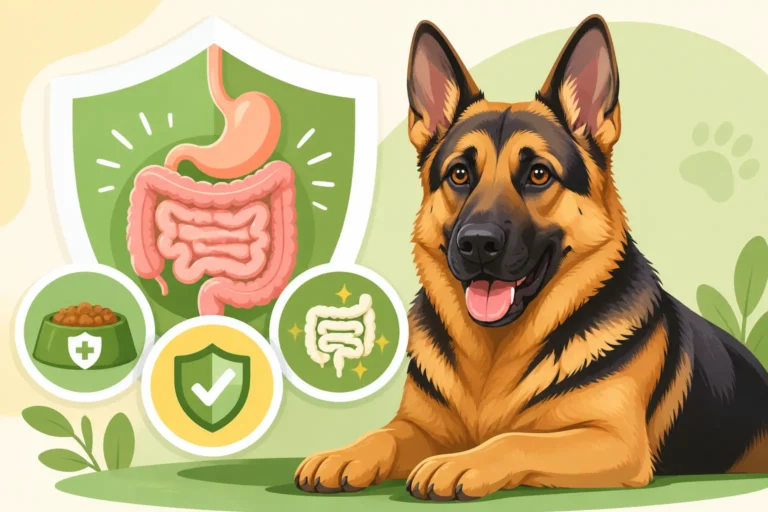
Discovering that your beloved German Shepherd is suffering from pancreatitis can be an incredibly worrying and confusing time. You're suddenly faced with a mountain of information about dietary changes, medications, and what feels like an entirely new way of feeding your furry family member. It’s a challenge to sift through it all and figure out what’s truly best for their recovery and long-term health. This comprehensive guide is here to cut through the confusion and walk you through everything you need to know about crafting the ideal German Shepherd pancreatitis diet.
Understanding Pancreatitis in German Shepherds
When your German Shepherd is diagnosed with pancreatitis, it’s natural to feel overwhelmed. Many owners are blindsided by this condition, especially because the symptoms can sometimes mimic other digestive upsets. Let’s break down what pancreatitis actually is and why it’s such a significant concern for our intelligent and active companions.
What is Pancreatitis and Why Does it Affect German Shepherds
At its core, pancreatitis is an inflammation of the pancreas, a vital organ nestled near your dog’s stomach. The pancreas has two main jobs: producing insulin to regulate blood sugar, and creating powerful digestive enzymes that break down food, especially fats. When the pancreas becomes inflamed, these digestive enzymes can activate prematurely *inside* the pancreas itself, essentially causing the organ to start digesting itself. This leads to intense pain, tissue damage, and widespread inflammation.
While any dog breed can develop pancreatitis, some breeds, including German Shepherds, appear to have a genetic predisposition or a higher incidence rate, though the exact reasons aren't always clear-cut. Their strong digestive systems, typically built for robustness, can sometimes be susceptible to these internal upsets when things go awry. Understanding the specific German Shepherd Pancreatitis: Symptoms and Treatment is crucial for early intervention.
Acute vs. Chronic Pancreatitis
Pancreatitis can manifest in two main forms: acute and chronic. The distinction is important because it often influences the long-term dietary strategy and management.
- Acute Pancreatitis: This is a sudden, severe onset of inflammation. Dogs with acute pancreatitis often present with dramatic symptoms like sudden vomiting, severe abdominal pain, loss of appetite, and lethargy. It’s typically triggered by a specific event, often a high-fat meal (think stolen Thanksgiving turkey or too many greasy scraps). While an acute episode can be life-threatening and requires immediate veterinary attention, many dogs can recover fully with aggressive medical care and a proper recovery diet.
- Chronic Pancreatitis: This form involves ongoing or recurring inflammation that may be milder but persists over a longer period. Symptoms can be less dramatic than acute episodes, sometimes showing up as intermittent mild vomiting, reduced appetite, or general "off" days. Over time, chronic inflammation can lead to irreversible damage to the pancreas, potentially resulting in conditions like exocrine pancreatic insufficiency (EPI) or even diabetes. The dietary management for chronic pancreatitis is often a lifelong commitment to prevent flare-ups and manage the underlying condition.
The Cornerstone of Treatment: Diet
When your German Shepherd is diagnosed with pancreatitis, medication will play a role, especially during acute flare-ups. However, the true hero in managing this condition, especially in the long term, is the diet. What your dog eats directly impacts their pancreas, and making the right choices can be the difference between a comfortable, healthy life and recurring, painful episodes.
Why Diet is So Critical for Pancreatic Health
Imagine a factory that’s gone into overdrive and is malfunctioning, damaging itself in the process. The best way to help it recover is to significantly reduce its workload and give it the specific resources it needs to heal. That’s essentially what we’re doing with the pancreas through diet. The primary trigger for pancreatic enzyme release is dietary fat. When a dog eats a high-fat meal, the pancreas has to work extra hard to produce enough enzymes to digest it. For an inflamed pancreas, this increased workload can exacerbate inflammation, cause more pain, and delay healing.
By switching to a specialized diet, we aim to:
- Reduce pancreatic stimulation: Minimizing fat intake reduces the signal for the pancreas to release excessive digestive enzymes.
- Allow the pancreas to rest and heal: A low-fat, highly digestible diet lessens the burden on the organ, giving it a chance to recover from inflammation.
- Prevent future flare-ups: For dogs prone to chronic pancreatitis, a consistent, appropriate diet is the best defense against recurrence.
- Ensure adequate nutrition: While resting the pancreas, it's vital that your German Shepherd still receives all the necessary nutrients for overall health, energy, and recovery.
Key Dietary Principles for Pancreatitis Management
The philosophy behind a pancreatitis diet is relatively straightforward: keep it low-fat, highly digestible, and consistent. These principles guide both commercial and homemade diet approaches.
- Low Fat: This is the most crucial element. The fat content in the diet must be significantly restricted. For prescription diets, this often means fat levels are below 10% on a dry matter basis. For homemade diets, it means meticulously selecting lean protein sources and avoiding all fatty ingredients.
- Highly Digestible: The food should be easy for your dog's compromised digestive system to break down and absorb. This means choosing ingredients that aren't overly fibrous or difficult to process, allowing nutrients to be absorbed quickly and efficiently without stressing the gut.
- Novel or Hydrolyzed Proteins (Sometimes): In some cases, particularly if food sensitivities are suspected to contribute to inflammation, your vet might recommend a diet with a novel protein source (one your dog hasn't eaten before, like venison or duck) or a hydrolyzed protein diet (where proteins are broken down into tiny components that the immune system is less likely to react to). This isn't always necessary but can be a strategy if other approaches aren't working.
Crafting the Ideal Pancreatitis Diet for Your German Shepherd
Now that we understand the “why,” let’s dive into the “how.” Creating the right diet for your German Shepherd with pancreatitis involves careful consideration, whether you opt for a commercial diet or a homemade one. Remember, always consult your veterinarian before making any significant dietary changes. They know your dog’s specific condition best and can guide you through the process, potentially helping you avoid costly mistakes that pet insurance providers like Healthy Paws might otherwise cover if an emergency arises.
Low-Fat is Non-Negotiable
This cannot be stressed enough: fat is the primary dietary component that stimulates the pancreas. For a German Shepherd with pancreatitis, reducing fat intake is paramount.
- Understanding Fat Content Labels: When looking at commercial dog food, the "guaranteed analysis" on the label will list the minimum or maximum crude fat percentage. However, this is usually on an "as fed" basis, meaning it includes moisture. To get a true comparison, you need to convert it to a "dry matter basis" (DM). The calculation is:
Crude Fat % / (100% - Moisture %)multiplied by 100. For dogs with pancreatitis, veterinary nutritionists often recommend diets with less than 10% fat on a dry matter basis. - Examples of Low-Fat Foods: Lean proteins are your best friend. Think boiled, skinless chicken breast, lean ground turkey, or white fish. Avoid red meats, pork, lamb, and any dark meat poultry with skin, as these are typically higher in fat. Even seemingly healthy additions like cheese or eggs can be too high in fat for a sensitive pancreas.
- Avoid All Table Scraps and Fatty Treats: This is where many well-meaning owners accidentally sabotage their dog's recovery. Even a small piece of fatty bacon, a dollop of cream, or a bit of sausage can trigger a severe pancreatitis flare-up. Educate everyone in the household about this strict rule. When looking for treats, opt for very low-fat options like small pieces of baked sweet potato or commercial low-fat treats specifically designed for sensitive stomachs.
Highly Digestible Proteins and Carbohydrates
Beyond just low-fat, the ingredients in your German Shepherd’s diet need to be easily digestible to minimize the workload on their system.
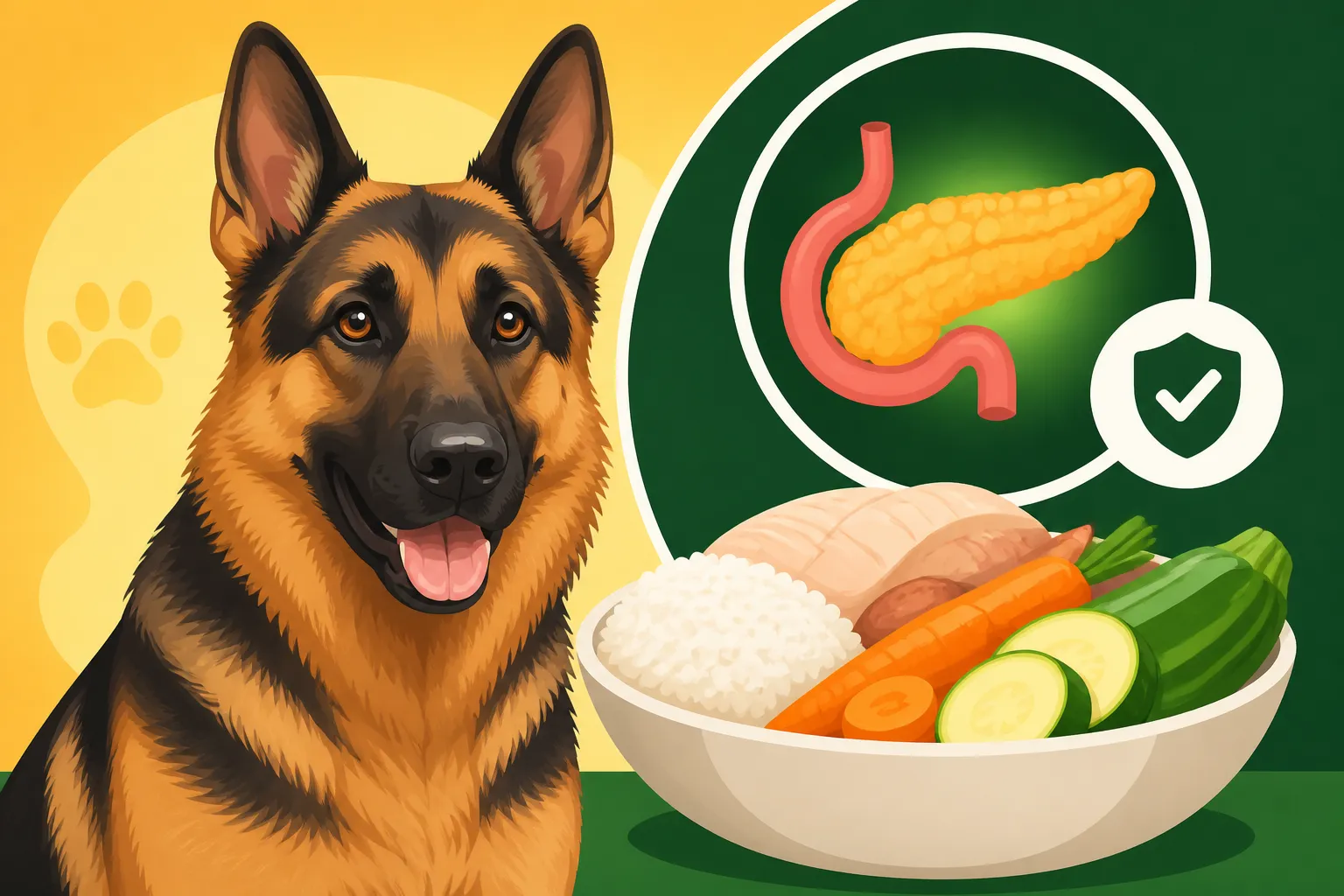
- Protein Sources: Lean, easily digestible proteins are key. Boiled chicken breast (no skin, no bones) is a classic choice, often used in bland diets. Cottage cheese, in very small, low-fat amounts, can also be a source, but check with your vet due to dairy content.
- Carbohydrate Sources: Simple, cooked carbohydrates provide energy without stressing the pancreas. White rice is a common recommendation due to its high digestibility. Cooked plain pasta or boiled potatoes (without skin or butter) can also be used. Avoid high-fiber grains initially, as too much fiber can sometimes interfere with nutrient absorption, though some soluble fiber can be beneficial in moderation.
- Vegetable Additions: Small amounts of thoroughly cooked, non-fibrous vegetables like pumpkin (plain, canned, not pie filling) or green beans can add vitamins and minerals. Introduce these slowly and in small quantities to ensure they don't cause digestive upset. For dogs prone to German Shepherd Sensitive Stomach Solutions, introducing new foods gently is always wise.
Commercial vs. Homemade Diets
The choice between a commercial prescription diet and a homemade diet is significant, each with its own advantages and challenges.
- Commercial Prescription Diets: These diets are formulated by veterinary nutritionists specifically for conditions like pancreatitis. They are precisely balanced, ensuring your German Shepherd receives all necessary nutrients while strictly controlling fat content. Brands like Royal Canin Gastrointestinal Low Fat, Purina Pro Plan EN Gastroenteric Low Fat, and Hill's Prescription Diet i/d Low Fat are often recommended. The major advantage here is convenience and nutritional completeness. You can trust that the diet is balanced and meets the strict requirements for pancreatic health. These specialized foods, while more expensive, are often covered by robust pet insurance plans like Healthy Paws, which can significantly ease the financial burden of managing a chronic condition. For a comprehensive guide on what to feed your dog, consult resources like Best Dog Food for a German Shepherd with a Sensitive Stomach.
- Homemade Diets: While tempting to prepare meals from scratch, a homemade diet for pancreatitis is incredibly challenging to balance nutritionally and consistently keep low-fat. It requires a deep understanding of canine nutrition and strict adherence to recipes developed by a board-certified veterinary nutritionist. Without this expert guidance, you risk nutrient deficiencies or inadvertently providing too much fat, leading to a relapse. A typical homemade bland diet might include boiled chicken breast and white rice, but this is a temporary solution, not a long-term, nutritionally complete meal plan. If you're considering this route, please work very closely with your vet or a veterinary nutritionist.
| Food Category | Suitable Choices for Pancreatitis | Unsuitable Choices (High-Fat or Hard to Digest) |
|---|---|---|
| Proteins | Boiled, skinless chicken breast; lean ground turkey; white fish (cod, tilapia); low-fat cottage cheese (small amounts, vet approved) | Fatty cuts of beef (e.g., steak, ribs); lamb; pork; dark meat poultry with skin; sausage; bacon; fatty deli meats; full-fat dairy |
| Carbohydrates | Cooked white rice; plain pasta; boiled potatoes (no skin, no butter); plain sweet potato | High-fat breads; pastries; fried potatoes; corn on the cob; sugary cereals |
| Fats/Oils | Minimal, controlled amounts as part of a balanced diet; NO added oils/butter | Butter; cooking oils (olive oil, coconut oil); gravies; creamy sauces |
| Vegetables | Plain canned pumpkin (not pie filling); cooked green beans; cooked carrots | Raw fibrous vegetables (e.g., broccoli florets); onions; garlic; avocado |
| Treats/Snacks | Small pieces of baked sweet potato; plain air-popped popcorn (no butter/salt); commercial low-fat treats | Cheesy treats; fatty biscuits; rawhide chews; human snack foods (chips, cookies); fatty meat scraps |
Feeding Frequency and Portion Control
How you feed your German Shepherd is almost as important as what you feed them. Instead of one or two large meals a day, dogs with pancreatitis often benefit from smaller, more frequent meals.
- Smaller, More Frequent Meals: Dividing the total daily food allowance into 3-4 smaller meals throughout the day reduces the workload on the pancreas at any one time. This gentle approach helps prevent overstimulation and makes digestion easier.
- Portion Control: Even with low-fat food, overfeeding can be detrimental. Stick strictly to the portion recommendations provided by your vet or the dog food manufacturer, especially when transitioning. Monitoring your dog's weight is also important; refer to a German Shepherd Feeding Chart by Weight to ensure they maintain a healthy physique.
- Transitioning Slowly: If your dog is switching to a new diet, do it gradually over 7-10 days, slowly mixing the new food with the old. A sudden change can upset their stomach and potentially trigger a relapse.
Long-Term Management and Prevention
Pancreatitis, especially the chronic form, is often a lifelong condition that requires continuous vigilance. It’s not just about getting through the initial crisis but setting your German Shepherd up for a healthy future. Proactive management, regular veterinary check-ups, and a careful lifestyle can make a world of difference.
Ongoing Monitoring and Adjustments
Even after your German Shepherd recovers from an acute episode or stabilizes with chronic pancreatitis, the journey isn’t over.
- Regular Veterinary Check-ups: Your vet will likely recommend regular follow-up appointments, including blood tests, to monitor pancreatic enzyme levels and overall health. These check-ups are critical for catching any signs of recurrence or complications early. Understanding German Shepherd Bloodwork: What to Test can help you stay informed.
- Observe for Subtle Symptoms: Learn to recognize even subtle signs that your dog might be having an issue: a slight dip in appetite, a bit more lethargy than usual, mild vomiting, or soft stools. These can be early indicators of a flare-up.
- Dietary Adjustments Over Time: As your dog's condition evolves, their dietary needs might too. For example, if chronic pancreatitis leads to Exocrine Pancreatic Insufficiency (EPI), they will need pancreatic enzyme supplements mixed with their food, as detailed in our guide on German Shepherd EPI Diet and Management. Your vet will guide you through any necessary changes.
The Role of Supplements
While diet is primary, certain supplements can play a supportive role in managing pancreatitis, but always under veterinary guidance.
- Vitamin B12: The pancreas is involved in the absorption of B12. Dogs with chronic pancreatitis often become deficient in this essential vitamin, which is crucial for nerve function, digestion, and red blood cell production. Your vet may recommend B12 injections or oral supplements.
- Probiotics: A healthy gut microbiome can support overall digestive health. Probiotics can help balance gut bacteria and improve digestion, which can be beneficial for dogs with sensitive stomachs. However, choose a veterinary-specific probiotic and discuss it with your vet first to ensure it's appropriate and won't exacerbate any issues.
- Omega-3 Fatty Acids: While fat restriction is paramount, some vets might suggest specific, low-dose Omega-3 fatty acid supplements for their anti-inflammatory properties, but only in carefully controlled amounts and under strict veterinary supervision. High doses of any fat can be dangerous.
Avoiding Triggers and Lifestyle Modifications
Prevention is always better than cure, and for pancreatitis, avoiding triggers is key.
- Strict No Table Scraps Policy: This is non-negotiable. No matter how much your German Shepherd gives you those puppy-dog eyes, fatty human foods are a direct threat. Ensure all family members and visitors are aware of this rule.
- Controlled Treats: Only offer very low-fat, vet-approved treats. Consider using plain, cooked vegetables in small amounts as healthy, safe rewards.
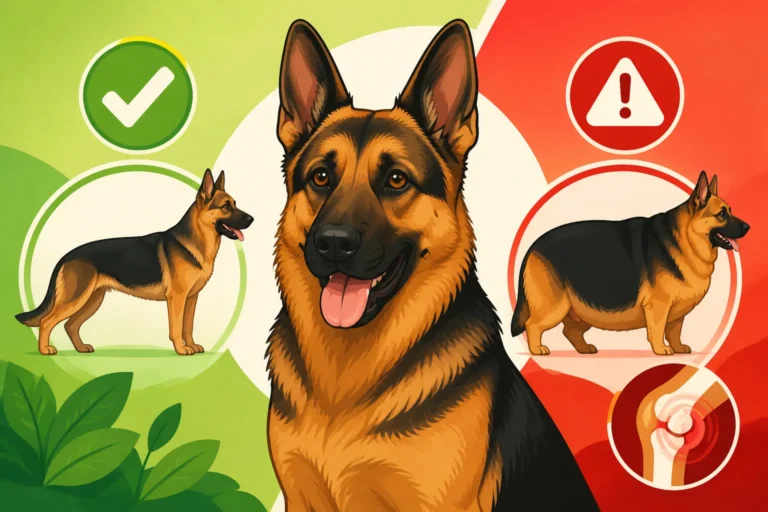
- Weight Management: Keeping your German Shepherd at a healthy weight is vital. Obesity increases the risk of pancreatitis and can worsen its severity. Regular, appropriate exercise, as discussed in German Shepherd Exercise Requirements, combined with careful portion control is essential.
- Stress Reduction: For some dogs, stress can play a role in digestive upsets. Maintaining a consistent routine, providing a calm environment, and ensuring adequate mental stimulation can contribute to overall well-being.
- Medication Adherence: If your vet prescribes medication for pain, inflammation, or to manage conditions like EPI, administer it exactly as directed. Consistency is key to preventing relapses.
Managing pancreatitis in your German Shepherd is a commitment, but with the right dietary approach and consistent veterinary care, your dog can still live a full and happy life. Investing in pet insurance like Healthy Paws can also provide immense peace of mind, covering a significant portion of the costs associated with specialized diets, medications, and ongoing veterinary care for chronic conditions. Knowing you have that safety net allows you to focus on your dog's health without the added financial stress, ensuring they get the best possible care from day one, from emergency situations to their regular German Shepherd Vet Costs Per Year. It truly helps owners maintain a high standard of How to Keep a German Shepherd Healthy.
Disclaimer
Please remember that the information provided in this guide is for informational purposes only and is not a substitute for professional veterinary advice. Always consult with your veterinarian regarding any health concerns or before making any changes to your German Shepherd’s diet or treatment plan.