German Shepherd Arthritis Management at Home
Finding out your beloved German Shepherd is suffering from arthritis can feel like a punch to the gut. The sight of them struggling to get up, hesitating before jumping, or just generally slowing down is heart-wrenching, leaving many of us feeling helpless and desperate to alleviate their discomfort. This comprehensive guide is here to walk you through practical, empathetic, and effective strategies for managing German Shepherd arthritis right in the comfort of your own home, helping you improve their quality of life.
Understanding German Shepherd Arthritis
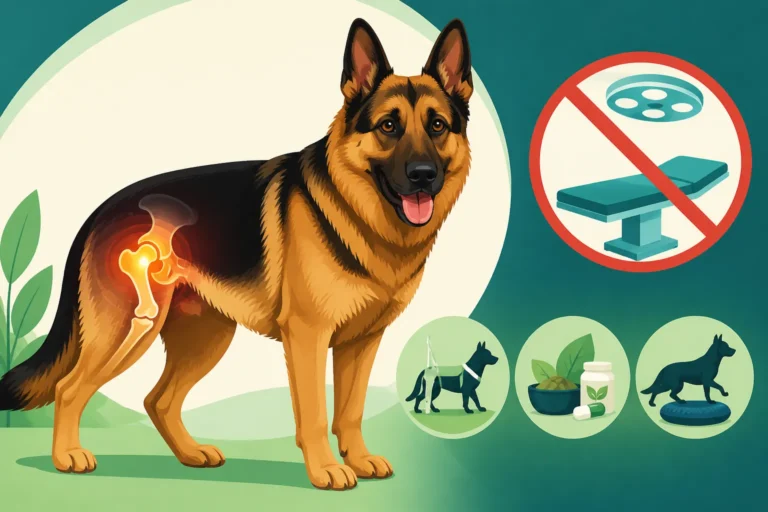
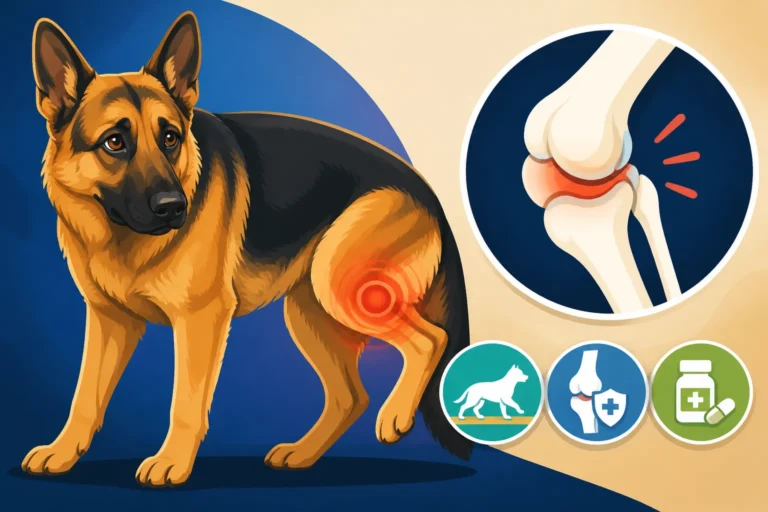
Arthritis, or osteoarthritis, is a progressive and chronic condition that causes inflammation and deterioration of the joint cartilage. For a large, active breed like the German Shepherd, whose joints endure considerable stress throughout their lives, this condition is unfortunately quite common. It's a natural wear-and-tear process, but it can be accelerated by genetic predispositions, previous injuries, or even obesity. Understanding what's happening inside their joints is the first step toward effective management.
This condition doesn't just appear overnight; it's a gradual process. The smooth, cushioning cartilage that allows bones to glide past each other without friction starts to thin and become rough. This leads to bone-on-bone contact, causing pain, inflammation, and reduced mobility. Your German Shepherd might not show severe signs initially, but over time, the discomfort will become more pronounced. Learning to spot these subtle changes early can make a world of difference in how you manage their pain and maintain their quality of life.
Recognizing the Signs
One of the hardest parts of owning a stoic breed like the German Shepherd is that they often hide their pain until it becomes unbearable. They’re tough dogs, and their instinct is to conceal weakness. However, if you know what to look for, you can catch the signs of arthritis early. It's not always obvious limping; sometimes it's more subtle, like a reluctance to play fetch as long, or a struggle to get comfortable in their usual sleeping spots.
Common signs include stiffness, especially after resting or in the morning. You might notice your dog is slower to get up, takes shorter walks, or avoids stairs. A reluctance to jump into the car or onto the couch, or even a change in their gait where they walk with a stiff, unnatural movement, are all red flags. Sometimes, they might lick excessively at a particular joint, indicating localized pain, or even show changes in temperament, becoming less social or more irritable due to constant discomfort. Paying close attention to these everyday behaviors is crucial.
The Progression of the Disease
Arthritis is not a static condition; it will inevitably progress over time. What might start as mild stiffness can evolve into chronic pain and significant mobility issues if not managed appropriately. In the early stages, your German Shepherd might experience intermittent discomfort, perhaps only after strenuous exercise or in cold, damp weather. This is when many owners mistakenly assume their dog is just "getting old" or has a temporary ache.
As the disease advances, the joint damage becomes more extensive. Bone spurs (osteophytes) can form around the affected joints, further limiting movement and increasing pain. Muscles around the affected joint may also begin to atrophy due to disuse, making it even harder for your dog to support themselves. This is why a multi-faceted, proactive approach to management is essential, focusing not just on pain relief but also on slowing the progression and supporting overall joint health. Early intervention and consistent management, rather than waiting until the pain is severe, can significantly impact how well your German Shepherd copes with this challenge.
Creating a Joint-Friendly Home Environment
Once you recognize that your German Shepherd is dealing with arthritis, making some thoughtful adjustments around your home can dramatically improve their comfort and reduce the strain on their aching joints. It’s about more than just managing symptoms; it’s about preventing further injury and making their daily life as easy and pain-free as possible. A joint-friendly home environment can provide immense relief and allow your dog to move with greater confidence.
Think about the places where your dog spends most of their time and where they encounter the most difficulty. Is it navigating slippery floors, struggling to get onto their favorite spot, or having trouble getting into the car for a vet visit? Addressing these specific challenges with simple modifications can reduce their daily discomfort and help preserve their remaining mobility. These changes might seem small to you, but they can make a monumental difference for a dog living with chronic joint pain.
Flooring and Traction Solutions
Slippery floors are an arthritic German Shepherd’s worst enemy. Hardwood, tile, or laminate floors offer no traction, making it incredibly difficult and often painful for them to stand up, walk, or change direction without slipping. A sudden slip can exacerbate joint pain, lead to further injury, or even cause them to lose confidence in moving around their own home. This can lead to a sedentary lifestyle, which ultimately worsens their condition.
To combat this, strategically place non-slip rugs, runners, or carpet tiles in high-traffic areas and wherever your dog frequently stands up or lies down. Consider runners from their bed to their food bowl, or along the path to the backyard. Ensure these rugs have rubber backings to prevent them from sliding themselves. For a more permanent solution, some owners consider non-slip treatments for their hard floors or even wall-to-wall carpeting in key rooms. Providing secure footing reduces fear, prevents falls, and encourages movement, which is vital for joint health.
Accessible Sleeping and Resting Areas
Just like us, German Shepherds with arthritis need supportive and comfortable places to rest their weary joints. Lying on hard surfaces can put undue pressure on painful areas, leading to increased stiffness and discomfort when they finally try to get up. Their old, thin dog bed might no longer be cutting it, especially if it doesn’t offer adequate cushioning and support.
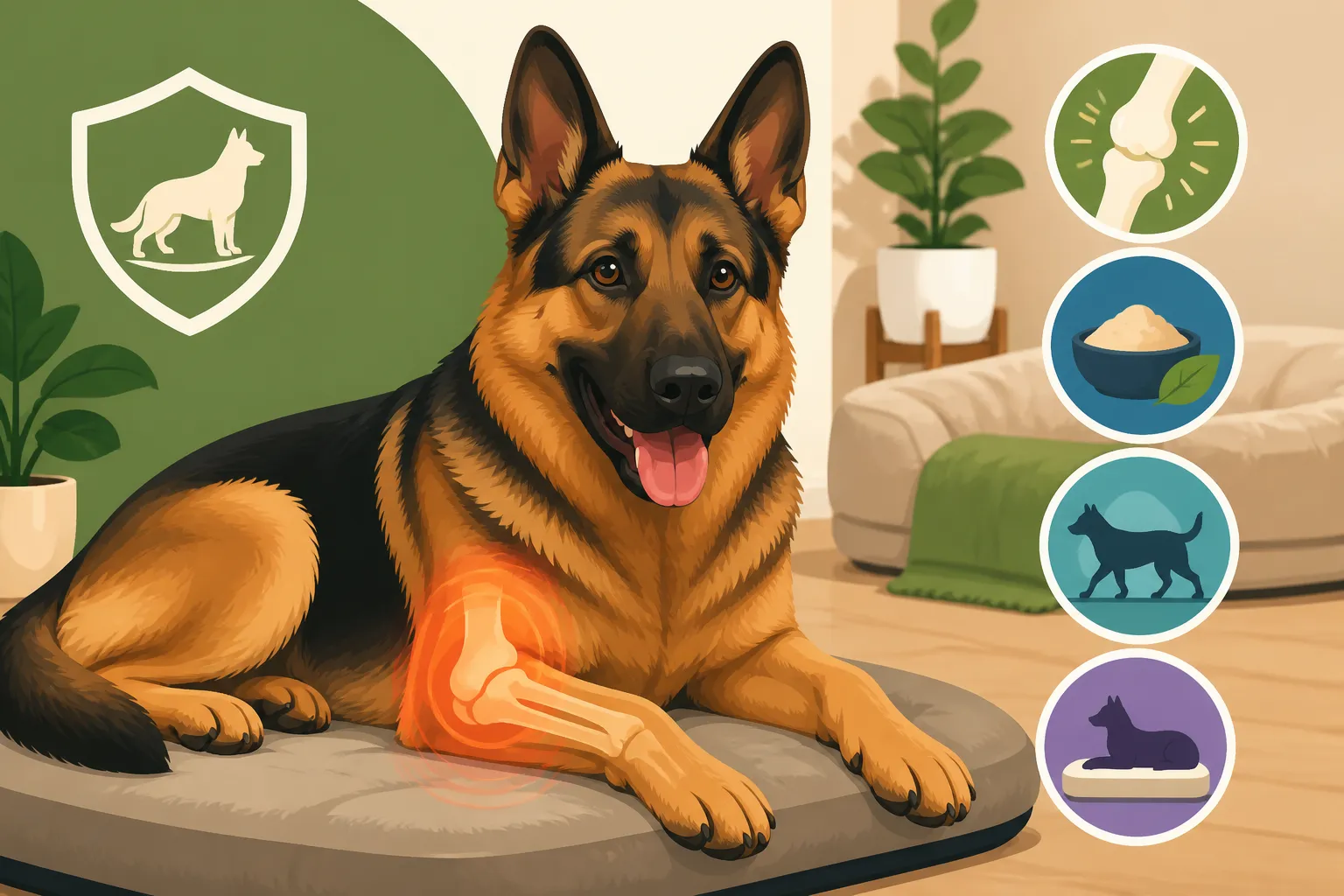
Invest in orthopedic dog beds with memory foam or thick, supportive padding. These beds contour to your dog’s body, distributing weight evenly and relieving pressure points on their hips, elbows, and spine. Place these beds in quiet, draft-free areas where your dog feels secure and can easily access them. Elevated beds can also be beneficial as they keep your dog off cold floors, which can worsen joint pain. Multiple beds strategically placed throughout the house mean your German Shepherd always has a comfortable spot to rest without having to travel far or navigate difficult terrain.
Mobility Aids and Ramps
As arthritis progresses, some German Shepherds might need a little extra help with vertical transitions. Jumping into cars, climbing stairs, or even getting onto a favorite piece of furniture can become impossible or excruciatingly painful. Forcing them to jump can cause further damage and significant pain. This is where thoughtfully chosen mobility aids can be a godsend.
Ramps or dog stairs are excellent solutions for cars, couches, or beds, allowing your German Shepherd to ascend and descend without straining their joints. Look for ramps with non-slip surfaces and a gentle incline. Additionally, supportive harnesses, particularly those that support both the front and hindquarters, can be invaluable for assisting your dog with standing up, walking short distances, or navigating a few steps. When choosing these aids, prioritize stability, ease of use, and your dog’s comfort. It might take a little time for them to get used to a ramp, but with positive reinforcement, they’ll often embrace anything that eases their discomfort.
Effective Pain and Inflammation Management
Dealing with arthritis means consistently managing pain and inflammation. While veterinary care, including prescription medications, is often necessary, there are many effective at-home strategies you can employ to supplement their treatment and provide daily relief. These methods focus on reducing discomfort and improving their overall well-being, helping them stay more active and engaged.
It’s crucial to remember that while these home remedies can provide significant comfort, they are not a substitute for regular veterinary check-ups and prescribed treatments. Always consult your vet before introducing any new supplement or therapy to ensure it’s appropriate for your German Shepherd’s specific condition and won’t interact negatively with existing medications. A holistic approach that combines professional medical advice with diligent home care is key to long-term success.
Warm and Cold Therapy
Just like in humans, applying heat or cold can be incredibly effective for managing joint pain and inflammation in dogs. The key is knowing when to use which. Warm therapy helps to increase blood flow, relax muscles, and reduce stiffness, making it ideal for chronic, stiff joints. Cold therapy, on the other hand, reduces inflammation and numbs pain, making it perfect for acute flare-ups or after activity that might have caused increased swelling.
For warm therapy, you can use a warm, damp towel, a heating pad set on low, or even a hot water bottle wrapped in a towel. Apply it to the affected joint for 10-15 minutes, two to three times a day. Always ensure the temperature is comfortable and never leave your dog unsupervised with a heating pad. For cold therapy, a gel pack wrapped in a cloth or a bag of frozen peas works wonderfully. Apply for 10-15 minutes, never directly on the skin, focusing on areas that are visibly swollen or tender. Observing your dog's reaction will help you determine which therapy provides the most relief.
Massage Techniques
A gentle massage can do wonders for an arthritic German Shepherd. It not only helps to relieve muscle tension and stiffness around painful joints but also promotes circulation, which can aid in healing and reduce inflammation. Plus, it's a fantastic way to bond with your dog and provides an opportunity to carefully check for any new areas of tenderness or swelling. Many dogs thoroughly enjoy a good, calming massage.
Start with light strokes around the affected joint, avoiding direct pressure on the joint itself if it seems painful. Focus on the muscles surrounding the joint. Use your fingertips to gently knead and circular motions to release tension. Watch your dog’s body language closely – if they flinch or show signs of discomfort, ease up or move to a different area. A daily 10-15 minute massage session can significantly improve their comfort and flexibility. If you're unsure about specific techniques, your veterinarian or a canine physical therapist can provide guidance on safe and effective massage for German Shepherd Arthritis Management at Home.
Over-the-Counter Options and When to Consult a Vet
There’s a wide range of over-the-counter (OTC) supplements and topical pain relief options that some owners explore, but it's crucial to approach these with caution. While things like topical CBD balms or Arnica gels might offer localized, temporary relief for some dogs, their efficacy and safety for long-term use in German Shepherds with arthritis should always be discussed with your veterinarian first. Never give human pain relievers like ibuprofen or acetaminophen to your dog, as they can be highly toxic.
When it comes to managing the chronic pain of arthritis, prescription medications from your vet are often the safest and most effective route. These might include Non-Steroidal Anti-Inflammatory Drugs (NSAIDs) specifically formulated for dogs, which target inflammation and pain at a cellular level. Your vet can also recommend other prescription pain relievers or injections that can provide significant relief. While home care is invaluable, don't hesitate to consult your vet when you notice increased pain, lameness, or if your current home strategies aren't providing sufficient comfort. Early and consistent veterinary involvement, coupled with potential financial support from pet insurance providers like Healthy Paws, is paramount for managing this progressive disease.
Exercise and Physical Therapy Strategies
It might seem counterintuitive to exercise a dog with painful joints, but appropriate, low-impact exercise is absolutely vital for managing German Shepherd arthritis. Movement helps maintain joint flexibility, strengthen supporting muscles, and prevent further stiffness. The key is controlled and gentle activity, not strenuous, high-impact workouts that can cause more harm than good. Just like for us, a sedentary lifestyle can lead to worse outcomes, including muscle atrophy and increased weight, both of which burden arthritic joints.
Your goal is to keep your German Shepherd's joints moving without overstressing them. This means adjusting the type, duration, and intensity of their physical activity. Long, vigorous games of fetch or intense agility training are likely off the table, but there are plenty of ways to keep your dog active and happy. Tailoring an exercise regimen to their individual needs and pain levels, often in consultation with your vet or a certified canine rehabilitation specialist, is essential.
Low-Impact Activities
High-impact activities like jumping, sprinting, or prolonged running on hard surfaces can severely stress arthritic joints. Instead, focus on low-impact exercises that promote flexibility and muscle strength without jarring the joints. Regular, short walks on soft surfaces like grass or dirt trails are excellent. These walks help to maintain range of motion and muscle tone without excessive strain. Remember, multiple short walks throughout the day are often better than one long one.
Another fantastic low-impact activity is swimming. The buoyancy of water supports your dog's weight, taking pressure off their joints while still allowing them to move their limbs and build muscle. If you have access to a safe pool or calm body of water, or even a local canine hydrotherapy center, it can be incredibly beneficial. Even gentle leash walks in shallow water can provide a therapeutic effect. The goal is consistent, controlled movement to keep those joints lubricated and the surrounding muscles strong.
Gentle Stretching and Range of Motion Exercises
Beyond structured walks, incorporating gentle stretching and range-of-motion exercises into your daily routine can significantly improve your German Shepherd’s flexibility and comfort. These exercises are best performed when your dog is warm, perhaps after a short walk or a warm compress application, as muscles and joints are more pliable. Always be gentle, never force a stretch, and stop immediately if your dog shows any signs of pain.
Simple passive range of motion (PROM) exercises involve gently extending and flexing each limb through its natural range of motion. For example, if you are focusing on the elbow, gently straighten the leg and then gently bend it, repeating several times. Your vet or a canine physical therapist can teach you the correct techniques and tell you which joints to focus on and how many repetitions are appropriate. These exercises help to prevent joint stiffness and maintain the mobility they still have. It’s a proactive step in German Shepherd Arthritis Management at Home.
Hydrotherapy Considerations
Hydrotherapy, or water therapy, is an exceptional tool for German Shepherds with arthritis. The benefits are numerous: the buoyancy of water reduces weight-bearing stress on joints, making movement easier and less painful. The resistance of the water helps to build and strengthen muscles without impact, and the warmth of the water can further relax muscles and improve circulation. It’s particularly useful for dogs who are reluctant to bear weight on land.
Many specialized canine rehabilitation centers offer hydrotherapy services, including underwater treadmills and therapeutic pools. An underwater treadmill allows your dog to walk or trot on a moving belt while submerged in water, providing a controlled environment for muscle strengthening and gait correction. If professional hydrotherapy isn’t feasible, even encouraging your German Shepherd to walk in shallow water at a beach or a clean, calm pond can offer some of these benefits. Always supervise them closely and ensure the water is a comfortable temperature. For long-term conditions that require consistent specialized therapy like hydrotherapy, having pet insurance from a reputable provider like Healthy Paws can truly help manage the associated costs.
Nutritional Support and Supplements
Nutrition plays a pivotal role in managing German Shepherd arthritis. What your dog eats can directly impact their joint health, their weight, and their body's ability to fight inflammation. It's not just about feeding them enough; it's about feeding them right. A targeted diet and the intelligent use of supplements can be powerful allies in your at-home management strategy, working in conjunction with veterinary treatments to provide comprehensive care.
Overweight German Shepherds place significantly more stress on their joints, exacerbating arthritic pain and accelerating cartilage degeneration. Therefore, maintaining an ideal body weight is one of the most impactful things you can do. Beyond weight management, certain nutrients and supplements have been shown to support joint health, reduce inflammation, and even help protect remaining cartilage.
Weight Management for Joint Health
The single most critical nutritional aspect of arthritis management is maintaining a healthy weight. Every extra pound your German Shepherd carries puts additional strain on their already compromised joints, increasing pain and accelerating the progression of the disease. It’s a harsh truth, but it’s one that we, as responsible owners, must address head-on. If your German Shepherd is overweight, even a modest weight loss can lead to a significant improvement in their comfort and mobility.
Consult your veterinarian to determine your German Shepherd's ideal weight and how to safely achieve it. This usually involves adjusting their food intake, opting for a high-quality, calorie-controlled diet, and ensuring they get appropriate, low-impact exercise. Many commercial foods are formulated for weight management, often higher in fiber and lower in fat. Slow and steady weight loss is key, as rapid dieting can be unhealthy. Consistent portion control and measuring their food are essential steps in this process. You can find more details in our guide on How to Help a German Shepherd Lose Weight.
Essential Joint Supplements
While diet provides foundational support, specific joint supplements can offer targeted nutritional aid. These supplements are designed to help reduce inflammation, support cartilage health, and lubricate joints. The most commonly recommended supplements for canine arthritis include glucosamine, chondroitin, MSM, and omega-3 fatty acids. These can often be found in combination products specifically formulated for dogs.
Glucosamine and chondroitin are natural components of healthy cartilage and are thought to help slow cartilage breakdown and stimulate its repair. MSM (methylsulfonylmethane) is a natural anti-inflammatory. Omega-3 fatty acids, particularly EPA and DHA found in fish oil, are powerful anti-inflammatory agents that can significantly reduce joint pain and improve mobility. When choosing supplements, look for reputable brands and discuss dosages with your vet. Not all supplements are created equal, and quality can vary significantly. You can delve deeper into this topic in our article on German Shepherd Joint Health Supplements.
| Supplement Type | Key Benefits | How It Helps with Arthritis |
|---|---|---|
| Glucosamine | Cartilage repair, joint lubrication | May stimulate cartilage growth, improve joint fluid viscosity, and reduce pain. |
| Chondroitin Sulfate | Cartilage protection, elasticity | Inhibits enzymes that break down cartilage, improves joint resilience, often synergistic with glucosamine. |
| MSM (Methylsulfonylmethane) | Anti-inflammatory, pain relief | Reduces inflammation and pain, supports connective tissue health. |
| Omega-3 Fatty Acids | Powerful anti-inflammatory | Reduces inflammation systemically, decreases pain, and may improve mobility. Sourced from fish oil (EPA/DHA). |
| Green-Lipped Mussel | Anti-inflammatory, joint support | Contains a unique blend of omega-3s, glucosamine, and chondroitin for comprehensive joint support. |
Anti-Inflammatory Diets
Beyond supplements, a holistic approach to your German Shepherd’s diet can further combat inflammation. Some pet foods are specifically formulated with ingredients known for their anti-inflammatory properties. These often include higher levels of omega-3 fatty acids, antioxidants, and sometimes novel proteins to reduce potential inflammatory responses from food sensitivities. Avoiding filler ingredients, artificial colors, and preservatives found in lower-quality foods can also contribute to a less inflammatory bodily state.
Consider discussing a prescription diet designed for joint health with your veterinarian. Brands like Royal Canin, Purina Pro Plan, and Hill's Science Diet often offer veterinary-exclusive formulations that contain specific ratios of nutrients and supplements tailored to support dogs with osteoarthritis. These diets are backed by scientific research and can be a significant component of your at-home arthritis management plan. For some dogs, a raw or homemade diet, carefully balanced with veterinary guidance, can also be beneficial, allowing for precise control over ingredients.
Long-Term Care and When to Seek Professional Intervention
Managing German Shepherd arthritis at home is a marathon, not a sprint. It requires ongoing dedication, observation, and a willingness to adapt your strategies as your dog's condition changes. While home management can provide immense comfort and support, it's crucial to recognize when professional veterinary intervention is necessary. Your veterinarian is your primary partner in this journey, and their expertise is invaluable for accurate diagnosis, appropriate medication, and advanced treatment options.
Don't ever hesitate to contact your vet if you notice a sudden worsening of symptoms, if your dog's pain seems uncontrolled, or if they develop new or unusual behaviors. Regular check-ups are also vital to monitor the progression of the disease and adjust treatment plans as needed. Proactive and consistent communication with your veterinary team ensures your German Shepherd receives the best possible care throughout their senior years. This comprehensive approach is key to How to Keep a German Shepherd Healthy into their golden years.
Regular Veterinary Check-ups
Even with the most diligent at-home care, regular veterinary check-ups are absolutely non-negotiable for a German Shepherd with arthritis. These appointments allow your vet to assess the progression of the disease, monitor the effectiveness of current treatments, and catch any new issues that may arise. They can also perform physical examinations to check joint mobility, muscle condition, and overall health. X-rays may be recommended periodically to visualize the extent of joint damage.
During these visits, your vet might adjust medication dosages, suggest new treatments, or recommend specialized therapies like acupuncture, cold laser therapy, or regenerative medicine (e.g., PRP, stem cell therapy). These advanced options can provide significant pain relief and improve function for some dogs, offering hope beyond daily medications. Remember, your vet is your best resource for navigating the complexities of chronic conditions like arthritis. Don't be afraid to ask questions, voice concerns, and explore all available options.
Advanced Treatment Options
When home management and basic medications aren't enough to control your German Shepherd's arthritis pain, your vet may discuss advanced treatment options. These can range from injectable medications that provide long-lasting pain relief to more intensive procedures. For example, joint injections of hyaluronic acid or corticosteroids can help lubricate joints and reduce inflammation directly. Newer biological therapies, such as Platelet-Rich Plasma (PRP) or stem cell therapy, harness your dog's own healing capabilities to promote tissue repair and reduce inflammation.
In severe cases, surgery might even be an option, particularly for specific joints like the hip or elbow, if the pain is debilitating and other treatments have failed. This is a significant decision and usually considered a last resort, but it can dramatically improve a dog's quality of life. Exploring these options with your vet, understanding the pros, cons, and costs involved (which can be substantial, making pet insurance from a company like Healthy Paws a wise investment), will ensure you make the most informed decisions for your beloved companion.
Adapting Care as Your Dog Ages
Arthritis is often a condition that worsens with age, so your management strategies will need to evolve. What worked well when your German Shepherd was six might not be sufficient when they are ten. This adaptability is key to providing continuous comfort. You might need to increase the frequency of hydrotherapy sessions, adjust their diet, or explore new mobility aids as their physical needs change.
Pay close attention to subtle cues from your dog. Are they sleeping more? Are they showing less interest in walks? Are their bathroom habits changing? These can all be indicators of increased pain or discomfort. It's about being present and responsive to their evolving needs. Creating a detailed plan for German Shepherd Senior Care Guide with your vet, which includes regular pain assessments, medication adjustments, and environmental modifications, will help ensure your senior German Shepherd lives out their golden years as comfortably and happily as possible.
Disclaimer
The information provided in this guide is for informational purposes only and does not constitute veterinary medical advice. Always consult with a qualified veterinarian for any health concerns or before making any decisions about your German Shepherd's medical care or treatment plan.