How to Help a German Shepherd Lose Weight
Seeing your majestic German Shepherd struggle with extra weight can be heartbreaking and concerning. It's not just about aesthetics; those extra pounds put immense strain on their joints, heart, and overall well-being, potentially shortening their vibrant lives. This comprehensive guide is here to walk you through practical, empathetic steps to help your beloved GSD shed those pounds safely and effectively, getting them back to their energetic best.
Understanding German Shepherd Weight Gain
It's easy for the pounds to creep up on a German Shepherd, often without us even realizing it until it becomes a noticeable problem. They're naturally active dogs, but modern lifestyles can lead to less exercise and more caloric intake than they truly need. Recognizing the signs early and understanding why it happens are the first crucial steps toward helping your loyal companion achieve a healthier weight.
Recognizing the Signs of Excess Weight
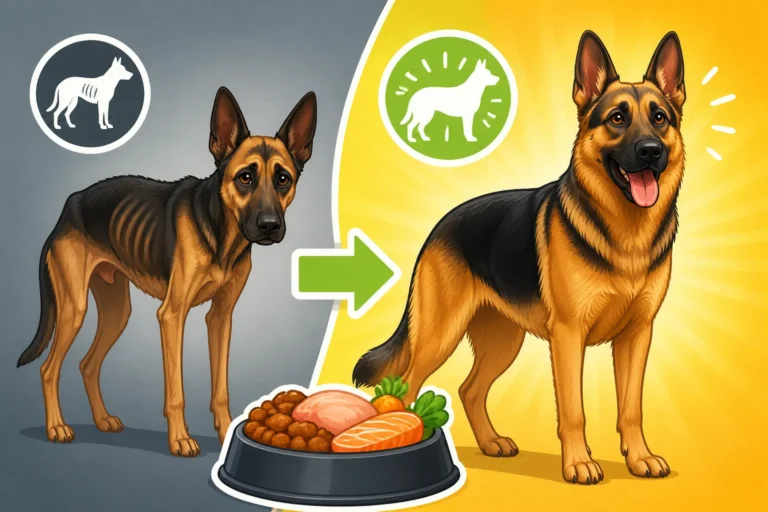
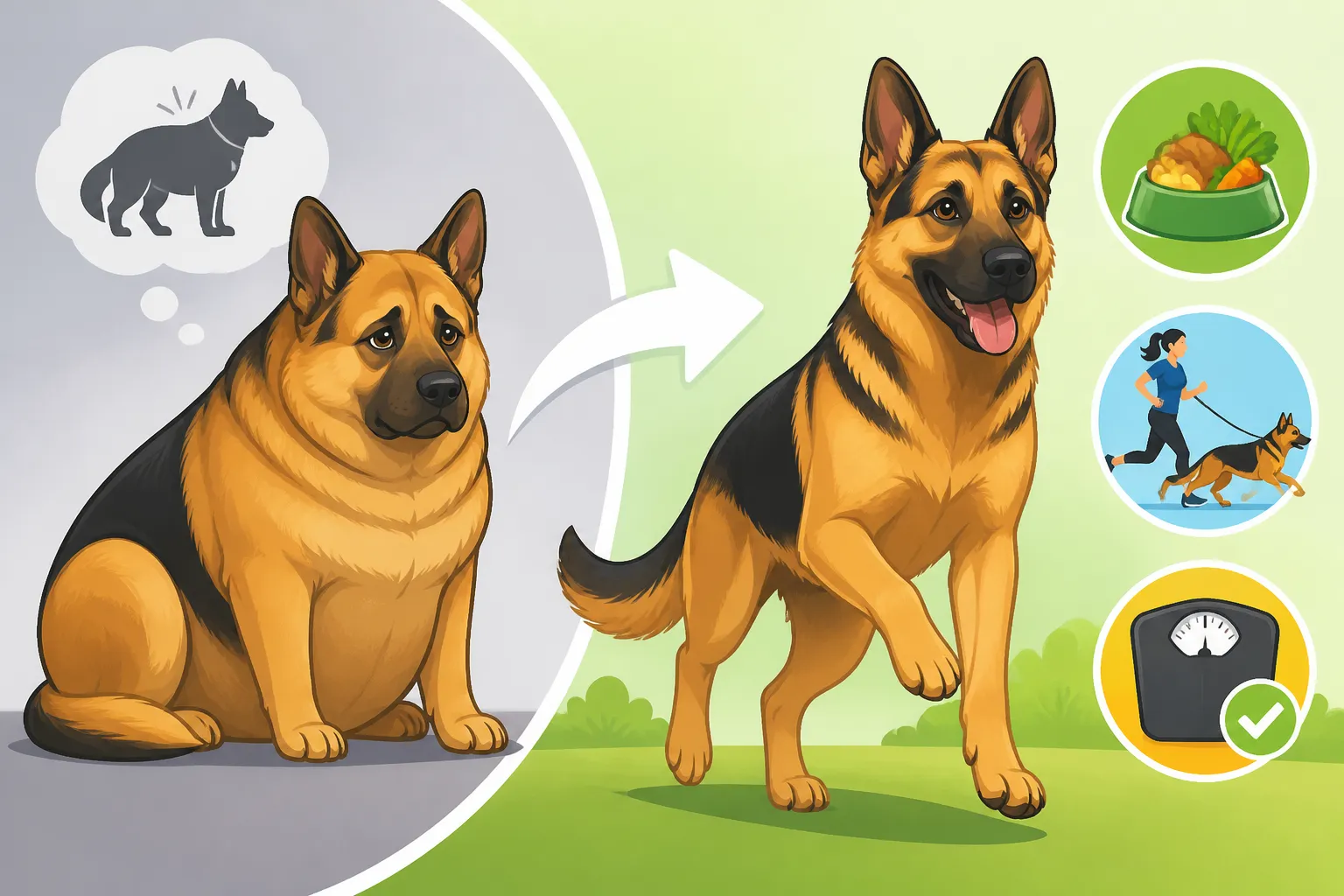
Sometimes, it's hard to tell if your German Shepherd is truly overweight, especially if they have a thick coat. What looks "fluffy" might actually be excess fat. One of the clearest indicators is the inability to easily feel their ribs without pressing hard. You should be able to gently feel their ribs when running your hands along their sides, much like feeling the back of your hand. If it feels more like the palm of your hand, with a layer of fat obscuring the bones, your dog is likely carrying too much weight.
Another telling sign is the lack of a distinct waistline when viewed from above. A healthy German Shepherd should have a noticeable tuck-up behind their ribs. If they look more like a "sausage" or have a straight line from their chest to their hips, that's a red flag. From the side, their abdomen should also tuck up slightly; a sagging or pendulous belly is another indicator of obesity. Pay attention to their energy levels, too. An overweight GSD might be less enthusiastic about walks, tire more quickly, or struggle with activities they once enjoyed. These subtle changes in behavior often point to their body struggling under the extra load.
It's important to remember that these signs aren't just cosmetic. Excess weight puts significant strain on their joints, especially those prone to issues like German Shepherd Hip Dysplasia Explained or elbow dysplasia. It can also exacerbate other health conditions and decrease their overall quality of life. Being vigilant and recognizing these signs early can make a huge difference in their long-term health and comfort.
Common Causes of Weight Gain
For most German Shepherds, the primary culprits behind weight gain are a combination of too much food and too little exercise. We all love to spoil our dogs, and it's easy to overestimate how much food they truly need. A few extra treats here, a little bit of table scrap there, and suddenly, their daily caloric intake far exceeds their needs. Commercial dog foods, while convenient, are often calorie-dense, and feeding slightly more than the recommended amount over time can quickly lead to weight creep.
Beyond diet, a sedentary lifestyle plays a massive role. German Shepherds are bred to be active, working dogs. They thrive on mental and physical stimulation. If they're spending most of their days lounging around with only short, infrequent walks, they're not burning enough calories. Age can also be a factor; as dogs get older, their metabolism slows down, and their activity levels naturally decrease. What worked for a 2-year-old GSD might be too much for an 8-year-old.
Sometimes, underlying health conditions can contribute to weight gain, making it crucial to rule these out with a vet. Conditions like hypothyroidism or Cushing's disease can slow metabolism and lead to weight gain, even with a seemingly controlled diet. Certain medications can also have weight gain as a side effect. This is why a veterinary check-up is always the first step in addressing a German Shepherd's weight problem.
Crafting a Safe and Effective Diet Plan
Once you've identified that your German Shepherd needs to lose weight, the diet is often the most impactful area to adjust. It's not about starving them, but rather about making smarter choices, controlling portions, and ensuring they get the right nutrients to support their health while shedding pounds. This process requires patience, consistency, and often, some trial and error.
Choosing the Right Food for Weight Loss
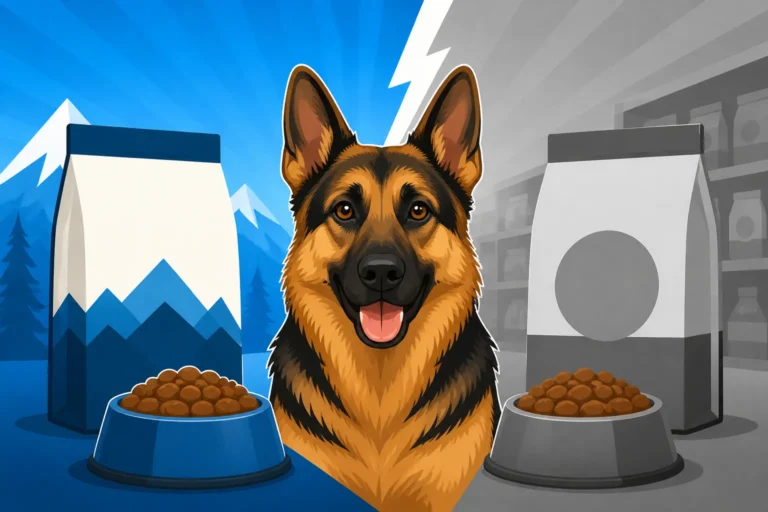
Selecting an appropriate dog food is paramount. You can't just feed less of their regular food, as this might deprive them of essential nutrients. Instead, look for dog foods specifically formulated for "weight management," "light," or "senior" dogs, as these often have reduced calorie content, lower fat, and higher fiber to help them feel full. Brands like Purina Pro Plan, Royal Canin, or Hill's Science Diet often have excellent veterinary-recommended weight loss formulas. You can usually find a good selection on platforms like Chewy or Amazon, making it easy to compare ingredients and nutritional profiles.
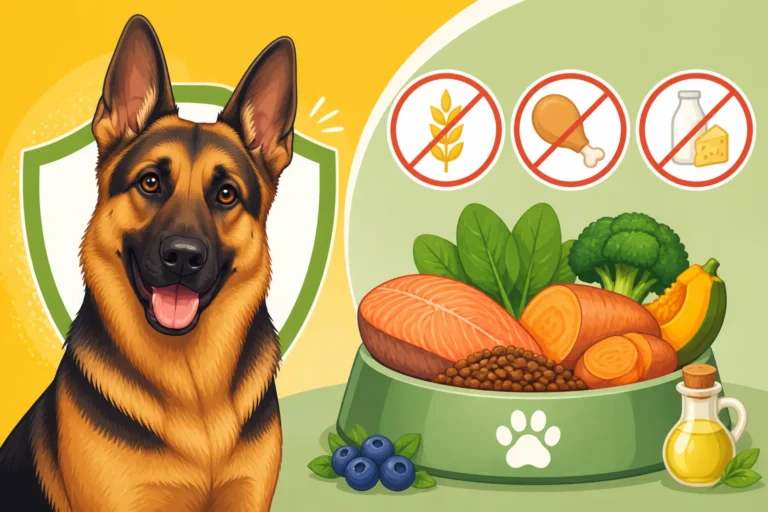
When evaluating food, pay close attention to the ingredient list. Look for lean protein sources as the first ingredient, like chicken, turkey, or fish, and avoid foods heavy in fillers or excessive carbohydrates. High fiber content is beneficial as it helps with satiety. Sometimes, a fresh food diet, like those offered by services such as Ollie, can also be a good option because they are often precisely portioned and made with whole ingredients, allowing for very accurate calorie control under veterinary guidance. Remember, quality matters – a nutrient-dense food will keep your GSD feeling satisfied and healthy, even with fewer calories.
For more detailed information on selecting optimal nutrition, you might find our guide on Best Dog Food for German Shepherds helpful. Always introduce new food gradually over 7-10 days, mixing increasing amounts of the new food with decreasing amounts of the old to prevent digestive upset. Your vet can provide tailored recommendations based on your dog's specific needs, health status, and target weight.
Implementing Portion Control and a Feeding Schedule
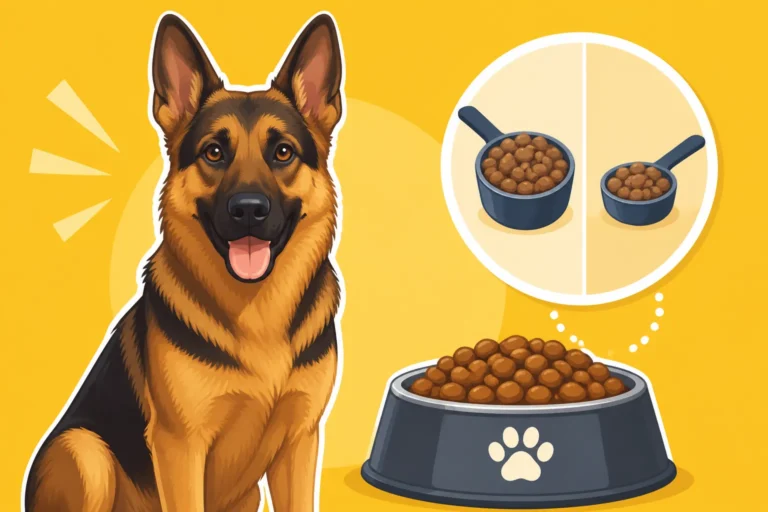
This is where many owners unintentionally sabotage their German Shepherd's weight loss efforts. Even with the right food, overfeeding is still possible. The feeding guidelines on dog food bags are just that – guidelines. They're often calculated for active dogs and don't account for individual metabolism, age, or activity level. Your vet can help you determine a precise daily caloric intake based on your GSD's ideal target weight, not their current weight.
Once you have a target calorie count, use a kitchen scale to accurately measure your dog's food. Scoops can vary wildly, leading to significant overfeeding over time. Divide their daily allowance into two or three smaller meals throughout the day. This can help with metabolism and prevent intense hunger pangs, and it's also a good practice to help prevent issues like bloat, which German Shepherds are susceptible to. Our article on German Shepherd Bloat Prevention Feeding Tips has more insights on this. Consistency is key; stick to the same feeding times each day.
| Ideal Body Weight (lbs) | Estimated Daily Calorie Needs for Weight Loss (kcal) |
|---|---|
| 50 | 600-750 |
| 60 | 700-875 |
| 70 | 800-1000 |
| 80 | 900-1125 |
| 90 | 1000-1250 |
| 100 | 1100-1375 |
Note: These are rough estimates for German Shepherds needing to lose weight. Individual needs vary greatly based on age, activity level, and metabolism. Always consult your veterinarian for precise calorie recommendations.
Making Smart Treat Choices
Treats are often the silent calorie bombs in a dog's diet. While we want to reward and bond with our dogs, those tasty morsels add up quickly. The good news is you don't have to eliminate treats entirely; you just need to make smarter choices. Opt for low-calorie, high-value treats. Small pieces of plain, cooked chicken breast, carrots, green beans, or apple slices (without seeds) are excellent, healthy alternatives to traditional store-bought biscuits. Many commercial low-calorie treats are also available, but always check the label for calorie count.
When you do give treats, remember to factor them into your German Shepherd's daily caloric allowance. If you give a few extra treats during a training session, subtract those calories from their next meal. This strict accounting is crucial for consistent weight loss. Consider using affection, praise, or a quick game of fetch as rewards instead of food, especially if your GSD is highly food-motivated. This reinforces your bond without adding unnecessary calories.
For German Shepherd puppies, the approach to feeding and growth is different. You can learn more about appropriate growth and feeding in our guide on When Do German Shepherds Stop Growing. However, for adult GSDs, thoughtful treat management is non-negotiable for successful weight loss.
Increasing Activity Levels Safely
Diet alone is rarely enough for sustained weight loss. Exercise plays an equally vital role, not just in burning calories but also in building muscle, improving cardiovascular health, and boosting your German Shepherd's mood. However, for an overweight dog, exercise needs to be introduced carefully to prevent injury, especially to already stressed joints.
Tailoring Exercise Routines for Overweight GSDs
When your German Shepherd is carrying extra weight, their joints are already under immense pressure. Jumping, running long distances, or strenuous activities can do more harm than good. Start with low-impact exercises, like shorter, more frequent walks on soft surfaces like grass rather than pavement. Aim for 15-20 minute walks two or three times a day, gradually increasing the duration and intensity as your dog's fitness improves and they start to shed pounds.
Swimming is an excellent non-weight-bearing exercise for German Shepherds and can be a fantastic way to burn calories without stressing their joints. If you have access to a safe pool or calm body of water, it's a great option. Even simply walking in shallow water can provide resistance and a good workout. As your GSD becomes fitter, you can introduce longer walks, gentle jogging, or even light fetch sessions. Always monitor their breathing and energy levels, and never push them to the point of exhaustion. Our article on German Shepherd Exercise Requirements provides a great baseline for their activity needs.
Remember, consistency is key. Daily exercise, even if it's just a couple of structured walks, is far more effective than sporadic intense bursts. Integrate exercise into your daily routine, just as you do with their meals. Over time, as their weight comes down, their capacity for more vigorous activity will naturally increase, making exercise more enjoyable for both of you.
Integrating Mental Stimulation
Physical exercise is crucial, but don't underestimate the power of mental stimulation in a weight loss journey. German Shepherds are highly intelligent dogs and benefit greatly from activities that engage their minds. A mentally tired dog is often a calmer, more satisfied dog, which can indirectly reduce anxiety-related behaviors that sometimes lead to overeating. Puzzle toys, snuffle mats, and slow feeders turn mealtime into a mental workout, extending the eating process and promoting satiety. You can even find these types of enrichment tools on sites like Chewy.
Interactive games like hide-and-seek with their favorite toy or a small portion of their meal, or learning new tricks, are fantastic ways to burn mental energy. Even short training sessions (5-10 minutes) several times a day can be incredibly stimulating. These activities not only provide a caloric burn, albeit small, but they also strengthen your bond and make the weight loss journey feel less like a chore and more like an adventure.
By combining physical activity with mental challenges, you're not just helping your German Shepherd lose weight; you're also enriching their lives and preventing boredom, which can lead to destructive behaviors. A healthy GSD is one who is both physically fit and mentally engaged.
Addressing Underlying Health and Long-Term Wellness
Weight loss isn't just about diet and exercise; it's about holistic health. Sometimes, despite best efforts, a German Shepherd might struggle to lose weight due to an underlying medical condition. A comprehensive approach involves working closely with your veterinarian to rule out any health issues and establishing a sustainable long-term plan for wellness.
The Importance of Veterinary Consultation
Before embarking on any weight loss program for your German Shepherd, a thorough veterinary check-up is absolutely non-negotiable. Your vet can perform a physical examination, assess their current Body Condition Score (BCS), and recommend blood tests to rule out medical conditions such as hypothyroidism, which can severely hinder weight loss efforts. They can also check for painful orthopedic issues like arthritis, which might make exercise difficult or painful, making our guide on German Shepherd Arthritis Management at Home potentially useful.
Your veterinarian is your most valuable partner in this journey. They can help you calculate a precise daily caloric intake, recommend a specific weight loss food, and create a safe and progressive exercise plan tailored to your dog's age, current fitness level, and overall health. They'll also help you set realistic weight loss goals and monitor progress, ensuring your GSD is losing weight at a healthy rate (typically 1-2% of their body weight per week). If medical reasons are suspected for their weight gain, they can prescribe appropriate treatments.
Follow-up appointments are crucial to track progress, make adjustments to the plan as needed, and address any concerns that arise. Never hesitate to communicate openly with your vet about challenges you're facing, as they can provide strategies and encouragement to keep you and your German Shepherd on track.
Medication and Supplement Considerations
In some cases, especially where underlying health issues are present, medication might be a part of the weight loss strategy, but this is always under strict veterinary supervision. For example, if your German Shepherd is diagnosed with hypothyroidism, synthetic thyroid hormone medication will be prescribed to regulate their metabolism, which in turn aids in weight loss. Similarly, if severe arthritis is making exercise impossible, anti-inflammatory medications or pain relievers might be necessary to improve comfort and allow for increased activity.
Supplements can also play a supportive role, particularly those aimed at joint health. Since overweight GSDs often have stressed joints, adding supplements like glucosamine, chondroitin, and MSM can help support cartilage health and reduce inflammation, making exercise more comfortable. Omega-3 fatty acids are also beneficial for overall joint health and can help with coat and skin condition. You can find many reputable joint supplements on platforms like Amazon. Our article on German Shepherd Joint Health Supplements delves deeper into these options.
However, always discuss any supplements or medications with your vet before introducing them. What works for one dog might not be suitable for another, and some supplements can interact with medications or have adverse effects. A holistic approach, guided by your vet, ensures that any interventions are safe and effective for your German Shepherd.
Long-Term Weight Management and Prevention
Successfully reaching your German Shepherd's ideal weight is a huge accomplishment, but the journey doesn't end there. Maintaining that healthy weight is a lifelong commitment. The habits you've built during the weight loss phase – precise portion control, a consistent feeding schedule, healthy treats, and regular exercise – need to continue. Gradually transition to a maintenance diet, which might be a slightly higher calorie food than their weight-loss formula, but still carefully measured.
Regular weigh-ins at home or during vet visits are vital to catch any creeping pounds before they become a problem again. Continue to prioritize their physical and mental well-being, adjusting their diet and exercise as they age. For example, senior German Shepherds may require German Shepherd Senior Diet Adjustments to account for slower metabolisms and reduced activity. Providing a varied exercise routine keeps them engaged, and continuing with mental stimulation helps prevent boredom eating.
Remember that preventing obesity is far easier than treating it. By establishing these healthy habits from the start or maintaining them after weight loss, you're not just extending your German Shepherd's lifespan, but also ensuring they enjoy a higher quality of life, full of energy, comfort, and vitality. Our comprehensive How to Keep a German Shepherd Healthy guide can offer even more tips for overall wellness.
Disclaimer
The information provided in this guide is for general informational purposes only and is not intended as a substitute for professional veterinary advice. Always consult with your veterinarian for any health concerns or before making any changes to your German Shepherd's diet, exercise, or health regimen.