German Shepherd Hemangiosarcoma Explained
Learning that your beloved German Shepherd has been diagnosed with hemangiosarcoma is truly heartbreaking, often leaving you reeling with fear and confusion. This aggressive cancer can strike quickly and silently, making it incredibly difficult to navigate. This guide aims to demystify hemangiosarcoma in German Shepherds, providing clear, empathetic information on what it is, how to spot its elusive signs, the diagnostic journey, and the various treatment and management options available to help you and your furry family member through this challenging time.
Understanding German Shepherd Hemangiosarcoma
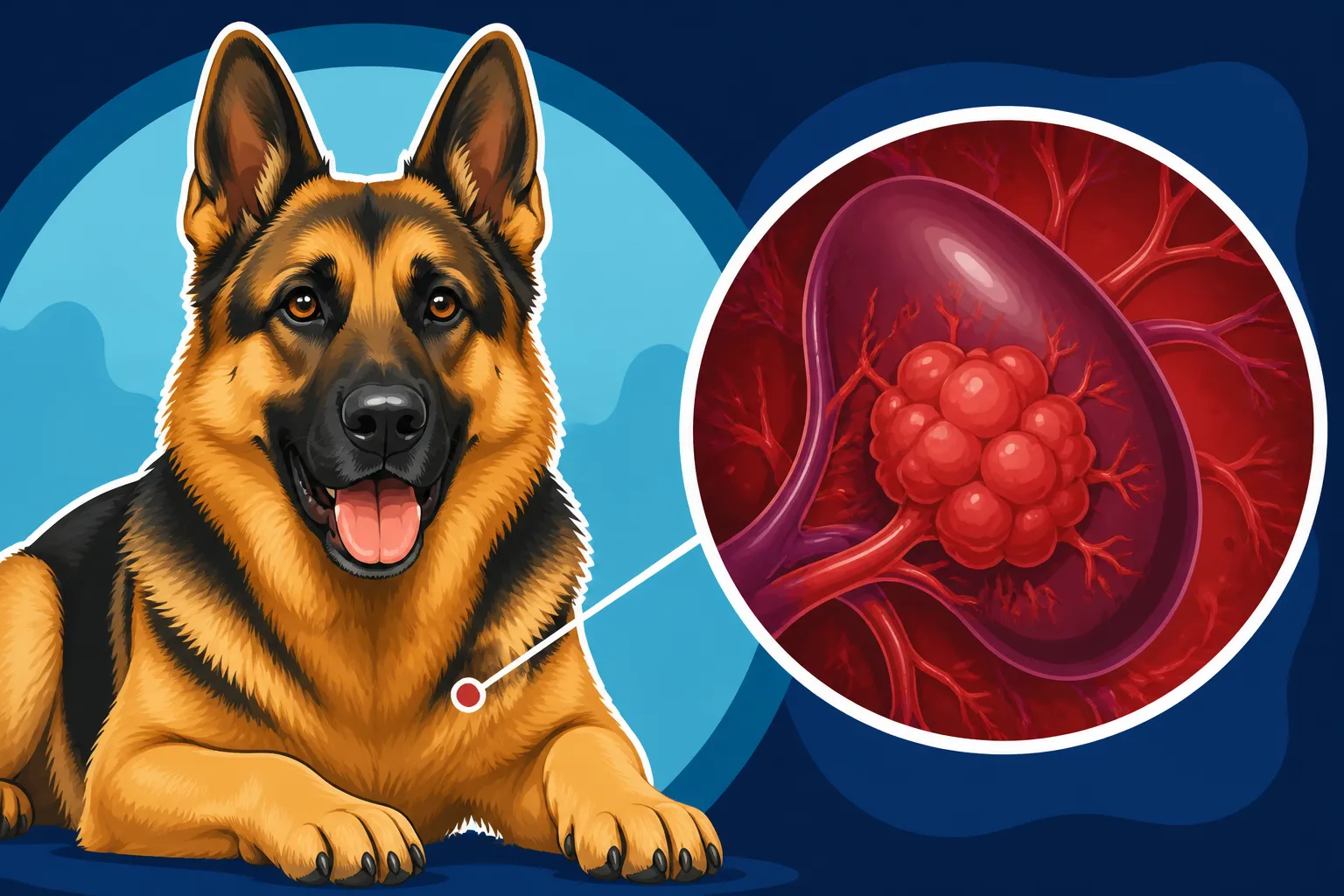
Hemangiosarcoma is a devastating form of cancer that originates from the cells lining blood vessels. Think of it as a rogue growth that can appear anywhere in the body where there are blood vessels, but it has a nasty habit of showing up in places that are critical to life, often without any warning. For German Shepherds, this particular type of cancer is unfortunately all too common, making it a health concern every owner should be aware of.
The Aggressive Nature of This Cancer
What makes hemangiosarcoma so terrifying is its highly malignant and aggressive nature. It grows rapidly and has a strong tendency to metastasize, meaning it spreads quickly to other organs. The primary tumors are often described as "blood-filled sponges" because of their vascular origin. These tumors are fragile and prone to rupture, leading to sudden, severe internal bleeding. This is often the first, and tragically, the most dramatic sign that something is terribly wrong, catching many owners completely off guard. The speed at which it can develop and spread is a significant part of why early detection is so crucial, yet so difficult.
Common Locations in German Shepherds
While hemangiosarcoma can theoretically arise anywhere, there are a few "favorite" spots where it commonly manifests in German Shepherds. The spleen is by far the most frequent primary site, accounting for a large percentage of cases. The heart, specifically the right atrium, is another common, and equally dangerous, location. Other internal organs like the liver can also be affected, sometimes as a primary tumor or as a site of metastasis from another primary tumor. Less commonly, it can appear on or under the skin (cutaneous or subcutaneous hemangiosarcoma), which, while still serious, tends to be less aggressive and offers a better prognosis if caught early. Understanding these common locations can sometimes help veterinarians pinpoint potential areas of concern during routine check-ups or when symptoms begin to appear. If you're looking into preventative health measures, our comprehensive guide on How to Keep a German Shepherd Healthy goes into detail about various proactive steps.
Recognizing the Subtle and Acute Signs of Hemangiosarcoma
One of the most frustrating aspects of hemangiosarcoma is its ability to hide in plain sight until it reaches a critical stage. Many owners report that their German Shepherd seemed perfectly fine just days or even hours before a sudden, life-threatening crisis occurred. However, if you know what to look for, there can sometimes be subtle clues that something is amiss.
Early, Non-Specific Symptoms to Watch For
In the initial stages, a German Shepherd with hemangiosarcoma might display vague symptoms that could easily be attributed to normal aging, a mild stomach upset, or just a "bad day." These often include a slight decrease in appetite, a noticeable dip in energy levels or stamina during walks, or perhaps a reluctance to engage in play as enthusiastically as before. You might also observe intermittent lethargy, where your dog seems tired for a day or two, then bounces back, only for the fatigue to return. Some dogs might show mild weight loss over time, or even present with a distended abdomen if a splenic tumor is growing large, although this can be hard to spot in larger dogs with thicker coats. These subtle changes are easy to dismiss, which is why owners must pay close attention to any deviations from their dog's normal behavior and consult their vet if these signs persist or worsen. Regular check-ups are key to catching these insidious German Shepherd Health Problems Guide.
The Sudden Onset of Crisis
The true terror of hemangiosarcoma often reveals itself with a sudden, catastrophic event: the rupture of a tumor and subsequent internal bleeding. This can be absolutely terrifying for an owner to witness. Your German Shepherd, who might have seemed fine moments before, could suddenly collapse, become very weak, and have trouble standing or moving. Their gums might appear very pale, almost white, indicating severe blood loss. You might also notice rapid, shallow breathing, a racing heart rate, or a noticeably distended abdomen that feels tense or firm, signaling a build-up of blood internally. In some cases, owners might mistake these acute symptoms for other emergencies like gastric dilatation-volvulus (bloat), which also causes acute abdominal distress. Knowing the German Shepherd Bloat Emergency: What to Do can be life-saving for that specific condition, but it highlights the need for immediate veterinary attention for any sudden collapse. This sudden decline is an absolute emergency, requiring immediate veterinary care, as a ruptured tumor can lead to rapid shock and death without intervention.
Diagnosing Hemangiosarcoma and Understanding the Prognosis
Receiving a diagnosis of hemangiosarcoma is a difficult moment, but a thorough diagnostic process is crucial to understand the extent of the disease and to formulate the best possible treatment plan. The journey from initial suspicion to a confirmed diagnosis can involve several steps, each providing a piece of the puzzle.
Diagnostic Tools and Procedures
When you bring your German Shepherd to the vet with suspicious symptoms, especially those of an acute crisis, the veterinary team will act quickly. They will perform a physical examination, checking vital signs, examining gum color, and palpating the abdomen. Blood work is often one of the first steps, which might reveal severe anemia (low red blood cell count) due to internal bleeding, as well as abnormalities in clotting factors.
Imaging is critical for identifying tumors and assessing their spread. X-rays of the chest can help detect metastasis to the lungs, while an abdominal ultrasound is invaluable for visualizing internal organs like the spleen and liver. It can often identify masses, free fluid (blood) in the abdomen, and assess the heart. An echocardiogram might be necessary if a heart tumor is suspected.
Ultimately, a definitive diagnosis of hemangiosarcoma typically requires a biopsy or surgical removal of the suspected tumor for histopathological examination. This means a piece of the tissue is sent to a specialized laboratory where a veterinary pathologist can examine it under a microscope to confirm the presence of cancer cells and identify the type. While this step confirms the diagnosis, it's often done during emergency surgery to remove a ruptured splenic mass.
Staging the Disease and What It Means for Your Dog
Once hemangiosarcoma is confirmed, veterinarians will try to "stage" the disease. Staging helps determine how far the cancer has progressed and if it has spread to other parts of the body. There are generally three stages:
- Stage I: The tumor is localized to one site (e.g., the spleen) and there is no evidence of rupture or metastasis.
- Stage II: The tumor has ruptured, causing internal bleeding, or has spread to local lymph nodes, but there is no distant metastasis.
- Stage III: The tumor has ruptured and/or has spread to distant organs, such as the liver, lungs, or other areas.
The stage of the disease significantly impacts the prognosis and guides treatment decisions. Sadly, many German Shepherds are diagnosed at Stage II or III due to the silent nature of the disease. This is why understanding German Shepherd Common Cancers to Know can help with general vigilance, but hemangiosarcoma often presents uniquely.
Prognosis and Life Expectancy
The prognosis for German Shepherds with hemangiosarcoma is unfortunately often guarded to poor, especially for splenic or cardiac forms diagnosed at advanced stages. Without treatment, life expectancy after diagnosis of a ruptured tumor can be mere days to weeks. Even with aggressive treatment, the median survival times are often short:
| Location of Tumor | Treatment | Median Survival Time |
|---|---|---|
| Spleen (no rupture) | Surgery only | 1-3 months |
| Spleen (ruptured) | Surgery only | 1-3 months |
| Spleen | Surgery + Chemotherapy | 4-7 months |
| Heart (Right Atrium) | Surgery (rarely an option) | Weeks to months |
| Heart (Right Atrium) | Chemotherapy + Supportive Care | 1-3 months |
| Dermal/Cutaneous | Surgery (complete excision) | Months to years |
It's important to remember that these are median survival times, meaning half of dogs live longer and half live less. Every dog is an individual, and some will defy the statistics. The ultimate goal is always to provide the best possible quality of life for the remaining time. While the news can be devastating, understanding the realistic outlook helps families make informed decisions.
Treatment Options and Managing Hemangiosarcoma
While a diagnosis of hemangiosarcoma is dire, there are still treatment options available that can help extend your German Shepherd's life and improve their quality of life. The approach usually involves a combination of therapies tailored to your dog's specific situation.
Surgical Intervention
For splenic hemangiosarcoma, surgery is often the first and most critical step, especially if the tumor has ruptured and is causing active internal bleeding. This involves a splenectomy, the surgical removal of the entire spleen. While removing the spleen can stop the immediate bleeding and remove the primary tumor, it's crucial to understand that even if the spleen is removed, microscopic cancer cells may have already spread elsewhere. The urgency of a splenectomy means that often, diagnosis and initial treatment happen simultaneously in a crisis situation. Post-surgery, careful monitoring for complications and further diagnostic work-up for metastasis are essential.
Chemotherapy and Adjunctive Therapies
Chemotherapy is almost always recommended after surgery for internal hemangiosarcoma, even if no visible spread was found during the operation. The purpose of chemotherapy is to target and destroy any microscopic cancer cells that may have already traveled to other parts of the body before the primary tumor was removed. The most commonly used chemotherapy drug for hemangiosarcoma is Doxorubicin, often given in combination with other agents like Cyclophosphamide.
Chemotherapy for dogs is generally different from human chemotherapy; the goal is typically to extend life and improve quality of life without the severe side effects often seen in human patients. While some dogs experience mild side effects like transient nausea, decreased appetite, or lethargy, most tolerate the treatments well. Other adjunctive therapies might include certain palliative medications or supplements that aim to support the immune system or reduce inflammation, though their direct impact on hemangiosarcoma is often limited compared to surgery and chemotherapy. You might find our article on German Shepherd Hemangiosarcoma: Symptoms and Treatment provides more specific insights into these medical interventions.
Palliative Care and Quality of Life Focus
When aggressive treatment isn't an option, or if the cancer has advanced despite treatment, the focus shifts entirely to palliative care. This means managing your German Shepherd's symptoms to ensure they are as comfortable and happy as possible for their remaining time. Palliative care might involve pain medication (such as NSAIDs or opioids), anti-nausea drugs, appetite stimulants, and medications to help manage fluid build-up if present.
The goal is to maintain a good quality of life, allowing your German Shepherd to enjoy their favorite activities, comfortable sleep, and precious time with their family. This often involves very careful monitoring at home and honest conversations with your veterinarian about your dog's comfort level and overall well-being. It’s a time to cherish every moment and make choices that prioritize your dog's comfort above all else. Understanding How to Tell If a German Shepherd Is in Pain can be incredibly helpful during this sensitive period.
Coping with a Hemangiosarcoma Diagnosis and Supporting Your German Shepherd
A cancer diagnosis for your German Shepherd is a heavy burden, bringing a mix of emotions from shock and grief to determination and hope. It's a journey that impacts the entire family, and it's essential to arm yourself with knowledge and support.
Navigating the Emotional Rollercoaster
The emotional toll of a hemangiosarcoma diagnosis cannot be overstated. You might feel overwhelmed, guilty, or even angry. These feelings are normal and valid. It's okay to grieve for the future you imagined with your dog. Allowing yourself to feel these emotions is important. Don't hesitate to lean on your support system – friends, family, or online communities of pet owners who have faced similar challenges. Your veterinary team can also be a tremendous source of emotional support and guidance during this time. Remember, you are doing your best for your beloved companion, and that's all anyone can ask.
Financial Considerations and Support
Treating hemangiosarcoma can be incredibly expensive, especially with emergency surgery, follow-up diagnostics, and chemotherapy. This financial strain can add another layer of stress during an already difficult time. This is where pet insurance can be a lifesaver. Companies like Healthy Paws, for instance, are known for their comprehensive coverage, which can significantly alleviate the financial burden of costly cancer treatments, allowing you to focus on your dog's care rather than the bills. Many owners wish they had explored "Is Pet Insurance Worth It for a German Shepherd" before such a crisis hits.
Beyond insurance, explore options like veterinary payment plans, applying for grants from pet cancer foundations, or crowdfunding if necessary. It's okay to have an honest conversation with your vet about your financial limitations; they can often help you explore all available options or tailor a treatment plan that fits your budget while still maximizing your dog's comfort. Understanding the typical German Shepherd Vet Costs Per Year can help you prepare for eventualities, but cancer treatment can often exceed annual averages.
Making Quality of Life Decisions and End-of-Life Care
As your German Shepherd battles hemangiosarcoma, assessing their quality of life becomes paramount. This is an ongoing evaluation that requires honesty and courage. Tools like quality of life scales (often provided by veterinarians) can help you objectively assess your dog's daily comfort, appetite, hydration, hygiene, happiness, mobility, and ability to have more good days than bad.
When the bad days start to outnumber the good, or when your dog is experiencing significant pain or discomfort that can no longer be managed, making the decision for humane euthanasia is often the final act of love. This is an agonizing choice, but it's made to prevent prolonged suffering. Planning for end-of-life care, whether at home or at the veterinary clinic, allows for a peaceful and dignified farewell. Resources on German Shepherd End-of-Life Care can help guide you through this most difficult decision, providing comfort and practical advice when you need it most.
Disclaimer
Please remember that the information provided in this guide is for informational purposes only and is not a substitute for professional veterinary advice. Always consult with a qualified veterinarian for any health concerns or before making any decisions about your German Shepherd's medical care. Every dog is unique, and treatment plans should be tailored to their individual needs and circumstances.