Is Von Willebrand Disease Common in German Shepherds
It’s truly a heart-wrenching moment when you realize something might be wrong with your beloved German Shepherd. Perhaps you noticed an unusual nosebleed, or a routine nail trim resulted in bleeding that just wouldn't stop. These kinds of experiences can send any dog owner into a panic, especially when you start Googling and stumble upon terms like Von Willebrand Disease (VWD). It’s a scary thought, wondering if your strong, seemingly healthy companion could be silently battling a bleeding disorder. This guide is here to shed light on VWD, specifically how it affects German Shepherds, how common it truly is, and what you can do to protect your furry family member.
Understanding Von Willebrand Disease and Its Relevance to German Shepherds
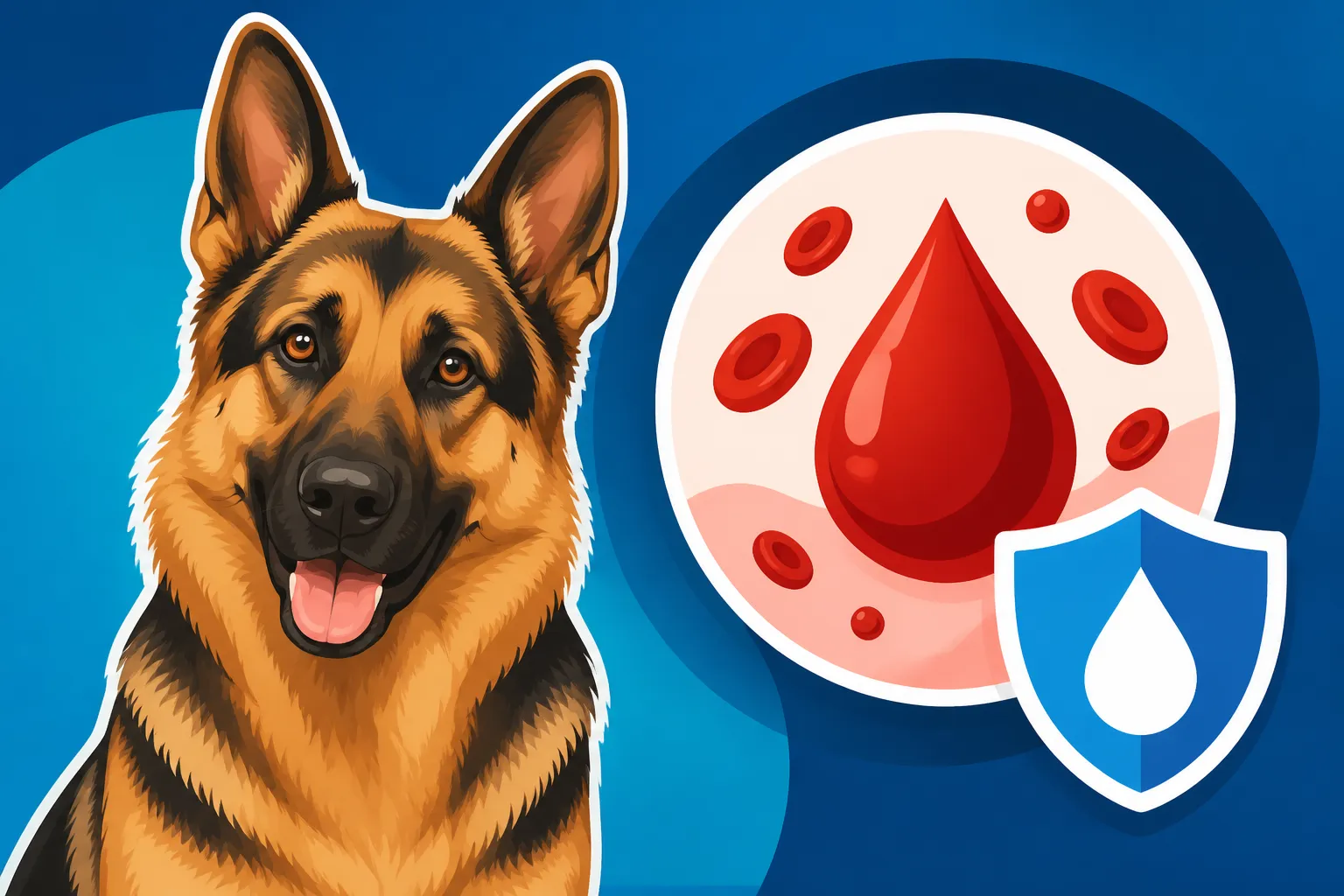
When we talk about Von Willebrand Disease, it’s easy to get lost in complex medical jargon. But at its core, VWD is a hereditary bleeding disorder that impacts the blood's ability to clot effectively. Think of it like this: when your dog gets a cut, a whole cascade of events needs to happen to stop the bleeding. One crucial player in that process is something called Von Willebrand factor (vWF). This protein acts like a glue, helping platelets (tiny blood cells) stick together and to the damaged blood vessel wall, forming a plug. If there isn't enough vWF, or if the vWF present isn't working correctly, that plug won't form properly, leading to prolonged or excessive bleeding.
German Shepherds, as a breed, have a particular predisposition to VWD, which can be a real concern for owners. It's not a condition that develops out of the blue; it's something they're born with, passed down through their genes. This genetic link means that if VWD is present in a dog's lineage, there's a chance they could be affected, or at least carry the gene, even if they don't show severe symptoms themselves. Understanding this genetic component is the first step in truly grasping why it's such a significant topic for our incredible German Shepherds.
The Different Types of VWD, and Why German Shepherds Get Type 1
Just to make things a little more complicated, VWD isn't a one-size-fits-all condition; there are actually three main types, categorized by how much (or how well) the Von Willebrand factor is produced. For German Shepherd owners, Type 1 VWD is the one you absolutely need to know about.
- Type 1 VWD is the most common form found in dogs, and it’s the primary type that affects German Shepherds. With Type 1, the dog produces a reduced amount of vWF, but the factor they do produce is functionally normal. This means the bleeding tendency can range from mild to moderate. You might see minimal issues, or you could encounter significant problems during surgery or after an injury. The symptoms can be subtle, making it easy to miss until a more serious event occurs.
- Type 2 VWD is much rarer in general, and even more so in German Shepherds. In this type, the dog produces a normal amount of vWF, but the factor itself is structurally or functionally abnormal. This leads to moderate to severe bleeding issues. This type is more commonly seen in breeds like German Shorthaired Pointers and English Pointers.
- Type 3 VWD is the most severe form, where the dog produces almost no detectable vWF. This results in spontaneous, severe bleeding episodes that can be life-threatening. Thankfully, Type 3 VWD is exceedingly rare in German Shepherds, being more commonly associated with breeds such as Scottish Terriers and Chesapeake Bay Retrievers.
For German Shepherd enthusiasts, the focus is almost exclusively on Type 1 VWD. Its variable presentation is what makes it so tricky. Some GSDs with Type 1 might go their whole lives with only minor, easily overlooked bleeding issues, while others could face life-threatening hemorrhages during what should be a routine spay or neuter. This wide spectrum is why awareness and testing are so incredibly important.
Is Von Willebrand Disease Common in German Shepherds?
So, to answer the burning question directly: yes, Von Willebrand Disease, specifically Type 1, is considered relatively common in German Shepherds compared to many other breeds. It’s certainly not rare. In fact, German Shepherds are one of the breeds specifically identified as being at higher risk for inheriting VWD Type 1. This isn't just anecdotal; scientific studies and breed health surveys consistently highlight this predisposition.
The prevalence varies depending on the specific bloodlines, but estimates suggest a significant percentage of German Shepherds could be carriers of the VWD gene, and a notable portion might be affected. This doesn't mean every German Shepherd will have severe bleeding, as Type 1 VWD often presents with mild symptoms. However, it does mean that the gene is widespread within the breed's gene pool, making it a critical health consideration for responsible breeders and owners alike.
The reason for this higher incidence is purely genetic. VWD is an autosomal recessive trait, though Type 1 can sometimes show incomplete dominance, meaning a dog with one copy of the gene might still show some mild symptoms. When two carriers (dogs that carry one copy of the affected gene but don't show severe symptoms themselves) are bred, there’s a 25% chance that each puppy will inherit two copies of the affected gene and thus be truly affected by VWD. There's also a 50% chance they'll be carriers, and a 25% chance they'll be clear. This inheritance pattern has allowed the gene to persist and spread within the breed over generations. This highlights why understanding German Shepherd Genetic Health Testing is so paramount for the future health of the breed.
Identifying and Diagnosing VWD in Your German Shepherd
One of the biggest challenges with VWD, especially Type 1 in German Shepherds, is that the symptoms aren't always glaringly obvious. Your dog isn't likely to suddenly collapse from internal bleeding on a casual walk (though severe cases can occur). Instead, the signs can be subtle, easily dismissed, or only truly emerge during specific events like surgery or a significant injury. Being vigilant and knowing what to look for can make all the difference in catching this condition early.
Recognizing the Signs and Symptoms
Catching VWD early means paying close attention to your German Shepherd, especially when they're young or facing a situation that tests their clotting ability.
- Subtle, everyday signs: These are the ones often overlooked. You might notice your dog having frequent, unexplained nosebleeds, or perhaps their gums bleed a lot after a chew toy session or a regular teeth cleaning. Some owners report excessive bruising from minor bumps or rough play. You might also spot blood in their urine or stool, which should always prompt a vet visit, VWD or not. Another tell-tale sign can be prolonged bleeding after a puppy loses a tooth, or after a quick nail trim that gets a little too close to the quick.
- More obvious, event-driven signs: These are usually what bring VWD to light. The most common scenario is excessive bleeding during or after a surgical procedure, like a spay, neuter, or even a dental extraction. What should be a routine recovery can turn into a frantic emergency. Similarly, a seemingly minor injury, like a cut pad or a scrape, might bleed much longer and more heavily than expected. Female German Shepherds with VWD might experience unusually heavy or prolonged bleeding during their heat cycles. It’s these situations that really test the blood’s clotting ability and expose an underlying VWD deficiency. If you suspect your German Shepherd is in pain or showing unusual symptoms, always consult your vet promptly. You can learn more about how to tell if a German Shepherd is in pain here: How to Tell If a German Shepherd Is in Pain.
It's natural to panic if you see any of these signs. Remember, not all bleeding issues mean VWD, but they all warrant a prompt professional evaluation. Early detection can prevent serious complications and help you manage your dog's health more effectively.
The Diagnostic Process
If you or your vet suspect VWD, there's a clear path to getting a definitive diagnosis. It usually starts with your vet taking a detailed history of any unusual bleeding episodes you've observed, followed by a thorough physical examination.
- Initial blood work: Your vet will likely run some basic blood clotting tests, such as activated partial thromboplastin time (aPTT) and prothrombin time (PT). These tests assess the "secondary" clotting cascade. The tricky part with VWD is that these routine tests often come back normal because VWD primarily affects "primary" hemostasis (the initial platelet plug formation). So, normal results on these don't rule out VWD.
- Buccal Mucosal Bleeding Time (BMBT): This is a simpler, quicker test often performed in the clinic. The vet makes a small, superficial incision on the inside of the dog's lip (buccal mucosa) and times how long it takes for the bleeding to stop. In dogs with VWD, this time is typically prolonged (often longer than 4 minutes). While a prolonged BMBT strongly suggests a primary hemostasis defect, it’s not specific to VWD and can be influenced by other factors or medications.
- Specific vWF measurement: The definitive diagnostic test for VWD involves measuring the actual amount of Von Willebrand factor antigen in a blood sample. This test, often called a vWF:Ag assay, usually needs to be sent to a specialized veterinary coagulation laboratory. The results will indicate the percentage of vWF present in the blood, allowing the vet to classify the severity of VWD (e.g., typically less than 50% for Type 1 affected dogs). This is the gold standard for diagnosis.
| Diagnostic Test | What It Measures | VWD Indication | Cost/Complexity |
|---|---|---|---|
| Buccal Mucosal Bleeding Time (BMBT) | Time for a small, superficial cut to stop bleeding | Prolonged time (often >4 minutes for GSDs) | Low/Moderate; quick in-clinic procedure |
| vWF Antigen Level | Quantity of functional Von Willebrand factor in blood plasma | Low levels (Type 1), very low (Type 3) | Moderate/High; specialized lab, takes a few days |
| Genetic DNA Test | Presence of specific VWD gene mutation (DNA from cheek swab or blood) | Identifies "Affected," "Carrier," or "Clear" status | Moderate; specialized lab, one-time test, results in weeks |
| aPTT / PT | Intrinsic and extrinsic blood clotting pathways | Typically normal, as VWD affects primary platelet plug formation, not these secondary pathways | Low; routine lab test, quick results |
Genetic Testing for Breeders and Owners
Beyond diagnosing an already symptomatic dog, genetic testing plays a monumental role, particularly for a breed like the German Shepherd with a known VWD predisposition. DNA tests can identify whether a dog is "clear" (meaning they don't carry the mutated gene), a "carrier" (they carry one copy of the gene but typically don't show symptoms, or only very mild ones), or "affected" (they carry two copies of the gene and are likely to show symptoms).
For breeders, this information is invaluable. By testing all breeding stock, they can make informed decisions to avoid breeding two carriers together, thereby preventing the birth of affected puppies. This responsible approach is crucial for reducing the prevalence of VWD in the breed over time and is a key component of comprehensive German Shepherd Genetic Health Testing. If you’re looking to get a German Shepherd puppy, asking about VWD genetic test results for both parents is non-negotiable. It's a fundamental step that a reputable breeder will gladly provide and explain. Learning how to find a reputable German Shepherd breeder will ensure you ask all the right questions.
For owners of current German Shepherds, especially if you have a dog with unexplained bleeding or are considering a surgery, genetic testing can offer peace of mind or prepare you for potential complications. Knowing your dog's VWD status allows you and your vet to plan appropriately for any medical procedures, minimizing risks.
Managing and Preventing Von Willebrand Disease in German Shepherds
Living with a German Shepherd diagnosed with VWD might sound daunting, but with proper management and preventative measures, many affected dogs can lead full, happy lives. It requires a bit more vigilance and careful planning, but it's absolutely manageable. The goal is to minimize bleeding episodes and ensure that if they do occur, you're prepared to handle them effectively.
Treatment Strategies for Affected Dogs
When a VWD-affected German Shepherd experiences a bleeding crisis, or if they need to undergo surgery, specific interventions are often required to support their clotting ability.
- Acute bleeding episodes: For sudden, significant bleeding (like a severe nosebleed or post-injury hemorrhage), immediate veterinary attention is crucial. The primary treatment often involves transfusions of fresh frozen plasma (FFP) or cryoprecipitate. FFP is rich in Von Willebrand factor and other clotting proteins, while cryoprecipitate is an even more concentrated source of vWF. These transfusions directly supply the missing clotting factor, helping the blood to clot. In cases of significant blood loss, a whole blood transfusion might also be necessary to replace red blood cells.
- Desmopressin (DDAVP): This synthetic hormone can be a game-changer for dogs with Type 1 VWD. Desmopressin works by stimulating the release of stored vWF from the endothelial cells lining blood vessels. It’s often administered intravenously before planned surgeries or sometimes during acute bleeding. However, it’s important to note that DDAVP is only effective in dogs that can produce vWF (even if in reduced amounts), so it primarily benefits Type 1 VWD dogs. It won't work for Type 3, where there's virtually no vWF to release, and its effectiveness can vary in Type 2.
- Pre-surgical precautions: If your VWD-affected German Shepherd needs surgery, your vet will take special precautions. This typically involves pre-screening blood tests to confirm VWD status, administering DDAVP (if effective for your dog) a short time before the procedure, and having FFP or cryoprecipitate ready on hand for immediate transfusion if needed. The goal is to ensure adequate clotting factor levels during the most critical period.
Daily Management and Lifestyle Adjustments
Beyond acute treatments, daily life for a VWD-affected German Shepherd involves a thoughtful approach to minimize risks and promote overall well-being.
- Protecting your dog from injury: This is paramount. While you can't wrap your dog in bubble wrap, you can be mindful of situations that pose a higher risk of injury. Supervise rough play, especially with other dogs. Opt for softer toys over hard, sharp ones. If your dog is prone to zooming around the house, ensure pathways are clear to prevent bumps and scrapes. Regular, gentle exercise is important, but high-impact activities or situations where falls or collisions are likely should be approached with caution. Remember that keeping a German Shepherd healthy involves a holistic approach, including preventing injuries.
- Medication awareness: Certain medications can interfere with blood clotting and should be strictly avoided in VWD-affected dogs unless absolutely necessary and prescribed by a vet who is aware of the diagnosis. Non-steroidal anti-inflammatory drugs (NSAIDs) like aspirin or ibuprofen are a big no-no, as they inhibit platelet function and can exacerbate bleeding. Always inform any veterinarian or emergency clinic about your dog's VWD diagnosis before they administer any medication.
- Diet and supplements: While there's no specific "VWD diet" or miracle supplement to cure the disease, a high-quality, balanced diet is always essential for overall health. Some owners inquire about supplements like Vitamin K or certain herbs, but scientific evidence of their direct benefit in managing VWD in dogs is limited. Focus on providing excellent nutrition to support their immune system and general resilience. If you're considering a supplement, always discuss it with your vet first to ensure it won't negatively interact with your dog's condition or any other medications.
- Emergency preparedness: Having a plan for emergencies is critical. Know the location of the nearest 24-hour veterinary emergency clinic. Keep your vet's number and your dog's medical records (including VWD diagnosis) readily accessible. Consider investing in pet insurance, as treating VWD complications or emergencies can be expensive. Providers like Healthy Paws can offer crucial financial support and peace of mind when facing unexpected medical costs for conditions like VWD or other potential German Shepherd Health Problems Guide. Having a financial safety net means you can focus on getting your dog the best care without added stress.
Responsible Breeding Practices to Reduce VWD
The most impactful way to address the prevalence of VWD in German Shepherds is through responsible breeding. This isn't just about individual dog care; it's about the health of the entire breed for future generations.
- Mandatory genetic testing for breeding stock: Any reputable German Shepherd breeder committed to the health of their lines should conduct genetic testing for VWD on all potential breeding dogs. This means they should be able to provide documentation proving that the sire and dam are either "clear" or, at the very least, "carriers" of Type 1 VWD.
- Strategic breeding decisions: Ideally, breeders should strive to breed only "clear" dogs. However, if a breeder has an exceptional dog that is a "carrier," they might choose to breed it, but only with a partner that is "clear." This pairing ensures that no affected puppies (who would inherit two copies of the gene) are produced. All puppies from such a pairing would either be clear or carriers themselves. Responsible breeders would then advise prospective owners about the carrier status of any puppies and emphasize the importance of future testing if those puppies are ever considered for breeding.
- Educating prospective owners: A sign of a truly ethical and reputable breeder is their transparency and willingness to educate you. They won’t just hand over papers; they’ll explain what VWD is, why genetic testing is important, and what the results mean for your potential puppy. They should be able to discuss the health history of their lines, including any incidence of VWD. This transparency helps ensure that new owners are fully informed and prepared to care for their German Shepherd, contributing to a healthier future for the breed as a whole. Remember, when looking for a puppy, the breeder's dedication to health testing, including for conditions like VWD, is a major indicator of their commitment to the well-being of their dogs. You can find more comprehensive information on this topic in our article on How to Find a Reputable German Shepherd Breeder.
Disclaimer
This article is for general informational purposes only and does not constitute professional advice. Laws, prices and regulations vary by location and change over time. Consult a qualified professional for guidance on your specific situation.