German Shepherd Megaesophagus: Cost to Treat
Receiving a diagnosis of Megaesophagus for your beloved German Shepherd can be an incredibly daunting and heartbreaking experience. The immediate worry isn't just for your dog's comfort and future, but also for the often overwhelming financial burden that comes with treating such a complex condition. This guide is here to shed light on the various costs involved, from initial diagnosis to long-term management, so you can be better prepared to navigate this challenging journey with your furry family member.
Understanding German Shepherd Megaesophagus and Its Impact
Megaesophagus is a condition that sounds as complicated as it is, and for German Shepherd owners, it’s a particular concern. It's a devastating diagnosis that can turn meal times into a terrifying ordeal, not just for your dog but for you, too. Knowing what you're up against is the first step in tackling it head-on.
What Exactly Is Megaesophagus?
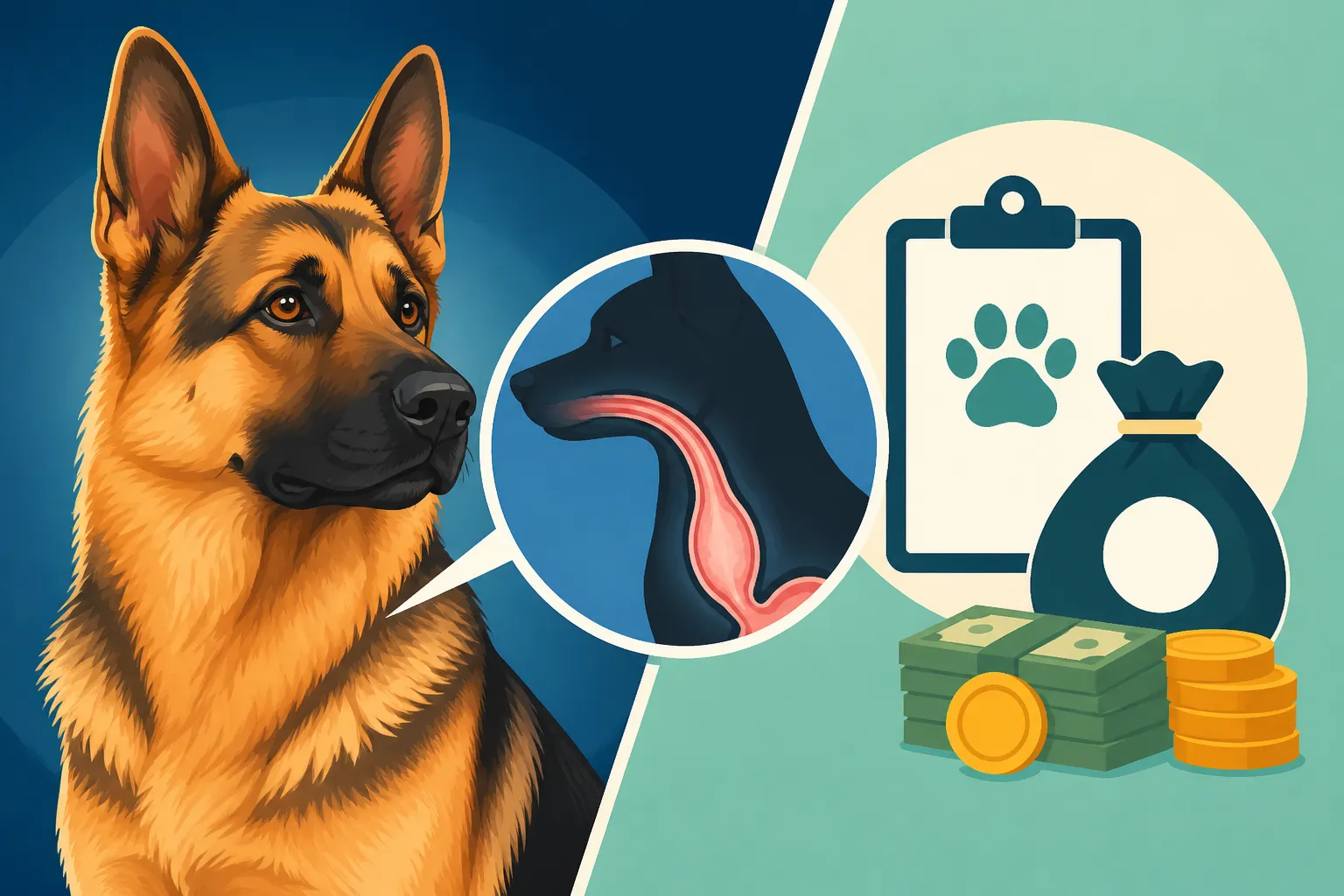
In simple terms, Megaesophagus means an enlarged esophagus. This tube, which normally carries food and water from the mouth to the stomach, loses its muscle tone and ability to contract, becoming a flaccid, dilated sack. Instead of actively pushing food downwards, it merely holds it, often allowing it to sit there until gravity might eventually pull it into the stomach – or, more commonly, until it's regurgitated. This isn't vomiting; it's a passive expulsion of undigested food, often without warning or effort, which is incredibly dangerous.
The primary concern with Megaesophagus isn't just the lack of nutrient absorption, but the grave risk of aspiration pneumonia. When food or liquid sits in the esophagus, it can easily be inhaled into the lungs, leading to severe, life-threatening infections. Imagine eating and constantly feeling like you're choking, or waking up to find your dog has regurgitated their entire meal beside their bed, putting them at risk every time they breathe. It's a constant source of anxiety, and it dramatically impacts their ability to maintain proper weight and hydration. Many German Shepherds with Megaesophagus struggle to gain or even maintain weight, looking gaunt and feeling weak despite eating what seems like ample food.
Why German Shepherds Are Prone to This Condition
Sadly, German Shepherds are one of the breeds with a known genetic predisposition to Megaesophagus, making them more susceptible than many other dogs. While it can be congenital (present from birth) or acquired later in life due to various underlying conditions like Addison's disease, myasthenia gravis, or even a thyroid issue, a significant number of cases in German Shepherds are idiopathic, meaning there's no identifiable cause. It's just a cruel twist of genetics for these wonderful dogs. This breed-specific vulnerability means that if you own a German Shepherd, being aware of the signs and the potential costs is unfortunately a necessary part of responsible ownership. Understanding the German Shepherd Health Problems Guide can provide broader context for breed-specific concerns, but Megaesophagus truly stands out due to its daily management challenges.
The Emotional and Physical Toll on Owners
Let's be honest, living with a German Shepherd who has Megaesophagus is exhausting, both emotionally and physically. The constant vigilance required is immense. Every meal becomes a calculated risk, every cough a potential sign of aspiration. You become hyper-aware of their breathing, their eating posture, and their energy levels. There’s the worry about leaving them alone, the fear of an emergency vet visit, and the guilt that you might not be doing enough, even when you’re doing everything humanly possible.
The physical demands include preparing specialized meals, managing elevated feeding routines (often with a custom-built "Bailey chair"), administering multiple medications, and constantly cleaning up regurgitated food. It's not just a change in routine; it's a complete shift in your lifestyle, all centered around ensuring your dog can eat and breathe safely. This level of dedication truly tests a pet owner's resolve, and it's completely normal to feel overwhelmed. The bond with your German Shepherd grows even stronger, perhaps, but the stress is undeniable.
Initial Diagnosis and Veterinary Costs
When your German Shepherd first starts showing signs like regurgitation, coughing after eating, or unexplained weight loss, your heart sinks. You know something is wrong, and the road to diagnosis can be a stressful, and costly, one. The journey through initial vet visits and diagnostic tests is critical but also where the significant financial investment begins.
The Diagnostic Journey
The first step is typically a general veterinary examination. Your vet will listen to your concerns, perform a physical check-up, and likely recommend a series of tests to rule out other conditions and confirm Megaesophagus. This might start with routine blood work, including a complete blood count (CBC) and a chemistry panel, to check for infections or underlying organ issues. Thyroid panels might also be run, as hypothyroidism can sometimes be a contributing factor.
The definitive diagnosis usually involves imaging. A chest X-ray is often the initial go-to, as it can reveal a dilated esophagus filled with air or fluid. However, sometimes a more detailed view is needed, which leads to a barium swallow study. In this procedure, your dog swallows a liquid barium solution, and a series of X-rays are taken as it travels down (or doesn't travel down) the esophagus. This provides a clear visualization of the esophageal function and any dilation. In some cases, especially if an underlying cause like a tumor or a stricture is suspected, an endoscopy might be recommended, where a tiny camera is inserted down the esophagus. Each of these steps adds to the overall cost, but they are absolutely essential for a correct diagnosis and to rule out other serious conditions.
Cost Breakdown of Diagnostic Tests
The costs for diagnosing Megaesophagus can vary significantly based on your geographic location, the specific veterinary clinic, and the number of tests required. Here's a general idea of what you might expect:
| Diagnostic Test | Estimated Cost Range (USD) | Purpose |
|---|---|---|
| Initial Vet Visit & Consultation | $60 – $150 | General exam, discussion of symptoms, initial recommendations |
| Routine Blood Work (CBC, Chemistry) | $150 – $300 | Check for infection, organ function, general health |
| Thoracic (Chest) X-rays | $100 – $250 | Visualize esophagus, check for aspiration pneumonia |
| Barium Swallow Study | $250 – $600 | Definitive diagnosis of esophageal dilation and function |
| Thyroid Panel | $100 – $200 | Rule out hypothyroidism as a secondary cause |
| Myasthenia Gravis Test (Acetylcholine Receptor Antibody) | $200 – $400 | Rule out myasthenia gravis, a common underlying cause |
| Endoscopy (if needed) | $800 – $2,000+ | Visualize esophageal lining, rule out strictures, tumors, foreign bodies |
| Total Initial Diagnostic Cost | $500 – $3,000+ | This range can vary widely based on complexity and location |
It's easy to see how these bills can quickly add up, leaving many owners feeling overwhelmed right at the start. This is often where having a good pet insurance plan, like one from Healthy Paws, can make a significant difference, helping to cover a portion of these unexpected expenses. Without a clear diagnosis, effective treatment is impossible, making these initial costs unavoidable.
Why Early Diagnosis is Crucial
You might be thinking, "That's a lot of money just to figure out what's wrong!" And you're absolutely right, it is. But early diagnosis is incredibly crucial for several reasons. Firstly, confirming Megaesophagus allows you to immediately implement management strategies that can prevent severe complications like aspiration pneumonia, which can be fatal or require intensive, expensive hospitalization. The cost to treat German Shepherd Bloat (GDV): Symptoms and Treatment or other emergency conditions can be astronomical, and aspiration pneumonia is no different.
Secondly, if Megaesophagus is secondary to another treatable condition (like Myasthenia Gravis or Addison's disease), addressing the root cause can sometimes lead to a significant improvement or even resolution of the esophageal issue. Delaying diagnosis means delaying treatment for these underlying illnesses, allowing them to progress and potentially cause more damage, thus increasing overall long-term costs and reducing your German Shepherd's quality of life. An early and accurate diagnosis ensures your dog gets the specific care they need as quickly as possible, potentially reducing the severity of ongoing symptoms and managing the overall financial impact.
Managing Megaesophagus: Treatment Options and Ongoing Expenses
Once your German Shepherd has a confirmed diagnosis of Megaesophagus, the focus shifts to management. This isn't a condition with a simple "cure," but rather one that requires dedicated, ongoing care. The costs associated with treatment and maintenance are a significant consideration for any owner.
Conservative Management: The Foundation of Care
For most German Shepherds with Megaesophagus, management revolves around conservative strategies designed to help food reach the stomach and prevent aspiration. This is a daily commitment, requiring patience, consistency, and often, specialized equipment.
The cornerstone of conservative management is elevated feeding. This means feeding your German Shepherd in an upright, vertical position, allowing gravity to assist food movement. This is where a "Bailey chair" often comes into play. These chairs are custom-built devices that keep your dog in a sitting, almost standing, position during meals and for a period afterward (usually 20-30 minutes). The cost for a custom-built Bailey chair can range from $200 to $800, depending on materials and craftsmanship. Some owners opt for DIY versions, which can reduce costs but require time and tools.
Beyond the chair, food consistency is vital. Many dogs with Megaesophagus do best on a liquid or gruel-like diet, while others tolerate small, meatball-sized portions. This often means preparing specialized meals, which might involve blending high-quality kibble (like a large-breed formula recommended for Best Dog Food for German Shepherds) with water, or feeding a prescription canned diet. The type of food and how you prepare it can influence your monthly food bill. Sometimes, anti-nausea medications or motility drugs (though these have limited effectiveness for Megaesophagus) might be prescribed to manage symptoms. These medications can add $30-$100 per month to your expenses. For severe cases, or those struggling to maintain weight, a percutaneous endoscopic gastrostomy (PEG) tube or G-tube might be surgically placed directly into the stomach. This allows food and medication to bypass the esophagus entirely, a temporary measure that can cost $1,000 – $3,000 for placement and requires specific supplies and care.
Surgical Interventions
While most cases of Megaesophagus are managed conservatively, there are specific situations where surgery might be considered. It's crucial to understand that surgery doesn't "fix" Megaesophagus in the way it might fix a broken bone; it typically addresses an underlying cause that leads to Megaesophagus.
One common surgical scenario is a vascular ring anomaly, a congenital condition where an abnormal blood vessel constricts the esophagus. This is often diagnosed in puppies, and surgical correction can be curative. The cost for this specialized surgery can be $3,000 – $6,000 or more, depending on the complexity and location.
Another potential surgical target is a hiatal hernia, where part of the stomach slides up into the chest cavity, sometimes contributing to esophageal issues. Surgical repair can cost anywhere from $2,500 to $5,000. However, these are less common causes, and for the vast majority of idiopathic Megaesophagus cases, surgery is not a viable treatment. Even if surgery is performed, ongoing conservative management may still be necessary to some extent.
Long-Term Maintenance Costs
The true financial commitment with Megaesophagus lies in the long-term maintenance. This is where costs accumulate over your German Shepherd's lifespan, which, despite the condition, can still be long if managed well. Regular veterinary check-ups are essential to monitor your dog's weight, lung health, and overall condition. These visits might be quarterly or semi-annually, costing $60 – $150 per visit.
Medications for aspiration pneumonia are often recurring expenses. Aspiration pneumonia episodes can happen frequently and require antibiotics, anti-inflammatories, and sometimes nebulization or even hospitalization. A single episode of aspiration pneumonia can cost $300 – $1,500 for outpatient treatment, and several thousands if hospitalization is needed. Your vet might also prescribe antacids or stomach motility medications to help with digestion and prevent reflux, adding to your monthly medication budget.
Specialized diets, whether prescription food or ingredients for homemade purees, will typically be more expensive than standard kibble. Expect to spend anywhere from $80 – $200 per month on food, depending on your dog's size and dietary needs. Supplements to aid digestion or support overall health, such as those recommended for German Shepherd Joint Health Supplements or general well-being, might also be added.
Then there are the "hidden" costs: extra cleaning supplies, replacement feeding bowls, elevated feeder stands (if not using a Bailey chair), and absorbent pads for accidents. While individually small, these add up over time. It's truly an ongoing dedication, financially and emotionally.
The Financial Reality and How to Prepare
When you look at the potential costs associated with Megaesophagus, it’s not just a number on a bill; it’s a reflection of the profound care and commitment this condition demands. It’s important to face this financial reality head-on, so you can make informed decisions for your beloved German Shepherd.
Total Estimated Costs for Lifetime Care
Let's put some numbers together to give you a clearer picture. While it's impossible to give an exact figure, we can create a reasonable estimate for the lifetime costs of managing Megaesophagus, assuming conservative management is the primary approach.
- Initial Diagnosis: $500 – $3,000+ (as detailed above)
- Bailey Chair: $200 – $800 (one-time cost, potentially replaced)
- Specialized Food: $80 – $200 per month, or $960 – $2,400 per year
- Medications (ongoing): $30 – $100 per month, or $360 – $1,200 per year (for maintenance, not including aspiration pneumonia episodes)
- Regular Vet Check-ups: $120 – $300 per year (2-4 visits at $60-$75 each)
- Aspiration Pneumonia Treatment: This is the wildcard. If your German Shepherd experiences one episode per year, expect an additional $300 – $1,500 (outpatient) or even more for hospitalization. Some dogs might have none, others several. Let's conservatively estimate one outpatient episode per year: $500 – $1,500.
Considering a German Shepherd's average lifespan of 10-13 years, and assuming a diagnosis at a younger age (say, 2 years old), you could be looking at 8-11 years of management.
A conservative estimate for the first year (including diagnosis, chair, food, meds, check-ups, and one pneumonia episode):
$500 (diagnosis) + $200 (chair) + $960 (food) + $360 (meds) + $120 (vet) + $500 (pneumonia) = $2,640
Or, on the higher end:
$3,000 (diagnosis) + $800 (chair) + $2,400 (food) + $1,200 (meds) + $300 (vet) + $1,500 (pneumonia) = $9,200
Annual ongoing costs (after the first year, assuming similar pneumonia frequency):
$960 – $2,400 (food) + $360 – $1,200 (meds) + $120 – $300 (vet) + $500 – $1,500 (pneumonia) = $1,940 – $5,400 per year.
Over a decade, these costs can easily accumulate to $20,000 – $50,000+. This truly highlights that owning a German Shepherd, especially one with a chronic condition, means you need to consider the True Lifetime Cost of a German Shepherd. This is a significant financial undertaking, and it’s important to acknowledge that up front.
Pet Insurance and Financial Assistance
Given these substantial costs, pet insurance becomes an incredibly valuable tool. Plans from providers like Healthy Paws can help dramatically offset these expenses, especially for unexpected aspiration pneumonia episodes or specialized diagnostics. It’s important to enroll in pet insurance before a diagnosis, as Megaesophagus would be considered a pre-existing condition if diagnosed prior to coverage, and thus not covered. If you're considering a German Shepherd puppy, looking into Is Pet Insurance Worth It for a German Shepherd early on is a smart move. When selecting a plan, pay close attention to the deductible, reimbursement percentage, and annual limits, as these will directly impact your out-of-pocket costs. Healthy Paws, for example, is known for its comprehensive accident and illness plans, which could be a lifeline for covering many of the costs associated with Megaesophagus and its complications.
Beyond insurance, there are other avenues for financial assistance. Many breed-specific rescues, like German Shepherd rescue organizations, sometimes have funds available to assist owners with veterinary bills for specific conditions. Veterinary schools often offer slightly reduced rates for specialty care and diagnostics, as they are teaching hospitals. Organizations like The Pet Fund, RedRover, or Handicapped Pets Foundation might also provide grants or resources for owners facing significant medical expenses. Don't be afraid to speak openly with your veterinarian's office; they often have knowledge of local resources or payment plans that can help.
Budgeting and Planning for Your German Shepherd's Needs
Proactive budgeting is key when you have a German Shepherd, particularly one with a chronic health condition. Even if your dog is healthy now, it's wise to set up an emergency fund specifically for veterinary care. This could be a dedicated savings account where you deposit a set amount each month. Think of it as self-insurance if you don't have a formal pet insurance policy.
For those with a Megaesophagus diagnosis, create a detailed monthly budget that accounts for food, medications, and regular vet visits. Factor in potential emergency funds for pneumonia flare-ups. Look for ways to save where appropriate, such as buying medications in bulk if possible or making homemade food if it's more cost-effective and approved by your vet for German Shepherd Nutrition Essentials. Discuss potential long-term prognosis and care plans with your vet to gain a realistic understanding of future costs, allowing you to plan ahead and avoid sudden financial shocks. Planning for your German Shepherd Vet Costs Per Year suddenly takes on a much more serious dimension with a condition like Megaesophagus.
Living with a German Shepherd with Megaesophagus
Managing Megaesophagus isn't just about the financial outlay; it's about a complete lifestyle adjustment. This condition requires a significant amount of daily dedication, love, and careful attention to detail. It truly transforms the relationship you have with your dog.
Daily Care and Lifestyle Adjustments
The core of living with a German Shepherd with Megaesophagus revolves around meal times. This isn't a quick bowl-on-the-floor affair. Each meal requires careful preparation, often involving blending food to the right consistency. Your dog will need to eat in an elevated position, most commonly in a Bailey chair, and remain there for 20-30 minutes after eating to allow gravity to do its work. This routine needs to be consistent, meaning you might have to adjust your work schedule or find reliable pet sitters who are experienced with the condition if you need to be away. The German Shepherd Feeding Guide becomes a much more involved document!
Beyond feeding, constant vigilance is key. You'll become an expert in recognizing the subtle signs of regurgitation or, more critically, aspiration pneumonia – coughing, lethargy, difficulty breathing, or fever. Regular monitoring of their weight is essential, as maintaining a healthy weight can be a struggle. Daily exercise might need to be adjusted, especially after meals, to prevent jostling that could lead to regurgitation. Keeping them calm and relaxed during and after eating is crucial. This level of meticulous care is a testament to the incredible bond you share with your German Shepherd.
Quality of Life Considerations
There will come a point in every German Shepherd's life when their quality of life needs to be carefully assessed, and with a chronic, progressive condition like Megaesophagus, these discussions can arise earlier and more frequently. While many dogs with Megaesophagus can live long, happy lives with diligent management, others may struggle immensely.
If your German Shepherd is constantly battling aspiration pneumonia, losing significant weight despite all efforts, or showing signs of discomfort and lethargy, it might be time for an honest conversation with your veterinarian about their quality of life. This is never an easy discussion, and it's okay to feel grief and guilt. Your vet can help you objectively evaluate their comfort level, their joy in daily activities, and the effectiveness of current treatments. It’s about ensuring that your unwavering dedication is truly enhancing their life, rather than prolonging suffering. Resources like the German Shepherd Senior Care Guide can offer broader advice on assessing an aging or ill dog's well-being. Ultimately, the decision to continue aggressive treatment or consider compassionate end-of-life care is a deeply personal one, guided by your vet's advice and, most importantly, your German Shepherd's comfort and dignity.
Disclaimer
This article is for general informational purposes only and does not constitute professional advice. Laws, prices and regulations vary by location and change over time. Consult a qualified professional for guidance on your specific situation.