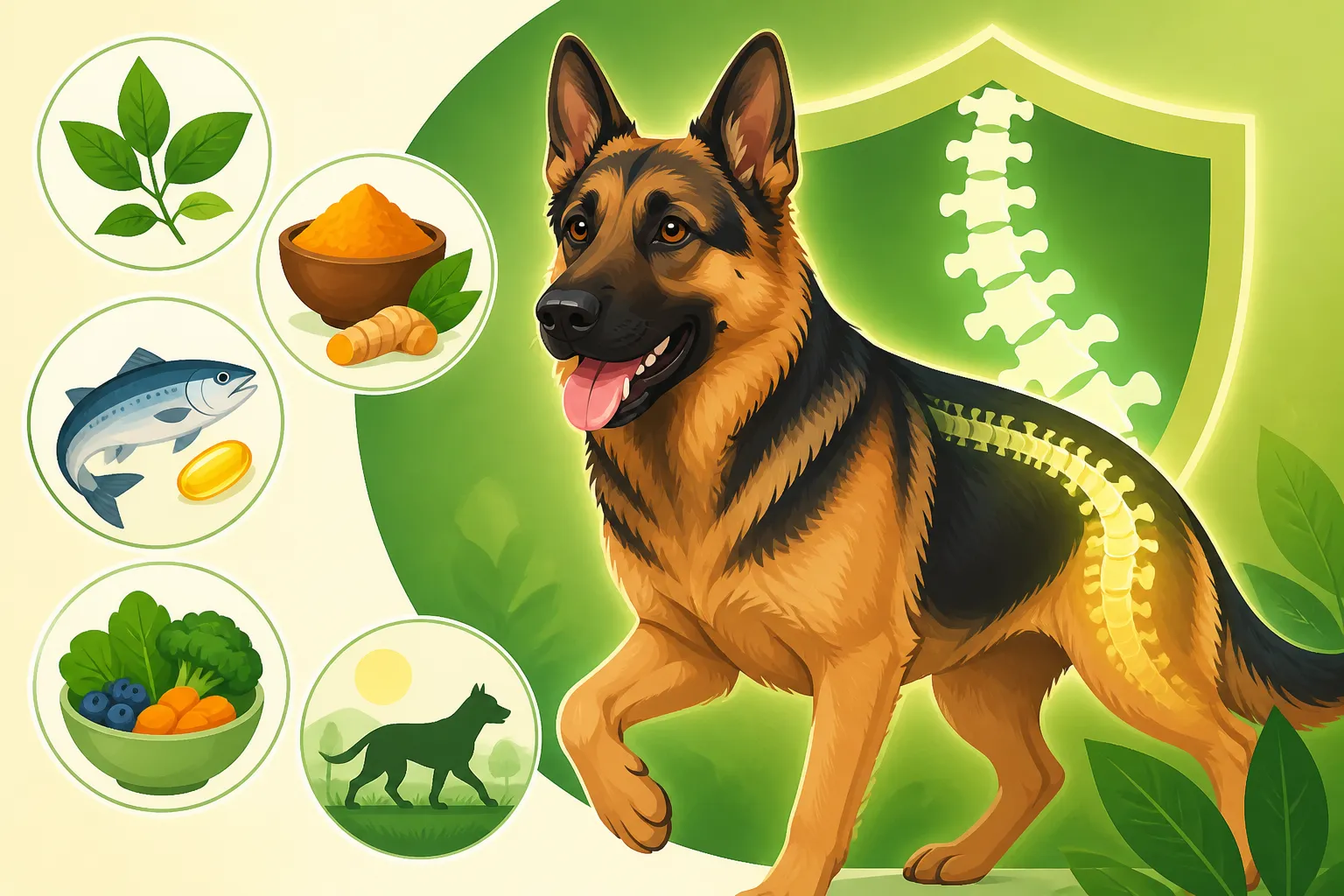
How to Slow Degenerative Myelopathy Naturally
The moment you hear the words "Degenerative Myelopathy" (DM) associated with your beloved German Shepherd, your heart sinks. It's a progressive, debilitating neurological disease that often leaves owners feeling helpless as they watch their active companions slowly lose mobility. While there's no magic bullet to cure DM, there are proactive, natural strategies you can embrace to potentially slow its progression, maintain your dog's quality of life, and give you both more precious time together.
Understanding Degenerative Myelopathy's Progression
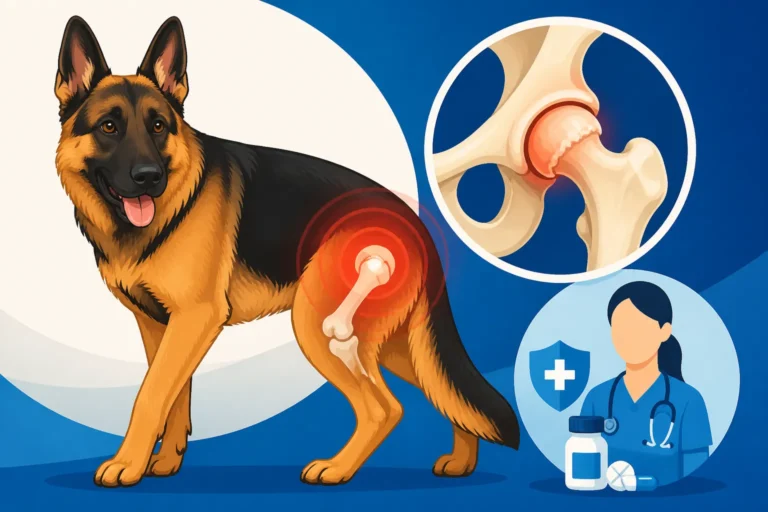
Degenerative Myelopathy is a cruel disease, often compared to Amyotrophic Lateral Sclerosis (ALS) in humans. It's a progressive disease of the spinal cord that leads to weakness and eventual paralysis of the hind limbs. Seeing your vibrant, energetic German Shepherd, known for their powerful gait and unwavering loyalty, start to stumble or drag their feet is profoundly distressing. Many owners initially mistake the signs for arthritis or hip dysplasia, which further highlights the importance of an early and accurate diagnosis from a veterinarian.
The Heartbreaking Reality of DM
The underlying cause of DM is the degeneration of the white matter in the spinal cord, which carries nerve impulses to and from the brain. Specifically, it involves a mutation in the SOD1 gene, a genetic predisposition particularly prevalent in German Shepherds. This breakdown means messages from the brain struggle to reach the hind limbs, leading to a loss of coordination and strength. The initial signs can be subtle: a slight drag of a back paw, difficulty getting up, or a swaying gait. Over time, these symptoms worsen, progressing to knuckling over, stumbling, and eventually full paralysis. It’s a relentless march that takes a significant emotional toll on both dog and owner. For a deeper dive into the disease itself, you might find our guide on Degenerative Myelopathy in German Shepherds helpful.
Why "Natural" is a Key Focus
While veterinary medicine hasn't yet found a cure for DM, the "natural" approach isn't about ignoring traditional medicine. Instead, it’s about complementing conventional treatments with supportive therapies that leverage nutrition, exercise, and environmental adjustments to enhance neural function, reduce inflammation, and improve overall well-being. It’s about being proactive and giving your German Shepherd every possible advantage in their fight against this disease. These strategies focus on supporting the body's natural healing processes and mitigating the effects of neurological degeneration. Remember, every little bit helps when you're dealing with something as challenging as DM.
Nutritional Support for Neurological Health
Nutrition plays a surprisingly crucial role in managing progressive diseases like DM. What goes into your German Shepherd's bowl can either exacerbate inflammation and oxidative stress or provide vital building blocks and protective compounds for their nervous system. Focusing on a nutrient-dense, anti-inflammatory diet can be a cornerstone of naturally slowing the progression.
Antioxidants and Anti-inflammatory Foods
Oxidative stress and inflammation are key culprits in the progression of many degenerative diseases, including DM. By incorporating foods rich in antioxidants and anti-inflammatory properties, we can help combat these processes. Think of antioxidants as tiny shields protecting cells from damage.
- Omega-3 Fatty Acids: These are powerhouses of anti-inflammatory action. Sources like fish oil (salmon, sardine, anchovy oil), flaxseed oil, and green-lipped mussel oil can be incredibly beneficial. They help reduce inflammation throughout the body, including the nervous system. Aim for high-quality supplements and integrate them into your dog's daily meals.
- Vitamins E and C: These classic antioxidants work synergistically. Vitamin E is particularly important for neurological health. Good food sources include leafy green vegetables, broccoli, and certain nuts (though nuts should be given sparingly and carefully to dogs). Many senior dog foods or specialty diets for German Shepherds with conditions like DM will already have higher levels of these.
- Brightly Colored Fruits and Vegetables: Blueberries, raspberries, spinach, kale, carrots, and sweet potatoes are packed with phytonutrients and antioxidants. Puree them or steam them lightly and mix them into your dog's food. Start with small amounts to avoid digestive upset.
- Turmeric: This spice contains curcumin, a potent anti-inflammatory compound. It's often given in a "golden paste" form or as a supplement to aid absorption. Always consult your vet for appropriate dosages, as it can interact with certain medications.
A balanced diet tailored to your German Shepherd's specific needs can make a world of difference. You might want to explore articles like Best Dog Food for German Shepherds with Allergies if your dog has other sensitivities that need to be addressed simultaneously.
Targeted Supplements for Spinal Cord Health
Beyond general dietary enhancements, certain supplements are specifically touted for their potential neuroprotective benefits and for supporting spinal cord health. These are not cures, but they can provide additional support to the nervous system.
- N-Acetyl Cysteine (NAC): This supplement is a precursor to glutathione, one of the body's most powerful antioxidants. It helps detoxify cells and protect nerve tissue from damage.
- B Vitamins: Especially B12 (cobalamin) and folate, which are vital for nerve function and myelin sheath maintenance (the protective coating around nerves). A B-complex supplement can ensure your dog is getting adequate levels.
- Coenzyme Q10 (CoQ10): An antioxidant that plays a role in cellular energy production, CoQ10 can support mitochondrial health in nerve cells.
- Alpha-Lipoic Acid: This is another strong antioxidant that can regenerate other antioxidants, like Vitamin C and E. It's also known for its neuroprotective properties.
- Acetyl-L-Carnitine: This amino acid derivative helps transport fatty acids into mitochondria for energy production and has neuroprotective effects.
When considering supplements, always choose high-quality, reputable brands, and discuss them with your veterinarian. They can help you determine the correct dosage and ensure there are no contraindications with other medications your German Shepherd might be taking. Investing in the right supplements can be costly, but the peace of mind knowing you're doing everything you can is priceless. Pet insurance providers like Healthy Paws can often help with the costs of prescribed supplements or therapies if they are part of a veterinarian-recommended treatment plan.
The Power of Physical Therapy and Exercise Adaptation
One of the most effective "natural" ways to slow DM is through consistent, adapted physical therapy. The goal is to maintain as much muscle mass, strength, and neurological connection as possible, even as the disease progresses. Inactivity can accelerate muscle atrophy and further impair mobility.
Maintaining Mobility and Muscle Mass
Regular, controlled exercise is crucial. It’s not about intense runs or agility courses, but about purposeful movement that encourages muscle use and balance.
- Controlled Walks: Short, frequent walks on stable surfaces are best. Avoid slippery floors or uneven terrain that can lead to falls. If your German Shepherd is starting to scuff their paws, dog boots or Pawz rubber boots can help protect their feet and provide better grip.
- Passive Range of Motion (PROM) Exercises: Gently move your dog's limbs through their full range of motion. This helps maintain joint flexibility and stimulates neurological pathways, even if your dog isn't actively moving the limb. A certified canine rehabilitation therapist can teach you the proper techniques.
- Assisted Standing and Walking: As weakness progresses, you might need to use a sling or harness to support their hindquarters during walks or while standing. This allows them to bear some weight while preventing falls. This also encourages continued muscle engagement.
- Balance Exercises: Simple balance exercises, like standing on a soft cushion or gentle wobbling, can help improve proprioception (the sense of where the body is in space) and core strength.
Consistency is key here. Just like humans needing rehab, daily sessions, even short ones, are far more beneficial than sporadic, longer ones. Many German Shepherds respond well to structured rehabilitation, which is a fantastic way to support them when dealing with a condition like German Shepherd Arthritis Management at Home.
Adaptive Exercise Strategies
As DM progresses, traditional exercise becomes impossible. This is where adaptation comes in, ensuring your German Shepherd continues to engage their body and mind.
- Hydrotherapy: Swimming or underwater treadmill therapy is a fantastic option. The buoyancy of the water reduces weight-bearing stress on the joints while allowing for full range of motion and muscle strengthening. Many specialized canine rehabilitation centers offer this. It's safe, low-impact, and many dogs absolutely love it.
- Wagons or Wheelchairs: When standing and walking become too difficult, a custom-fitted dog wheelchair can be life-changing. It allows your German Shepherd to maintain independence, exercise their front limbs, and enjoy walks with the family. It's truly amazing to see a dog's spirit light up when they can move freely again. Our article on German Shepherd DM: Wheelchair and Care Options can offer more insights into this critical phase.
- Mental Stimulation: Don't forget their incredible minds! Puzzle toys, scent games, and short training sessions (even just working on front-end commands) keep them engaged and prevent boredom and frustration, which can be just as debilitating as physical limitations.
Here's a quick comparison of popular natural intervention strategies:
| Strategy Category | Specific Interventions | Primary Benefits | Considerations |
|---|---|---|---|
| Nutritional Support | Omega-3s, Antioxidants, B Vitamins, NAC, CoQ10 | Reduce inflammation, support nerve cell health, combat oxidative stress | Quality of supplements, potential interactions, vet consultation crucial |
| Physical Therapy | Controlled walks, PROM, Hydrotherapy, Balance | Maintain muscle mass, preserve joint flexibility, improve proprioception | Requires consistency, professional guidance, adaptations as disease progresses |
| Environmental Mods | Ramps, Non-slip mats, Orthopedic beds, Harnesses | Prevent injuries, reduce effort, increase comfort, maintain independence | Can be costly, requires home adjustments, ongoing assessment |
| Complementary Therapies | Acupuncture, Chiropractic, Massage | Pain relief, nerve stimulation, improved circulation, muscle relaxation | Requires certified practitioners, not all methods suitable for every dog |
Environmental Modifications for Quality of Life
One of the most impactful "natural" ways to help your German Shepherd with DM is to modify their environment to prevent injury, reduce effort, and maintain their dignity. As their mobility declines, simple tasks become Herculean efforts.
Creating a Safe and Accessible Home
Your home, once a playground, can quickly become a minefield for a dog with DM. Slippery floors are a major hazard, leading to falls and potential injury.
- Non-Slip Surfaces: Lay down runners, carpets, or yoga mats on all smooth floors, especially in high-traffic areas and paths to food/water bowls. This provides essential traction. Consider carpet tiles that can be easily cleaned or replaced.
- Ramps Over Stairs: Stairs become impossible as hind limb weakness progresses. Invest in sturdy ramps for entryways, outdoor steps, and even to access furniture if your dog is accustomed to it. This prevents accidents and saves your back from constant lifting.
- Easy Access to Essentials: Ensure food, water, and outdoor potty areas are easily accessible. Raised bowls can make eating and drinking more comfortable, reducing strain on their neck and back as they lose stability. Our article Should German Shepherds Eat from Raised Bowls provides more insights into this topic.
- Orthopedic Beds: A supportive, orthopedic dog bed is non-negotiable. It cushions joints, prevents pressure sores, and makes resting much more comfortable. Look for memory foam or supportive poly-fill options.
These modifications are not just about convenience; they're about safety and reducing the daily struggle for your German Shepherd. Every fall or moment of struggle contributes to their frustration and yours.
Assistive Devices and Daily Aids
As the disease progresses, your German Shepherd will need more direct assistance. These tools are invaluable in maintaining their quality of life.
- Rear Support Harnesses and Slings: These are critical for helping your dog stand up, walk short distances, and go potty. They support their hindquarters, allowing you to take some of their weight. Brands like Help 'Em Up Harness and GingerLead offer excellent options that are comfortable for your dog and easy for you to use.
- Toe Grips or Dog Boots: As knuckling over becomes more frequent, your dog's paws can become scraped and injured. Toe grips are small rubber rings that fit on your dog's nails to provide traction and encourage proper foot placement. Dog boots with sturdy soles also offer protection and grip.
- Diapers or Belly Bands: Incontinence can be a heartbreaking part of DM. Washable dog diapers or male belly bands can help manage accidents, keep your home clean, and prevent skin infections in your dog.
- Mobility Carts (Wheelchairs): As mentioned, these devices can transform a paralyzed dog's life. They allow for independent movement, exercise, and a sense of normalcy. Finding the right fit and getting your dog comfortable with it takes patience, but the reward is immense.
These aids can be quite an investment, and having pet insurance like Healthy Paws can be a tremendous help in offsetting the costs of specialized equipment, veterinary care, and ongoing physical therapy needed for a German Shepherd battling DM. It’s definitely something to consider if you're facing this diagnosis.
Complementary Therapies and Holistic Approaches
Beyond nutrition and exercise, a range of complementary therapies can offer additional support, alleviate discomfort, and potentially stimulate nerve function in German Shepherds with DM. These holistic approaches work in conjunction with veterinary care.
Acupuncture and Chiropractic Care
These therapies, when performed by a certified veterinary practitioner, can offer significant benefits.
- Acupuncture: This ancient Chinese technique involves inserting thin needles into specific points on the body. For DM, it's believed to stimulate nerve pathways, improve circulation, reduce pain, and release endorphins. Many owners report improved mobility and comfort after regular acupuncture sessions. It's often painless for the dog and can be very relaxing.
- Veterinary Chiropractic Adjustments: A certified animal chiropractor can identify and correct misalignments in the spine and joints, which can become more pronounced as a dog with DM compensates for hind limb weakness. By ensuring proper spinal alignment, chiropractic care can help optimize nerve flow and reduce secondary pain that might arise from abnormal gait. It’s about ensuring the body's communication system is as clear as possible.
These therapies are not a cure, but they aim to enhance the body's own healing capabilities and improve comfort. Finding a qualified, experienced practitioner is paramount. Ask your veterinarian for recommendations.
Hydrotherapy and Massage
These hands-on therapies provide comfort, build strength, and promote overall well-being.
- Hydrotherapy (Revisited): While we discussed this in exercise, its benefits extend to therapy. The warm water can relax muscles, reduce inflammation, and the gentle resistance helps rebuild muscle without stressing weakened joints. It's a wonderful way to maintain muscle tone and stimulate nerve activity in a low-impact environment. Many specialized clinics, like those at the University of Pennsylvania's Ryan Veterinary Hospital or local rehabilitation centers, offer these services.
- Therapeutic Massage: Gentle massage can improve circulation, reduce muscle spasms, and alleviate tension that builds up as your German Shepherd compensates for weakness. Learning basic techniques from a canine massage therapist can empower you to provide daily relief at home, strengthening your bond and offering comfort. Focus on areas that might be overcompensating, such as the front legs and shoulders, as well as maintaining flexibility in the hindquarters.
Engaging in these therapies can feel like a full-time job, and the costs can add up. That's where planning for potential long-term care, perhaps through a pet insurance policy from a company like Healthy Paws, can provide much-needed financial support, allowing you to focus on your dog's care rather than the bills. Remember that proactive care, as outlined in our German Shepherd Senior Care Guide, often includes a combination of these natural and medical approaches.
The Path Forward: Hope and Proactive Care
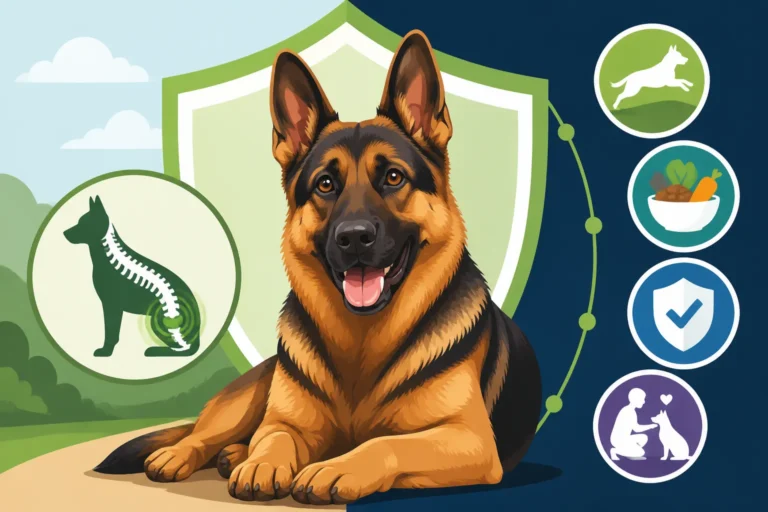
Living with a German Shepherd diagnosed with Degenerative Myelopathy is incredibly challenging. There are days filled with heartbreak and frustration, but also moments of profound love and connection. While there is no cure, adopting a multi-faceted approach that integrates targeted nutrition, consistent adapted exercise, thoughtful environmental modifications, and supportive complementary therapies can truly make a difference.
You can't stop the disease, but you can fight to slow its progress naturally and ensure your German Shepherd maintains the best possible quality of life for as long as possible. Staying informed about the First Signs of Degenerative Myelopathy and understanding How Fast Does Degenerative Myelopathy Progress can help you prepare and adapt your care plan proactively. Work closely with your veterinarian and consider consulting a certified canine rehabilitation specialist. They are invaluable resources in navigating this difficult journey, helping you to understand treatments, costs, and to create a tailored care plan for your cherished companion. Every day you spend nurturing and supporting your German Shepherd is a testament to your incredible bond.
Disclaimer
This article is intended for informational purposes only and does not constitute veterinary medical advice. Always consult with a qualified veterinarian before making any decisions about your German Shepherd's health, diet, or treatment plan, especially concerning complex conditions like Degenerative Myelopathy. The information provided here should not be used as a substitute for professional veterinary care.