Best Age to Screen a German Shepherd for Hips
It's incredibly worrying when you own a magnificent German Shepherd, knowing they're predisposed to certain health issues, especially something as debilitating as hip dysplasia. The constant concern about their long-term comfort and mobility can weigh heavily on any dedicated owner. This comprehensive guide will walk you through the crucial steps of hip screening for your German Shepherd, helping you understand the best ages for evaluation, what the processes involve, and how to use the results to ensure your loyal companion lives the healthiest life possible.
Understanding German Shepherd Hip Dysplasia
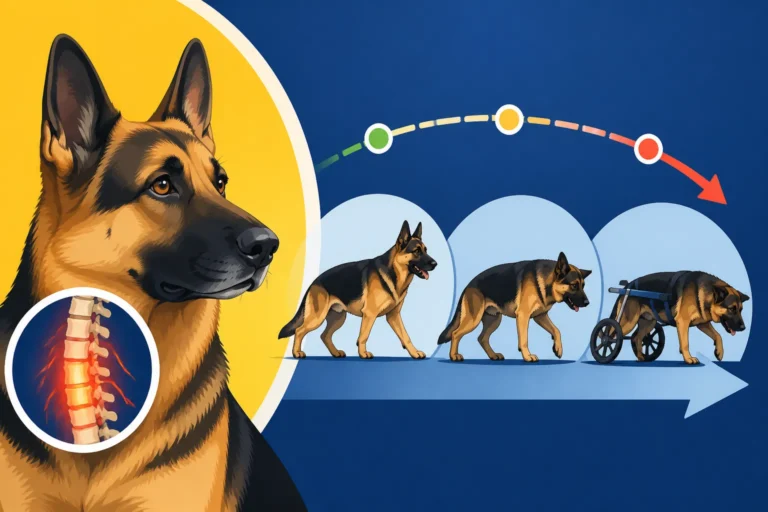
Hip dysplasia is a fancy term for a relatively straightforward, albeit painful, condition where the ball and socket of the hip joint don't fit together properly. Instead of smooth movement, the joint grinds, leading to breakdown over time. For German Shepherds, this isn't just a minor issue; it's a deeply rooted genetic problem that many of us face, causing significant discomfort and often reducing their quality of life if not managed. It's truly disheartening to see a vibrant, athletic dog struggling with mobility, and that's why proactive screening is so vital.
The Genetic Predisposition
It’s no secret that German Shepherds, along with many other large breeds, are genetically prone to hip dysplasia. This isn't something that just happens; it’s often passed down through generations. When you bring a German Shepherd puppy into your home, you're hoping for a healthy, long life together, but this genetic lottery can feel unfair. Responsible breeders go to great lengths to screen their breeding stock, attempting to minimize the risk, but even with the best intentions, the genes can sometimes surprise us. Understanding this inherent risk isn't about blaming anyone, but about empowering yourself with knowledge to protect your dog.
Environmental Factors and Their Role
While genetics lay the groundwork, environmental factors can either exacerbate or mitigate the expression of hip dysplasia. Think of it like this: your dog might have the genetic potential for hip dysplasia, but how you raise them can significantly influence whether it becomes a severe problem or remains a mild, manageable concern. Factors such as rapid growth from overfeeding, excessive high-impact exercise during puppyhood, or even slippery flooring can place undue stress on developing joints. It’s a delicate balance, and we, as owners, have a powerful role to play in providing the best environment possible to support their skeletal development. Getting the right advice on proper nutrition and appropriate exercise is critical for preventing issues like this and mitigating those that do arise. If you're looking for more general health advice, a resource like German Shepherd Health Problems Guide can offer broader insights.
The Critical Window for Hip Screening
Determining the "best" age to screen your German Shepherd's hips isn't a one-size-fits-all answer, as different screening methods have different optimal timelines. However, the general consensus among veterinary orthopedic experts is that evaluations should occur once the hip joints are mature enough to provide a reliable assessment. For many, the waiting game can be agonizing, wondering if every slight limp is a sign. The good news is that there are established protocols to follow, providing clear guidelines for when to get definitive answers. This proactive approach can help with early intervention and better long-term outcomes, easing much of that stress.
OFA Certification: The Standard at Two Years
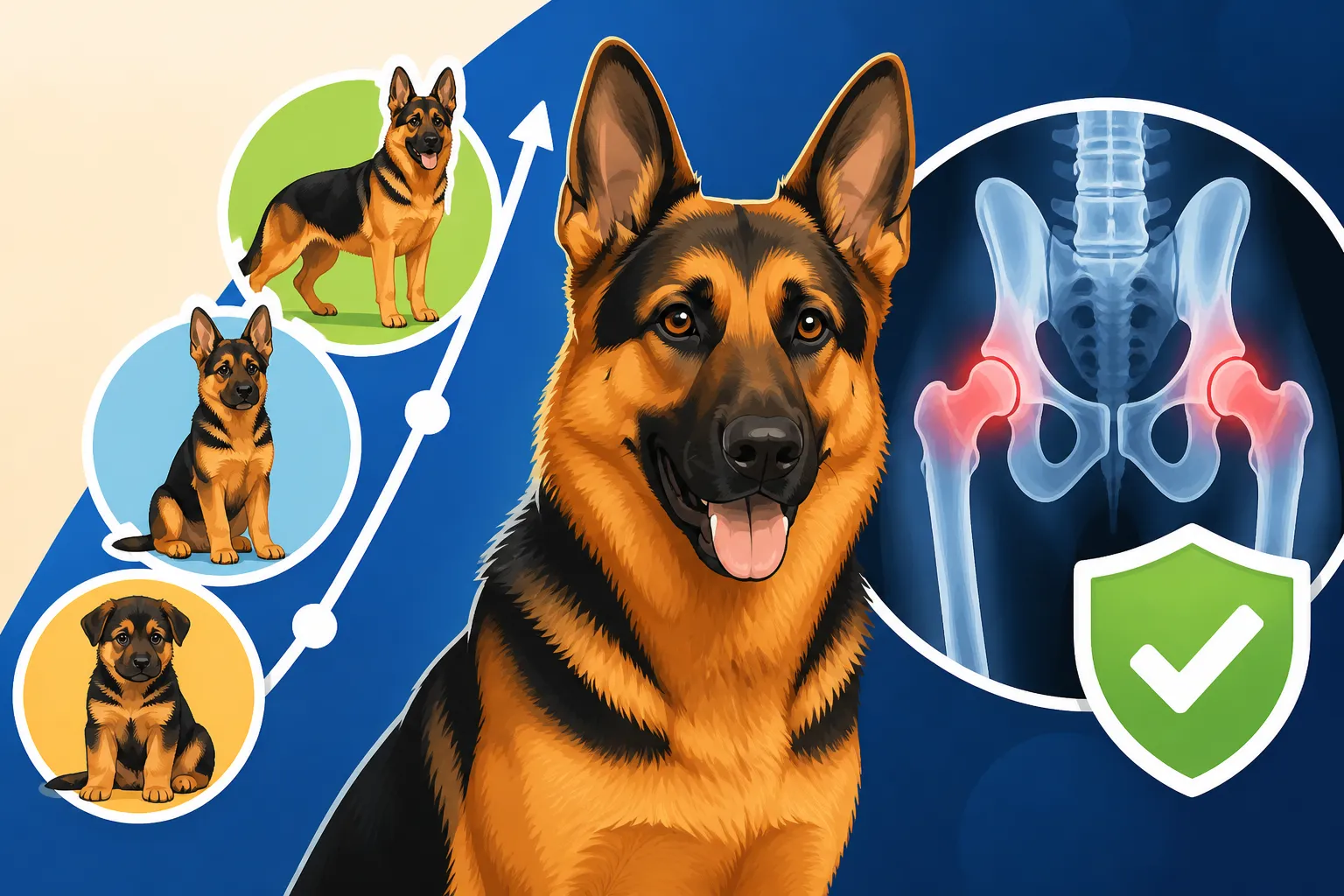
The Orthopedic Foundation for Animals (OFA) is a widely recognized organization in North America that evaluates radiographs (X-rays) for canine hip and elbow dysplasia. For an official OFA certification, which is recognized by the AKC, your German Shepherd needs to be at least 24 months (two years) old. The reasoning behind this age requirement is that by two years, the hip joints are considered fully developed, and any laxity or degenerative changes that indicate dysplasia are typically evident.
Many breeders will conduct preliminary OFA evaluations on puppies as young as 4 months, but these are just preliminary readings. While they can provide an early indication, a preliminary result isn't a guarantee of a final passing score, nor is a preliminary failing score always definitive. It's best to discuss with your vet and breeder whether a preliminary screening is worthwhile for your specific puppy, especially if there's a family history of severe dysplasia. The definitive screening at 24 months is where you'll get the official "Excellent," "Good," "Fair," "Borderline," or "Dysplastic" rating. You can learn more about OFA vs PennHIP Hip Scoring Explained if you want to compare the two methods in detail.
PennHIP Evaluation: Earlier Detection
PennHIP is another highly respected method for evaluating canine hip health, and it stands out because it can provide an accurate assessment much earlier than OFA. PennHIP evaluations can be performed on German Shepherds as young as 16 weeks, although many vets prefer to wait until at least 4-6 months of age. The core principle behind PennHIP is measuring hip laxity – how loose the hip joint is – which is a direct indicator of susceptibility to hip dysplasia.
Unlike OFA, which primarily looks at existing degenerative changes, PennHIP uses a specialized X-ray technique to measure the distraction index (DI). A higher DI means more laxity and a greater risk of developing hip dysplasia. This earlier evaluation allows owners and breeders to make more informed decisions about a dog's future, whether it's for breeding, specific training, or starting preventative measures much sooner. For instance, if a young German Shepherd receives a high DI, you might consider starting joint supplements earlier or adjusting their exercise regimen to be less strenuous, giving their hips the best possible chance. You can consider exploring German Shepherd Hip Dysplasia Prevention for more detailed strategies.
Why Early Screening Matters for German Shepherds
The anxiety of waiting two years for definitive hip health results can be immense, especially for German Shepherd owners who are keenly aware of the breed's predisposition. Early screening methods like PennHIP offer a huge advantage by identifying potential issues long before they become painfully apparent. This early knowledge isn't just about peace of mind; it's about empowerment.
Imagine discovering at 6 months that your German Shepherd has significant hip laxity. This information allows you to immediately implement preventive strategies: adjusting their diet to control growth rate, incorporating specific low-impact exercises, or starting a regimen of high-quality German Shepherd Joint Health Supplements. These proactive steps can potentially slow the progression of dysplasia, reduce its severity, and improve your dog's long-term comfort and mobility. For breeders, early screening is invaluable for making ethical breeding decisions, helping to reduce the incidence of hip dysplasia in future generations. Being prepared for potential health issues also means considering pet insurance. Companies like Healthy Paws can provide a safety net for unexpected veterinary costs, especially for conditions like hip dysplasia that may require ongoing management or even surgery later in life.
What Happens During a Hip Screening
When you decide to get your German Shepherd's hips screened, it's more involved than a typical vet check-up. This procedure requires precision and stillness, which for most dogs means a bit of sedation. Understanding the process can help alleviate some of the natural worry you might feel as an owner sending your beloved companion in for this. It's a structured approach designed to get the clearest, most accurate images possible of those crucial hip joints.
The X-ray Process in Detail
Regardless of whether you choose OFA or PennHIP, the core of hip screening involves taking specific X-rays of your German Shepherd's hips. Your dog will need to be sedated or anesthetized to ensure they are completely relaxed and still. This isn't just for their comfort; it's absolutely critical for getting diagnostic-quality images. The slightest movement can blur the image or position the hips incorrectly, leading to inconclusive results or even misdiagnosis.
For OFA, your vet will typically take one extended view of the hips, with the dog lying on its back, hind legs extended and rotated inwards. For PennHIP, a series of three different X-ray views are taken: a standard extended view, a compression view (hips pressed into the sockets), and a distraction view (hips pulled gently apart to measure laxity). Each set of X-rays has a very specific positioning requirement. These images are then sent off to a panel of board-certified veterinary radiologists (for OFA) or to the PennHIP analysis center (for PennHIP) for expert evaluation. This ensures an unbiased and consistent assessment.
Interpretation and Receiving Results
Waiting for the results after your German Shepherd's hip screening can feel like an eternity, especially when you're anxious about their future health. Once the images are reviewed by the experts, you'll receive a detailed report outlining their findings.
For OFA, the hips are graded on a seven-point scale: Excellent, Good, Fair (all considered "passing"), Borderline, Mild, Moderate, or Severe (the last three being dysplastic). This grading takes into account joint conformation, subluxation (partial dislocation), and evidence of degenerative joint disease. If your dog receives a passing grade, you'll get an OFA certificate.
PennHIP results are different. They provide a Distraction Index (DI) for each hip, which is a numerical measurement of joint laxity, ranging from 0 (very tight) to 1 (very loose). Along with the DI, you'll get a percentile ranking comparing your dog's hips to other German Shepherds in the database. A dog in the 70th percentile, for example, has tighter hips than 70% of other German Shepherds screened. Lower DI values and higher percentile rankings are desirable. This quantitative data allows for a more objective assessment of hip quality. Regardless of the method chosen, your veterinarian will interpret the results for you and discuss the implications for your German Shepherd's health and future care.
Making Sense of Your German Shepherd's Hip Scores
Receiving the results of your German Shepherd's hip screening, whether they are excellent or indicate some degree of dysplasia, can be a moment of profound relief or deep concern. It's natural to feel a rush of emotions. The important thing is to understand what these scores mean, not just as abstract grades or numbers, but in terms of practical steps you can take for your dog's well-being. These results are not merely a diagnosis; they are a roadmap for proactive care.
Breeding Implications and Ethical Considerations
If your German Shepherd has undergone hip screening and received excellent or good OFA scores, or a low PennHIP DI, and you intended to breed them, these results are invaluable. They confirm that your dog's hips meet breed standards for soundness and help ensure you are not passing on a known predisposition to hip dysplasia to future generations. This is a crucial aspect of responsible breeding and maintaining the health of the German Shepherd breed. Conversely, if the scores indicate any level of dysplasia, the ethical choice is to remove that dog from a breeding program, no matter how wonderful their temperament or other qualities might be. It’s a tough decision for many, but one that ultimately benefits the health of the breed as a whole. Remember, responsible breeders are transparent about their dogs' German Shepherd Genetic Health Testing.
Management Strategies for Dysplasia
Discovering your German Shepherd has hip dysplasia can be disheartening, but it's not the end of the world. Many dogs with hip dysplasia live full, active, and comfortable lives with proper management. The management strategy will depend on the severity of the dysplasia and your dog's symptoms.
Initial steps often include:
- Weight Management: Keeping your German Shepherd at a lean, healthy weight is paramount. Excess weight puts significant strain on already compromised joints. You can explore German Shepherd Weight and Obesity Risks for more information.
- Controlled Exercise: While activity is important, high-impact activities like intense jumping or long runs on hard surfaces might need to be minimized. Instead, focus on low-impact exercises like swimming, leash walks, and hydrotherapy to build muscle without stressing the joints.
- Joint Supplements: Glucosamine, chondroitin, MSM, and Omega-3 fatty acids are common supplements recommended to support joint health, reduce inflammation, and slow cartilage degeneration. Your vet can recommend the best German Shepherd Joint Health Supplements for your dog.
- Anti-inflammatory Medications: For dogs experiencing pain, your vet may prescribe NSAIDs (non-steroidal anti-inflammatory drugs) to manage discomfort and inflammation.
- Physical Therapy: Specialized exercises and therapies can strengthen supporting muscles and improve range of motion.
For more severe cases, surgical options might be considered, such as Femoral Head Ostectomy (FHO) or Total Hip Replacement (THR). These are significant procedures with considerable recovery times and costs, which highlights the importance of financial planning. This is where pet insurance, like a policy from Healthy Paws, can become a lifeline, potentially covering a large percentage of these expensive treatments and giving you peace of mind during a difficult time. Understanding the signs of trouble is also key; knowing German Shepherd Hip Dysplasia: Symptoms and Treatment can help you act quickly if you notice any changes.
| OFA Hip Grade | PennHIP DI (Distraction Index) | Interpretation | Implications for Your German Shepherd |
|---|---|---|---|
| Excellent | 0.00 – 0.30 | Very tight hips, superior conformation. | Low risk of developing dysplasia; ideal for breeding. |
| Good | 0.31 – 0.40 | Well-formed hips, good conformation. | Low risk of developing dysplasia; acceptable for breeding. |
| Fair | 0.41 – 0.50 | Minor irregularities, still considered within normal limits. | Moderate risk, especially with environmental factors; acceptable for breeding. |
| Borderline | 0.51 – 0.60 | Evidence of mild laxity or minor conformation issues, not definitively dysplastic yet. | Higher risk; re-evaluation recommended; generally not recommended for breeding. |
| Mild Dysplasia | 0.61 – 0.70 | Definitive evidence of hip dysplasia, usually with some laxity and minor changes. | May show mild symptoms; careful management needed; not recommended for breeding. |
| Moderate Dysplasia | 0.71 – 0.80 | Pronounced signs of dysplasia, significant laxity, and degenerative changes. | Likely to show clinical signs; requires consistent management; not recommended for breeding. |
| Severe Dysplasia | 0.81 – 1.00 | Major signs of dysplasia, severe laxity, and extensive degenerative joint disease. | Significant pain and mobility issues; intensive management, potentially surgery; not recommended for breeding. |
The most important thing is to work closely with your veterinarian. They can guide you through the best course of action, tailoring a plan specifically for your German Shepherd's needs and helping them maintain the best possible quality of life. For broader information on your dog's overall health, consider resources like the German Shepherd Health Problems Guide. Moreover, preparing for unexpected medical costs is wise. Many owners find value in pet insurance providers like Healthy Paws, which can significantly ease the financial burden of managing long-term conditions.
Disclaimer
The information provided in this guide is for general educational and informational purposes only, and does not constitute veterinary advice. Always consult with a qualified veterinarian for any health concerns or before making any decisions about your German Shepherd's medical care or treatment.