How Long Do Working Line German Shepherds Live
It's a bittersweet truth that while our German Shepherds bring immense joy, their lifespans often feel far too short. If you're a dedicated owner of a working line German Shepherd, you might find yourself wondering if their active, intense lifestyles impact how long they’ll be by your side, and what you can truly do to ensure they live the fullest, healthiest life possible. This guide is here to unravel the specifics of working line German Shepherd lifespans, delving into the factors at play and offering actionable advice to help your loyal companion thrive for years to come.
Understanding the Working Line German Shepherd Lifespan
When we talk about German Shepherds, it's easy to lump them all into one category, but anyone with a working line GSD knows they're a breed apart. These dogs are built for purpose, with genetics geared towards exceptional drive, intelligence, and physical prowess. But does this inherent vigor translate to a longer life, or does their high-octane existence come with its own set of challenges that might impact their longevity?
Typically, a German Shepherd's lifespan ranges from 10 to 13 years, with some living a bit longer and others, sadly, passing sooner. For working line German Shepherds, this average often holds true, but there are nuances. Their intense physical demands and breeding for specific traits can sometimes lead to different health considerations than their show-line counterparts. It’s not about one being definitively longer-lived than the other, but rather understanding the unique pressures and predispositions of each line.
Working line German Shepherds, whether they're from Czech, East German (DDR), or West German working lines, are often leaner, more athletic, and possess an unyielding drive. This drive, while incredible for their work, also means they require a significant amount of physical and mental exercise. Neglecting these needs doesn't just lead to behavioral issues; it can impact their overall well-being and, consequently, their lifespan. Think about it: a high-performance athlete needs top-tier care to stay in the game, and your working line GSD is no different.
The emotional impact of their relatively short lives is something every German Shepherd owner grapples with. We form such deep bonds with these intelligent, loyal creatures, and the thought of their departure can be overwhelming. Understanding their typical lifespan isn't about setting a countdown, but empowering ourselves with knowledge to provide the best possible care for every single day we have with them. It’s about being proactive, not just reactive, in their health journey.
General Lifespan Expectations and Key Influences
On average, a working line German Shepherd will typically live for about 10 to 12 years. This figure can fluctuate based on a multitude of factors, with genetics playing a monumental role. Responsible breeders who prioritize health and longevity are absolutely crucial in setting the foundation for a long life. They conduct rigorous health testing for common ailments like German Shepherd Hip Dysplasia Explained and Degenerative Myelopathy in German Shepherds, aiming to produce puppies free from predispositions to these debilitating conditions. The initial investment in a puppy from such a breeder often pays dividends in reduced veterinary costs and, more importantly, a healthier companion down the line.
Beyond genetics, environmental factors weave a complex tapestry influencing a working line GSD's years. Their diet, exercise regimen, access to quality veterinary care, and even the emotional environment they live in, all contribute to how long they live. A dog that is properly nourished, adequately exercised both physically and mentally, receives regular check-ups, and feels secure and loved, is naturally going to have a better chance at a longer, more vibrant life. Conversely, a working line GSD without enough outlets for their energy might develop stress-related health issues or engage in destructive behaviors that could indirectly impact their well-being. It’s a holistic picture, and every piece matters.
Key Factors Influencing Working Line German Shepherd Longevity
It’s easy to feel overwhelmed by all the health advice out there, especially for a breed with specific needs like the German Shepherd. But breaking down the key factors influencing their longevity can help you prioritize and make informed decisions for your working companion. These factors aren't independent; they interact and build upon each other, creating a complex web that ultimately dictates your dog's health trajectory.
Genetics and Responsible Breeding Practices
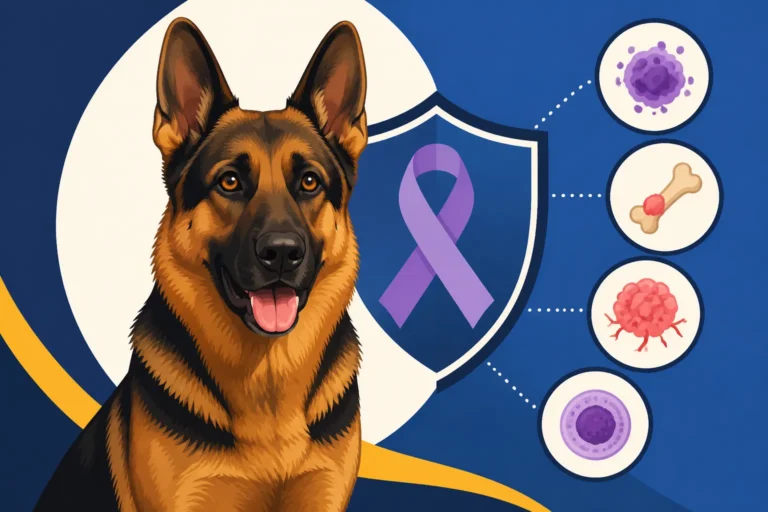
The single most significant predictor of your working line German Shepherd's potential lifespan often lies in their genetic blueprint. Reputable breeders are the unsung heroes in this regard. They invest heavily in understanding bloodlines, performing extensive German Shepherd Genetic Health Testing on breeding pairs to screen for genetic diseases that are common in the breed. This includes evaluations for hip and elbow dysplasia, which can severely impact a dog's mobility and quality of life, potentially shortening it. They also screen for conditions like Degenerative Myelopathy (DM), a progressive neurological disease that causes weakness in the hind limbs.
When you bring a working line German Shepherd puppy home, you're not just getting a dog; you're inheriting a genetic legacy. A responsible breeder will provide health clearances for the parents, not just a vague assurance. They'll show you OFA (Orthopedic Foundation for Animals) or PennHIP certifications, eye clearances, and DM test results. Without this crucial foundation, you're essentially playing a lottery with your dog's health, which can lead to heartbreaking diagnoses and significant veterinary expenses down the line. It's why doing your homework on how to find a reputable German Shepherd breeder is so vital.
Nutrition and Diet Quality
For a working line German Shepherd, food isn't just fuel; it's the very building blocks of their health and performance. These dogs expend a tremendous amount of energy, whether they're training for Schutzhund, doing scent work, or simply enjoying vigorous play. A cheap, filler-laden kibble simply won't cut it. Their diet needs to be rich in high-quality protein, balanced fats, and easily digestible carbohydrates to support their muscle mass, energy levels, and overall cellular health.
Look for dog foods formulated for large, active breeds. Brands like Purina Pro Plan Sport or Eukanuba Premium Performance often cater to these high-energy needs, providing the caloric density and nutrient profile necessary for sustained activity. It's not just about the brand, though; it's about the ingredients. Avoid foods with excessive corn, wheat, or soy as primary ingredients, as these are often less digestible and can contribute to allergies or digestive upset in sensitive dogs. Remember, a healthy gut is foundational to a healthy immune system and efficient nutrient absorption. Tailoring their diet to their age, activity level, and any specific health concerns, such as allergies or a sensitive stomach, is critical for their long-term vitality.
Exercise, Mental Stimulation, and Injury Prevention
A working line German Shepherd thrives on activity. They aren't meant to be couch potatoes; their minds and bodies crave a job. This means dedicated exercise—more than just a stroll around the block. We're talking vigorous activities like running, hiking, fetch, agility, or even formal dog sports like IGP (formerly Schutzhund). Consistent physical activity helps maintain a healthy weight, strengthens muscles and joints, and supports cardiovascular health, all of which are vital for a longer life.
However, there's a delicate balance, especially with puppies. Over-exercising a growing German Shepherd puppy can lead to serious orthopedic issues later in life, as their growth plates are still developing. It's important to understand How Much Exercise Is Too Much for a Puppy and gradually increase intensity as they mature. For adult dogs, avoiding sudden, intense bursts of activity without proper warm-up can also help prevent injuries to joints and ligaments.
Beyond physical exertion, mental stimulation is equally important for these intelligent dogs. Their minds need to be challenged to prevent boredom, which can lead to destructive behaviors and stress. Puzzle toys, training sessions, scent work, and learning new commands are excellent ways to keep their brains active. A mentally fulfilled dog is generally a happier, less stressed dog, and less stress translates to better overall health. Consider that many working line GSDs are prone to joint issues, so incorporating low-impact activities as they age, like swimming, can be incredibly beneficial.
Veterinary Care and Preventive Health Measures
Regular veterinary care is non-negotiable for extending your working line German Shepherd's lifespan. It's not just about reactive care when they're sick; it's about proactive prevention. Annual check-ups, even if your dog seems perfectly healthy, allow your vet to catch potential issues early, often before they become serious or untreatable. These visits typically include a thorough physical examination, dental check, and discussions about vaccinations, parasite prevention, and diet.
As your German Shepherd ages, these check-ups might become more frequent, and your vet might recommend additional screenings, such as blood work or urine tests, to monitor organ function. Early detection of conditions like kidney disease, thyroid imbalances, or even certain cancers can make a world of difference in prognosis and management. Pet insurance, such as a plan from Healthy Paws, can be an absolute lifesaver when unexpected illnesses or accidents occur, allowing you to focus on your dog's care without the added stress of exorbitant veterinary bills. It ensures you can always opt for the best treatment options available.
Preventive measures extend beyond the vet's office. Maintaining your dog's dental hygiene through regular brushing and dental chews can prevent painful periodontal disease, which can lead to other health problems when bacteria enter the bloodstream. Consistent flea, tick, and heartworm prevention is also vital. These seemingly small steps contribute significantly to your dog's overall health and can add precious years to their life.
Practical Ways to Support Your Working Line GSD's Lifespan
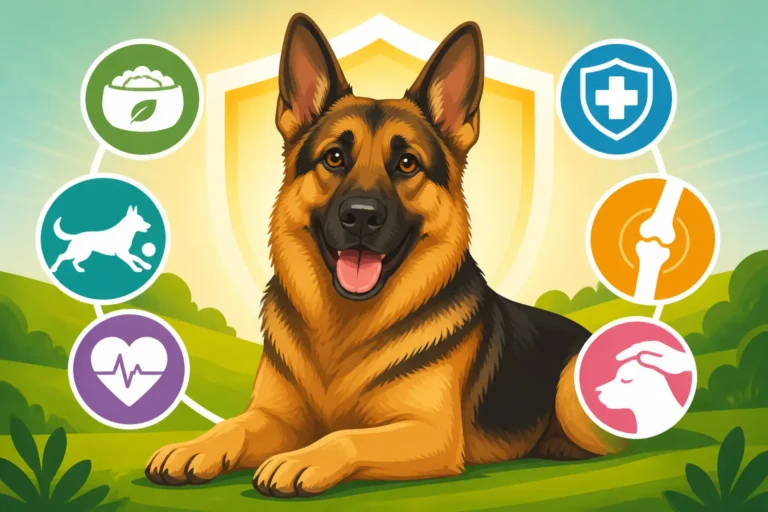
We all want our beloved companions to be with us for as long as possible, especially our working line German Shepherds who give us so much. The good news is, there's a lot you can do beyond just basic care to truly bolster their health and add quality years to their life. It’s about being intentional and consistent in your approach, recognizing that every small effort contributes to a larger picture of well-being.
Optimal Nutrition Strategies for Peak Performance
Feeding a working line German Shepherd isn't just about putting food in a bowl; it's a science. These dogs have higher metabolic rates and require more calories and nutrients than less active breeds. Their diet should be rich in high-quality animal protein, which supports muscle maintenance and repair—critical for active dogs. Look for foods where meat is the first ingredient, and ideally, several meat sources are listed among the top ingredients.
Beyond protein, healthy fats are essential for energy, skin and coat health, and brain function. Omega-3 fatty acids, found in fish oil, are particularly beneficial for joint health and reducing inflammation, which is vital for a breed prone to orthopedic issues. Many owners consider adding supplements like glucosamine and chondroitin for German Shepherd Joint Health Supplements, especially as their dogs age or if they show signs of strenuous activity. Remember to consult your vet before adding any supplements to ensure they are appropriate for your individual dog's needs.
Consider a feeding schedule that divides their daily intake into two or three meals to help with digestion and reduce the risk of bloat, a life-threatening condition that German Shepherds are particularly susceptible to. Feeding from a slow-feeder bowl or puzzle feeder can also help, as can avoiding strenuous exercise immediately after a large meal.
Tailored Exercise Programs and Injury Prevention
For a working line German Shepherd, exercise is life. But it needs to be smart exercise. During puppyhood, controlled exercise is paramount to protect developing joints. Instead of long, forced runs, focus on multiple short play sessions and walks. As they mature, you can gradually introduce more intense activities. For adult working lines, aim for at least 1-2 hours of vigorous exercise daily, which could include a combination of off-leash running, structured training, or dog sports.
Variety is key to preventing boredom and developing a well-rounded physique. Incorporate different types of exercise:
- Cardio: Running, swimming (excellent for joints!), long hikes.
- Strength: Tug games, uphill retrieves, short sprints.
- Flexibility & Balance: Cavaletti poles, agility obstacles.
Always warm up your dog with a brisk walk before strenuous activity and cool them down afterward. Pay close attention to their body language for any signs of discomfort or lameness. Early intervention for an injury can prevent it from becoming a chronic problem. For senior working line German Shepherds, the intensity and duration of exercise should be scaled back, focusing on gentle walks, swimming, and mental enrichment to keep them engaged without stressing their aging bodies. Regular physical therapy or hydrotherapy can also be immensely beneficial for maintaining mobility in older dogs.
Proactive Health Management and Early Detection
Being proactive about your German Shepherd's health means more than just annual vet visits. It means being acutely aware of their normal behavior and physical condition so you can spot subtle changes that might indicate a problem. Think of yourself as their primary health detective.
Keep a close eye on their appetite, water intake, bathroom habits, energy levels, and gait. Any persistent changes warrant a call to your veterinarian. For example, a slight limp that doesn't resolve after a day or two, or a sudden reluctance to jump, could be early signs of joint pain. Increased thirst could indicate kidney issues or diabetes.
Regular at-home checks are also crucial. Feel their body for any lumps or bumps, check their ears for redness or discharge, and examine their teeth and gums. Many serious conditions, including cancer, are much more treatable when caught early. This is where a robust pet insurance policy like Healthy Paws can truly shine, giving you the financial freedom to pursue diagnostics and treatments like biopsies, ultrasounds, or specialist consultations without hesitation. Don't wait until a problem becomes undeniable; trust your gut and consult your vet.
Mental Engagement and Enrichment for a Fulfilled Life
Working line German Shepherds are not just athletic; they are incredibly intelligent and have an insatiable need to do something. A bored working line GSD can quickly become a destructive, anxious, or even unhealthy one. Mental stimulation is just as vital as physical exercise for their overall well-being and, consequently, their longevity.
Integrate daily training sessions into your routine. This doesn't have to be formal obedience; it could be teaching new tricks, practicing nose work, or engaging in problem-solving games. Puzzle toys that dispense treats when manipulated are fantastic for keeping their minds active, especially when you can't provide direct interaction. Rotating toys keeps things fresh and exciting.
Consider enrolling in dog sports or advanced training classes like obedience, agility, tracking, or even herding. These activities tap into their natural instincts and provide a structured outlet for their intelligence and drive. A mentally challenged German Shepherd is less prone to stress, anxiety, and behavior problems, all of which can indirectly impact their physical health and lifespan. A fulfilled life, both physically and mentally, is a long and healthy life for a working line GSD.
The Emotional Journey of Owning an Older Working Line GSD
The journey with a working line German Shepherd is a whirlwind of energy, loyalty, and boundless intelligence. As they transition into their senior years, the ride shifts gears. It becomes less about conquering mountains and more about cherishing every gentle walk, every shared gaze, and every moment of comfortable companionship. This phase can be incredibly rewarding, but it also comes with its unique set of emotional and practical challenges.
Recognizing Signs of Aging
It can be difficult to accept that your once-powerhouse working line German Shepherd is starting to show their age. We often want to believe they’ll stay young forever, but time marches on. Recognizing the subtle and not-so-subtle signs of aging is the first step in adapting their care to ensure their comfort and dignity.
One of the most common changes you'll notice is a decrease in energy and stamina. That tireless drive they once had might wane, with shorter bursts of play and longer naps becoming the norm. You might observe a stiffness, especially after resting, or a slight difficulty getting up from a lying position. These could be early indicators of conditions like German Shepherd Arthritis in Senior Dogs or other joint issues. Changes in coat texture, dulling eyes, or even hearing loss are also typical.
Behavioral shifts can occur too. Some senior GSDs become a bit more clingy, seeking comfort, while others might become a little more irritable if they're in pain or feeling disoriented. They might sleep more, have a reduced appetite, or their potty habits might change. It’s important to remember these aren’t just "old dog behaviors"; they often signal underlying health issues or simply discomfort that can be managed with proper veterinary care and adjustments at home. Don't dismiss new behaviors as just "getting old" without consulting your vet.
Adapting Care for Senior Dogs
Once you notice the signs of aging, adapting your care routine is paramount. This isn't about restricting their life, but enhancing their comfort and supporting their changing needs. Your goal is to maximize their quality of life in their golden years.
Dietary Adjustments: Senior German Shepherds often need fewer calories as their metabolism slows down, but they still require high-quality protein to maintain muscle mass. Look for senior-specific dog foods that are lower in calories and fat but rich in joint-supporting nutrients like glucosamine and chondroitin. German Shepherd Senior Diet Adjustments often involve incorporating easily digestible ingredients and sometimes adding supplements for cognitive function.
Exercise Modifications: While the intensity of exercise will decrease, regular, gentle activity remains crucial for maintaining muscle tone, joint flexibility, and mental well-being. Short, frequent walks are often better than one long one. Swimming is an excellent low-impact option. Avoid slippery floors and provide orthopedic beds to cushion their joints. Ramps can also be helpful to avoid jumping onto furniture or into cars, preventing further strain on their bodies.
Increased Veterinary Attention: Senior dogs typically benefit from vet check-ups every six months instead of annually. These visits allow for more frequent monitoring of blood work, urine analysis, and blood pressure, catching age-related diseases earlier. Your vet might also recommend pain management strategies, such as anti-inflammatory medications or therapeutic laser treatments, to keep your senior comfortable. Pet insurance like Healthy Paws can continue to be an invaluable resource during these years, covering diagnostic tests, medications, and specialized treatments that often become necessary as dogs age.
Mental and Emotional Support: Keep their minds active with gentle puzzle toys and short training sessions. Maintain a consistent routine to reduce anxiety, especially if they're experiencing cognitive decline. Most importantly, continue to provide ample affection and reassurance. Their world might be changing, but your consistent love and presence remain their anchor.
Navigating End-of-Life Decisions
This is perhaps the hardest part of pet ownership, and one that every German Shepherd owner will eventually face. The decision to say goodbye is agonizing, but it’s a profound act of love and responsibility to prevent prolonged suffering. It’s a discussion that should ideally happen well before the immediate crisis, allowing you to make thoughtful choices when emotions aren’t at their peak.
Talk openly with your veterinarian about your dog's quality of life. They can offer an objective perspective, assessing pain levels, mobility, appetite, and general enjoyment of life. Consider creating a "quality of life" checklist, perhaps rating your dog's good days versus bad days. It helps to have a tangible way to measure their comfort and happiness.
Support groups and pet loss resources can provide comfort during this incredibly difficult time. Remember, you don't have to face this alone. Organizations like Lap of Love offer invaluable guidance. Ultimately, the decision rests with you, guided by your vet's advice and your deep understanding of your beloved companion. It's a testament to the incredible bond you share, honoring their life with a peaceful and dignified farewell.
| Factor | Impact on Working Line GSD Lifespan | Actionable Steps for Owners |
|---|---|---|
| Genetics & Breeding | Strongest influence; genetic predispositions to conditions like hip/elbow dysplasia, DM. Poor breeding shortens life. | Choose a reputable breeder with proven health clearances (OFA, PennHIP, DM testing) for multiple generations. |
| Nutrition & Diet | High-quality, balanced diet supports energy, muscle, and organ health. Poor diet leads to deficiencies, obesity, disease. | Feed premium large-breed specific food with high protein. Consider omega-3s, joint supplements. Divide meals to prevent bloat. |
| Exercise & Mental Stimulation | Proper exercise maintains physical health, prevents obesity and boredom. Over-exercise in youth causes joint damage. Lack of mental stimulation causes stress. | Tailor exercise to age; gentle for puppies, vigorous for adults, low-impact for seniors. Provide puzzle toys, training, dog sports. |
| Veterinary Care | Early detection, preventive care, and prompt treatment of illnesses extend life. | Annual (or bi-annual for seniors) vet check-ups. Stay up-to-date on vaccines/parasite prevention. Consider pet insurance like Healthy Paws. |
| Injury Prevention | Avoiding injuries, especially to joints, prevents chronic pain and mobility issues. | Warm-up/cool-down for exercise. Use ramps. Avoid slippery floors. Monitor for lameness or pain. |
| Weight Management | Maintaining ideal weight reduces stress on joints and organs. Obesity shortens life. | Monitor food intake and exercise output. Adjust diet as needed. Consult vet for weight management plan. |
| Stress Reduction | Chronic stress impacts immune system and overall health. | Provide a stable, loving environment. Consistent routine. Address anxiety (separation, noise phobias). |
Disclaimer
The information provided in this article is for general informational purposes only and is not intended as a substitute for professional veterinary advice. Always consult with a qualified veterinarian for any health concerns or before making any decisions related to your German Shepherd's health and well-being.