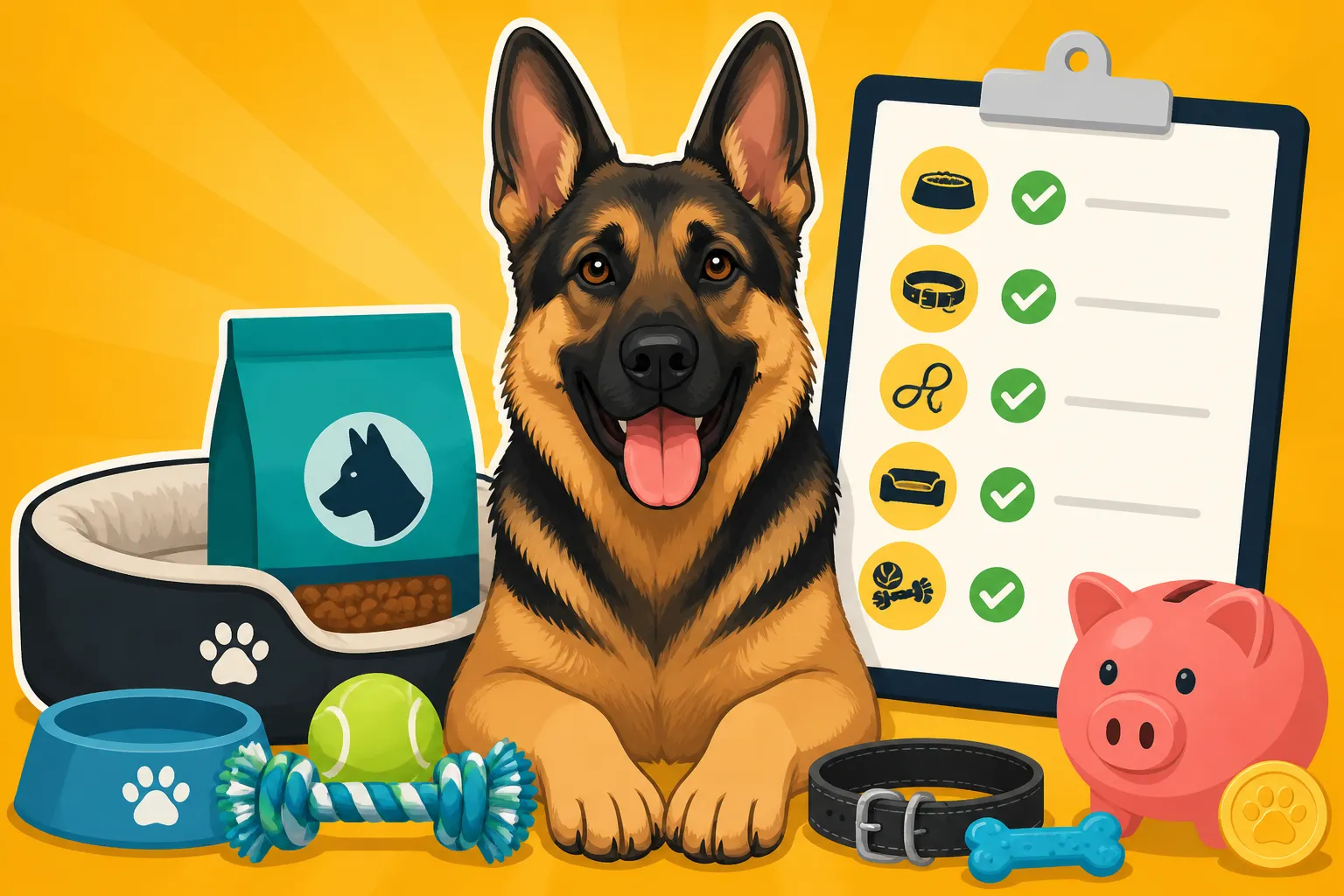
German Shepherd Supplies Checklist and Cost
Bringing a magnificent German Shepherd into your life is an incredibly exciting adventure, but let's be honest, it can also feel a little overwhelming when you start thinking about everything they're going to need. Many new and even experienced owners underestimate the true initial setup costs and the ongoing expenses that come with owning such a capable and active breed. This comprehensive guide is here to walk you through a detailed German Shepherd supplies checklist, providing realistic cost estimates so you can budget effectively and ensure your furry family member has everything they need for a happy, healthy life from day one.
Initial Must-Have Supplies for Your German Shepherd
When you first bring your German Shepherd puppy or adult dog home, there are certain non-negotiable items you'll need right away. These aren't just about comfort; they're about safety, security, and establishing good habits from the get-go. Rushing these purchases can lead to issues down the line, so take your time and invest wisely.
Crates and Beds
A crate isn't just a cage; it's a safe den for your German Shepherd, a place of security and quiet that can be invaluable for potty training, managing separation anxiety, and ensuring they have their own space. For a German Shepherd, you'll need a large-sized crate, typically 42 to 48 inches long, to accommodate their adult size, especially if you're starting with a puppy. Wire crates are popular due to their ventilation and foldability, often ranging from $70 to $150. Plastic crates, sometimes called "airline-approved," are more den-like and good for travel, usually costing $80 to $200. You might also consider a heavy-duty model, particularly if you have a known escape artist or a dog prone to chewing, which could run you $200 to $500 or more.
Alongside the crate, a comfortable bed is crucial. German Shepherds, with their potential for joint issues like German Shepherd Hip Dysplasia Explained, benefit greatly from orthopedic beds that offer good support. A quality orthopedic dog bed for a large breed can range from $50 to $150, with premium memory foam options reaching $200-$300. Don't forget a couple of blankets or towels to make the crate extra cozy and provide something to snuggle with. You might find great options for both crates and beds on sites like Chewy, offering a wide range of brands and price points.
Food and Water Bowls
This might seem straightforward, but selecting the right bowls for a German Shepherd requires a little thought. For food, stainless steel bowls are often recommended by vets because they are easy to clean, durable, and don't harbor bacteria like some plastic bowls can. They're also less likely to be chewed up than plastic. For water, a large-capacity stainless steel bowl is also ideal. Some owners choose raised bowls, believing they can help with digestion or prevent bloat, a serious concern for deep-chested breeds. While opinions vary on the effectiveness of raised bowls for bloat prevention (and some studies even suggest a potential link to increased risk), many find them comfortable for larger dogs to eat from.
A set of good quality stainless steel food and water bowls will typically cost between $25 and $60. If you opt for ceramic, ensure they are heavy enough not to be easily tipped and chip-resistant. For dogs who eat too quickly, a slow-feeder bowl can be a game-changer, helping to prevent digestive upset and potentially reducing the risk of bloat. These can add another $15-$30 to your initial cost.
Collars, Leashes, and ID
Every German Shepherd needs a sturdy collar and a reliable leash. For puppies, a lightweight nylon collar and a 4-6 foot standard leash are perfect for initial training. As they grow, you'll need to upgrade to a more durable, wider collar, potentially a martingale style for better control without choking, or a properly fitted harness. Collars typically range from $15 to $40, depending on material and brand. Leashes, especially those made for strong pullers, can cost anywhere from $20 to $60 for high-quality nylon, leather, or biothane options. Reflective options are excellent for evening walks, adding a layer of safety.
Most importantly, don't overlook an ID tag and microchipping. An engraved ID tag with your contact information is a small investment ($5-$15) that can make all the difference if your dog gets lost. Microchipping is usually done by your vet during an initial check-up and costs around $30-$50, providing a permanent form of identification. Remember, even the best-trained German Shepherd can get spooked and run, so these safety measures are absolutely essential.
Ongoing Daily Essentials for Your German Shepherd
Beyond the initial setup, there are items your German Shepherd will need consistently throughout their life. These are the recurring expenses that you'll need to factor into your regular budget, from what they eat to how you clean up after them.
High-Quality Dog Food
Choosing the right food is paramount for a German Shepherd's long-term health, as nutrition plays a huge role in everything from coat health to joint support. Given their size and activity level, German Shepherds require a diet rich in protein and quality fats. Look for foods specifically formulated for large breeds, as these often have appropriate calcium-to-phosphorus ratios essential for healthy bone development, especially in puppies, to help mitigate risks like How to Prevent Hip Dysplasia in German Shepherds. Brands like Purina Pro Plan, Royal Canin, and Eukanuba often have breed-specific or large-breed formulas that many owners swear by.
The cost of food can vary significantly. A 30-40 lb bag of high-quality kibble generally costs between $50 and $90 and will likely last a large German Shepherd for 2-4 weeks, depending on their age, weight, and activity level. If you opt for premium, limited-ingredient, or fresh-food diets, like those offered by Ollie, your monthly food bill could be considerably higher, potentially ranging from $100 to $200+. You'll also want to consider specific formulas if your dog has allergies or a sensitive stomach; for more on this, check out our guide on German Shepherd EPI Diet and Management.
Treats and Chews
Treats are invaluable for German Shepherd Obedience Training Basics, positive reinforcement, and just showing your dog some love. However, not all treats are created equal. For German Shepherds, who can be powerful chewers, you'll want durable, healthy treats and chews that won't disappear in seconds or upset their stomach. Look for single-ingredient treats, dental chews, or puzzle treats that offer mental stimulation.
A bag of quality training treats can cost $10-$25, and you might go through one or two a month, especially with a puppy. Longer-lasting chews, such as bully sticks, yak chews, or Nylabones, are excellent for keeping them occupied and promoting dental health, but these can range from $5 to $20 per chew. Always supervise your German Shepherd with new chews to ensure they are safe and appropriately sized to prevent choking hazards.
Waste Management
Let's face it, owning a large dog means dealing with large amounts of waste. Having a solid waste management system in place is not just about cleanliness, but also about being a responsible pet owner in your community. Dog poop bags are an absolute necessity for walks and yard clean-up. You can buy large rolls of compostable or biodegradable bags online or at pet stores, with a year's supply typically costing $20-$40.
For backyard clean-up, a sturdy pooper scooper (ranging from $15-$30) can save your back. Many German Shepherd owners also invest in a dedicated outdoor waste bin or a dog waste disposal system like a Doggie Dooley septic tank ($80-$150, plus enzyme refills) to keep odors contained and manage waste hygienically. These might seem like minor expenses, but they add up and are crucial for maintaining a clean and pleasant environment for both you and your neighbors.
Health and Wellness Gear for Your German Shepherd
Maintaining your German Shepherd's health goes beyond vet visits. It involves a consistent routine of grooming, preventative care, and having the right tools on hand for minor emergencies. These items are integral to their comfort and overall well-being.
Grooming Tools
German Shepherds have a dense double coat that sheds year-round, with "blow out" seasons twice a year where they shed even more intensely. Proper grooming is essential to manage this shedding, keep their coat healthy, and prevent matting. You'll need a good collection of tools: a sturdy deshedding tool (like a Furminator or similar brand, $30-$60) to tackle the undercoat, a slicker brush ($15-$30) for removing loose hair and mats, and a comb ($10-$20) for finer detangling.
Don't forget nail clippers or a dremel tool ($15-$40) for regular nail trims, as overgrown nails can cause discomfort and lead to foot problems. Ear cleaner ($10-$20 per bottle) is also crucial for preventing ear infections, which German Shepherds can be prone to. While you can opt for professional grooming, having these tools at home for routine maintenance can save you a lot in the long run. Our article on How to Groom a German Shepherd goes into even more detail.
First-Aid and Preventative Care
Just like with humans, a basic first-aid kit for your German Shepherd is a must-have for minor scrapes, cuts, or unexpected ailments. This kit should include items like antiseptic wipes, gauze, medical tape, hydrogen peroxide (for inducing vomiting only under vet instruction), an Elizabethan collar (cone of shame), and a pair of blunt-tipped scissors. You can assemble one yourself for around $30-$60, or purchase a pre-made pet first-aid kit.
Beyond immediate care, preventative measures are key. This includes flea and tick medication (monthly cost $15-$40), heartworm preventatives (monthly cost $10-$25), and regular deworming. These are typically prescribed by your veterinarian and are vital for protecting your German Shepherd from common parasites. Keep a watchful eye for any unusual behavior or symptoms, as our guide to German Shepherd Health Problems Guide can help you recognize early warning signs.
Dental Hygiene Products
Dental health is often overlooked, but it's incredibly important for a dog's overall well-being. Poor dental hygiene can lead to painful infections, tooth loss, and even systemic health issues. German Shepherds are no exception. You'll want to invest in a dog-specific toothbrush and toothpaste (never use human toothpaste), which can cost around $10-$25 for a starter kit. Aim to brush your dog's teeth several times a week, if not daily.
In addition to brushing, dental chews specifically designed to reduce plaque and tartar can be beneficial, costing $15-$30 for a month's supply. Some vets also recommend water additives that help with dental hygiene, adding another $10-$20 per bottle. Regular professional dental cleanings under anesthesia will also be a part of your German Shepherd's life, and these can be a significant expense, often ranging from $300 to $800 or more depending on your location and the vet's services.
Training and Enrichment Tools for Your German Shepherd
German Shepherds are highly intelligent and require significant mental and physical stimulation to thrive. Providing the right training and enrichment tools is not just about preventing boredom; it's about fostering a well-behaved, happy, and confident companion. These tools are an investment in their development and your relationship.
Training Aids and Toys
Successful German Shepherd training often relies on the right tools. Beyond a basic leash and collar, you might consider a long line (15-30 feet, $20-$40) for practicing recall in a safe, open area, or a comfortable training harness ($30-$70) that discourages pulling. For advanced training or specific behavioral issues, professional training classes or private sessions are highly recommended and can range from $150 for a group course to $500-$1000+ for specialized private training. You can learn more in our detailed guide on How to Train a German Shepherd.
When it comes to toys, German Shepherds need durable options that can withstand powerful jaws. Plush toys might last minutes, but tough rubber toys (like those from Kong or Goughnuts, $15-$35 each) are built to last and can be stuffed with treats for added engagement. Tug toys and flirt poles ($20-$40) are excellent for channeling their natural prey drive in a constructive way and providing vigorous exercise. Always have a rotation of toys to keep them interested.
Mental Stimulation Puzzles
A bored German Shepherd is often a destructive German Shepherd. Their keen minds need to be challenged just as much as their bodies. Puzzle toys and interactive feeders ($20-$60) are fantastic for this, requiring your dog to think to get their food or treats. These can range from simple treat-dispensing balls to multi-stage puzzles. Slow-feeder bowls, as mentioned earlier, also fall into this category.
Snuffle mats ($15-$35) are another great option, allowing your German Shepherd to use their powerful sense of smell to forage for kibble or treats, which is a naturally calming and enriching activity. Investing in a few different types of mental stimulation toys can help prevent common behavioral problems like excessive chewing or digging, and are particularly useful on rainy days or when you need to keep your dog quietly occupied indoors.
Safety Equipment
Depending on your lifestyle and where you live, additional safety equipment might be necessary. If you frequently travel with your German Shepherd in the car, a crash-tested car harness or a sturdy travel crate ($100-$300+) is a crucial investment to protect both your dog and human passengers in case of an accident. Dogs unrestrained in vehicles can become dangerous projectiles.
For outdoor adventures, a high-visibility vest ($20-$50) is important if you hike or hunt in areas shared with other outdoor enthusiasts. A strong tie-out stake and cable ($25-$50) can provide a secure temporary spot for your dog in your yard, though supervision is always advised. And for those with pools or who live near water, a dog life vest ($30-$70) is a sensible precaution, even if your German Shepherd is a good swimmer.
Long-Term Investment and Unexpected Costs
Owning a German Shepherd is a long-term commitment, and while daily supplies are important, it's also crucial to plan for the bigger picture: potential health issues, emergencies, and the inevitable wear and tear on their belongings.
Pet Insurance Considerations
German Shepherds are generally healthy dogs, but like all large purebreds, they are predisposed to certain conditions, such as hip and elbow dysplasia, degenerative myelopathy, and bloat. The costs of treating these conditions can be astronomical. For example, German Shepherd Hip Dysplasia Surgery Cost can easily run into thousands of dollars. This is where pet insurance can be a literal lifesaver.
Policies vary widely, but typically cover accidents, illnesses, and sometimes routine care. Monthly premiums for a German Shepherd can range from $40 to $100+, depending on your dog's age, location, and the coverage level you choose. Companies like Healthy Paws are popular for their comprehensive plans. While it's an ongoing expense, many owners find the peace of mind invaluable when faced with an unexpected emergency vet bill. Our guide, Is Pet Insurance Worth It for a German Shepherd, provides a deeper dive into this topic.
Emergency Fund Planning
Even with pet insurance, an emergency fund is a wise idea. Most pet insurance policies have deductibles and reimbursement rates, meaning you'll still be responsible for a portion of the bill upfront. Beyond medical emergencies, life happens. Your German Shepherd might chew through an expensive piece of furniture, require an unexpected board and train stay, or damage something in the house.
Aim to set aside at least $1,000-$3,000 in a dedicated savings account for your dog. This fund acts as a buffer for anything not covered by insurance, or for situations where you might prefer to pay out-of-pocket for smaller issues to avoid filing a claim and potentially affecting your premiums. Thinking about German Shepherd Emergency Vet Cost Examples can give you a clear picture of how quickly these expenses can escalate.
Replacement and Upgrade Cycles
Nothing lasts forever, especially with an active German Shepherd. You'll need to factor in the cost of replacing items over time. Collars and leashes wear out, beds get flattened or torn, and toys get destroyed. On average, you might replace collars and leashes every 1-2 years, beds every 2-5 years, and toys continually.
As your German Shepherd grows, you'll also need to upgrade certain items. A puppy crate might be outgrown, requiring a larger adult size. Puppy food will eventually transition to adult food, and then senior formulas, each with potentially different cost points. Staying on top of these replacement and upgrade cycles ensures your German Shepherd always has what they need without sudden, unexpected spending spikes.
Cost Breakdown and Budgeting Tips
Now that we've covered the vast array of supplies your German Shepherd needs, let's put some numbers to it. Understanding the financial commitment upfront is key to responsible German Shepherd ownership.
Initial Setup Costs Overview
The first few weeks with a German Shepherd can be the most expensive in terms of supplies, as you're buying everything new. Here's a general breakdown of what you might expect for initial setup:
| Category | Low-End Estimate | High-End Estimate | Notes |
|---|---|---|---|
| Crate & Bed | $120 | $450 | Wire crate + orthopedic bed; heavy-duty options push the higher end |
| Food & Water Bowls | $25 | $60 | Stainless steel, possibly slow-feeder |
| Collar, Leash & ID | $30 | $75 | Nylon/basic leather, engraved tag |
| First Bag of Food | $50 | $90 | High-quality large-breed kibble |
| Initial Treats & Chews | $30 | $70 | Training treats, durable chew toys |
| Grooming Tools (basic kit) | $60 | $120 | Deshedder, slicker brush, nail clippers, ear cleaner |
| Training & Puzzle Toys | $40 | $100 | Rubber chew toys, basic puzzle |
| Waste Bags & Scooper | $20 | $40 | Bulk waste bags, basic scooper |
| Total Initial Setup | $375 | $1,005 | Excludes vet visits, vaccinations, spay/neuter, or pet insurance sign-up fees. |
This table provides a realistic range. Remember, these are estimates, and costs can fluctuate based on brands, sales, and your location. This doesn't include the German Shepherd Puppy Price Explained or German Shepherd Adoption Fees Explained itself, nor the crucial first vet visit which typically includes vaccinations and potentially microchipping, easily adding another $100-$300.
Monthly and Annual Recurring Expenses
Once you're past the initial setup, you'll settle into a rhythm of recurring costs. These are the expenses you'll need to budget for monthly or annually.
| Category | Monthly Estimate | Annual Estimate | Notes |
|---|---|---|---|
| Food | $60 – $120 | $720 – $1,440 | High-quality kibble; fresh food diets can be higher |
| Treats & Chews | $20 – $50 | $240 – $600 | Training treats, durable chews |
| Flea, Tick, Heartworm Meds | $25 – $65 | $300 – $780 | Vet-prescribed preventatives |
| Waste Bags | $5 – $10 | $60 – $120 | Bulk bags |
| Pet Insurance (optional) | $40 – $100 | $480 – $1,200 | Healthy Paws or similar, varies by age, location, coverage |
| Toys (replacements) | $10 – $30 | $120 – $360 | Regular replacements for destructive chewers |
| Subtotal (Monthly) | $160 – $375 | ||
| Subtotal (Annual) | $1,920 – $4,500 | This excludes routine vet check-ups, dental cleanings, or unexpected medical issues. |
Annual vet check-ups can range from $50-$250, depending on what diagnostics are included. Specialized care like professional dental cleanings ($300-$800+) or advanced training ($150-$1000+) are periodic but significant expenses. For a full picture of ongoing costs, consult our guide on the Cost of Owning a German Shepherd Per Year.
Smart Shopping and Saving Strategies
While German Shepherds are a financial commitment, there are smart ways to manage costs without sacrificing quality of care:
- Buy in Bulk: For items like food and waste bags, buying larger quantities from online retailers like Chewy can often lead to savings per unit. Just make sure you have proper storage for food to keep it fresh.
- DIY Grooming: Investing in quality grooming tools and learning to do basic grooming at home (brushing, nail trims, ear cleaning) can save hundreds of dollars a year compared to professional grooming services.
- Preventative Care: Staying on top of vaccinations, parasite control, and a good diet is the best way to avoid costly emergency vet visits down the road. Regular check-ups are cheaper than treating advanced illnesses.
- Shop Sales and Discounts: Keep an eye out for sales on pet supplies, especially around holidays. Sign up for newsletters from your favorite pet stores or online retailers.
- Homemade Treats: Many simple, healthy dog treats can be made at home for a fraction of the cost of store-bought versions. Just be sure to research what human foods are safe for dogs.
- Pet Insurance: While an upfront cost, a good pet insurance policy can save you tens of thousands of dollars if your German Shepherd develops a serious illness or has a major accident. It’s an investment in managing risk.
By being mindful and proactive, you can provide an excellent life for your German Shepherd without breaking the bank. It's all about planning and making informed choices!
Disclaimer
Please remember that the information provided in this article is intended for general guidance and informational purposes only. The specific needs and costs associated with owning a German Shepherd can vary greatly based on individual circumstances, location, specific brand choices, and unforeseen events. Always consult with a qualified veterinarian for personalized advice regarding your dog's health, diet, and care.